


- The Planet Where It Rains Liquid Glass – 7 Alien Worlds Defying Known Physics - November 14, 2026
- Stars Consuming Entire Worlds – 6 Planetary Systems Swallowing Their Own Worlds - November 14, 2026
- The Ground Liquefies Like Water – 6 Silent Fault Lines Geologists Watch Closely - November 14, 2026
Moving to Utah for the ski season sounded like pure powder days and mountain views. What caught me off guard was how much the winter air quality shaped daily life, even when the resorts themselves sat above the worst of it.
The valleys trap pollution in ways that feel invisible until you experience them firsthand. Reliable data from recent seasons shows these patterns hold steady despite some regulatory progress.
The Inversion Layer Creates a Sharp Elevation Divide
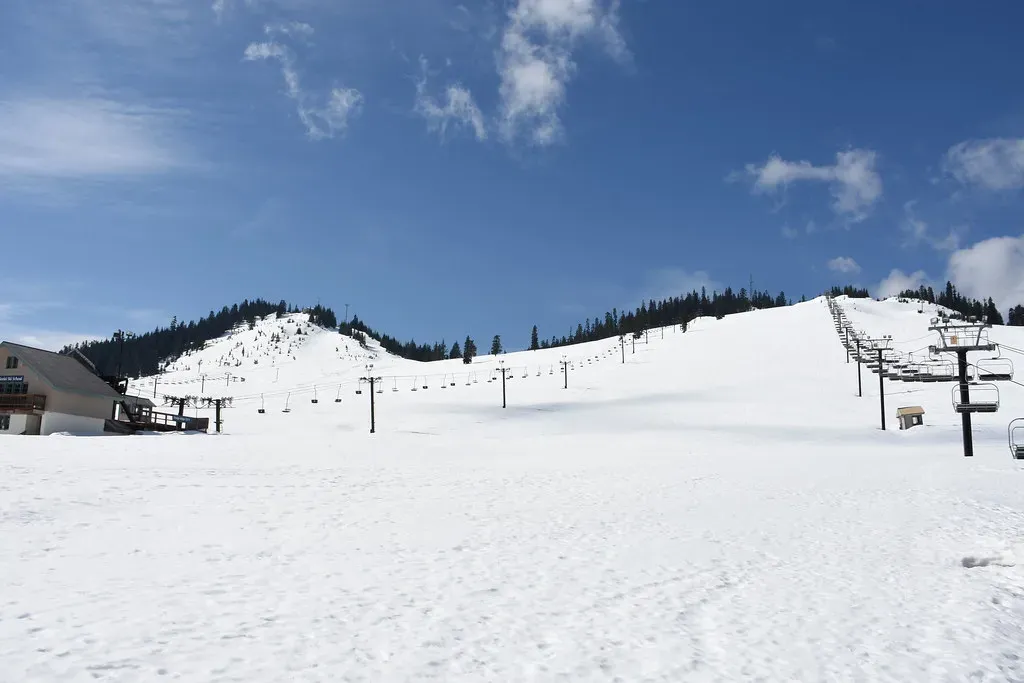
Temperature inversions trap cold air and pollutants in the valleys while higher ground often stays clear. Ski areas like those near Park City or Snowbird frequently sit above the haze layer during multi-day events. This means resort mornings can feel crisp and clean even as the valley below looks murky. I quickly learned to check elevation forecasts before heading down for errands.
Geography plays a big role here with the Wasatch Front forming a natural basin. Cold air pools low while warmer air aloft acts like a lid. Recent monitoring shows this split can vary hourly as winds shift along the benches. Living or driving between zones requires more planning than I expected.
PM2.5 Spikes Can Hit Hard on No-Burn Days
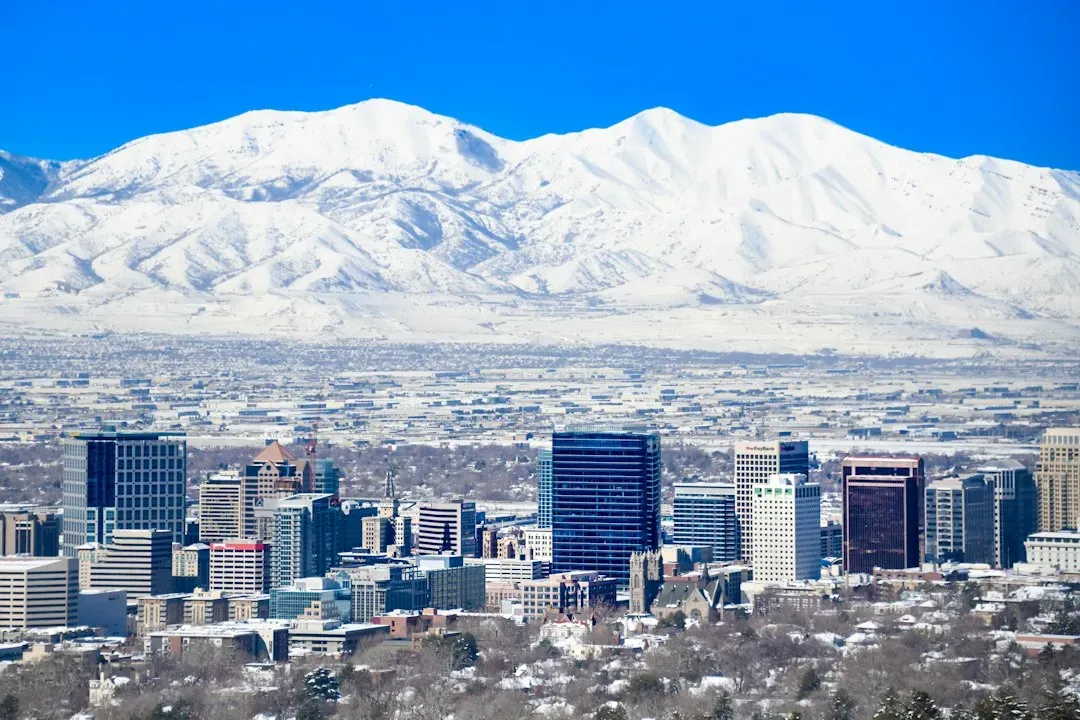
Fine particulate levels from vehicles, heating, and other sources build rapidly during inversions. A typical Utah winter sees several episodes where readings exceed standards for days at a time. In early 2026 one inversion pushed Salt Lake City to the top of national poor air quality rankings for multiple days. Restrictions on wood burning kick in automatically and change how people heat their homes.
These spikes feel more noticeable when you are active outdoors part of the week. Ammonium nitrate formed in the atmosphere often makes up a large share of the haze. Checking the UtahAir app became a habit I never planned on. The contrast with fresh mountain air at the slopes still surprises me each time.
Wood Smoke and Home Heating Add Up Quickly
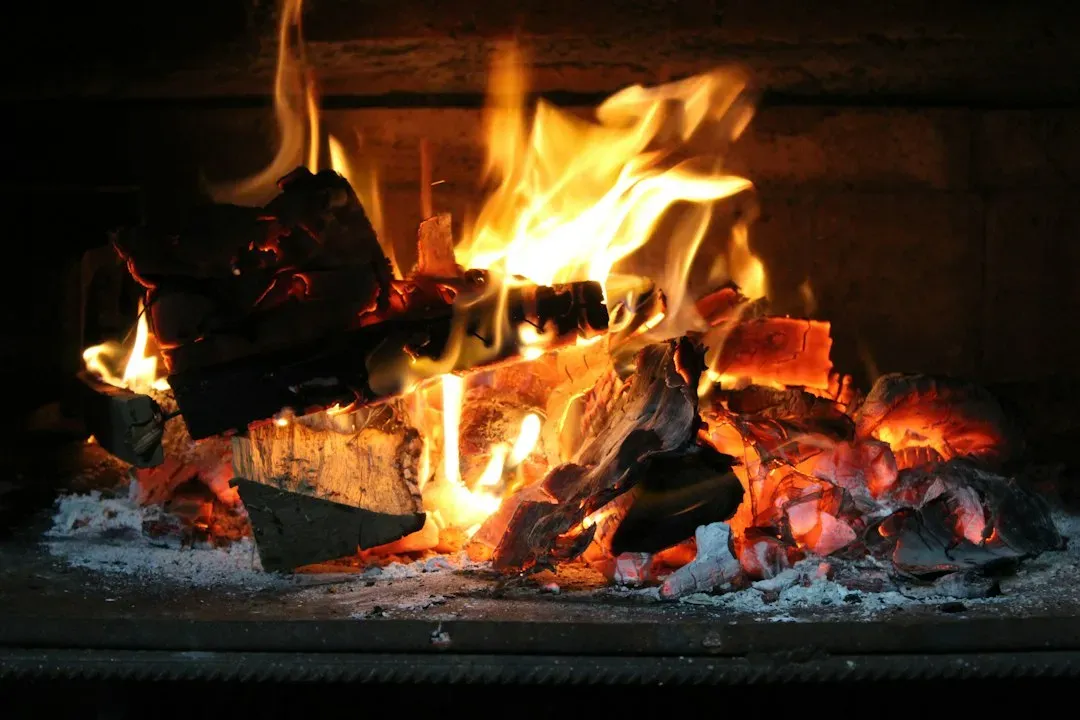
Residential wood burning contributes noticeably during cold snaps when inversions are strongest. Regulations limit or ban solid fuel devices on bad air days across the Wasatch Front. Many newer homes avoid fireplaces altogether but older ones require extra attention. I had not realized how strictly these rules get enforced in practice.
Even with cleaner options available the cumulative effect from many homes matters. Snow cover on the valley floor can reflect heat and help lock in the stagnant air. This feedback loop extends some episodes longer than weather alone would suggest. Planning around burn bans became part of the routine.
Visibility and Driving Conditions Change Dramatically
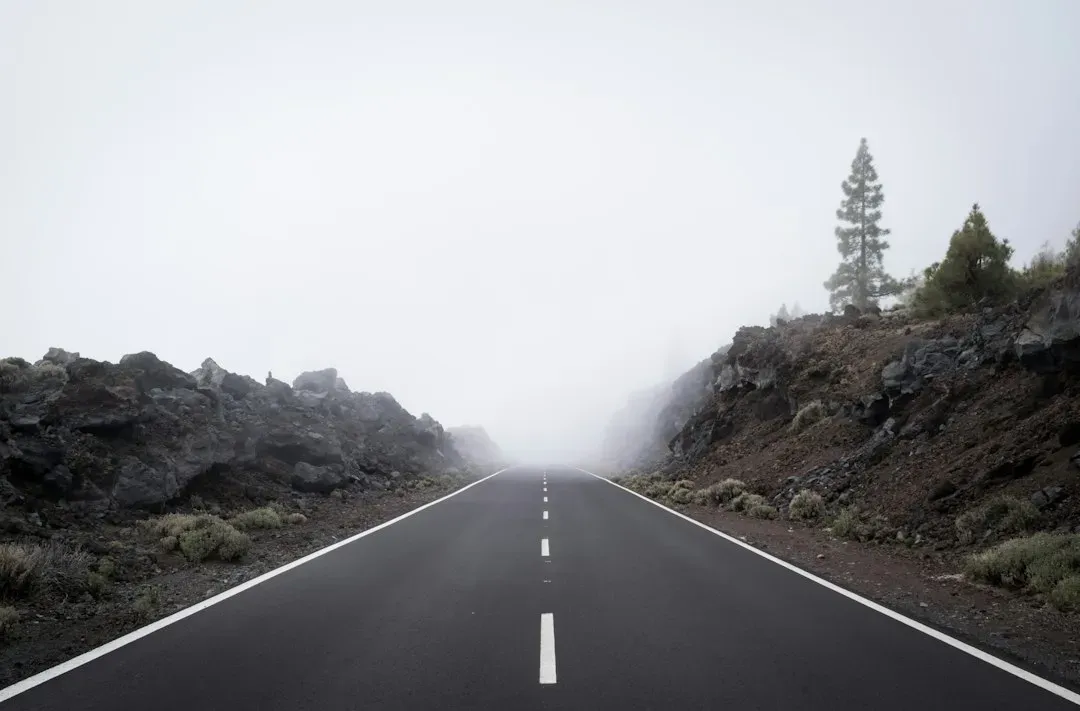
Thick haze reduces sight lines on valley roads during peak pollution periods. Commuting or shopping runs through the low areas can feel like driving in fog even on sunny days. Higher elevation routes to the mountains often stay clearer and more predictable. This difference affects route choices more than maps suggest.
Recent episodes in January 2026 showed how quickly conditions can shift with incoming weather. Storms eventually clear the air but the wait can stretch several days. I started watching forecasts for mixing events as closely as snow reports. The practical impact on daily movement caught me off guard.
Indoor Air Quality Requires More Attention Than Expected

Keeping windows closed during inversions helps but does not eliminate all particles. Many residents rely on air purifiers with good filters to maintain comfortable indoor levels. Studies note that prolonged exposure links to increased respiratory visits in sensitive groups. Setting up proper ventilation and monitoring became essential sooner than I thought.
Even short time spent in the valley can bring noticeable effects indoors afterward. Recent attainment status for some standards shows progress yet episodes still occur. Portable monitors give real time feedback that outdoor apps miss. This layer of home management added an unexpected chore to winter living.
Health Awareness Shifts With the Seasons
People with asthma or sensitivities often notice changes during longer pollution builds. Emergency visit data from past winters shows measurable upticks tied to these events. At the same time the clean air at ski elevations provides a welcome contrast for recovery. Balancing time between zones requires more thought than a simple move for powder would suggest.
Public alerts and recommendations to limit outdoor exertion become routine parts of winter. Recent years brought some relief through better planning yet the underlying geography remains. Staying informed helps but does not remove the need to adapt plans. The seasonal rhythm of air quality now factors into everything from workouts to social plans.
