


- Phantom Energy Sucking Power 24/7 – 7 Home Electronics Quietly Inflating Utility Bills - November 14, 2026
- A Million-Mile Storm Raging for Centuries – 6 Violent Weather Wonders in Our System - November 14, 2026
- Animals Flee Hours Before the Tremor – 7 Natural Warnings Before Disasters Strike - November 14, 2026
Long before “sustainability” showed up on product labels, plenty of households simply kept things, fixed things, and reused them. Money was tighter for many families, and the oil crisis of the early 1970s made waste feel personal. Thrift was a habit, not a lifestyle brand.
The first Earth Day took place in 1970, and a wave of environmental laws followed in the United States. Some of the everyday objects from that decade quietly matched the ideas we now praise. If a few of these are still in your home, you may have been ahead of the curve without trying.
Cast Iron Skillets
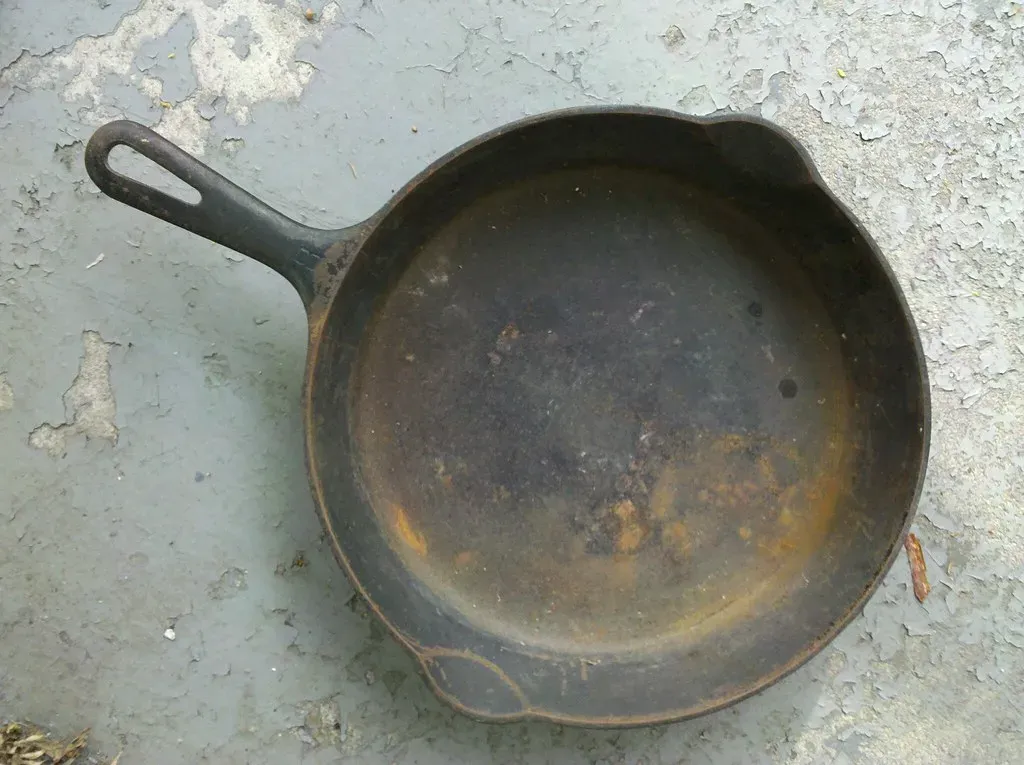
A well-seasoned cast iron pan can last for generations, which is exactly why so many 1970s skillets are still around. Brands like Wagner and Griswold had stopped being made in their original forms by then, but Lodge kept turning them out, and plenty of home cooks inherited pans that were already decades old.
Cast iron doesn’t rely on the synthetic nonstick coatings that wear out and get tossed. If a pan gets rusty, it can be scrubbed and reseasoned instead of replaced. One pan, used for fifty years, beats a string of disposable ones.
Glass Milk Bottles and Returnable Bottles

Home milk delivery was still a familiar sight in parts of the country in the 1970s, and returnable glass bottles were common for milk and soda. Customers paid a small deposit and brought the empties back to be washed and refilled.
Glass can be reused many times before it’s ever recycled, which saves the energy needed to make new containers. If you still have an old bottle or a crate from those days, you’re holding a piece of a system that worked well. Several states also passed bottle deposit laws in that era, and Oregon’s, from 1971, is often cited as the first in the nation.
Wool Blankets and Hand-Knit Sweaters

Thick wool blankets and hand-knit sweaters were standard winter gear in 1970s homes. Many families turned the thermostat down after the 1973 oil embargo, and the government encouraged it, so layering up was practical advice as well as a way to save money.
Wool is a natural fiber that is durable and can be repaired with a bit of darning. A sweater knitted in 1975 and still worn today has avoided a lot of the fast fashion churn. It also avoids the microplastic shedding linked to synthetic fabrics.
Mason Jars and Home Canning Gear

The back-to-the-land movement pushed many people toward gardening and preserving food in the 1970s. Mason jars, lids, and pressure canners lined pantry shelves, and jars were washed and refilled year after year.
Canning extends the life of seasonal produce and cuts down on store-bought packaging. The jars themselves are sturdy, and only the flat lids typically need replacing. Today those same jars double as storage, drinking glasses, and vases.
Cloth Napkins and Dish Towels
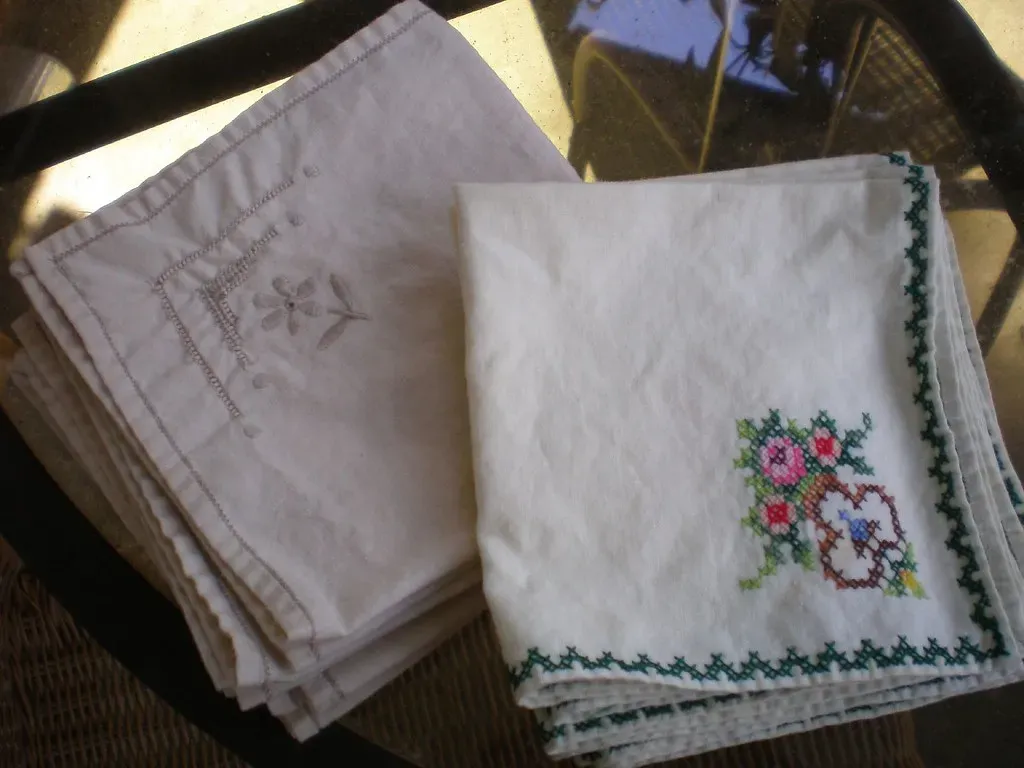
Paper towels existed, of course, but many households still leaned on cloth for cleanup and dinner tables. Napkins were often washed and reused, and worn-out towels became rags.
Reusable cloth cuts down on the paper waste that ends up in landfills, and it costs little over time. A stack of old linen napkins from your grandmother’s drawer is a small example of zero waste before the phrase was coined. They also tend to soften and improve with washing.
Solid Wood Furniture
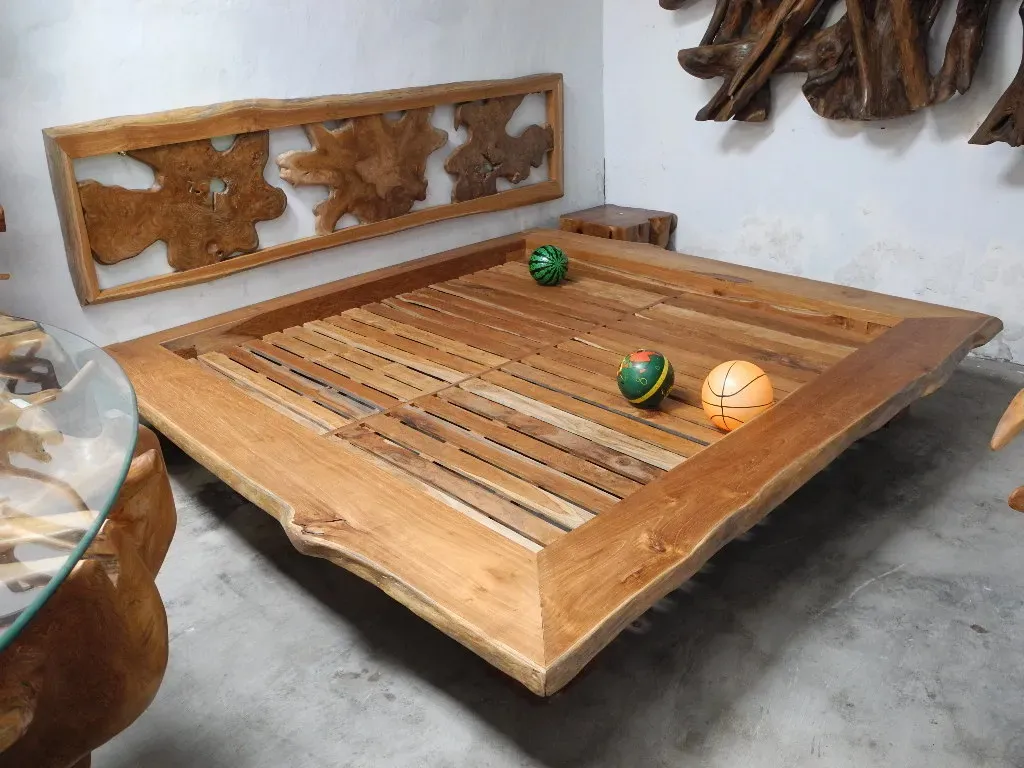
Plenty of furniture made in the 1970s used solid hardwood, such as oak, walnut, and maple, and was built with joinery rather than staples and glue. Many of those tables and dressers are still in daily use.
Furniture that lasts keeps bulky items out of the waste stream. The Environmental Protection Agency has reported that furniture and furnishings make up a large amount of household waste each year in the United States. A sturdy piece that can be refinished rather than replaced helps reduce that pile.
Push Reel Lawn Mowers
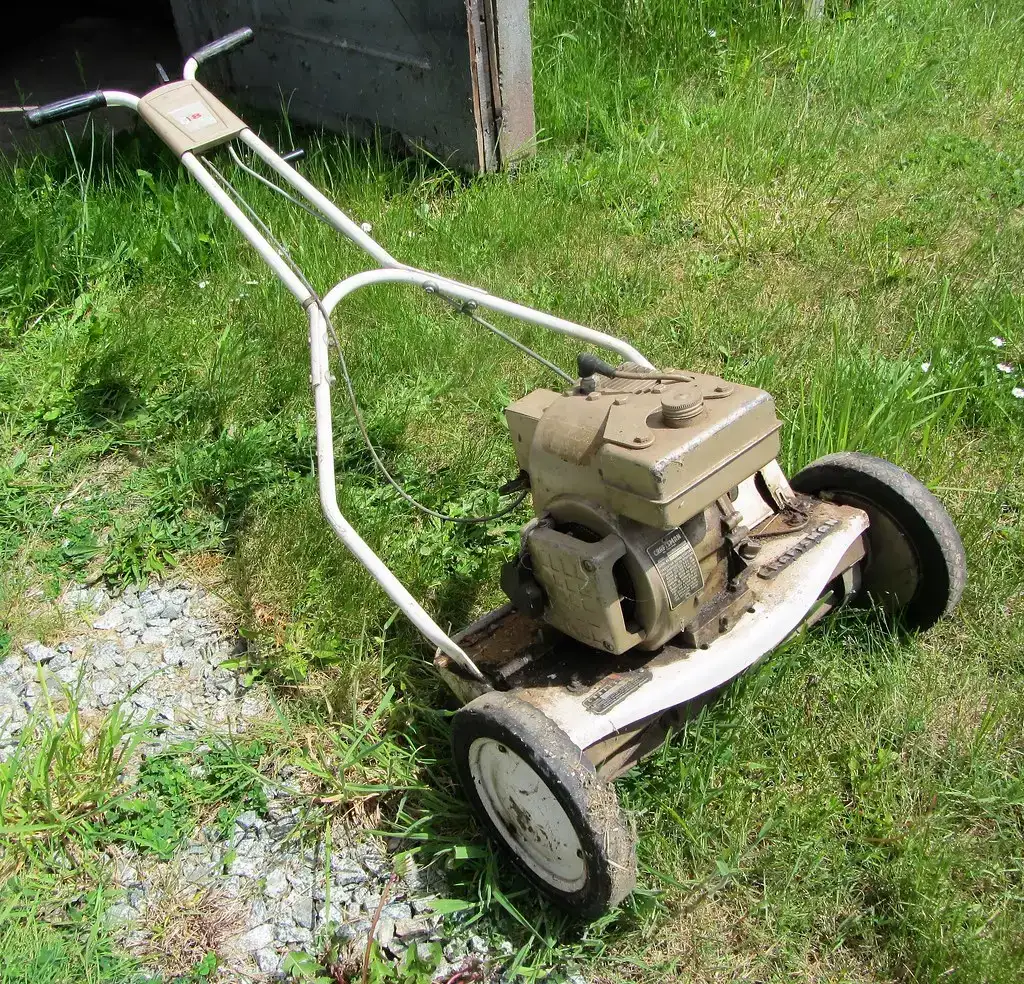
Gas mowers were common by the 1970s, yet manual reel mowers hadn’t disappeared, and some households kept using them. They run on muscle power with no fuel, no oil, and no exhaust.
Small gasoline engines produce emissions, and the EPA has noted that lawn and garden equipment contributes to air pollution. A reel mower avoids that, and it’s quiet enough to use early in the morning. Blades can be sharpened for years, which keeps the tool going.
Bicycles, Especially Ten Speeds
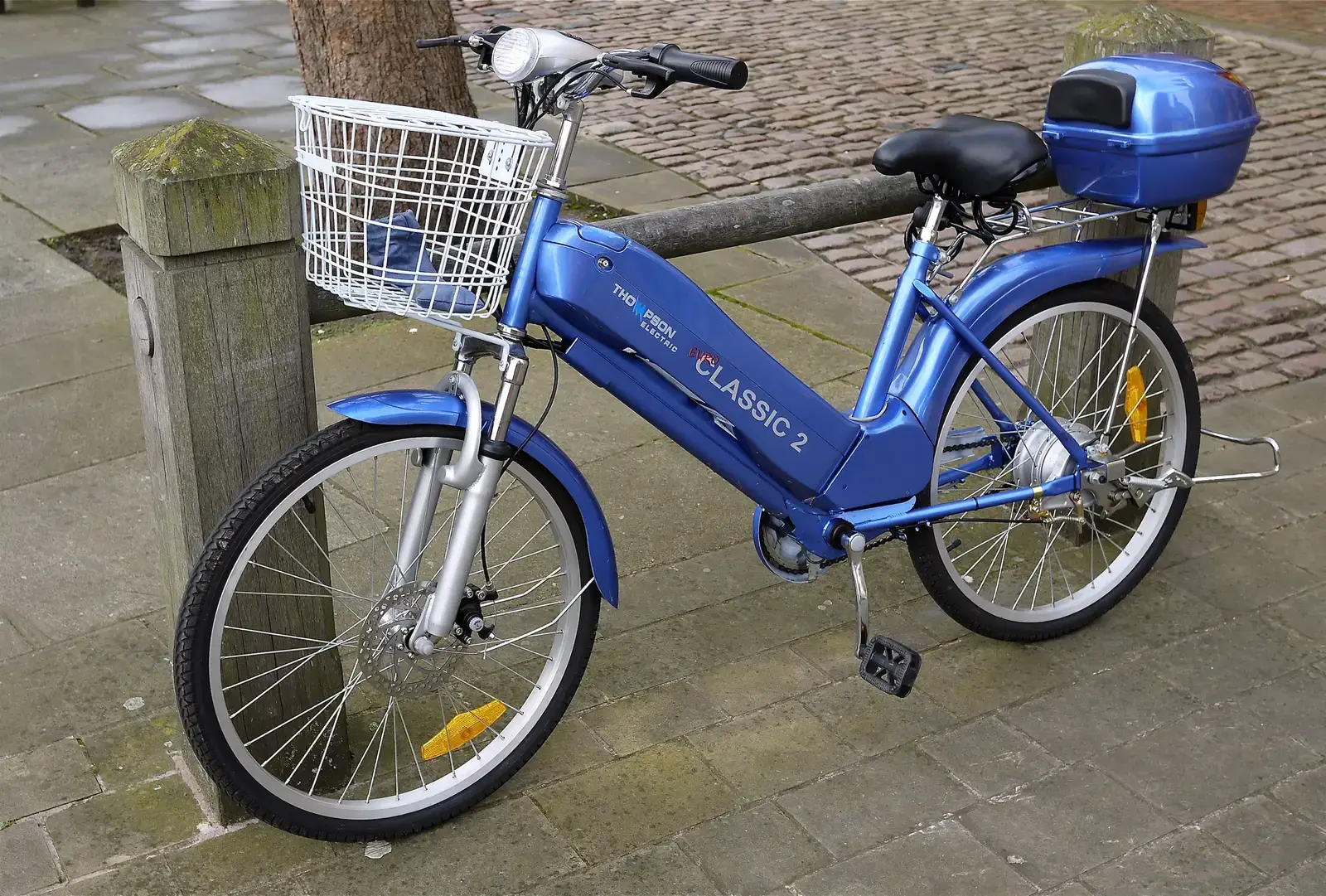
The 1970s bike boom was real. Sales in the United States surged early in the decade, driven by interest in fitness, rising gas prices, and the popularity of lightweight ten speed models.
Steel frame bikes from that period are easy to repair, and parts can be swapped or found secondhand. If yours is still in the garage, it’s a low-emission way to get around once it has a tune-up. Many vintage bikes are now restored rather than discarded.
Cloth Diapers and Reusable Household Basics

Disposable diapers were gaining ground in the 1970s, though cloth remained widely used, along with diaper services that collected and laundered them. Many parents washed and reused the same supply across several children.
Reusable items like these cut down on single-use waste, though laundering does take water and energy, so the environmental math depends on how they’re washed. Even so, the mindset was clear: buy once, clean, and use again. Old flat cloth diapers still find second lives as polishing cloths and burp rags.
