


- The Planet Where It Rains Liquid Glass – 7 Alien Worlds Defying Known Physics - November 14, 2026
- Stars Consuming Entire Worlds – 6 Planetary Systems Swallowing Their Own Worlds - November 14, 2026
- The Ground Liquefies Like Water – 6 Silent Fault Lines Geologists Watch Closely - November 14, 2026
Most gardeners keep a mental date for the first frost, usually written on a calendar or passed down from a neighbor. That date has quietly been drifting. In many parts of the country, the morning when tomato leaves turn black now comes noticeably later than it did a few decades ago.
The shift is small from one year to the next, so it’s easy to miss. Over decades, though, it adds up to real changes in what you can plant, when you can harvest, and which pests stick around.
What the Long Term Data Shows
Climate Central looked at how the first fall freeze, meaning the first day with a low at or below 32°F, changed between 1970 and 2024 in 204 U.S. cities. The first freeze is arriving later in 179 of them, or 88 percent, and the average delay across those cities is 12 days compared with the early 1970s.
An earlier version of that analysis covering 200 cities found a similar pattern. The first freeze was arriving later in 85 percent of cities, about 11 days later on average. The two versions agree closely, which gives the trend some weight.
Where the Shift Is Strongest
The change isn’t evenly spread. In 70 of the cities studied, the first freeze now arrives at least two weeks later, especially across the Northeast, Ohio Valley, and Upper Midwest.
If you garden in one of those regions, your old frost date may be off by a meaningful margin. In other places the delay is only a few days, and a handful of cities show no delay or an earlier freeze. Local records matter more than national averages.
Why the Growing Season Is Stretching
Warmer falls are one half of the story. The frost-free season, the stretch between the last 32°F reading in spring and the first in fall, has grown over the past 30 years, with both an earlier last spring frost and a later first fall frost.
The longer view points the same way. The growing season is now more than two weeks longer on average across the contiguous U.S. than at the start of the 20th century. For gardeners, that means more usable days on both ends of the calendar.
Why Your Printed Frost Date May Lag Behind
Many popular frost charts rely on official averages. NOAA’s National Centers for Environmental Information uses the 1991 to 2020 U.S. Climate Normals to estimate when the first widespread fall freeze usually occurs.
Those normals cover a 30 year window, so they smooth out recent changes. If the trend continues, the real first frost in a given year can land later than the published average. Treat any chart as a starting point rather than a promise.
Frost Dates Are Averages, Not Deadlines
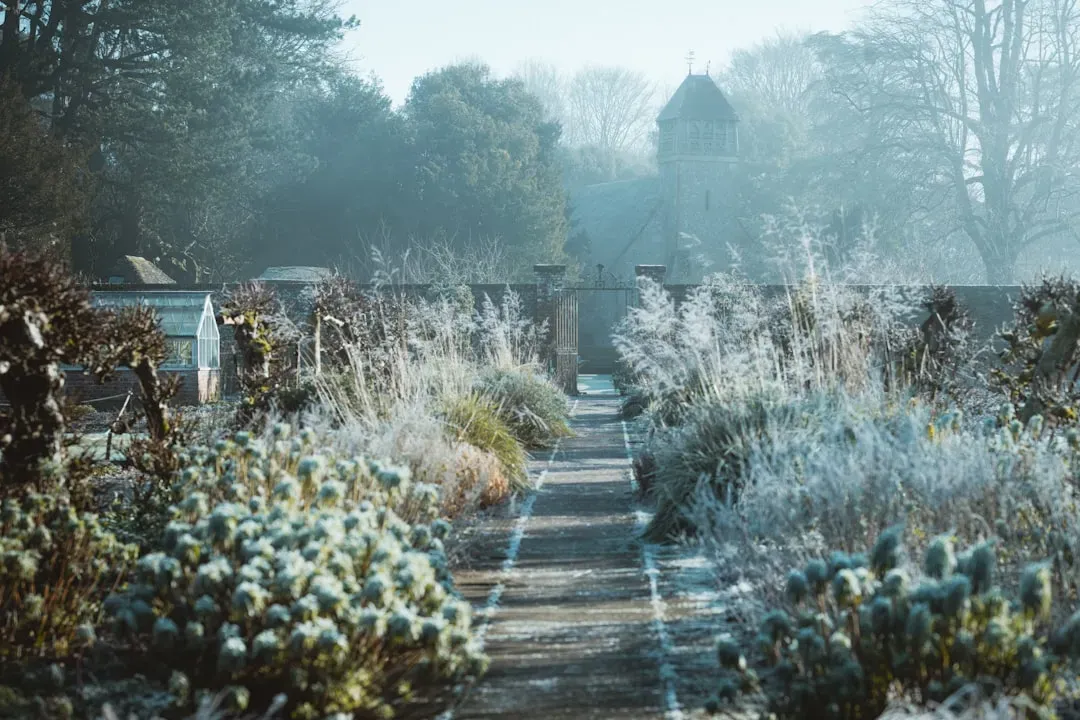
A frost date is a midpoint, so frost can arrive before it or after it. One popular chart notes that these dates can vary year by year, usually within about a two week window.
Local conditions add more noise. Actual dates vary by year, elevation, and local microclimate. A garden in a low spot where cold air pools may freeze weeks before a hillside lot a mile away.
Frost and Freeze Are Not the Same Thing
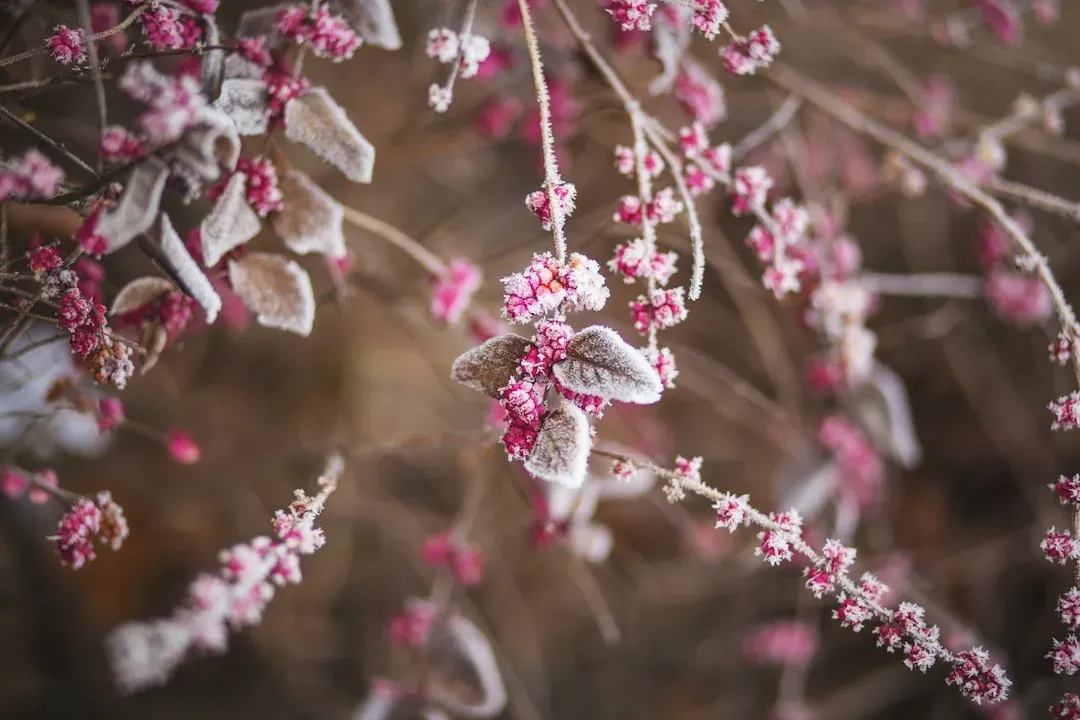
Gardeners often use the words interchangeably, but the thresholds differ. A light frost, with temperatures between 29 and 32°F, may kill tender plants but does little damage to hardier vegetation. A hard freeze at lower temperatures is a different matter and can finish off even tougher crops.
Air temperature can also mislead you. On clear, still nights, cold air settles low, so ground surfaces can freeze and harm low growing leafy crops even when a porch thermometer reads 36 or 38°F. Checking a thermometer at plant height gives a better read.
Opportunities in a Longer Season
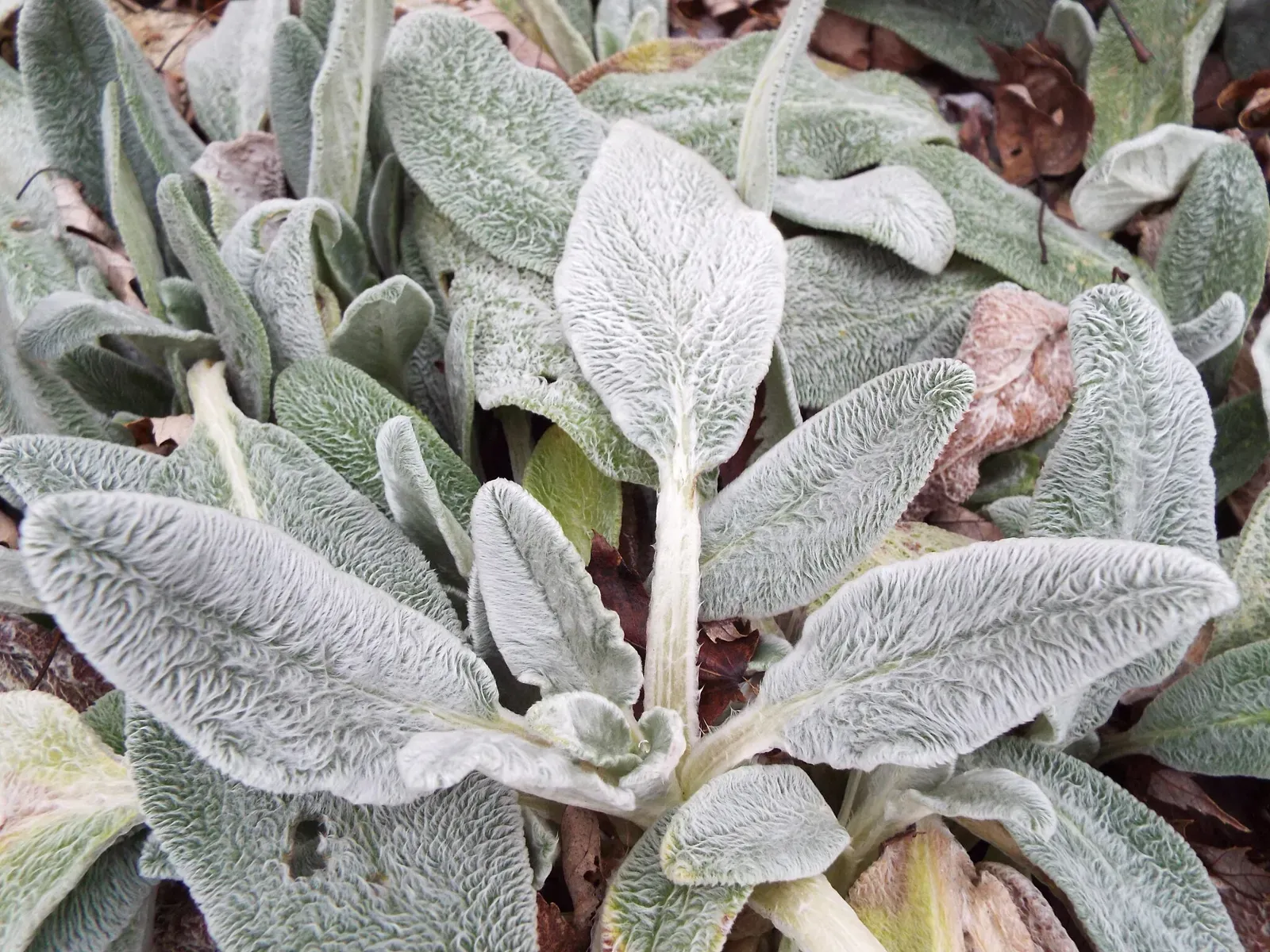
A later frost can be a genuine gift. Later frosts may extend the growing season, allowing for additional crop cycles or the cultivation of varieties that need longer growth periods. That observation comes from Canadian climate projections, but the logic applies to gardens south of the border too.
In practice, it can mean a second planting of lettuce, spinach, or radishes in late summer. It can also mean trying a longer maturing pepper or winter squash that never quite finished before. Start small, and keep notes from year to year.
The Downsides Gardeners Should Expect
More time isn’t automatically better. Longer growing seasons can bring more water and heat stress, as well as longer pollen and pest seasons.
Climate Central also links later freezes to worse fall allergies, lingering pests, and reduced summer fruit yields. Insects that would normally be knocked back by a frost can keep feeding and breeding, so keep scouting your beds well into autumn.
Practical Ways to Adapt This Fall
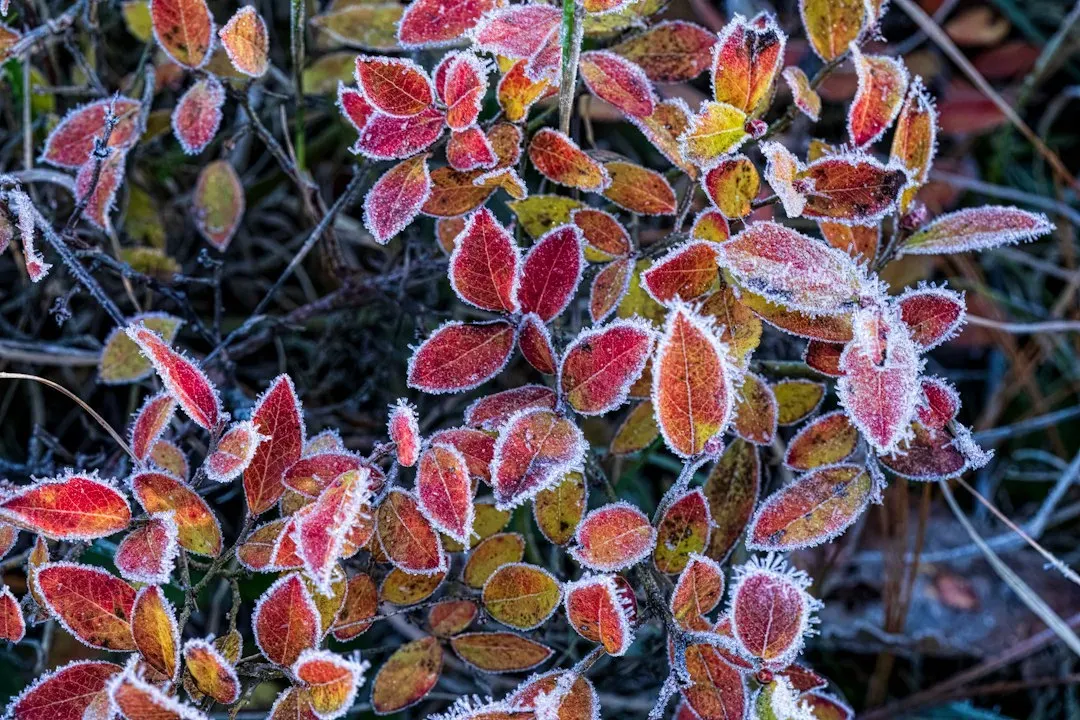
Start by finding your own numbers. Use a nearby weather station’s history, and track the dates of the first 32°F reading in your own yard for a few years. Keep row cover, old bedsheets, or cloches handy so a surprise cold night doesn’t wipe out a late harvest.
Plan around the range, not a single date. Plant fall crops with a cushion, and don’t strip the garden just because a chart says the season should be over. Because your first fall frost date marks the end of your growing season, a few extra weeks can reshape what you grow, and the weather will have the final say each year.
