


- 9 Items Experienced Skywatchers Bring Along That Beginners Always Wish They’d Packed - November 12, 2026
- I Moved to Tornado Alley in Oklahoma – 7 Things I Did Not Anticipate About Storm Season - November 12, 2026
- VR tool shows how rising seas could flood Fort Lauderdale - November 12, 2026
Curbside compost programs have spread across many U.S. cities and towns, and the bins look simple enough. Toss in scraps, roll it to the curb, and let the city handle the rest. Yet the rules vary a lot from place to place, and small mistakes add up.
Commercial composters often process material at large scale, and they can’t pick through every bin by hand. Items that seem natural or eco friendly can still end up as contamination. Here are nine that regularly slip in, even though they shouldn’t.
Plastic Bags, Including “Biodegradable” Ones
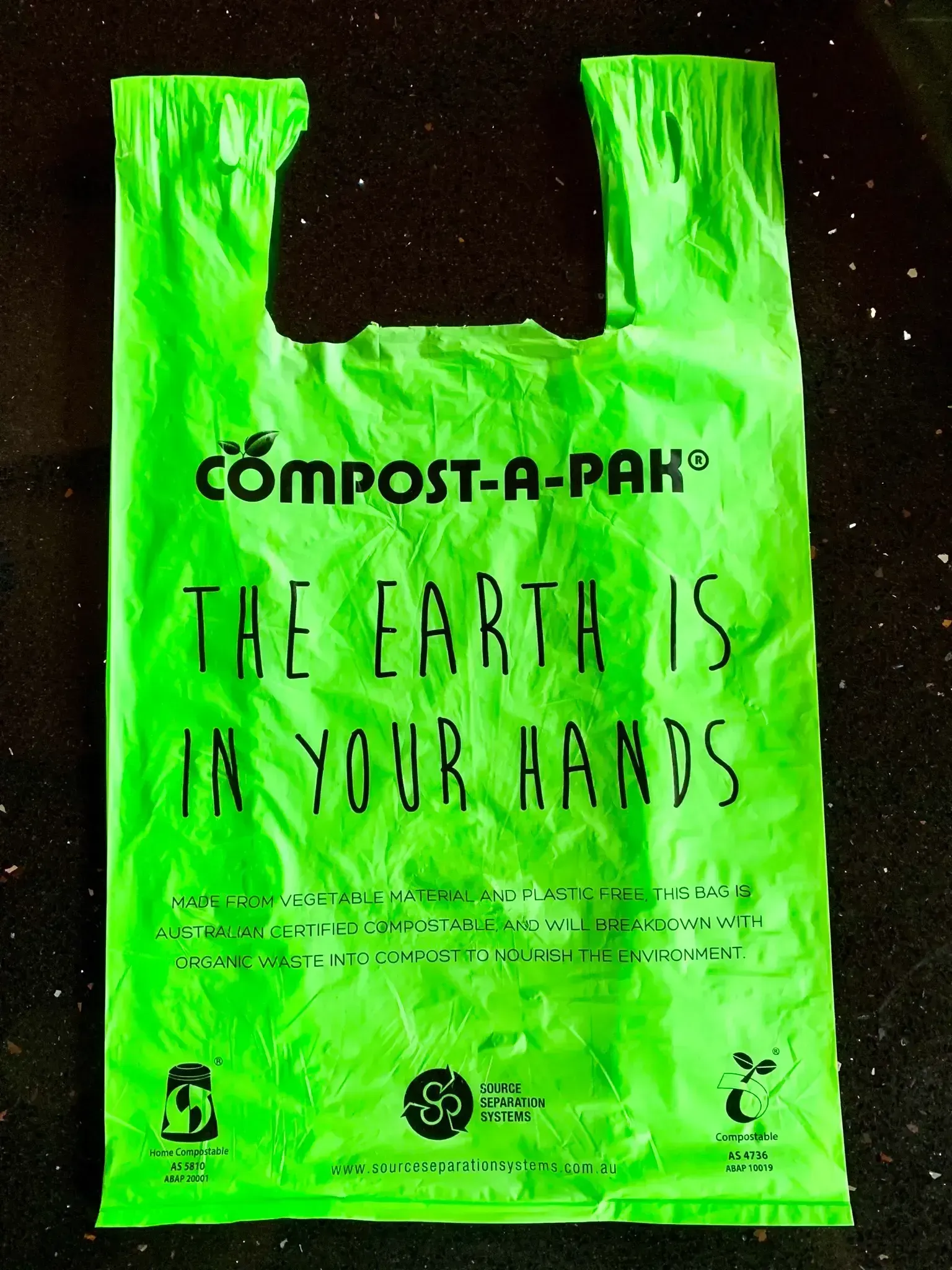
Bagging scraps feels tidy, so plenty of households line their kitchen pails with plastic and tip everything in. Ordinary plastic bags don’t break down in a compost facility, and they tangle in screening equipment. Workers then have to remove them or the finished compost ends up speckled with film.
Bags labeled biodegradable cause trouble too. Many programs don’t accept them, because the products can break down too slowly for the facility’s timeline. Check your local rules first, and if bags are allowed, look for the ones your program names specifically. Paper bags or loose scraps are often the safer choice.
Compostable Plastics and Bioplastic Cutlery
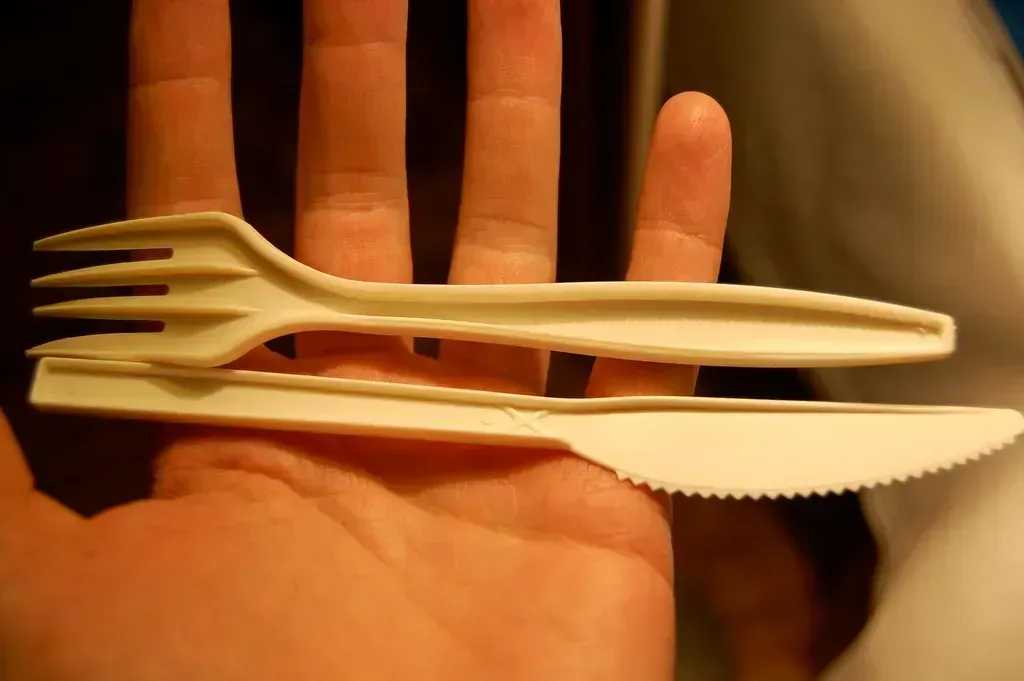
Forks, cups, and takeout containers marked compostable look like they belong in the bin. Many facilities still turn them away, since the items can take longer to break down than the composting cycle allows. They’re also hard for sorters to tell apart from regular plastic.
Some programs do accept certified products, so it’s not a universal ban. Look for certification from the Biodegradable Products Institute and confirm that your hauler takes them. When in doubt, leave them out.
Meat, Fish, and Bones
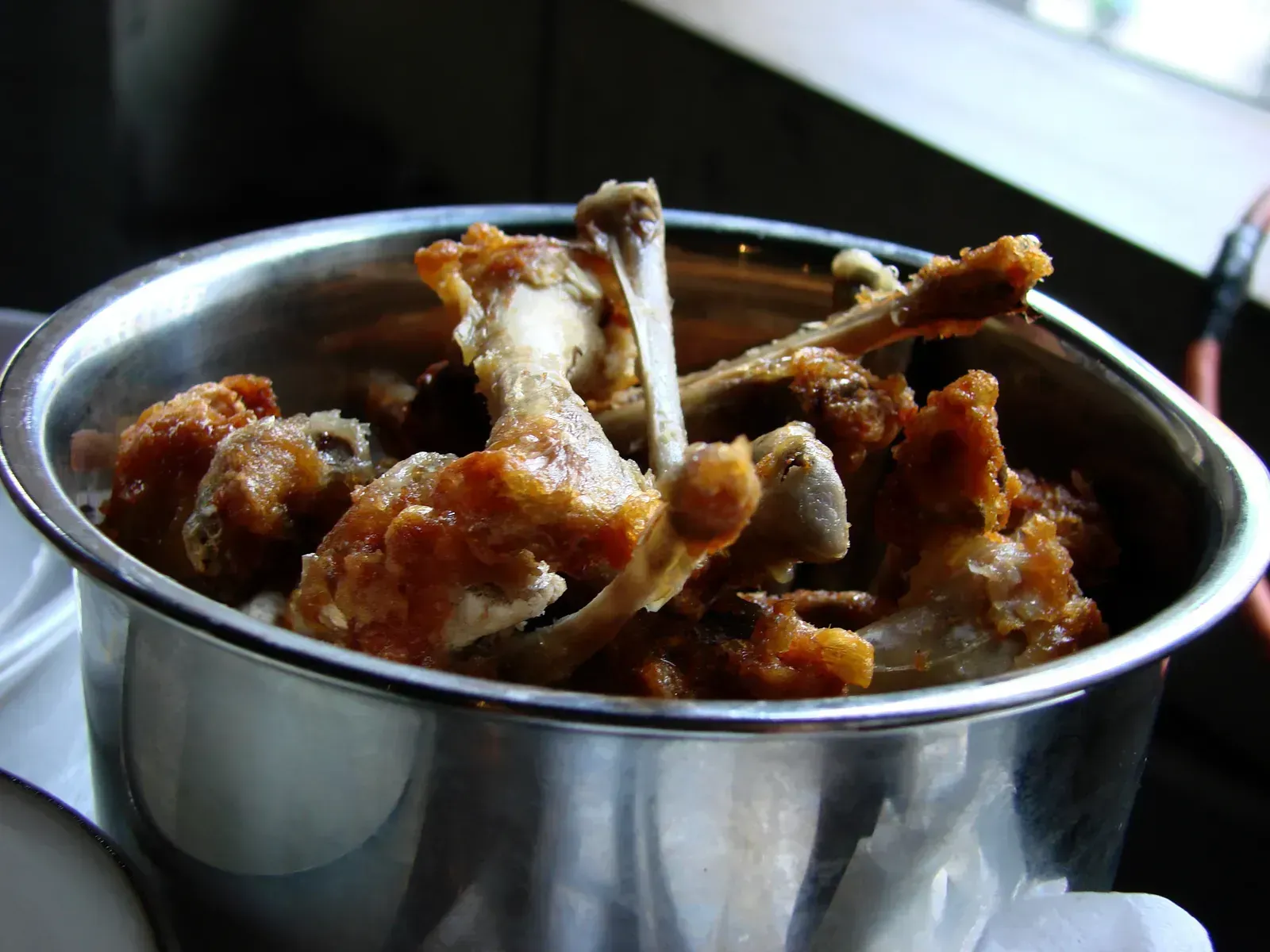
Backyard composters are told to avoid meat, but many curbside programs now accept it. Others still don’t, so this one depends on where you live. Where meat is banned, the concern is odor, pests, and the extra care needed to keep the pile hot enough to handle it.
Check your city’s accepted materials list before tossing in chicken bones or fish scraps. If your program doesn’t take them, the trash is the right place. Programs that accept meat usually still exclude large bones, so read the fine print.
Cooking Oil, Grease, and Greasy Food Waste
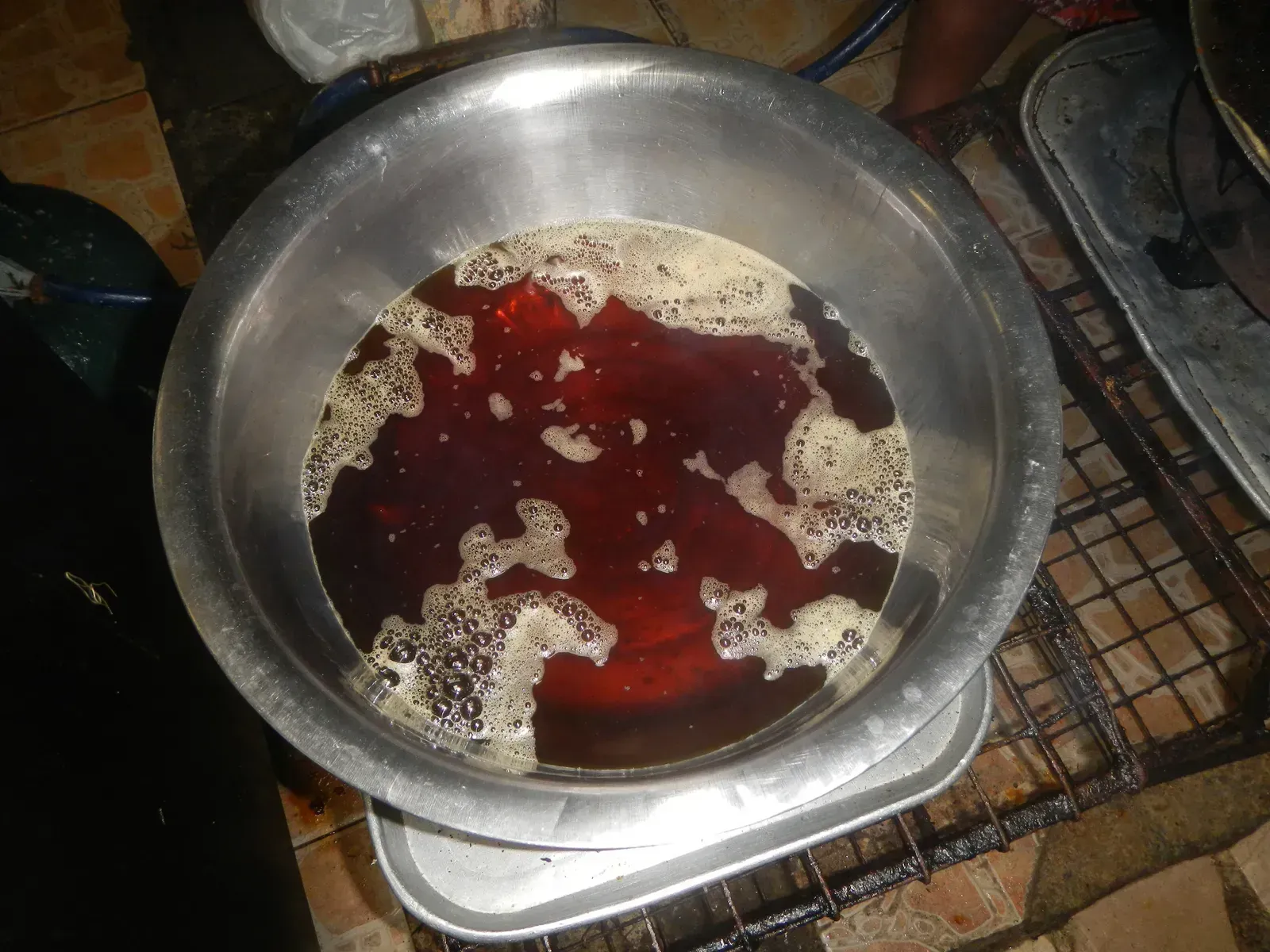
A little oil on vegetable scraps is usually fine. Pouring in a cup of used fryer oil is another matter. Heavy grease slows the breakdown of surrounding material, attracts animals, and can make a bin messy and smelly.
Some communities collect used cooking oil separately for recycling into biofuel. If yours does, that’s a better route. Otherwise, soak small amounts into paper towels, if your program accepts them, or put the grease in the trash in a sealed container.
Pet Waste and Cat Litter
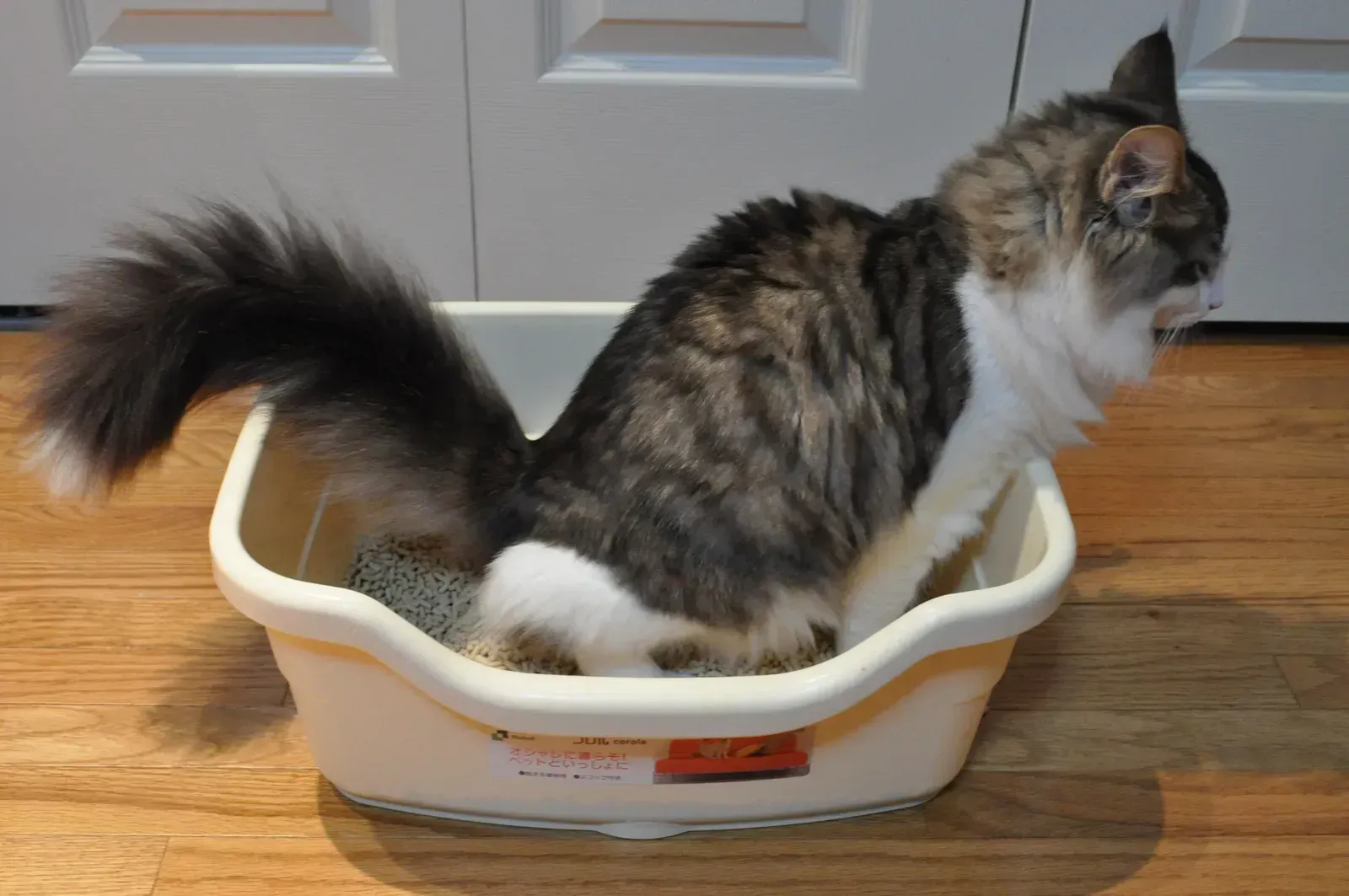
Pet waste can carry pathogens and parasites that aren’t safe to spread in compost used on gardens. For that reason, most curbside programs ban dog and cat waste outright. Clumping cat litter is a double problem because the clay doesn’t compost either.
Some programs make exceptions for certain bedding from herbivores, like rabbit or guinea pig bedding, but rules differ. Treat pet waste as trash unless your hauler states otherwise in writing. It’s one of the clearest lines in composting.
Coated Paper Cups and Takeout Containers

Coffee cups, ice cream cartons, and some food boxes look like paper, but many have a thin plastic or wax lining. That lining doesn’t break down in compost and leaves fragments behind. Even ones that seem fine, like paper plates with a glossy sheen, may be coated.
Plain, uncoated paper towels and napkins are generally accepted, though that too depends on the program. Plates and cups usually need to be certified or specifically approved. If you can’t tell, skip it.
Produce Stickers and Rubber Bands
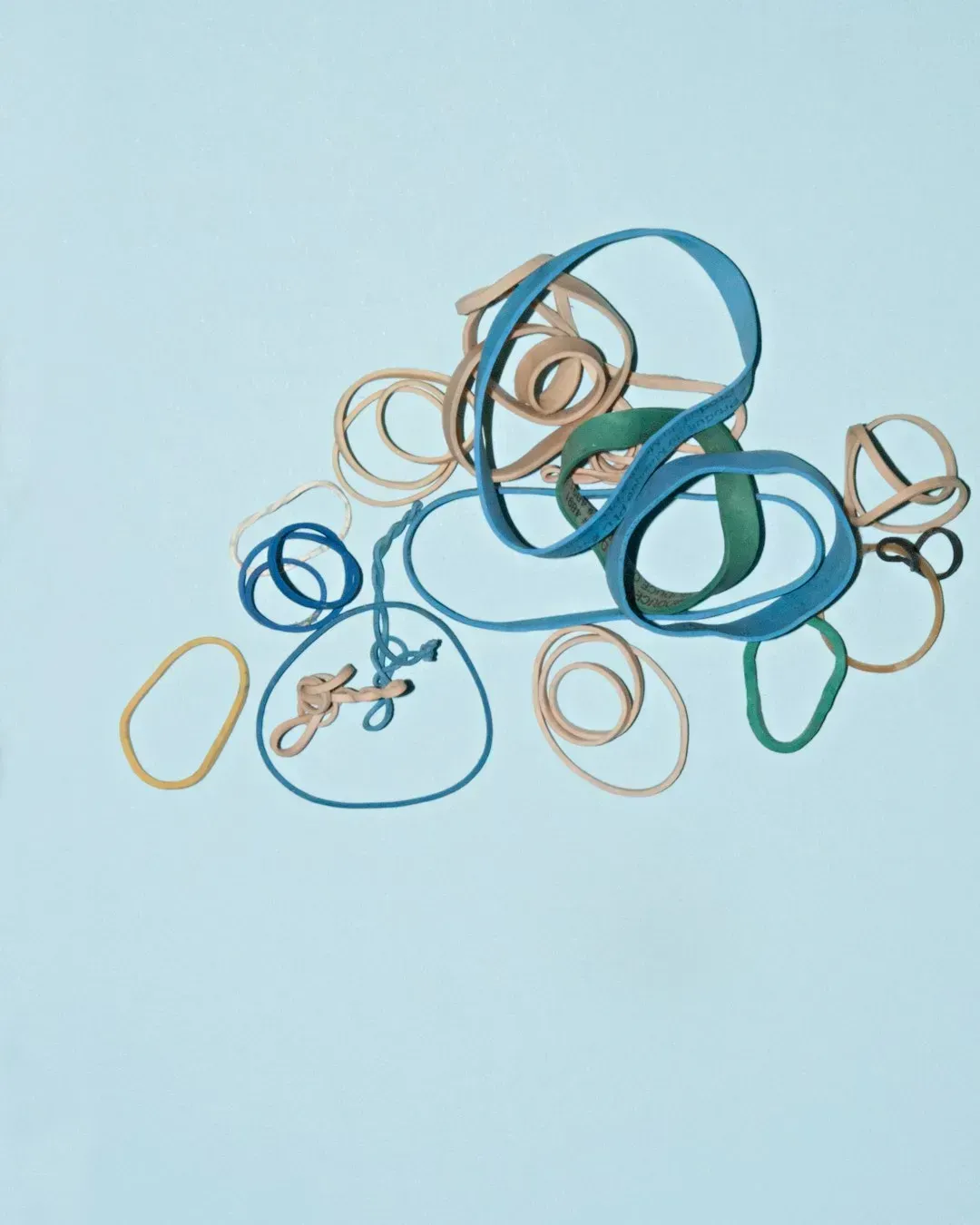
These tiny items sneak in all the time. The little label on an apple or a banana is usually plastic, and it can survive the composting process intact. One sticker is trivial, but thousands of them add up in a facility that processes tons of material.
Peel them off before the peels and cores go in the bin. The same goes for rubber bands from bunches of greens and twist ties. It takes a couple of seconds and helps keep finished compost clean.
Diseased Plants and Invasive Weeds

Yard trimmings are the backbone of many curbside programs, but not every plant belongs. Diseased plants, and weeds that have gone to seed, can survive if the pile doesn’t get hot enough. Large commercial systems generally run hotter than home piles, yet some programs still ask residents to keep problem plants out.
Certain invasive species are restricted in some regions to avoid spreading them. Look for local guidance from your city or county. When your program lists prohibited plants, follow it.
Treated Wood, Ash, and Painted Materials
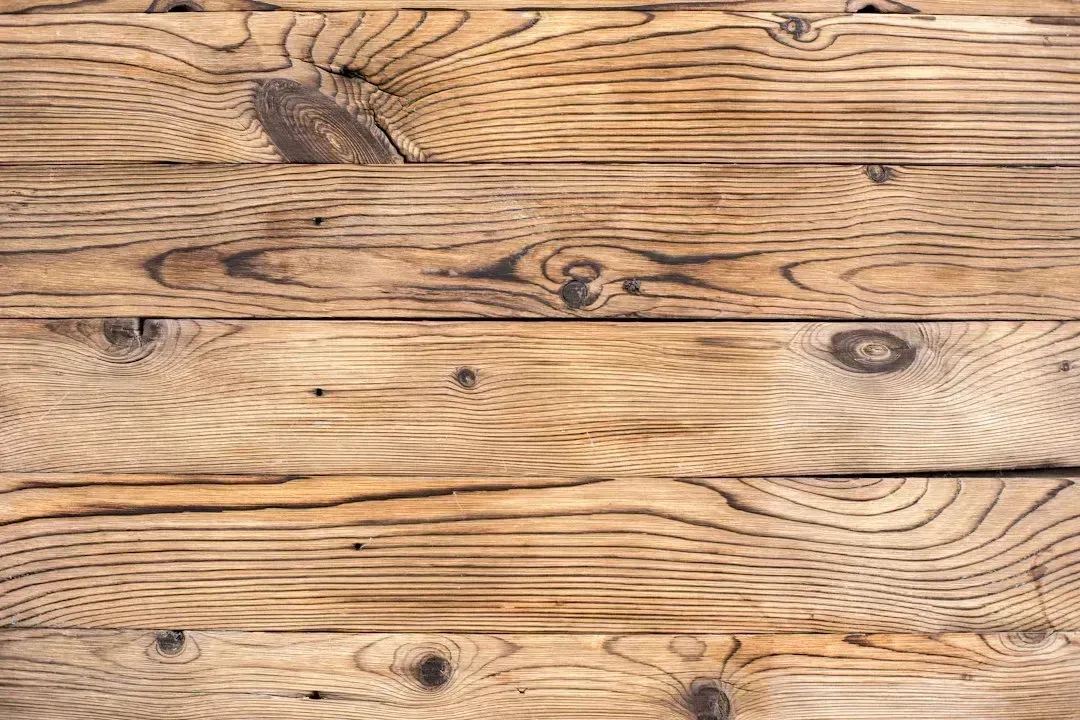
Wood scraps can feel like yard waste, but pressure treated, painted, or stained lumber contains chemicals you don’t want in finished compost. Sawdust from treated wood is a problem for the same reason. Even plywood and particleboard can include glues and resins.
Coal ash and charcoal briquette ash are commonly excluded as well. Untreated wood and some clean fireplace ash are accepted in certain programs, but always confirm first. Your hauler’s guide is the final word here.
Contamination is the main reason compost programs struggle, and a quick look at your local accepted list solves most of it. Keep that list on the fridge, and the bin stays cleaner for everyone.
