

What Solar Maximum Looks Like Right Now
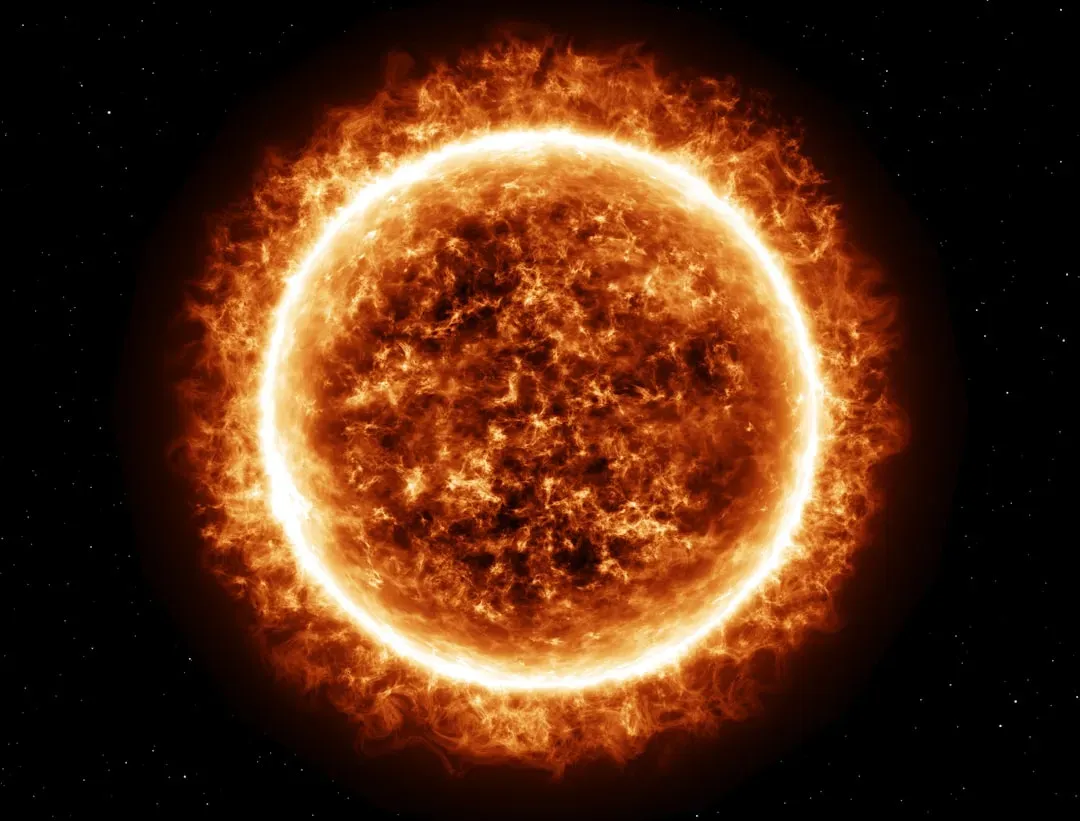
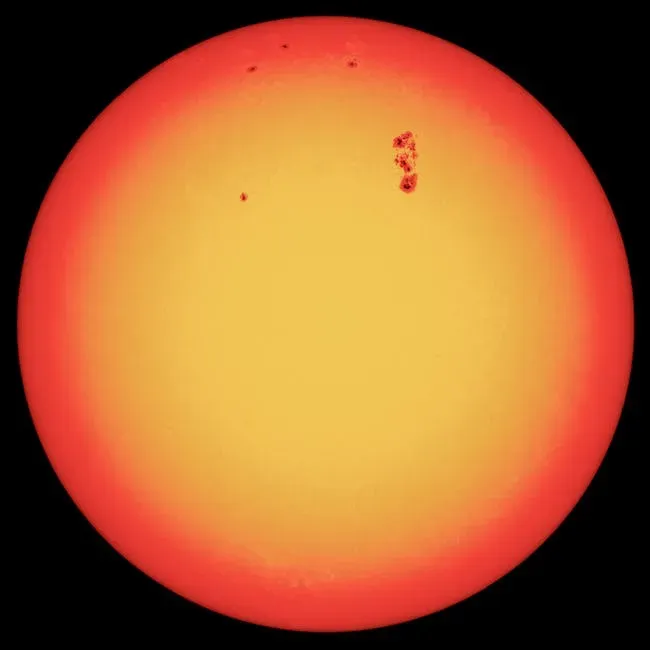
Solar Cycle 25 has turned out to be more energetic than early forecasts suggested. Solar Cycle 25 peaked in October 2024, with a Smoothed Sunspot Number of 161. That is notably higher than the modest peak many scientists expected back in 2019, when the sun was coming off a weak Cycle 24.
Researchers tracking the sun’s F10.7 radio flux have pinpointed the most intense stretch even more precisely. A percentile-based classification identifies the maximum-activity interval as August 2024 to January 2025, a period that coincided with the reversal of the solar polar fields and included more than 190 M-class and 19 X-class flares. Activity has stayed elevated well into 2025 and 2026, which is why the topic still matters for anyone booking long-haul tickets today.
Where the Radiation on Your Flight Actually Comes From

The radiation you absorb during a flight is not sunlight in any direct sense. It comes from high-energy particles, mostly from deep space and occasionally from the sun, slamming into the upper atmosphere. These high-energy particles interact with the constituents in the atmosphere, producing secondary particles that create radiation fields at aircraft altitudes, consisting mainly of photons, protons, neutrons, charged and uncharged pions, and muons.
Neutrons do most of the heavy lifting in this equation at cruising altitude. The measurement of the neutron dose is a good approximation of the total dose since neutrons carry about half of the total ambient dose equivalent at aircraft altitudes. That is worth knowing because neutron flux is precisely the component that spikes during solar storms.
Altitude and Latitude Are the Real Variables

Two factors matter far more than most passengers realize: how high the plane flies and how close to the poles it travels. FAA guidance notes that galactic cosmic radiation over the polar regions is about twice that over the geomagnetic equator at the same altitude. That is a big part of why transpolar routes between North America and Asia draw so much attention from radiation researchers.
Altitude compounds the effect in a fairly dramatic way. In the altitude domain for middle latitudes, every 2 kilometers lower reduces radiation dosage by half using atmospheric shielding, while every 2 kilometer increase raises dosage by a factor of two. This relationship is exactly why airlines have started using it as a mitigation tool during active solar periods, dropping a few thousand feet when conditions call for it.
The Gannon Storm: A Real-World Test Case

The clearest recent example of solar activity meeting real aviation operations happened during the extreme geomagnetic storm nicknamed the Gannon storm, in May 2024. Instrumented ARMAS measurements were recorded onboard a deviated commercial United Airlines flight, UAL990, from San Francisco to Paris on May 10, 2024, during the storm. Researchers had a rare chance to compare actual onboard readings against model predictions in near real time.
The results showed measurable spikes once the aircraft reached certain regions of the sky. Once the flight reached cruising altitude and entered a particular conjunction region, the instrument recorded radiation levels approximately two and a half times higher than the background levels estimated by the NAIRAS model. A follow-up study also found that dropping altitude during the event made a substantial difference, with a 61 percent decrease in radiation observed when the aircraft dropped 4 kilometers in altitude on May 11, 2024.
How Much Extra Radiation a Single Flight Actually Adds
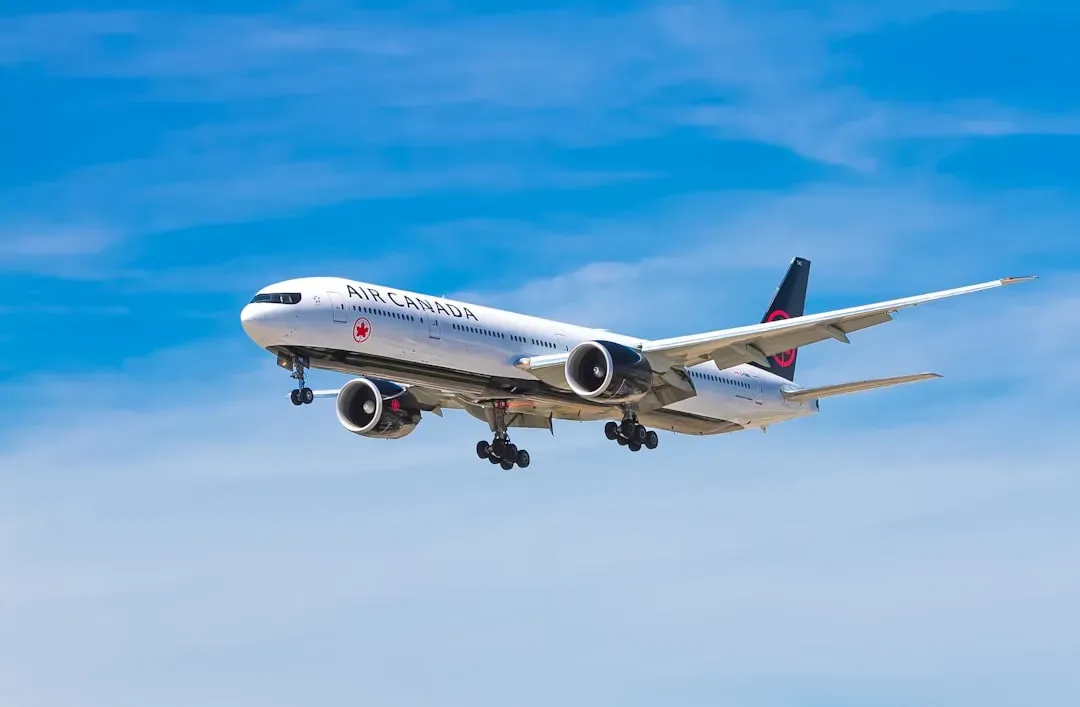
For most travelers, the numbers involved are small in absolute terms, even during an active solar period. The CDC estimates that an average person receives about 0.33 millisievert of cosmic radiation each year from natural background, and a coast to coast U.S. flight adds roughly 0.035 millisievert on top of that. A single domestic hop, in other words, is a rounding error next to a person’s yearly baseline exposure.
Longer international routes add up faster. A flight from Frankfurt to New York and back results in an average effective dose of about 100 microsieverts, meaning that single transatlantic round trip raises a person’s annual radiation exposure by roughly five percent. Do that trip a dozen times a year and the arithmetic starts to look meaningfully different from someone who flies twice annually for vacation.
Who Actually Accumulates the Most Exposure

The people who need to pay closest attention are not casual travelers but those logging serious hours in the air. It is possible for people who fly very frequently, for example 10 to 20 hours per week on long haul flights, to approach and exceed a 1 millisievert per year dose, which is the general public dose limit used in radiation protection guidance. Airline crews, understandably, sit even higher on that scale as a matter of occupation.
Data from Japanese carriers gives a useful benchmark for what steady, career-length exposure looks like. Partial data on the cosmic radiation doses of aircraft crews indicated their annual doses were 1 to 3 millisieverts on average and 4 to 6 millisieverts at maximum. Regulators have set thresholds accordingly, with current reference levels of 6 millisieverts per year in most European countries and 5 millisieverts per year in Japan.
The Forecasting Tools Working Behind the Scenes

Passengers rarely see any of this, but a fairly sophisticated forecasting apparatus exists to protect crews and frequent flyers during solar events. The NAIRAS model provides global, real-time, data-driven predictions of atmospheric ionizing radiation exposure, drawing on galactic cosmic rays and solar energetic particle events that can accompany disturbances on the sun’s surface. It functions as a kind of weather forecast, except the weather in question is invisible particle flux rather than clouds.
That system has now been tested against live flight data rather than just theory. The validation of a strategy for aviation radiation hazard mitigation, developed over decades, has been completed using two commercial airline flights in 2024 and 2025. Airlines can use this kind of data to choose lower-latitude routing, which takes advantage of Earth’s own magnetic shielding rather than relying on altitude changes alone.
Regulatory Guardrails and What They Actually Mean
Aviation radiation exposure is not an unregulated gray area, even though most passengers have never heard the relevant rules. The International Commission on Radiological Protection recommends that the exposure of personnel to cosmic radiation during the operation of commercial jet aircraft should be treated as occupational exposure. That single classification is why airlines track crew flight hours and routes so carefully, particularly on polar segments.
The broader occupational limit for radiation workers gives useful context for how far frequent flyer exposure sits below serious concern thresholds. The International Commission on Radiological Protection recommends effective dose limits of 20 millisieverts per year, averaged over five years, for radiation workers. Even the most frequent flyers, absent a severe solar particle event, tend to land well under that ceiling, though a major event can shift the picture temporarily. It has been estimated that long-haul doses to aircrew could increase by 30 to 50 percent during certain elevated conditions.
What Frequent Flyers Can Reasonably Do About It

None of this calls for canceling trips or panicking over a boarding pass. Solar particle events are rare occurrences that can result in higher exposures for short periods of time, and large studies involving the health of pilots and aircrew haven’t shown a substantiated association with increased cancer risk from radiation exposure. The practical takeaway is awareness rather than avoidance.
For someone who travels constantly, a few habits are worth adopting anyway. Paying attention to whether a route crosses polar latitudes, understanding that airlines already reroute or adjust altitude during major geomagnetic storms, and keeping a rough mental tally of annual mileage during unusually active solar years are all reasonable, low-effort steps. Crew members already have formal dosimetry and reporting systems in place, and that same infrastructure quietly benefits the million-mile passengers sitting a few rows back.
The Bottom Line for Air Travelers
Solar Cycle 25 has proven more intense than early predictions, and its effects on aviation radiation are measurable, well documented, and actively monitored by agencies like NASA, NOAA, and the airlines themselves. For the occasional flyer, the added dose from a single trip remains negligible against a person’s yearly natural background exposure. For those logging serious hours at altitude, the numbers accumulate into something worth understanding, even if they still sit comfortably within established safety limits.
The sun will eventually settle back toward its quieter minimum later this decade, as every solar cycle does. Until then, the safest posture for frequent flyers is neither worry nor indifference, but simply staying informed about a phenomenon that has always been part of flying, and that current solar conditions have made a little more visible.

- The Shoreline Sucked Dry in Seconds – 5 Tsunami Signals Beachgoers Mistake for Low Tide - November 14, 2026
- 9 Dark-Sky Destinations Around the World Where the Stars Look Unreal - November 14, 2026
- The Fault Line That Never Slips – 7 Locked Seismic Zones Overdue for a Massive Release - November 14, 2026
