


- Phantom Energy Sucking Power 24/7 – 7 Home Electronics Quietly Inflating Utility Bills - November 14, 2026
- A Million-Mile Storm Raging for Centuries – 6 Violent Weather Wonders in Our System - November 14, 2026
- Animals Flee Hours Before the Tremor – 7 Natural Warnings Before Disasters Strike - November 14, 2026
A Rivalry That Started With a Coincidence
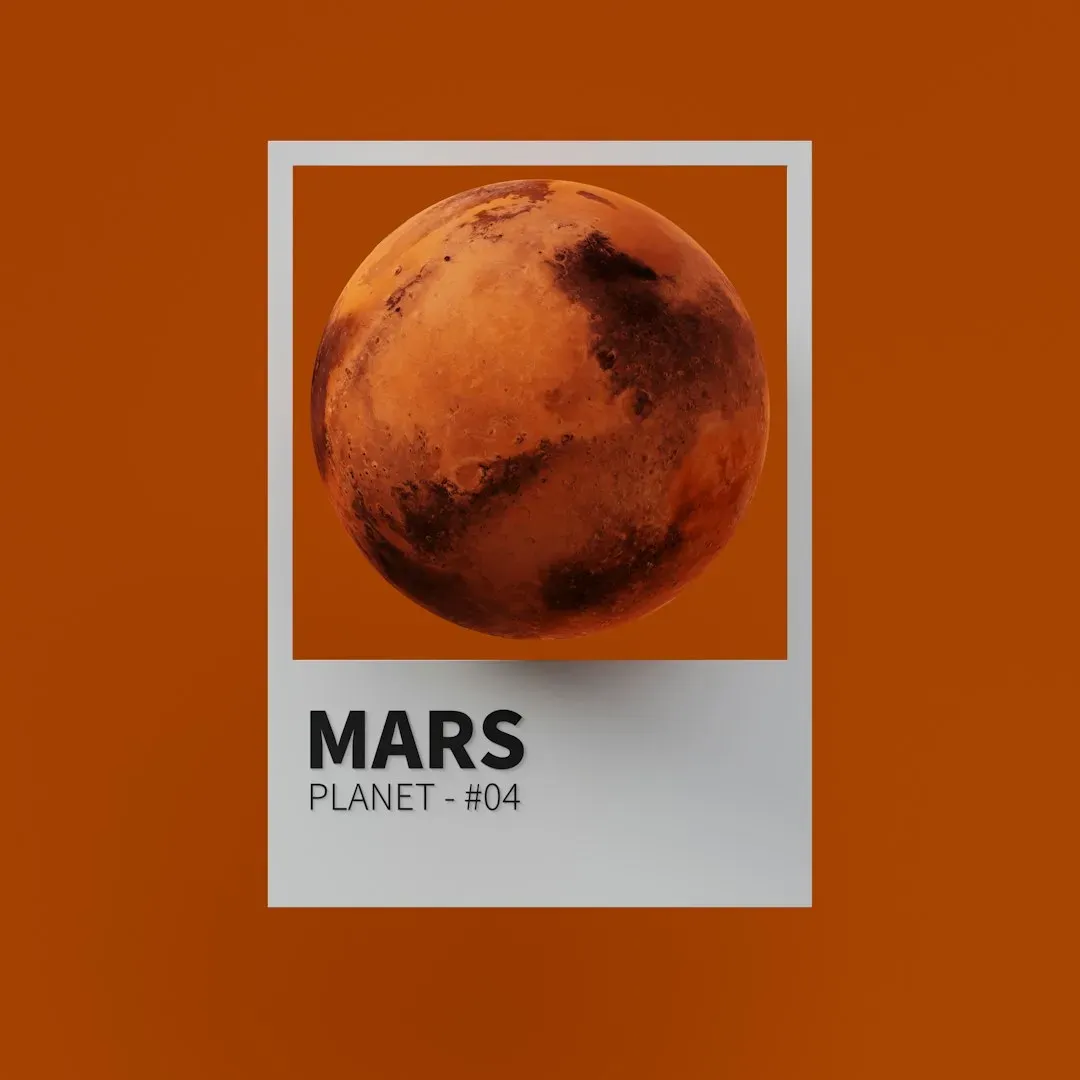
The modern chapter of this story really begins in the summer of 2020, when three spacecraft left Earth within eleven days of each other. Three separate missions to Mars launched by the United States, China and the United Arab Emirates all reached their destination within the same month after taking flight within just 11 days of each other in 2020. It wasn’t planned as a competition, but the optics were impossible to ignore.
The timing was dictated by orbital mechanics rather than rivalry, since Earth and Mars only align favorably every couple of years. Still, watching three flags arrive at the same planet within days of one another gave the world a vivid, almost cinematic sense that something had shifted in who gets to explore deep space.
The United States: Two Programs Pulling in Different Directions
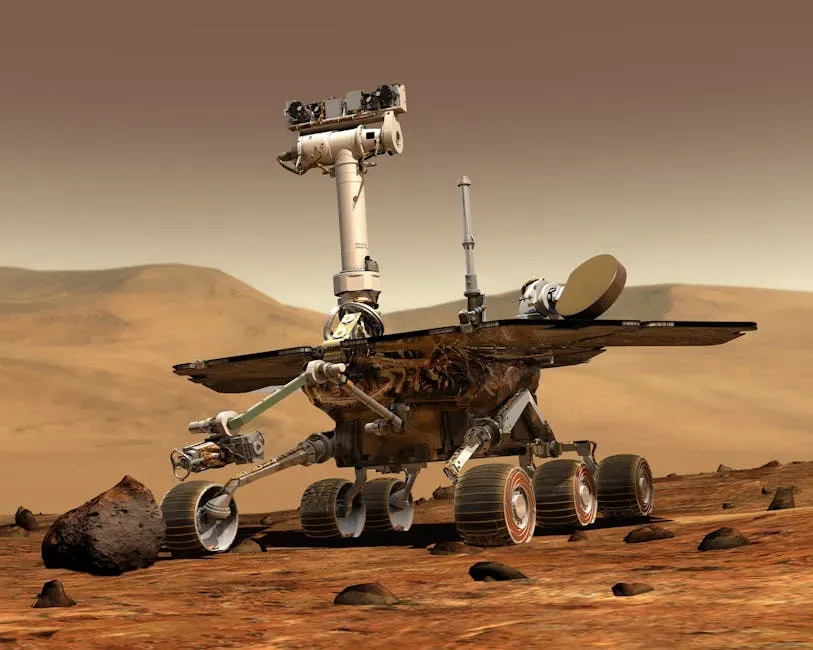
America’s Mars effort has quietly split into two tracks that don’t always move in sync. NASA’s traditional robotic program, built around missions like Perseverance and Curiosity, has decades of institutional experience behind it. Curiosity is still operating in 2026, a car sized rover exploring Gale Crater.
Meanwhile the more headline grabbing track belongs to SpaceX, which has its own timeline, its own hardware, and its own founder setting the pace. NASA’s flagship Mars Sample Return program was effectively cancelled in January 2026, a decision that left a noticeable gap in the agency’s near term Mars plans just as private ambitions were accelerating.
SpaceX’s Starship: Big Promises Meet a Tight Deadline
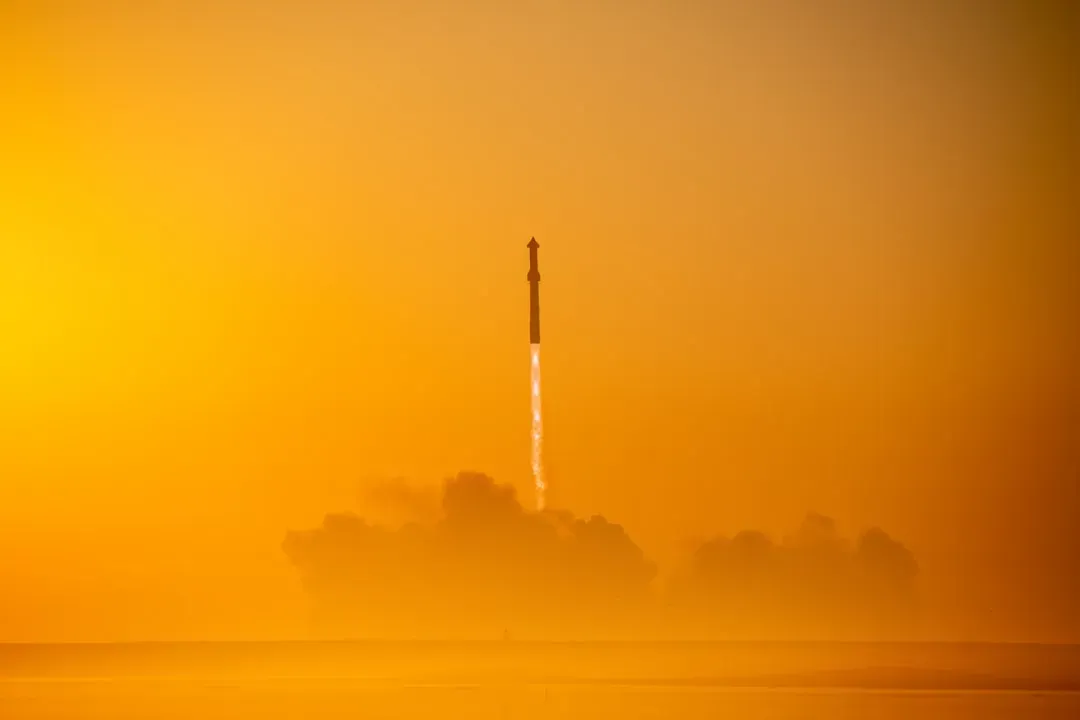
Elon Musk has talked about Mars for two decades, but 2026 marks the year the talk was supposed to turn into hardware crossing interplanetary space. Musk has publicly committed to launching up to five uncrewed Starship V3 vehicles toward Mars during the 2026 window, carrying cargo, scientific experiments, and a small fleet of Optimus humanoid robots built by Tesla. The plan hinges on a transfer window that only opens once every 26 months.
That window opens in November 2026 and closes in December, leaving almost no room for delay. The bigger obstacle isn’t the launch itself but the refueling chain behind it, since each Starship must be refuelled in orbit by additional tanker flights, roughly 8 to 12 refuelling flights per Mars bound vehicle by current estimates. That works out to dozens of launches crammed into a single month, a cadence no rocket program has ever pulled off before.
A Pattern of Slipping Dates
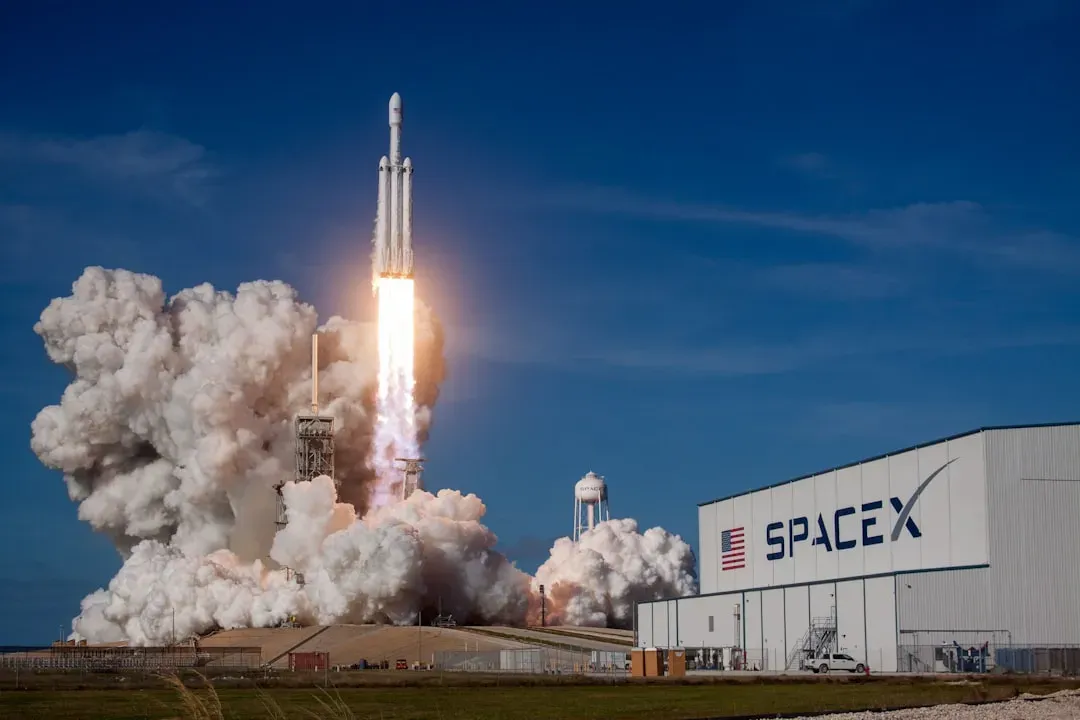
Anyone following SpaceX’s Mars announcements over the years will notice a rhythm to them. Musk first proposed sending a Dragon variant to Mars within two years back in 2016, a mission that never happened, then revised the target to 2022 using the still nascent Starship, which also never happened. By 2024 the target had shifted again toward an uncrewed 2026 attempt.
Then came a genuine curveball. On February 9, 2026, Musk announced a delay in SpaceX’s Mars ambitions of about five to seven years in order to focus on lunar missions instead. Just months later, at a public presentation, he reiterated interest in still trying for the November window, putting the odds of hitting it at roughly fifty percent, a reminder of how fluid these internal timelines really are.
China’s Tianwen 3: A Quieter but Steadier Approach
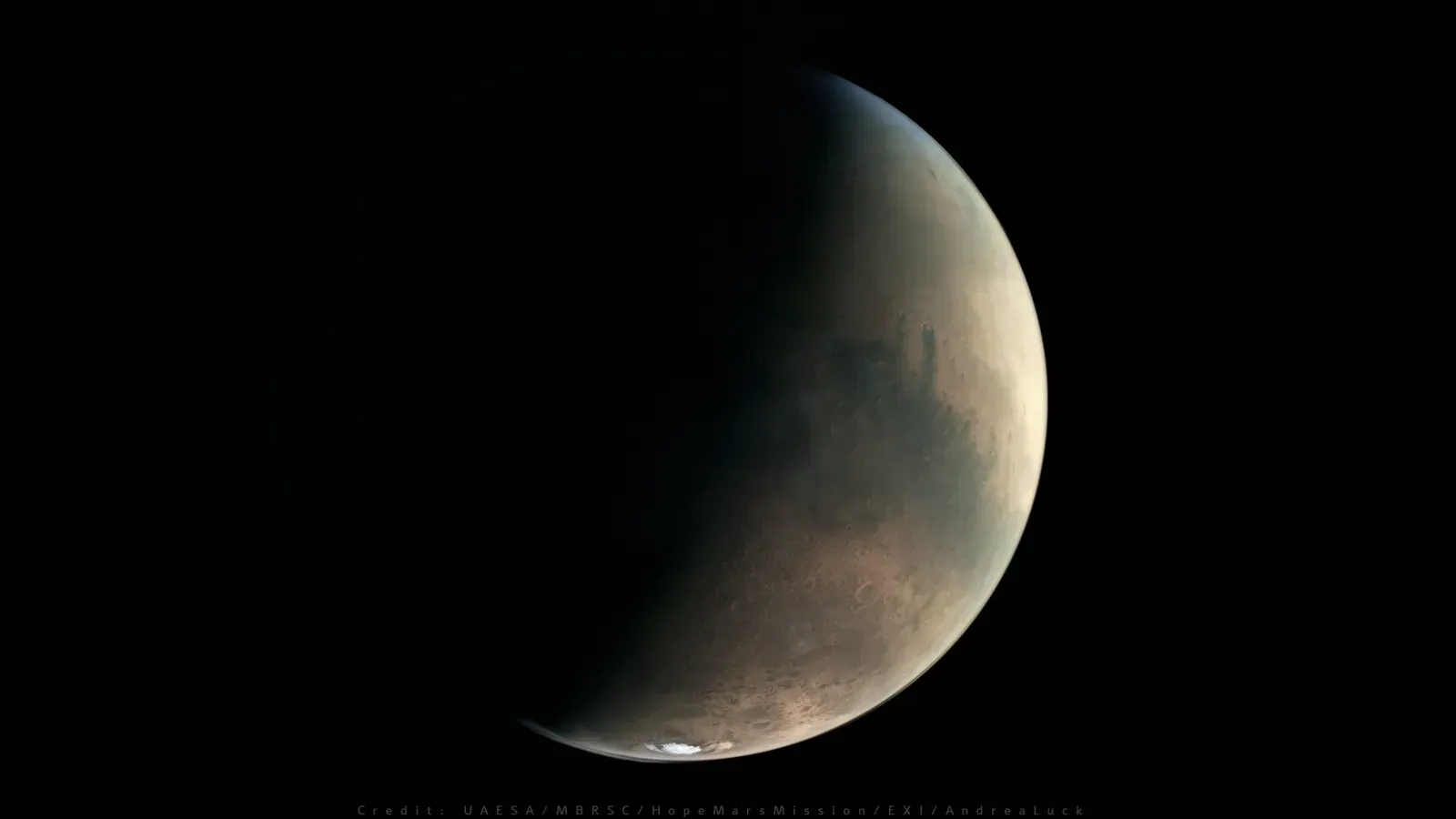
While American plans have zigzagged, China’s Mars program has moved with less drama and more consistency. While NASA’s sample return program struggled and SpaceX pushed its timeline back, China has quietly moved forward with its own Mars sample return mission, Tianwen 3, scheduled to launch in 2028 and aiming to return samples to Earth by 2031. That’s a full generation ahead of where NASA’s equivalent effort now stands.
The strategic stakes are significant. If Tianwen-3 succeeds, China would become the first country to return samples from Mars, a milestone that would mark a real shift in the balance of international space leadership. It’s worth remembering this isn’t China’s first attempt at Mars either, since its earlier probe never made it past launch, which makes the current success streak feel earned rather than accidental.
How China Got Here
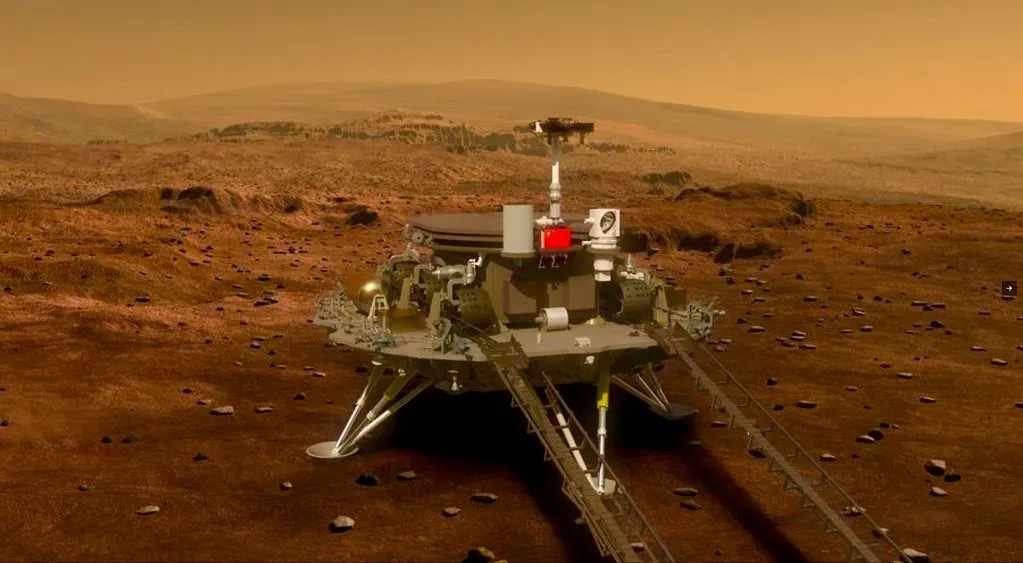
China’s rise as a Mars contender didn’t happen overnight. Its first successful mission, Tianwen-1, combined an orbiter, lander, and rover into a single attempt rather than spreading those steps across separate missions, a notably bold sequencing choice for a debut flight. The lander made its descent to Utopia Planitia, Mars’s largest impact crater, releasing a six wheeled, solar powered rover that spent months examining the surface and searching for pockets of water.
That mission’s success gave China the confidence and the technical base to attempt something as ambitious as a sample return only a few years later. State backed funding certainly helps too, since China’s space budget has historically ranked second only to that of the United States among nations pursuing planetary exploration.
The UAE: A Small Nation With an Outsized Role
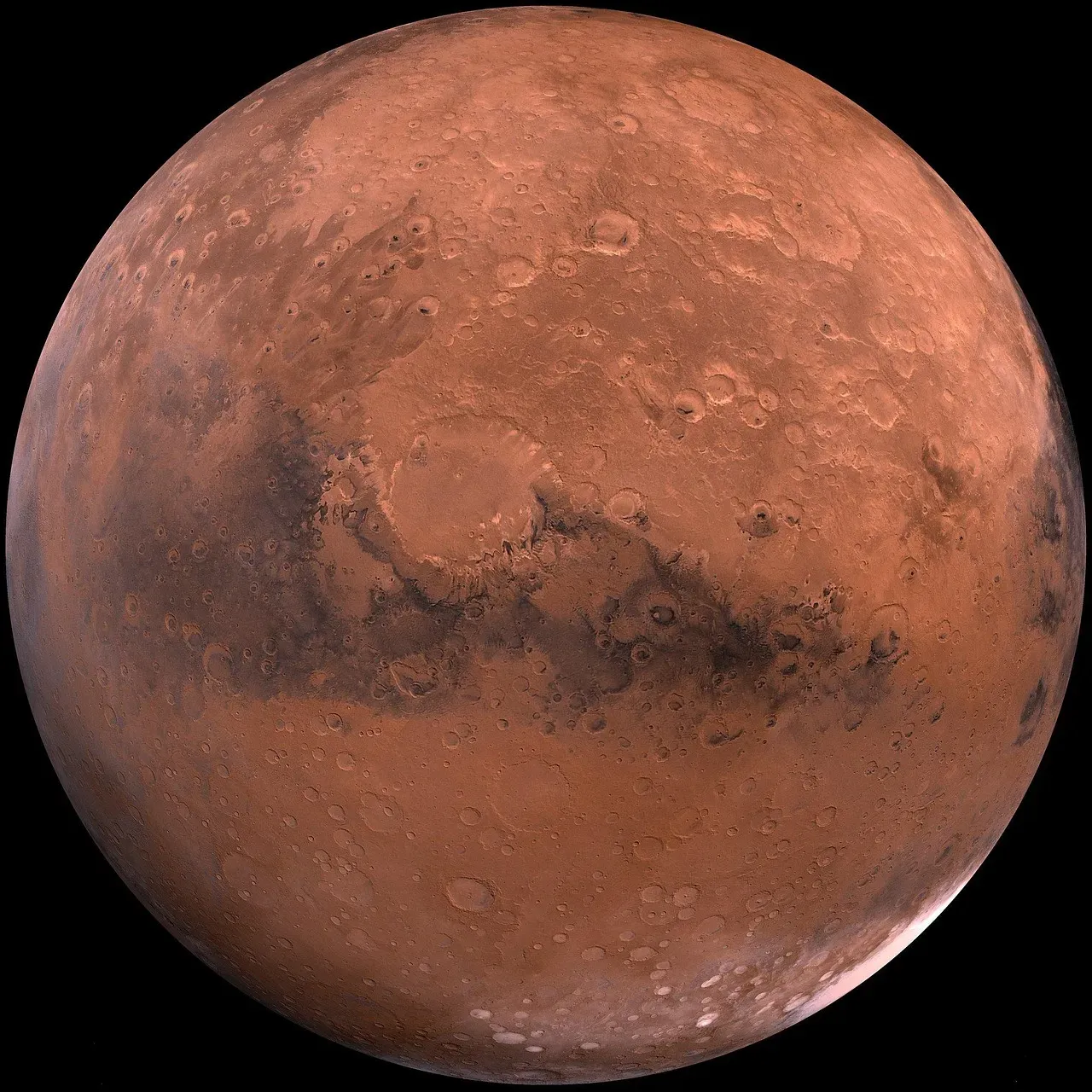
The United Arab Emirates doesn’t have the budget of a superpower, but its Hope orbiter earned it a permanent seat at the Mars table. With the Hope probe’s successful maneuver, the UAE became the fifth nation or entity to successfully put a spacecraft in orbit around Mars. That’s a remarkably short list to join.
What makes the achievement more striking is the price tag attached to it. The mission cost more than 200 million dollars, and a successful outcome could serve as an important model for other small countries hoping to participate in deep space exploration. Hope continues to study the Martian atmosphere, giving the UAE an ongoing scientific role even without ambitions of landers or rovers.
Sample Return: The Race Within the Race
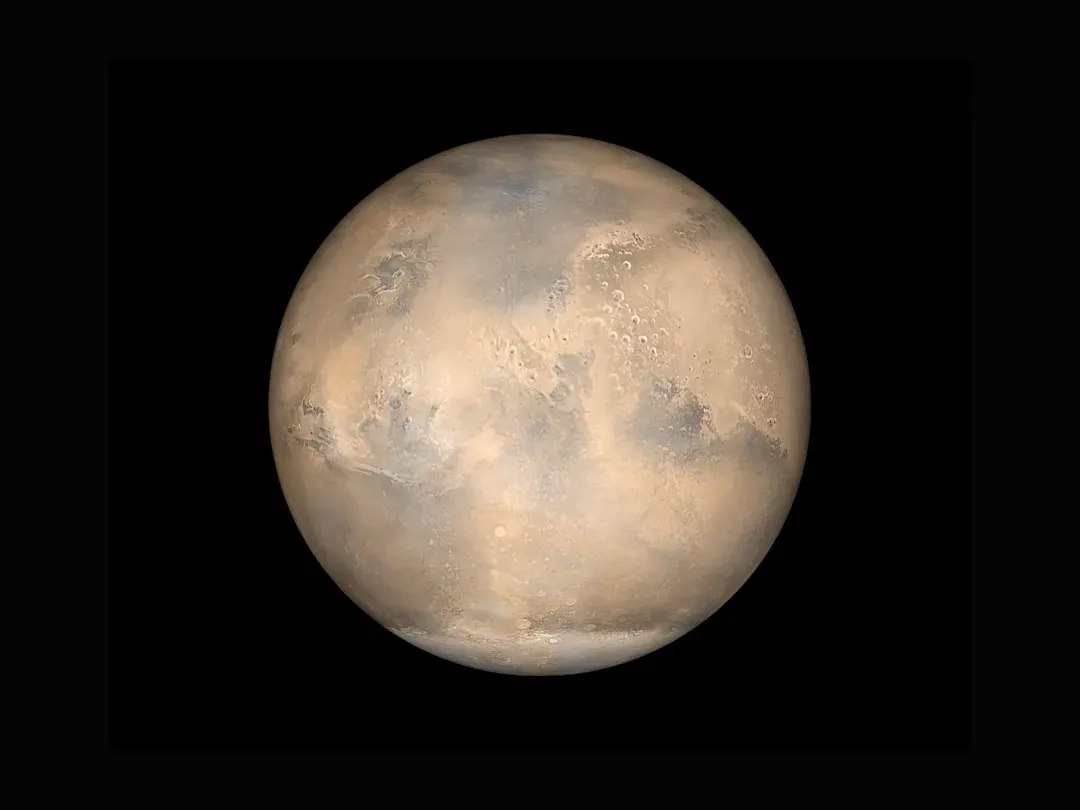
Beyond simply reaching Mars, there’s a narrower and arguably more prestigious contest underway, namely who can bring a piece of it home first. NASA and the European Space Agency originally partnered on a Mars Sample Return concept designed to retrieve rocks that Perseverance has been carefully collecting since 2021. For more than a decade, NASA’s Mars strategy centered on the Perseverance rover and this joint sample return effort with the European Space Agency.
That plan’s cancellation left an opening that China appears ready to fill. China’s Tianwen-3 aims to be the first mission to collect samples from Mars and deliver them to Earth, potentially landing back home about two years ahead of the original NASA and ESA project’s timeline. If that holds, it would be a symbolic first that no amount of American robotic heritage can retroactively undo.
The Refueling Problem Nobody Has Solved Yet
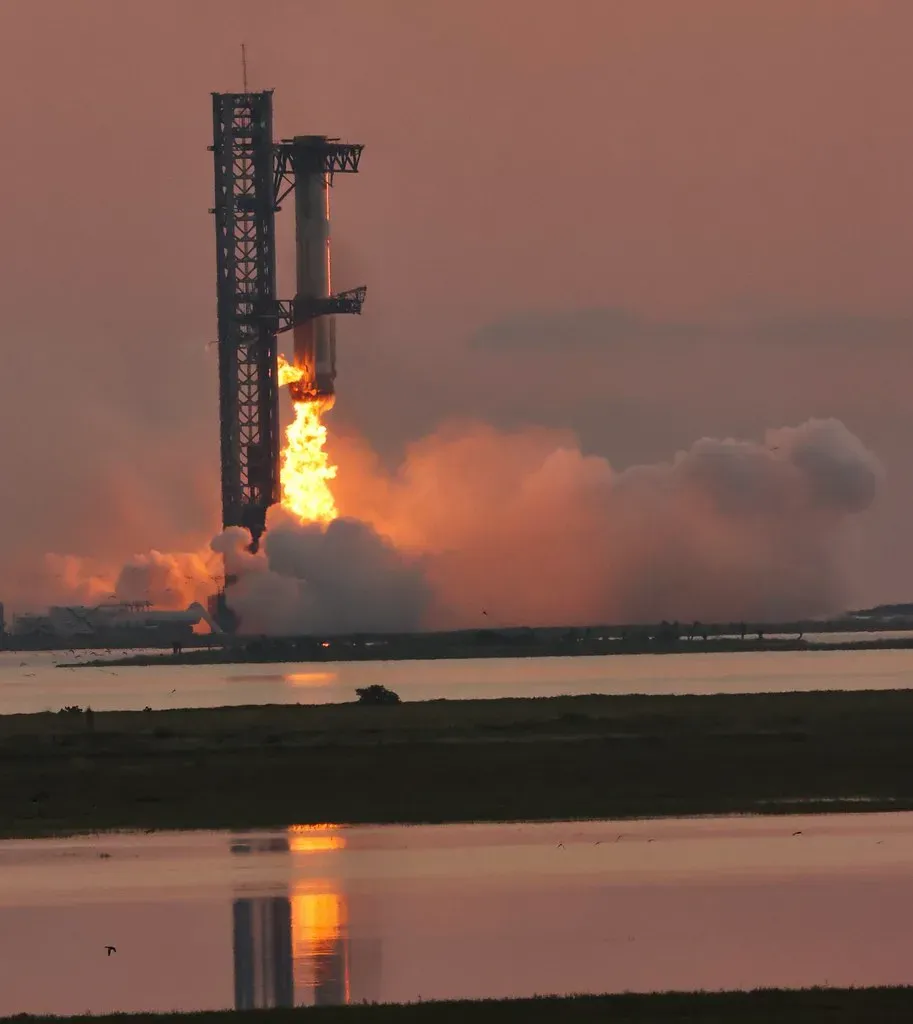
Every ambitious Mars timeline eventually runs into the same wall, and it isn’t the distance, it’s the fuel. Starship is designed to run on methane and oxygen that could theoretically be produced on Mars itself, but getting there in the first place requires an enormous amount of propellant transferred in orbit before departure. SpaceX transferred five metric tons of propellant between two tanks of the same Starship in 2024, with a full scale transfer demonstration between two separate Starships planned for 2026.
That’s a meaningful gap between what’s been proven and what the mission actually requires. Each Mars bound Starship needs roughly 1,200 tons of propellant, which works out to about 12 tanker launches per vehicle, meaning the five Starships planned for 2026 alone would require around 60 tanker launches, an unprecedented stress test of ground infrastructure. No government or private program has ever attempted anything close to that launch cadence in a single month.
India’s Slower, Steadier Timeline
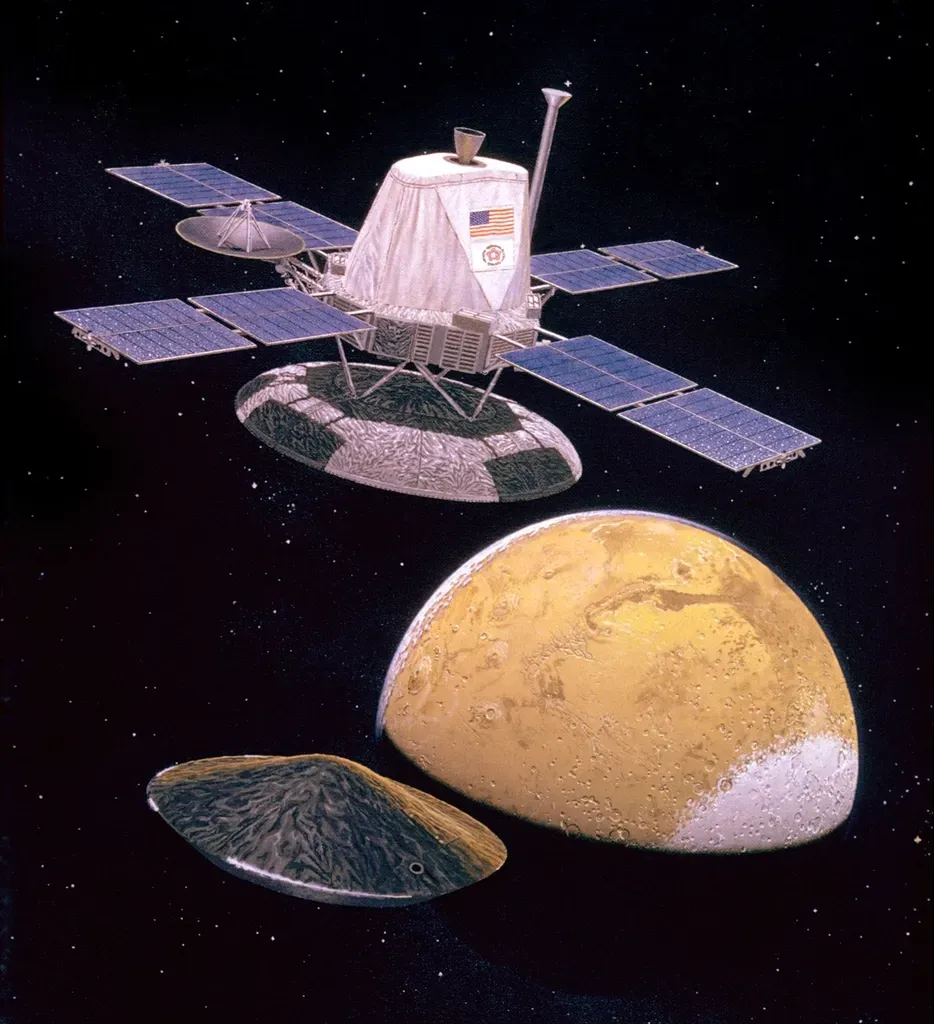
India rarely gets top billing in Mars headlines, yet its record deserves more attention than it usually gets. India’s Mars Orbiter Mission, known as Mangalyaan, reached Mars in 2014, becoming the first country to succeed at Mars on its maiden attempt. That’s a distinction the United States, Russia, and even China cannot claim.
India isn’t finished either, even if its next step is further out than its rivals’ plans. India is set to launch Mangalyaan 2 in 2030, which would mark the country’s first attempt at an actual landing on Mars. It’s a deliberately paced approach, favoring proven engineering over aggressive deadlines, which has so far served the Indian Space Research Organisation well.
What “First” Actually Means in This Race

Part of what makes this rivalry hard to summarize is that everyone is racing toward a slightly different finish line. For SpaceX, first means an uncrewed Starship surviving atmospheric entry and landing intact on the surface. For China, first increasingly means bringing physical Martian material back to a lab on Earth, a scientific milestone with enormous symbolic weight attached.
For NASA and its robotic fleet, the goalposts have shifted toward endurance and steady science rather than any single dramatic first. Meanwhile smaller programs like the UAE’s and India’s are less concerned with beating anyone and more focused on proving that ambitious space science doesn’t require superpower level budgets. That divergence in goals is exactly why calling this a single race can be misleading, even though the competitive framing captures something real about the moment.
