

I’ve been curious about this one for a while, mostly because every place I’ve ever lived seems to complain about its weather no matter how good it actually is. So one afternoon I typed a simple question into an AI chatbot: which American cities get the most sunshine each year, and why? The answer turned into a genuinely interesting tour through desert climates, atmospheric pressure systems, and a few surprising myths about places that call themselves sunny but technically aren’t.
What came back wasn’t just a list of names. It was a breakdown of how meteorologists actually measure sunshine, why the Southwest dominates almost every ranking, and why a state literally nicknamed “The Sunshine State” doesn’t even crack the top ten. Here’s what the AI told me, city by city, along with some digging I did afterward to check the numbers held up.
How I Framed The Question For AI

Before diving into specific cities, I asked the AI to explain what “sunshine” even means in a measurable sense, since I figured that mattered. It pointed me toward NOAA’s Comparative Climatic Data, which is the standard reference most rankings pull from. NOAA ranks the sunniest cities by something they call Average Percent Possible, meaning the total time that sunshine reaches the surface of Earth, expressed as the percentage of the maximum amount possible from sunrise to sunset with clear sky conditions.
That distinction turns out to matter a lot. A “sunny day” and a high percentage of possible sunshine aren’t quite the same thing, since one counts full days while the other tracks actual hours of unobstructed sun. Meteorologists measure sunshine in terms of percentage of possible sunshine, the amount of time the sun shines during daylight hours when clouds don’t obstruct it, and the National Oceanic and Atmospheric Administration tracks these statistics through various weather stations across the country. Once I understood that framework, the rest of the list made a lot more sense.
Yuma, Arizona: The Uncontested Sunshine Capital
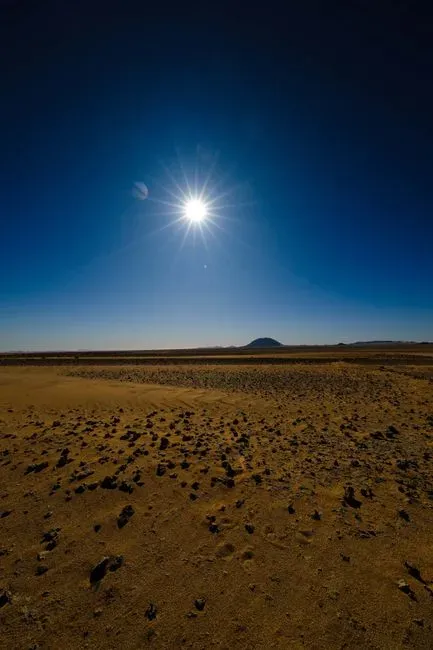
This was the one answer the AI gave with zero hesitation. Yuma, Arizona holds the Guinness World Record for the sunniest city on Earth, averaging about 4,015 hours of sunshine each year, meaning sunlight appears during more than 90 percent of daylight hours. That’s not just an American record, it’s a global one, verified by the World Meteorological Organisation.
The reason comes down to geography more than luck. Several natural factors combine to make Yuma exceptionally sunny, including a surrounding desert landscape that contains very little moisture, which limits cloud formation, along with mountain ranges nearby that block weather systems coming from the Pacific Ocean. The result is a city that receives only about three inches of rain per year on average, making cloudy days genuinely rare rather than just uncommon.
Phoenix, Arizona: Sunshine At Scale
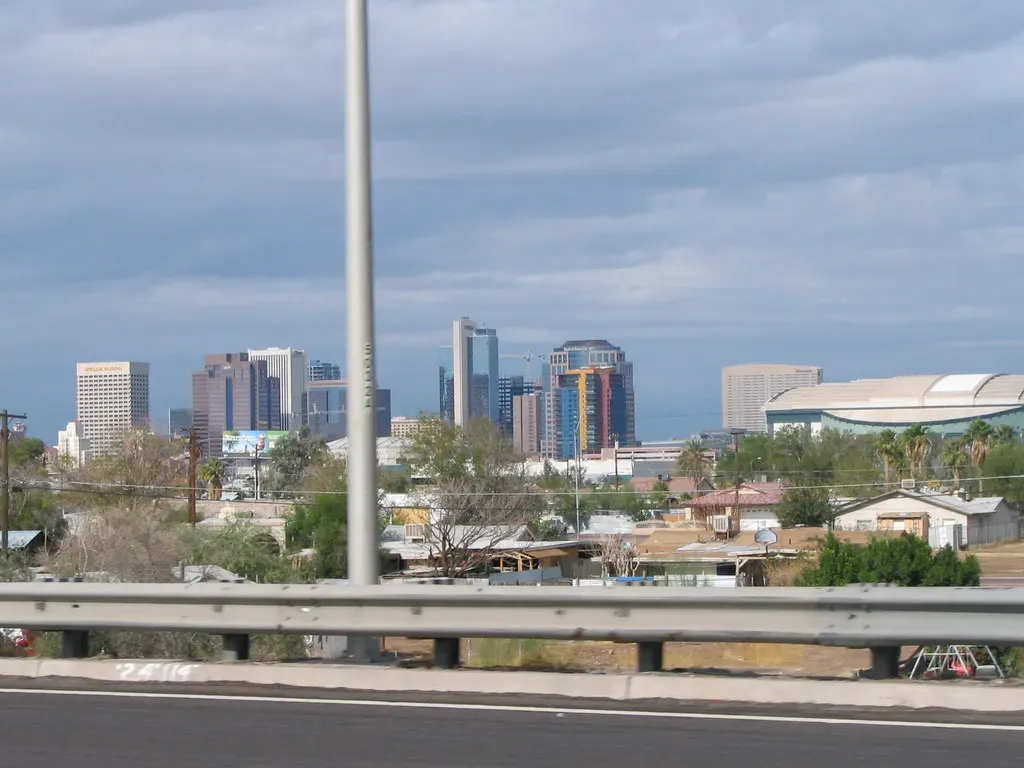
Phoenix came up next, and the AI was quick to point out that it’s not just sunny, it’s sunny at a massive population scale, which makes it a different kind of case study. Phoenix receives around 350 hours of sunshine a month and experiences approximately 300 sunny days a year, for an annual sunshine average of 85 percent. That’s a big number for a metro area with millions of residents rather than a small desert outpost.
The tradeoff, unsurprisingly, is heat. It’s also one of America’s hottest cities, with over 110 days of triple digit heat. Even so, the city has leaned into its climate rather than fought it, building an economy and lifestyle around near constant sun exposure.
Tucson, Arizona: Desert Sun With A Twist
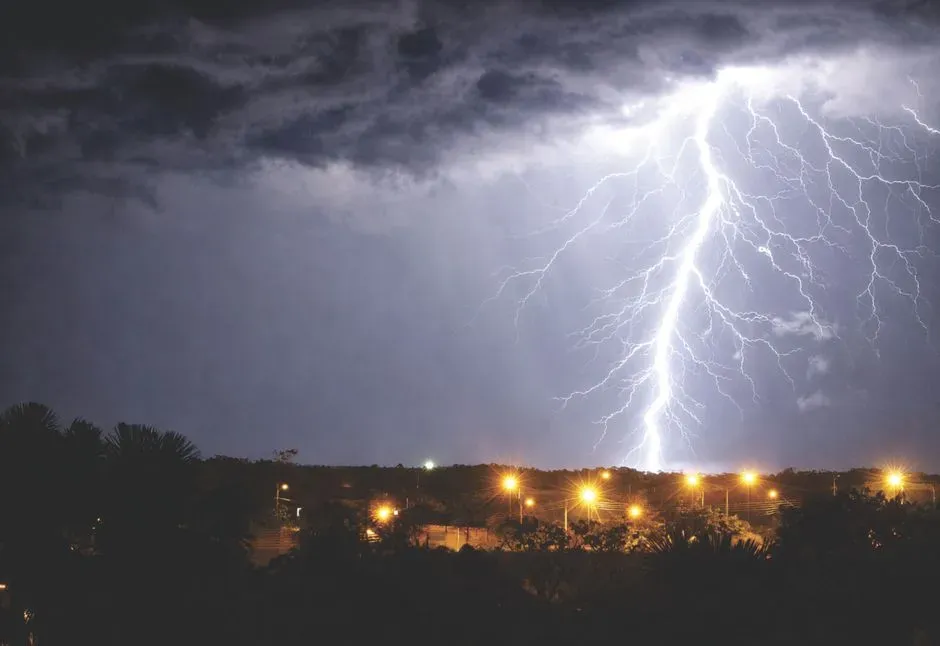
Tucson sits about a hundred miles south of Phoenix and shows up on nearly every version of this list, though the AI noted it has its own quirks. It receives sunshine at a similar rate to its sister city, but its elevation and desert vegetation give it a slightly different feel. Tucson is known for something other than lots of sunshine, lightning, and this desert city is considered one of the lightning capitals of the world thanks to its high clouds and impressive visibility of cloud to ground lightning strikes.
That’s a strange contradiction worth sitting with: one of the sunniest cities in the country is also famous for dramatic electrical storms. The explanation is seasonal timing rather than contradiction, since Tucson’s brief monsoon period produces theatrical lightning against otherwise clear desert skies. Outside of that narrow summer window, the sun dominates almost entirely.
Las Vegas, Nevada: Sun Behind The Neon
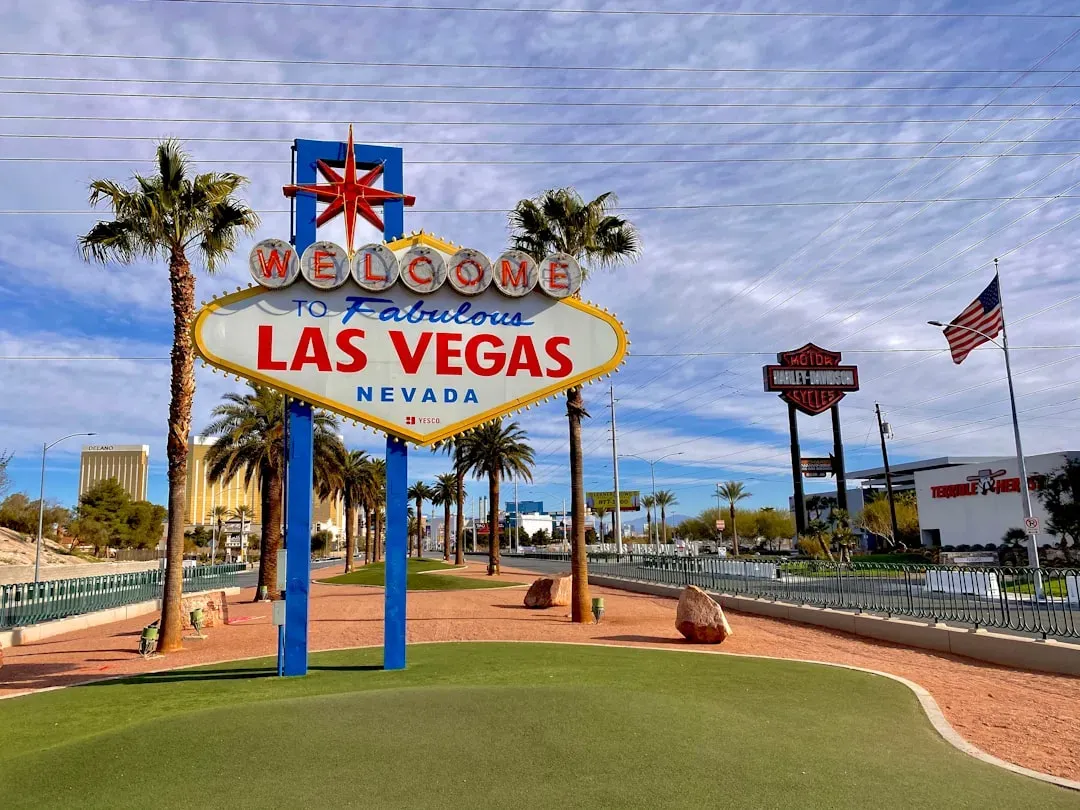
Las Vegas is one of those cities people associate with lights and casinos rather than weather, but the AI was quick to correct that framing. Las Vegas receives more than 290 days of sun a year, making it one of the sunniest places in the United States. The Mojave Desert setting gives it the same dry air advantage that fuels sunshine totals across the region.
Beyond the strip, that sunshine has practical value for a city that depends heavily on outdoor tourism and year round events. Located in the dry and windy Mojave Desert, Sin City has 210 sunny days per year and very little rain. It’s a city built as much around predictable weather as it is around entertainment, even if that’s not the first thing that comes to mind.
El Paso, Texas: The Border City That Rarely Sees Clouds
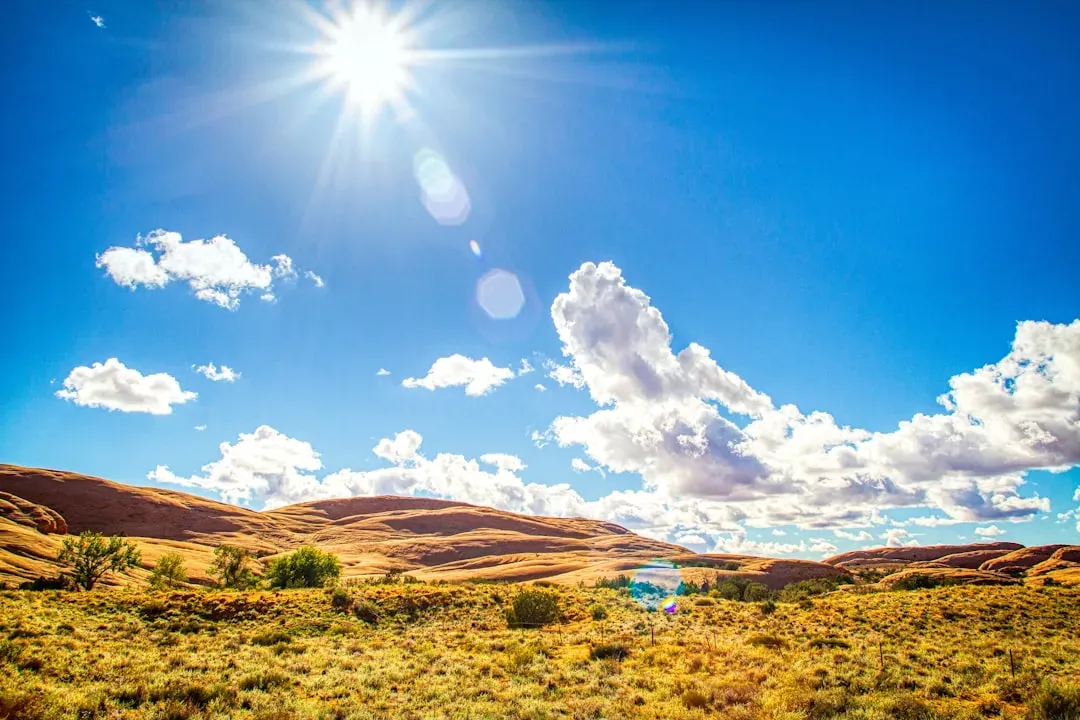
El Paso surprised me a little, mostly because it doesn’t get the same media attention as Arizona or Nevada cities despite ranking consistently high. El Paso, Texas is a dynamic border city nestled on the banks of the Rio Grande, right across from Ciudad Juárez, Mexico, with a sunny, dry climate. Its position at the edge of the Chihuahuan Desert gives it similar dryness advantages to its Arizona neighbors.
According to the data the AI cited, El Paso holds an 84 percent annual average of possible sunshine based on 54 years of NOAA data. That’s a remarkably stable long term average, which suggests this isn’t a fluke of recent weather patterns but a genuine climatic feature of the region.
Fresno, California: California’s Quiet Sun King

California has a sunny reputation overall, but the AI pointed out that the credit usually goes to the wrong cities. Coastal Los Angeles and San Diego get the glamour, while inland Fresno quietly racks up more actual sunshine hours. Fresno is one of the largest agricultural hubs in Central California, famous for its almond, grape, and citrus orchards, and it receives over 300 days of sunshine a year.
There’s a seasonal catch worth mentioning, though. The multicultural city is generally hot and sunny throughout the spring and summer, but fall and winter often include a thick morning fog known as tule fog, resulting in reduced visibility. So Fresno’s sunshine total is real, but it’s front loaded into the warmer half of the year rather than distributed evenly.
Reno, Nevada: High Desert, High Sunshine
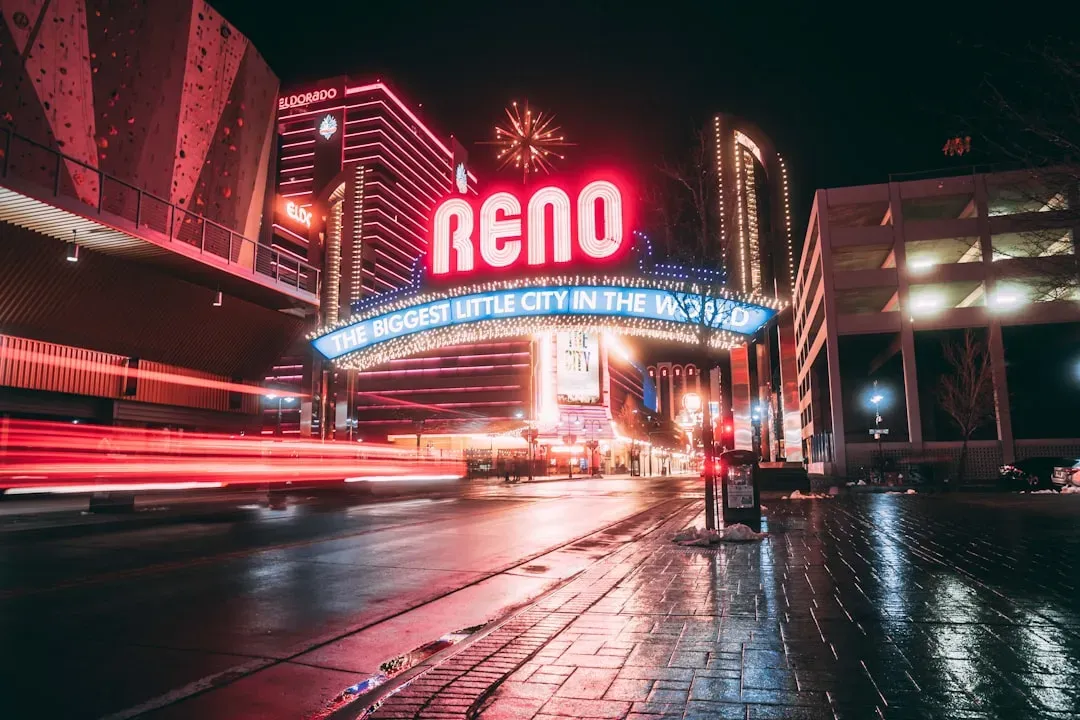
Reno doesn’t always make it into casual conversations about sunny cities, since it’s often lumped in with colder mountain towns because of its proximity to the Sierra Nevada. The AI flagged it anyway, noting that it consistently lands in the top five nationally for percent of possible sunshine. Its high desert elevation keeps humidity low even though winter snow is common in the surrounding mountains.
What makes Reno interesting is the contrast between its ski town reputation and its actual sunshine data. The city benefits from the same high pressure systems that keep nearby Nevada deserts dry, just at a slightly cooler, higher elevation. It’s proof that sunshine rankings don’t always match the mental image people have of a place.
Albuquerque, New Mexico: Sun At Altitude
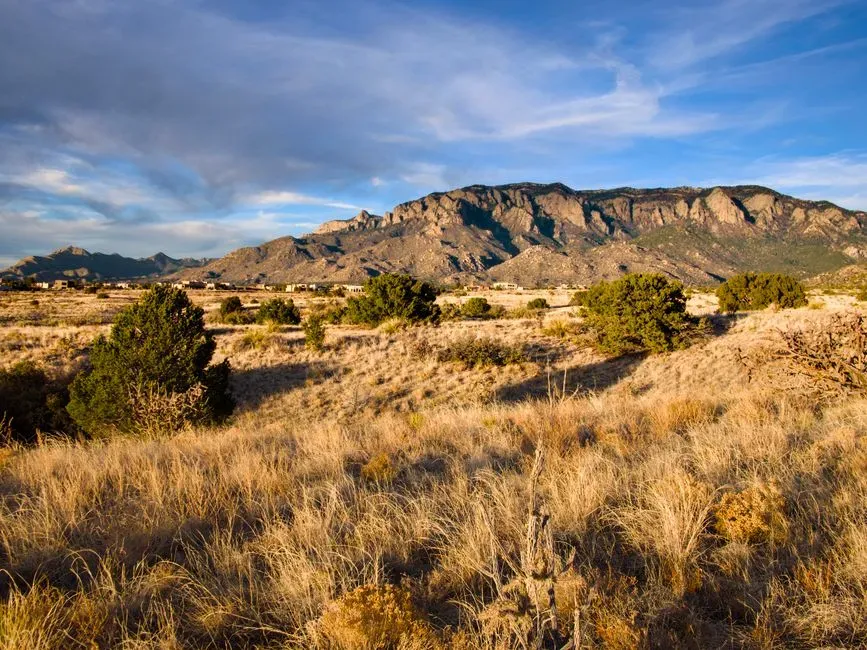
Albuquerque made the list for reasons that go beyond simple desert dryness. Albuquerque, New Mexico, is a vibrant, multicultural city set in the high desert, holding a 76 percent annual average of possible sunshine based on 63 years of NOAA data. That’s a long enough data record to rule out short term climate noise.
Its elevation plays a role too, since thinner air at higher altitude tends to hold less moisture and fewer clouds compared to lower lying humid regions. Albuquerque is perhaps best known for the annual International Balloon Fiesta, a nine day event that fills the skies with colorful hot air balloons from around the world. That event alone is a pretty good advertisement for consistently clear, calm skies.
Why Florida Doesn’t Crack The Top Tier
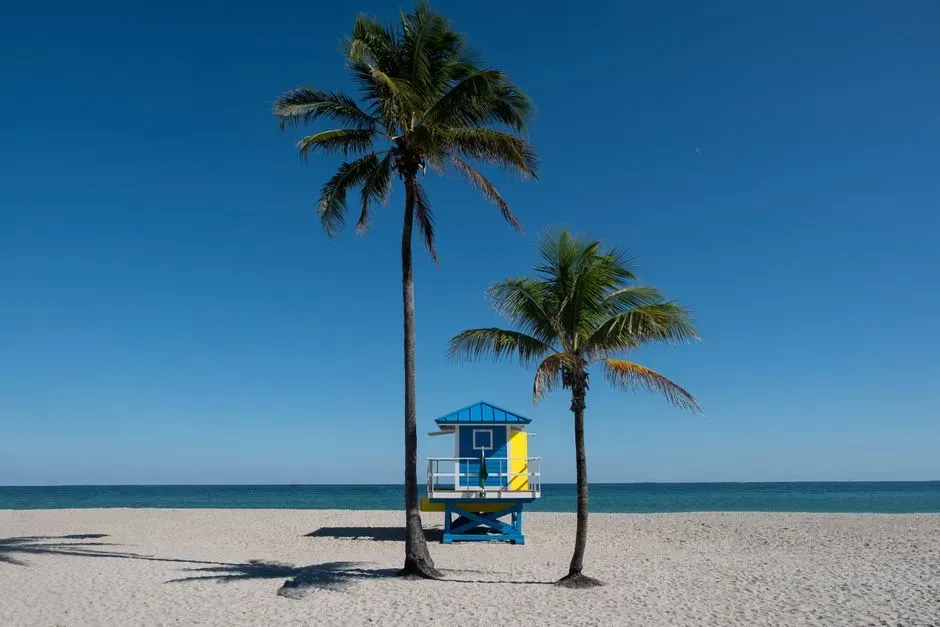
This was the answer that genuinely surprised me most, and the AI seemed to anticipate the question before I even fully asked it. Despite being nicknamed the Sunshine State, Florida’s humidity works against it in ways dry desert climates never experience. Arizona is significantly sunnier than Florida, and while both states are known for warm weather, Arizona cities like Phoenix, Tucson, and Yuma receive 85 to 90 percent of possible sunshine annually, while Florida cities typically range from 65 to 75 percent, with Key West being Florida’s sunniest location.
The mechanism behind that gap is fairly straightforward once explained. Florida is sunniest during the winter, thanks to drier weather, but the opposite is true during the summer, since in a tropical and humid climate clouds more easily form, and on most summer days storms fire in the afternoon thanks to daytime heating. So Florida earns its nickname seasonally rather than year round, which is a subtler distinction than most people realize until they see the actual percentages side by side.

- The Shoreline Sucked Dry in Seconds – 5 Tsunami Signals Beachgoers Mistake for Low Tide - November 14, 2026
- 9 Dark-Sky Destinations Around the World Where the Stars Look Unreal - November 14, 2026
- The Fault Line That Never Slips – 7 Locked Seismic Zones Overdue for a Massive Release - November 14, 2026
