

Stand on a beach for a few hours and the sea will quietly rearrange itself. The waterline creeps up the sand, pauses, then slips back out again. It happens so regularly that most of us stop noticing it.
Behind that routine sits a surprisingly tidy piece of physics, shaped by the Moon, the Sun, and the planet beneath our feet. The details explain why some coasts see only a small rise and fall while others see swings the height of a building.
The Moon’s Pull Is the Main Driver
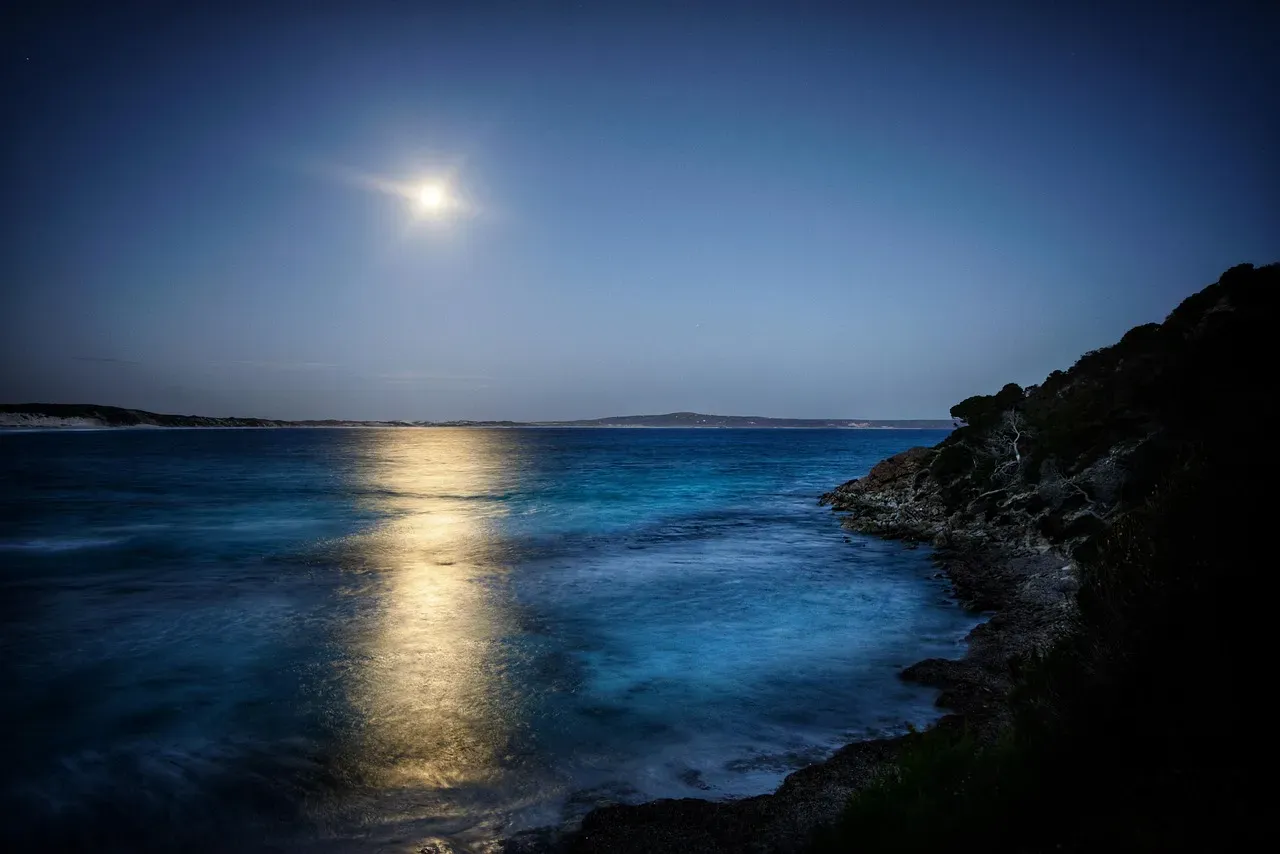
Ocean tides are caused mainly by the gravitational pull of the Moon. The Sun adds its own influence, though the Moon is the dominant force. That’s because it’s so much closer to us, even though it’s far smaller than the Sun.
Gravity weakens quickly with distance, and tidal effects weaken even faster, in proportion to the cube of distance. This is why the nearby Moon wins out over the enormous but distant Sun. Roughly speaking, the Moon’s tidal effect is a bit more than twice the Sun’s.
Why There Are Two Bulges, Not One
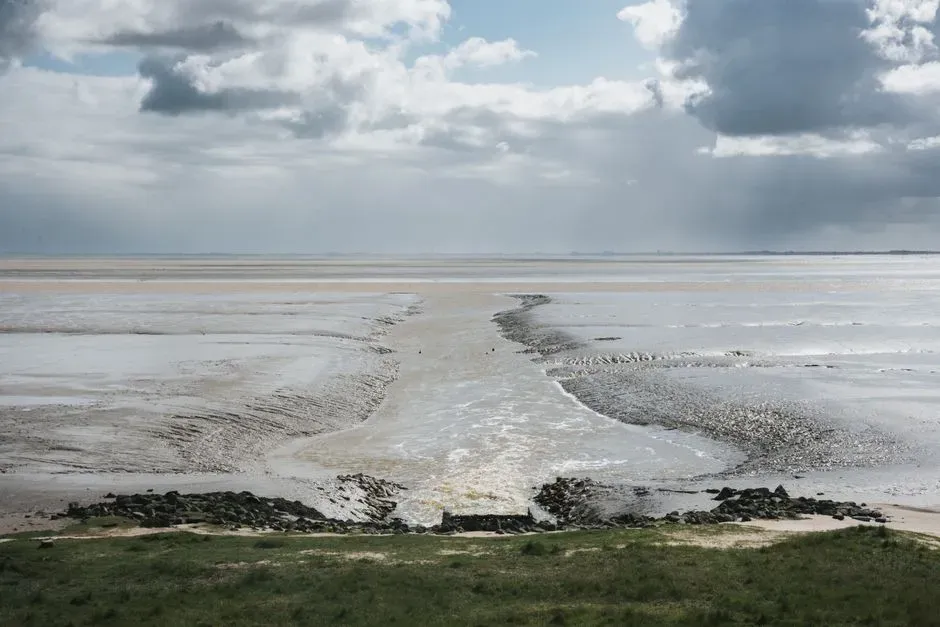
A common surprise is that high tide happens on both the side of Earth facing the Moon and the side facing away. The near side is pulled most strongly toward the Moon, so water piles up there. On the far side, the pull is weakest, so the water is effectively left behind, forming a second bulge.
What matters is the difference in pull across Earth, not the pull itself. That difference stretches the ocean along the Earth–Moon line. As Earth rotates through these bulges, most coasts experience two high tides and two low tides in a day.
Why Tides Run on Moon Time
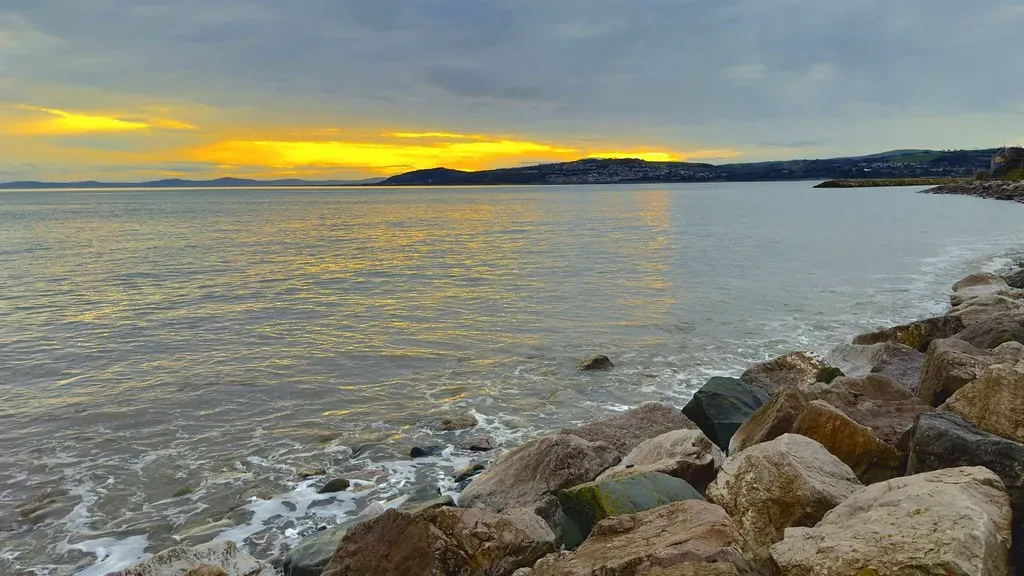
A tidal cycle isn’t exactly twelve hours. Since the Moon orbits Earth in the same direction Earth spins, a spot on Earth needs a little over twenty four hours to line up with the Moon again. That’s roughly fifty minutes longer than a solar day.
As a result, high tide arrives about fifty minutes later each day. A beach walker who found a perfect low tide at noon on Monday will find it later and later as the week goes on. Tide tables exist largely to keep track of this slow drift.
The Sun’s Supporting Role
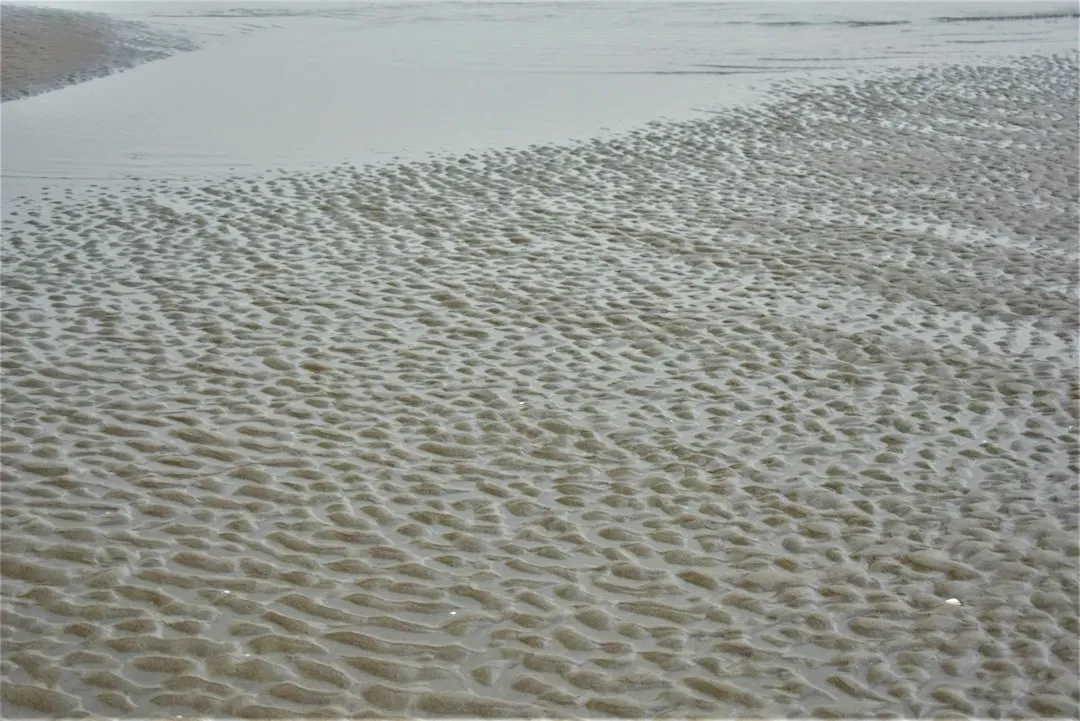
The Sun creates its own tidal bulges, and they either reinforce or partly cancel the Moon’s. At new moon and full moon, the Sun, Earth, and Moon line up. The two effects combine, producing spring tides with the highest highs and lowest lows.
At the first and third quarter moons, the Sun and Moon pull at right angles. The result is neap tides, with a smaller range between high and low water. Despite the name, spring tides have nothing to do with the season.
Orbit Shape and Distance Matter Too
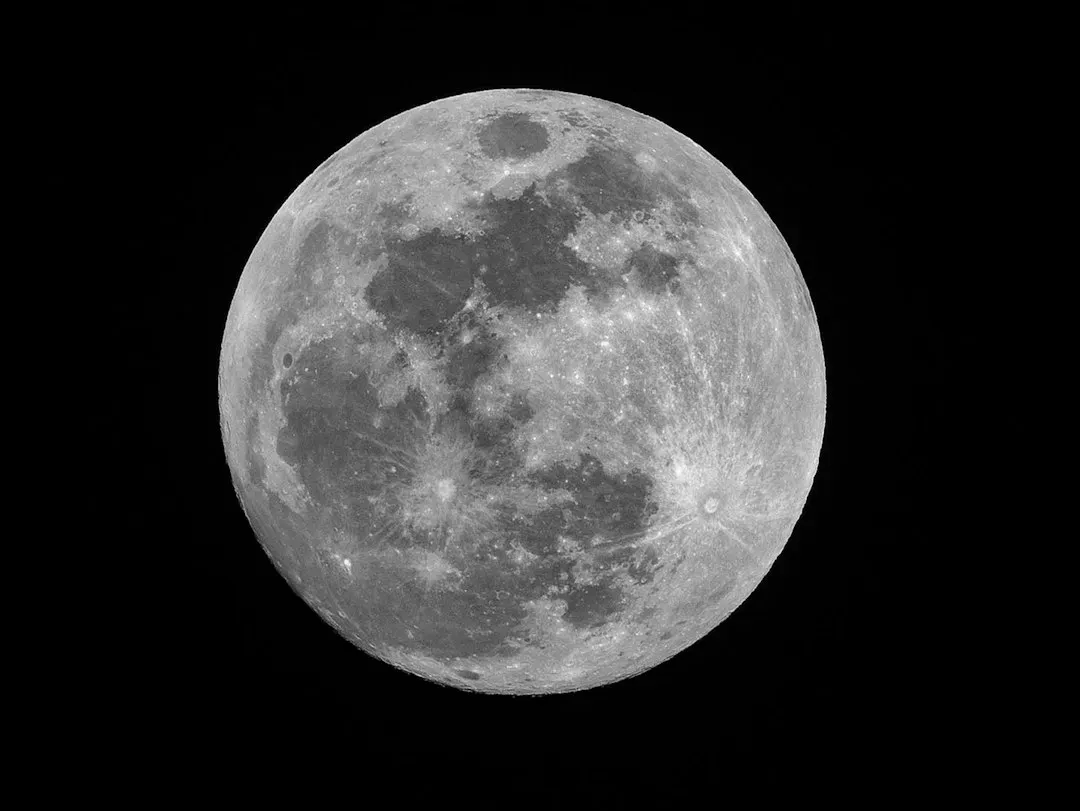
The Moon’s orbit isn’t a perfect circle, so its distance from Earth changes over each month. When it’s at its closest point, called perigee, tides run stronger. When a perigee coincides with a new or full moon, the result is often called a perigean spring tide, sometimes nicknamed a king tide.
Coastal agencies such as NOAA in the United States publish predictions that account for these cycles. They also note that weather can add to the picture. Storm surge on top of a perigean spring tide can raise water levels well above forecasts.
Why Coastlines Differ So Much
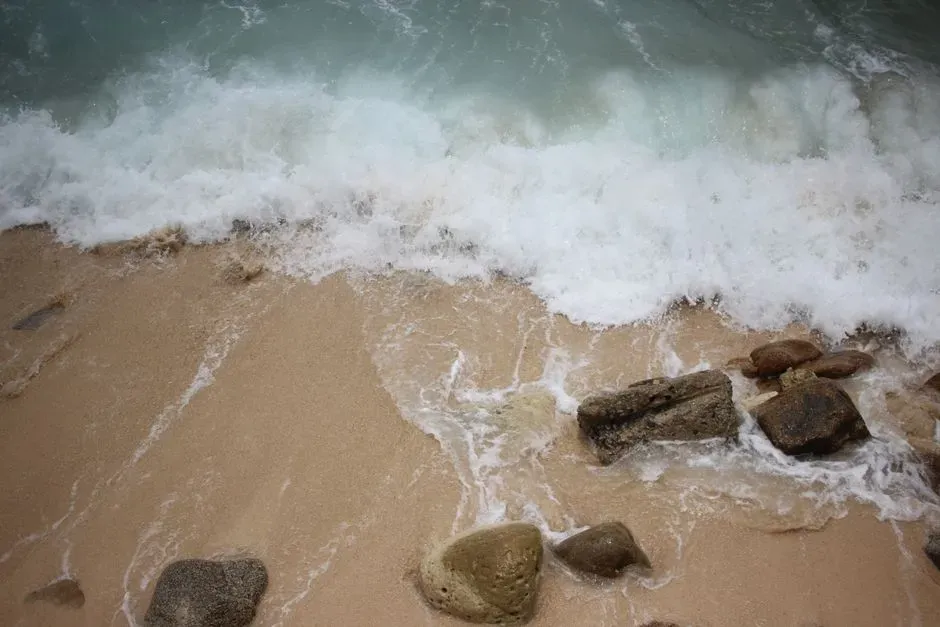
The same Moon produces very different tides in different places. Ocean basins, coastline shape, and water depth all change how the tidal wave behaves. Some places have mainly one high tide per day, while others have two roughly equal ones.
The Bay of Fundy in Canada is famous for the largest tidal range on Earth, which can exceed fifteen meters in places. Its funnel shape and the natural rhythm of water sloshing in the bay amplify the rise. Meanwhile, parts of the Mediterranean see only small changes, because the sea is largely enclosed.
The Moon Is Slowly Drifting Away
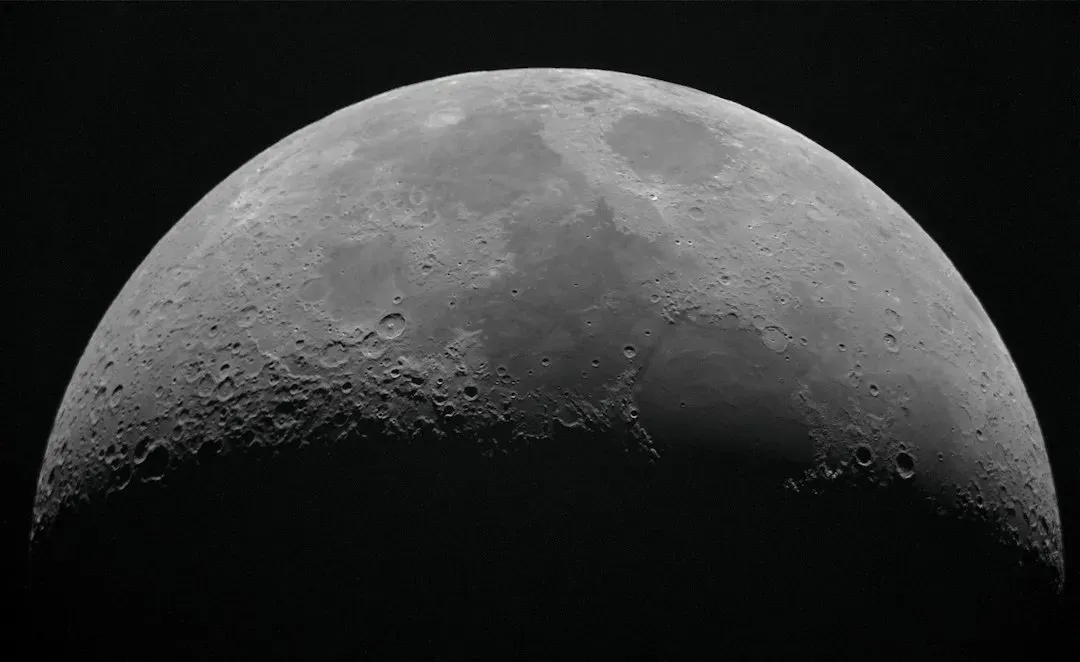
Tides carry a long term cost. Friction between ocean water and the seabed, and the tidal bulge pulling slightly ahead of the Moon, transfers energy from Earth’s spin to the Moon’s orbit. The Moon is moving away from Earth by about three and a half centimeters each year, a figure confirmed by laser measurements bounced off reflectors left by Apollo astronauts.
The same process is slowing Earth’s rotation, lengthening the day by a tiny fraction of a second per century. Over geological time that adds up. Ancient coral and sediment records suggest days were noticeably shorter hundreds of millions of years ago.
Solid Earth Moves With the Tides
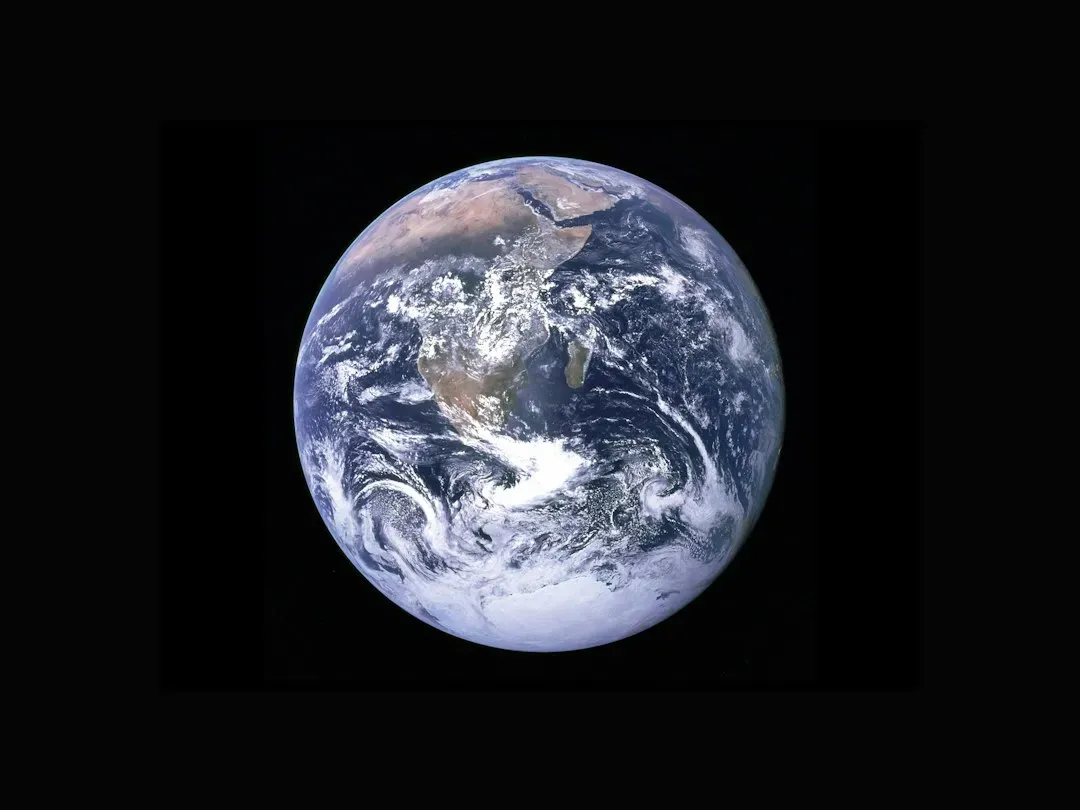
Oceans aren’t the only thing that responds. The solid ground also flexes under the Moon and Sun, in what scientists call Earth tides. The rise and fall of land can reach roughly tens of centimeters, far too gradual for people to feel.
Precise instruments, including GPS stations and gravimeters, detect these movements routinely. Engineers building particle accelerators have to account for them. Even the atmosphere has tidal patterns, though they’re subtle compared with the sea.
Tides in Modern Science and Daily Life
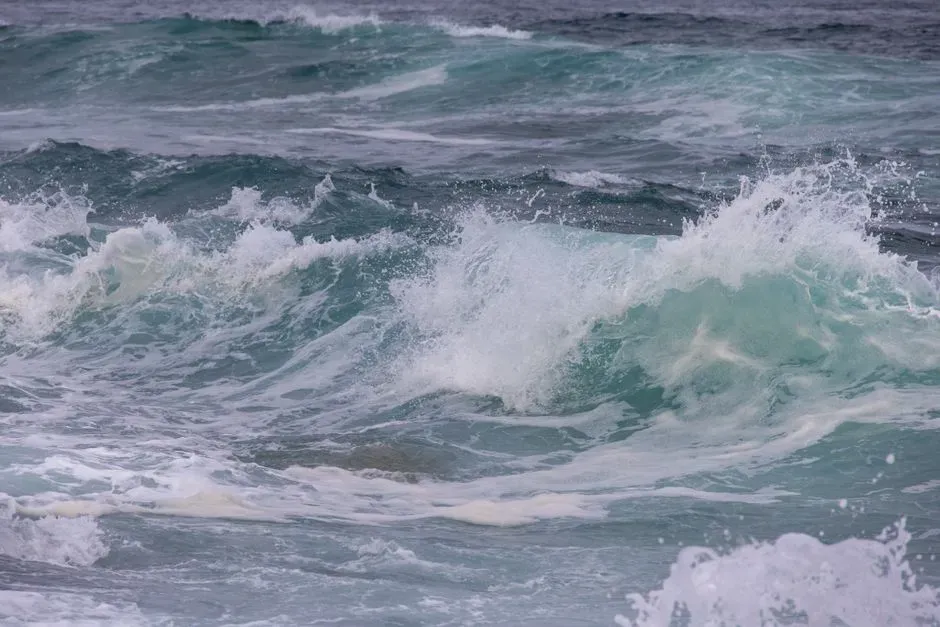
Tidal predictions matter for shipping, port operations, fishing, and coastal safety. Harbors schedule large vessels around high water, and coastal planners use tide data to judge flooding risks. Rising sea levels make this more pressing, since a high tide now reaches further than it once did, causing so called sunny day flooding in some cities.
Tides are also a source of renewable power. Tidal barrages and turbines, such as the long running La Rance plant in France and the MeyGen array in Scotland, generate electricity on a predictable schedule. Unlike wind or sunshine, the Moon’s timetable can be forecast years ahead.

- The Shoreline Sucked Dry in Seconds – 5 Tsunami Signals Beachgoers Mistake for Low Tide - November 14, 2026
- 9 Dark-Sky Destinations Around the World Where the Stars Look Unreal - November 14, 2026
- The Fault Line That Never Slips – 7 Locked Seismic Zones Overdue for a Massive Release - November 14, 2026
