
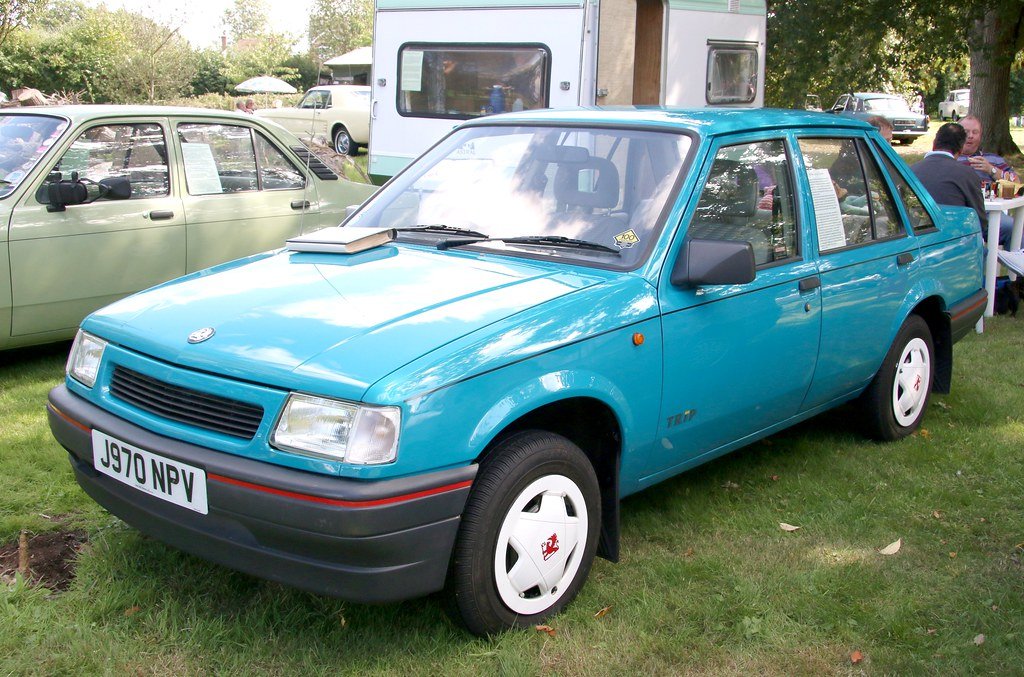
My dad still talks about the family road trip the way some people talk about a favorite old song. The details come back fast: the smell of vinyl seats, the sound of a paper map unfolding, the long stretches when nobody said a word. He was a kid in the 1970s, and the way his family traveled looks very different from how we do it now.
I asked him to walk me through what he remembers. His memories don’t line up perfectly with every history book, and he’d be the first to admit it. Still, they point to real habits of the era, and a few of them are worth a closer look.
Cars Without Air Conditioning
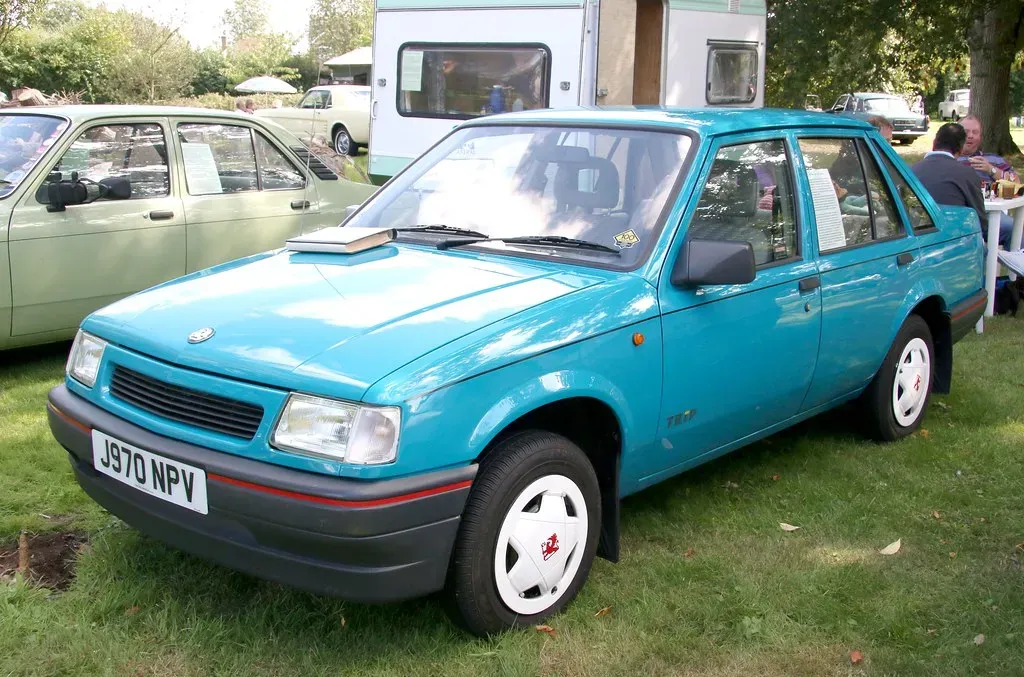
Dad’s family car had no air conditioning, and he says that was normal. Factory air was an option in those years, not a given, and it added to the sticker price. Plenty of families simply rolled down the windows and accepted the heat.
He remembers sticky legs on vinyl seats and a hot wind that made it hard to talk. On summer trips, his parents would sometimes drive in the early morning to dodge the worst of the afternoon sun. Air conditioning didn’t become standard on most new cars until later decades.
Paper Maps and a Navigator in the Front Seat
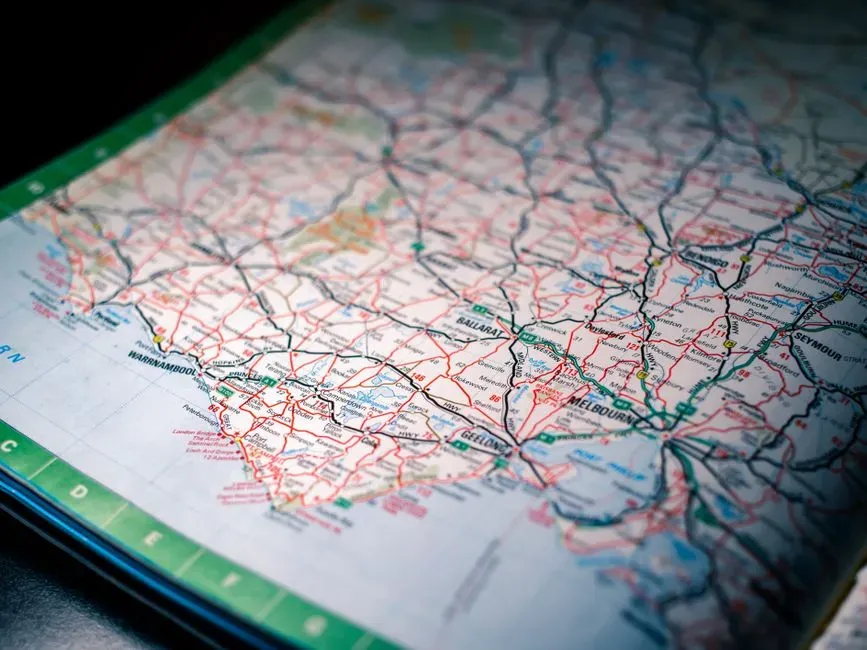
There was no GPS, obviously. Dad’s mother handled the maps, and a wrong turn usually meant an argument about who misread the folds. Gas stations often handed out or sold road maps, which is how many families built their collection.
Planning was part of the trip itself. His parents marked the route ahead of time, and the interstate system, still being expanded in those years, shaped which roads they chose. Getting lost wasn’t a crisis, just a detour with a story attached.
No Seat Belts Worth Mentioning
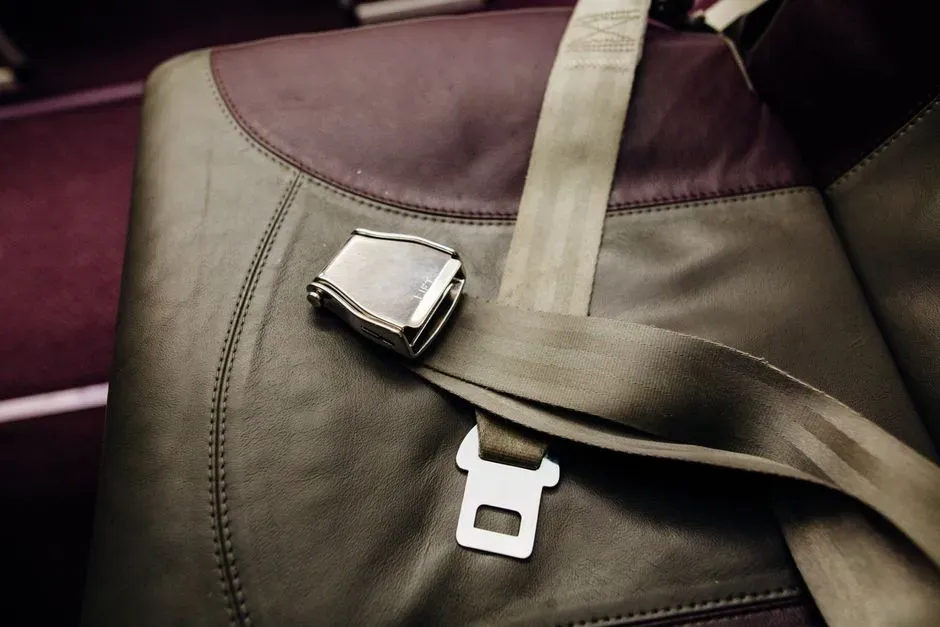
Dad says he rarely buckled up as a kid. Seat belts existed in cars by then, since federal rules required them in new vehicles from the late 1960s, but using them wasn’t a habit for most people. Laws requiring their use came later, with New York passing the first state law in 1984.
He remembers lying across the back seat or the rear window shelf on long drives. Looking back, he finds it a little alarming. Child car seats were also far less common and far less regulated than they are today.
Station Wagons Packed to the Roof
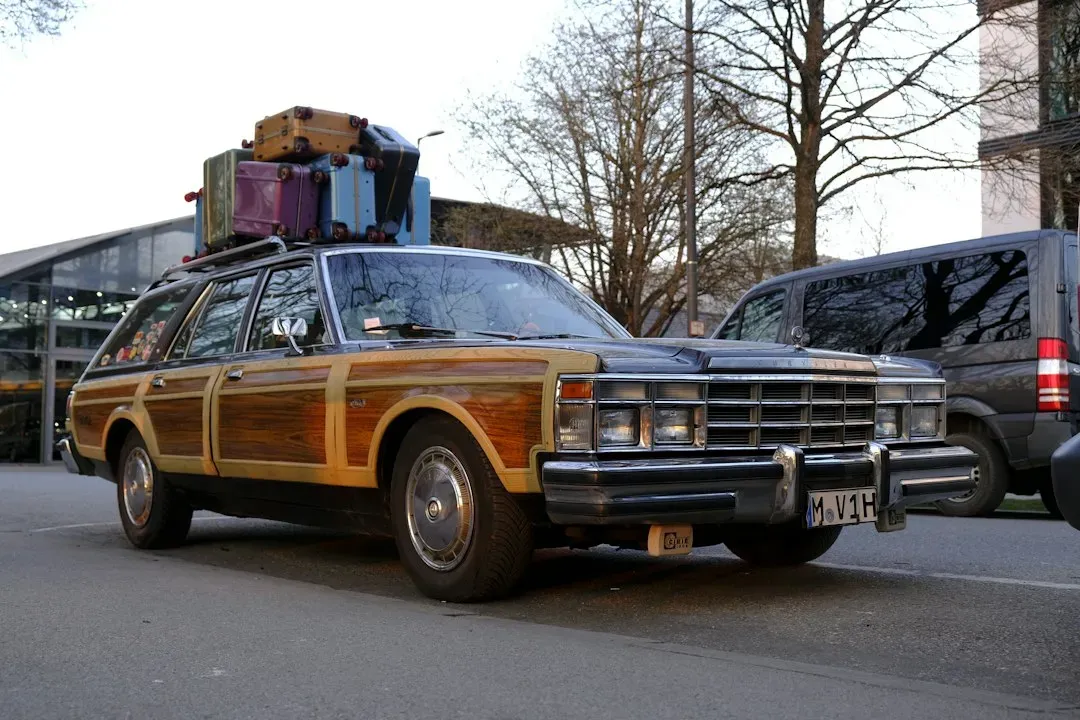
The station wagon was the family workhorse, and Dad’s relatives had one with a rear-facing seat in the back. Wagons were hugely popular with American families at the time, mostly because they held so much luggage and so many kids. Dad swears you could fit an entire vacation inside.
Suitcases went in the back, and sometimes a rack on top held the overflow. Packing was a puzzle that his father treated seriously. Everyone got a small spot for a pillow, a toy, or a book, and that was it.
Entertainment Was Whatever You Brought
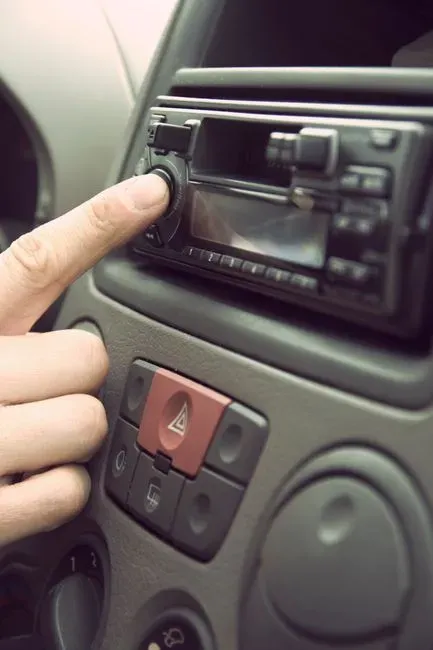
Without screens, the back seat ran on imagination. Dad remembers license plate games, counting cows, and singing along to whatever the AM radio picked up. Radio reception faded in and out between towns, so a favorite song could vanish mid-chorus.
Some families used cassette players or eight-track tapes, which were popular in cars during the decade. His family mostly relied on the radio and a deck of cards. Boredom was simply part of the journey.
Gas Stations With Actual Service
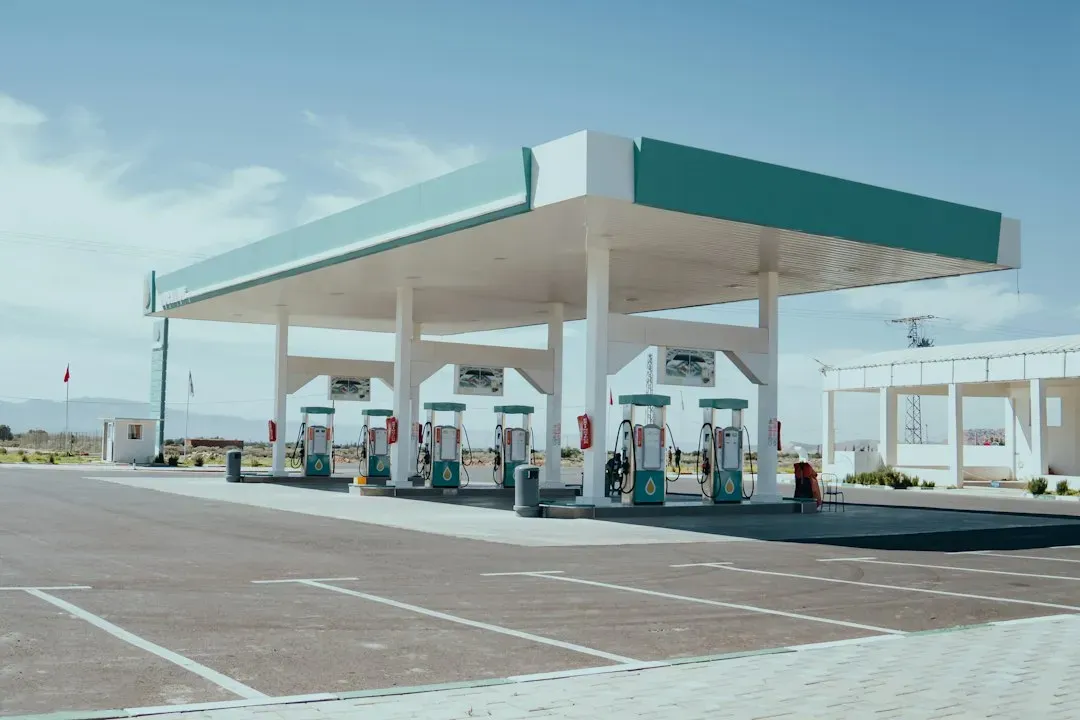
Dad remembers attendants who pumped the gas for you. Full service was common, and attendants often checked the oil and cleaned the windshield while the tank filled. For a kid, it was a small show.
He also remembers the gas lines of 1973 and 1979, when fuel shortages tied to oil supply disruptions made driving harder for many Americans. His family kept trips closer to home during those stretches. Fuel economy suddenly became a dinner table topic.
Motels, Roadside Stops, and Few Reservations
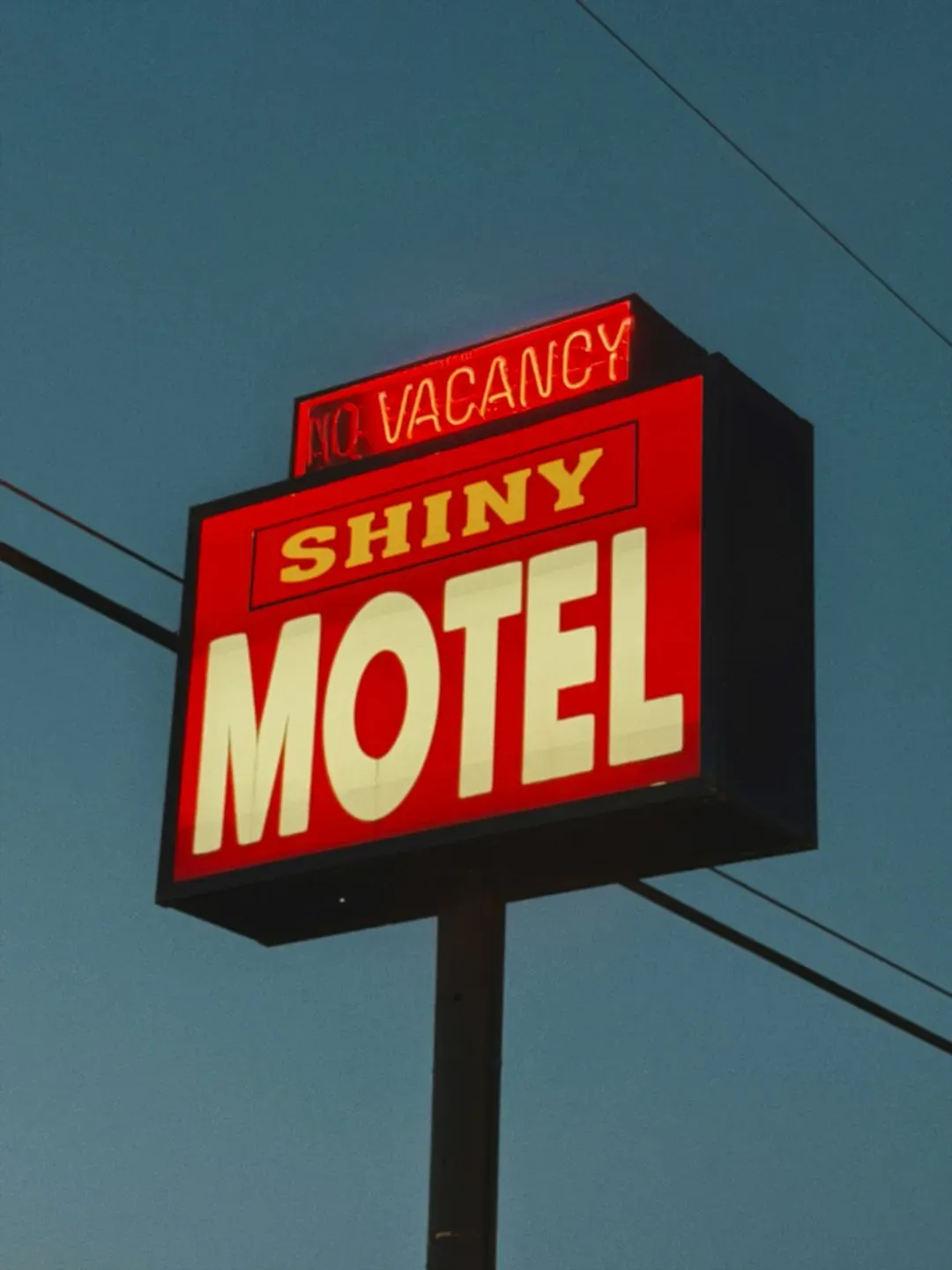
Rather than booking everything in advance, his parents often picked a motel as evening approached. A vacancy sign was usually enough. Dad remembers a pool at nearly every stop being the highlight of the day.
Meals came from diners, roadside stands, and picnic tables. Fast food chains were growing, but a sit down diner was still a regular road trip stop. Coolers filled with sandwiches stretched the budget.
Roadside Attractions and the Open Road Feeling
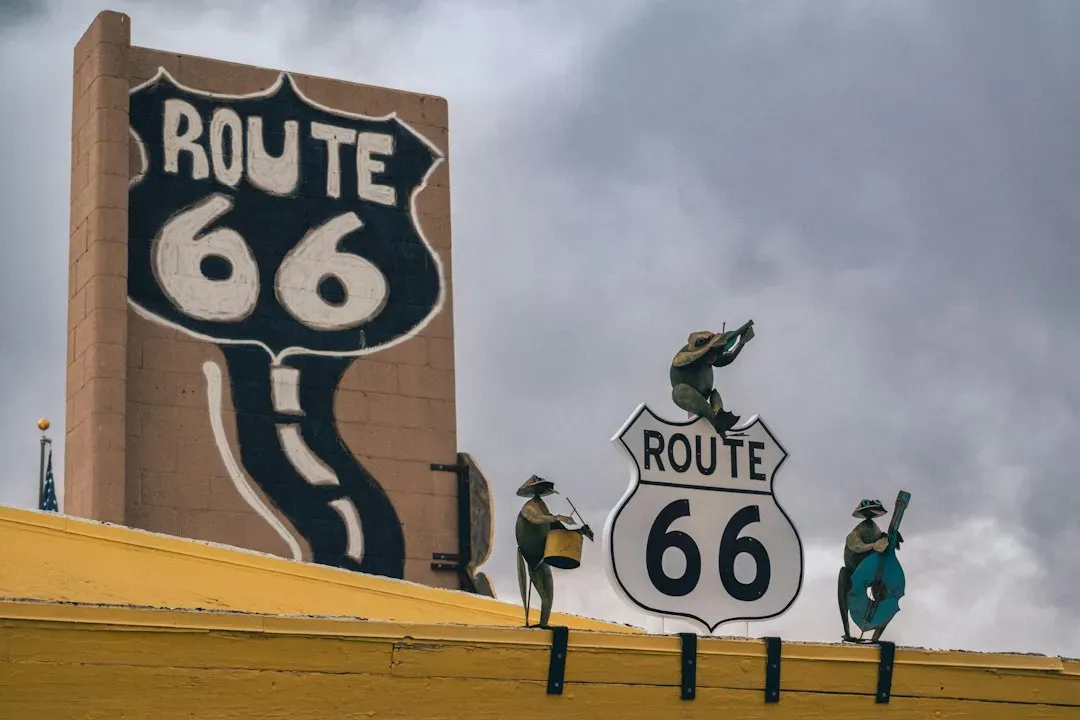
Dad’s favorite memories are of odd roadside attractions. Billboards advertised everything from caves to giant statues for miles before the exit, and his parents sometimes gave in. National parks were also a popular destination for families then, as they are now.
He says the trip itself felt like the destination. There was no rush to update anyone or share a photo. Souvenirs and a few snapshots, developed weeks later, were the only proof they’d been anywhere.
Looking back, he laughs at the heat, the maps, and the lack of seat belts, but he wouldn’t trade those drives.

- The Shoreline Sucked Dry in Seconds – 5 Tsunami Signals Beachgoers Mistake for Low Tide - November 14, 2026
- 9 Dark-Sky Destinations Around the World Where the Stars Look Unreal - November 14, 2026
- The Fault Line That Never Slips – 7 Locked Seismic Zones Overdue for a Massive Release - November 14, 2026
