

Space food has a reputation for being strange, squeezed from tubes and vaguely futuristic. The real International Space Station menu is a lot more ordinary than that. The foods are prepared on Earth, and many are commercially available on grocery store shelves.
What changes is the packaging, the preservation and the way everything gets eaten. With no refrigerators and floating crumbs to worry about, every item has to earn its place. These ten foods show how the system works.
Flour Tortillas
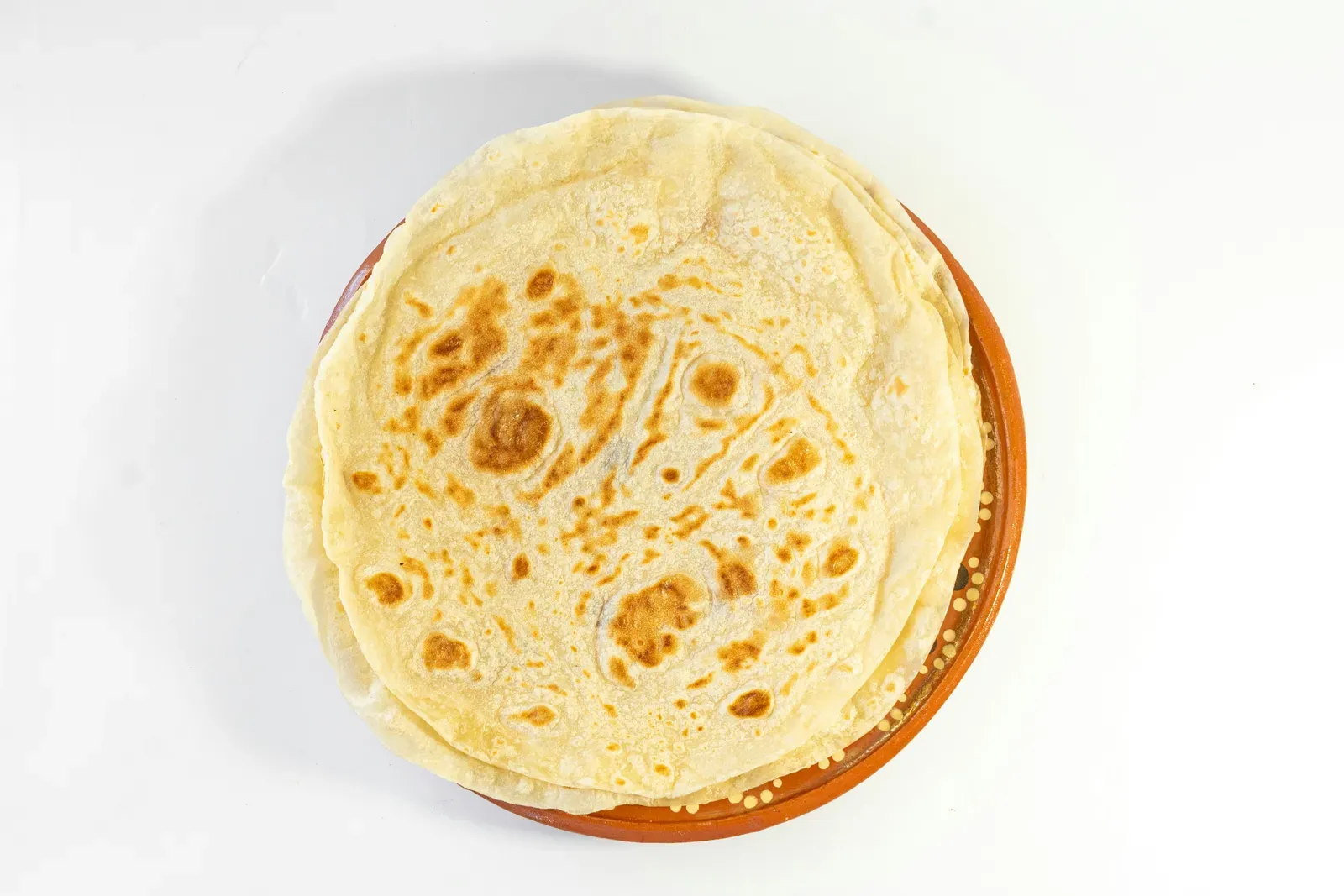
Tortillas are the bread of the space station. NASA describes them as an easy solution to the bread crumb and microgravity handling problem. A loose crumb in orbit can drift into equipment or an eye.
Crews found that tortillas hold fillings without littering the cabin, so they became standard fare on the ISS. They get wrapped around peanut butter, eggs or meat, which turns almost any meal into a handheld one.
Scrambled Eggs
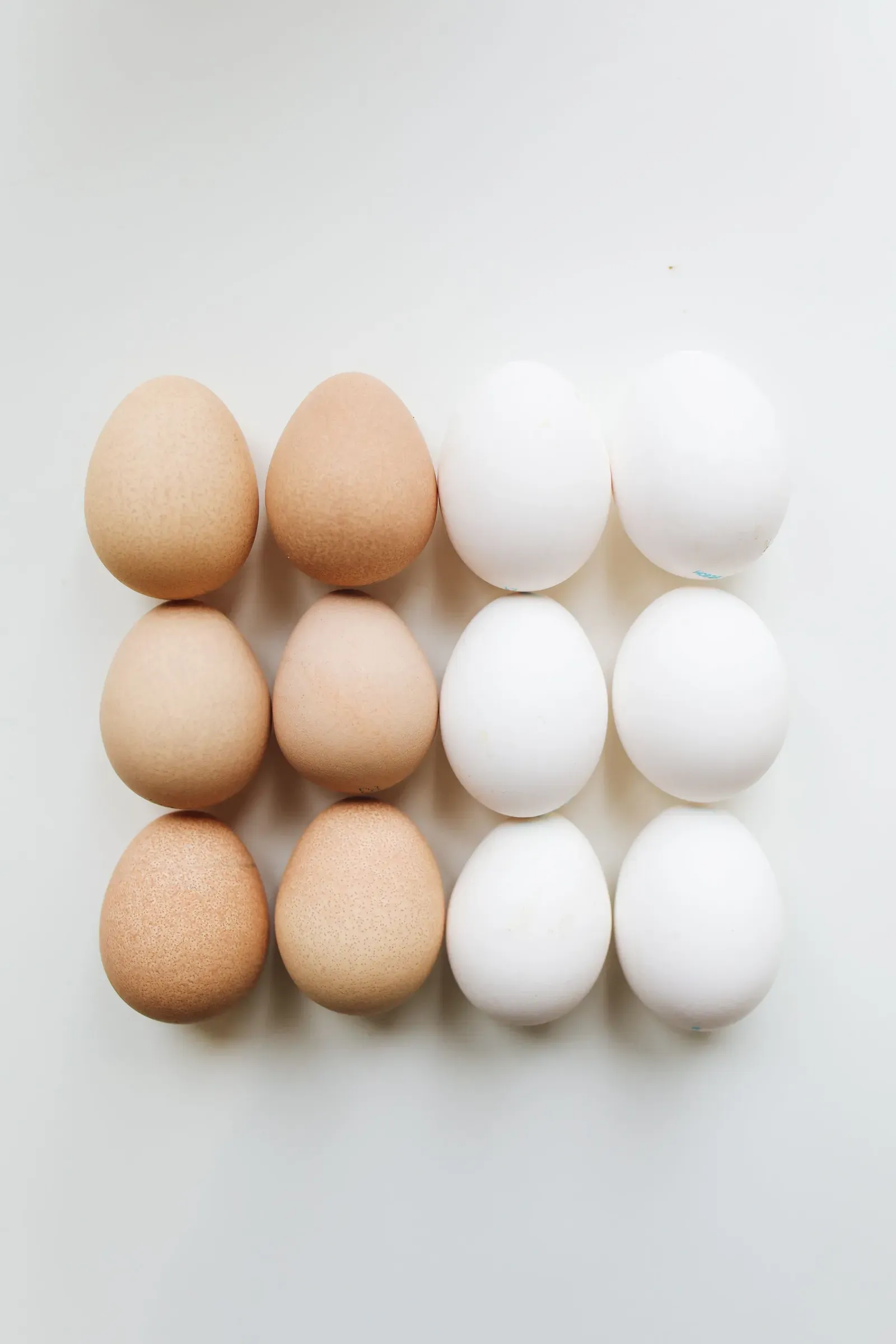
Eggs arrive as a dry, rehydratable product. Dehydrated scrambled eggs are among the items that need water added before eating. NASA food-system materials list them among documented rehydratable foods.
Crews add water through a dispenser built for the job. The packages are designed so a small needle from the water dispenser can be inserted. Warm eggs in a pouch aren’t gourmet, yet they make a familiar breakfast.
Macaroni and Cheese
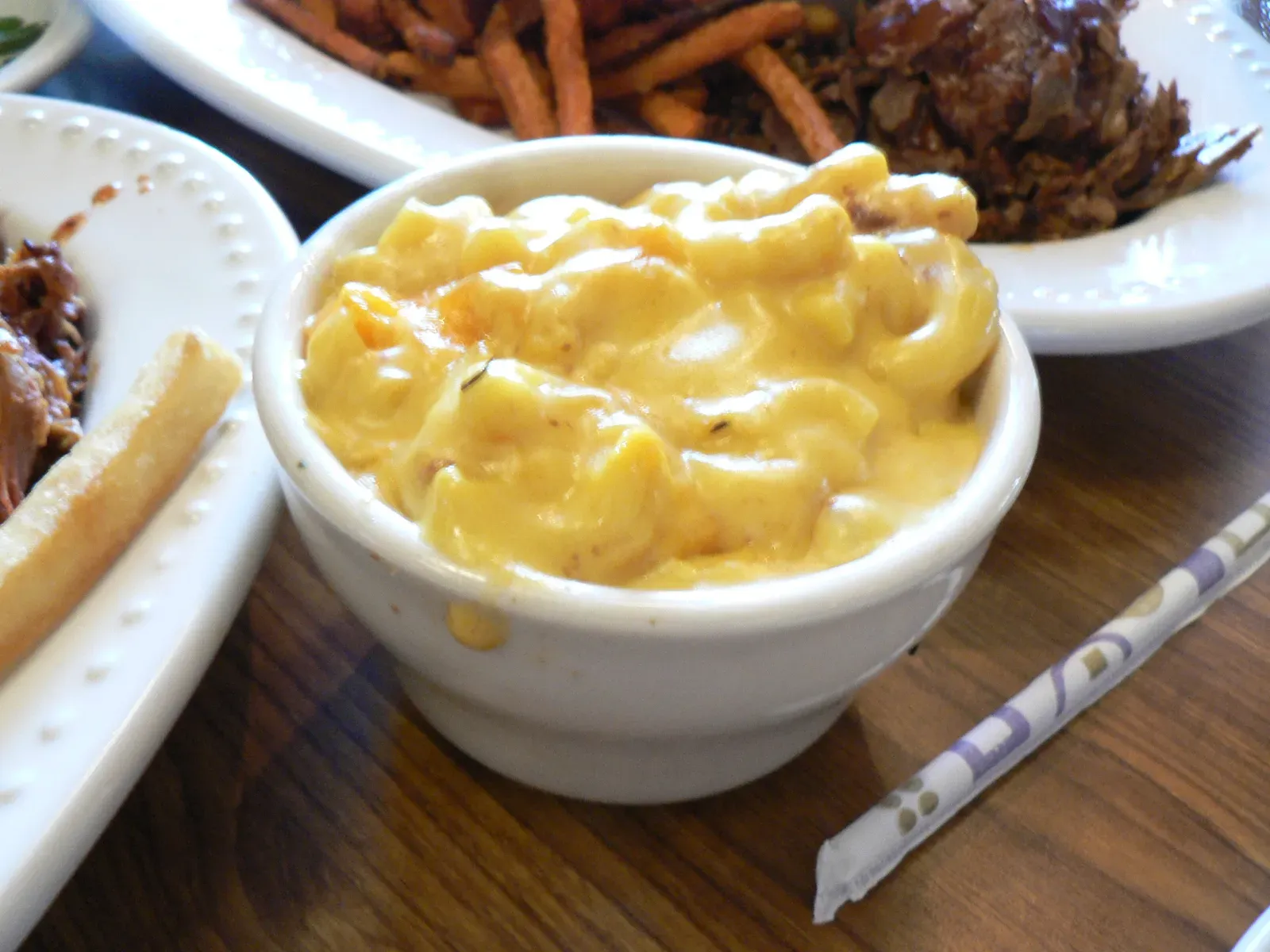
Comfort food travels well when it’s dried. Macaroni and cheese and spaghetti are examples of rehydratable foods. The pasta softens once hot water is added.
Crew members can warm it afterward. Both thermostabilized and rehydratable foods can be reheated in the food warmer. That small step makes a big difference to how a meal feels.
Beef Fajita Strips
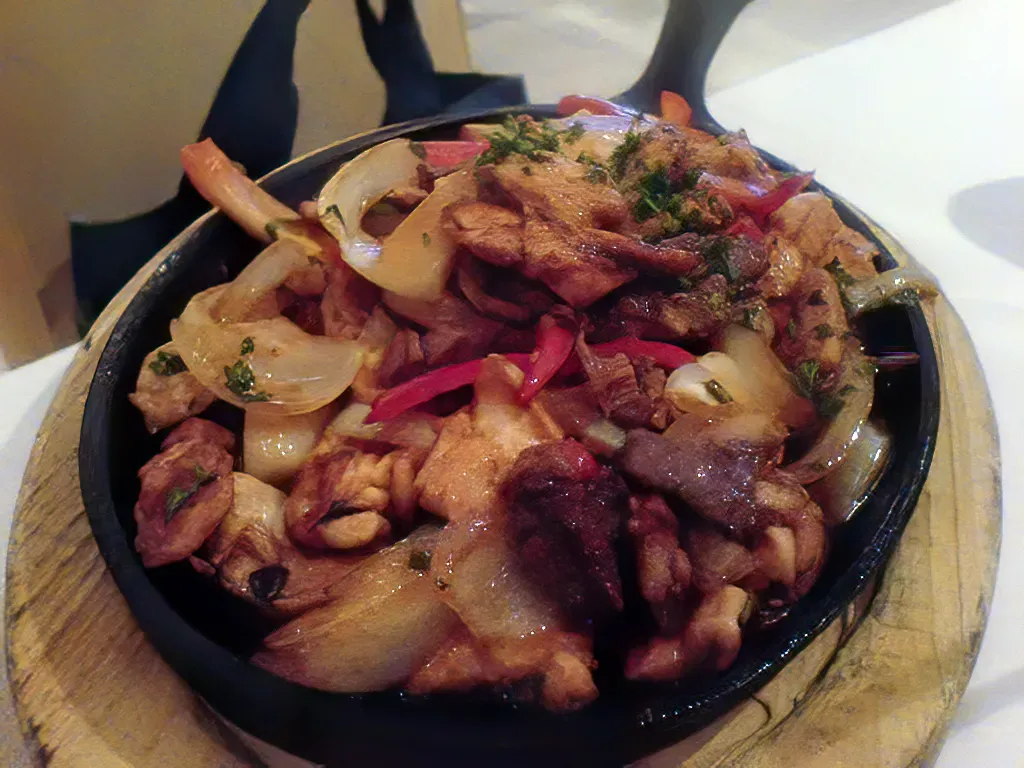
Heavier main dishes usually come as thermostabilized pouches. These are heat processed and shelf stable, and they can stay safe without refrigeration. Beef fajita strips are among the items appearing in NASA’s formulation and archive material.
The process is similar to canning, only in flexible packaging. Meats such as chicken and steak are fully cooked before launch to kill bacteria. In orbit, the pouch just needs warming.
Shrimp Cocktail
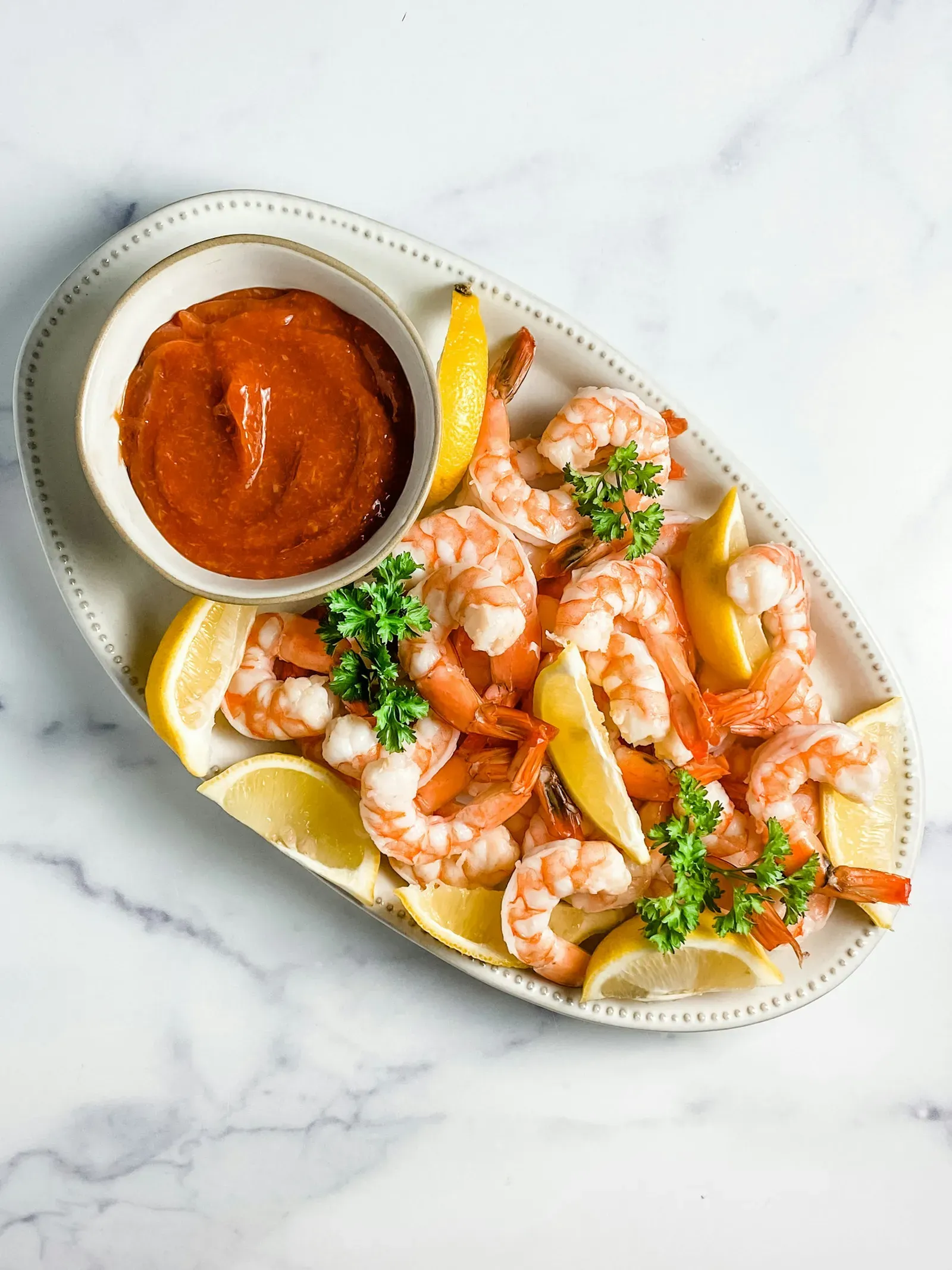
It sounds like a dinner party appetizer, and it’s been a space classic for decades. NASA food-system materials document shrimp cocktail among rehydratable examples. The shrimp are dried, then brought back with water.
Its sharp sauce also matters for another reason. Strong flavors are popular with crews, and many astronauts reach for spicy toppings. Hot sauces and spreads such as spicy mustard, peanut butter and honey are offered as toppings for meals on NASA missions.
Peanut Butter
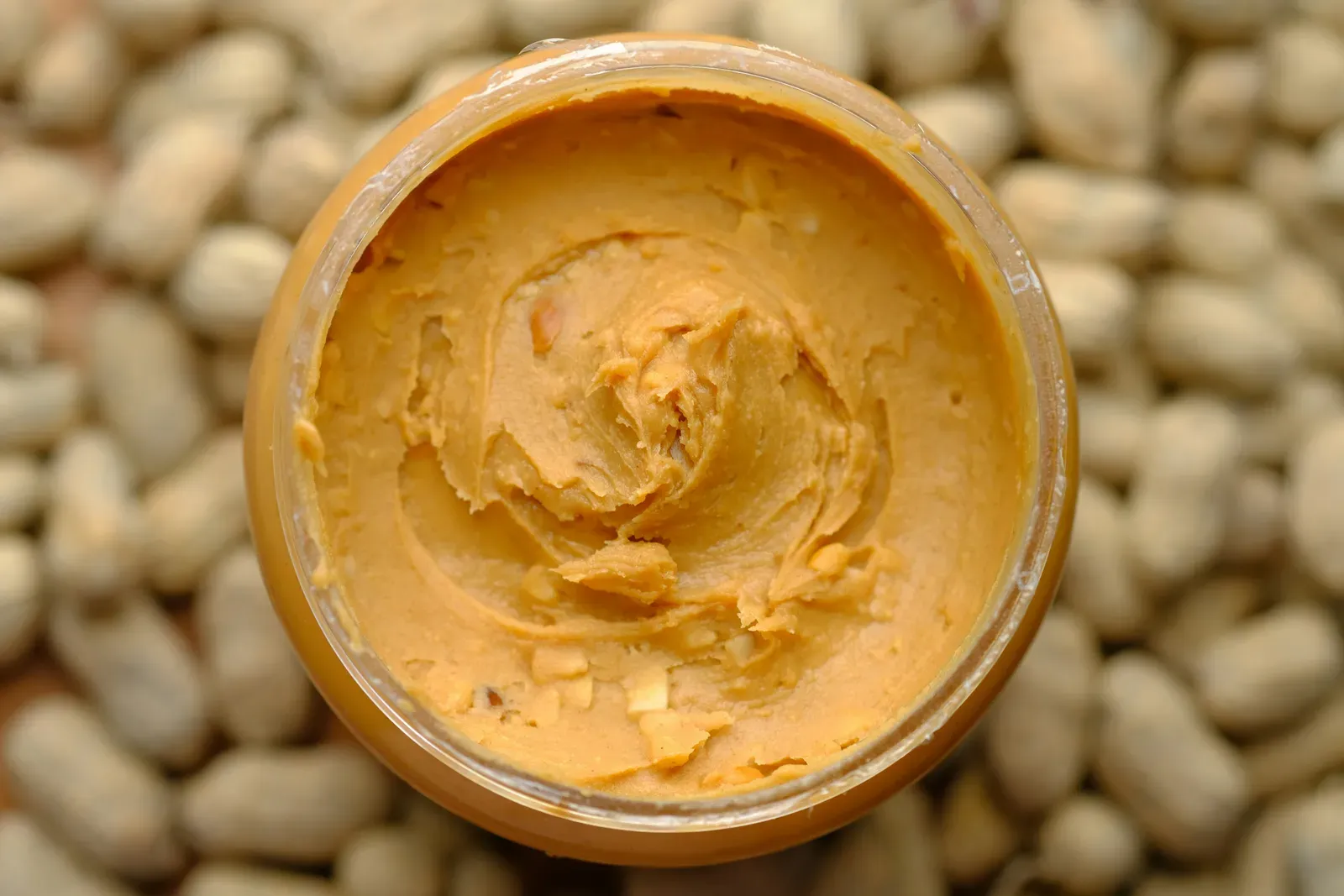
Peanut butter is calorie dense, shelf stable and sticks nicely to a tortilla. NASA lists it among the practical day to day menu items, along with jam. It needs no preparation at all.
Eaten in its natural form, it avoids the water dispenser entirely. Astronauts can choose from foods such as fruit, nuts, peanut butter, chicken, beef and seafood. Simple choices like this help break up the rehydrated routine.
Nuts and Granola Bars
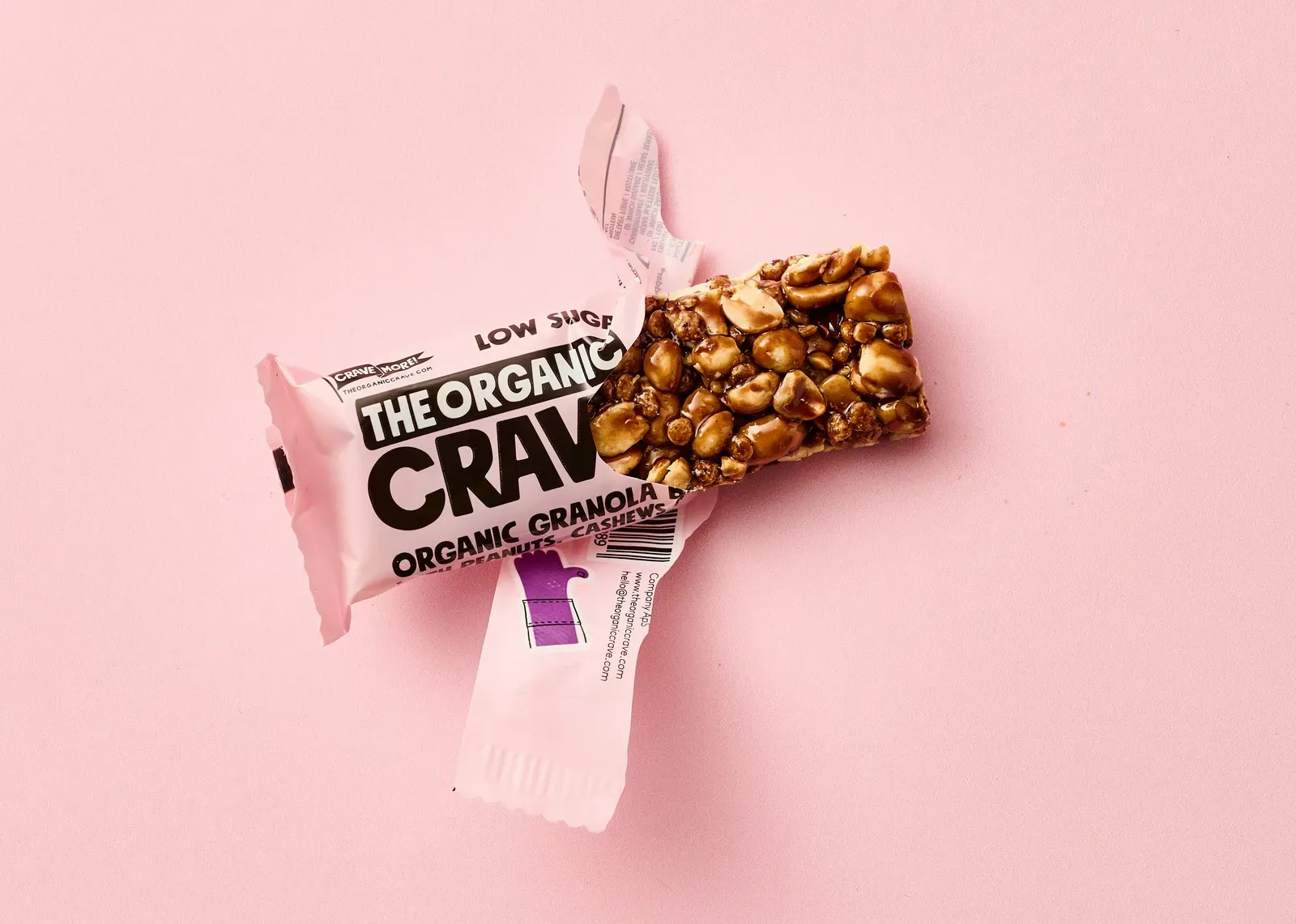
Snacks fill the gaps between scheduled meals. Nuts, granola bars and cookies are part of the everyday menu logic NASA documents. They’re ready to eat straight from the package.
Snacks also support morale, which is a real factor on long missions. NASA builds menus around safety, shelf life, nutrition, mass, packaging and crew morale. A crunchy bite of something familiar counts for more than its calories.
Fresh Fruit and Vegetables
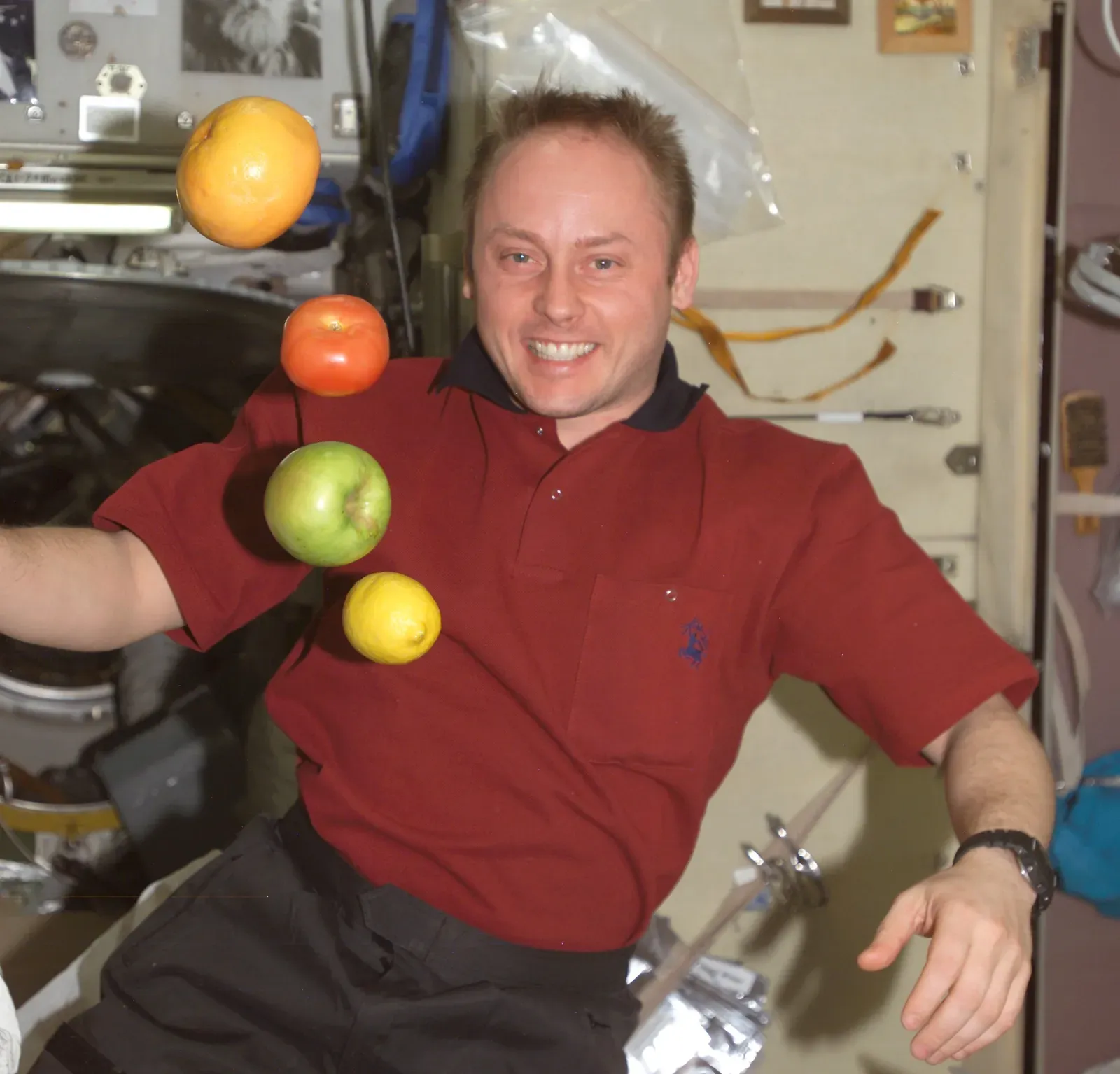
Fresh produce is a rare treat. Astronauts sometimes receive containers with apples, carrots or oranges, but these are limited and eaten early. Without refrigeration they spoil quickly.
They arrive on cargo vehicles. Every few months, astronauts get fresh fruits and vegetables from Earth, and they must be eaten quickly. Crews tend to value these deliveries well beyond their nutritional weight.
Coffee, Tea and Fruit Drinks
Many drinks arrive as powders. Smoothies and coffee are rehydrated when astronauts need a drink. Lemonade, apple cider and tea are also on the documented list.
A built-in unit handles the water. Astronauts plug in the pouch, turn the dial to the setting shown on it, and press a button. Drinks are sipped through a sealed pouch rather than poured into an open cup.
Cookies and Dessert Items
Dessert is part of the plan too. Apricot cobbler appears among the thermostabilized items in NASA’s formulation and archive material. Cookies are listed among documented crew favorites as well.
International crews also bring their own tastes. Canadian astronauts have enjoyed Girl Guide cookies, smoked salmon and maple sugar candy. The ISS menu includes both Russian and American food, so astronauts work with nutritionists from both programs.

- The Shoreline Sucked Dry in Seconds – 5 Tsunami Signals Beachgoers Mistake for Low Tide - November 14, 2026
- 9 Dark-Sky Destinations Around the World Where the Stars Look Unreal - November 14, 2026
- The Fault Line That Never Slips – 7 Locked Seismic Zones Overdue for a Massive Release - November 14, 2026
