

For millions of families in the 1950s and 1960s, the living room television became a window onto rockets, capsules and the far side of the sky. Broadcasts were often grainy and sometimes delayed, yet they pulled entire neighborhoods together in front of a single glowing screen.
Some of those broadcasts became shared memories that people still talk about decades later. Here are eight moments from the Space Race that reached viewers through television, radio and newsreels, each one documented in NASA and Smithsonian records.
Sputnik Beeps Across the Sky in 1957
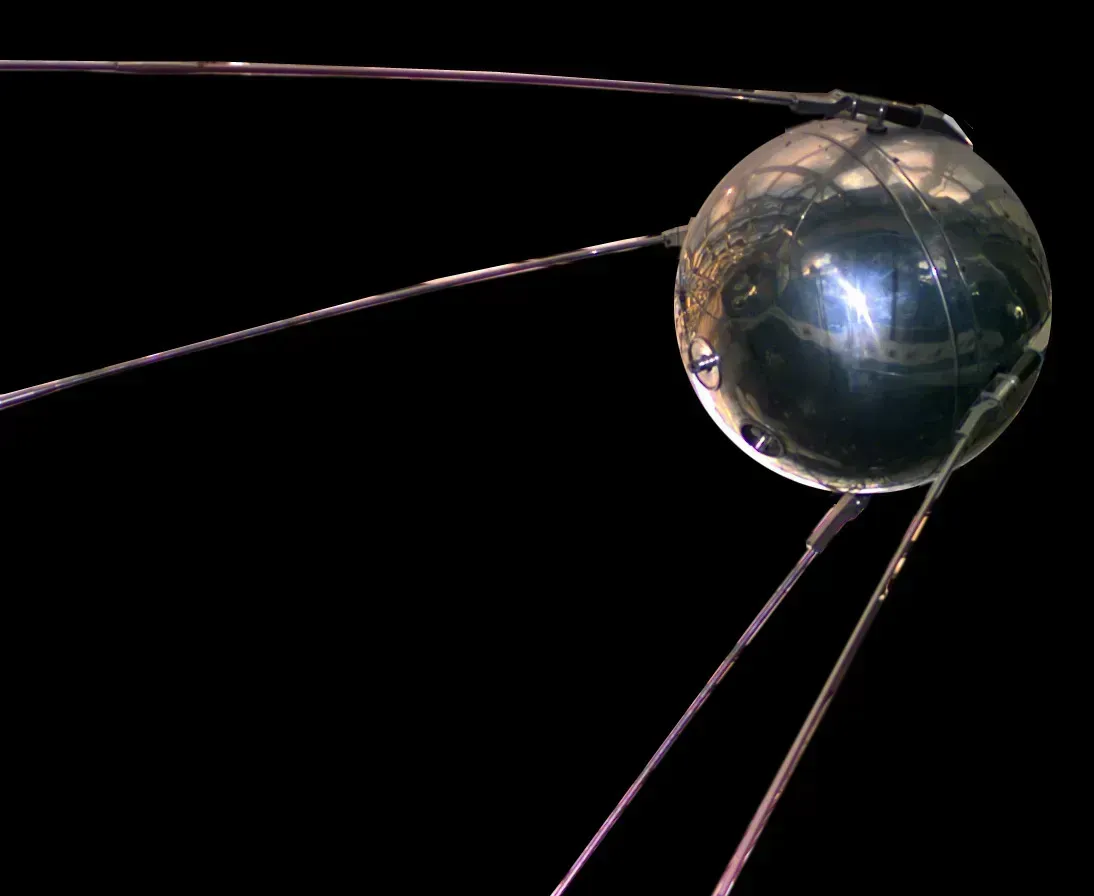
On October 4, 1957, the Soviet Union launched Sputnik 1, the first artificial satellite to orbit Earth. It was a small metal sphere, roughly the size of a beach ball, and it carried a radio transmitter.
Television could not show much of it, but news anchors described the signal that amateur radio operators picked up around the world. The shock in the United States was real, and it helped push the country toward creating NASA in 1958.
Alan Shepard Rides Freedom 7 in 1961
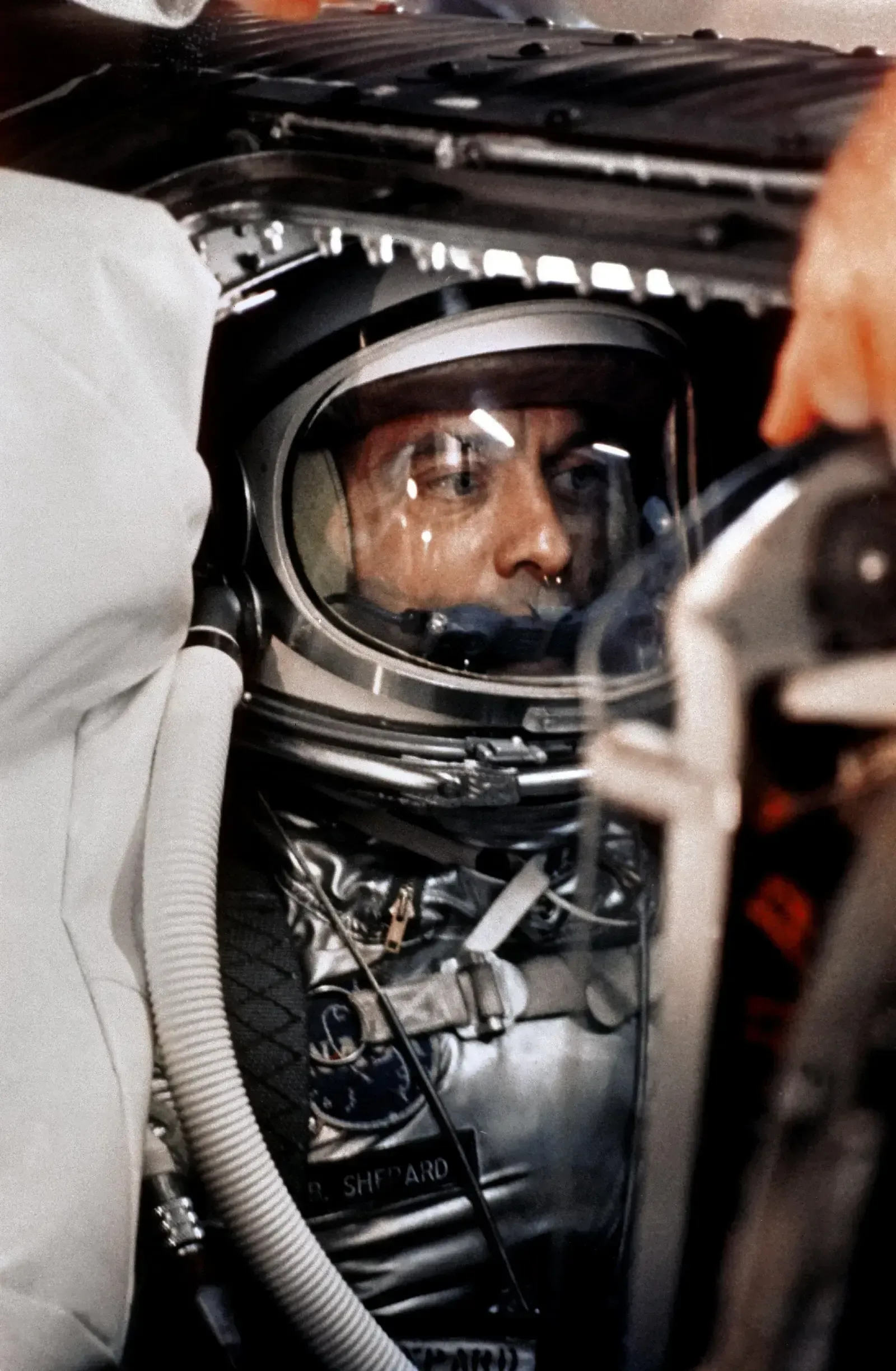
On May 5, 1961, Alan Shepard became the first American in space, flying a short suborbital trip aboard Freedom 7. The flight lasted about fifteen minutes.
Unlike earlier Soviet efforts, the launch was public, and millions watched live coverage on television. The openness was a deliberate contrast to the secrecy surrounding the Soviet program, and it gave Americans a reason to cheer after Yuri Gagarin had beaten Shepard by weeks.
John Glenn Orbits the Earth in 1962
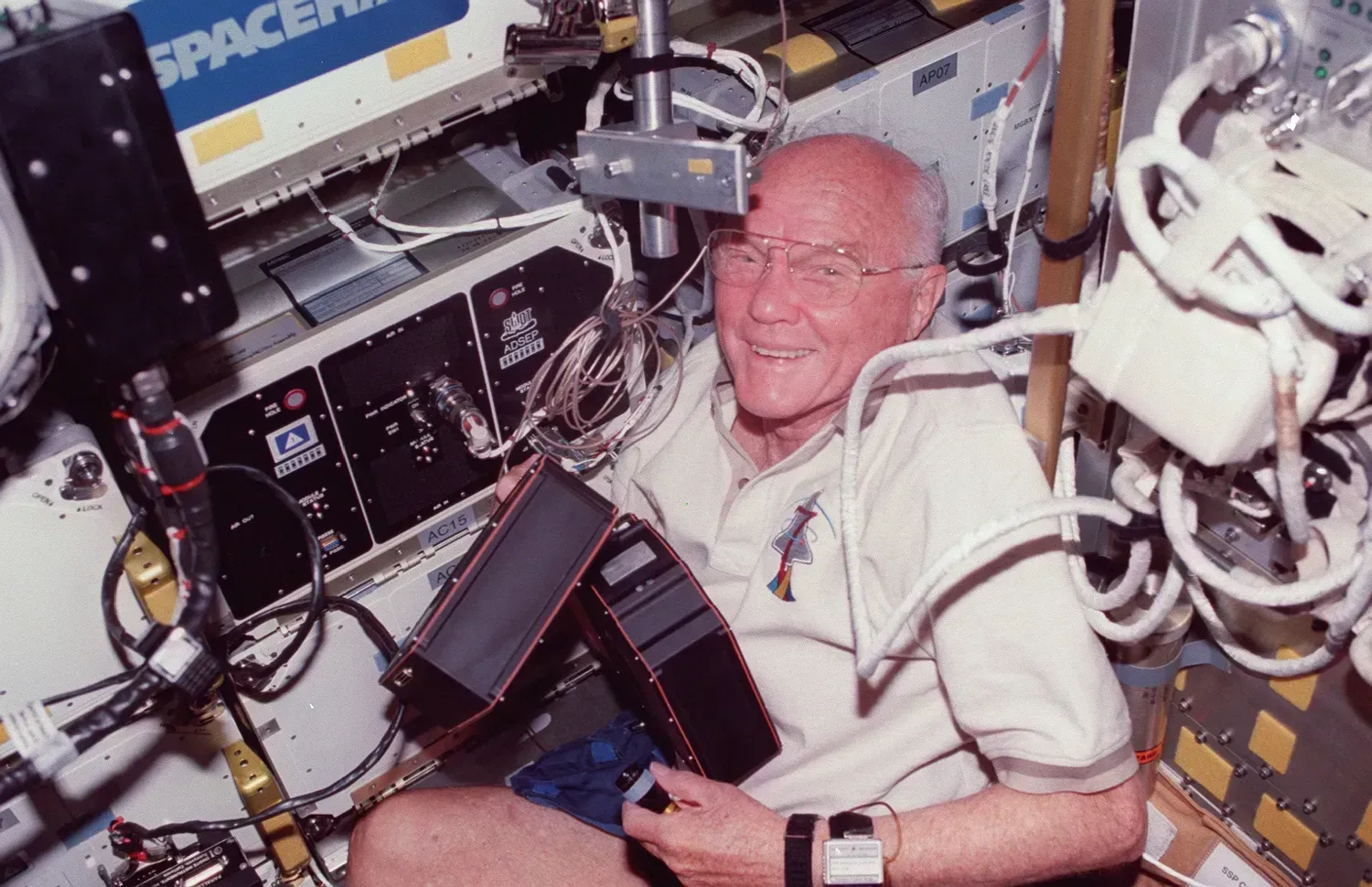
On February 20, 1962, John Glenn became the first American to orbit Earth, circling the planet three times in Friendship 7. Networks interrupted regular programming, and schools often wheeled televisions into classrooms so students could follow along.
The coverage was tense because of a warning light that suggested the capsule’s heat shield might be loose. Glenn came home safely, and the audience that had held its breath got a national celebration.
Kennedy Sets the Moon Goal at Rice University
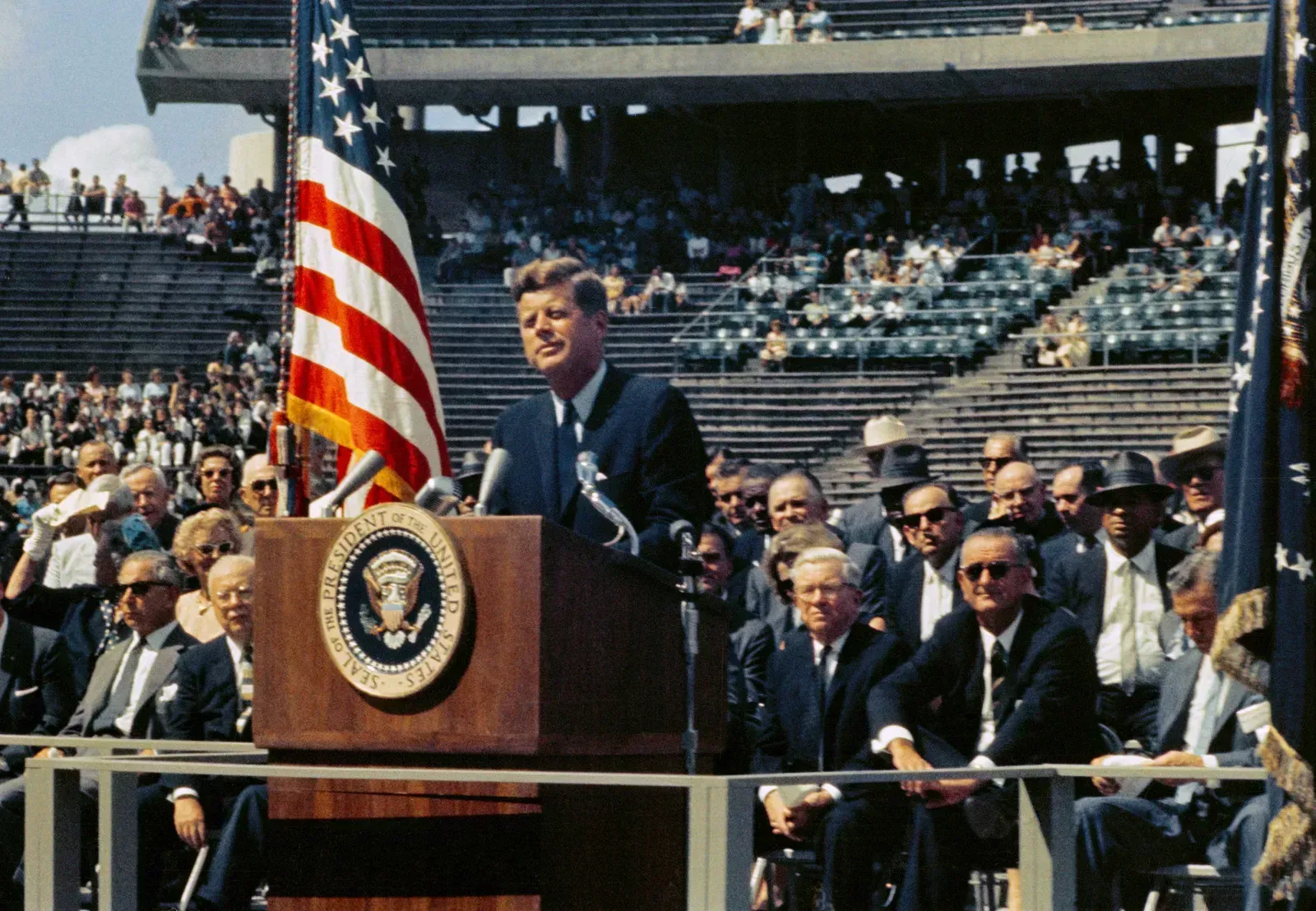
On September 12, 1962, President John F. Kennedy spoke at Rice University in Houston about going to the Moon before the decade ended. The speech was filmed and broadcast, and it remains one of the best known addresses of the era.
He had already announced the goal to Congress in May 1961. The Rice speech, however, gave it a public voice, tying the effort to challenge and ambition rather than only to Cold War rivalry.
Ed White Walks in Space in 1965
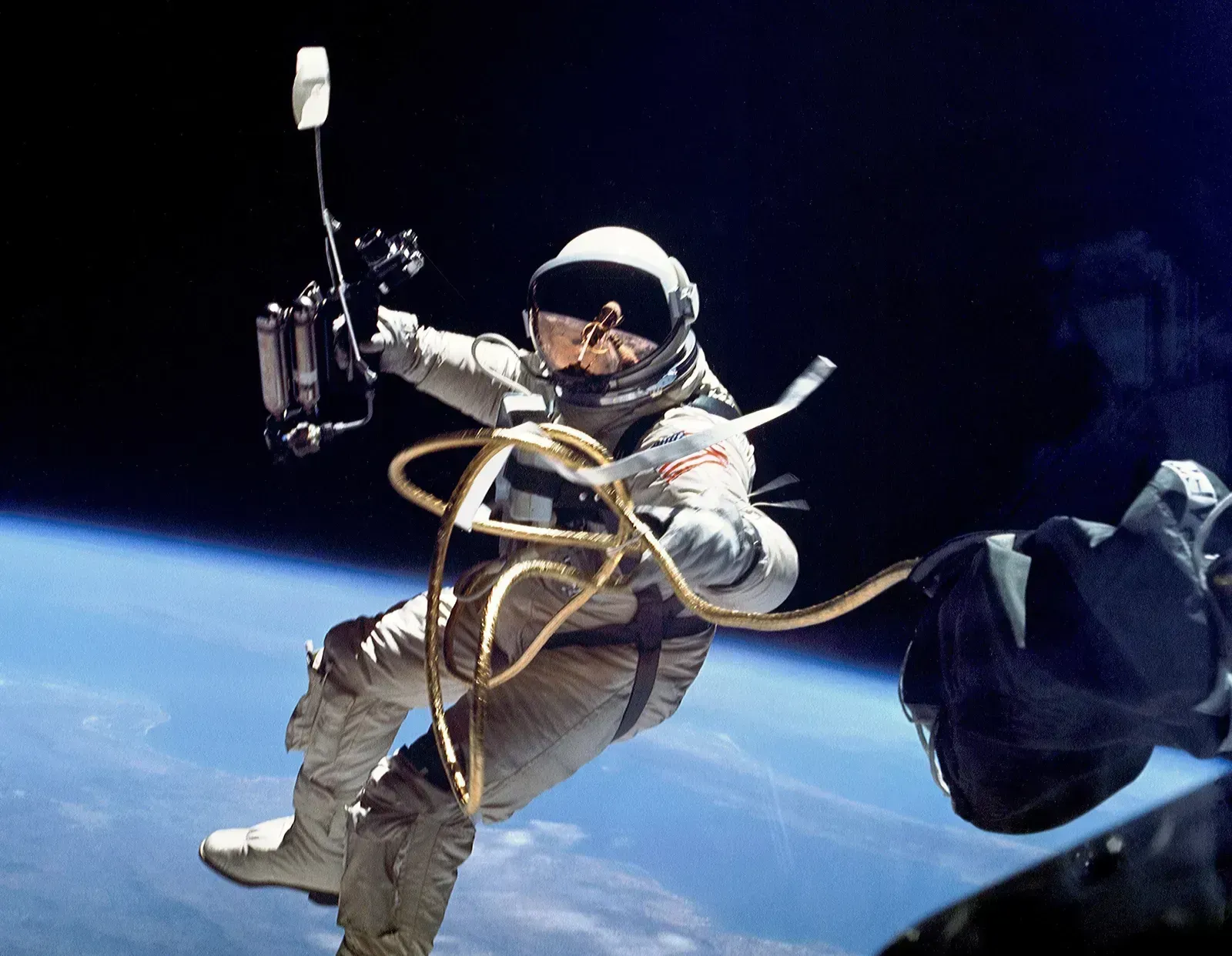
On June 3, 1965, Ed White stepped outside Gemini 4 and became the first American to walk in space. He floated for about twenty minutes, tethered to the spacecraft, using a handheld maneuvering gun.
The images, released through NASA photographs and news coverage, were unforgettable. White reportedly did not want to come back inside, which made the mission even more memorable for people following it at home.
The Apollo 1 Tragedy in 1967
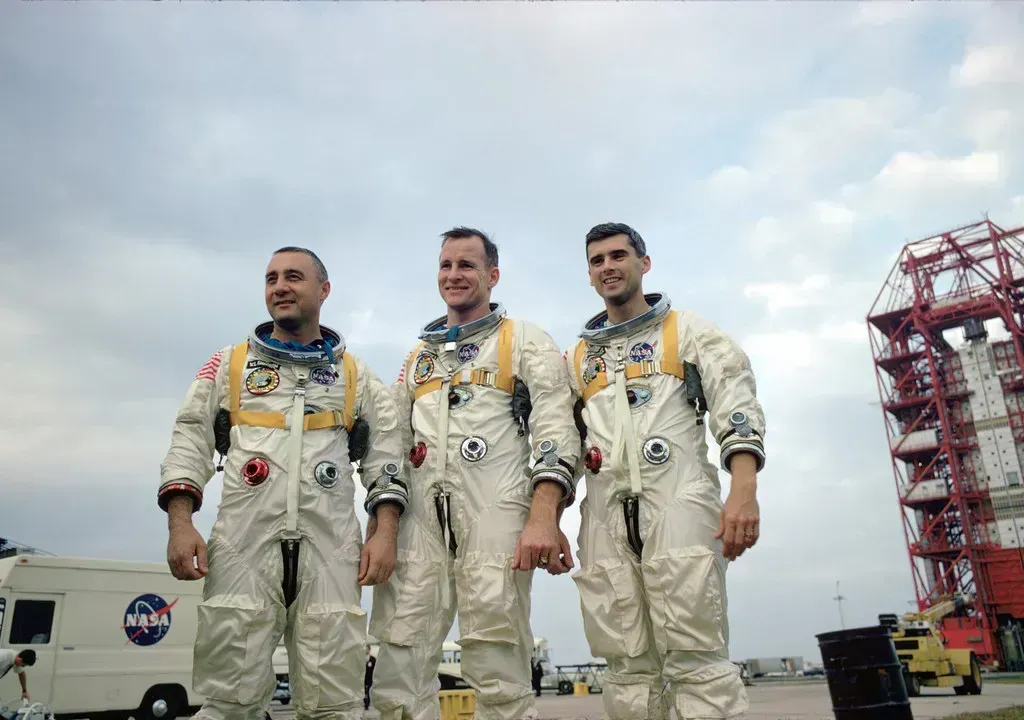
On January 27, 1967, a fire during a launch rehearsal killed astronauts Gus Grissom, Ed White and Roger Chaffee. The test took place on the pad at Cape Kennedy, and the loss stunned the country.
News broadcasts carried the story with a sober tone, and NASA paused crewed Apollo flights for many months. The investigation led to major redesigns of the spacecraft, including a new hatch and changes to materials inside the cabin.
Apollo 8 Reads From Genesis on Christmas Eve 1968
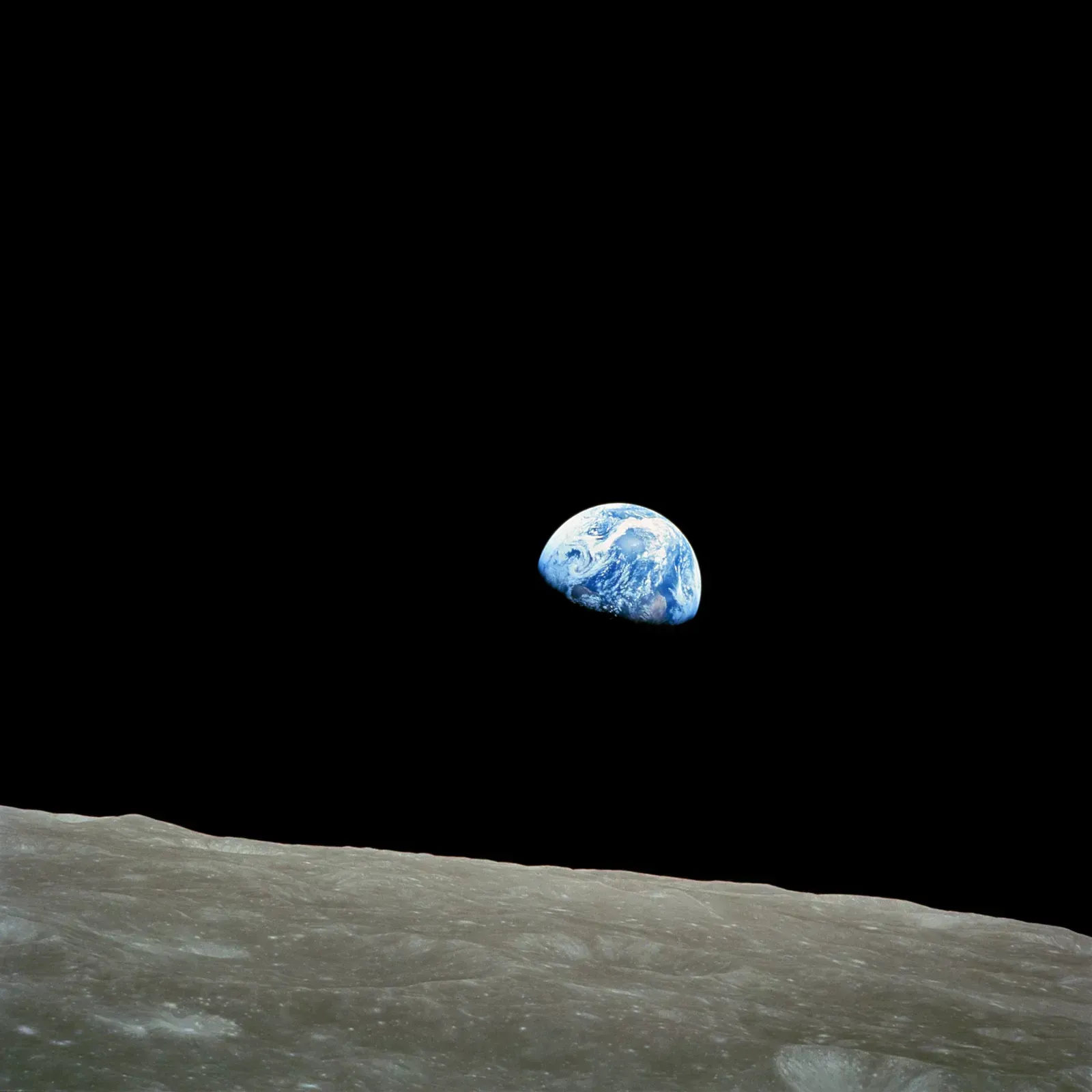
Apollo 8 carried Frank Borman, Jim Lovell and William Anders around the Moon in December 1968, the first crewed mission to do so. On Christmas Eve, the crew broadcast views of the lunar surface and read from the Book of Genesis.
NASA estimates that a very large global audience tuned in. Anders also took the Earthrise photograph on that flight, which became one of the most reproduced images of the century.
Apollo 11 Lands on the Moon in 1969
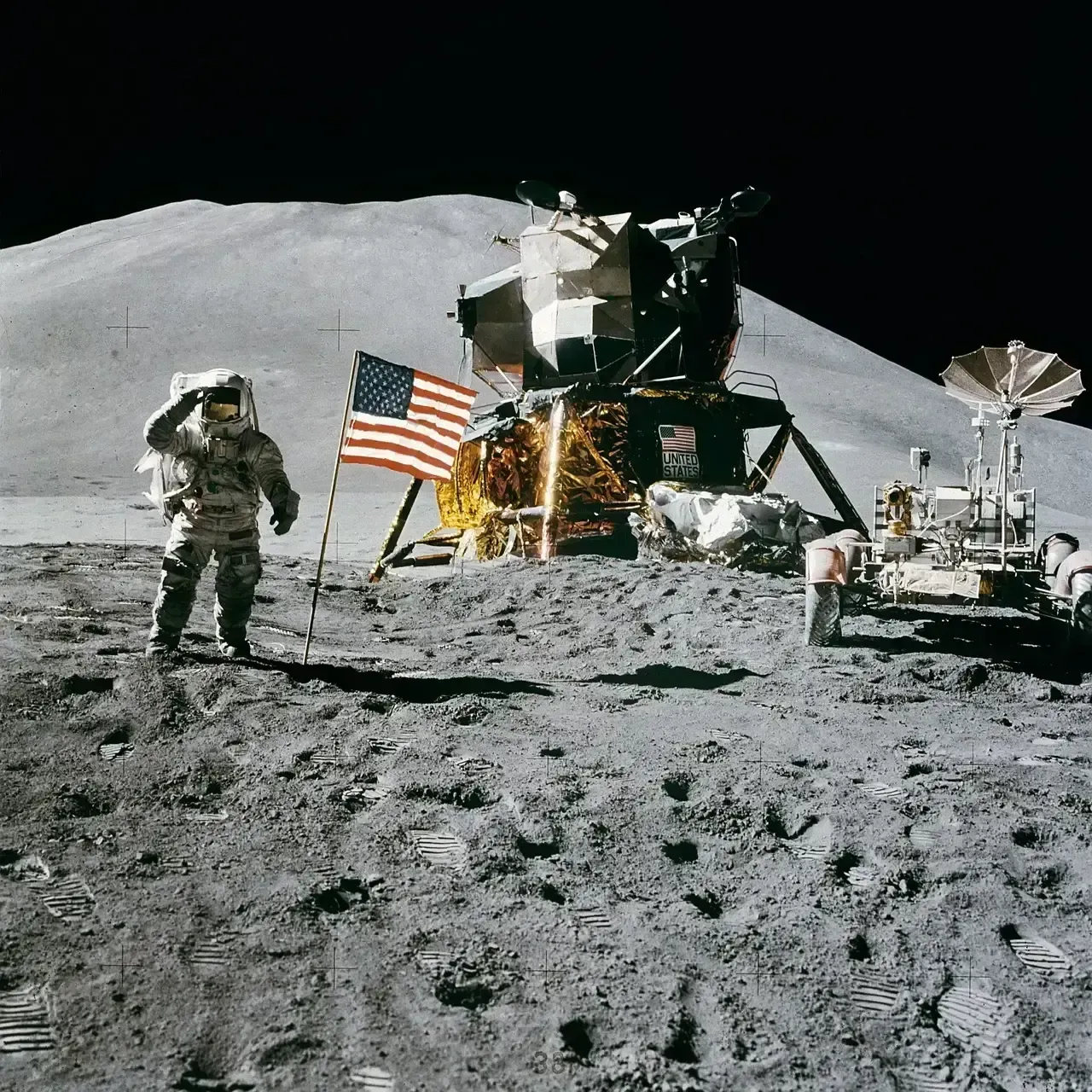
On July 20, 1969, Neil Armstrong and Buzz Aldrin landed the lunar module Eagle on the Moon while Michael Collins orbited above. Armstrong stepped onto the surface hours later, and the black and white footage was carried live around the world.
NASA has commonly cited an audience of about six hundred million people watching the broadcast worldwide. The transmission quality was rough, but that only made it feel more real to those who saw it.

- The Shoreline Sucked Dry in Seconds – 5 Tsunami Signals Beachgoers Mistake for Low Tide - November 14, 2026
- 9 Dark-Sky Destinations Around the World Where the Stars Look Unreal - November 14, 2026
- The Fault Line That Never Slips – 7 Locked Seismic Zones Overdue for a Massive Release - November 14, 2026
