

Storm names feel like a permanent part of the weather report. We say Katrina or Ian and everyone knows which storm we mean. The habit is older than most people assume, and it didn’t start in Miami.
It began in Queensland in the late nineteenth century, with a government meteorologist who had a sharp sense of humor and a low opinion of certain officials. Strictly speaking, his storms were tropical cyclones, the same type of system called a hurricane in the Atlantic.
A Meteorologist Named Clement Wragge
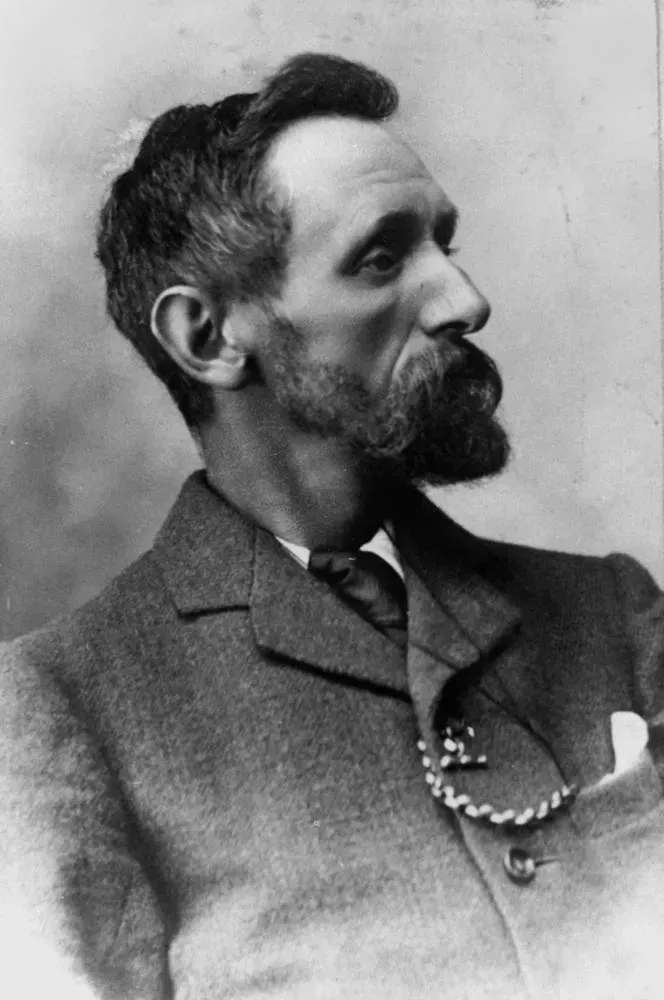
Clement Lindley Wragge was born in England in 1852 and moved to Australia in the 1880s. He became Queensland’s government meteorologist and ran the colony’s weather service from Brisbane. He was known for energy, showmanship and a habit of arguing with people in power.
Wragge was also a serious observer of the weather. He pushed for more weather stations across Queensland and issued forecasts at a time when the science was still young.
Why He Started Naming Storms
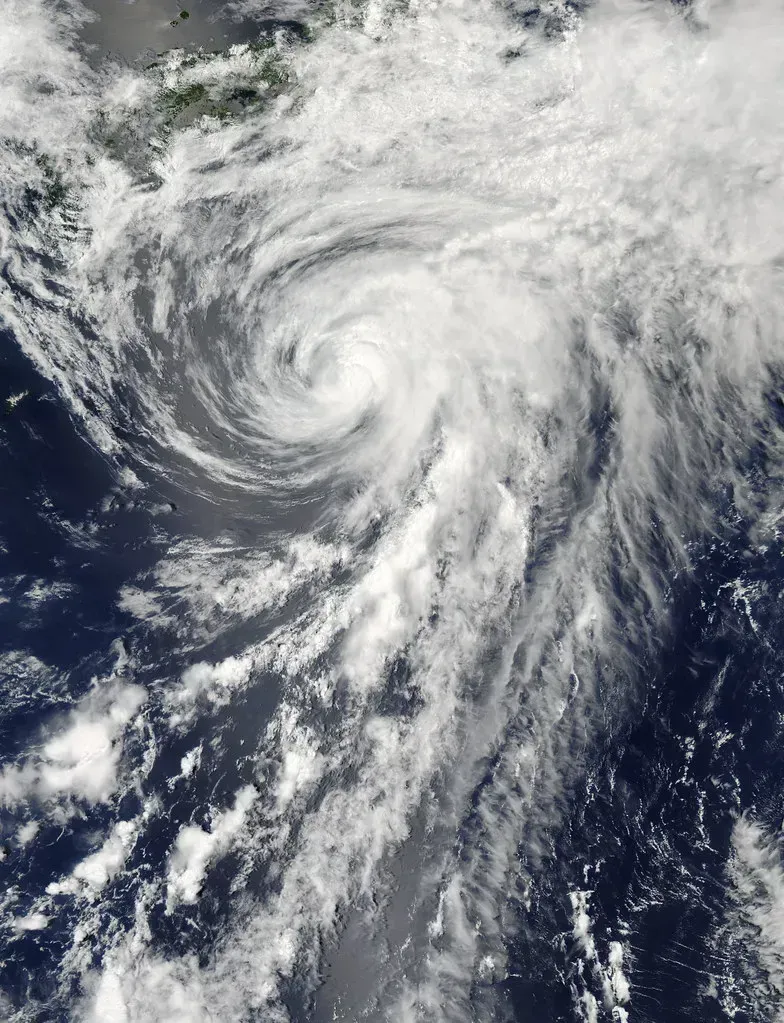
Tropical storms in the 1890s were tracked, but not named in any consistent way. Forecasters usually described them by location or by the date they struck. That got confusing when several systems were active in the same region.
A name was a simple fix. It gave each storm a label that could be used in telegrams, newspapers and later records without mix-ups.
From Greek Letters to Mythology
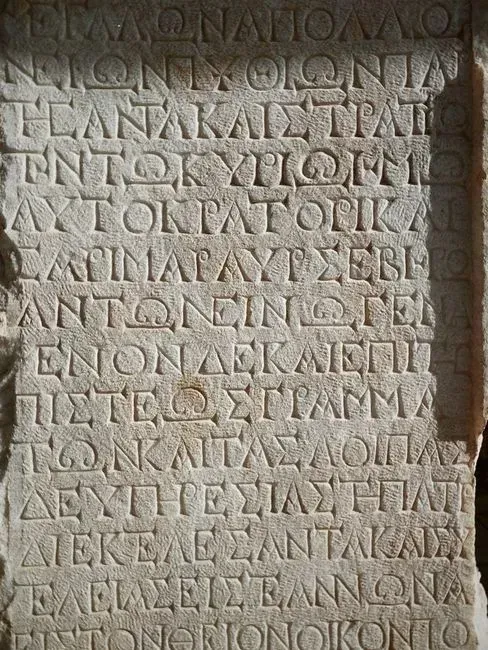
Wragge’s early names weren’t personal. He reportedly drew on the Greek alphabet and on figures from mythology, including Polynesian and other traditions. These labels were neutral and easy to remember.
Later, his choices took a more pointed turn. That is where the politicians come in.
The Politicians Who Got Storms
According to accounts of his career, Wragge began naming storms after politicians he disliked. The joke had a bite to it, since his storms were wild, unpredictable and hard to control. Public officials had no way to stop the comparison.
The historical record leans on later retellings, so it’s wise to treat the details with some care. What is well documented is that his naming practice was unusual, personal and widely noticed.
Why the Practice Faded
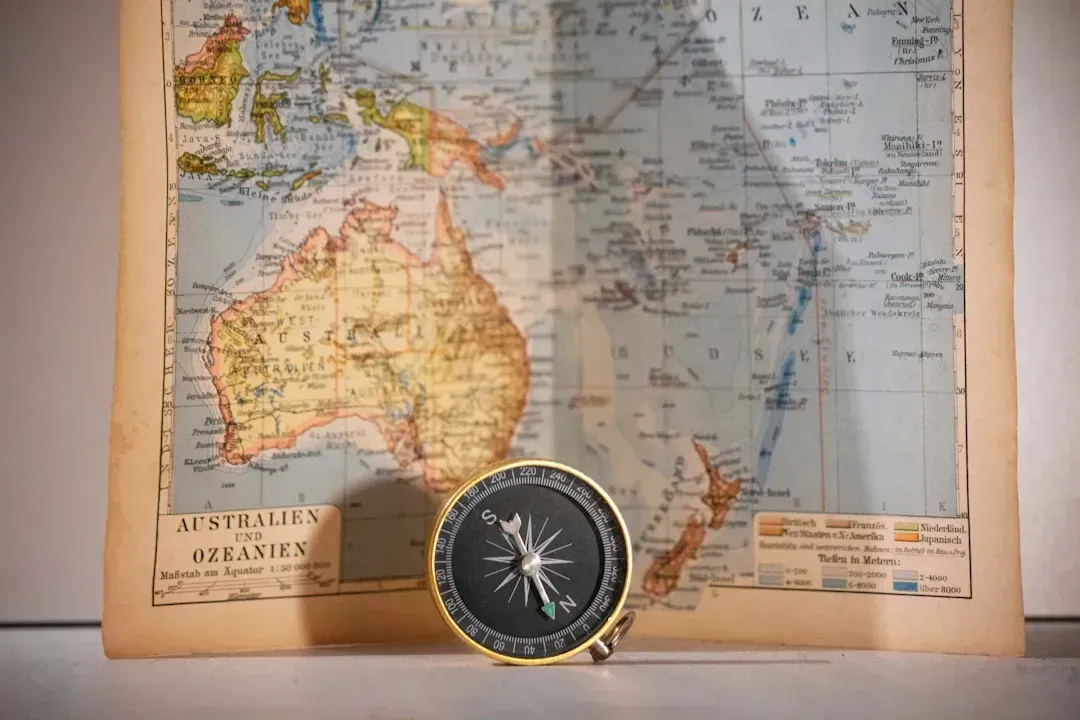
Wragge left his government post in the early 1900s after disputes over funding and the direction of the service. Once he was gone, the naming habit largely disappeared from official Australian forecasting. He died in Auckland, New Zealand, in 1922.
His approach had been seen by some colleagues as theatrical. It took decades before naming storms would be seen as practical rather than eccentric.
Wartime Forecasters Revive the Idea
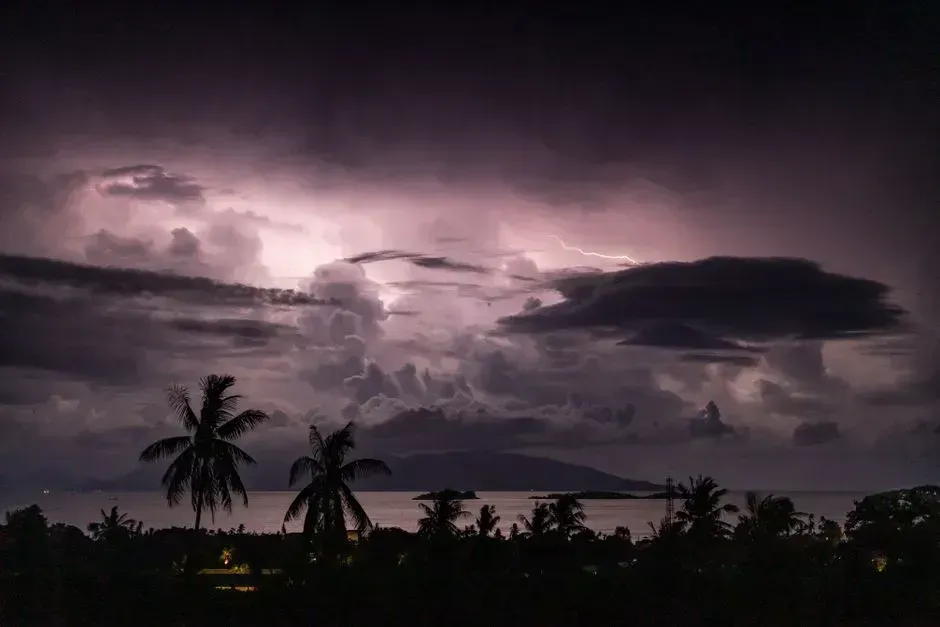
During World War II, American military forecasters in the Pacific began informally using women’s names for tropical storms. The names were quick, easy to say over radio and simple to track on charts. The practice was casual, and it spread among weather staff rather than through any formal policy.
A novel helped popularize the idea. George R. Stewart’s 1941 book Storm followed a weather system given a woman’s name by its fictional forecasters, and it was widely read at the time.
The United States Makes It Official
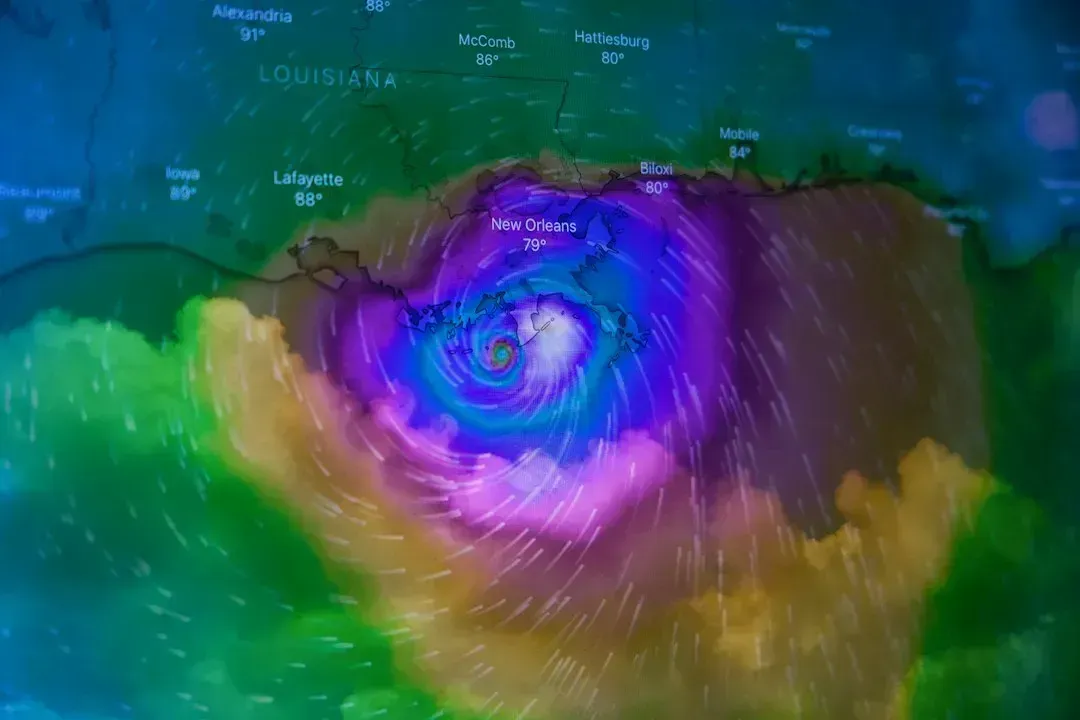
The U.S. weather service first tried a phonetic alphabet for Atlantic storms in 1950, with names such as Able and Baker. That system proved awkward when the alphabet changed, so in 1953 forecasters moved to a list of female names.
Male names were added later. They entered the eastern Pacific lists in 1978 and the Atlantic lists in 1979. Australia had adopted official storm names in the 1960s, and it also later added men’s names.
How the Lists Work Today
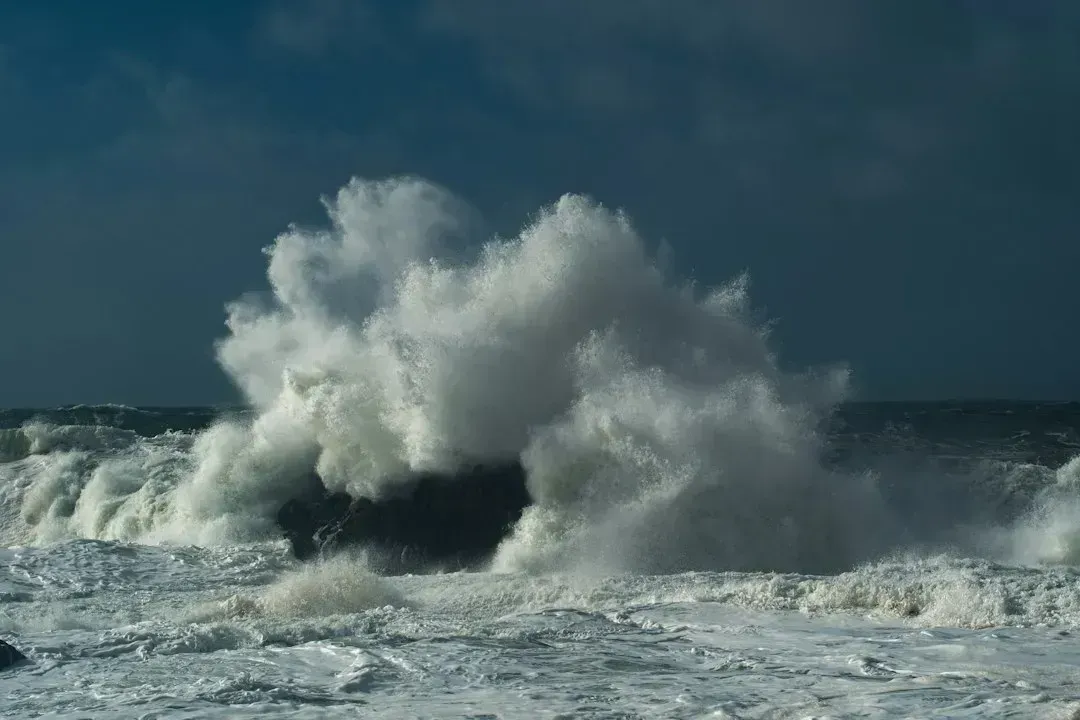
Atlantic storm names now come from six lists that rotate, with each list reused every six years. Each list holds twenty one names, and letters such as Q, U, X, Y and Z are skipped because few names start with them. The World Meteorological Organization maintains the lists through regional committees.
If a storm is especially deadly or costly, its name can be retired. In 2025, the names Beryl, Helene and Milton were retired after their 2024 impacts. Since 2021, the Atlantic has used a supplemental name list instead of the Greek alphabet when the main list runs out.
What Wragge Left Behind
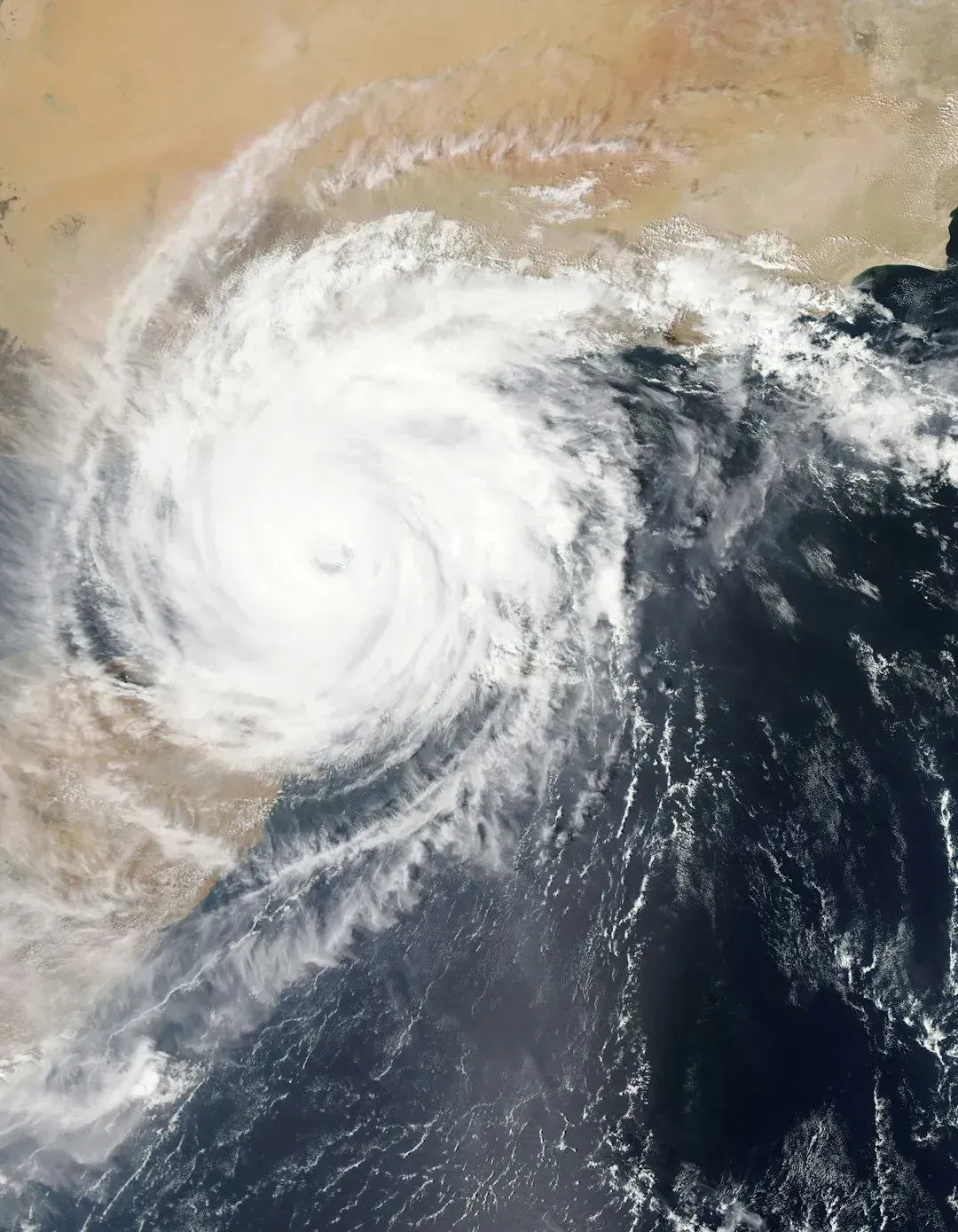
Wragge’s original idea was to give each storm an identity that people could remember and communicate about. That principle survives in every modern advisory. Names are short, distinct and easy to repeat, which helps warnings travel faster.
Researchers have studied how naming affects public attention to storms, though results vary and the topic remains debated. The practice itself, in any case, is now standard across the world’s tropical storm basins.

- The Shoreline Sucked Dry in Seconds – 5 Tsunami Signals Beachgoers Mistake for Low Tide - November 14, 2026
- 9 Dark-Sky Destinations Around the World Where the Stars Look Unreal - November 14, 2026
- The Fault Line That Never Slips – 7 Locked Seismic Zones Overdue for a Massive Release - November 14, 2026
