

- Gone within 300 million years: Saturn’s rings are slowly raining down onto the planet - November 9, 2026
- Niagara Falls could see its flow cut in half, and the reason is that humans deliberately slow it down - November 9, 2026
- Halley’s Comet is on its way back, heading for 2061 after turning around in 2023 - November 9, 2026
A spacecraft can be built, tested and sitting in a clean room, and still never leave the ground. It sounds odd, yet it happens more often than most people realize. The reasons are usually less dramatic than a failed engine and more like a spreadsheet that stopped adding up.
The six cases below span two decades, though most come from the last few years. Each one shows a slightly different way a mission can end before launch, whether through cost growth, shifting priorities, or the mechanics of government budgets.
OSAM-1, the Satellite Refueler That Ran Out of Runway

OSAM-1 was a NASA mission designed to test on-orbit refueling of satellites. Its main target was Landsat 7, a satellite launched in 1999 that was never designed to be serviced in orbit. The mission began as Restore-L and had been planned for a 2020 launch.
NASA announced the cancellation on March 1, 2024, citing continued technical, cost and schedule challenges, plus a shift in the wider community away from refueling unprepared spacecraft. About two billion dollars had been invested by then. Congress complicated matters, because a fiscal year 2024 appropriations bill enacted later that month directed NASA to develop a plan that could allow a 2026 launch.
NASA reviewed a revised proposal and turned it down. The agency said it would close out the project at the end of the fiscal year on September 30, 2024. That closed the book on a mission that had spent roughly a decade in development.
VIPER, a Finished Rover With No Ride to the Moon
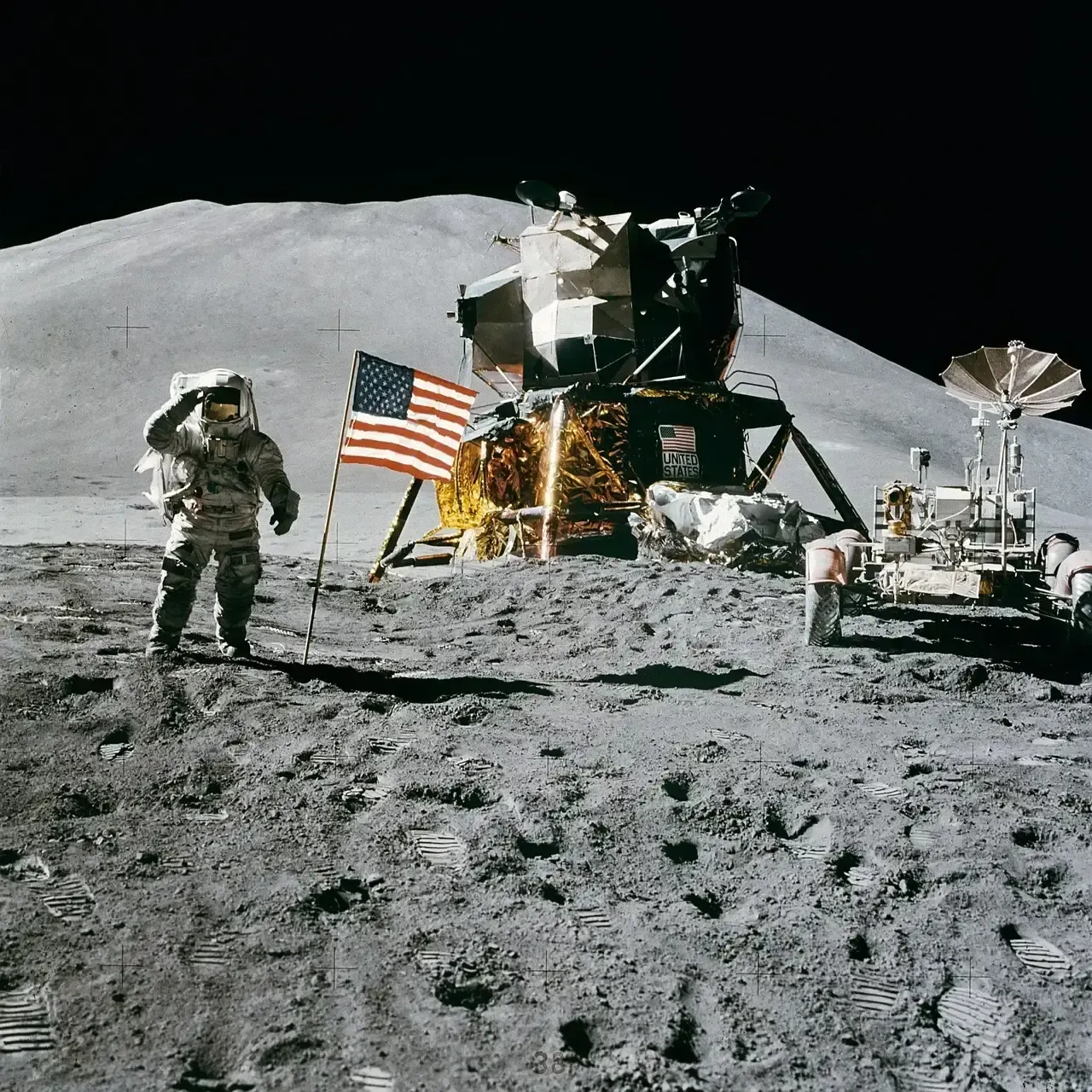
On July 17, 2024, NASA announced its intent to cancel the VIPER mission to the Moon. The rover was built to look for near surface lunar ice and other resources in permanently shadowed regions near the south pole. It was fully assembled and starting its final testing series when the news came.
Money and schedule were the stated reasons. Supply chain delays had pushed VIPER’s readiness date to September 2025, and its ride aboard Astrobotic’s Griffin lander had slipped to a similar time. NASA said continuing would raise costs enough to threaten other commercial lunar delivery missions.
The numbers made the decision awkward. NASA had already spent about 450 million dollars, roughly three quarters of the planned cost. Only about 84 million dollars would be saved by terminating it. The Planetary Society also noted that the rover was not originally identified as a priority in the planetary science decadal survey.
Mars Sample Return, When the Price Tag Reached Eleven Billion

Bringing Martian rock back to Earth was long treated as one of the top goals in planetary science. The Perseverance rover had gathered and cached 33 sample tubes, ready for retrieval. The plan was for a later campaign to carry them home for study in Earth laboratories.
Cost was the problem. The price rose to eleven billion dollars in 2024, and scientists feared it would consume too much of NASA’s science budget. That figure came with results not expected until the 2040s.
Congress delivered the final blow in 2026. It drastically cut the mission’s funding, effectively canceling it as intended. Lawmakers did shift 110 million dollars into a Mars Future Missions program to keep developing related technologies. NASA officials say the current design is scrapped, though the broader goal of returning samples hasn’t been abandoned.
The Lunar Gateway, Sidelined by a Surface First Plan
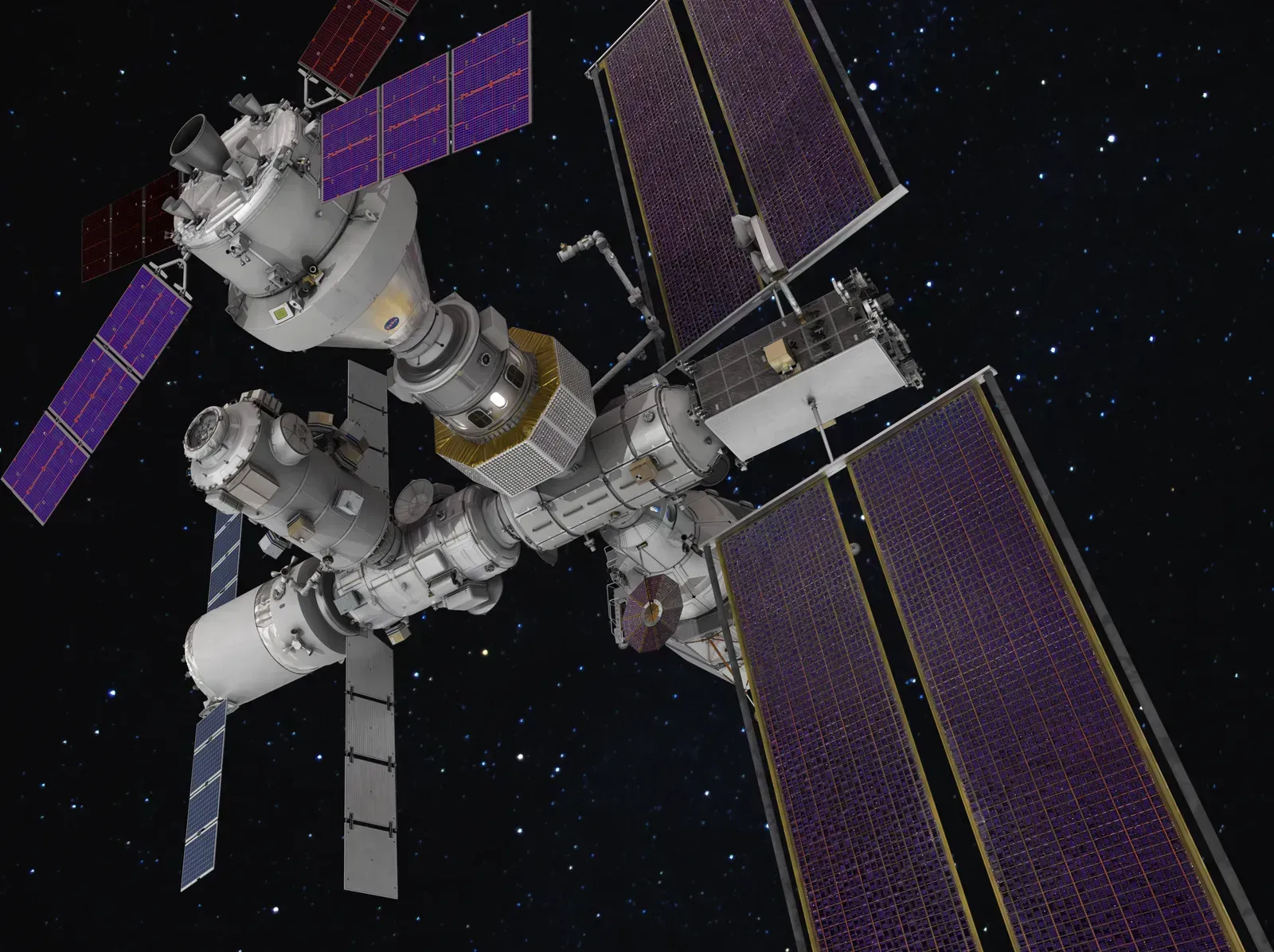
The Gateway was meant to be a small space station orbiting the Moon. Canada was contributing Canadarm3, and Japan, the United Arab Emirates and Europe were also providing pieces. It had been a central element of the Artemis architecture for years.
The warning signs came earlier. A 2024 Government Accountability Office report flagged mass growth, noting that components were trending heavier than designed. The administration’s fiscal year 2026 budget proposal explicitly cited escalating costs as a reason to end the program.
The cancellation was reported for March 24, 2026. In its place, NASA Administrator Jared Isaacman announced a twenty billion dollar pivot toward a permanent lunar surface base, to be developed between 2029 and 2036. The agency plans to repurpose selected Gateway technologies rather than discard everything.
AXIS, an X Ray Telescope That Never Got Its Report In
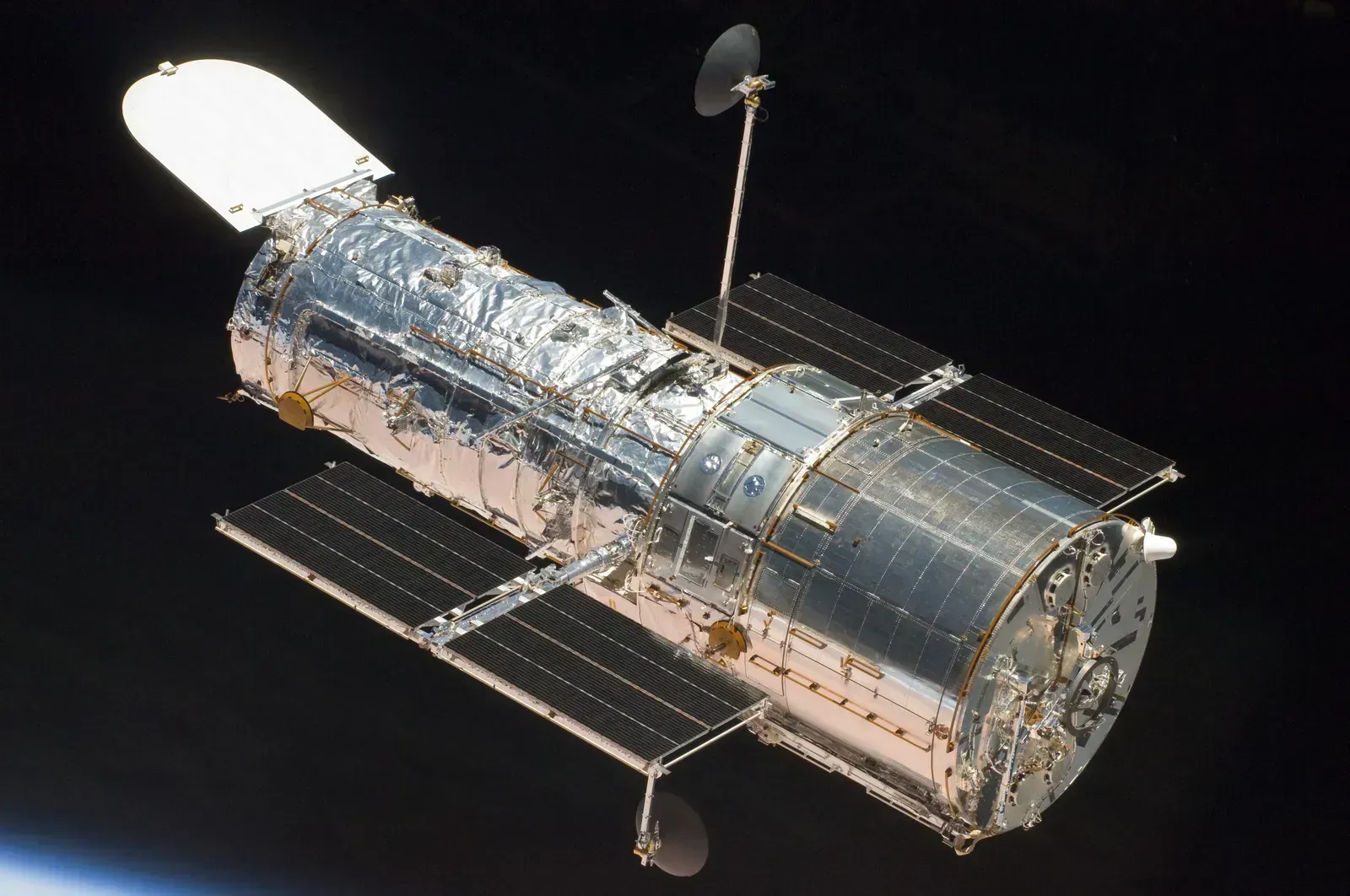
AXIS was a proposed next generation X ray telescope, and its fate is more of a process story than a hardware one. Its cancellation came before any spacecraft existed. The clearest account so far comes from the project’s own leader, so it reflects one side of the dispute.
According to that account, work was halted for almost seven weeks when the core Goddard study team, mostly civil servants, was furloughed. NASA extended the Concept Study Report deadline, but the project leader called the extension inadequate for the cost and schedule adjustments already identified.
Goddard leadership reportedly gave the managers a choice: submit a report with non compliant cost and schedule, or submit nothing. The project leader also said the decision was programmatic and not based on a review of the technology or science. I haven’t found a detailed public response from NASA in the sources I reviewed.
The Mars Telecommunications Orbiter, an Older Cancellation With a Twist

This one goes back further than the others. The Mars Telecommunications Orbiter was meant to launch in 2009 and establish an interplanetary internet between Earth and Mars. It was considered necessary because of the vast amount of data coming from landers such as the Mars Science Laboratory.
On July 21, 2005, NASA announced it had been canceled to support other short term goals, including a Hubble servicing mission and Mars rover operations. In other words, the mission lost out to competing priorities rather than any technical failure.
The idea did not stay dead. A 2025 law allocated 700 million dollars for a new Mars telecommunications mission. It requires NASA to award the contract by the end of fiscal year 2026 and target the 2028 Mars window. The mission addresses a growing capacity crunch in NASA’s deep space communications network.
What These Cancellations Have in Common
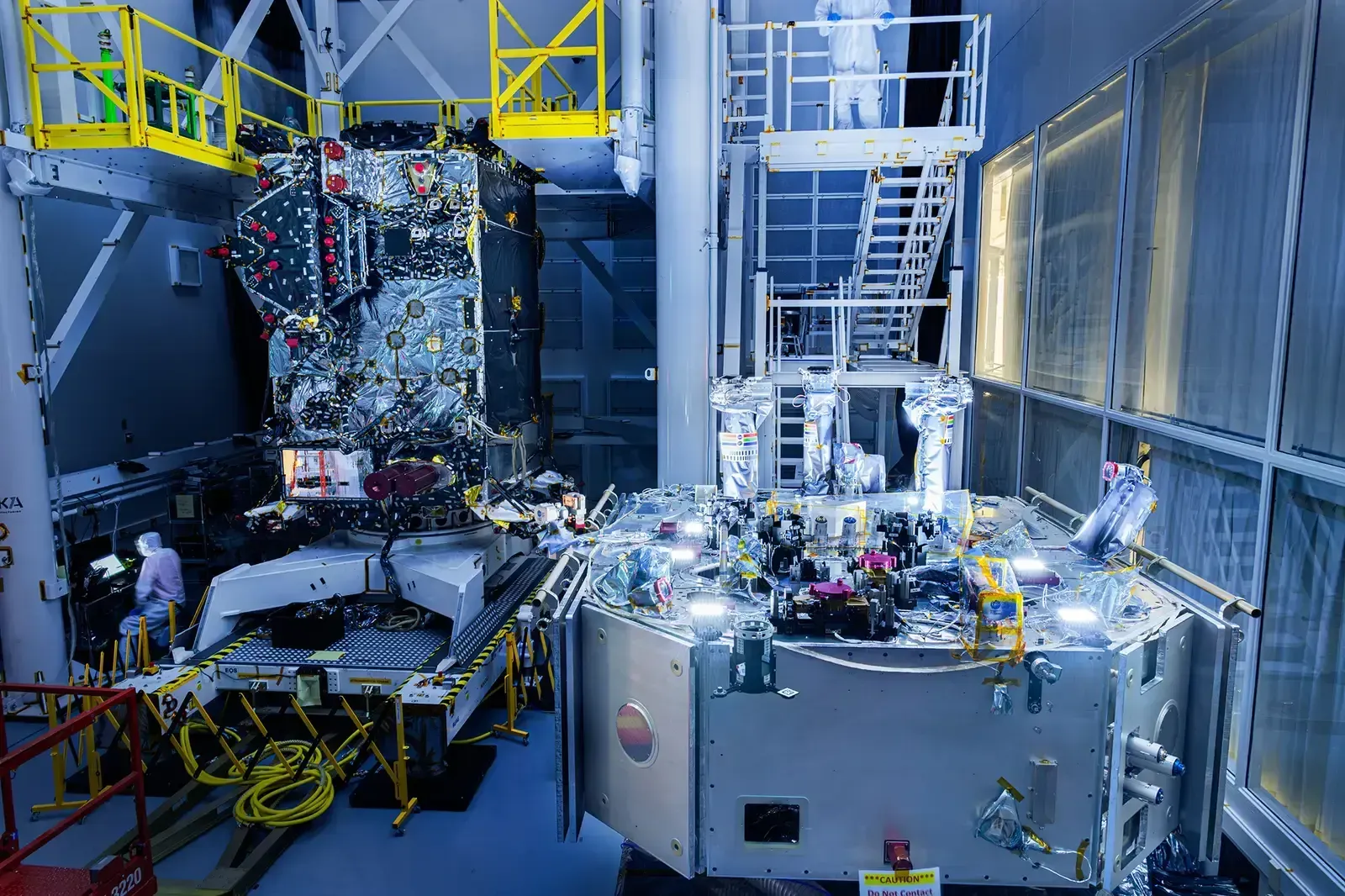
Cost growth shows up in almost every case. OSAM-1, VIPER, Mars Sample Return and Gateway were all tied to rising prices or schedule slips. Budget pressure in Washington, sometimes from Congress and sometimes from the White House, shaped when and how each ended.
Cancellation also isn’t always final. Congress preserved technology money for Mars, NASA said it would reuse VIPER’s work, and Gateway’s technologies may live on in a surface base. Even the 2005 Mars relay orbiter idea has come back with new funding.
