

- Will travel insurance cover weather-related flight delays and cancellations? - November 11, 2026
- 8 Cities Where the Weather Changes So Fast Locals Carry Everything - November 11, 2026
- 10 Traditional Building Techniques From Hot Climates Architects Are Revisiting - November 10, 2026
Most of us don’t think twice about tipping a bucket of leftover water onto the flower bed or spraying a weed with something from under the kitchen sink. It feels frugal and harmless. Soil, though, is a living system, and what we pour on it reaches bacteria, fungi, worms and roots.
Some everyday liquids upset that balance more than you’d expect. The good news is that each one has a gentler replacement you probably already own or can buy cheaply.
Bleach
Household bleach is a sodium hypochlorite solution designed to kill microbes. In the garden it does the same thing, and it can’t tell harmful organisms from helpful ones. It can burn roots and leaves, and it disrupts the microbial community that breaks down organic matter and feeds plants.
For cleaning pots, tools and trays, use hot soapy water and a scrub brush first. Rubbing alcohol or a diluted hydrogen peroxide solution works for disinfecting pruners between cuts. Rinse and let everything dry fully before it goes near the soil.
Undiluted Vinegar
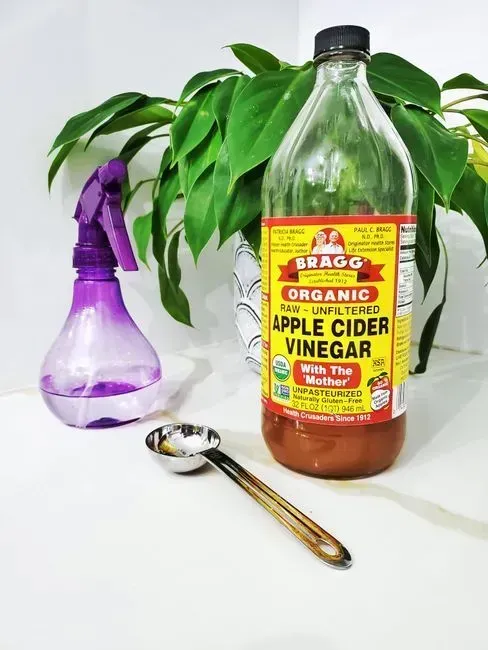
Vinegar is a popular homemade weedkiller because acetic acid burns leaf tissue quickly. The trouble is that it isn’t selective, so it damages any plant it touches. Strong or repeated applications can also lower soil pH locally and stress soil life.
For weeds in paths and patios, try pouring boiling water directly over them or pulling them after rain, when roots slip out easily. In beds, a thick layer of mulch blocks light and suppresses most seedlings. Save vinegar for cleaning glass, not for planting areas.
Salty Water
Pasta water and other salted cooking water seem too mild to matter, yet salt accumulates. Sodium can pull moisture away from roots and, over time, damage soil structure so it drains poorly and crusts over. Container plants and small raised beds suffer fastest because rain has little chance to flush the salt out.
Let cooking water cool and, if it was unsalted, use it freely, since it may carry a few traces of starch and minerals. For weeds, boiling plain water does the job without leaving residue. Rainwater collected in a barrel is the best choice for routine watering, and it contains no added salts.
Laundry Wash Water
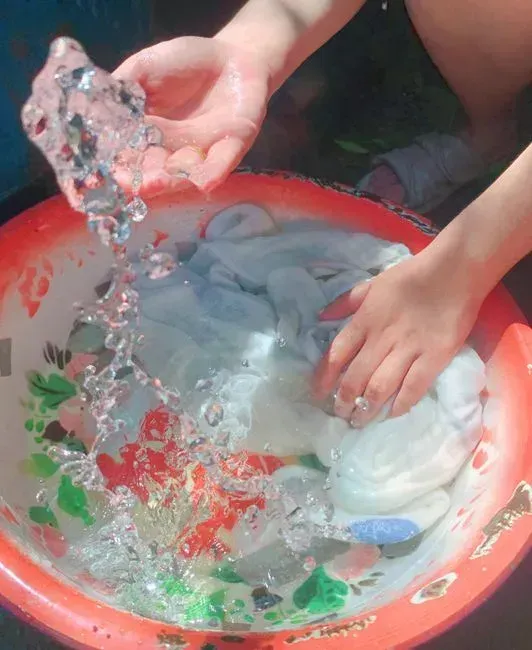
Reusing washing machine water sounds sensible, especially during dry spells. Many detergents contain sodium, boron, optical brighteners and fragrances, and bleach or fabric softener makes it worse. Repeated use can leave salts and surfactants in the root zone, which affects how soil holds and drains water.
If you want to reuse water, check local rules first, since greywater regulations vary. Choose a plant friendly, low sodium, biodegradable detergent and keep water away from edible leaves and roots. Even then, rinse water from the last cycle is a safer option than the wash cycle itself.
Drain Cleaner
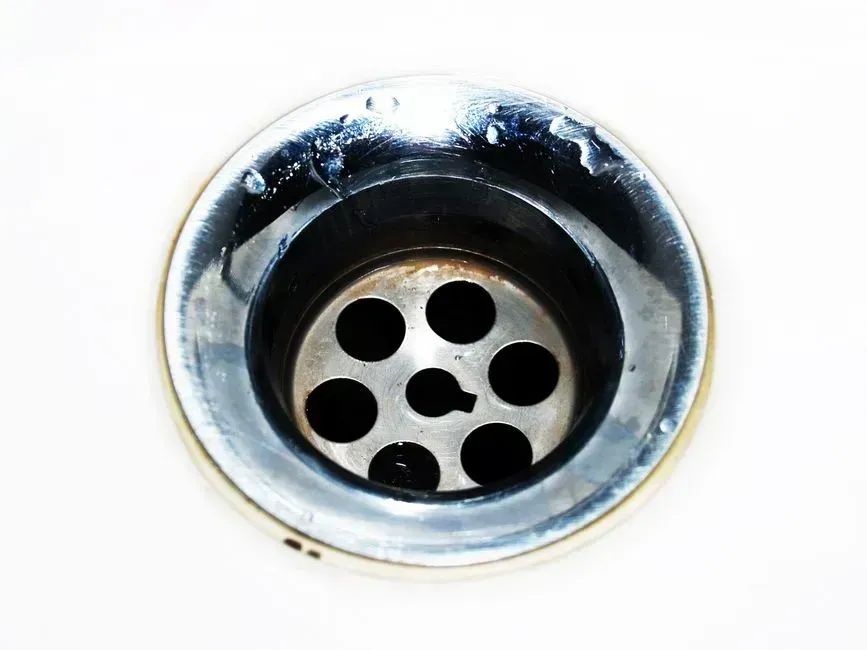
Chemical drain openers are extremely caustic, often based on lye or sulfuric acid. If they spill or the wastewater is diverted to a garden, they can sterilize soil and kill plants on contact. They also pose a serious hazard to pets and children who play near planting areas.
A plastic drain snake or a simple plunger clears most household clogs without chemicals. For slow drains, a cup of baking soda followed by hot water can help, and enzyme based cleaners are a milder maintenance option. Anything hazardous left over should go to a local household waste collection point, not down the garden path.
Ammonia Based Cleaners
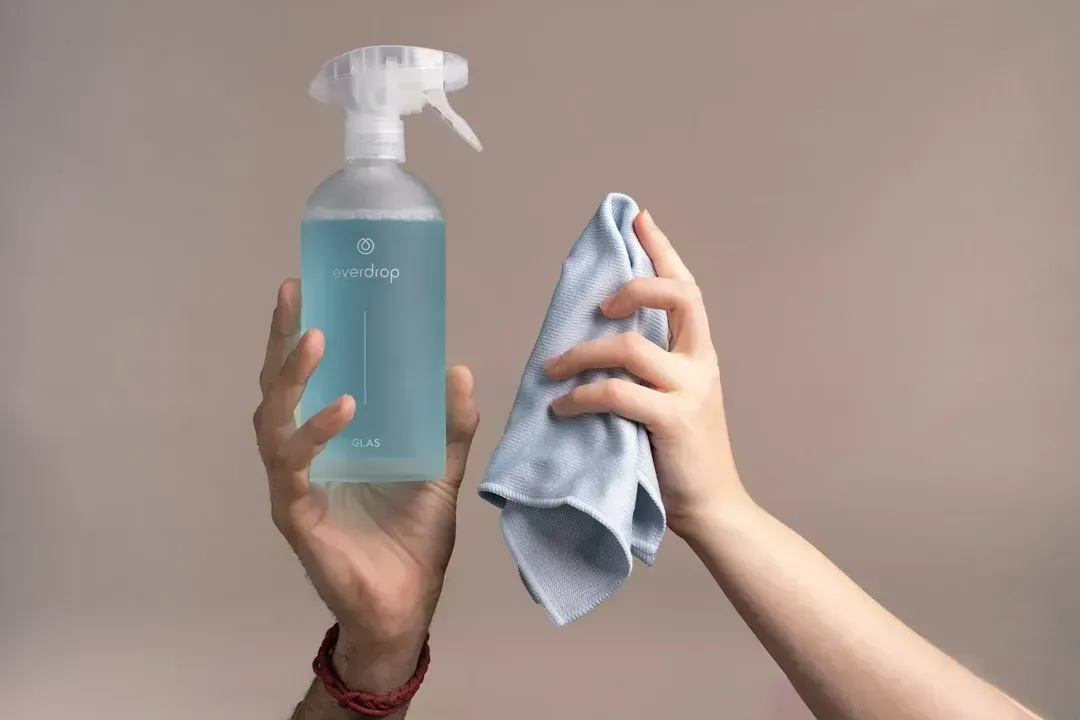
Glass and floor cleaners containing ammonia release nitrogen in a form that can scorch foliage at high concentrations. Mixing them with other cleaners, especially bleach, also creates toxic fumes, so leftovers should never be combined and dumped. In soil, strong ammonia can burn roots and disturb the balance of nitrogen loving microbes.
For a gentle nitrogen boost, compost, well aged manure or a diluted seaweed feed is far more forgiving. Indoors, a spray of water and a little mild dish soap handles most grime. Stick to a proper fertilizer schedule and plants get what they need without the burn.
Used Cooking Oil
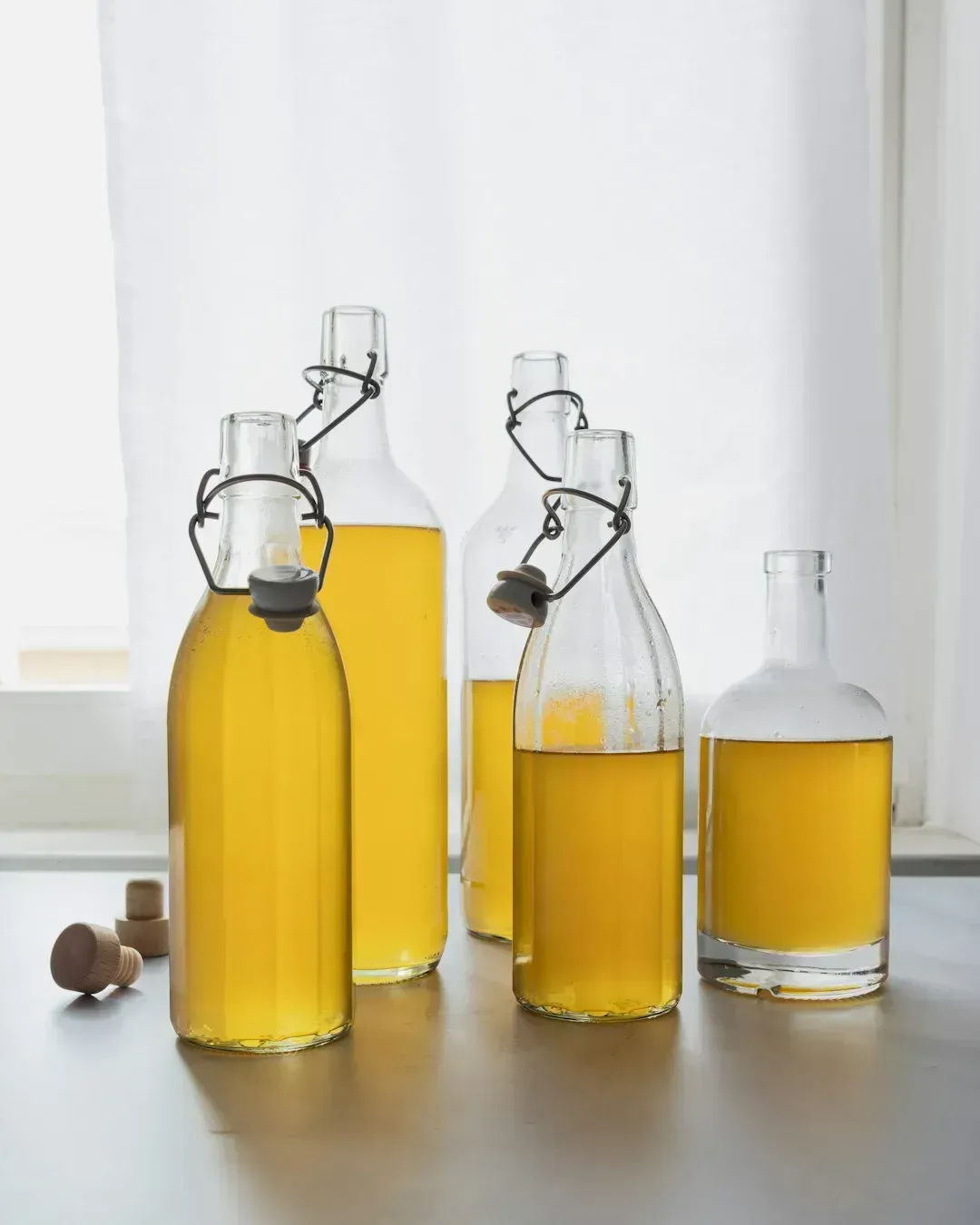
Pouring fryer oil or bacon grease on the ground might seem like a natural way to recycle it, yet fats don’t mix with water. They coat soil particles, block air and moisture, and slow decomposition. Oily soil can also attract rodents and other pests.
Let cooled cooking oil solidify, then put small amounts in the household waste bin or take it to a recycling point that accepts used oil. Some councils and cities collect it for conversion into biofuel. For garden nutrition, stick to fruit and vegetable scraps in a compost bin and leave the fats out.
Antifreeze and Motor Oil
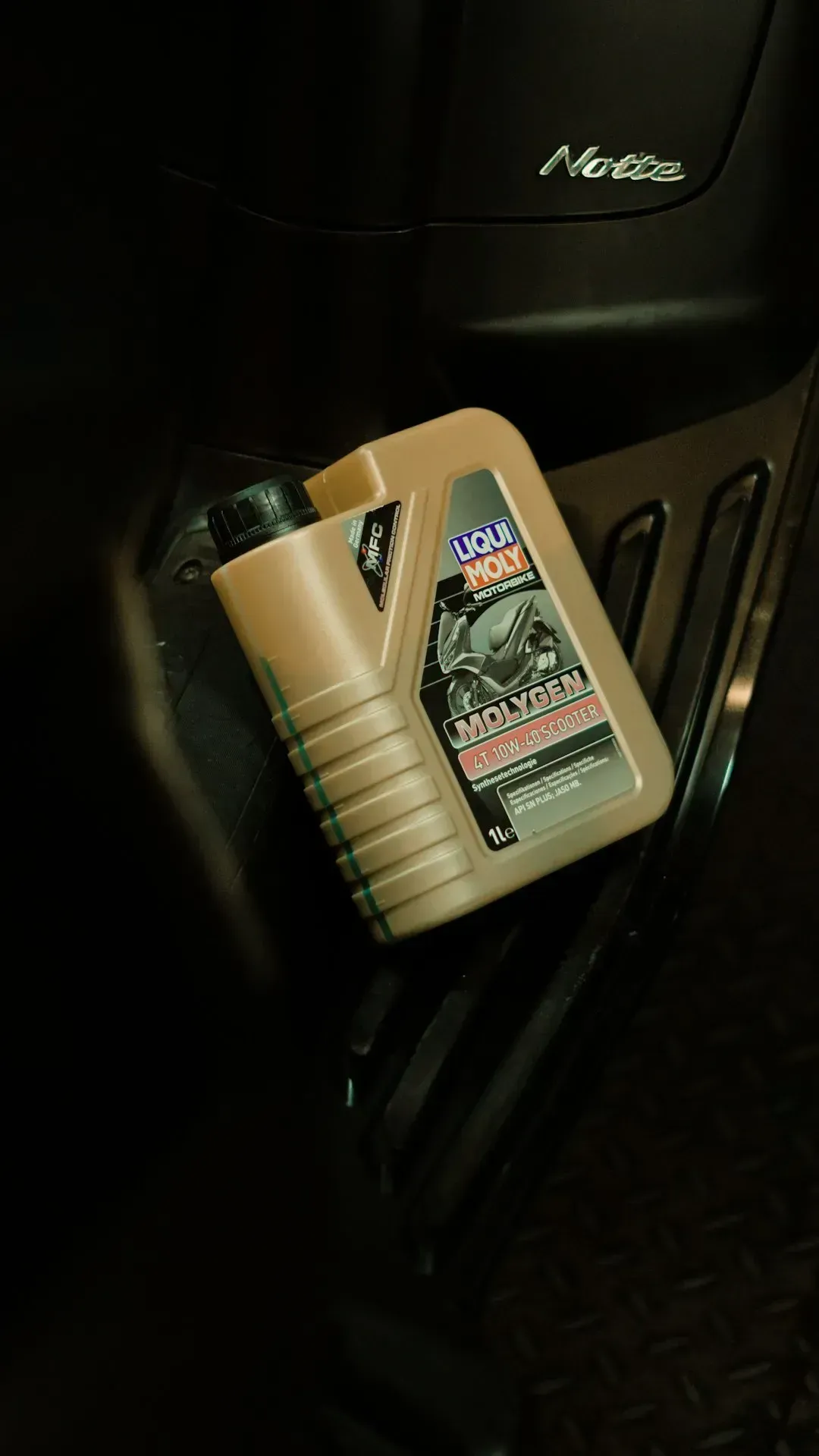
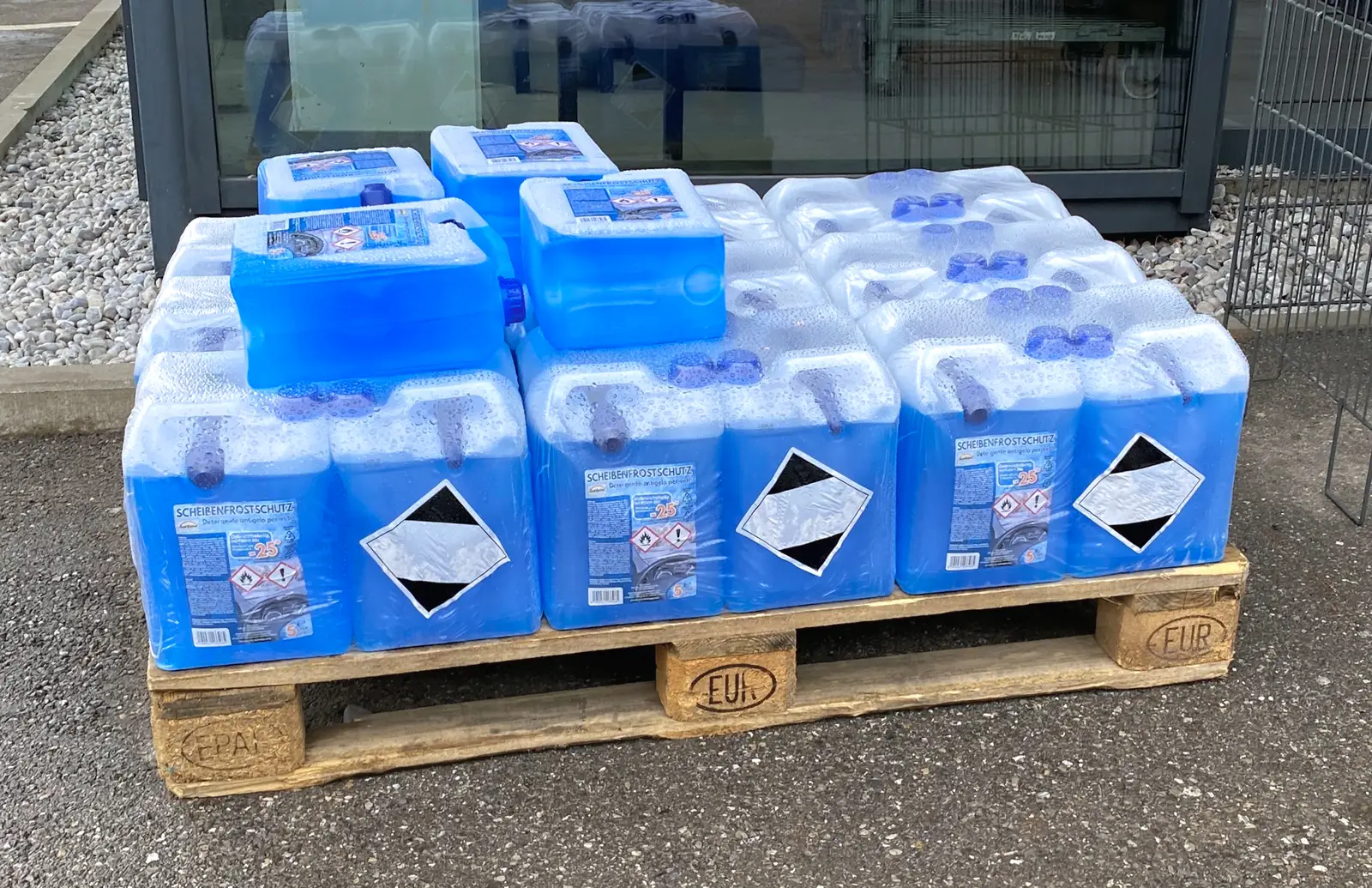
Automotive fluids are among the most damaging liquids around a home. Antifreeze contains ethylene glycol, which is toxic and has a sweet taste that draws animals. Motor oil contains hydrocarbons and heavy metals picked up during use, and a small amount can contaminate soil and groundwater for a long time.
Never dump either onto the ground. Collect them in sealed containers and take them to an auto parts store, recycling center or hazardous waste site, many of which accept them free. If you want to reduce risk, look for propylene glycol based antifreeze, which is considered less toxic, and clean up any drips on the driveway with cat litter or another absorbent before sweeping it into a waste bag.
