


- Will travel insurance cover weather-related flight delays and cancellations? - November 11, 2026
- 8 Cities Where the Weather Changes So Fast Locals Carry Everything - November 11, 2026
- 10 Traditional Building Techniques From Hot Climates Architects Are Revisiting - November 10, 2026
Halley’s Comet reached the farthest point of its orbit in December 2023. Since then it has been moving back toward the Sun, though very slowly, and it won’t be anywhere near us for decades.
That turning point is easy to miss because nothing visible happened. Still, it marks the start of the long trip home, and the details of that trip are worth knowing.
The Turnaround Known as Aphelion
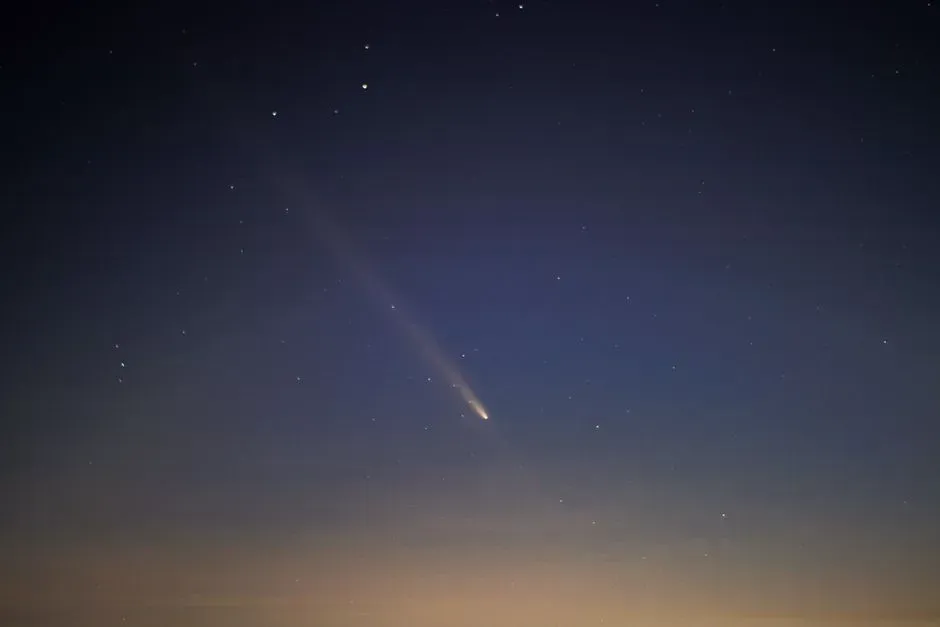
Astronomers call the farthest point in a comet’s orbit its aphelion. For Halley’s Comet, that point came on December 9, 2023, when the comet was about 3.3 billion miles from the Sun. That is roughly thirty five times the distance between Earth and the Sun.
At aphelion the comet moves at its slowest. It essentially stopped heading outward and began falling back inward. No telescope could have watched this happen live, because the comet is far too faint at that distance.
Where Halley’s Comet Is Right Now
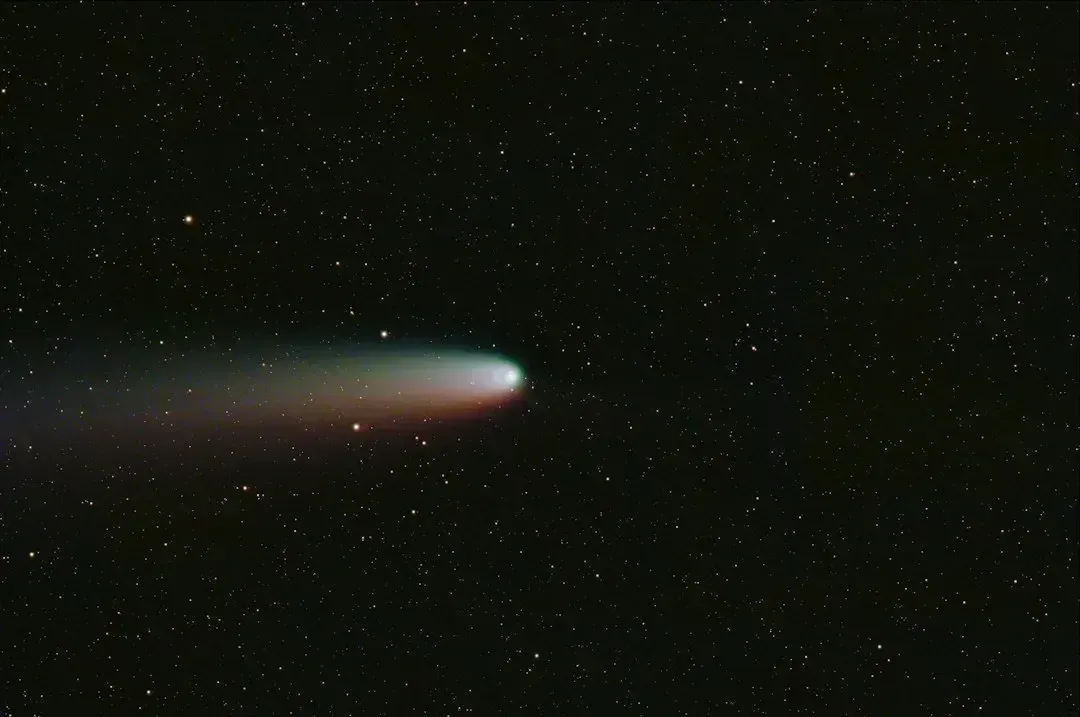
Today the comet sits far beyond the orbit of Neptune, in the cold outer solar system. Its location in 2026 is only a little closer than it was at aphelion. The change builds slowly, because the comet is still moving at a crawl.
The Sun’s gravity pulls harder as the distance shrinks. Over the next few decades the speed will rise steadily, and the closing distance will start to feel more dramatic. For now, though, it remains a dark, frozen body in the deep outer reaches.
Why the Return Takes About 76 Years
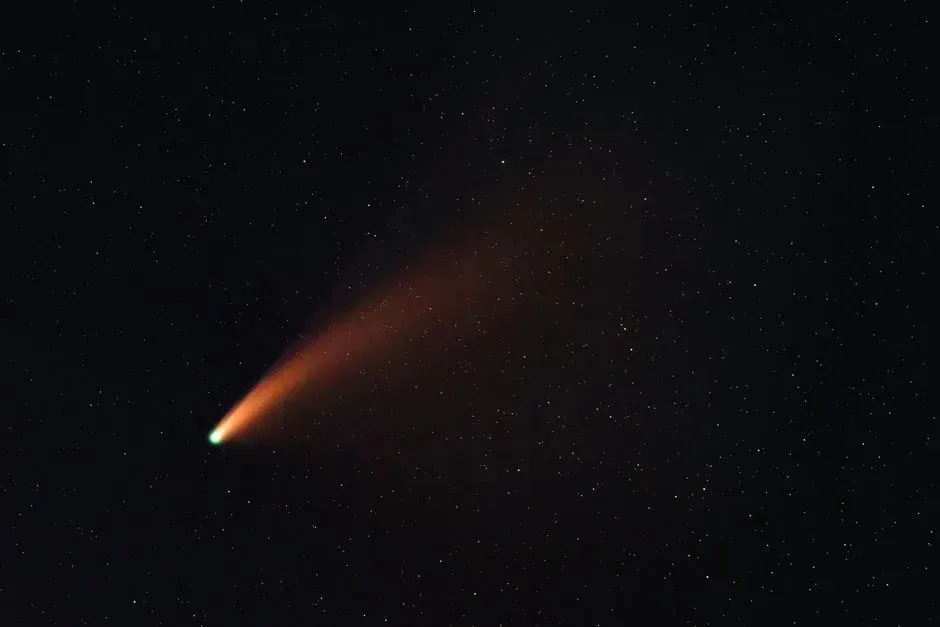
Halley’s orbital period averages about 76 years. It isn’t perfectly constant, so the real gap between returns has varied between roughly 74 and 79 years. Close encounters with the giant planets, especially Jupiter and Saturn, tug on the comet and nudge its schedule.
Outgassing matters too. When the comet is near the Sun, jets of vaporizing ice act like tiny thrusters and slightly change its path. That is one reason predictions must be refined over time.
The Expected Perihelion in 2061
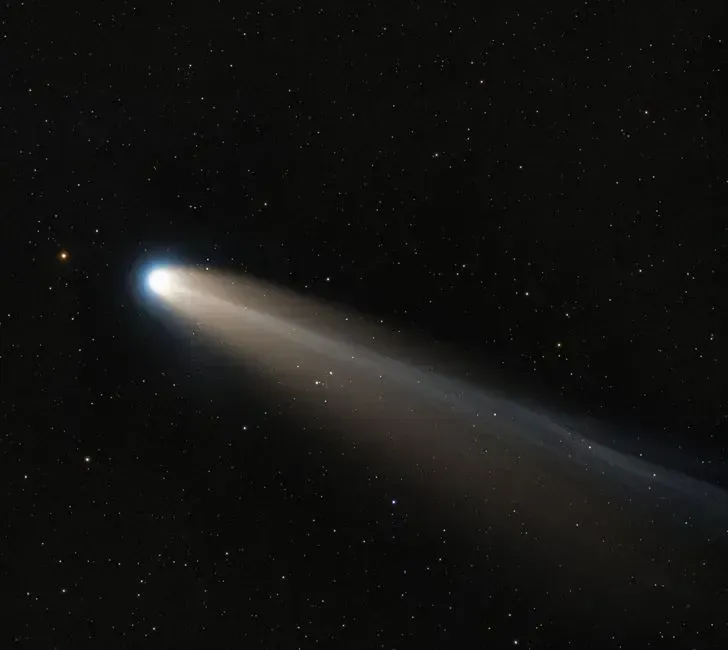
The comet’s next closest approach to the Sun, called perihelion, is predicted for July 28, 2061. At that point it will pass inside the orbit of Venus. Its last perihelion came on February 9, 1986.
The 1986 return was a poor one for viewers in the Northern Hemisphere. The 2061 apparition is expected to be considerably better, since the geometry between Earth and the comet will be more favorable.
How Bright Could It Get
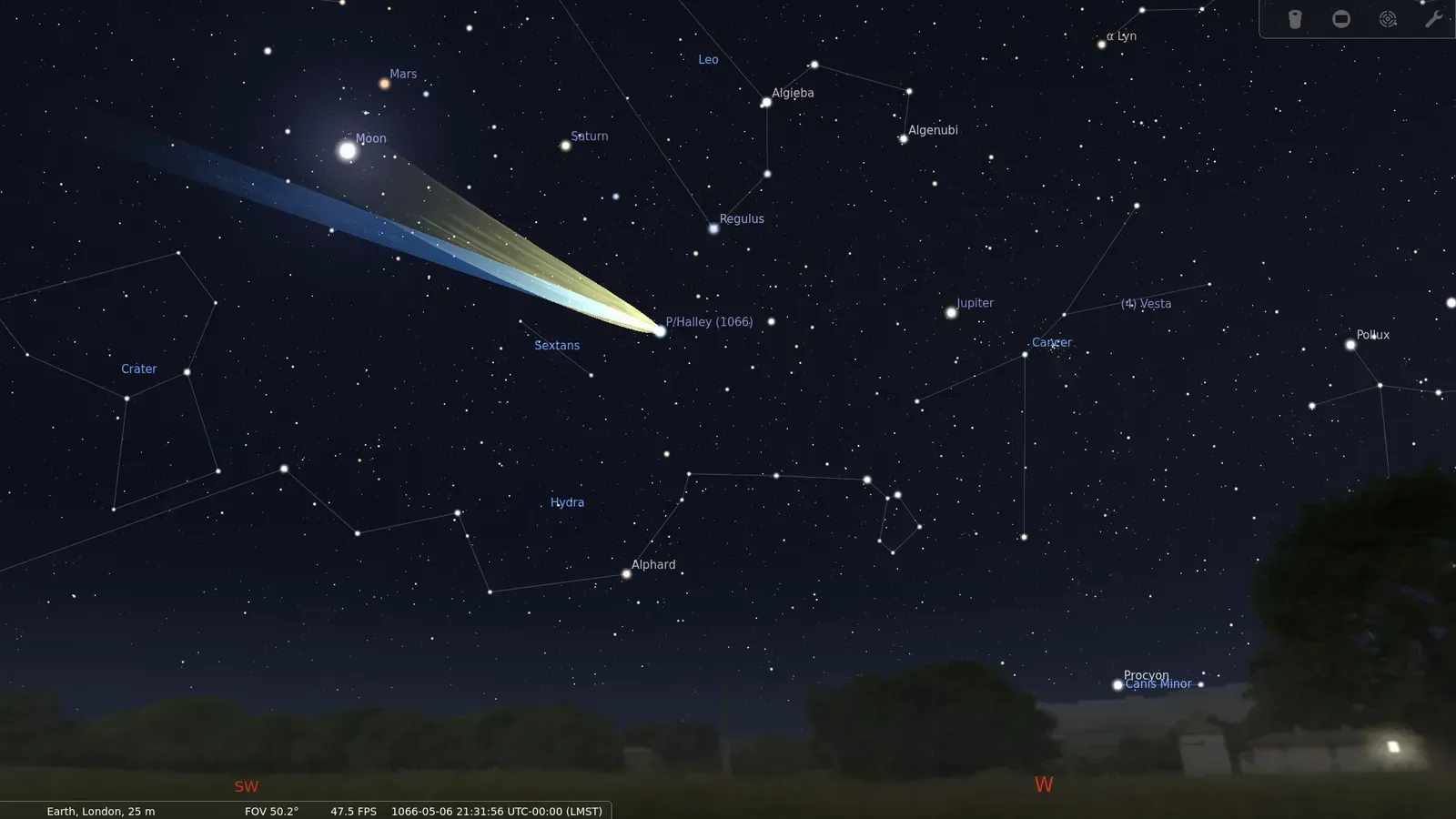
Predictions suggest the 2061 return could make the comet a much more impressive sight than in 1986. Some estimates place its peak brightness well above what observers saw then, perhaps rivaling the brightest stars. That is a forecast, though, and comet brightness is notoriously hard to pin down.
A comet’s display depends on how much gas and dust it releases, and that can shift from one pass to the next. Halley has been losing material every orbit, which gradually reduces its activity.
A Comet With a Long Paper Trail
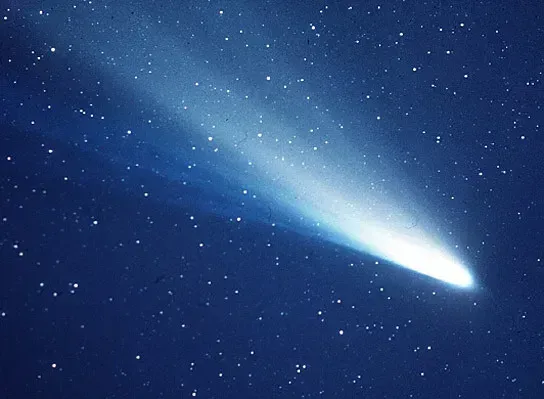
Halley’s Comet is named for Edmond Halley, who concluded in 1705 that comets seen in 1531, 1607 and 1682 were the same object. He predicted its return in 1758. It appeared on schedule, though Halley didn’t live to see it.
Records of earlier sightings stretch back much further. Chinese astronomers documented the comet as early as 240 BC, which makes it one of the most thoroughly observed objects in history.
What Spacecraft Learned in 1986
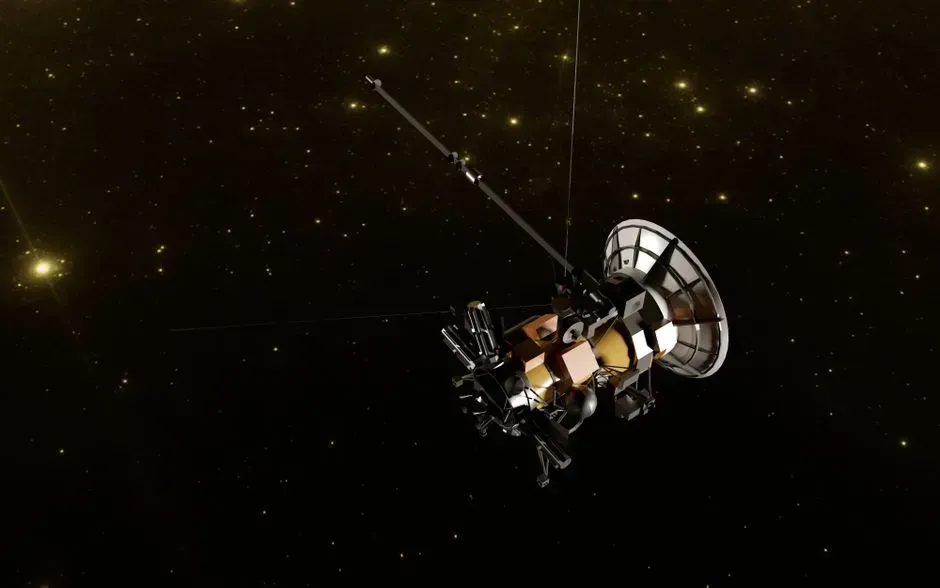
During the 1986 return, a small fleet of probes visited the comet. Europe’s Giotto spacecraft flew within a few hundred kilometers of the nucleus and sent back the first close images of a comet’s core. Soviet Vega probes and Japanese craft also took part.
The nucleus turned out to be a dark, potato shaped body about fifteen kilometers long. It was far darker than expected, reflecting only a small fraction of the light that hits it.
Tracking a Faint Target Today
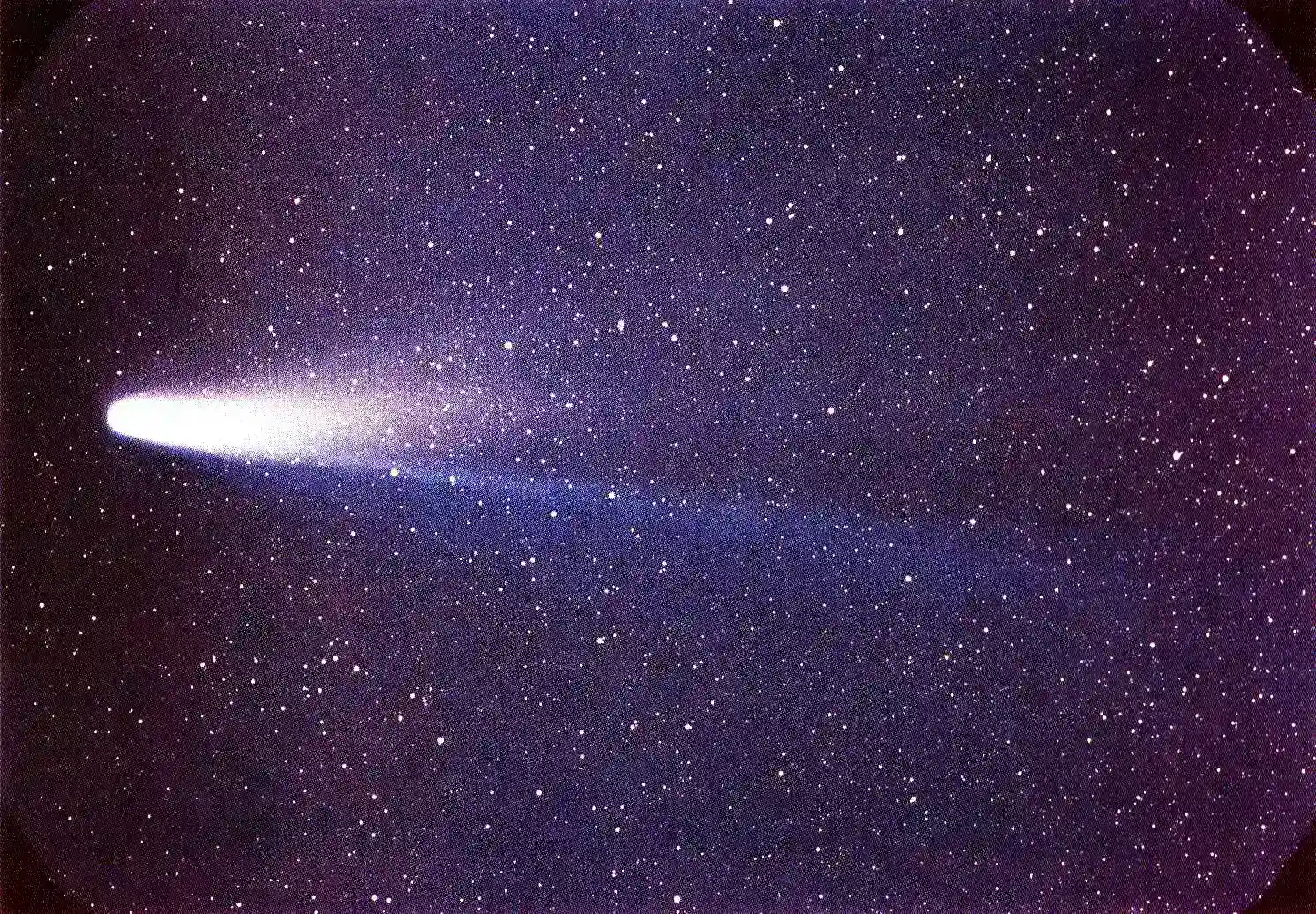
Even at aphelion, Halley was not entirely out of reach. In March 2022, the Very Large Telescope in Chile captured a faint image of it from about 3 billion miles away, during a rare outburst. Astronomers saw a halo of dust, showing the comet can still erupt in the cold.
Observatories will pick the comet up again as it brightens. Recovery of the comet, a term for first spotting it on the inbound leg, is expected in the coming years with large telescopes.
Its Link to Meteor Showers
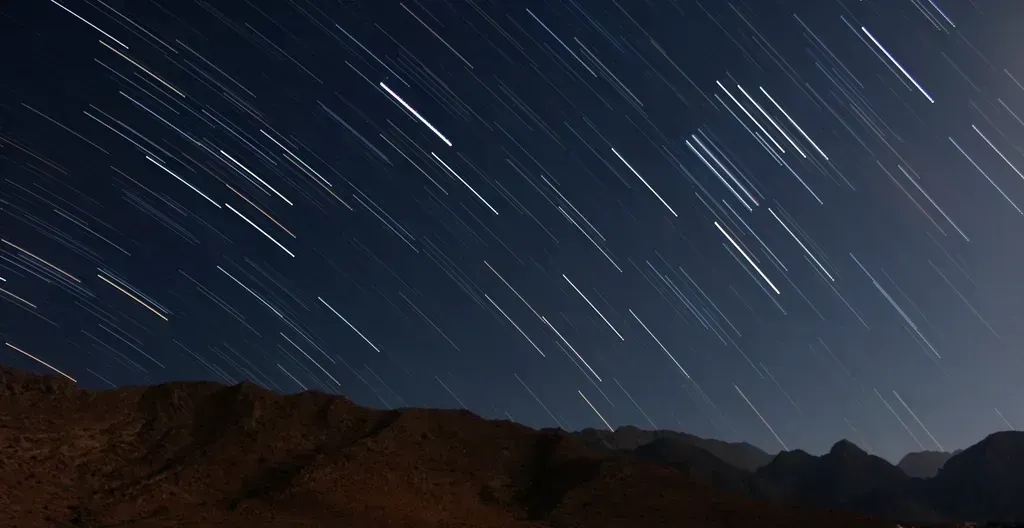
Halley leaves a trail of debris along its orbit, and Earth crosses that stream twice a year. The Eta Aquariids peak in early May, and the Orionids peak in late October. Both are made of dust shed by the comet over many centuries.
So you don’t have to wait until 2061 to see something of Halley. Each October, tiny grains from the comet burn up in our atmosphere as fast streaks of light.
Who Will See It in 2061
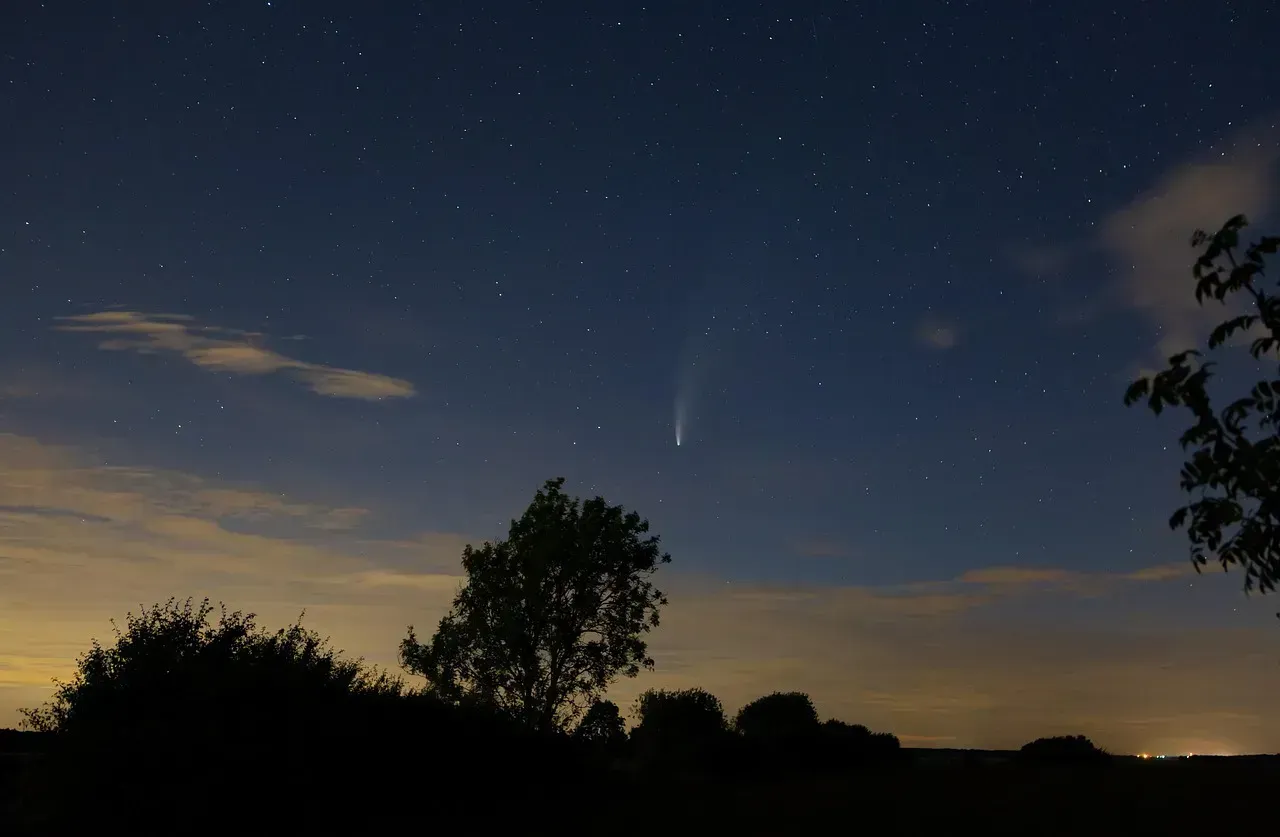
Anyone born in the 2020s will be in their thirties when the comet returns. Many adults alive today will be elderly but could still see it. Those who saw the 1986 visit will have a rare second chance, if they are around.
Planning is already possible, since the date is well established. Space agencies may even consider missions timed to meet the comet, though no mission has been confirmed.
