


- The Planet Where It Rains Liquid Glass – 7 Alien Worlds Defying Known Physics - November 14, 2026
- Stars Consuming Entire Worlds – 6 Planetary Systems Swallowing Their Own Worlds - November 14, 2026
- The Ground Liquefies Like Water – 6 Silent Fault Lines Geologists Watch Closely - November 14, 2026
This fall, a hummingbird feeder near Colorado Springs drew an unusual guest. It was a brightly colored bird normally found more than 1,000 miles to the south. The visitor was a Mexican violetear, and birders in Colorado have taken notice.
The sighting is still awaiting official confirmation, so some caution is warranted. Even so, the story shows how far a tiny bird can stray from home, and how much easier it has become to document these surprises.
The Visitor at the Feeder
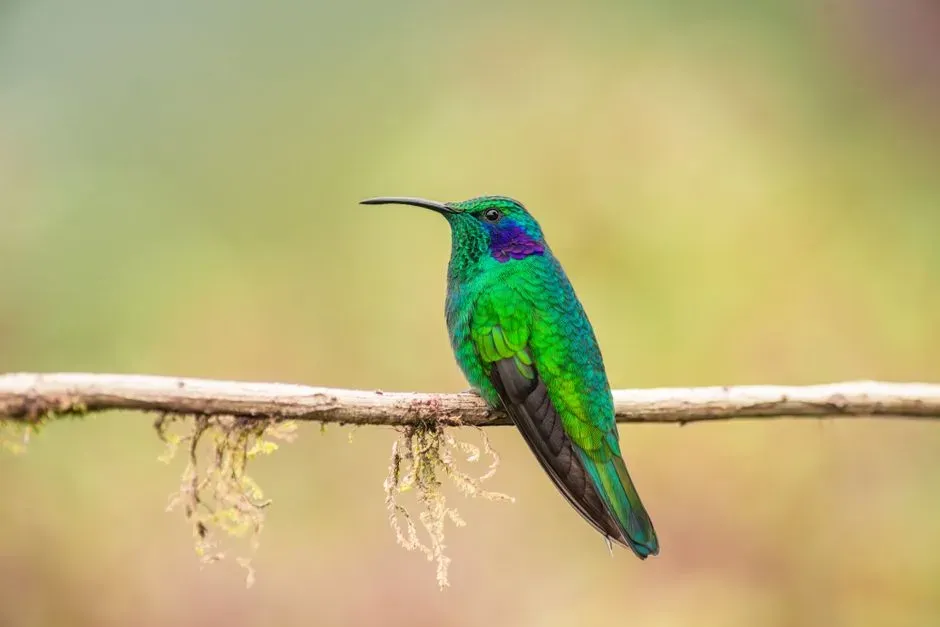
The surprise guest was a shimmering green hummingbird with flashes of blue-violet feathers on the sides of its head. That coloring is what makes the Mexican violetear stand out from the hummingbirds Coloradans usually see.
The bird was recorded on video visiting a smart hummingbird feeder on Oct. 17, 2026. The location was near Colorado Springs, along the Front Range.
Why This Sighting Is So Unusual
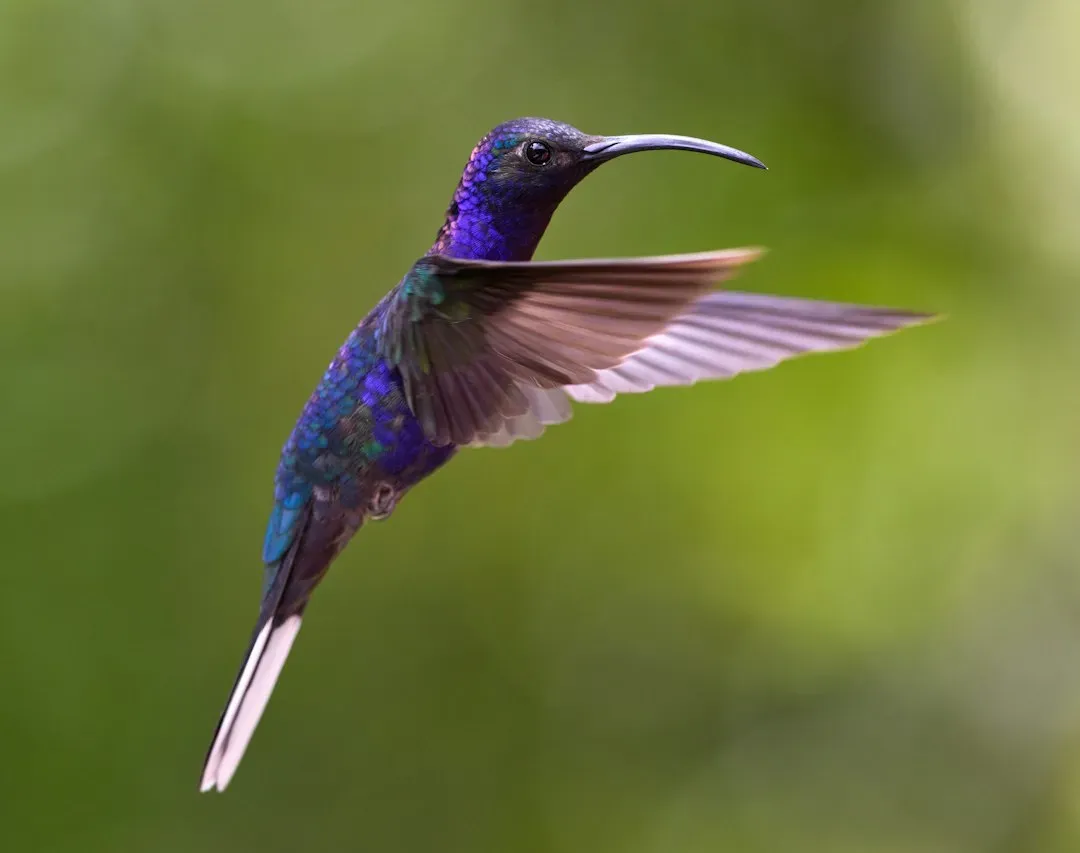
The key phrase in the reports is “if confirmed.” According to the Colorado Bird Records Committee, it would be just the third recorded observation of a Mexican violetear in Colorado. That makes it a real rarity, even for experienced birders.
The committee’s review is what turns a promising video into an official record. Until then, the sighting is best described as a probable record rather than a settled one.
The Two Earlier Colorado Records
Colorado has hosted this species only twice before. Those sightings were near Durango in July 1998 and near Conifer in September 2003. The state has gone more than two decades without another.
The earlier records came in summer and early fall, and this one fits that pattern, falling in mid-October. Three records is still too small a sample to draw firm conclusions about timing or routes.
Where the Mexican Violetear Normally Lives
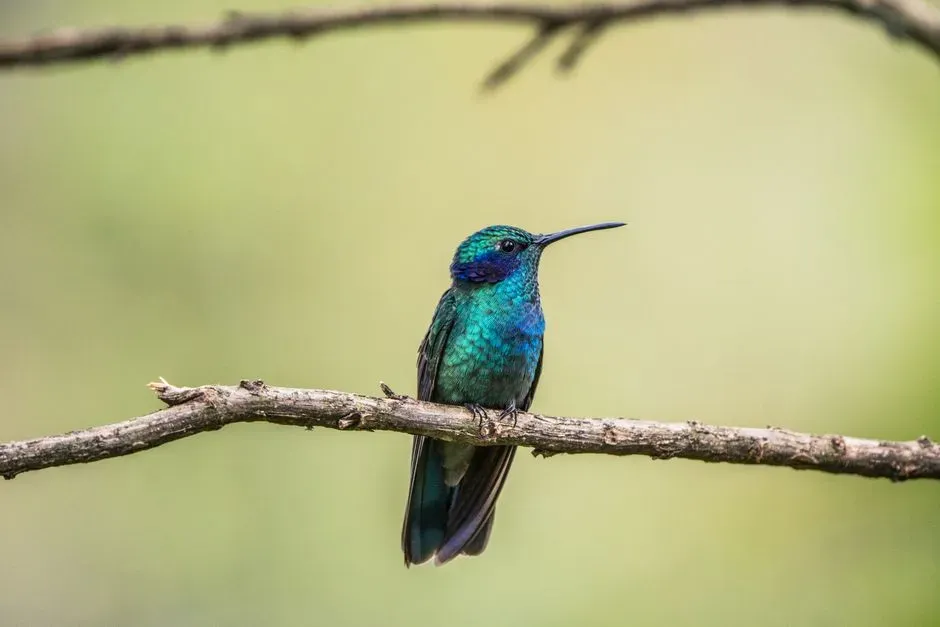
The species typically inhabits mountainous regions of Mexico and Central America, but individual birds occasionally wander much farther north. Colorado Springs is well outside that range.
That’s why the reports describe the bird as being more than 1,000 miles from its usual home. Mountain habitat may explain why a wanderer could find the Rockies at least somewhat familiar, though that is speculation, not something the sources say.
A Species Known for Wandering

This bird isn’t a stranger to long detours. The Audubon Society describes it as apparently somewhat nomadic, moving among mountain ranges, with some wanderers reaching the United States and a few found almost every year.
The U.S. Fish and Wildlife Service lists it as an occasional visitor to Texas and Colorado. Individuals have even been documented as far north as Canada, though researchers are still learning what causes such long trips. So the reason behind any single bird’s journey remains an open question.
How Colorado’s Usual Hummingbirds Compare
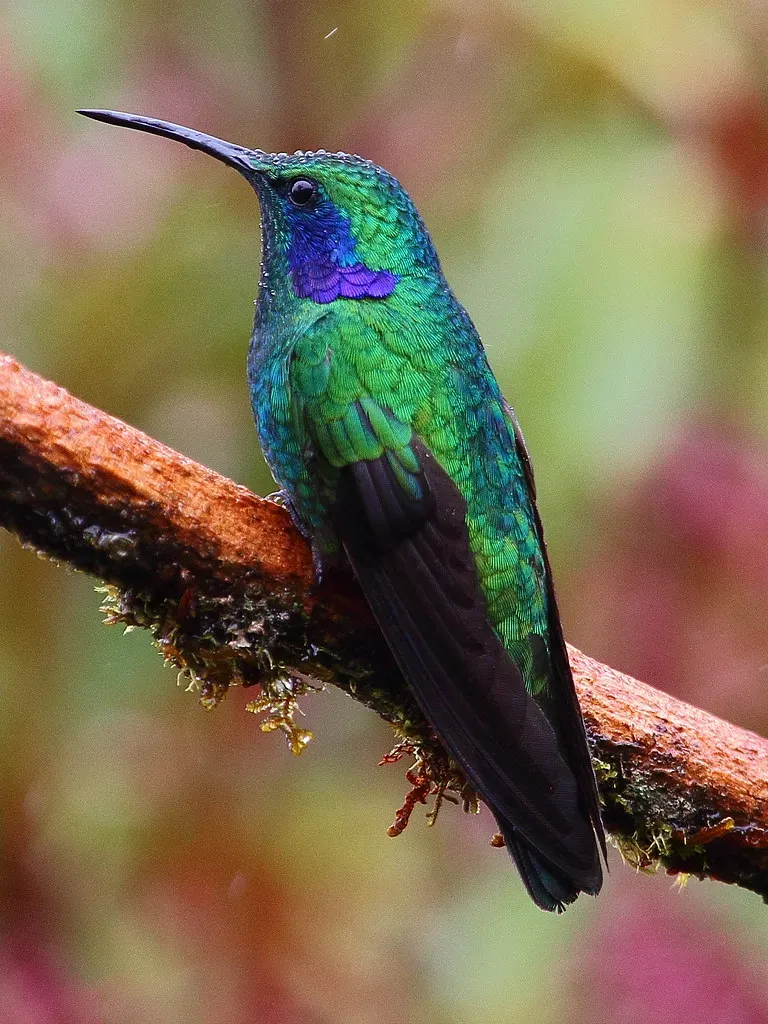
Colorado’s regular hummingbirds are summer residents. Broad-tailed, Black-chinned, Rufous and Calliope hummingbirds are the seasonal species there. One source notes that none are classed as year-round residents.
Beyond those, the state sees a handful of accidental visitors. One guide counts seven accidental species in addition to the four seasonal ones. That guide is several years old, so the exact tally may have changed, but it shows that the violetear joins a small group of rare surprises.
How Technology Helps Document Rare Birds

Modern gadgets are part of this story. Smartphones and cameras installed near backyard feeders can capture photos and video of birds that might otherwise go unnoticed. A smart feeder with a camera is exactly how this visit was recorded.
These observations can help experts verify rare sightings and better understand where different species travel. Clear video also gives records committees something solid to review.
What Comes Next and Closing Thoughts
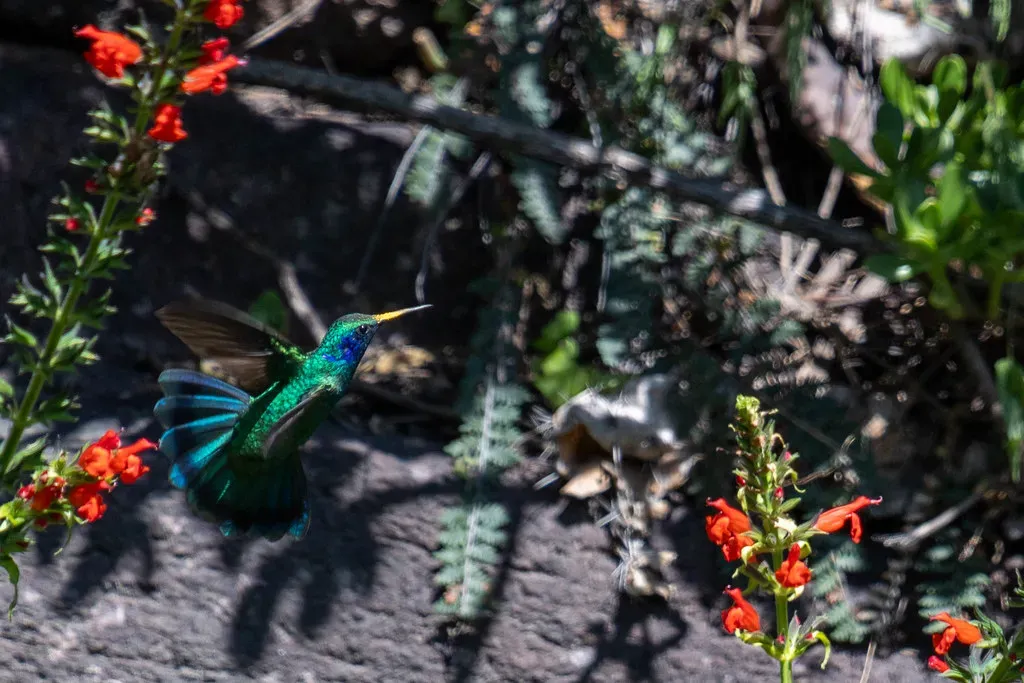
The next step is for the Colorado Bird Records Committee to review the evidence. If it accepts the record, Colorado will have its third Mexican violetear. If not, the video will still be a striking reminder of how unpredictable bird movements can be.
A bird weighing only a few grams turned up at a Colorado feeder far from the mountains of Mexico and Central America. Sometimes the most interesting wildlife stories begin with someone simply glancing at a feeder.
