

A plain cotton tee looks like the lightest thing in your wardrobe. Yet estimates put the water footprint of one cotton T-shirt at around 2,700 litres. Most of that water never touches the shirt you hold.
The number has been repeated for years, and it deserves a closer look. Where does the water go, who pays for it, and what changes when clothes are bought, worn and tossed faster than ever?
Where the 2,700 Liter Figure Comes From
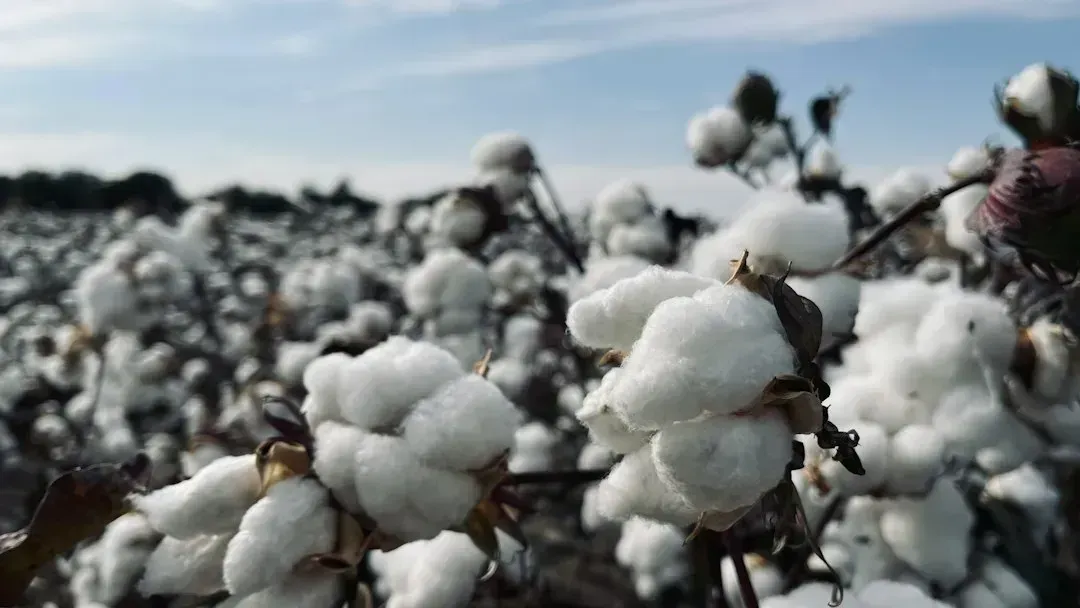
The figure comes from water-footprint research that counts water across the cotton supply chain, including growing the cotton, processing the fibres and producing the finished fabric. It is often credited to the World Wildlife Fund. WWF reports that one cotton t-shirt needs 2,700 litres of water.
It’s an estimate, not a fixed price tag. The exact amount can vary depending on where and how the cotton is grown. Some sources round it to 2,750, so treat it as a useful benchmark rather than a measurement.
What 2,700 Liters Means in Everyday Terms
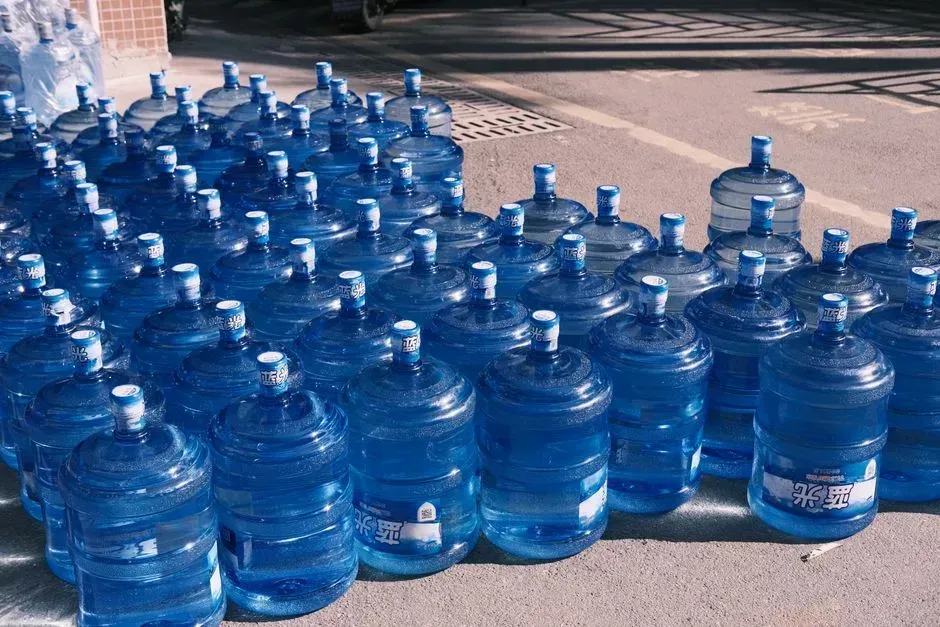
Large numbers are hard to picture, so the comparison most people use is drinking water. That amount equals one person’s drinking needs for 2.5 years. Other sources say about 900 days, which comes out nearly the same.
Another way to think about it is scarcity. Accessible, clean water makes up less than 1 percent of the world’s water supply. A garment that costs a few dollars on a rack draws on that limited share.
The Field Is the Thirstiest Stage
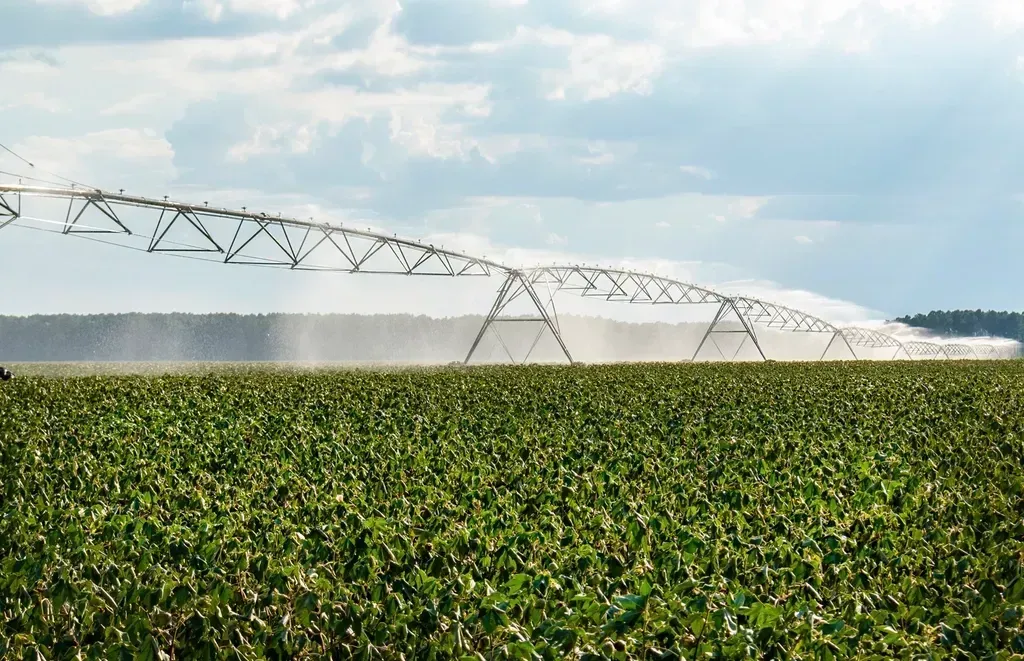
Most of the water is used before any fabric exists. Cotton cultivation and irrigation typically make up 70 to 95 percent of a garment’s water consumption. That’s a wide range, and it reflects how different farms and climates can be.
Cotton also punches above its weight on farmland. It occupies 2.6 percent of the world’s cultivated land but uses up to 10 percent of agricultural water. Rain-fed fields use far less irrigation than dry regions that rely on rivers and pumps.
Dyeing and Finishing Add Their Own Load
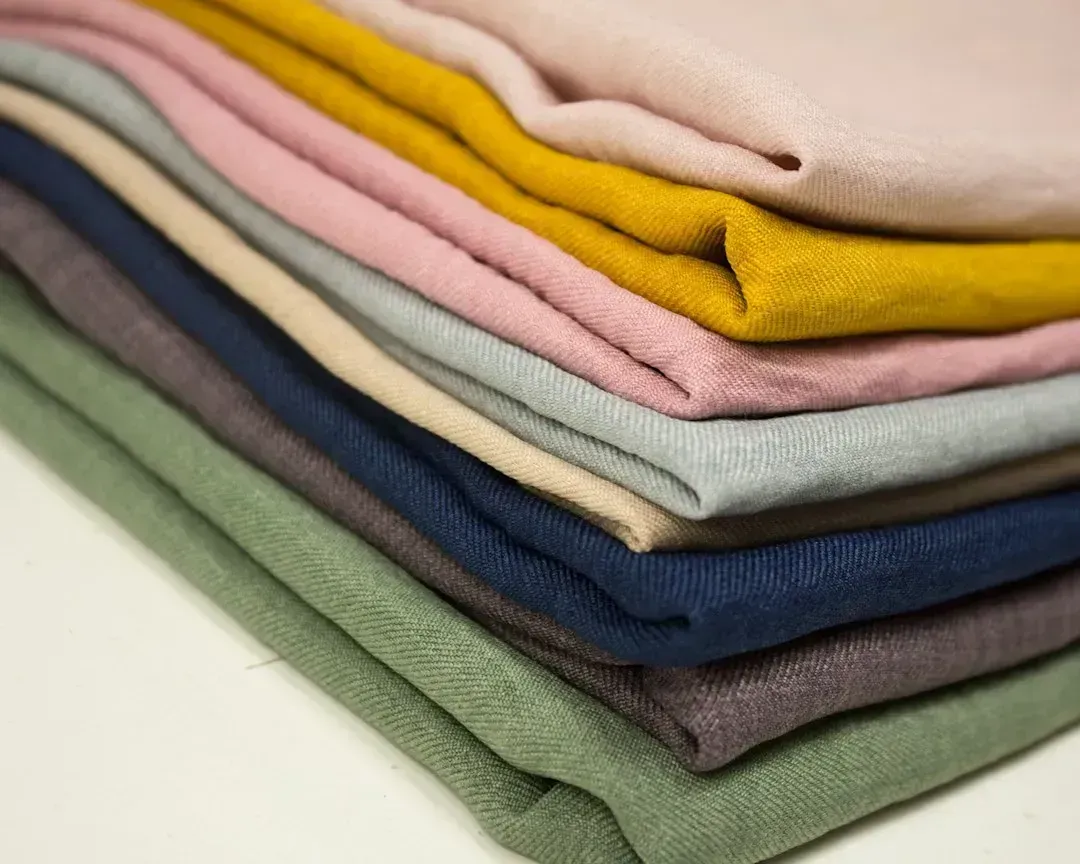
After harvest, the fiber is spun, woven or knitted, then dyed and finished. Water is used at every step, first to mix in chemicals and dyes, and then to rinse and set them. Wet processing can require an additional 100 to 200 liters per kilogram of fabric.
The volume is only part of the issue. Textile dyeing and finishing are estimated to account for about 20 percent of industrial water pollution, according to one industry statistics compilation. Figures like this vary by source, so they work best as rough indicators.
The Industry’s Total Water Bill
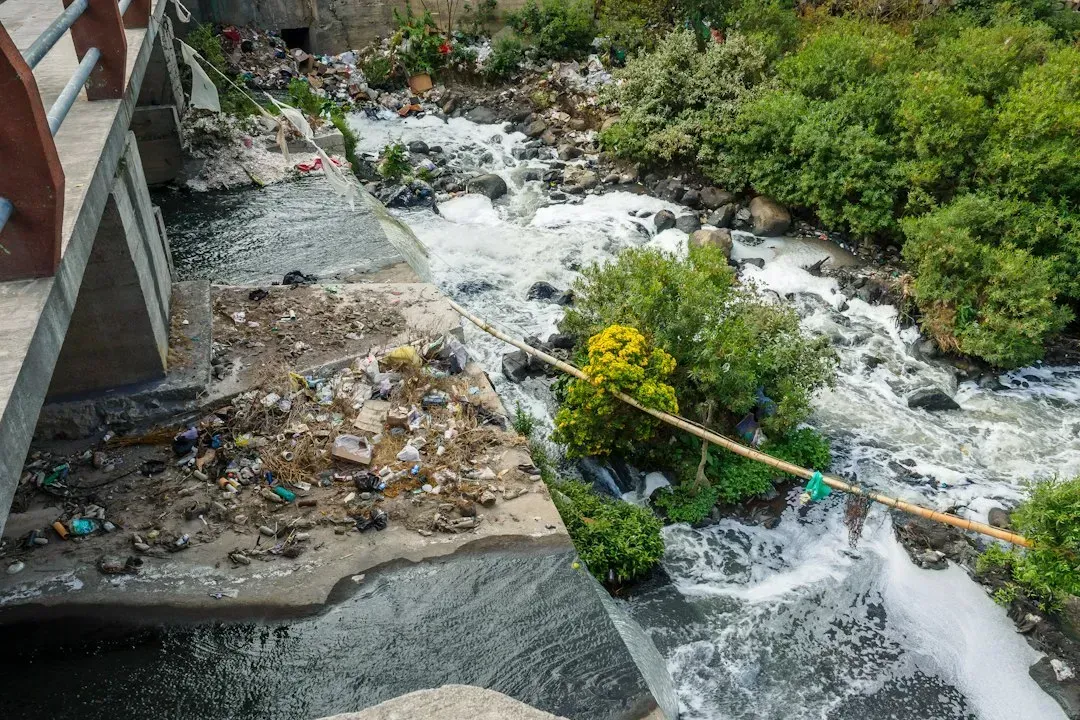
Scale that single shirt up and the totals are huge. The textile sector ranks as the second largest water consumer after agriculture, with estimates of 79 to 93 billion cubic meters a year.
A common illustration comes from a UK magazine feature. The industry uses enough water to fill 37 million Olympic-sized swimming pools each year. The pool count shifts depending on which cubic meter estimate is used, which explains why older reports say 32 million.
Why Fast Fashion Makes It Worse

Fast fashion doesn’t change how much water one shirt needs. It changes how many shirts get made. Cheap prices and rapid trend cycles push volumes up, and each extra garment carries its share of irrigation and dyeing.
Consider the UK as one example. The average Briton buys 26.7kg of garments each year, and the water needed to produce that could supply a typical UK household for more than 18 months. Price tags rarely reflect any of it. Whether a tee costs $19 or $95, the cotton processing cost is roughly the same.
Water Taken From Places That Can Least Afford It
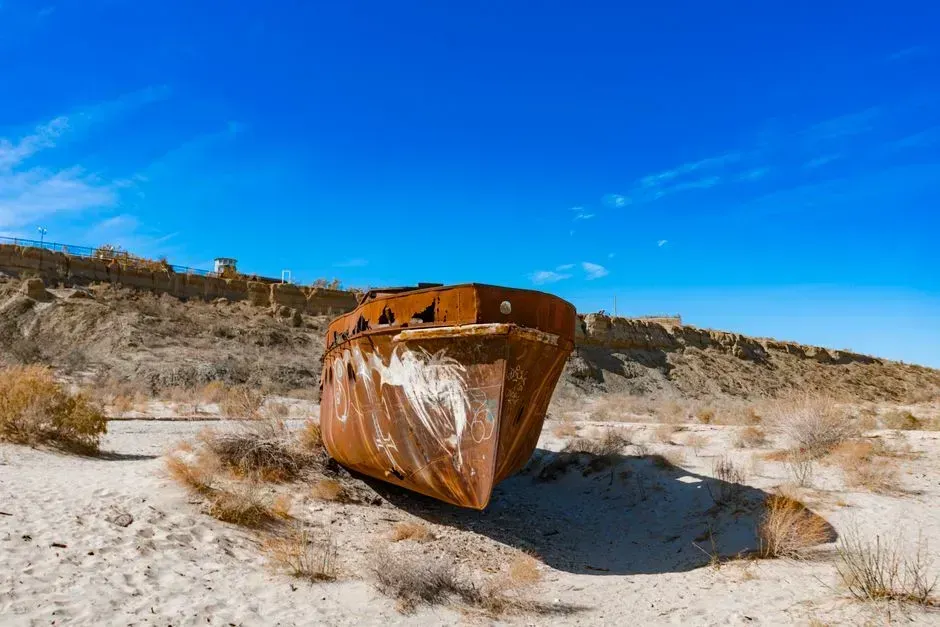
Much of the water footprint sits far from the shopper. Irrigation becomes especially problematic in areas already facing water shortages. Cotton grown in dry regions can strain rivers and aquifers that local communities also depend on.
The Aral Sea is the best known case. Large quantities of water were diverted from the Amu Darya and Syr Darya rivers for cotton, contributing to the sea’s dramatic decline. South Asia faces its own pressure, as flood irrigation is widely used in Pakistan, and cotton in several parts of India depends heavily on irrigation.
Jeans and Other Heavier Hitters
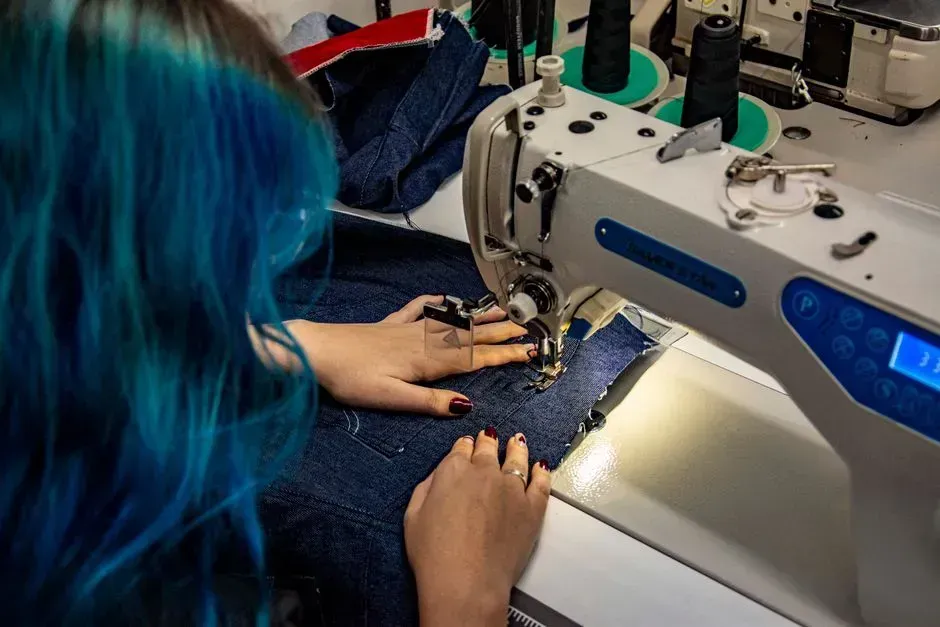
The tee isn’t even the worst offender. A single pair of jeans can require up to 9,000 litres of water to produce. Other estimates are lower, with one range running from 3,800 to 10,000 liters depending on the wash and dyeing process.
The spread between those numbers is a reminder that finishing choices matter. Heavy washing, distressing and acid effects add steps, and every step needs water. Simpler finishes generally mean less.
Cleaner Mills and Water Reuse
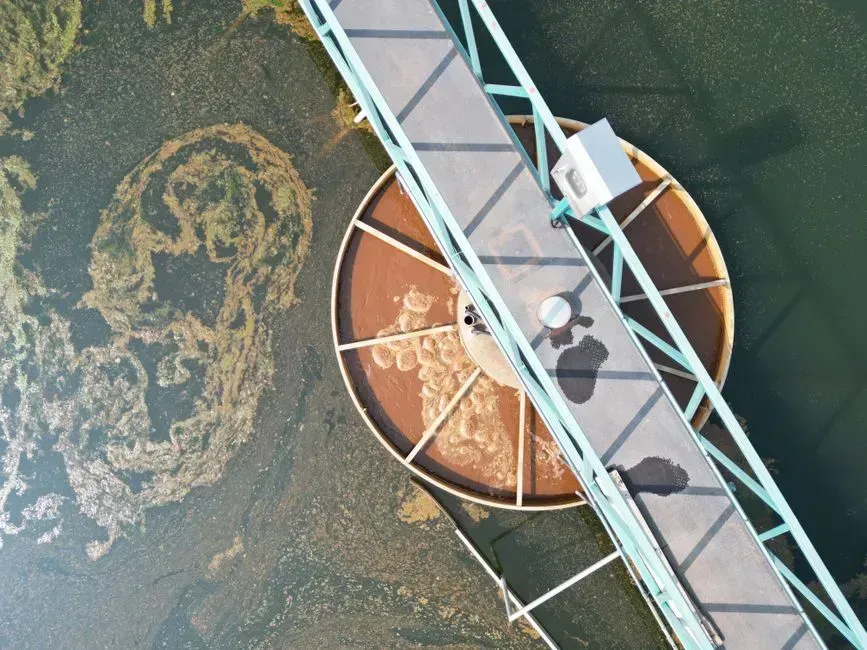
Some of the footprint can be trimmed inside the factory. Ultrafiltration and reverse osmosis can substantially reduce freshwater demand by recovering dye bath water. Membrane bioreactors can also treat textile wastewater so it can be reused in dyeing.
These technologies address mills, not farms, so they don’t touch the largest share of the footprint. Field level changes, such as using rain-fed cotton or better irrigation, matter more for the total. Both layers are needed to move the numbers meaningfully.
What Buyers Can Do With Their Closets

Wearing clothes longer is one of the simplest levers. Research from WRAP says extending a product’s active life by three months could cut its water and waste footprint by 5 to 10 percent.
Buying secondhand helps too. If every person in the UK bought one pair of second-hand jeans instead of new ones, the water savings would be one trillion bottles. Choosing fewer, better made pieces spreads that 2,700 liters over many more wears.

- Crows Remembering Human Faces for Decades – 6 Bird Behaviors Far Smarter Than We Knew - November 15, 2026
- 8 Things Astronauts Do on Their First Day in Orbit That Rookies Find Strange - November 15, 2026
- 11 Everyday Routines That Are Completely Normal on the Space Station but Baffle Everyone on Earth - November 15, 2026
