

Wildfire seasons in California and parts of Southern Europe have shifted noticeably in recent years. Researchers point to warmer conditions that dry out vegetation sooner than in past decades. This change extends the window when fires can ignite and spread rapidly.
Observations from the past three decades show the trend clearly in many areas. Earlier starts mean more time for fuels to become flammable before peak summer heat arrives. Both regions face similar pressures from a warming climate that alters moisture levels in soils and plants.
Warmer Temperatures Accelerate Drying

Higher average temperatures play a central role in advancing fire season onset. In California, studies attribute much of the shift to increased warmth that raises vapor pressure deficit and pulls moisture from vegetation. This effect appears across multiple ecological zones in the state.
Southern Europe experiences comparable warming that intensifies summer heatwaves. The Mediterranean basin has warmed faster than the global average in recent decades. These conditions leave fuels drier for longer stretches each year.
Earlier Snowmelt in Mountain Regions
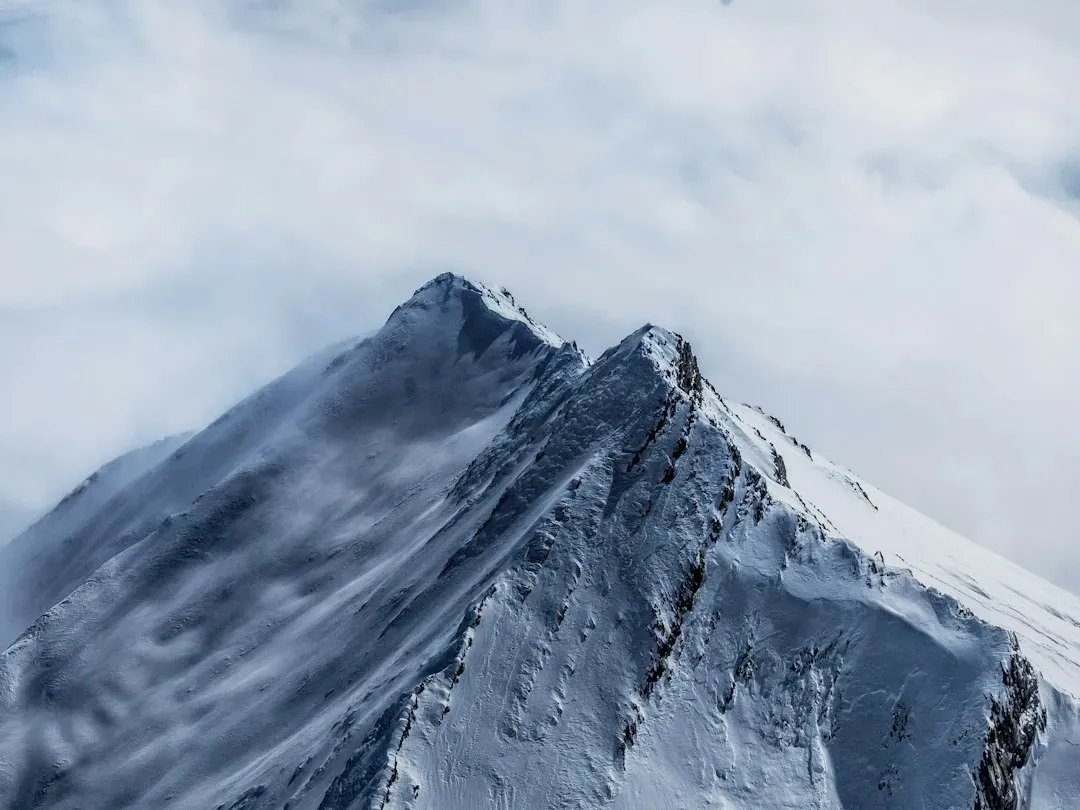
California’s northern mountains and Sierra Nevada have seen snowpack melt weeks ahead of historical schedules. Reduced snow cover exposes soils and plants to drying winds and sun earlier in spring. This change directly contributes to earlier fire potential in those areas.
Similar patterns occur in higher elevations of Southern Europe where winter snow influences spring moisture. Less persistent snow leads to quicker transitions to flammable conditions. Researchers link these shifts to broader temperature increases.
Reduced Fuel Moisture Across Landscapes

Lower moisture content in live and dead vegetation creates ideal conditions for early ignition. In California, fuel aridity driven by climate factors explains much of the year-to-year variation in season start dates. Drier fuels allow fires to take hold with less prompting from weather events.
Southern European forests and shrublands show parallel declines in moisture retention. Hotter air holds more water vapor, increasing evaporation rates from plants. This leaves landscapes primed for fire weeks sooner than in cooler periods.
Regional Differences Within California
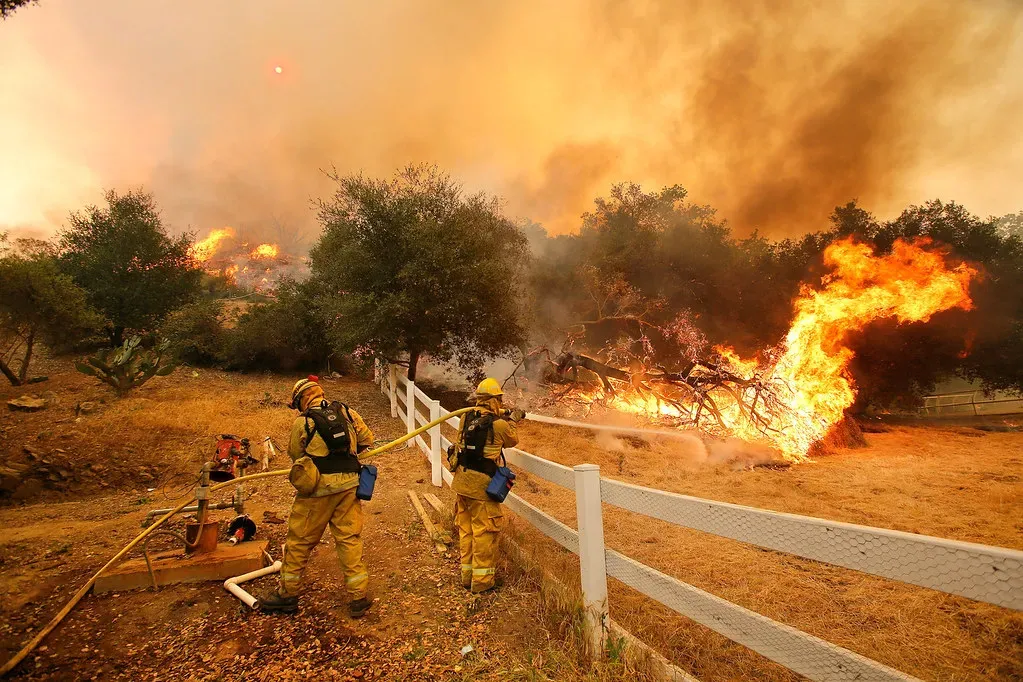
Northern California ecoregions display stronger advances in fire season timing compared to southern zones. Some northern areas now see activity begin up to several weeks earlier than in the early 1990s. Southern regions experience more modest but still noticeable shifts.
These variations reflect differences in vegetation types and historical climate baselines. Arid southern landscapes already operate near fire thresholds, while northern forests benefit from more seasonal moisture that is now arriving later. The pattern holds across nearly all of the state’s diverse ecosystems.
Intensifying Conditions in Southern Europe
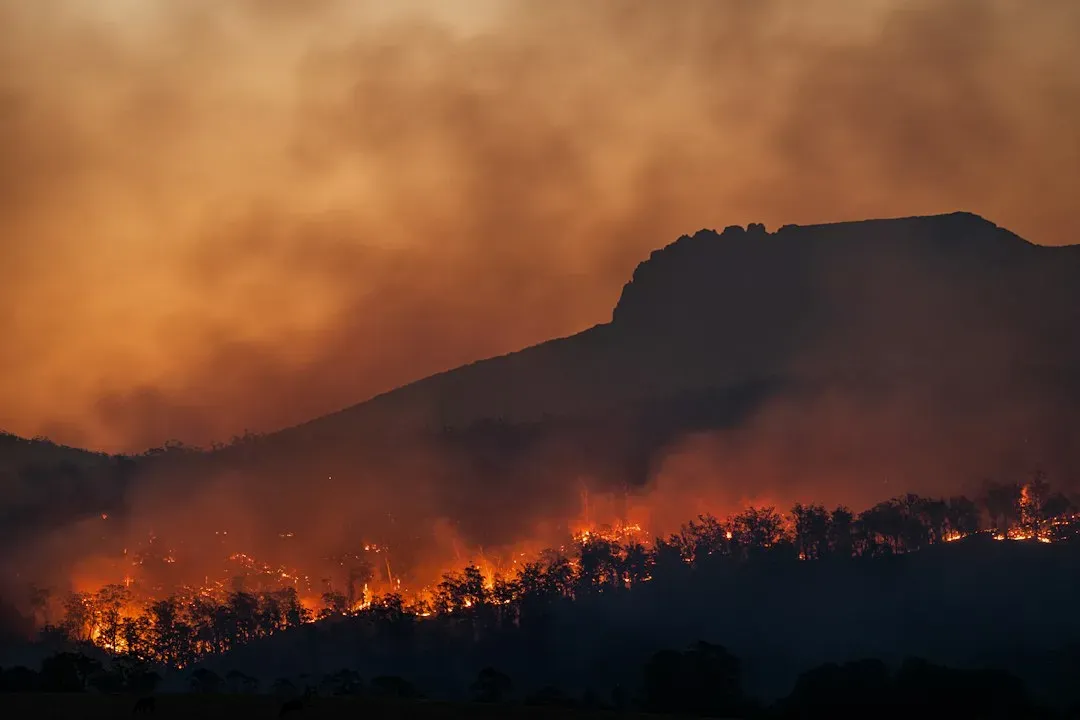
Fire weather extremes have become more frequent across the Iberian Peninsula, Italy, Greece, and surrounding areas. Days with extreme fire-prone conditions have more than doubled in many locations since the 1980s. Record seasons in 2025 highlighted how quickly conditions can escalate.
Hotter and drier summers combine with occasional strong winds to extend risk periods. While suppression efforts have improved, the underlying weather drivers now push dangerous conditions into earlier months. This mirrors the lengthening seasons observed elsewhere.
Land Management and Ignition Factors
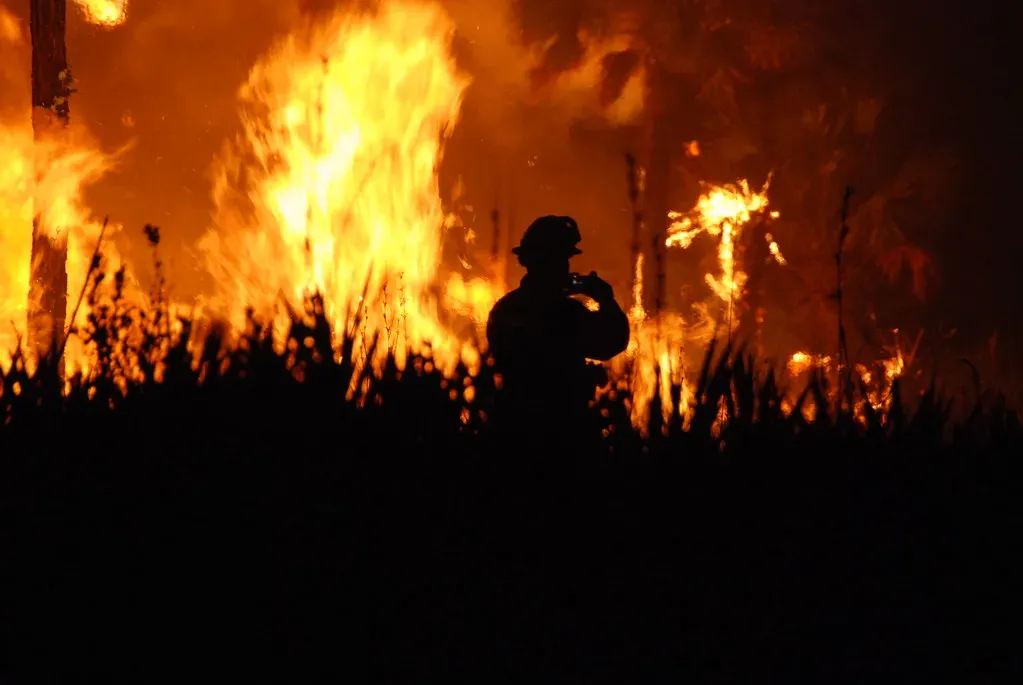
Human ignitions have not increased in California over recent decades and in some cases have declined. The earlier season timing aligns more closely with climate signals than with changes in how fires start. Vegetation buildup plays a secondary role compared to drying trends.
In Southern Europe, rural depopulation has left some areas with denser fuels from reduced grazing and management. Yet the primary driver of earlier extreme weather remains temperature and moisture shifts. Both factors interact to raise overall risk.
Challenges for Fire Preparedness
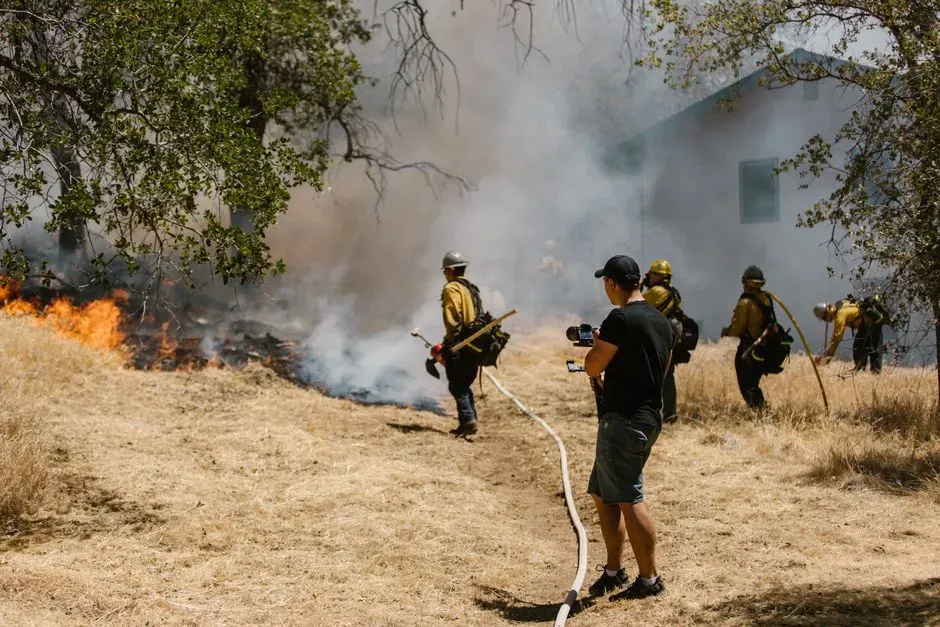
Agencies must adjust calendars for staffing and equipment readiness as seasons begin sooner. Traditional boundaries for fire preparedness no longer match observed patterns in many locations. Extended periods of elevated danger strain resources over longer stretches.
Early season fires can also set the stage for larger events later when conditions peak. More time under flammable conditions increases the chance for rapid growth once ignition occurs. Planning now incorporates these extended windows.
Looking Ahead to Continued Shifts
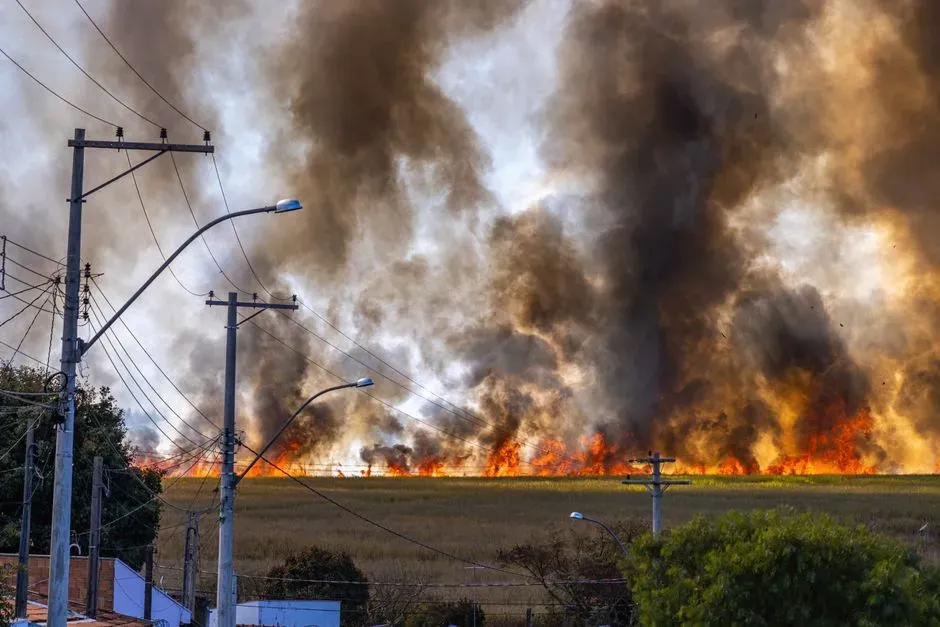
Projections indicate that ongoing warming will push fire season starts even earlier in coming years. Both California and Southern Europe face the likelihood of further expansion in the annual fire window. Adaptation strategies focus on fuel reduction and community resilience.
Monitoring fuel moisture and early weather patterns helps anticipate risks. The evidence from recent studies underscores the need for proactive measures tied to climate trends. These changes represent a lasting adjustment rather than a temporary fluctuation.

- The Shoreline Sucked Dry in Seconds – 5 Tsunami Signals Beachgoers Mistake for Low Tide - November 14, 2026
- 9 Dark-Sky Destinations Around the World Where the Stars Look Unreal - November 14, 2026
- The Fault Line That Never Slips – 7 Locked Seismic Zones Overdue for a Massive Release - November 14, 2026
