

- Phantom Energy Sucking Power 24/7 – 7 Home Electronics Quietly Inflating Utility Bills - November 14, 2026
- A Million-Mile Storm Raging for Centuries – 6 Violent Weather Wonders in Our System - November 14, 2026
- Animals Flee Hours Before the Tremor – 7 Natural Warnings Before Disasters Strike - November 14, 2026
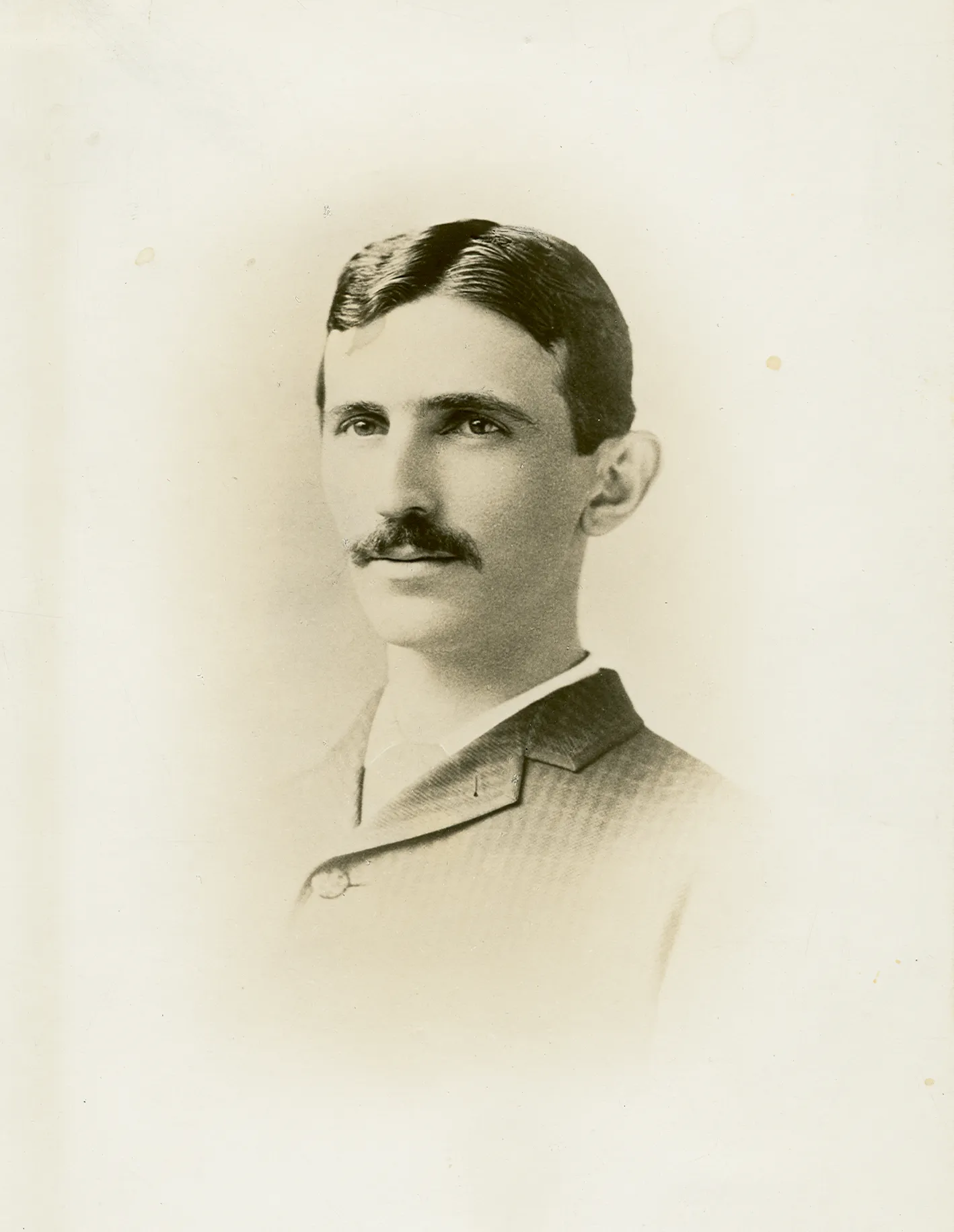
Nikola Tesla and His Fear of Germs and Round Objects
Nikola Tesla, the inventor behind alternating current, developed one of the most talked about phobias in scientific history. He could not stand the sight of pearls, and to the extent that he refused to speak to women wearing them, once sending his secretary home for the day when she wore pearl jewelry to work. No one has ever fully explained the aversion, though some historians link it to his broader discomfort with round or spherical objects.
His germaphobia had a clearer origin story. His fear of germs began after he observed through a microscope the many microscopic creatures found in normal drinking water, describing the horrible creatures he saw as hairy and ugly beyond anything imaginable. From that point on, Tesla insisted on excessive cleanliness, favoring gloves and elaborate handwashing rituals that intensified as he aged.
Charles Darwin and the Panic That Shaped Evolution
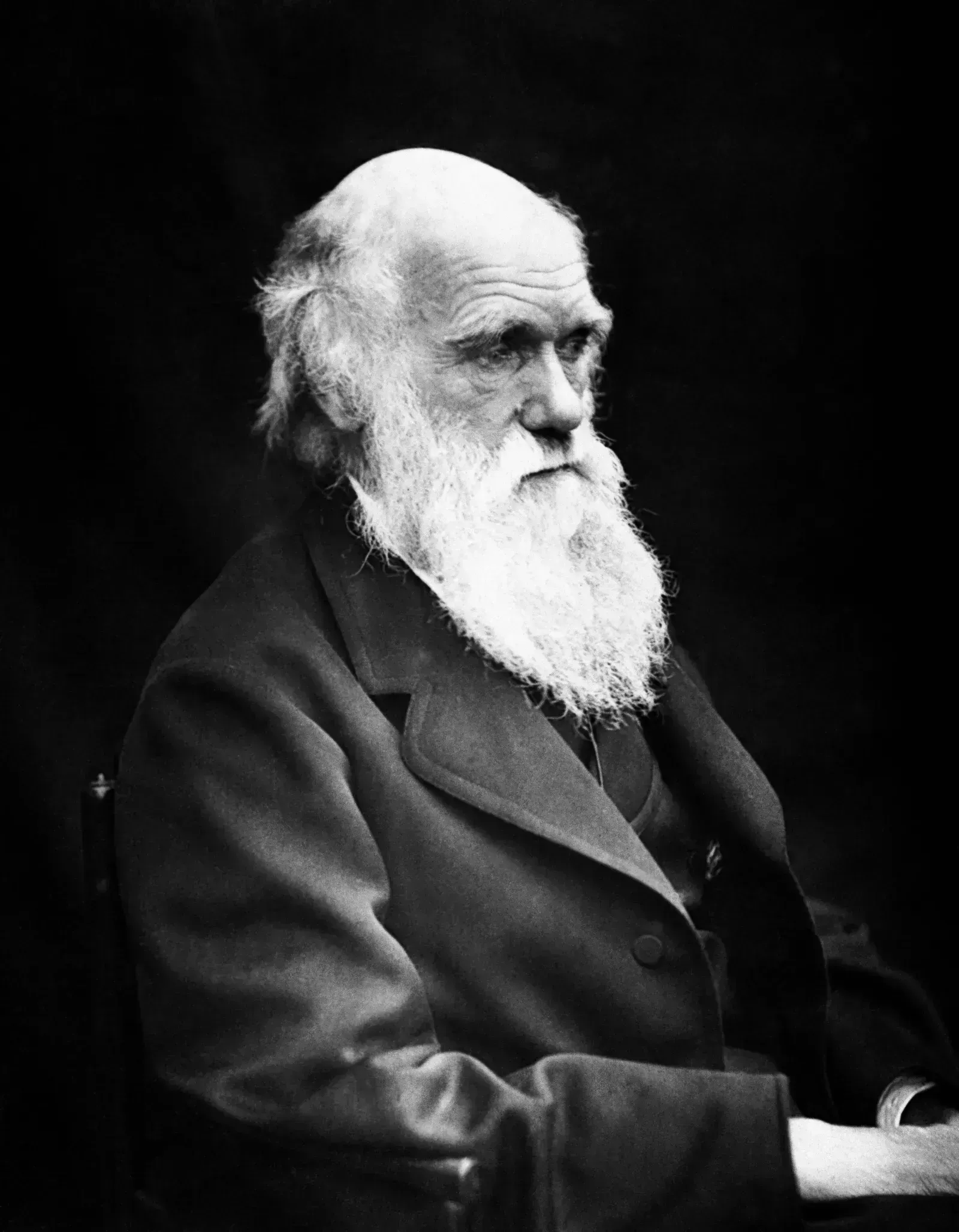
Charles Darwin returned from his five year voyage on the HMS Beagle as a confident, adventurous young man, yet within a few years he had become something close to a recluse. Researchers who studied his letters and health diaries later concluded that he most likely suffered from panic disorder and agoraphobia, or fear of open spaces. The attacks brought heart palpitations, shortness of breath, and an overwhelming dread that something terrible was about to happen.
What makes Darwin’s case so striking is the theory that his illness actually helped produce his most famous work. Medical researchers have argued that had it not been for this illness, his theory of evolution might not have become the all consuming passion that produced On the Origin of Species. Darwin himself seemed to sense this trade off, writing that his poor health had cost him years of his life but had also spared him from the demands of social life.
Pythagoras and His Strange Aversion to Beans
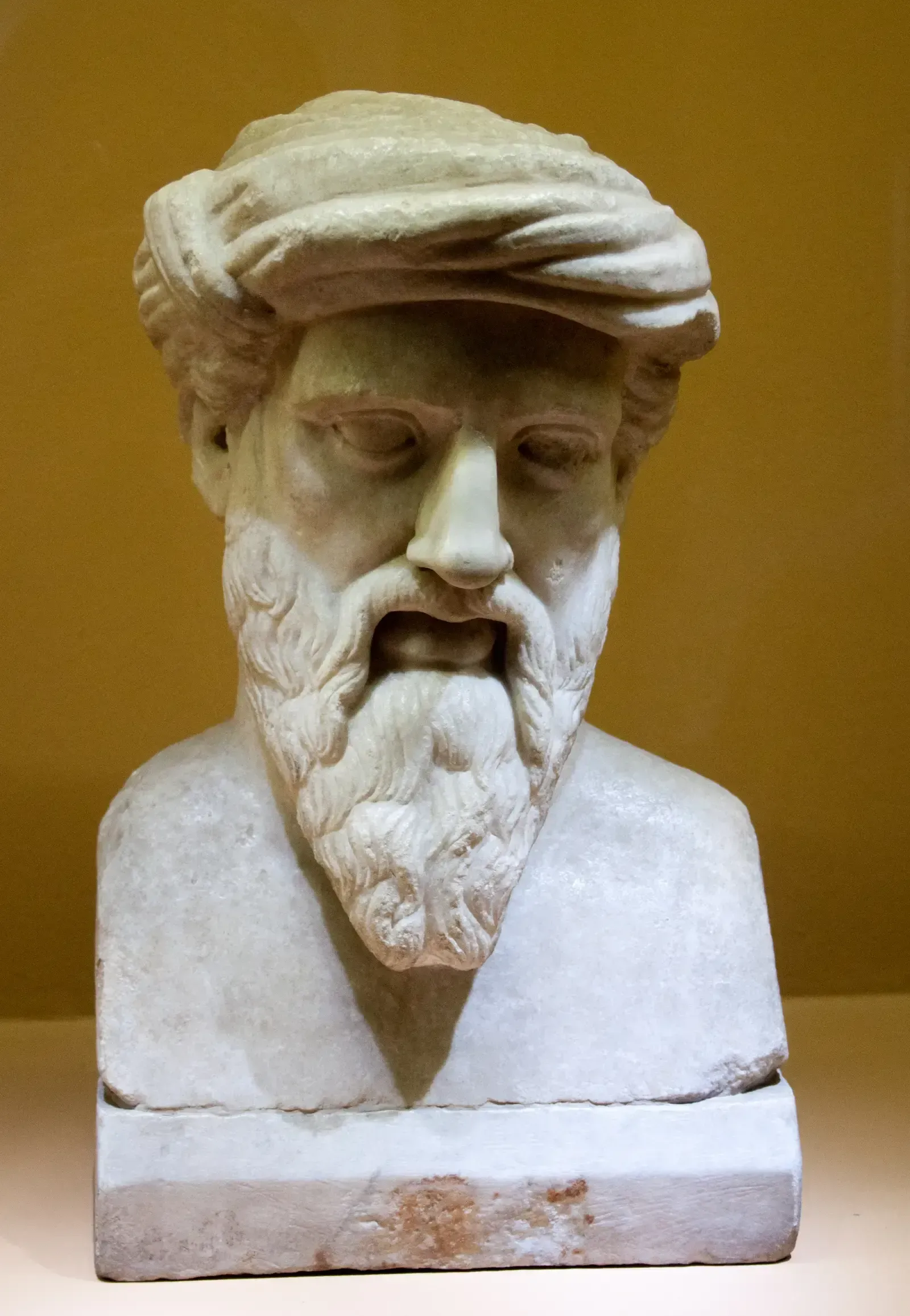
Long before modern psychology had a name for irrational fears, the ancient Greek mathematician Pythagoras carried one that still puzzles historians today. He was, according to multiple ancient sources, a notorious hater of beans, specifically fava beans, and he strictly forbade his followers, the Pythagoreans, from coming into contact with them. This was not a passing dietary preference but a rule enforced with near religious seriousness within his philosophical community.
The legend surrounding his death only deepens the mystery. One account holds that Pythagoras had a cult of followers who avoided the fava bean, and one theory surrounding his death involves the bean, with the irony being apparent. Whether the story is fully accurate or partly myth, it has survived for over two thousand years as one of the oddest phobias ever attributed to a scientific mind.
Alfred Nobel and the Fear of Being Buried Alive
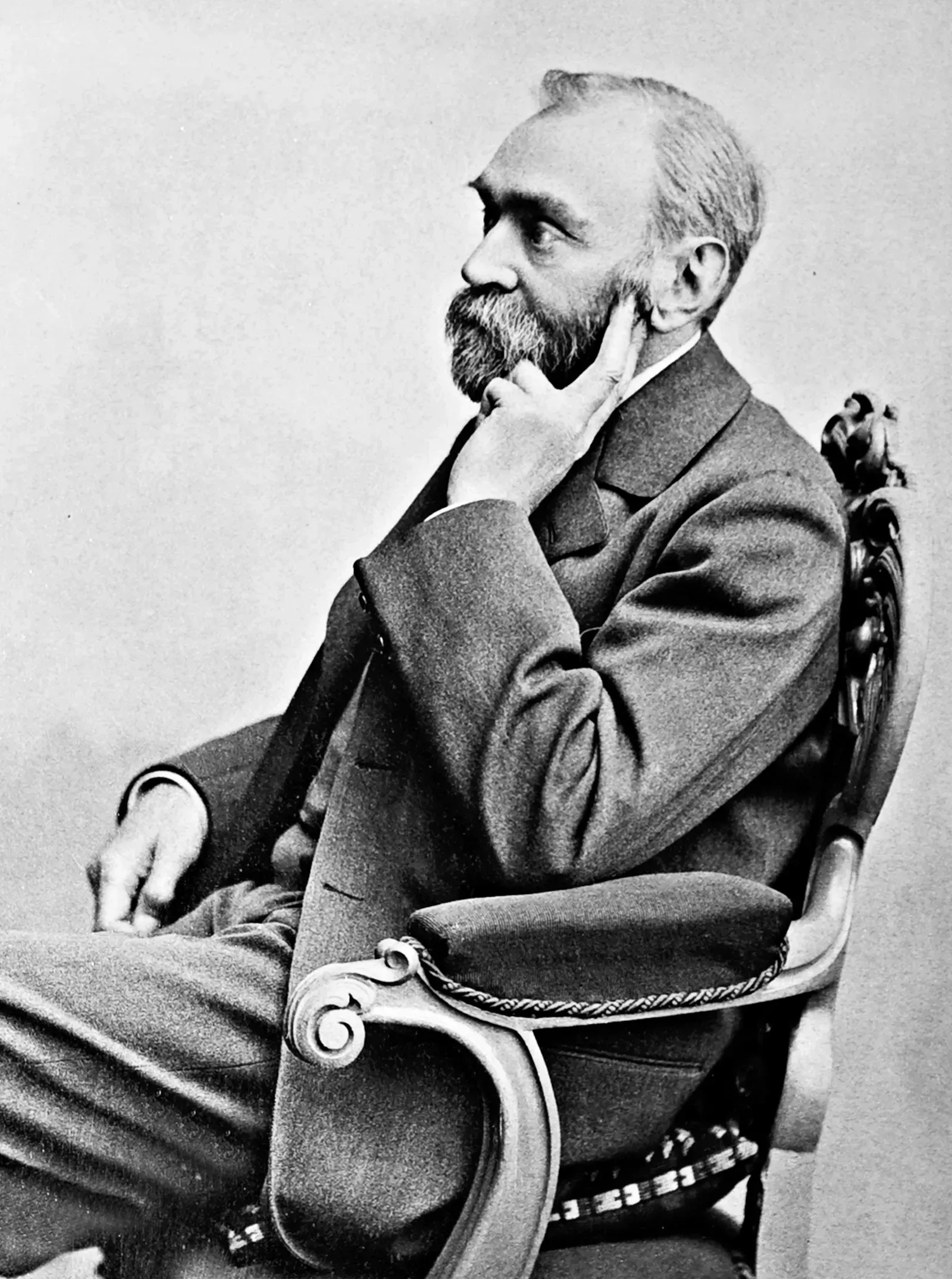
Alfred Nobel, the chemist who invented dynamite and later established the Nobel Prizes, lived with a persistent dread of premature burial. This fear, known formally as taphophobia, was not unusual for the era in which he lived, since medical science at the time struggled to reliably confirm death in every case. Nobel reportedly instructed that his veins be cut after death as a precaution, wanting absolute certainty before burial.
His anxiety reflected a broader unease that ran through nineteenth century Europe, where stories of people waking up in coffins circulated widely enough to shape funeral customs. Nobel’s wealth and scientific standing did nothing to ease this particular worry. It stands as one of the more human details behind a man whose name is now permanently attached to the highest honors in science.
Sigmund Freud and His Superstitious Fear of Trains and Numbers
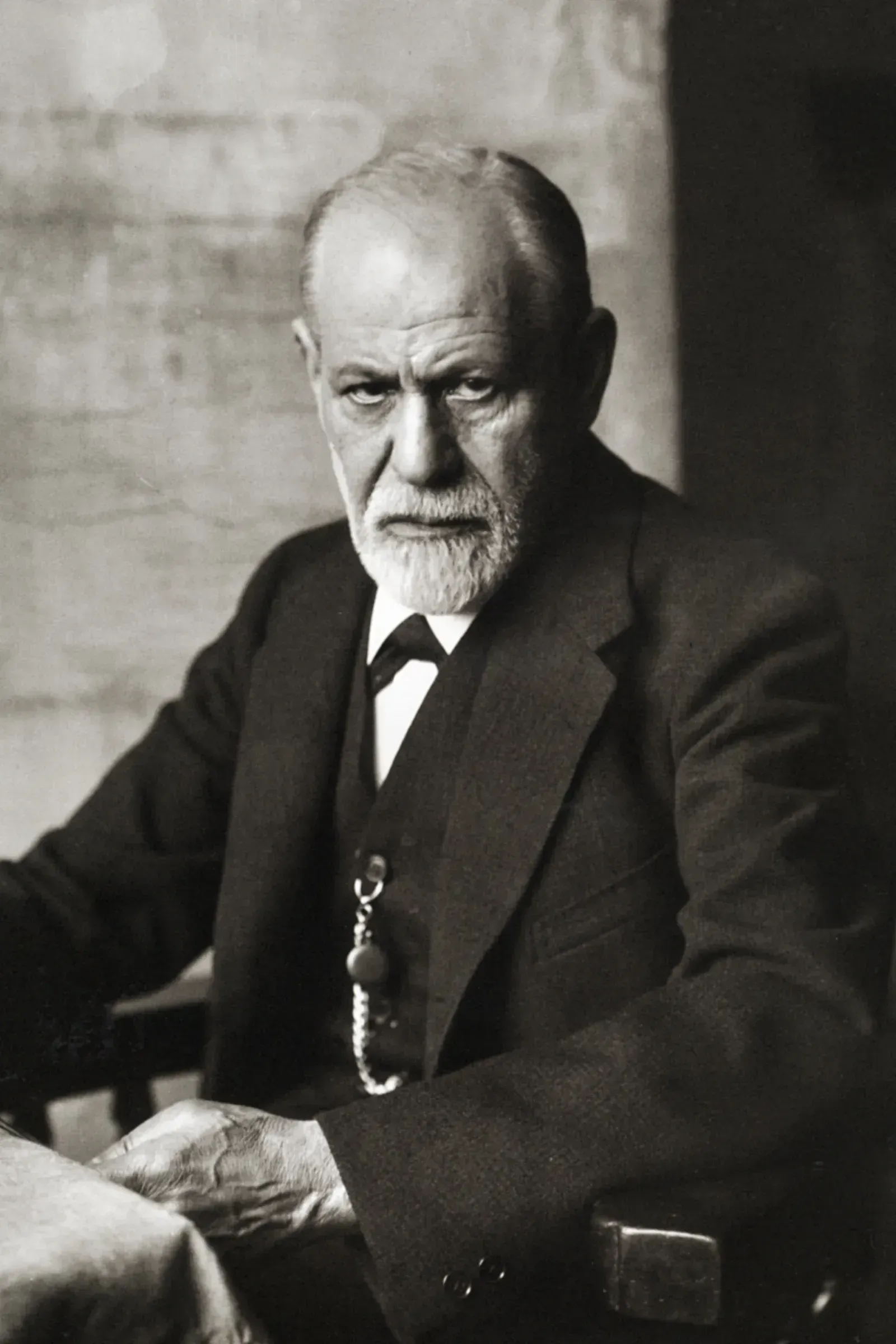
Sigmund Freud spent his career analyzing the fears of others, yet he carried a few unusual ones of his own. He is widely reported to have had a fear of train travel, a condition sometimes called siderodromophobia, which he connected in his own writing to childhood memories and early anxieties about separation. Freud’s interest in the unconscious mind may well have been sharpened by his own struggles with irrational dread.
He also held a long standing superstition about numbers, becoming convinced at one point that he would die at a specific age tied to a hotel room number he associated with bad luck. This kind of numerical fixation is not a classic phobia in the clinical sense, but it shows how even the founder of psychoanalysis was not immune to the same irrational patterns he spent his life studying in patients.
Blaise Pascal and the Terror of the Void
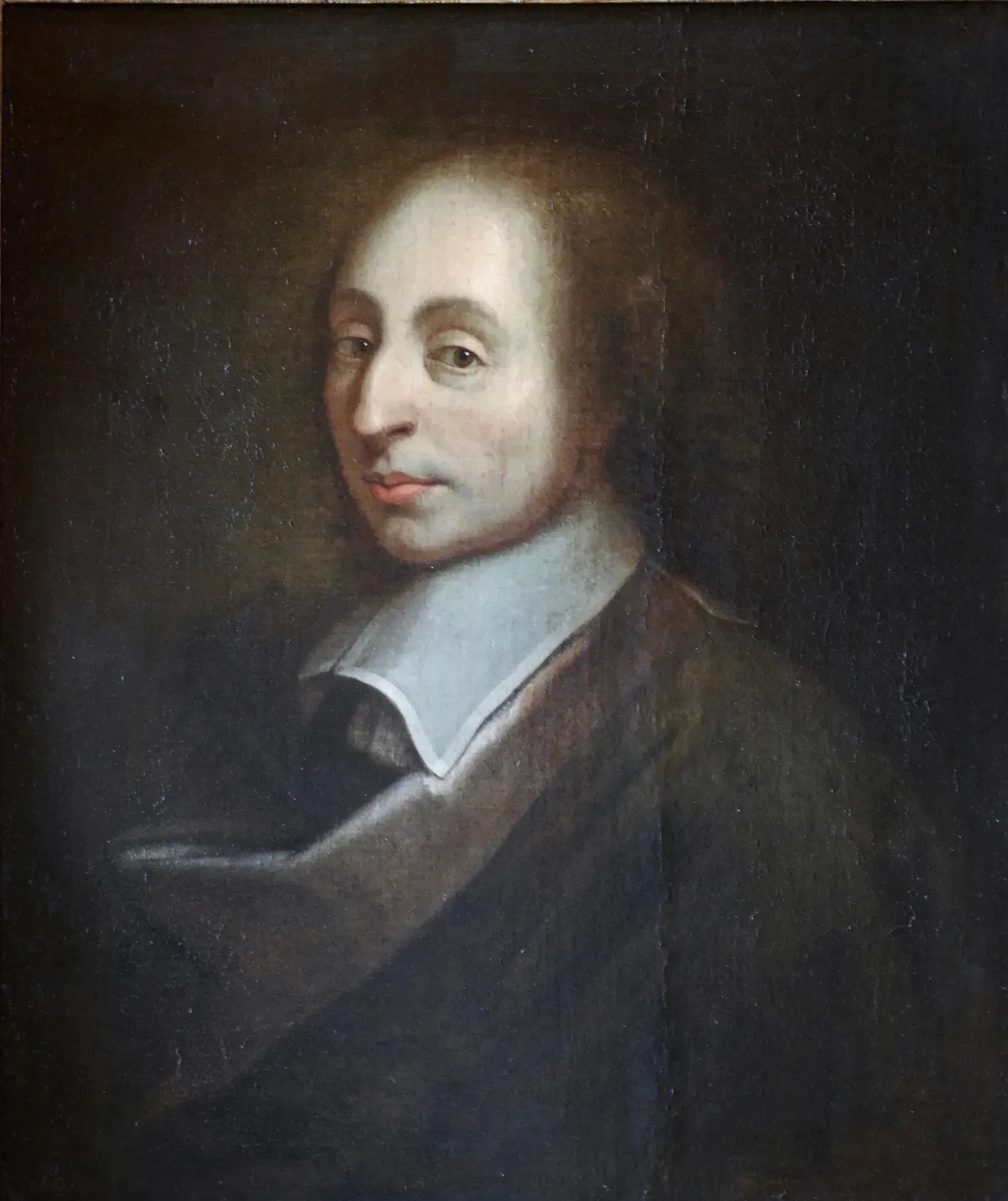
Blaise Pascal, the mathematician and physicist credited with early work on probability and pressure, reportedly developed an intense fear of empty space after surviving a carriage accident in which his horses ran off a bridge. Biographers have described how he would sometimes see an imaginary abyss beside him, prompting him to insist that a chair or piece of furniture always be placed at his side. The fear appears to have stayed with him for the rest of his relatively short life.
There is a certain irony in a man famous for studying vacuums and pressure being personally haunted by empty space in a psychological sense. Pascal’s scientific work on the nature of a vacuum, most notably his experiments building on Torricelli’s research, stands in odd contrast to the private terror he reportedly carried about voids in his everyday life. His case is often cited as an early example of how physical trauma can produce lasting psychological fear.
Isaac Newton and His Fear of Public Scrutiny
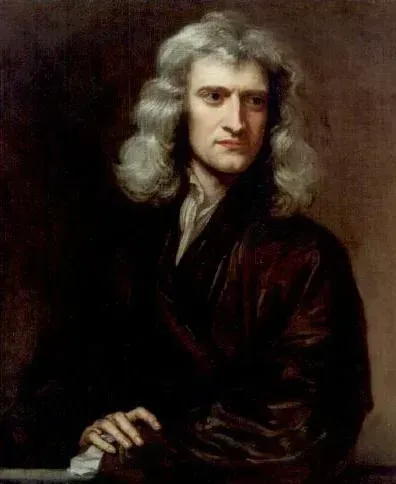
Isaac Newton is remembered for laws of motion and gravity, but he was also known among his contemporaries for an almost pathological aversion to criticism and public exposure. He delayed publishing some of his most important work for years, reportedly because earlier disputes over his ideas on light and color had left him deeply unsettled by the prospect of further attack. This reluctance shaped the pace and secrecy of much of his career.
Newton’s discomfort extended into his personal life as well, where he kept his extensive alchemical studies hidden from public view, aware that they would have damaged his scientific reputation if revealed. Whether this counts as a true phobia in the clinical sense or simply an extreme sensitivity to judgment is debated among historians. Either way, the fear of scrutiny clearly influenced how and when Newton chose to share his discoveries with the world.
Immanuel Kant and His Obsession With Drafts and Germs
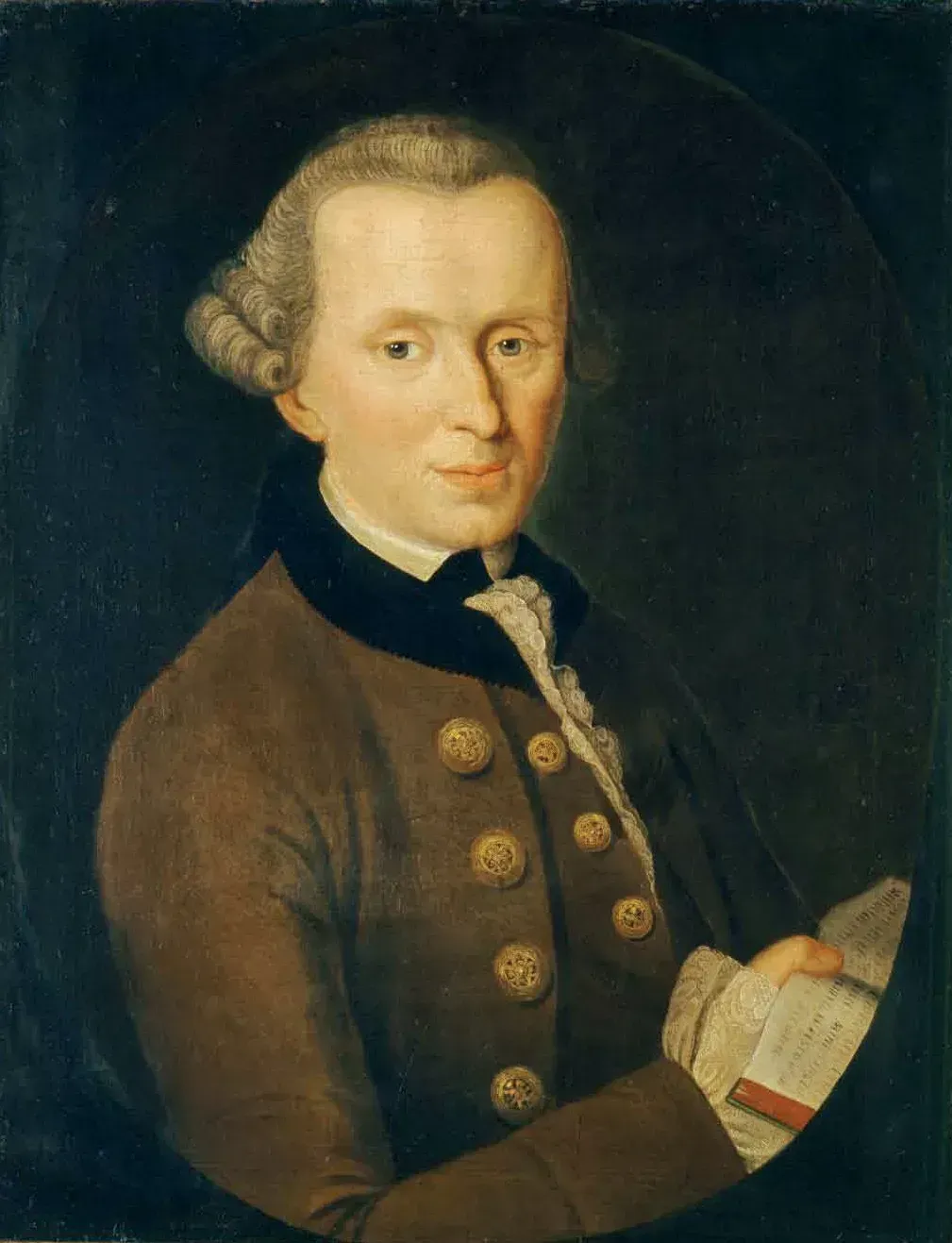
Immanuel Kant, whose ideas on cosmology and the nature of the universe influenced generations of later scientists, was famous among his neighbors in Königsberg for an unusual sensitivity to fresh air and drafts. He reportedly kept his windows sealed and avoided situations where a sudden breeze might reach him, fearing it would harm his health. This rigid attention to his environment extended into a broader pattern of germ avoidance and strict daily routines that rarely varied by more than a few minutes.
Kant’s habits were so predictable that residents of his hometown are said to have set their clocks by his daily walks, always taken at the same hour and along the same path. While this level of routine control is sometimes framed simply as personality quirks, the intensity of his aversion to drafts and contamination fits closely with what modern clinicians would recognize as a specific phobia. It offers a glimpse into how deeply personal fears can shape even the most disciplined and structured of scientific minds.
