


- Phantom Energy Sucking Power 24/7 – 7 Home Electronics Quietly Inflating Utility Bills - November 14, 2026
- A Million-Mile Storm Raging for Centuries – 6 Violent Weather Wonders in Our System - November 14, 2026
- Animals Flee Hours Before the Tremor – 7 Natural Warnings Before Disasters Strike - November 14, 2026
When smoke drifts into a neighborhood, most of us close the windows and hope for the best. That helps a little, but a house isn’t sealed, and fine smoke particles find their way in through gaps, doors and ventilation.
The EPA has published practical guidance on what to do next, and it covers everything from buying a portable air cleaner to building one from a box fan. Here are the main points, in plain terms.
Why Smoke Particles Are a Problem Indoors
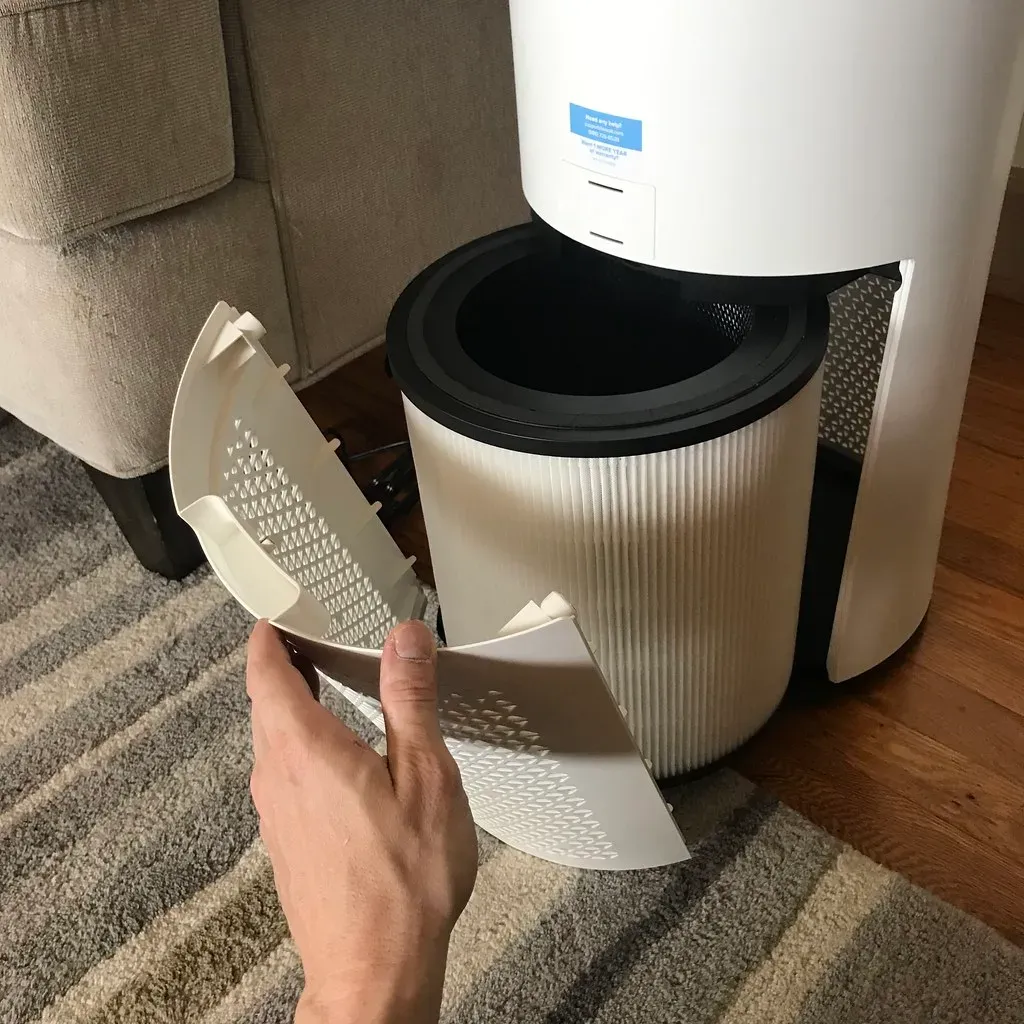
Much of the concern comes from very fine particles known as PM2.5. EPA research shows the particles that make up most wildfire smoke are very fine, and air purifiers with HEPA filters and a strong fan remove them best.
Heat can make things worse. The EPA notes that being exposed to heat and smoke together may harm your health far more than either one alone. That’s why indoor cooling and cleaning often have to be handled together.
Get an Air Cleaner Before the Smoke Arrives
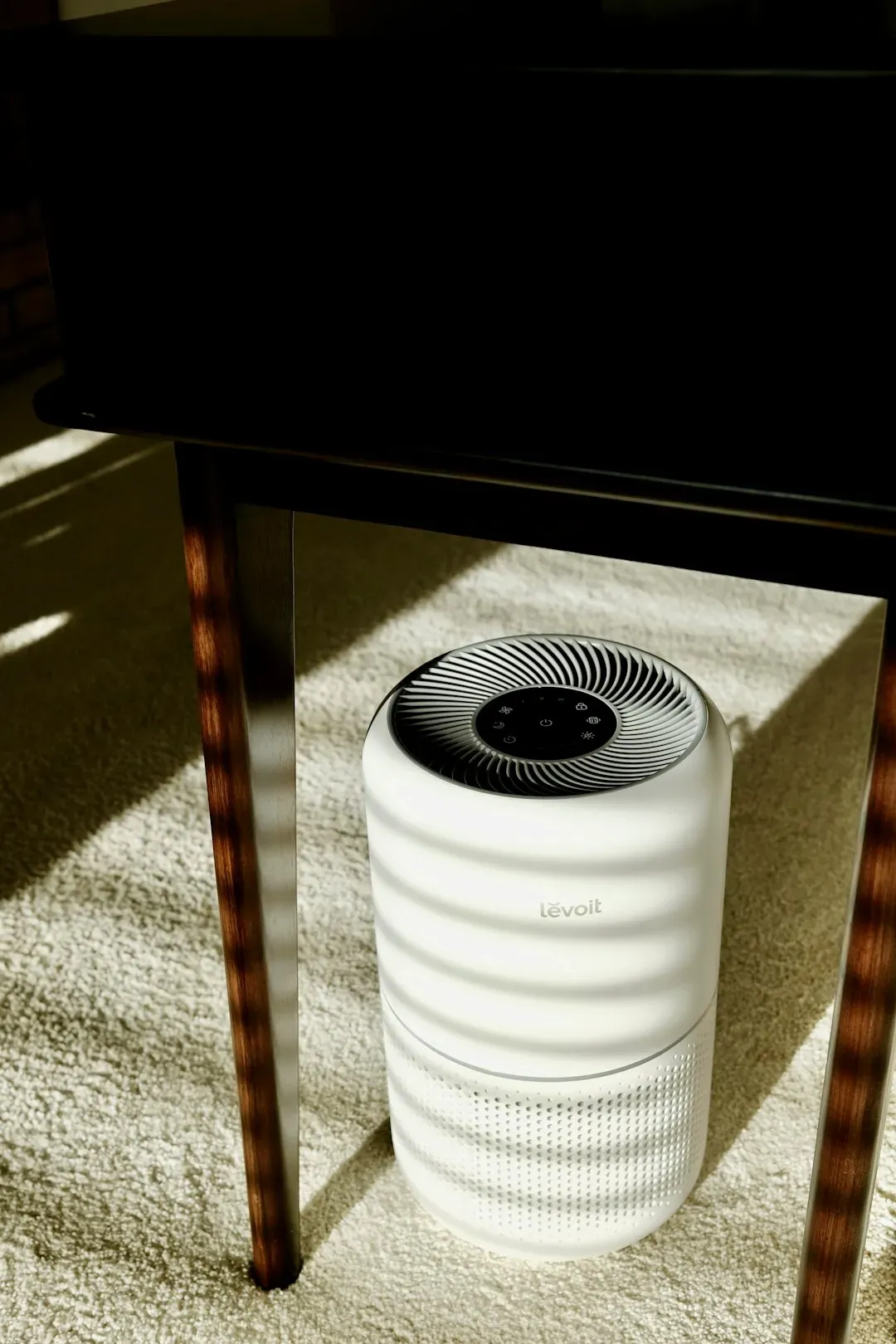
The EPA’s timing advice is simple. It tells people to buy a portable air cleaner, sometimes sold as an air purifier, and spare filters before a smoke event. Waiting until the sky turns orange usually means empty shelves and higher prices.
Keeping spare filters on hand matters too. A purifier with a clogged filter does little, and replacements can be hard to find in the middle of a smoke event.
Choosing the Right Size for Your Room
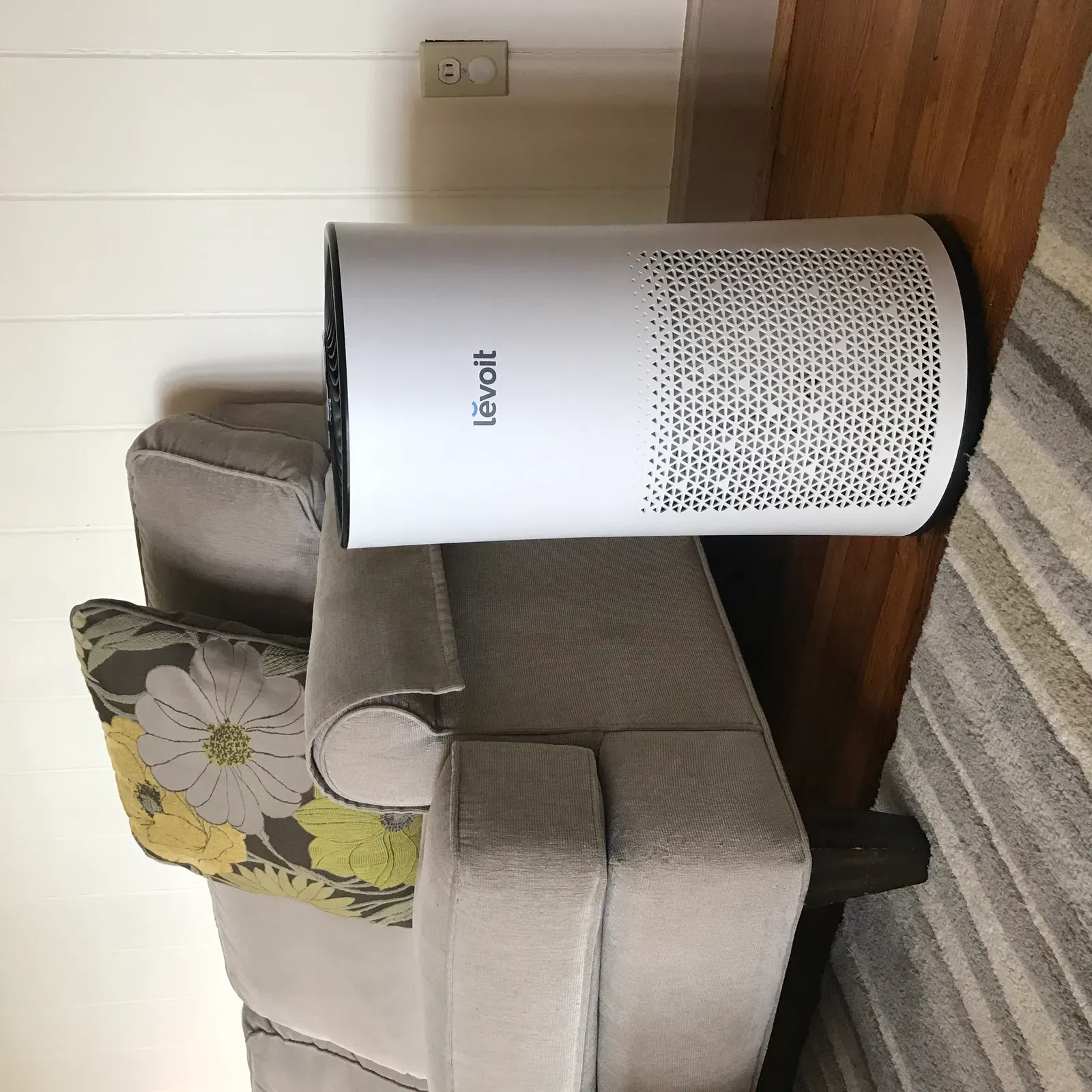
Sizing is where many people go wrong. The EPA says the air cleaner should be powerful enough for the room size. The measure to check is the smoke CADR, or clean air delivery rate.
One summary of the EPA’s rule of thumb gives a simple formula. The smoke CADR should be at least two thirds of the room’s square footage, so a 300 square foot room needs a rating of 200 or more. With ceilings above 8 feet, the EPA says to consider a unit sized for a larger area.
Watch Out for Ozone
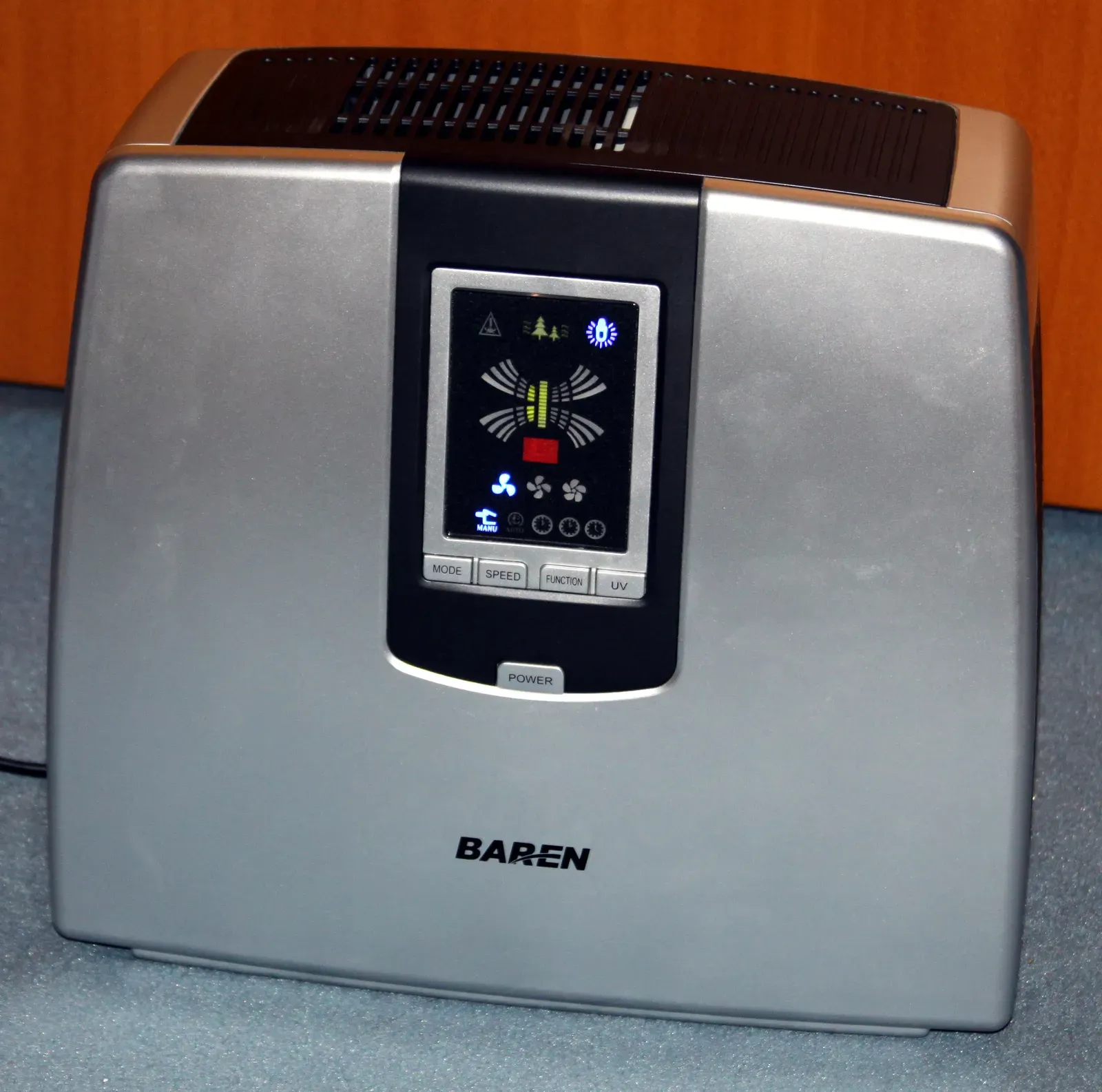
Not every device sold as an air purifier is a good idea. The EPA says the unit should produce little or no ozone, which is a harmful air pollutant. It points buyers to the California Air Resources Board’s list of certified air cleaners.
That certification has a numeric limit. CARB caps electronic air cleaners at 50 parts per billion of ozone. Ionizers and similar devices deserve a close look at the label before you buy.
Make One Room Your Cleaner Air Room
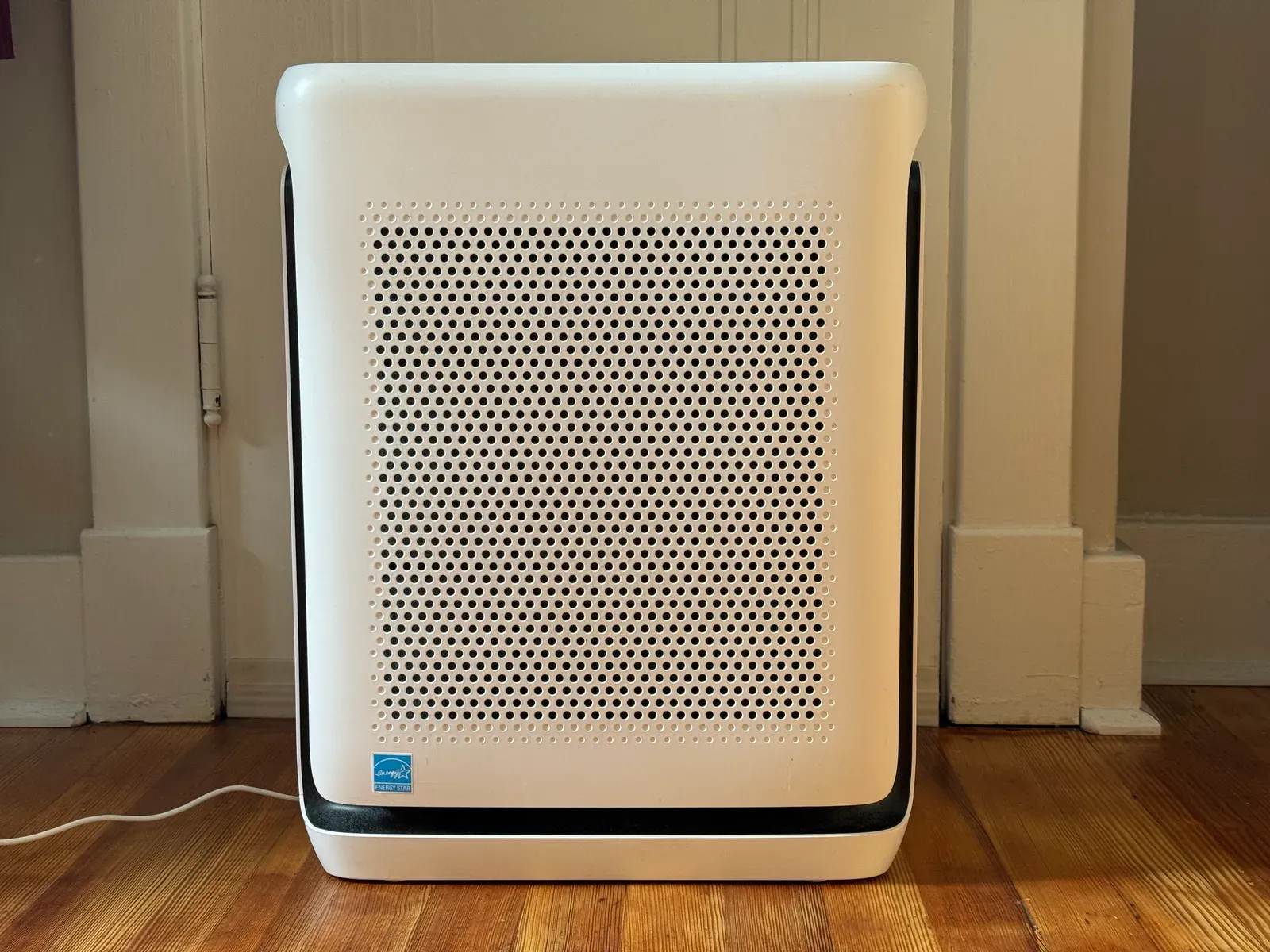
Cleaning a whole house during a smoke event is hard. The EPA’s approach is to concentrate effort in a single space. It recommends running a portable air cleaner in a cleaner air room during smoke events, on the highest setting and continuously.
Many households pick a bedroom, since people spend the most time there. Keeping doors and windows shut and running the unit constantly gives the best chance of lowering particle levels.
A Box Fan and Filter Can Work Too
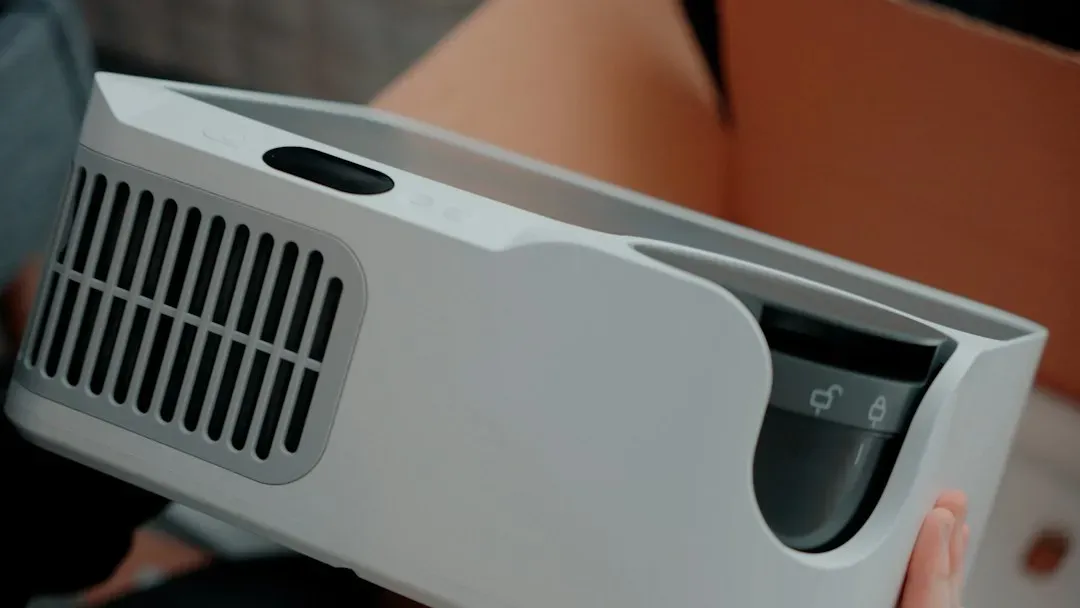
Commercial units aren’t always affordable. The EPA describes DIY air cleaners as a cost effective way to improve indoor air quality during smoke events. The basic version pairs a box fan with a MERV 13 air filter.
There are a few safety and performance details. The EPA says to use only newer, certified box fans with added safety features, meaning 2012 models or newer. It also suggests adding a cardboard shroud, using a thicker 4 inch filter, or using multiple filters to improve results.
Your Home’s HVAC System
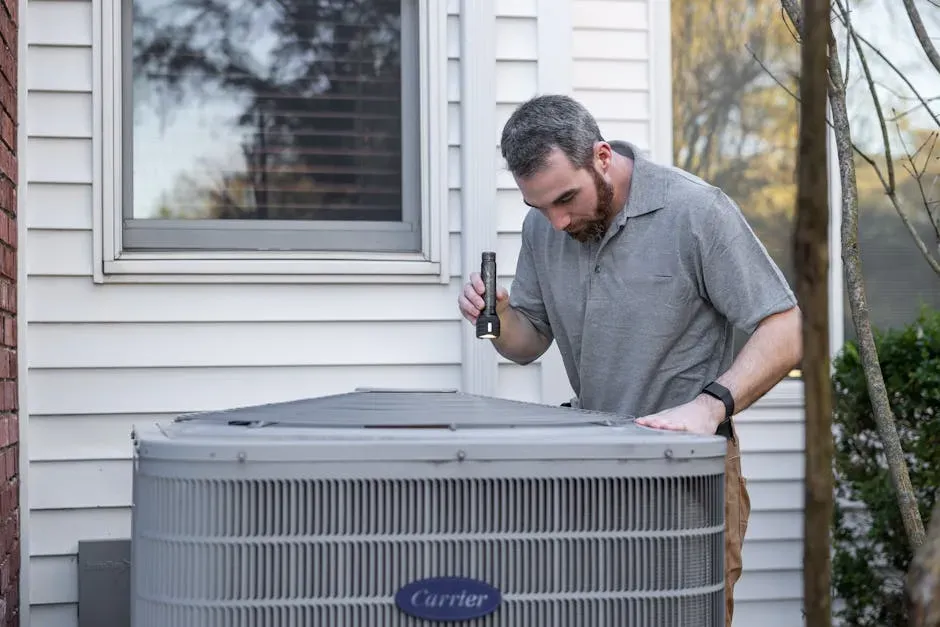
If you have central heating and cooling, the filter in that system plays a role. The EPA suggests asking an HVAC professional which high efficiency filters suit your system and how to close the fresh air intake if you have one.
Closing that intake stops the system from pulling smoky air in. It’s a small change, yet one many homeowners never think to ask about.
Monitor the Air and Air Out When It Clears
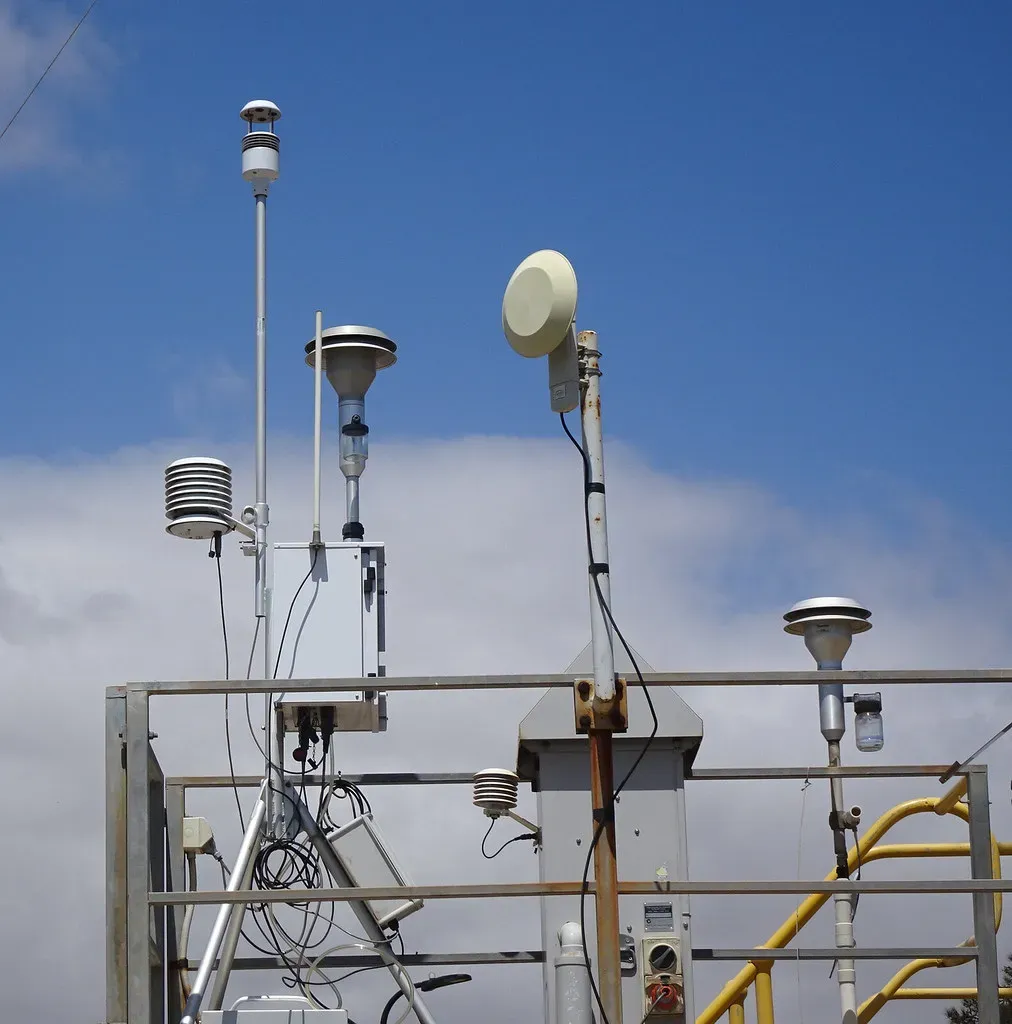
You can’t see most of what’s in smoky air, so measurement helps. The EPA suggests air sensors, which can give real time information about indoor pollution levels during smoke events. That helps show which actions, such as filtration, reduce your exposure most.
Smoke also comes and goes. Long smoke events usually have periods of better air, and the EPA suggests using those breaks to open windows and let cleaner air in. The AirNow Fire and Smoke Map, which the EPA points to, can help you time that.
Quick Reference for Smoke Days
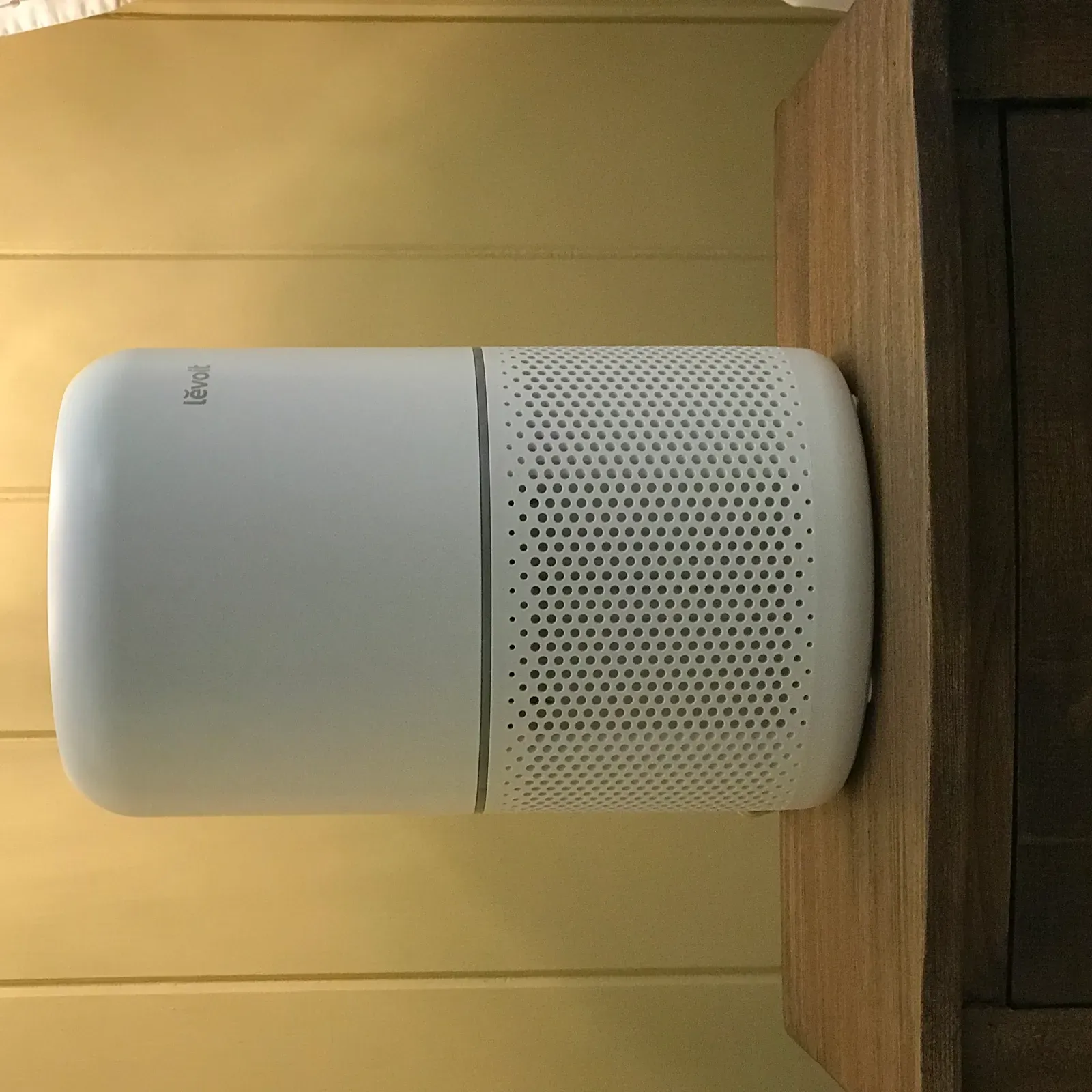
Buy an air cleaner and spare filters before smoke arrives, and check that it has a suitable smoke CADR and low ozone certification. Set it up in one room, keep it running on a high setting, and keep doors and windows closed.
If a commercial unit isn’t an option, build a box fan and MERV 13 filter cleaner using a certified, newer fan. Use a sensor or the AirNow map to track conditions, and open windows only when the outdoor air improves.
