


- NASA invites students to design a moon base in $1 million challenge - November 11, 2026
- Why Some People Can Feel a Storm in Their Joints, According to Experts - November 11, 2026
- 7 Foods That Taste Better on a Rainy Day, According to Chefs - November 11, 2026
Step outside on a clear night after a hot day and you can feel the warmth leaving the ground. Some of that heat heads off to space, and some of it doesn’t. The difference comes down to a thin mix of gases that make up a tiny fraction of the air.
The physics behind this has been understood for well over a century, and the measurements keep getting sharper. What follows covers how the process works, which gases matter most, and what the latest readings show.
How Sunlight Becomes Heat

Sunlight reaches Earth mostly as visible light, which passes through the atmosphere with little trouble. The ground, oceans, and living things absorb it, and some is reflected back by clouds, ice, and bright surfaces. What gets absorbed warms the surface.
A warm surface gives energy back, but in a different form. It radiates infrared energy, the same kind you feel from a stove element that’s still hot but no longer glowing. This shift from visible light to infrared is the key to the whole story, because the atmosphere treats the two very differently.
What Makes a Gas a Greenhouse Gas

Nitrogen and oxygen make up the vast majority of the air, yet they barely interact with infrared energy. Their molecules are simple and symmetrical, so they let outgoing heat slip past. Greenhouse gases are built differently.
Molecules such as carbon dioxide, methane, and water vapor have structures that vibrate and bend when infrared energy hits them. They absorb it, then release it in all directions, including back toward the ground. That is the heart of the greenhouse effect, and it’s ordinary molecular physics rather than a theory waiting for proof.
Why Earth Needs a Natural Greenhouse Effect
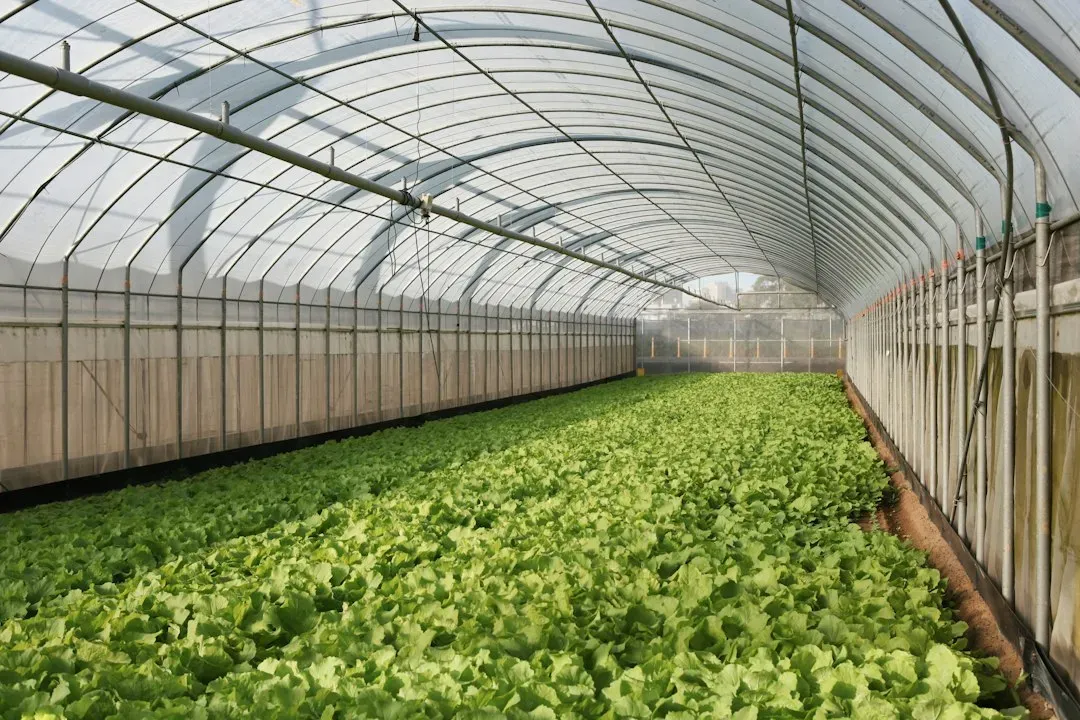
The greenhouse effect isn’t a flaw in the system. Without it, Earth’s average surface temperature would sit somewhere around 18 degrees Celsius below freezing, instead of the comfortable range of roughly 15 degrees Celsius we know. Oceans would be largely frozen, and life as we know it would struggle.
The concern today is about balance, not existence. Natural levels of heat trapping gases made the planet livable. Adding more of them shifts that balance toward warming.
Carbon Dioxide and the Long Record at Mauna Loa
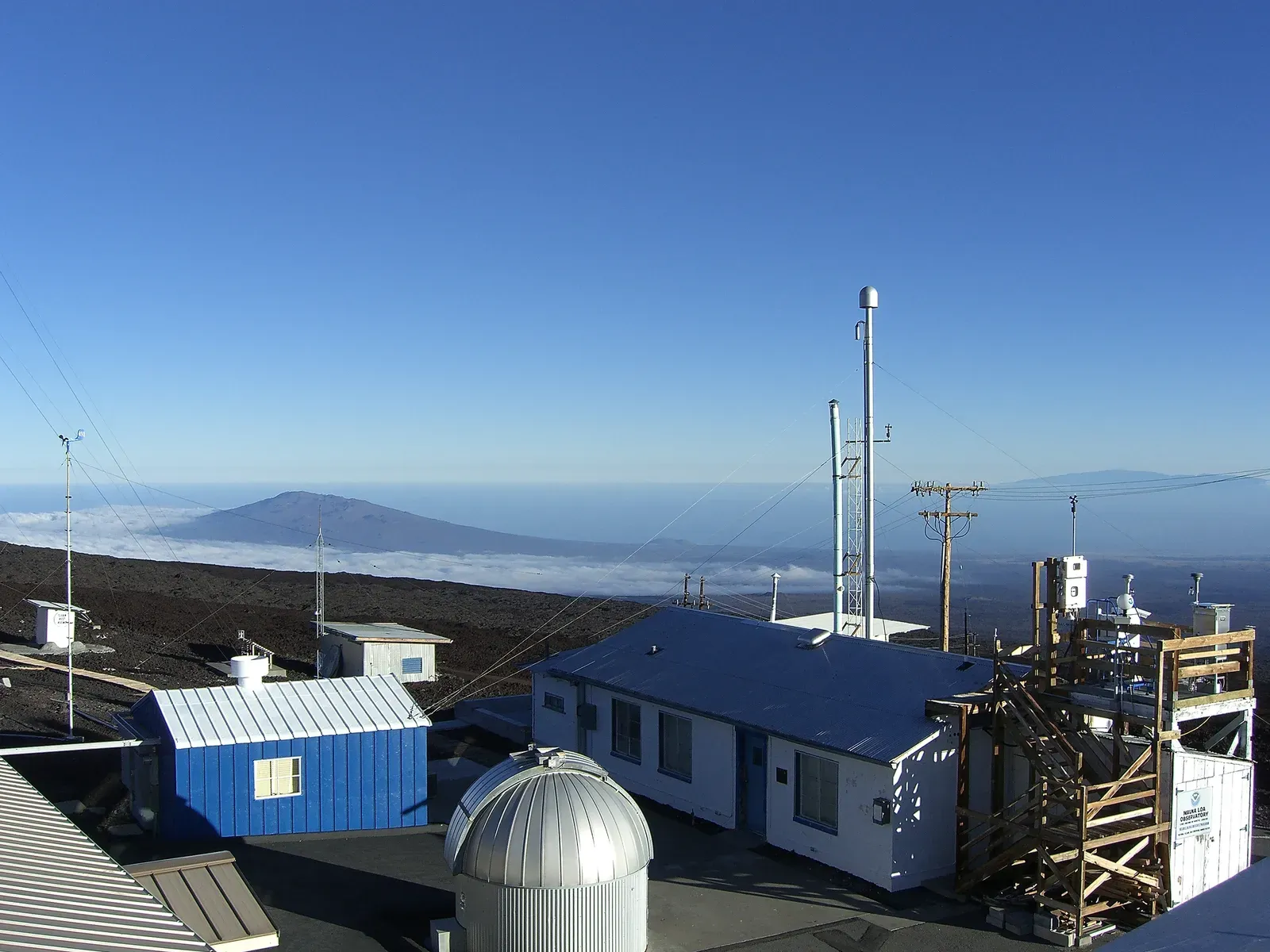
Carbon dioxide gets the most attention because humans produce so much of it, mainly by burning fossil fuels. It’s tracked at Mauna Loa in Hawaii, where measurements have run continuously since 1958, when Charles David Keeling began them. That record is the longest of its kind, and it’s the benchmark scientists use.
In May 2026, Scripps scientists reported a reading of 432.00 parts per million, which was 1.8 ppm above the May 2025 measurement of 430.2 ppm. Preindustrial air held about 280 parts per million, so the increase is large. Ice core records show that current levels are the highest in at least 800,000 years.
Methane, Nitrous Oxide, and Other Gases
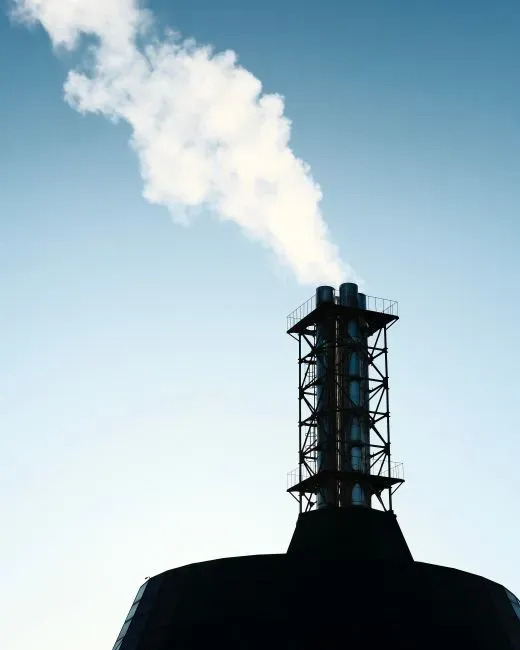
Carbon dioxide isn’t alone. Methane comes from livestock, rice paddies, landfills, wetlands, and leaks from oil and gas operations. Over a century, a tonne of methane traps roughly 28 times as much heat as a tonne of carbon dioxide, though it breaks down in about a decade.
Nitrous oxide, largely tied to fertilizer use, is even more potent per molecule and lingers for more than a century. Then there are fluorinated gases used in cooling and industry, which exist in tiny amounts but absorb heat very strongly. NOAA tracks several of these, including methane, nitrous oxide, and sulfur hexafluoride, alongside carbon dioxide.
Water Vapor, the Amplifier
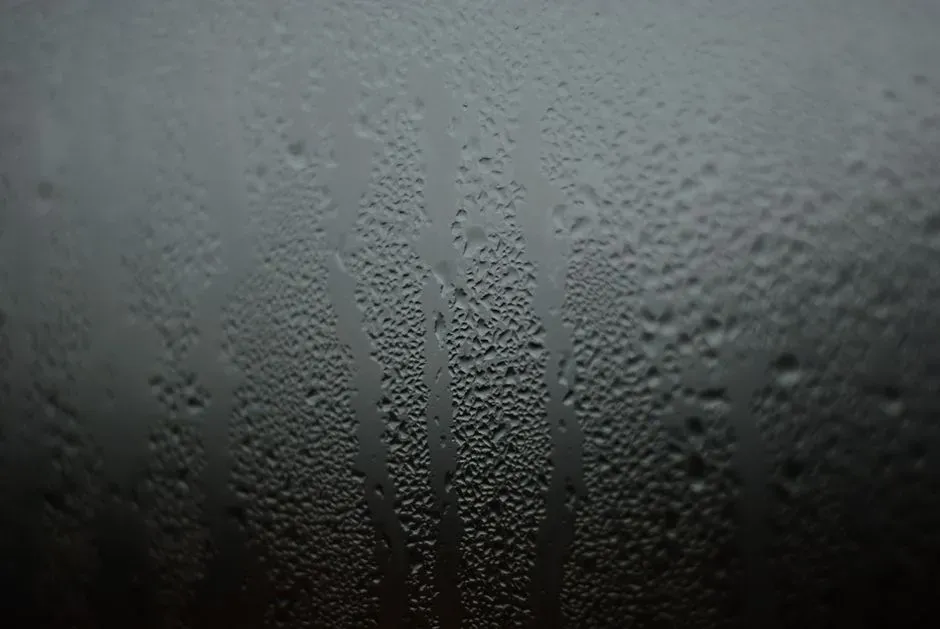
Water vapor is actually the most abundant greenhouse gas, yet it behaves differently. It doesn’t build up because we emit it. Its amount in the air depends mostly on temperature, since warmer air can hold more moisture, roughly seven percent more for each degree Celsius of warming.
That makes it a feedback rather than a starting push. When carbon dioxide and other gases warm the planet a little, more water evaporates, and the extra vapor traps more heat. This amplification is a big reason climate models project the warming they do.
Why Carbon Dioxide Lingers
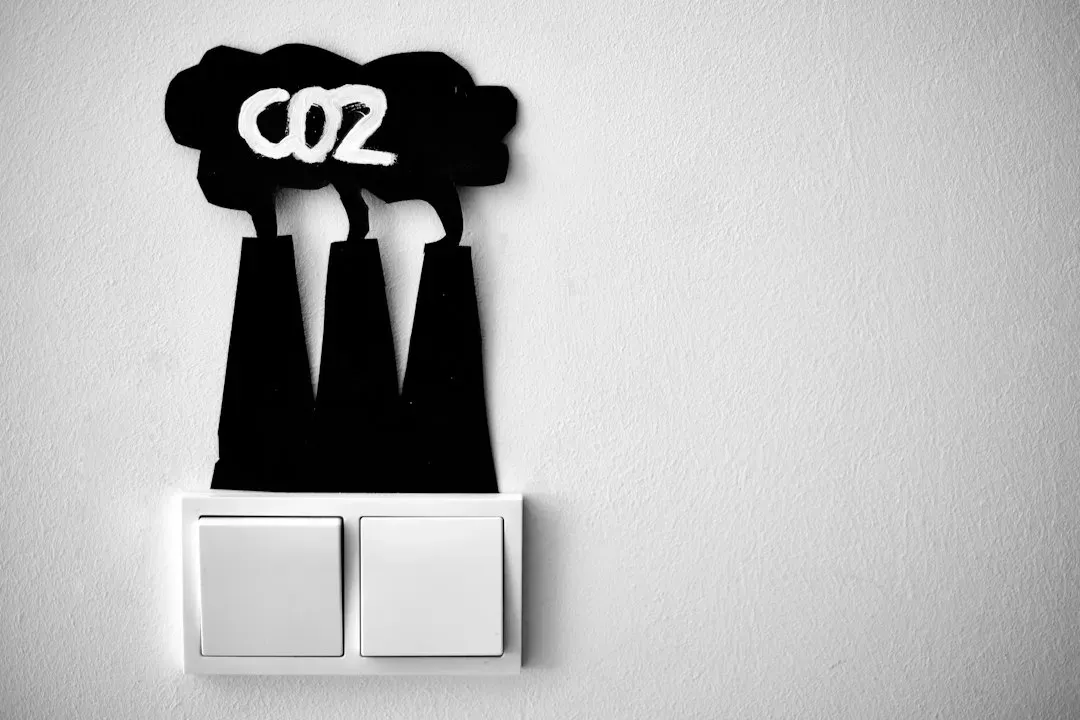
Methane fades within years, but carbon dioxide has no simple expiry date. Oceans and plants absorb a share of what we emit, which keeps the atmospheric increase smaller than total emissions. The rest stays aloft for a long time, with a portion remaining for centuries or even thousands of years.
This is why the yearly numbers matter so much. The air took on more carbon dioxide in the last decade than in any ten year stretch since records began in 1959, and it is piling up about three times faster than it did in the 1960s. Each year of high emissions adds to a stock that doesn’t quickly drain.
Natural Swings and the Recent Jump
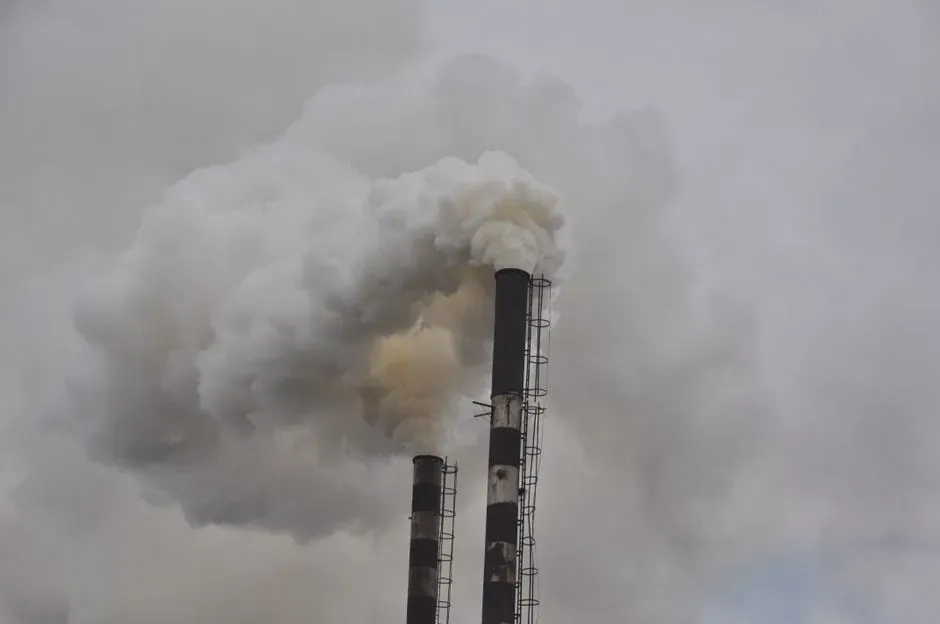
The yearly rise isn’t perfectly smooth. Between 2023 and 2024, carbon dioxide at Mauna Loa jumped 3.33 ppm, the largest single year increase in the record. Record emissions set the baseline, and the El Niño event pushed it higher.
La Niña conditions can do the opposite. The UK Met Office forecast that natural carbon sinks strengthened temporarily under La Niña like conditions in late 2025 and early 2026, slightly slowing the rise. Even so, it expected the increase to stay too fast to follow pathways that limit warming to 1.5 degrees Celsius.
Where the Readings Stand Now
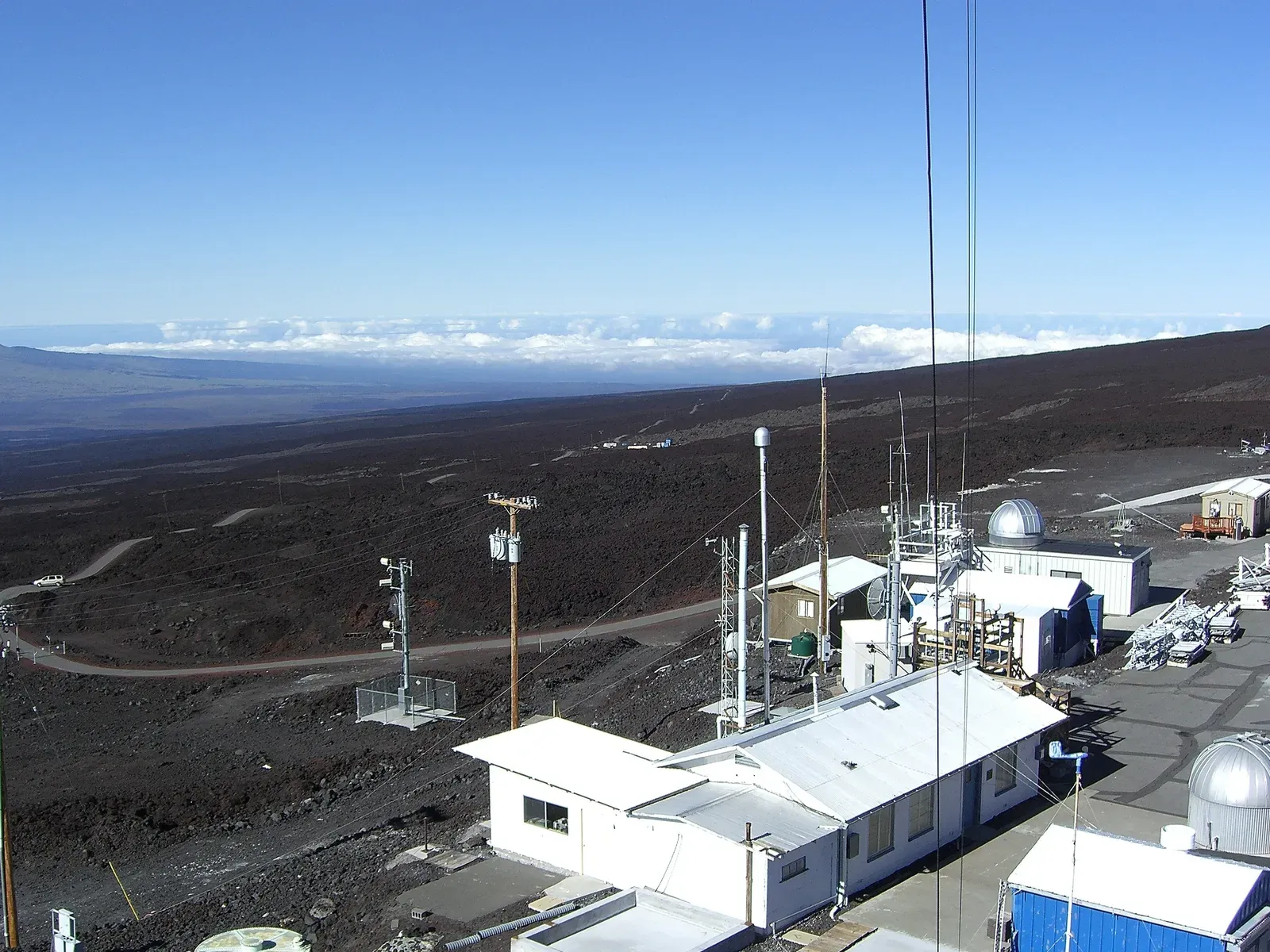
Seasonal cycles matter when reading the numbers. Northern Hemisphere plants draw down carbon dioxide during the growing season, so levels peak in May and dip in early autumn. Keeling was the first to recognize this yearly pattern.
NOAA’s September 2026 monthly average at Mauna Loa was 426.07 ppm, up from 424.37 ppm in September 2025. The weekly value for the week beginning October 11, 2026 was 426.86 ppm, compared with 401.80 ppm ten years earlier. The gap shows how much has been added in a single decade.
