

A lightning bolt lasts only a fraction of a second, yet it carries enough energy to change the air around it in ways that are hard to picture. The commonly cited figure is about 30,000 kelvins, which is roughly five times hotter than the surface of the Sun. That comparison is a staple of science museums and weather agencies, and it holds up well.
The number deserves some care, though. It describes a thin channel of air, not the whole sky, and it lasts for an extremely short time. Looking at how that heat arises, how it’s measured, and what it causes makes the claim much easier to understand.
Where the Five Times Comparison Comes From
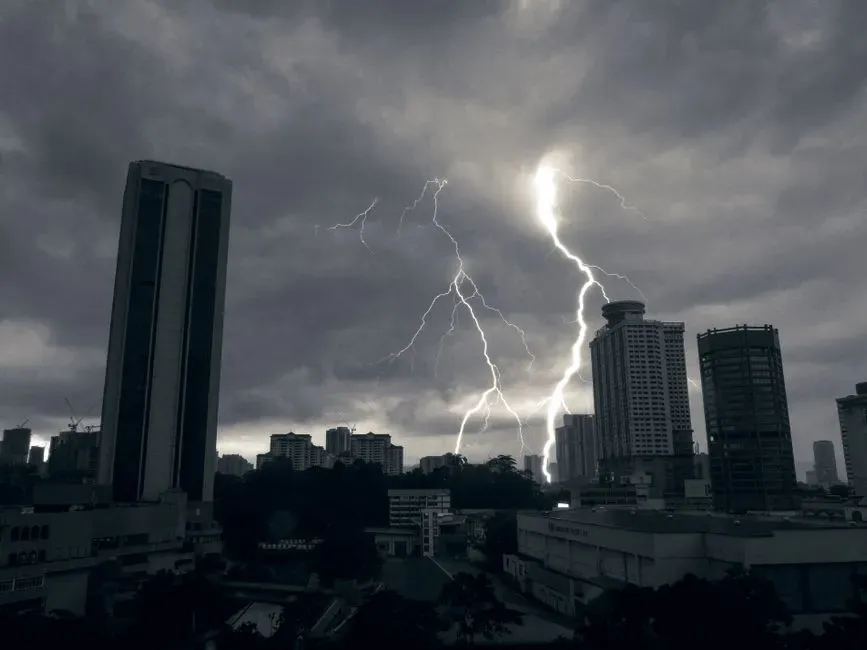
The Sun’s visible surface, called the photosphere, sits at about 5,500 degrees Celsius, or close to 5,800 kelvins. Lightning channels are usually quoted at around 30,000 kelvins, which is where the “about five times” figure comes from. The ratio works out to a little over five.
The National Weather Service describes lightning as being about five times hotter than the surface of the Sun. Dividing the two temperatures gives the same answer, so the comparison isn’t just a catchy line. It’s a rough, rounded statement of a well-established estimate.
How a Bolt Gets So Hot
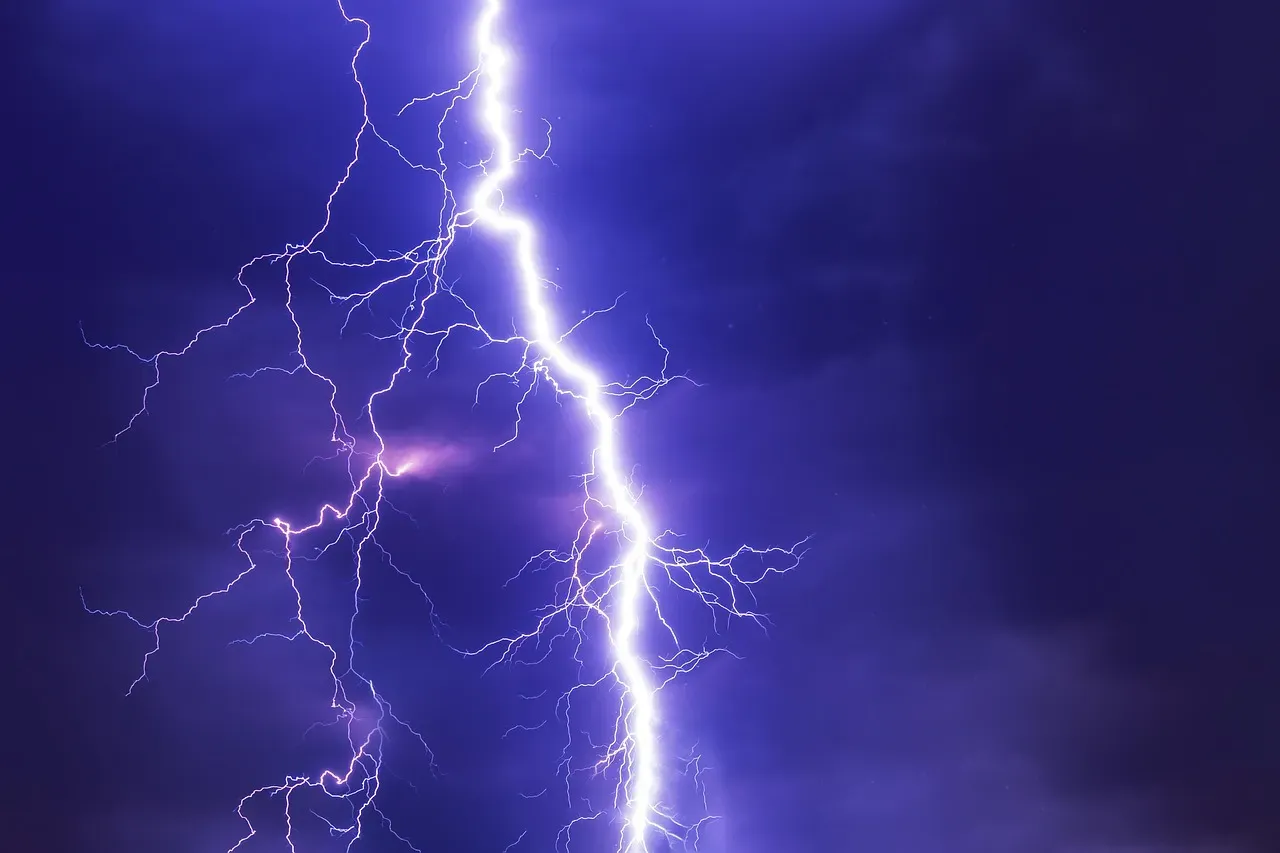
Heat comes from electric current. During the main return stroke, currents typically reach tens of thousands of amperes, and they can pass through a channel only a few centimeters wide. Air is a poor conductor, so forcing that much charge through it produces intense resistive heating.
The air becomes plasma, a state in which atoms are stripped of electrons. This happens in microseconds. The energy is dumped so quickly that the air has no time to spread it out.
Why Your Skin Doesn’t Feel 30,000 Kelvins
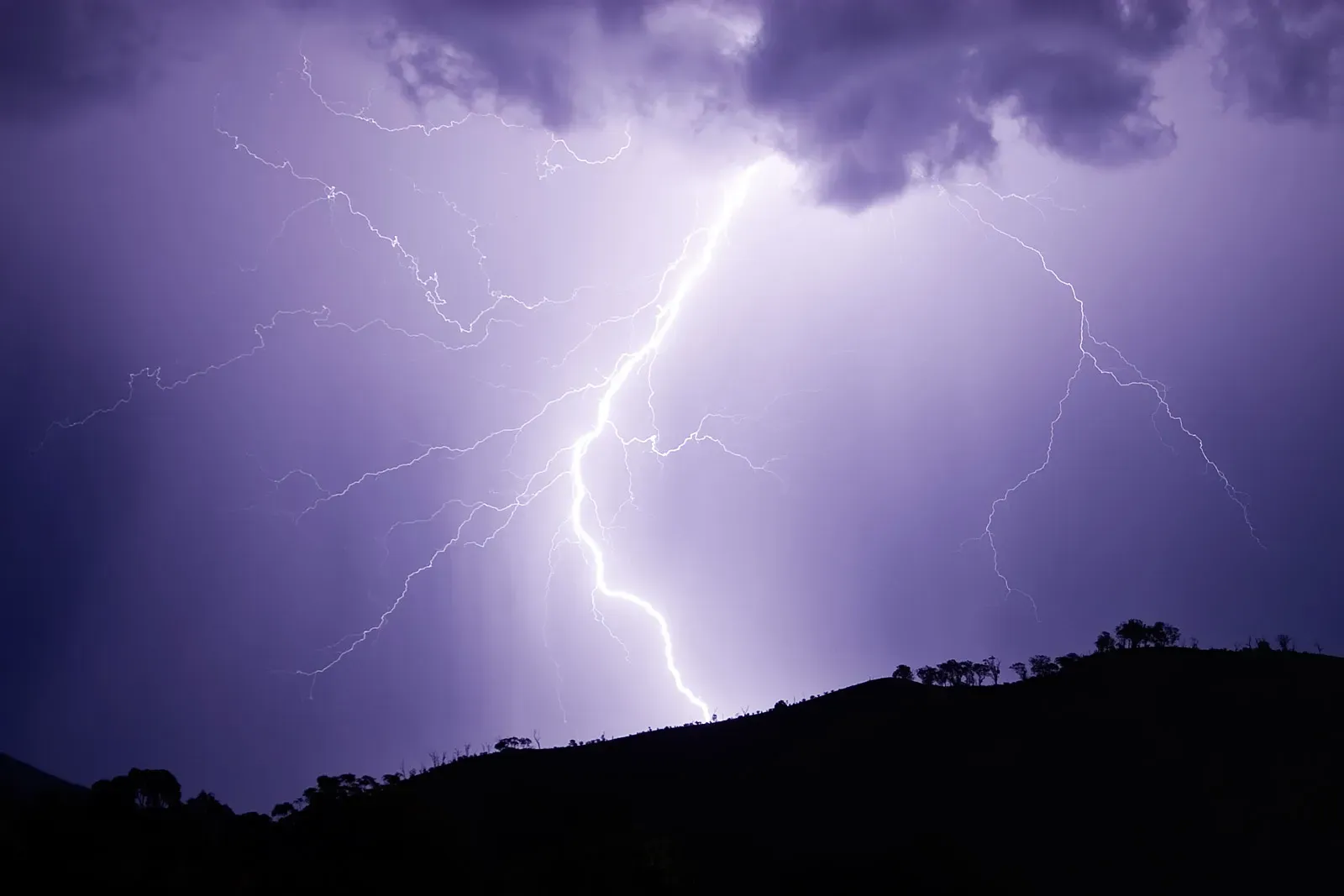
Temperature isn’t the same as total heat delivered. The superheated channel is very narrow and exists for only a tiny moment. A small amount of air at an extreme temperature simply doesn’t hold much thermal energy overall.
That helps explain why a nearby strike doesn’t instantly vaporize everything around it. Damage usually comes from the current itself, from the blast of expanding air, or from local burning where the bolt actually lands. Direct contact is still extremely dangerous, though.
Thunder Is the Sound of Sudden Expansion
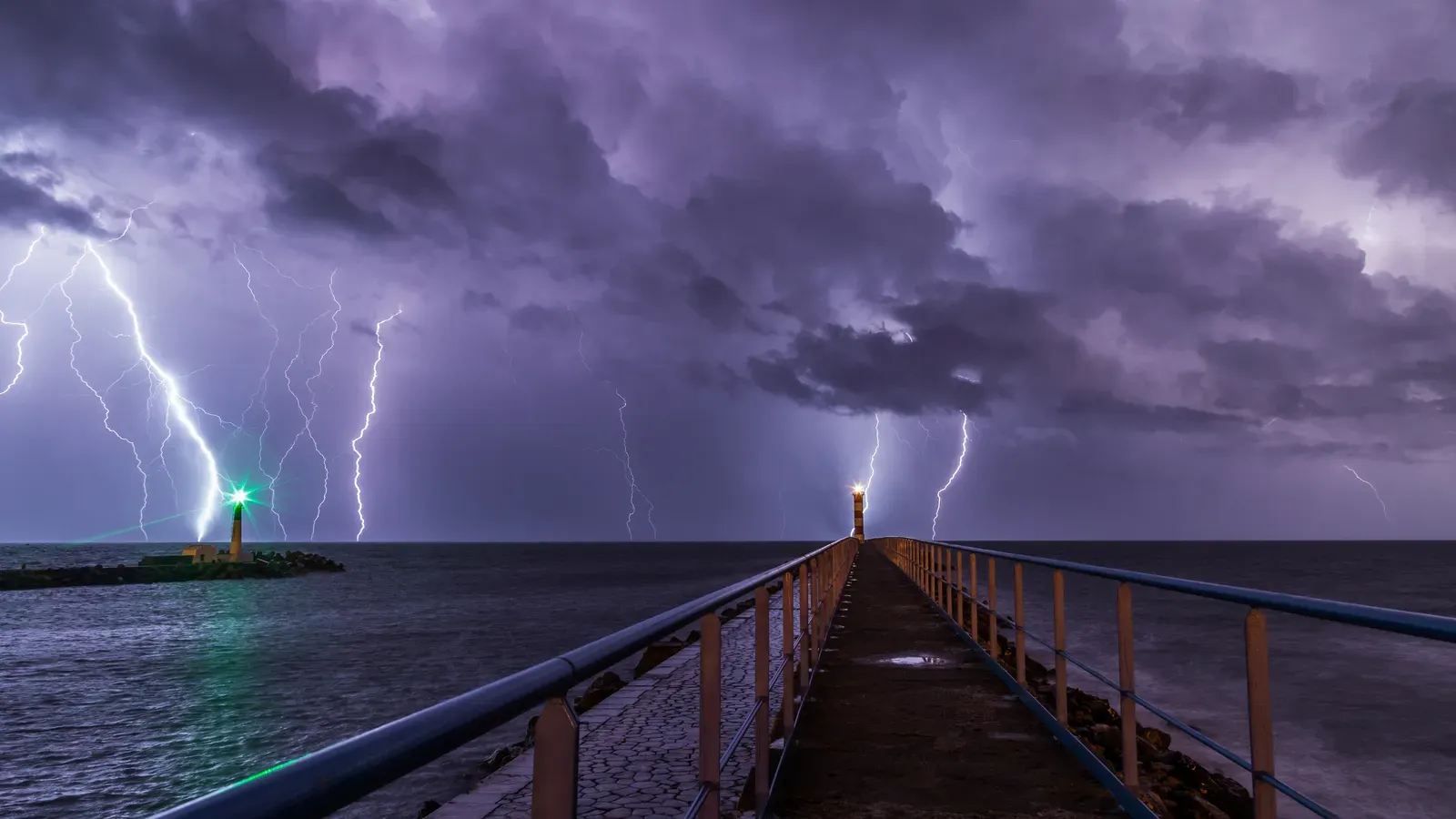
When air in the channel heats that fast, it expands outward faster than the speed of sound. This creates a shock wave that weakens into the sound waves we hear as thunder. The NWS explains thunder as the result of this rapid heating and expansion of air.
The sound varies depending on distance and terrain. A close strike produces a sharp crack, while a distant one rumbles because sound from different parts of the long channel arrives at different times. Echoes off hills and buildings add to that effect.
How Scientists Estimate the Temperature
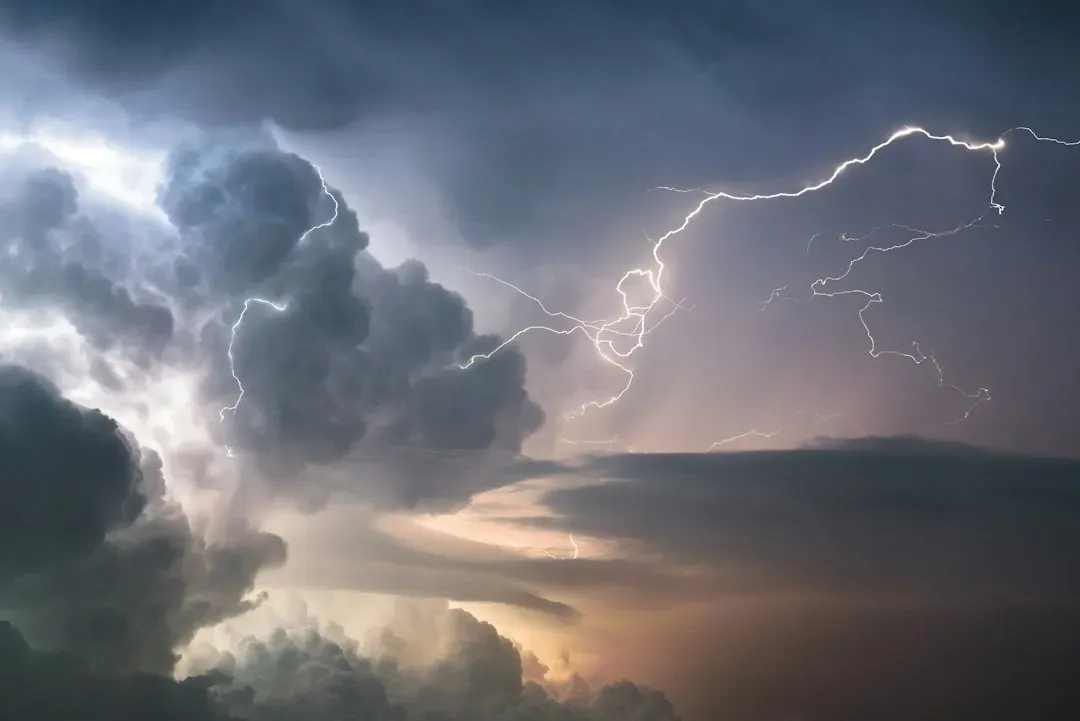
Nobody sticks a thermometer into a bolt. Researchers instead study the light it emits. The spectrum of that light reveals how excited the atoms and ions in the plasma are, and that points to a temperature.
High speed cameras and spectrographs have been used for decades to do this. Results vary with the stage of the flash and the part of the channel measured, so the 30,000 kelvin figure is a typical peak value rather than a constant. Different studies report somewhat different numbers, and that’s normal for such a fast event.
What Else a Bolt Does to the Air
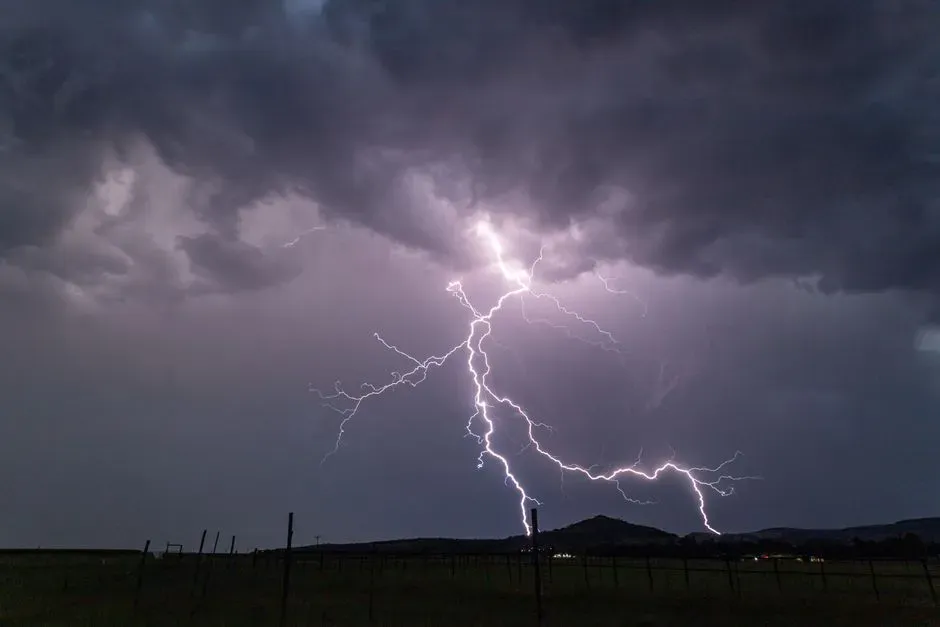
The extreme heat drives chemistry. Nitrogen and oxygen in the air react to form nitrogen oxides, which later contribute to nitrogen compounds that reach the ground in rain. Lightning is considered a significant natural source of nitrogen oxides in the atmosphere.
Researchers continue to study how large this effect is globally. Estimates of lightning’s contribution to atmospheric chemistry still carry uncertainty, partly because strike energy differs widely from one flash to the next. Satellite lightning mappers have improved the data in recent years.
How Often It Happens
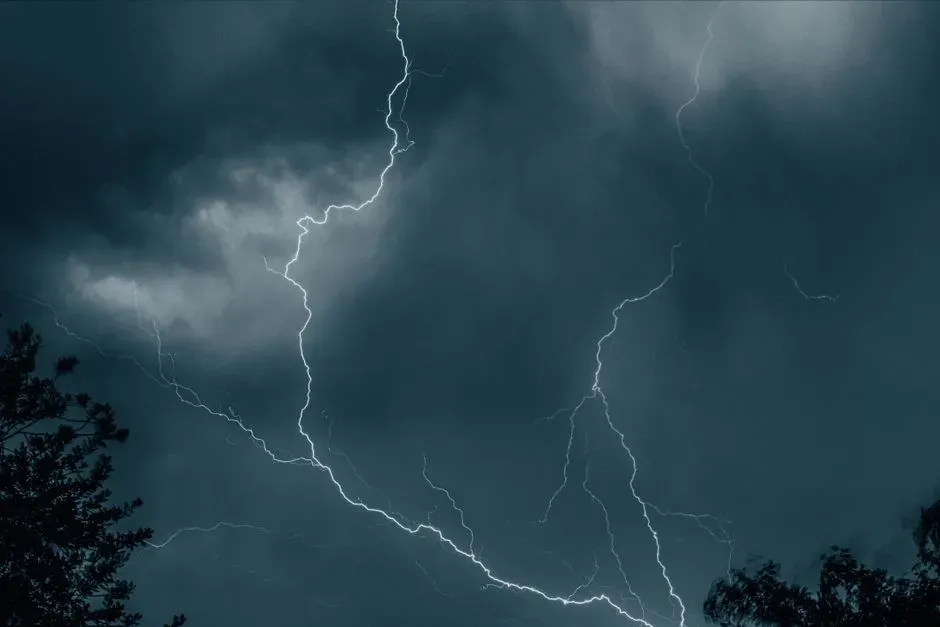
Lightning is far from rare. NASA and NOAA satellite data indicate that Earth experiences roughly about forty to fifty flashes every second on average. That adds up to well over a billion flashes a year.
Activity isn’t evenly spread. Tropical land regions, such as parts of Central Africa, are especially active, and the Lake Maracaibo area in Venezuela is famous for frequent storms. Higher latitudes see far fewer strikes.
Fused Sand and Other Traces
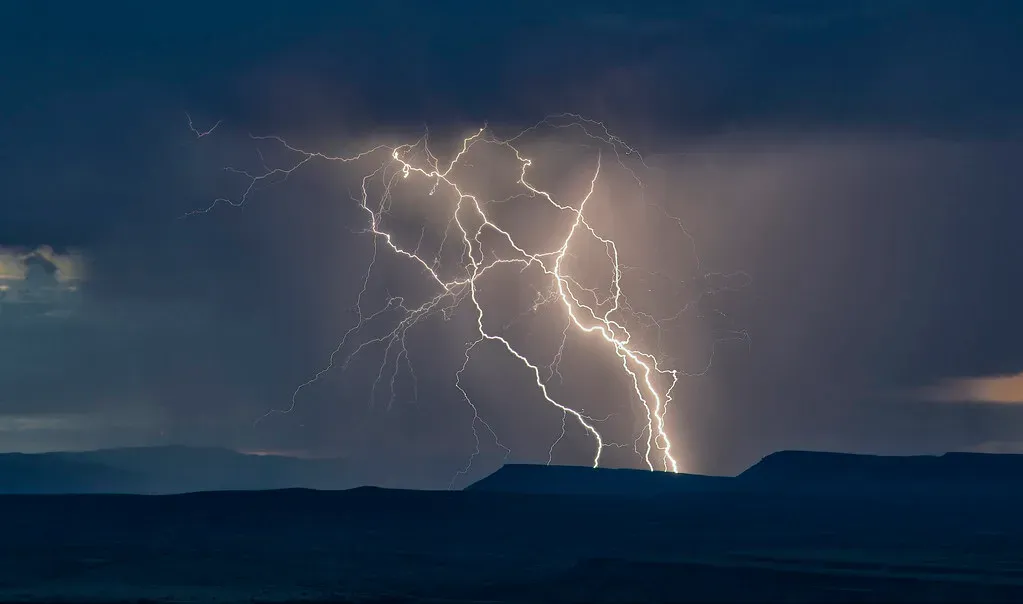
The heat can leave physical evidence. When lightning strikes sandy soil, it can melt the grains into glassy, branching tubes called fulgurites. These are essentially frozen records of the bolt’s path.
Scientists examine fulgurites to learn about past lightning activity and the conditions of the strike. They are also a tangible reminder of the temperatures involved, since melting quartz sand takes well over a thousand degrees Celsius.
Safety Around a Source That Hot
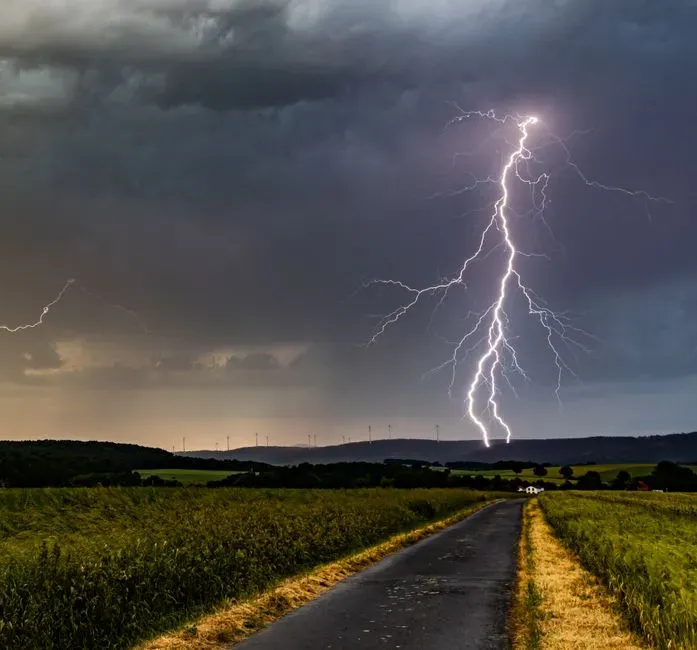
The NWS advice is simple: when thunder roars, go indoors. A substantial building or a hard topped vehicle with the windows closed offers protection, mainly by directing current around the occupants. Open fields, tall isolated trees, and water are poor places to be.
Officials recommend waiting about thirty minutes after the last thunder before heading back outside. Strikes can reach several miles away from the storm’s core, sometimes under clear skies. That’s why the “bolt from the blue” phenomenon is a real hazard.

- Blue whales vanish from the Galápagos, and scientists suspect El Niño - November 11, 2026
- 8 Famous Battles That Were Decided by the Weather - November 11, 2026
- Black Sunday 1935: 9 Photos From the Worst Dust Storm of the Dust Bowl Era - November 11, 2026
