

- Top 6 Countries With the Most Extreme Temperature Swings - September 23, 2026
- The Snowbird Backlash: Why Ski Towns Are Pushing Back on Winter Tourists - September 23, 2026
- 11 Ways Different Generations Have Adapted Their Homes to the Weather - September 23, 2026
Switching from a gas furnace to a heat pump is the kind of home upgrade that generates a lot of opinions. Some neighbors say it was the smartest thing they’ve done. Others swear their bills went through the roof. The truth, as with most things, lives somewhere in between – and it depends heavily on where you live, what system you install, and a few details most guides gloss over.
After making the switch, the first winter is the real test. The gas bill disappears, which feels like a win. Then the electric bill arrives, and things get interesting. Here’s a clear-eyed breakdown of what actually happens – financially and practically – when you replace a gas heater with a heat pump.
Your Electric Bill Will Go Up. Your Gas Bill Will Disappear.
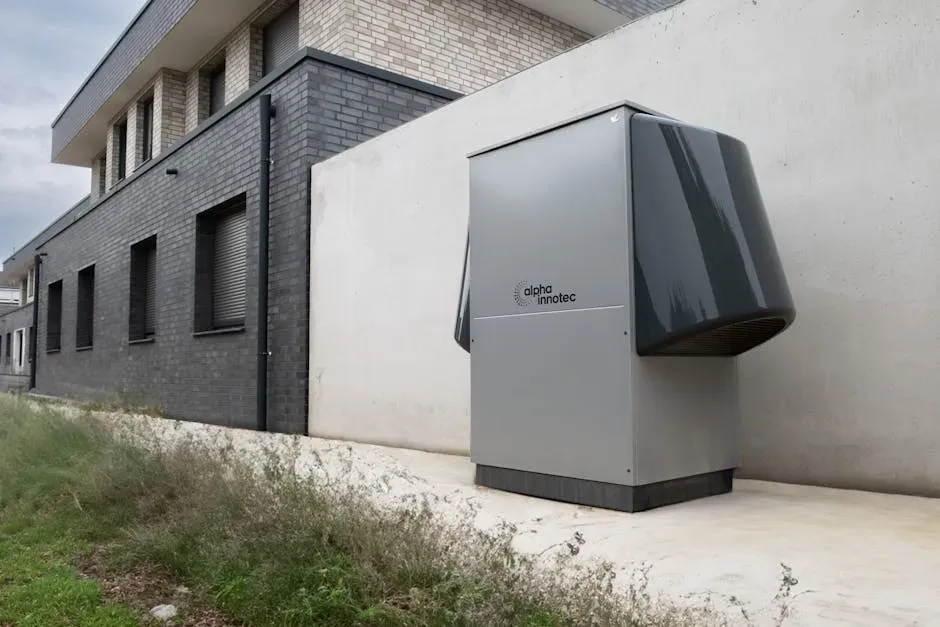
With a heat pump, there is no gas bill – unless you still use gas for something like a water heater. These systems rely entirely on electricity to both heat and cool your home. So your gas bill will definitely drop to zero, but your electric bill will increase. The core question is whether the efficiency gain makes the overall math work in your favor.
The real issue is whether the greater efficiency of the heat pump results in lower total energy costs. A more energy-efficient heat pump will use less energy than an old gas furnace. If your home currently has baseboard heaters, wall heaters, or electric furnace strips, the gap is especially dramatic – you could be spending between $2,600 and $3,200 a year on heating alone with those systems.
The Efficiency Gap Is the Whole Story
A gas furnace converts roughly 80 to 95 percent of fuel into heat, with the rest escaping through the flue. A modern heat pump moves 2.5 to 3.5 units of heat for every unit of electricity consumed. That’s 250 to 350 percent efficiency, and it’s why the math can flip despite higher electricity rates.
Because the technology is two to four times as efficient as fossil-fueled systems, heat pumps also save most households money on their energy bills. According to the U.S. Department of Energy, installing an energy-efficient electric heat pump can significantly reduce energy usage compared to traditional electric resistance heating. The most common type, ducted air-source heat pumps, reduces energy use by approximately 50 percent.
Where You Live Changes Everything
Heat pumps have the biggest cost advantage where electricity is cheap and gas is expensive, such as in the Southeast, Pacific Northwest, and parts of Texas. The advantage shrinks in areas with very expensive electricity or very cheap natural gas. This regional variation is one of the most overlooked pieces of the puzzle when people compare notes online.
In states like Maine and Connecticut, natural gas users switching to a heat pump for electrification would actually see bills increase. The ratio of electricity to gas price is too high to overcome with rate structure or efficiency changes alone in those states. Fuel oil and propane customers in those same states, representing a combined 41 percent of homes in Connecticut and 66 percent in Maine as of 2023, can save money through electrification.
Cold Weather Is a Real Factor – But Less Than You’d Think
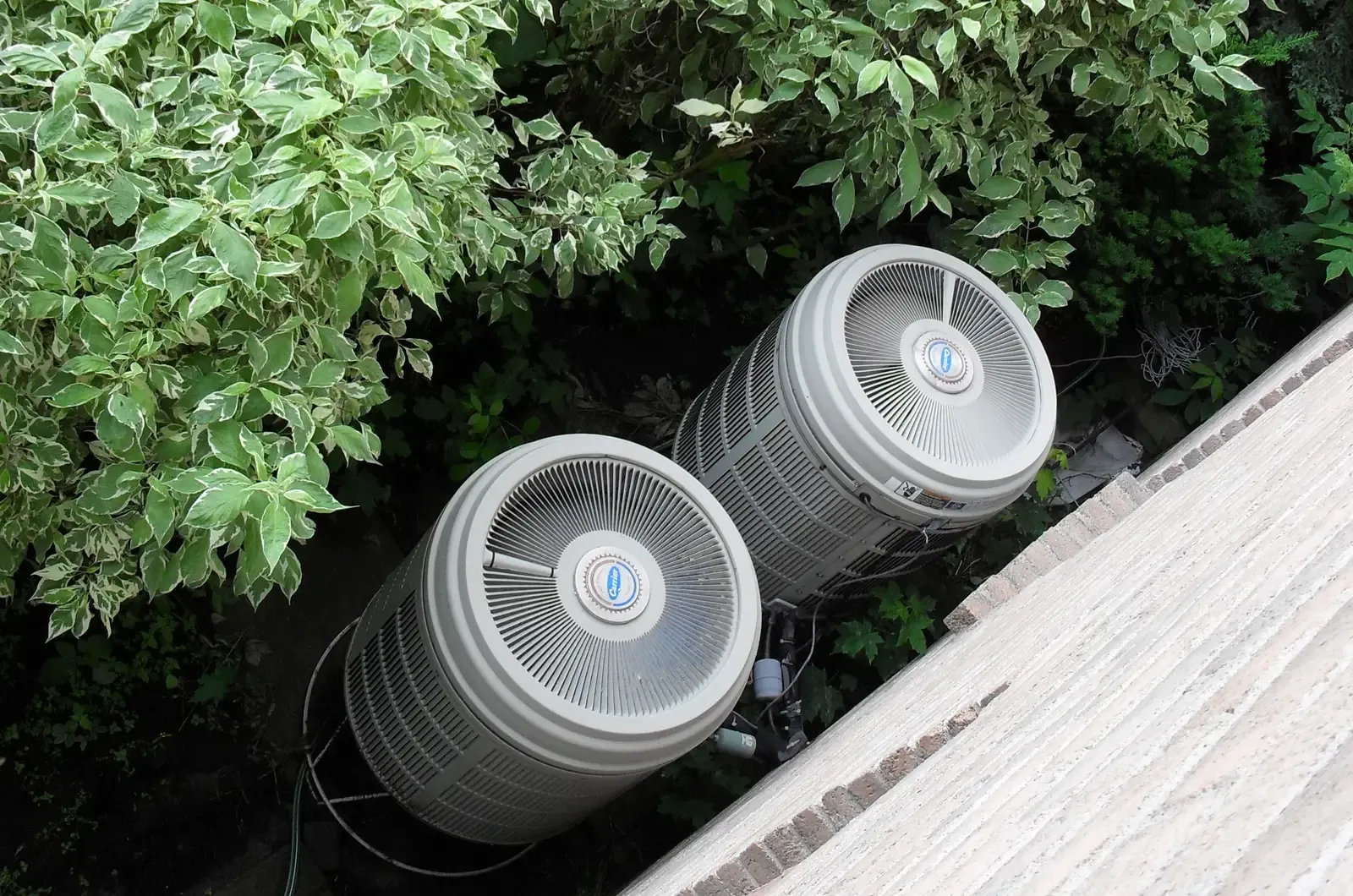
Today’s cold-climate heat pumps use advanced variable-speed compressor technology that adjusts output based on conditions. These systems extract heat from outdoor air – even frigid air contains usable heat energy – and can modulate their performance smoothly across extreme temperature ranges. According to the Department of Energy’s Cold Climate Heat Pump Challenge, modern cold-climate heat pumps operate efficiently even at negative 15 degrees Fahrenheit, maintaining over 70 percent capacity while delivering 200 to 350 percent efficiency.
Lab testing shows many cold-climate units keep a COP above 1.75 at 5 degrees Fahrenheit, and field data reports usable COP above 1.0 down to around 7 degrees Fahrenheit – enough to still beat resistance heat. A typical air-source heat pump has a steep decline in efficiency below freezing, while cold-climate models maintain higher efficiency at low temperatures due to advanced compressors and enhanced heat exchangers. Choosing the right model matters enormously here.
The Defrost Cycle and the Hidden Bill Spike
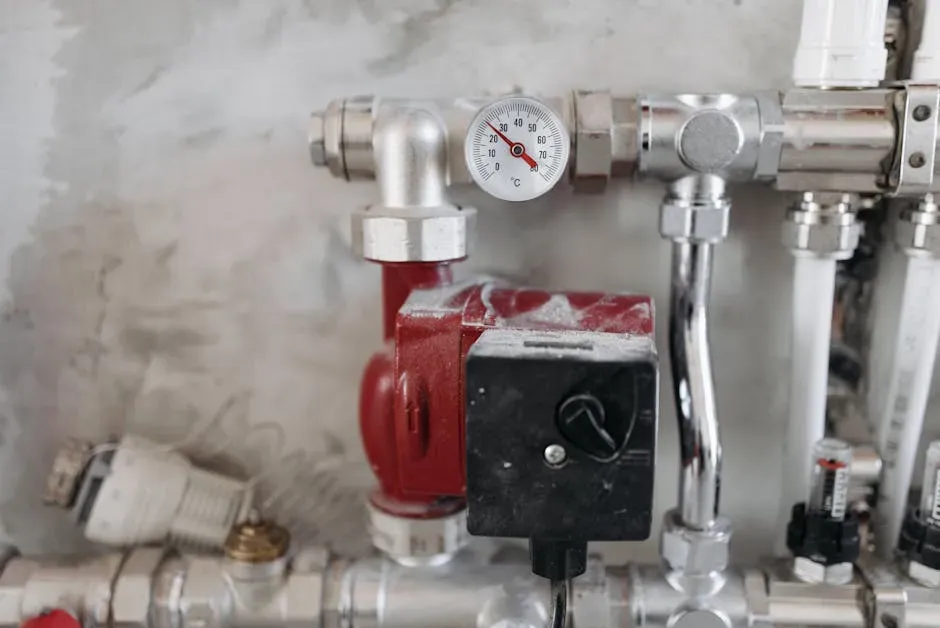
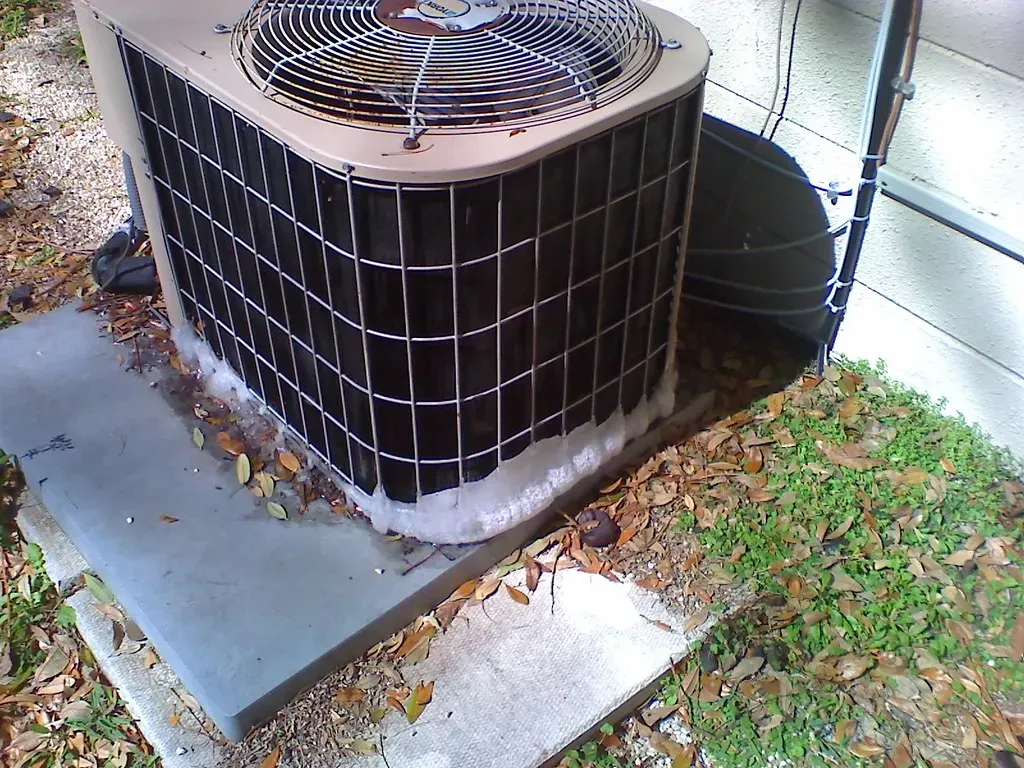
When the temperature sits around 30 degrees Fahrenheit and the air is damp, moisture turns to frost on the outdoor coils. To stay efficient and keep air moving, your system must run a defrost cycle. The system temporarily reverses to melt the ice outside, and to keep you from feeling a cold draft indoors, it engages electric resistance heat strips. These heat strips are highly efficient in conversion but pull a massive amount of power, and frequent defrost cycles on a humid day can cause a mid-winter spike on your utility bill that has nothing to do with the heat pump’s actual heating ability.
To avoid the backup heat trap, choose a variable-speed inverter heat pump that can ramp up output in cold weather instead of giving up and calling for strip heat. Make sure your installer sizes the system for your heating load, not just cooling. Check your thermostat – if it’s set to switch to emergency heat at 35 degrees Fahrenheit, you’re paying for resistance heating through most of winter when the heat pump could still be doing the job efficiently down to 5 degrees Fahrenheit or lower.
What Real Numbers Look Like Over a Full Year
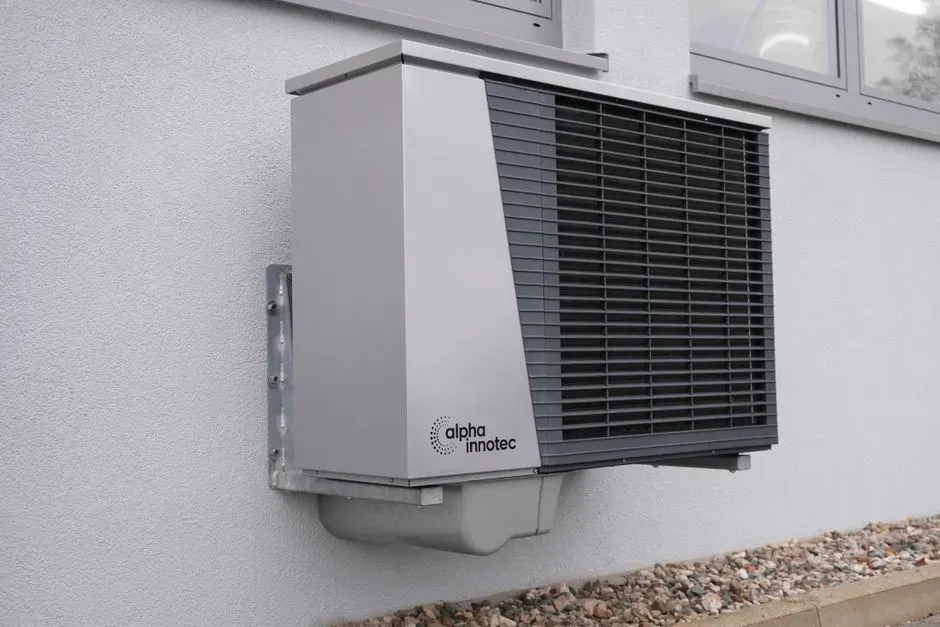
According to the U.S. Energy Information Administration’s winter fuels outlook, electric heating costs for U.S. homeowners were projected to average about $1,054 for the winter of 2024 to 2025. By comparison, gas users faced costs averaging $602, while heating-oil customers could expect to pay $1,410 and propane users around $1,189.
According to data from the National Renewable Energy Laboratory, switching to a heat pump can reduce annual heating and cooling bills anywhere from $100 to $1,300 per year, with the average homeowner saving around $667 per year. Despite any added monthly electric cost, the Department of Energy estimates $300 to $1,500 in annual savings depending on climate and model. That range is wide because the variables are genuinely wide.
The Upfront Cost and What Incentives Used to Cover
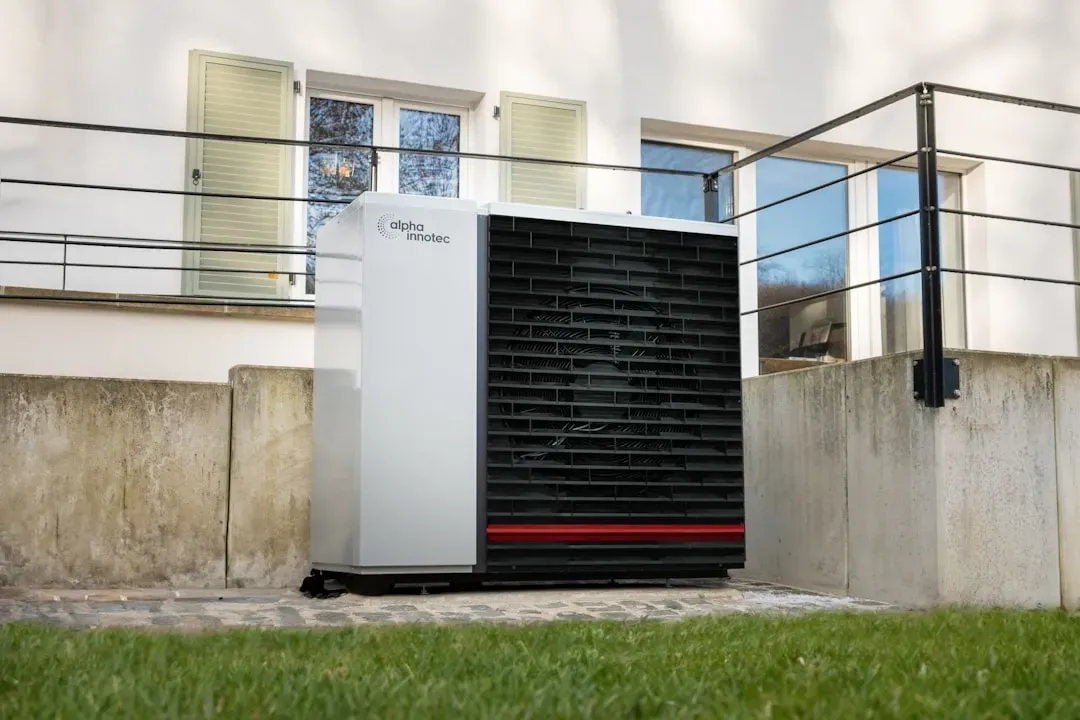
On paper, gas furnaces win the upfront battle. A basic furnace can be $1,500 to $3,000 cheaper than a comparable heat pump before incentives. The catch is that a gas furnace only heats – you still need a separate air conditioner for summer. A heat pump does both, heating and cooling in one system.
The 25C Energy Efficient Home Improvement Credit, which included the federal heat pump tax credit, officially expired on December 31, 2025. This credit is no longer available for heat pump installations completed in 2026 or later. If you installed a qualifying heat pump in 2025 or earlier, you may still be eligible to claim the credit when filing your taxes. While the federal tax credit is no longer available, you may still qualify for state rebates, utility incentives, and other energy efficiency programs. The federal geothermal credit under Section 25D remains active at 30 percent through 2032, and state-administered IRA rebates continue to roll out across states with income-based eligibility.
The Dual-Fuel Option: A Middle Path
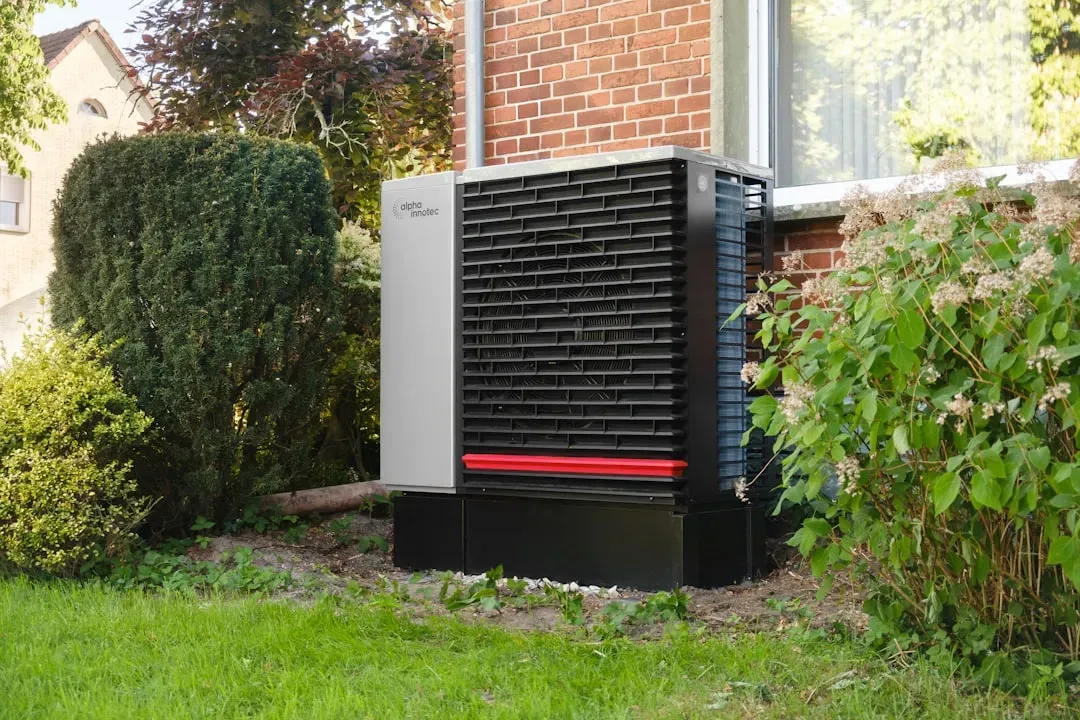
If you’re in a cold climate and want a safety net without the electric strip penalty, a dual-fuel hybrid system pairs a heat pump with a gas furnace. The heat pump handles roughly 80 to 90 percent of heating days. The furnace kicks in only on the coldest nights. You get heat pump efficiency most of the time and avoid expensive electric resistance heat entirely.
In a moderate-climate scenario for a 2,000 square foot home, a heat pump can save roughly $8,500 over 10 years compared to a gas furnace plus a separate air conditioner when accounting for equipment, installation, operating costs, and maintenance. If you already have a high-efficiency gas furnace and don’t need air conditioning, switching to an all-electric heat pump won’t dramatically lower your heating bills immediately. The real value comes from the combined system savings and future-proofing against gas rate increases.
The Resale Value Angle Most People Overlook
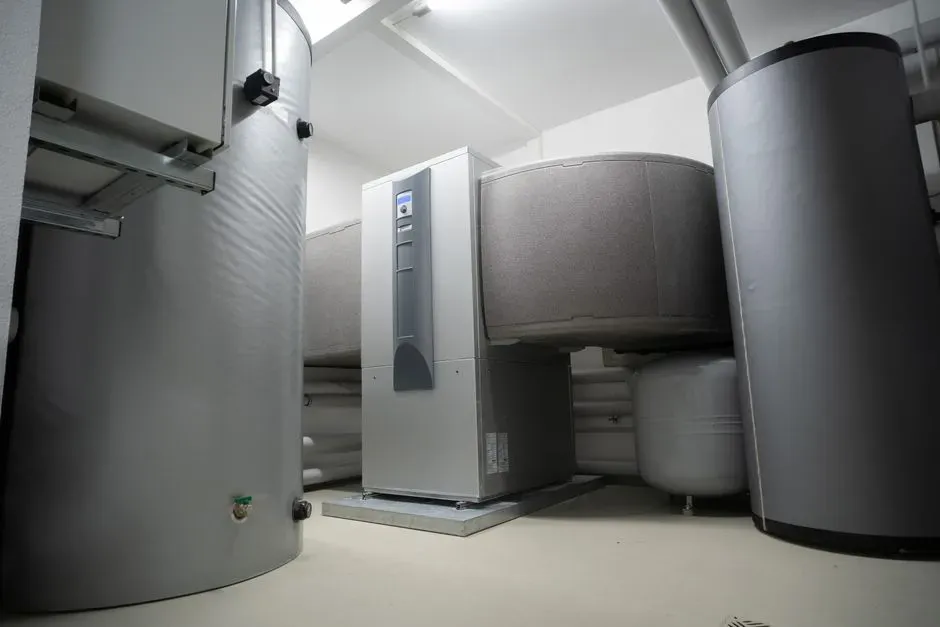
According to Remodeling magazine’s 2024 Cost vs. Value report, a conversion from fossil fuel heating and cooling sources to electric is one of the most valuable remodeling projects a homeowner can do. These projects reap, on average, 66.1 percent of value at resale relative to cost. These estimates are based on a project that removes a fossil-fuel-burning furnace and fully installs an electric heat pump for heating and cooling a 2,000-square-foot home.
Although U.S. heat-pump sales didn’t break annual records in 2025, the technology did quietly achieve a major milestone: in September, more heat pumps shipped than central air conditioners for the first time. That shift signals where the market and housing stock are heading, which matters when you eventually sell. A home already equipped with a modern heat pump is increasingly viewed as move-in ready rather than in need of an upgrade.
The Bottom Line on Your Winter Electric Bill

One study estimates that homes using Energy Star electric heat pumps – on average – will spend less than $600 on heating over an entire winter, significantly less than the average home spends. As costs of all energy sources rise, the annual benefits of owning a heat pump can increase as well – especially when considering the efficient air conditioning provided in the summer months.
The electric bill after switching will almost certainly be higher than it was when your only electric load was lights and appliances. That part is simply true, and no amount of framing changes it. What changes is the full picture – no gas bill, lower combined energy cost in most climates, summer cooling included, and a system built for a grid that keeps getting cleaner. The winter bill is just one line in a longer calculation worth running honestly before you decide.
