

Plenty of business owners assume federal climate rules only apply to giant refineries or power plants. Then a compliance consultant mentions a filing deadline, a metric ton threshold, and a program most people have never heard of, and suddenly there’s a scramble. The confusion usually traces back to one thing: an EPA reporting requirement that many companies mistake for a tax, a fine, or a voluntary program they can skip.
It isn’t technically a tax. Still, the paperwork behind it has real financial weight, and the rules around it have shifted more in the past year than at almost any point since the program launched. That mix of unfamiliarity and sudden change is exactly why so many companies get caught off guard.
Why people call it a “carbon tax” in the first place
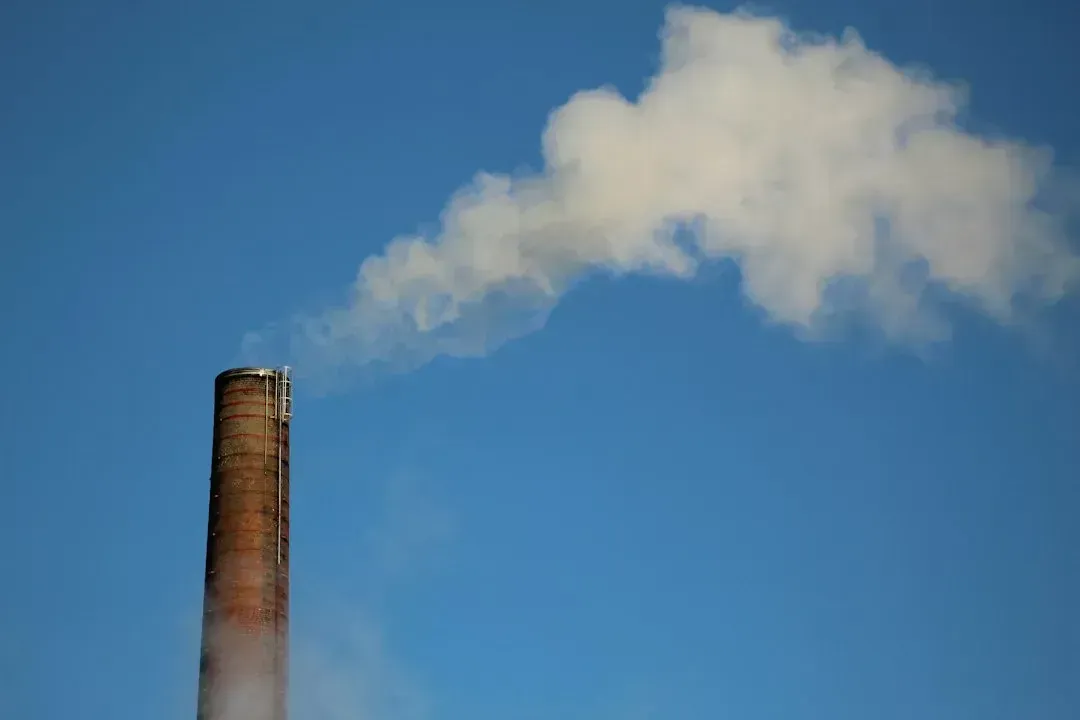
The nickname sticks because the underlying data feeds into so many financial decisions. Reported emissions numbers show up in investor disclosures, procurement contracts, and even tax credit calculations, so the reporting requirement starts to feel like a cost center even though no direct tax is attached to the form itself.
Business owners often hear about it secondhand, through an auditor or a customer’s supply chain questionnaire, rather than directly from EPA. By the time it lands on someone’s desk, it can look like a surprise bill rather than a decade and a half old regulatory obligation.
The EPA form at the center of it all

The actual requirement lives under 40 CFR Part 98, better known as the Greenhouse Gas Reporting Program, or GHGRP. The GHGRP is EPA’s mandatory federal program, codified at 40 CFR Part 98, that requires reporting of greenhouse gas (GHG) data and other relevant information from large GHG emission sources, fuel and industrial gas suppliers, and CO2 injection sites in the United States.
Companies don’t fill this out on paper. Facilities calculate emissions using methodologies that are specified under the regulations and report data to the EPA using the electronic Greenhouse Gas Reporting Tool (e-GGRT). That system, known as e-GGRT, is the actual portal where the “form” gets submitted, and it’s the piece many smaller companies discover only after acquiring a facility or expanding operations that push them past a reporting threshold.
Who actually has to file

The threshold that trips people up most is the emissions cutoff. The EPA’s Greenhouse Gas Reporting Program (GHGRP) requires facilities that emit 25,000 metric tons of CO2 equivalent or more per year to report their emissions. For context, this threshold is roughly equivalent to the annual greenhouse gas emissions from just over 4,500 passenger vehicles.
That number sounds large until you consider how many mid-sized industrial operations quietly cross it. Most small businesses would fall below the 25,000 metric ton threshold and are not required to report GHG emissions to EPA, but a facility that adds a new production line, a boiler, or a second shift can tip over that line without anyone noticing until an environmental audit flags it.
The sheer number of sectors covered

Part of what makes this program easy to overlook is its scope. A total of 41 categories of reporters are covered by the GHGRP, and facilities determine whether they are required to report based on the types of industrial operations located at the facility, their emission levels, or other factors.
That list runs far beyond oil refineries and power plants. It touches food processing, metal fabrication, chemical manufacturing, and landfill operations, industries that don’t typically think of themselves as climate-regulated businesses until a facility manager runs the emissions math and realizes they’re on the hook.
A program under serious reconsideration
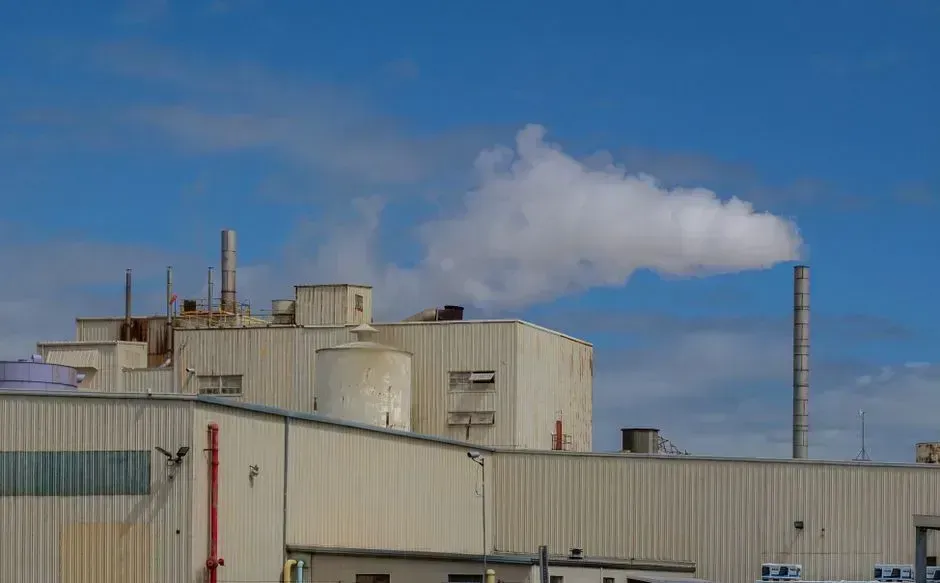
Here’s where things get genuinely current. In 2025, the EPA moved to unwind much of this reporting structure rather than expand it. The EPA on Friday formally proposed ending longtime requirements for many polluters to collect and report emissions of heat-trapping gases responsible for climate change.
Administrator Lee Zeldin framed the change bluntly, calling the existing rule “nothing more than bureaucratic red tape that does nothing to improve air quality.” The agency estimated real financial upside too, projecting the proposed action would save $303 million per year from 2025 to 2033.
How sweeping the rollback proposal actually is

The scale of the proposed changes surprised even people who follow environmental policy closely. The EPA announced a proposal to end the Greenhouse Gas Reporting Program, citing high compliance costs and limited regulatory value, and estimates that eliminating the program could save U.S. businesses up to $2.4 billion annually.
If adopted in full, the effect would be dramatic. The GHGRP currently requires more than 8,000 facilities and suppliers across 47 source categories to report greenhouse gas emissions data, and if finalized, the proposal would remove reporting obligations for all sectors except petroleum and natural gas systems. That’s the kind of change that leaves compliance teams unsure whether to keep tracking data at all.
Why the deadline itself just became a moving target
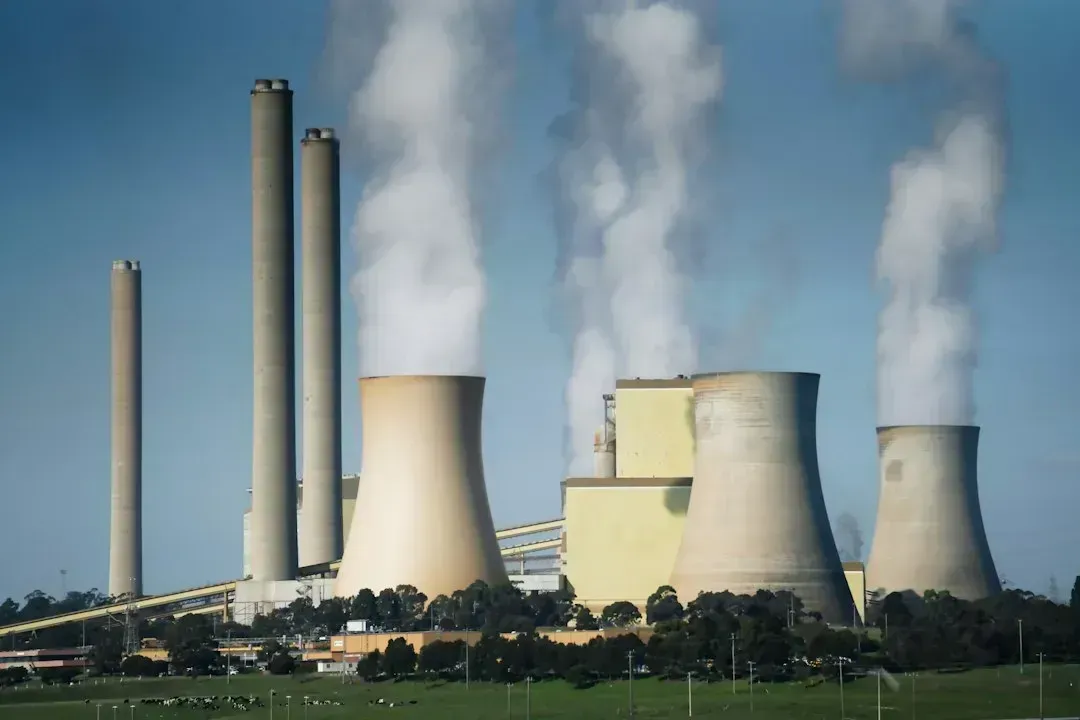
Adding to the confusion, EPA didn’t simply finalize the rollback and move on. Instead, it pushed the filing date further out while it sorts through public comments. The extension moves the reporting deadline under the Greenhouse Gas Reporting Rule for reporting year 2025 from March 31, 2026 to October 30, 2026, in response to comments received on the proposed rescission of the Greenhouse Gas Reporting Program.
That extension matters practically because it doesn’t cancel the obligation, it just delays it. Current Part 98 requirements remain in effect while the proposal is pending, meaning companies that assume the rule is already dead risk missing a filing that technically still applies.
The state-level layer nobody warns you about

Even if the federal program shrinks, it doesn’t mean the reporting burden disappears. Several states have built their own parallel systems, and some are just ramping up. Six states, including California, Colorado, Illinois, New Jersey, New York, and Oregon, now require GHG reporting or are phasing in such requirements, with California’s requirements especially broad, including new requirements beginning in 2026 that apply to companies doing business in the state that meet certain revenue thresholds and cover Scope 1, 2, and 3 emissions.
California in particular has become its own compliance universe. Companies doing business in California with revenue above $1 billion report Scope 1 and 2 for reporting year 2026 and Scope 3 for 2027 under SB 253, with third-party verification. A company that assumes federal changes solve its reporting headaches can still find itself squarely inside a state mandate.
The tax credit connection few companies expect
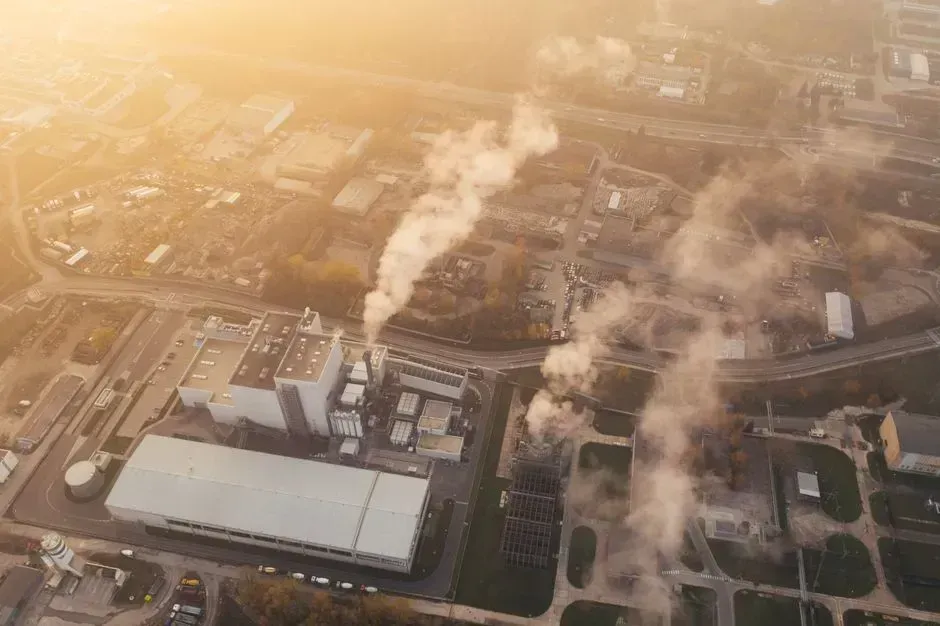
Here’s the twist that turns this from a compliance chore into something with direct financial upside for some businesses. Carbon capture projects rely on this same reporting system to unlock federal incentives. The Greenhouse Gas Reporting Program, administered by the US EPA, is an essential regulatory program that underpins the Section 45Q tax credit, and facilities geologically storing captured carbon dioxide must report the amount of CO2 sequestered to the GHGRP to claim the 45Q tax credit.
That link explains why some companies actually want to stay inside the reporting system even as others lobby to exit it. One hundred seventy individual Class VI well permits are currently pending at the EPA for 58 carbon storage projects, and these projects will require the GHGRP to verify the CO2 captured and stored amount to claim the 45Q tax credit. For that segment of industry, the “form” is less a burden and more a gateway to real money.
What getting it wrong actually costs
Skeptics sometimes assume the penalties for late or sloppy reporting are minor. State-level enforcement history suggests otherwise. In one earlier California case, the Air Resources Board announced nearly $1 million in penalties against three companies for late or inaccurate reporting of their greenhouse gas emissions.
The details of those individual cases show how quickly delays add up. Chevron U.S.A. Inc. paid $364,500 for reporting incorrect information regarding operations at its El Segundo Refinery, where the data remained uncorrected for 243 days. Even a utility supplier wasn’t spared, since Southwest Gas Corporation agreed to pay $300,000 to resolve its late report, after its data was reported 320 days late.
Practical steps to avoid the surprise

Given how fluid the rules are right now, the safest approach is to treat this as an active compliance area rather than something to check once and forget. Facility managers should track actual emissions against the 25,000 ton threshold every year, not just at initial registration, since production changes can quietly push a site over the line.
It’s also worth watching EPA’s rulemaking docket directly rather than relying on secondhand summaries, since proposed changes are not current law unless and until EPA finalizes them. Companies operating in California, Colorado, or other states with their own programs need a separate compliance calendar entirely, because federal changes won’t override state deadlines.
Final thoughts

The “carbon tax” nickname is a bit misleading, but the underlying confusion is real. A program built to collect emissions data has quietly become tangled up with tax credits, state mandates, and a federal rollback that isn’t finished yet.
For now, the practical advice is simple: don’t assume the rule is gone just because the headlines say EPA wants to scale it back. Until a final rule actually takes effect, the obligation, and the filing deadline attached to it, remains very much alive.

- 12 Countries Where Rising Sea Levels Are Already Displacing Residents - September 19, 2026
- Think Vaccines Are Modern? These 9 Discoveries Disagree - September 19, 2026
- Top 10 Countries Where Solar Investment Will Go Further in 2026 (Ranked) - September 19, 2026
