


- NASA invites students to design a moon base in $1 million challenge - November 11, 2026
- Why Some People Can Feel a Storm in Their Joints, According to Experts - November 11, 2026
- 7 Foods That Taste Better on a Rainy Day, According to Chefs - November 11, 2026
On a hot afternoon, the ground can feel hotter than the air. Dark asphalt and rooftops soak up sunlight all day and then release that heat after sunset, which is one reason cities stay warmer than the land around them.
Planners now have several tools for pushing back, and they don’t all work the same way. Some cool a surface, some cool the air, and some mostly cool the person standing under them. Here are six approaches cities are using, and what the evidence says about each.
Cool Roofs Written Into Building Rules
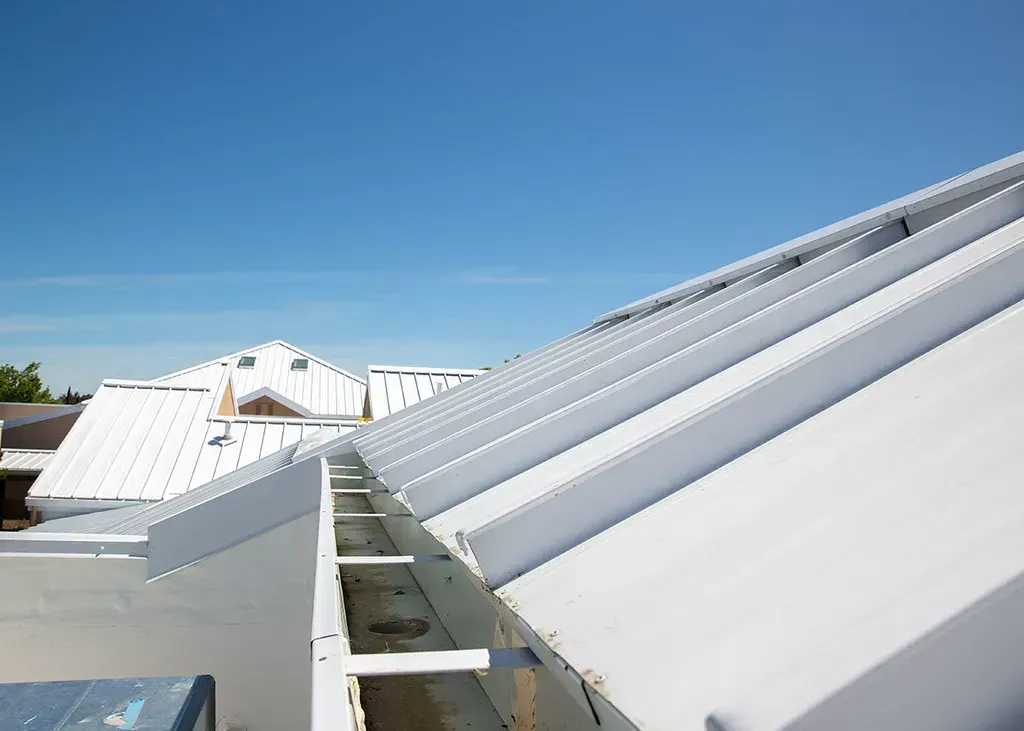
A cool roof reflects more sunlight than a standard dark one, so less heat reaches the building and the neighborhood. Los Angeles has made this a requirement rather than an option. In 2018, the city independently raised its solar reflectance index requirements to 0.25 for steep slope roofs and 0.8 for flat roofs.
The rules have had a measurable reach. The city’s cool roof requirements have resulted in at least 20,000 new cool roofs. The local utility also helps with costs, since LADWP offers cool roof rebates between $0.20 and $0.30 per square foot to eligible residential customers.
Street Trees That Shade Pedestrians
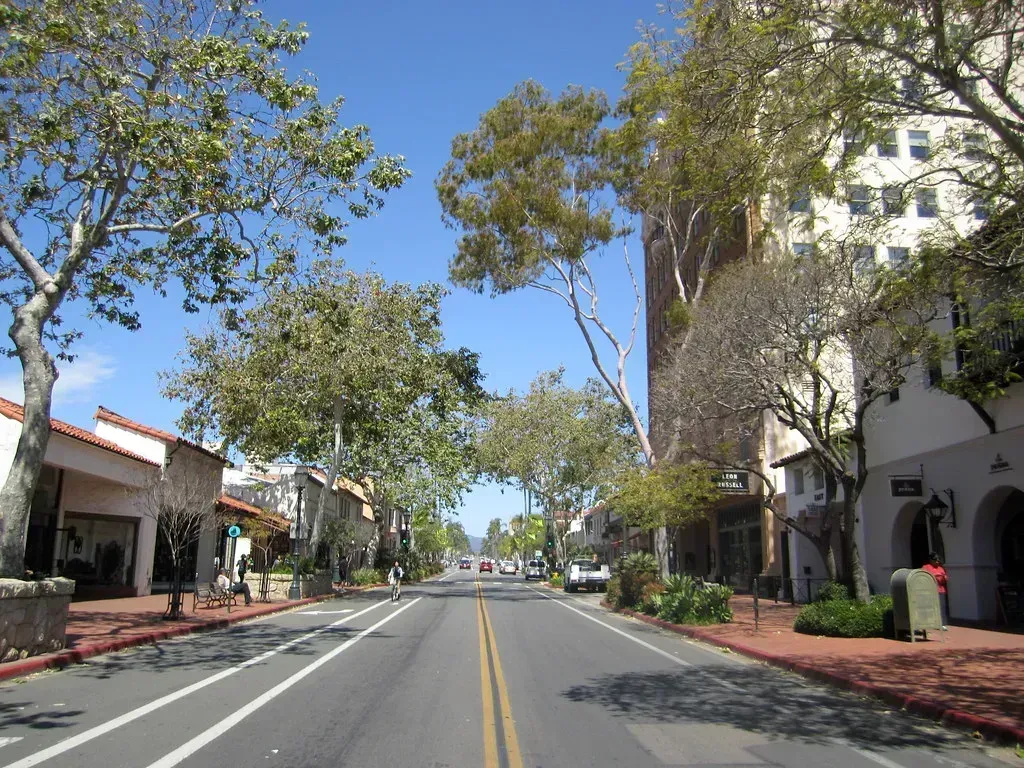
Trees cool in two ways. They block direct sun, and they release moisture through their leaves. A Phoenix modeling study found that tree canopy expansion gave the most substantial pedestrian level cooling, lowering mean radiant temperature by up to 6 °C and air temperature by about 1 °C within shaded corridors.
The catch is that the effect stays close to the trees. Those cooling effects were spatially confined to canopy zones. A separate analysis of Toronto, Phoenix and Miami found street trees especially effective at reducing pedestrian heat stress during the hottest times of day, particularly in Phoenix.
Reflective Coatings on Phoenix Streets
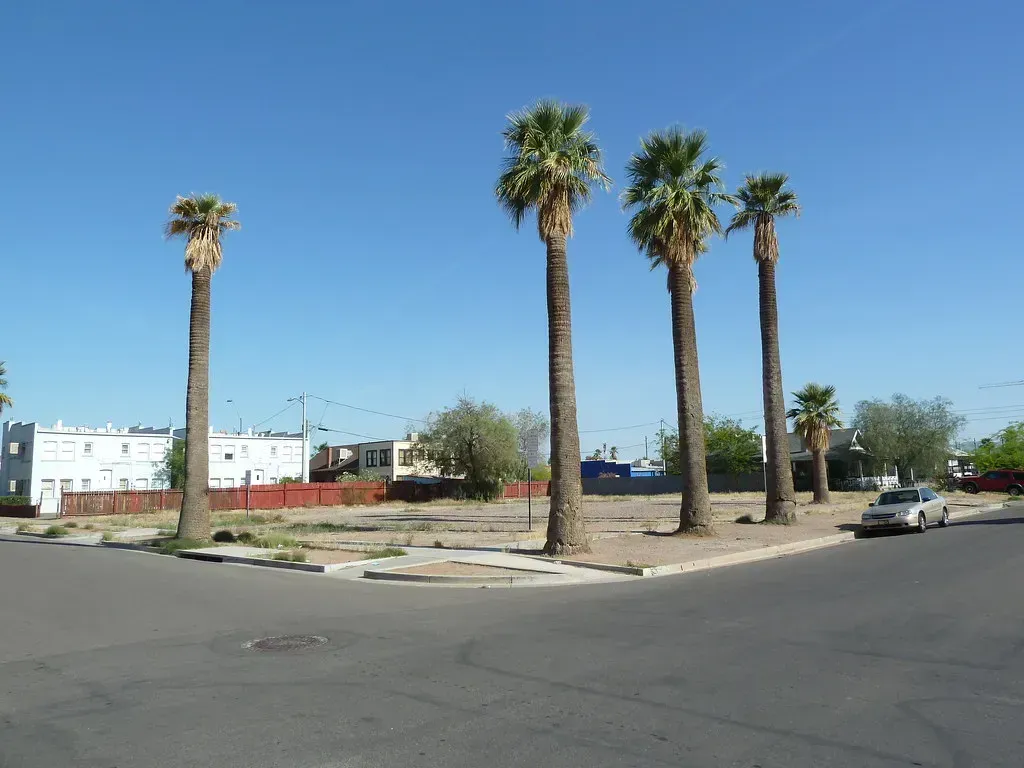
Phoenix has gone further with cool pavement than almost any other American city. Since 2020, it has deployed one of the largest cool paving pilots in the country, covering over 100 miles of streets in each of the city’s eight council districts. The treatment is a light gray sealer applied over asphalt.
Arizona State University researchers tracked the results. Surface temperatures on treated streets were on average 10.5 degrees cooler in the afternoon and 12 degrees cooler at noon. Subsurface temperatures were also lowered by 4.8 degrees.
A Whole Neighborhood Coated in Pacoima
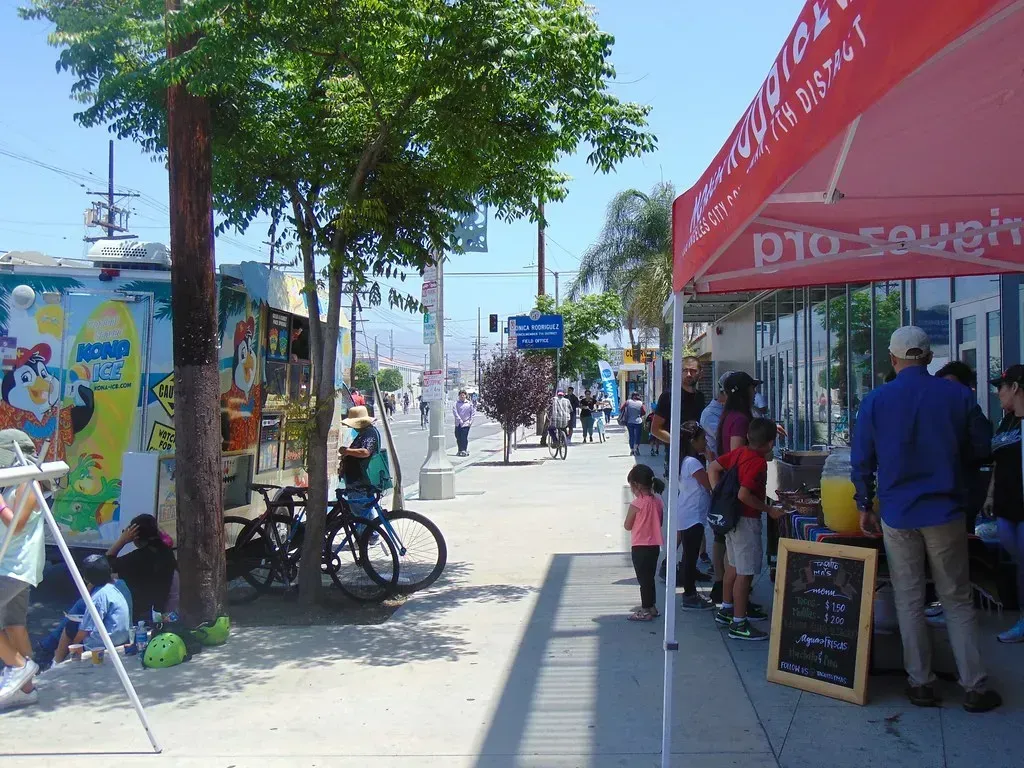
Most pavement trials cover a street or two. The first community wide cool pavement experiment took place in the Los Angeles neighborhood of Pacoima. That made it possible to compare an entire area against a similar one nearby.
The air temperature results were smaller than the surface results. Air about 6.5 feet above ground averaged 1.5 degrees F lower on sunny days, and up to 3.5 degrees F cooler during a daytime extreme heat event. The pavement itself was about 10 degrees F cooler on sunny days.
Putting Treatments Where the Sun Hits Hardest
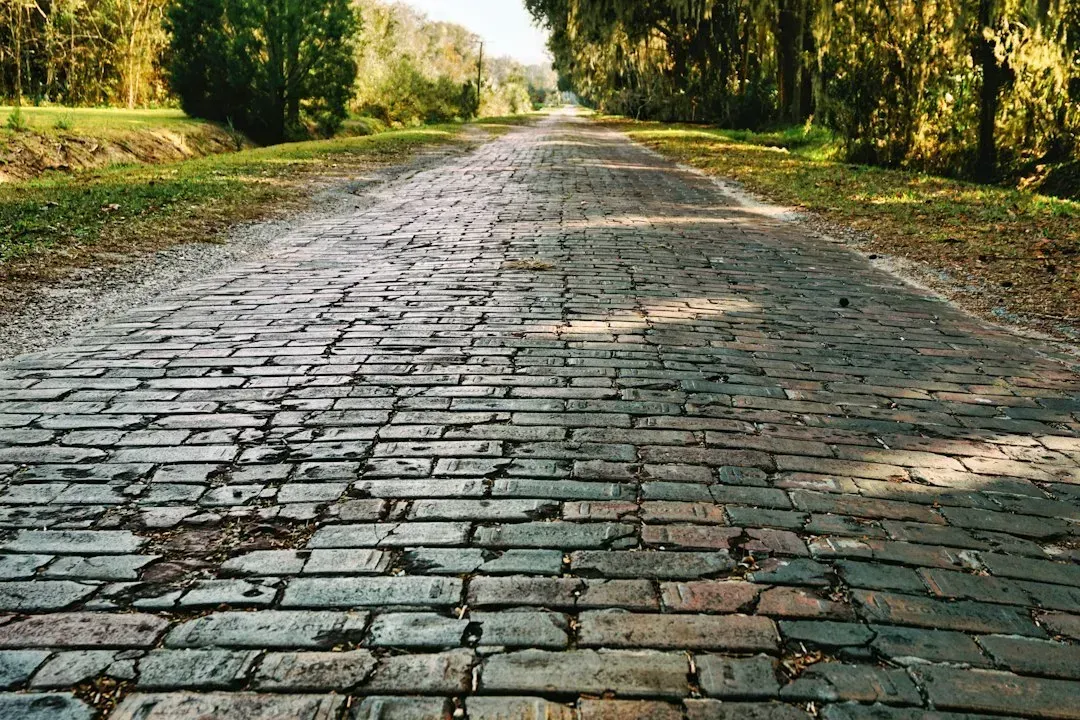
Location turns out to matter a great deal. Phoenix’s street engineers compare cool pavement to sunscreen, which works best in places facing high exposure to the sun. Tall downtown buildings already shade the street, so there’s less to gain.
Researchers who studied the Phoenix program drew similar lines. They said cool pavement is most effective on large unshaded parking lots and on wide residential streets in hot, low cloud climates. They advise against using it in high-rise downtowns or in busy pedestrian spaces like playgrounds, plazas or parks.
Combining Tools Under One Citywide Target
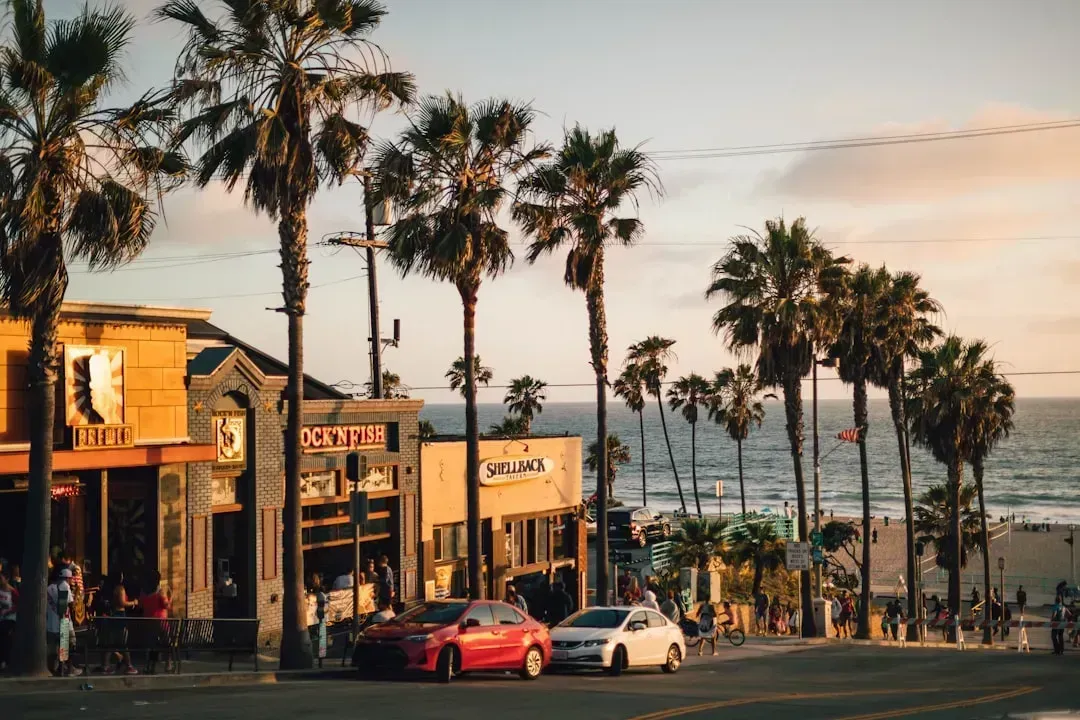
Cities are increasingly treating these measures as a set. Los Angeles is the first U.S. city to set a citywide temperature reduction goal. Its reflective paving program, which covers rooftops and public streets, sits alongside a Million Trees initiative and planning with the Department of Health.
Mixing tools makes sense because no single option wins everywhere. A study of Toronto, Phoenix and Miami that compared five strategies concluded that no single adaptation strategy improves outdoor heat stress, air conditioning energy use and air pollution ventilation all at once. Cool roofs, trees and pavement each cover a different gap.
