


- 10 Traditional Building Techniques From Hot Climates Architects Are Revisiting - November 10, 2026
- 2026 Atlantic hurricane season winding down? El Niño eases late-season storm threat - November 10, 2026
- Could the Great Pacific Garbage Patch be altering the ocean’s color? - November 10, 2026
A pair of binoculars sitting in a closet can turn a dark evening into something much bigger. You don’t need a telescope, a tripod, or a degree in astronomy to get started. A standard 7×50 or 10×50 pair will do.
Many of the best targets are easy to find once you know where to look. Here are six that reward a few quiet minutes outside, along with a few tips that help you get the most from each one.
The Moon
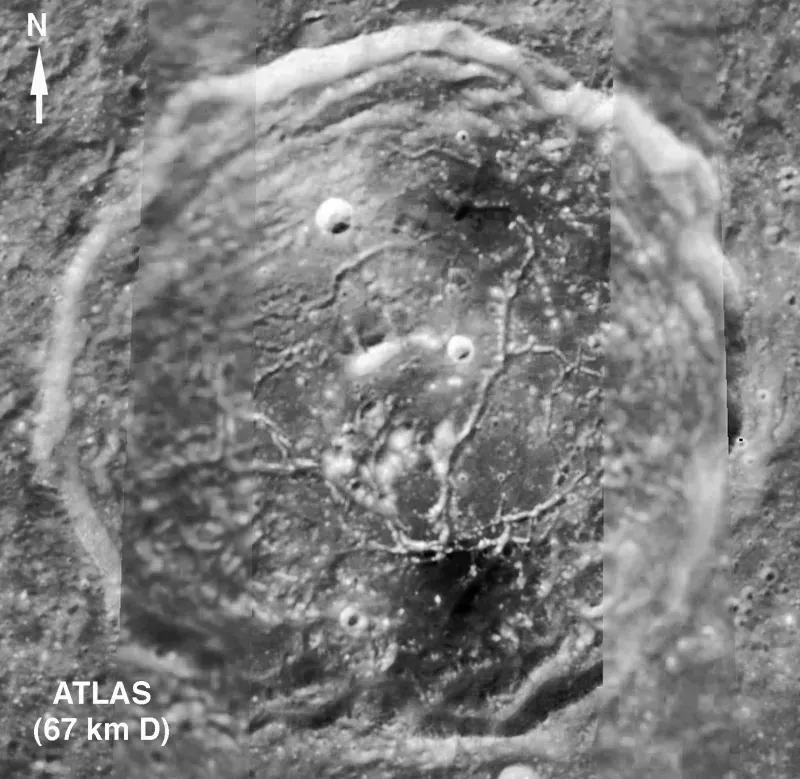
The Moon is the obvious first stop, and it’s still the most dramatic. Through binoculars, the flat gray plains called maria stand out clearly, and so do large craters and mountain ranges. The best detail appears along the terminator, the line between lunar day and night, where long shadows make the terrain look three dimensional.
A crescent or quarter Moon usually shows more texture than a full one. Full Moon light is flat and glaring, which washes out relief. Brace your elbows on a fence or car roof to steady the view.
Jupiter and Its Moons
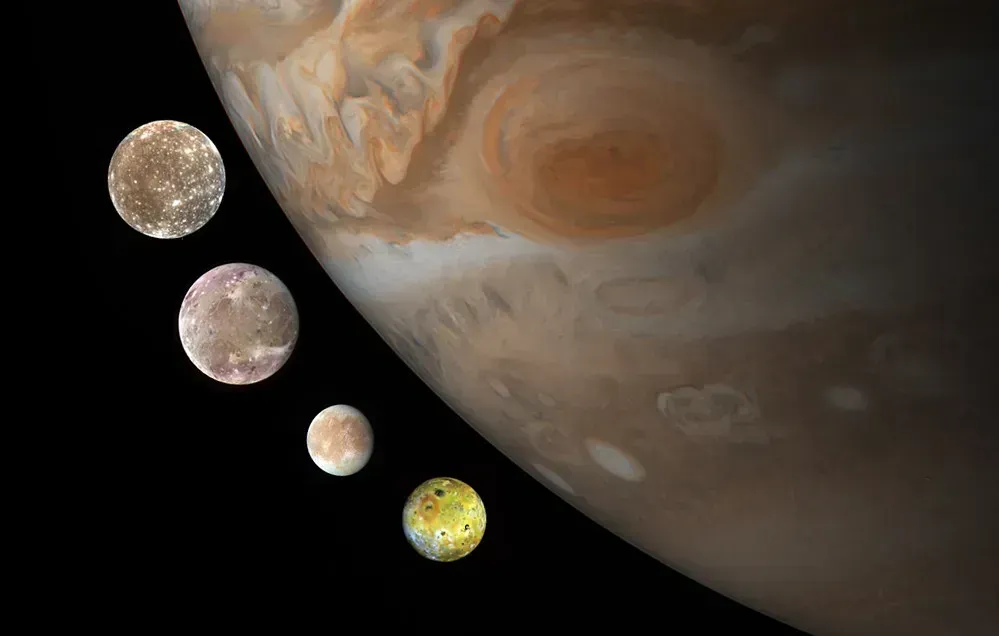
Jupiter is bright enough to spot without any help, yet binoculars reveal something the eye can’t. Up to four small points of light sit in a line beside the planet. These are the Galilean moons: Io, Europa, Ganymede, and Callisto, first seen by Galileo in 1610.
Their positions change from night to night, sometimes within hours. Jupiter’s cloud bands generally need a telescope, so don’t expect stripes. Steady hands, or a simple mount, make the moons much easier to separate from the glare.
The Pleiades
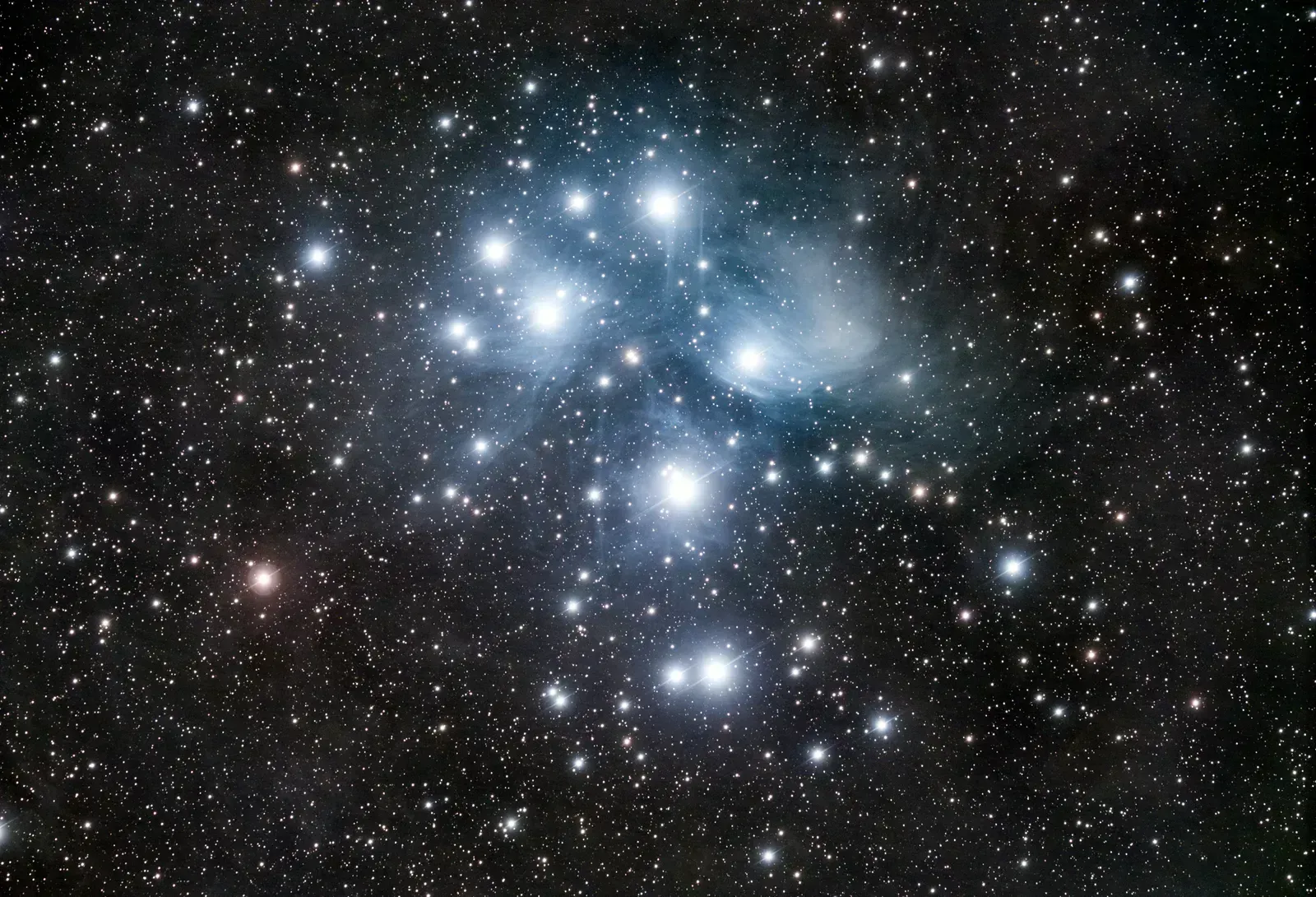
The Pleiades, also called the Seven Sisters, is an open star cluster in the constellation Taurus. To the naked eye it looks like a small smudge of about six or seven stars. Binoculars show dozens, and the brightest ones have a faint bluish tint.
It’s best in the autumn and winter months in the Northern Hemisphere, rising in the evening as the season turns. The cluster is large on the sky, so wide, low magnification binoculars frame it beautifully. This is a good one to share with kids.
The Orion Nebula
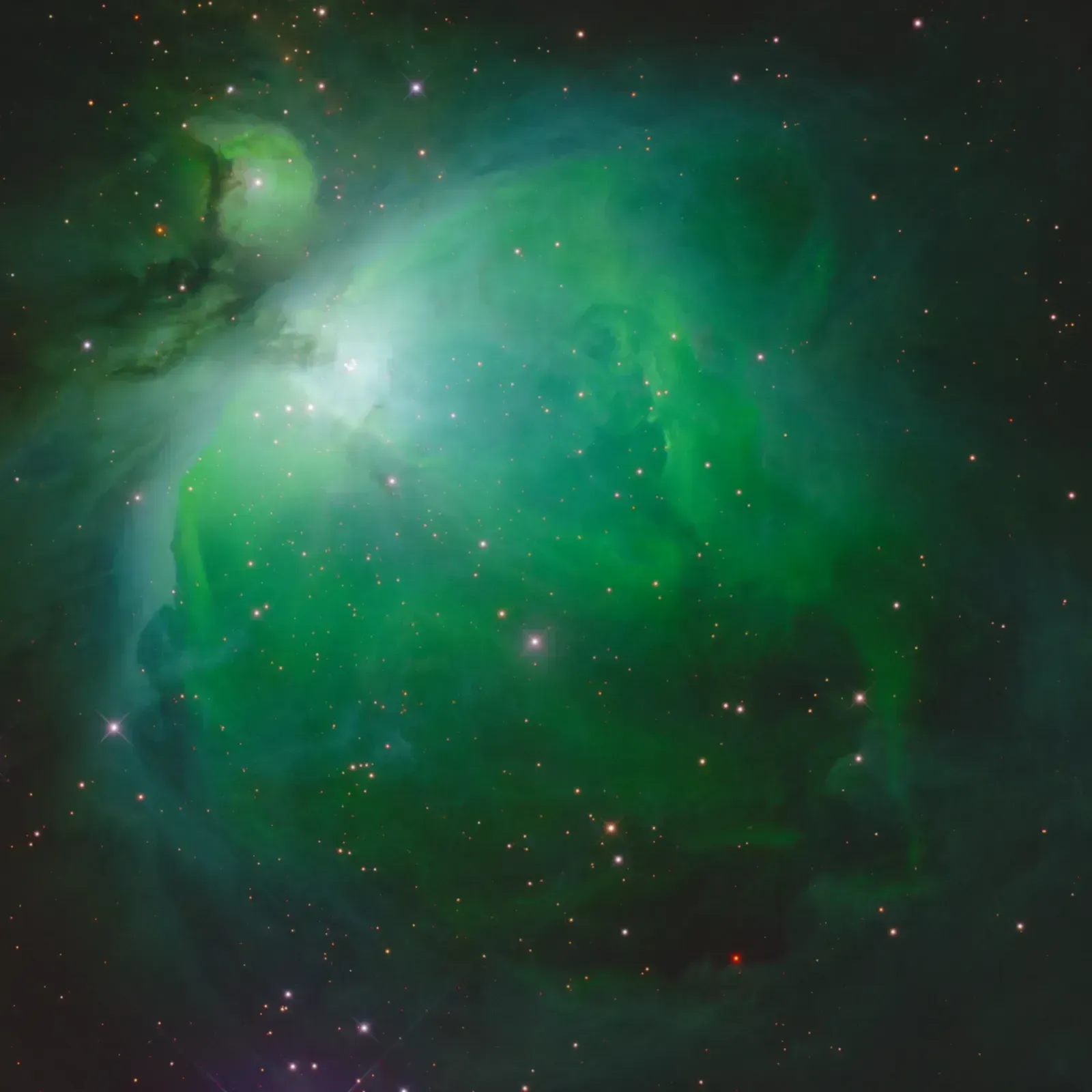
Below the three stars of Orion’s belt hangs his sword, and the middle point of it isn’t a star. It’s the Orion Nebula, also known as Messier 42, a vast cloud of glowing gas where new stars are forming. In binoculars it looks like a soft, grayish fan around a bright core.
It sits roughly about one thousand three hundred light years away, which makes it one of the closest stellar nurseries to Earth. Orion is prominent on winter evenings in the Northern Hemisphere. Darker skies bring out more of the wispy glow.
The Andromeda Galaxy
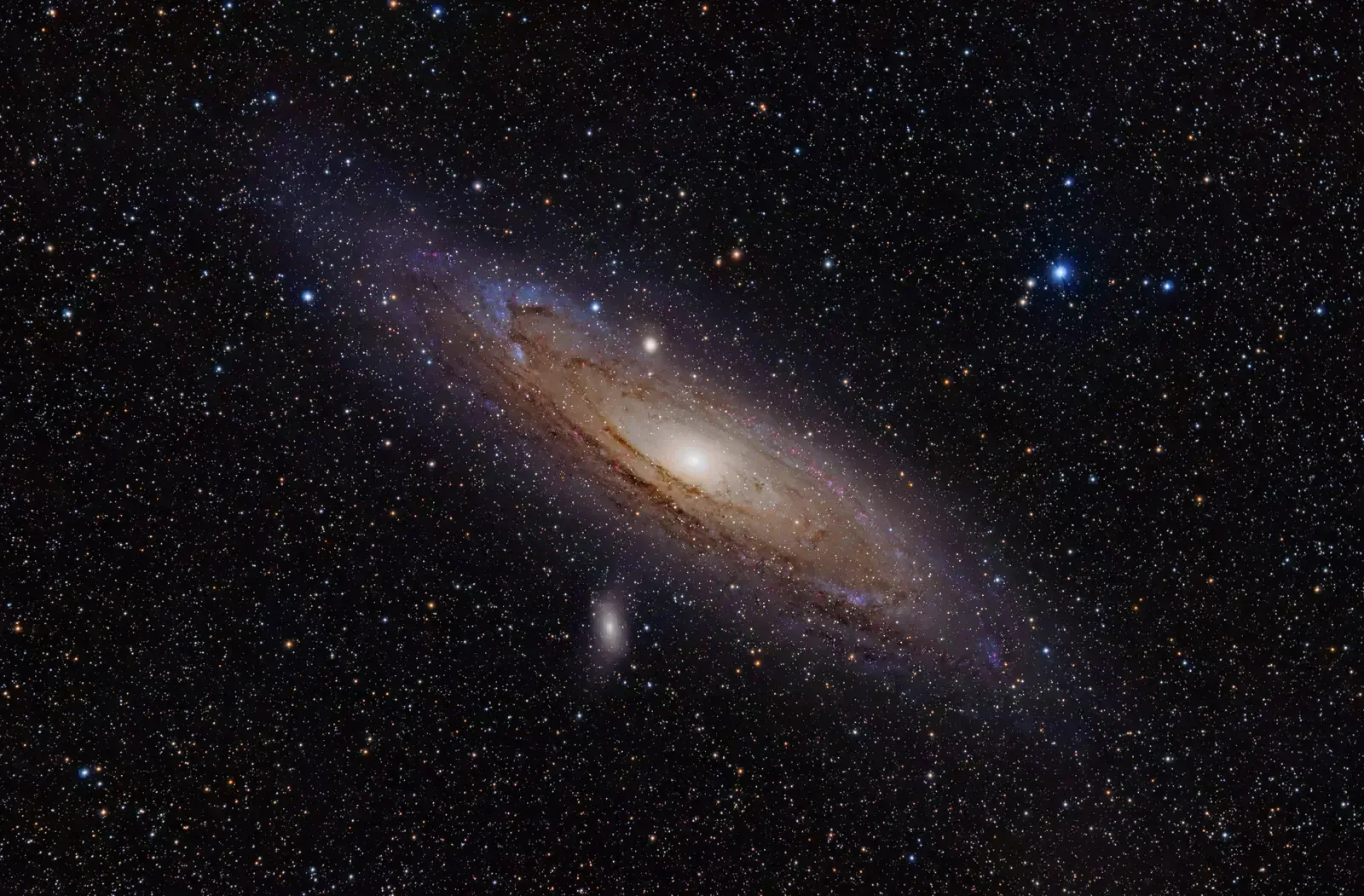
Andromeda, or Messier 31, is the nearest large galaxy to our own, about two and a half million light years away. Under a reasonably dark sky it appears in binoculars as an elongated, oval haze, brighter toward the middle. What you’re seeing is the combined light of hundreds of billions of stars.
To find it, locate the Great Square of Pegasus and follow the line of stars in Andromeda. It’s best in autumn evenings. City lights wipe it out quickly, so a rural spot helps a lot.
The Double Cluster in Perseus
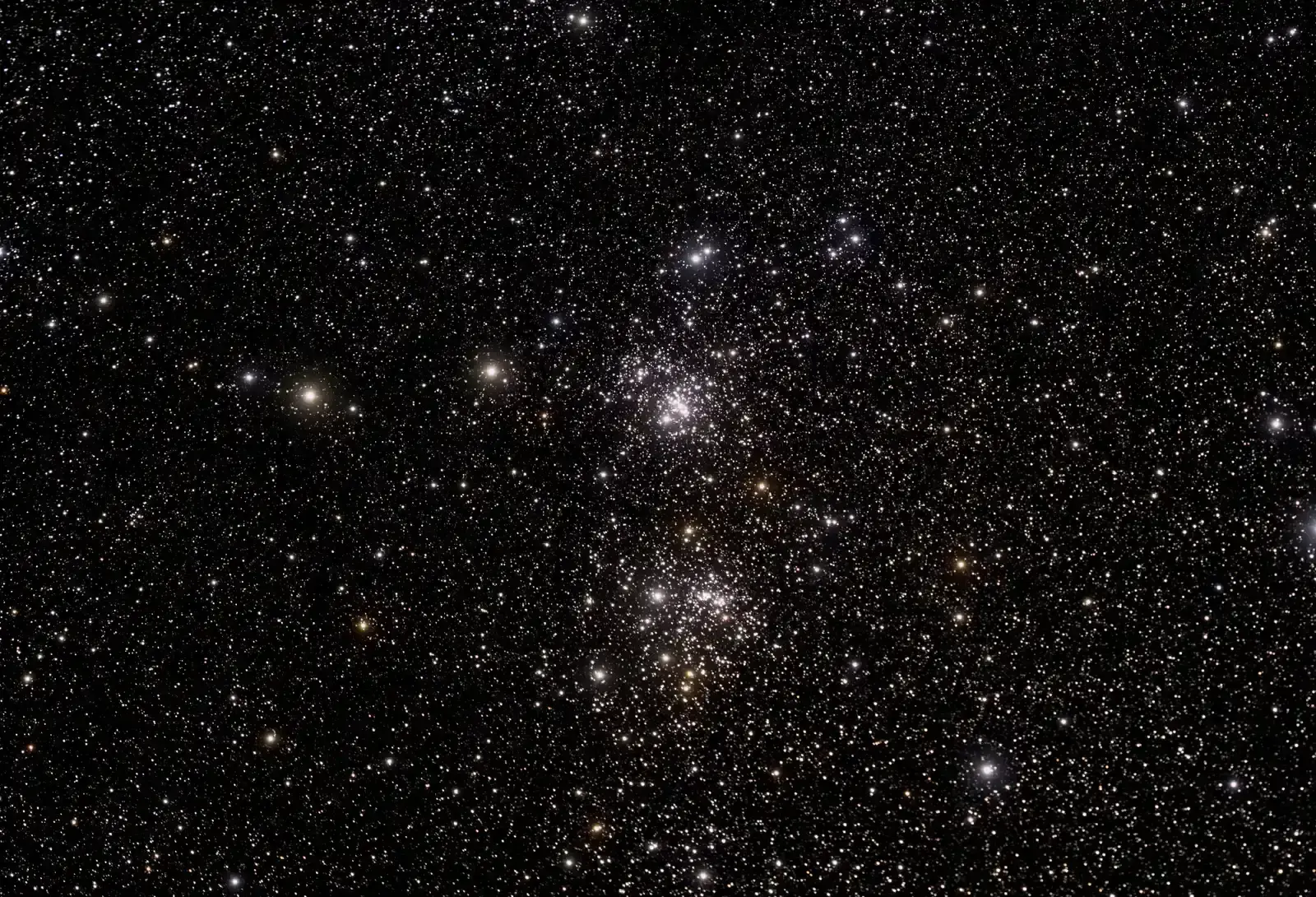
Between Cassiopeia and Perseus lie two neighboring star clusters, known as NGC 869 and NGC 884. To the eye they form a faint, fuzzy patch. Binoculars split them into two sparkling swarms, with a scattering of reddish and golden stars among the white ones.
Both clusters are young by cosmic standards and sit several thousand light years away. They’re visible from mid northern latitudes much of the year, since they stay high in the sky for many observers. Sweeping slowly across the area often reveals extra stars you weren’t looking for.
