

Singapore is a small island with a lot of people and very little room to collect rain. Yet it has built a water supply in which treated used water, once flushed away, comes back as a dependable resource. The product is called NEWater, and it often surprises visitors who assume recycled sewage must be a last resort.
The system is less mysterious than the idea sounds. It rests on a few well documented treatment steps, a testing regime, and a national plan that has been running for more than two decades. Here is how the pieces fit together.
Why Singapore Needed Another Source of Water
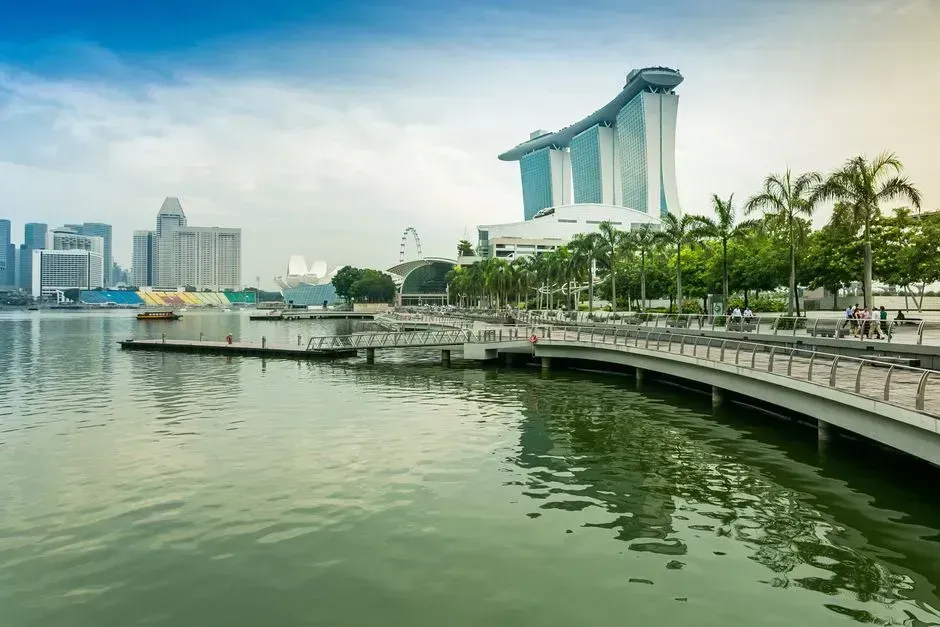
Singapore’s land is limited, which restricts how much rainwater it can catch in reservoirs. The country has an estimated water demand of 2 million cubic metres per day. Meeting that from rainfall alone would require far more catchment land than a dense city can spare.
Reuse offered a way around the problem. Because every drop can be used and used again, reuse multiplies the available supply, which beats expanding catchment areas in a land scarce city. That logic pushed the national water agency, PUB, toward membrane technology.
Where NEWater Sits Among the Four National Taps
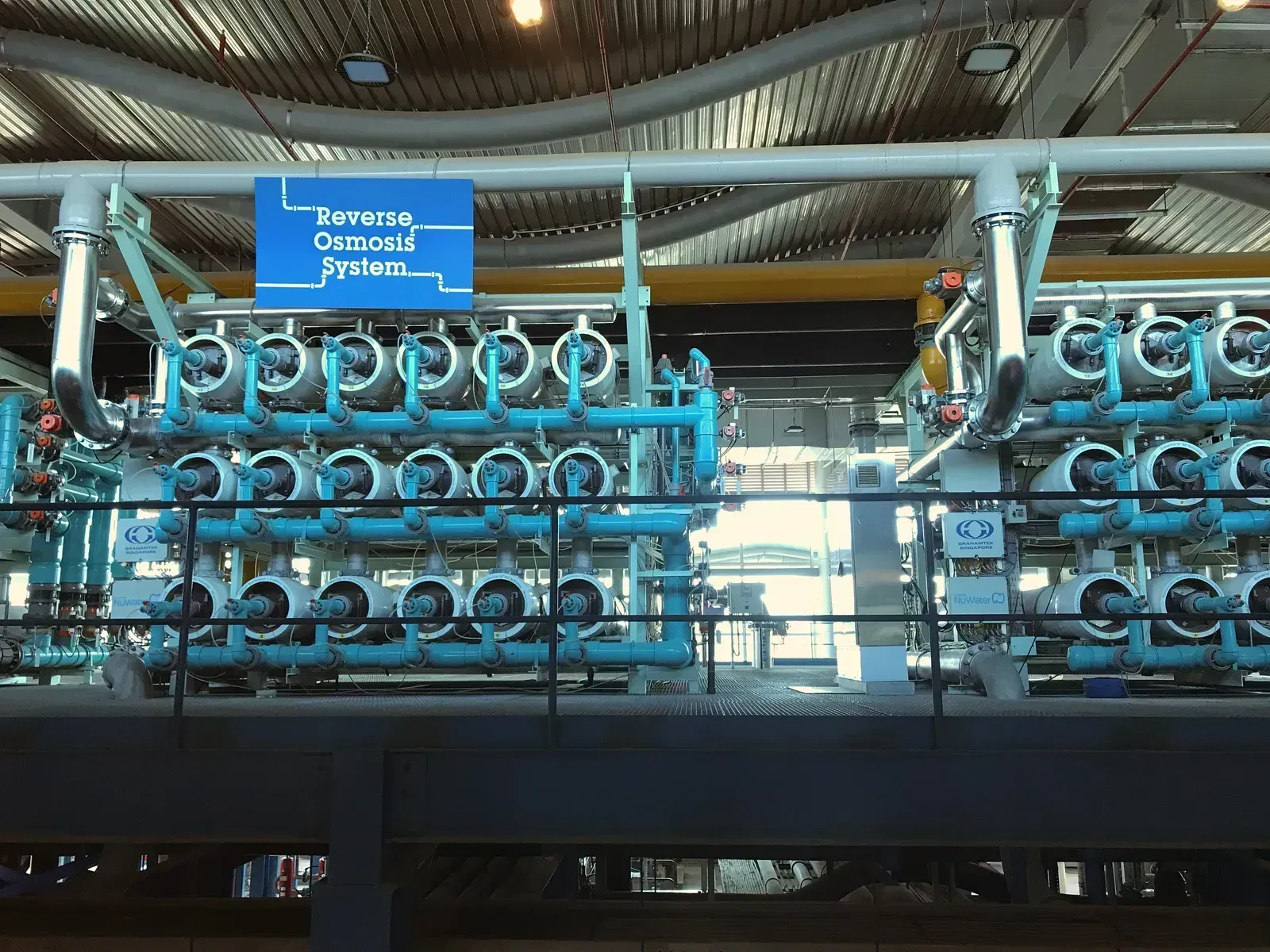
NEWater is one piece of a diversified strategy. It is the third tap in the Four National Taps approach, alongside local catchment water, imported water from Malaysia and desalinated water. Spreading supply across several sources means one failure or one dry spell doesn’t threaten everything.
The two newest taps share a useful trait. NEWater and seawater desalination are meant to serve as a drought proof source during long periods of low rainfall. Neither depends on the weather the way reservoirs do.
Step One: Microfiltration and Ultrafiltration
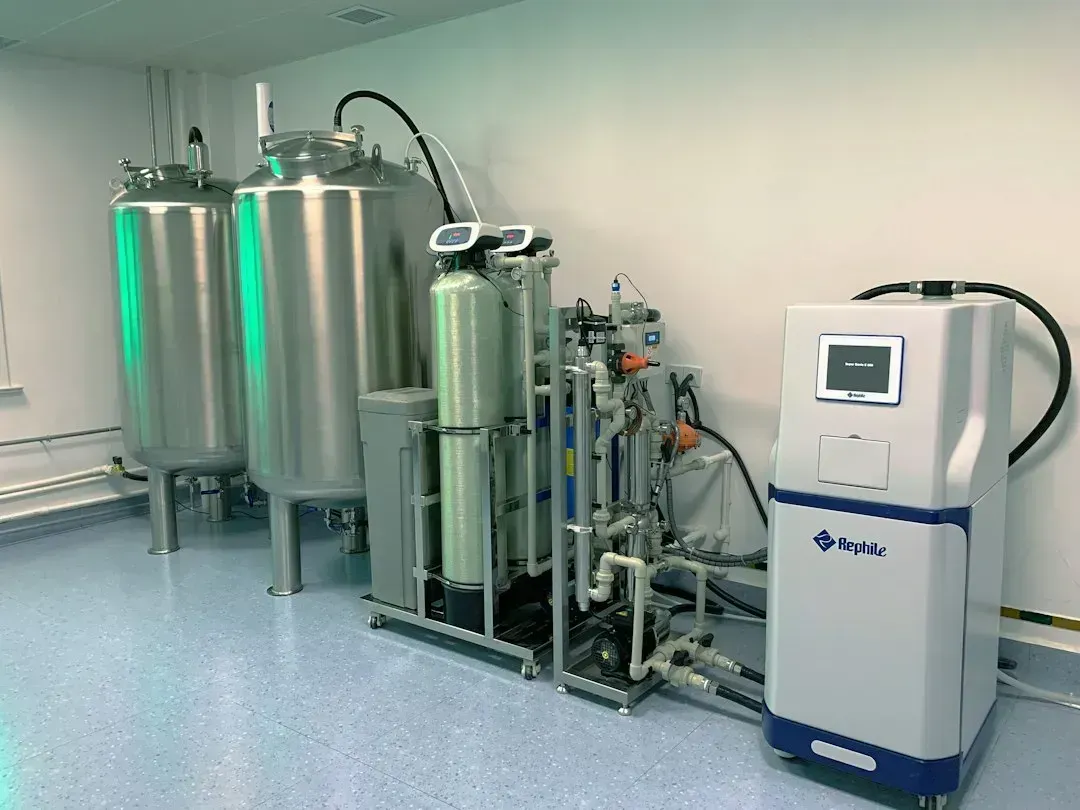
The journey starts with used water that has already gone through conventional treatment. The treatment train runs from primary sedimentation and activated sludge into microfiltration, ultrafiltration, reverse osmosis and ultraviolet disinfection. Each stage handles a different kind of contaminant.
Microfiltration and ultrafiltration are the first membrane stages. PUB describes the NEWater process as three stages: microfiltration or ultrafiltration, reverse osmosis, and ultraviolet disinfection. The early membranes strip out suspended solids and larger particles, which protects the finer membranes that follow.
Step Two: Reverse Osmosis Does the Heavy Lifting
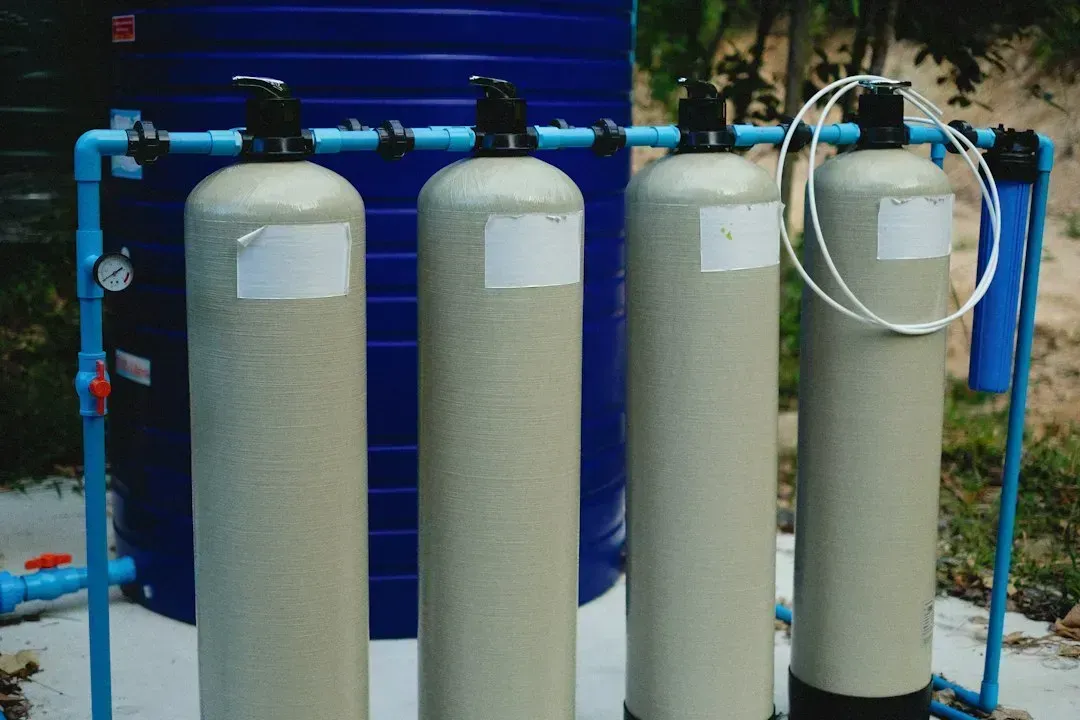
Reverse osmosis is the core of the process. It is pressure driven and separates particles mainly by size, through pores between 0.2 and 0.4 nanometres. That is small enough to block most dissolved salts, many chemicals and microorganisms.
Water is forced through the membrane while contaminants stay behind. The result is water far purer than what enters the factory. It’s the same principle used in seawater desalination, applied to a much easier feed.
Step Three: Ultraviolet Disinfection as a Safety Net
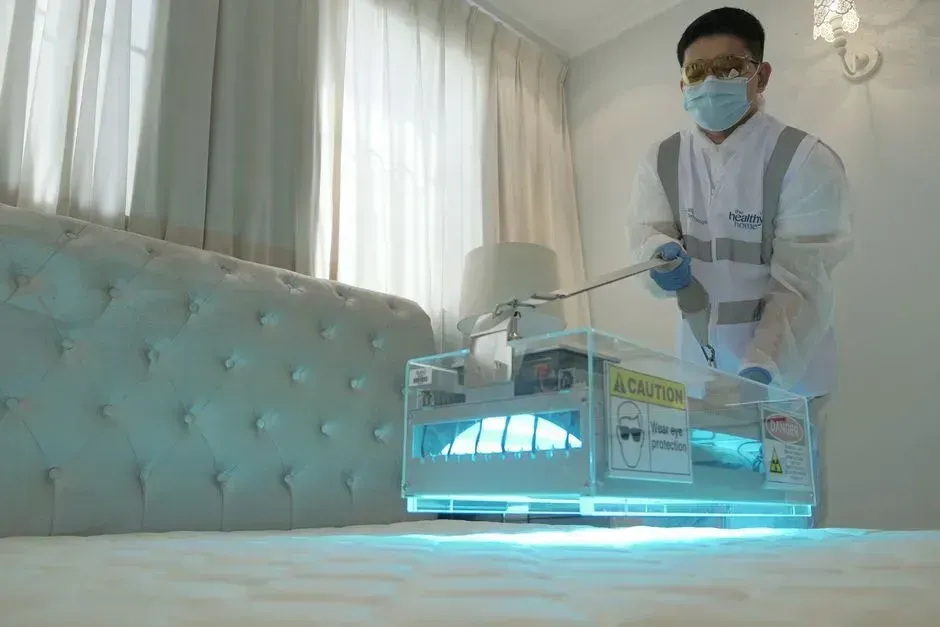
The last treatment stage uses ultraviolet light. UV disinfection is the third stage of the NEWater process. It acts as a backstop, inactivating any microorganisms that might have slipped through the membranes.
Stacking barriers is the point. No single step is trusted to do everything, so a defect in one is caught by another. Water engineers call this a multi barrier approach, and it is standard thinking in potable reuse.
What Happens After Treatment: Storage and Distribution
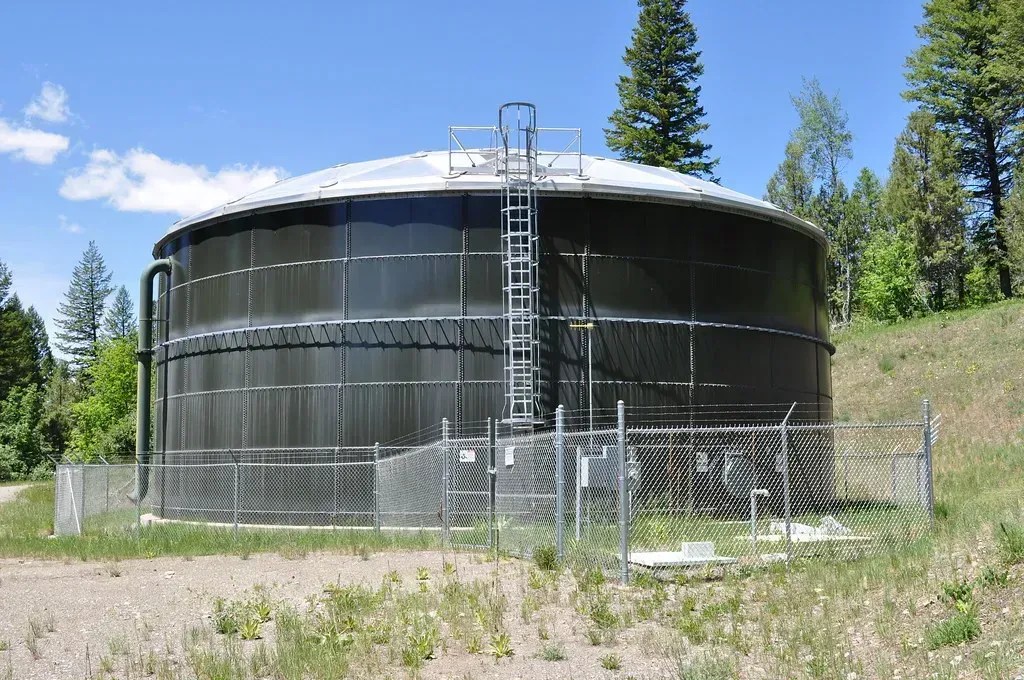
Finished NEWater doesn’t go straight to a tap. Before distribution or reservoir addition, it is stored in tanks for at least nine hours while being monitored continuously online. That window gives operators time to respond if a problem appears.
Most of it never reaches household taps directly. The majority is piped through a separate system to industrial users, while a small percentage goes into reservoirs and mixes with raw water. The share added to reservoirs rises during dry seasons to strengthen water security.
How Safe Is It? Testing and Standards
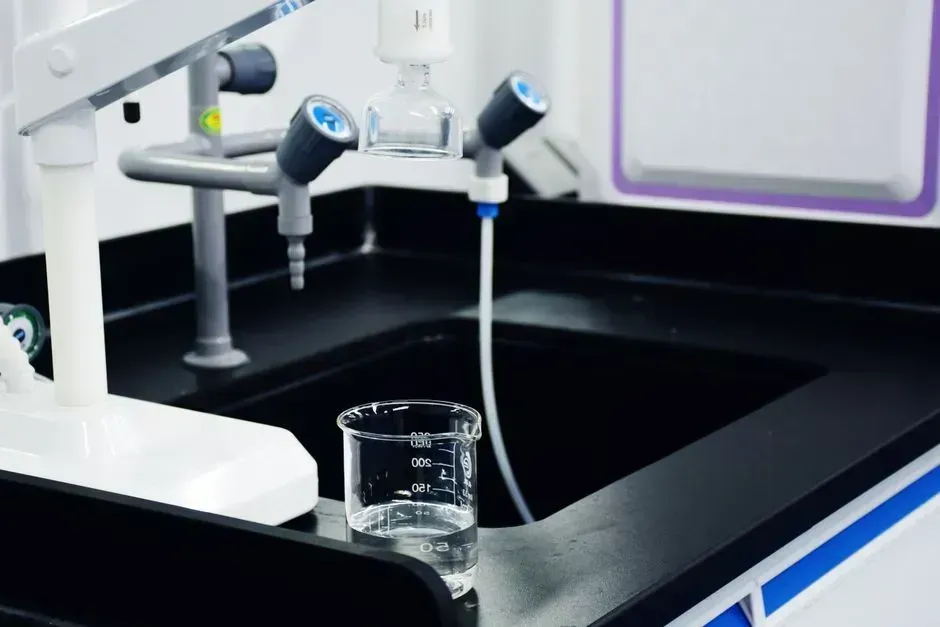
Quality claims rest on a long testing record. NEWater is tested for about 300 parameters, at frequencies from weekly to annually. Those include pharmaceuticals, personal care products, endocrine disrupting compounds, industrial solvents and waterborne pathogens.
Oversight comes from several directions. Local and international experts audit the system every year. Although it isn’t regulated as a drinking water supply, NEWater complies with Singapore Food Agency drinking water rules under the 2019 Environmental Public Health Regulations. Both NEWater and potable water must also meet requirements in local and international standards, including World Health Organization guidelines.
Energy Use Compared With Desalination
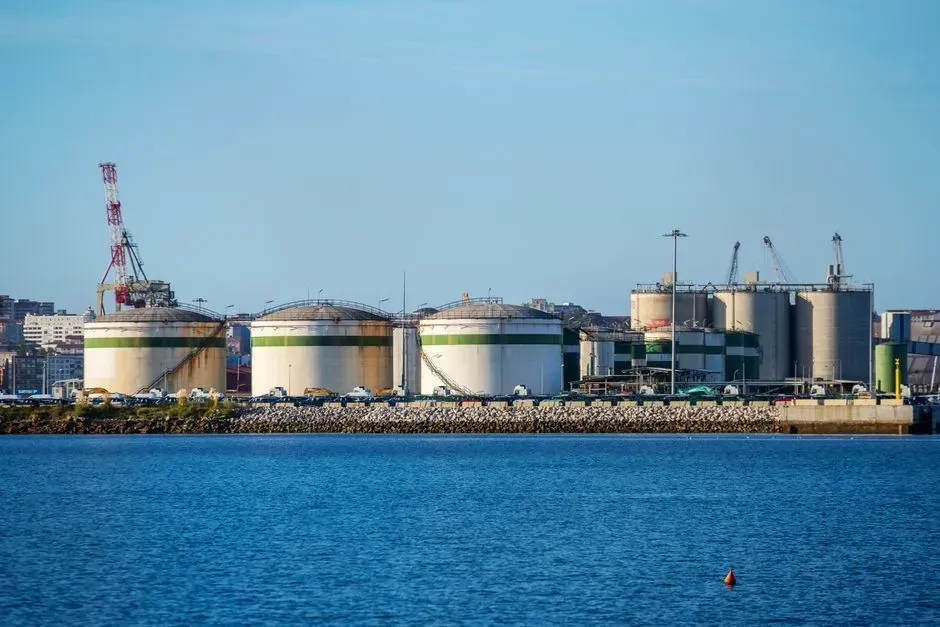
Reuse also tends to cost less energy than pulling salt out of seawater. PUB puts seawater reverse osmosis at about 3.5 kilowatt hours per cubic metre, while a long term study of the Changi NEWater plant measured 0.6 to 0.8. That is roughly a fifth of the desalination figure.
The reason is straightforward. Used water contains far less dissolved salt than seawater, so the membranes need less pressure. It’s a figure from one plant, though, so it shouldn’t be read as a universal rule for every facility.
Capacity, Targets and the Road to 2060
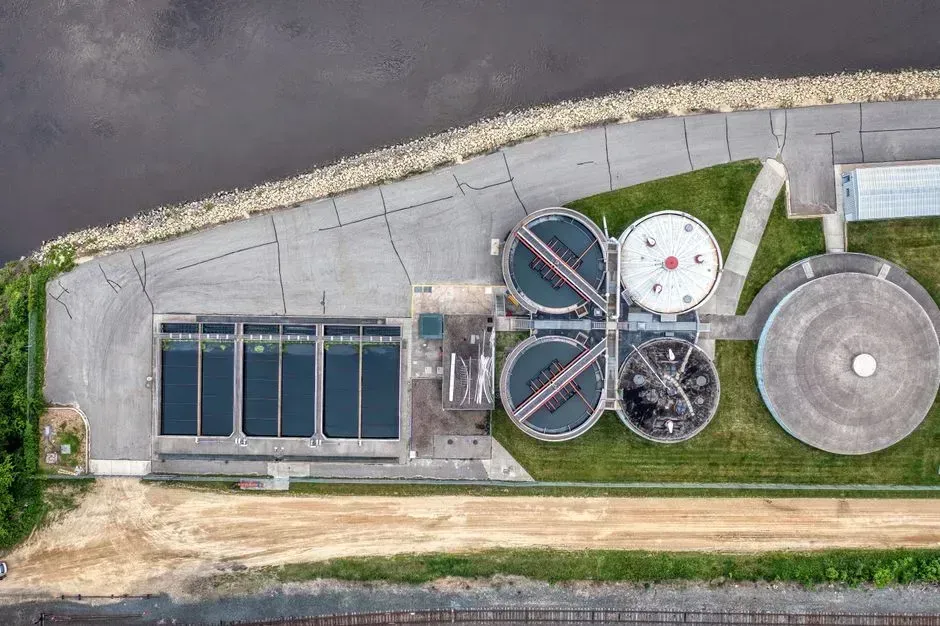
Capacity has grown in steps. PUB built five NEWater plants between 2003 and 2017, with a combined capacity of 760,000 cubic metres a day, close to two fifths of national demand. Different sources round the share in different ways, so it’s best treated as roughly that level.
The long term goal is larger. By 2060, the non domestic sector is projected to rise from 55 percent to 70 percent of demand, and advanced treated water capacity is to expand to meet up to 55 percent of the total. Desalination is expected to cover another 30 percent.

- I Asked AI and a Waste Auditor How to Cut My Household Trash – Where They Disagreed - November 12, 2026
- Einstein’s equations suggest gravity can reconnect like the sun’s magnetic field - November 12, 2026
- This Map Shows Which States Get the Most Severe Storms Each Year – And It’s Not What You’d Expect - November 12, 2026
