

- Phantom Energy Sucking Power 24/7 – 7 Home Electronics Quietly Inflating Utility Bills - November 14, 2026
- A Million-Mile Storm Raging for Centuries – 6 Violent Weather Wonders in Our System - November 14, 2026
- Animals Flee Hours Before the Tremor – 7 Natural Warnings Before Disasters Strike - November 14, 2026
Most of us link snow with mountain resorts, northern winters and cold cities. Weather doesn’t always follow that script. Every so often, flakes turn up in places that seem to have no business seeing them.
Some of these events lasted only minutes, and others have become surprisingly regular. Here are seven places where snow has shown up unexpectedly, along with what made each one possible.
Ain Sefra, Algeria, on the Edge of the Sahara
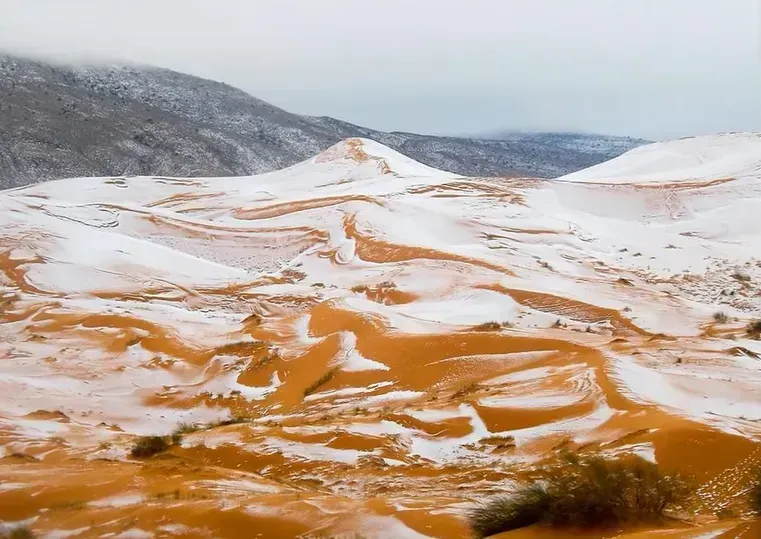
The Sahara is the world’s largest hot desert, so snow there sounds like a mistake. Yet the town of Ain Sefra, in northwestern Algeria, has seen it more than once. A snowfall in December 1979 reportedly lasted about half an hour, and the town has been dusted again in recent winters, including in 2016, 2018 and 2021.
Elevation is the main explanation. Ain Sefra sits around one thousand meters above sea level, in a basin ringed by the Atlas Mountains. When cold air moves in during winter, nights can fall below freezing, and any moisture can arrive as snow. The orange dunes under white powder made for some of the most widely shared desert photos of the past decade.
The Summits of Mauna Kea and Mauna Loa, Hawaii
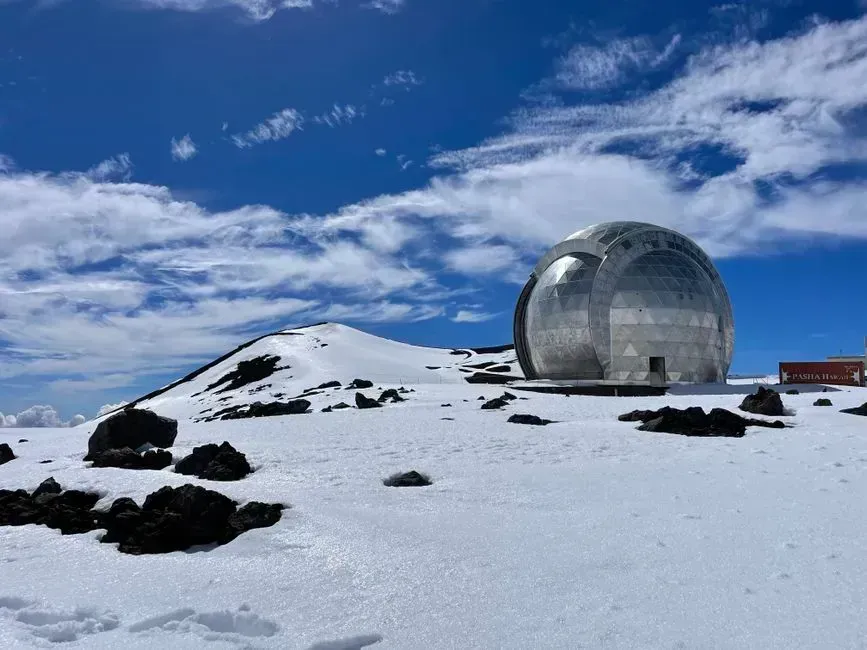
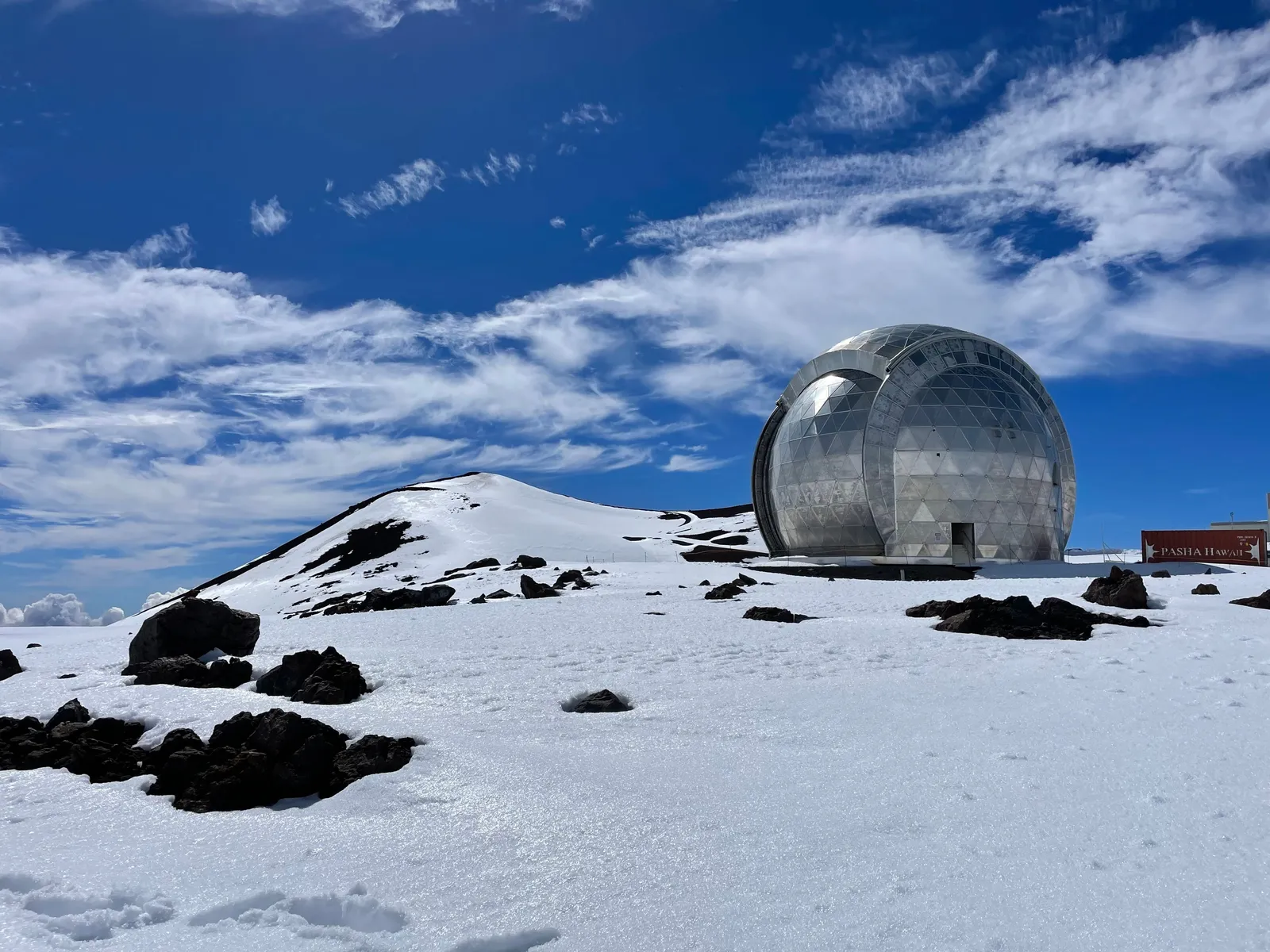
Hawaii is a tropical state, but its two tallest volcanoes on the Big Island rise to roughly four thousand meters. At that height, winter storms can bring real snow and ice. The name Mauna Kea is commonly translated as white mountain, a nod to its snowy caps.
The National Weather Service in Honolulu regularly issues winter weather warnings and advisories for the summits. Snow can close the summit road, which serves the observatories at the top. Meanwhile, the beaches below stay warm, so a visitor can sometimes see both in the same day.
The Atacama Desert, Chile
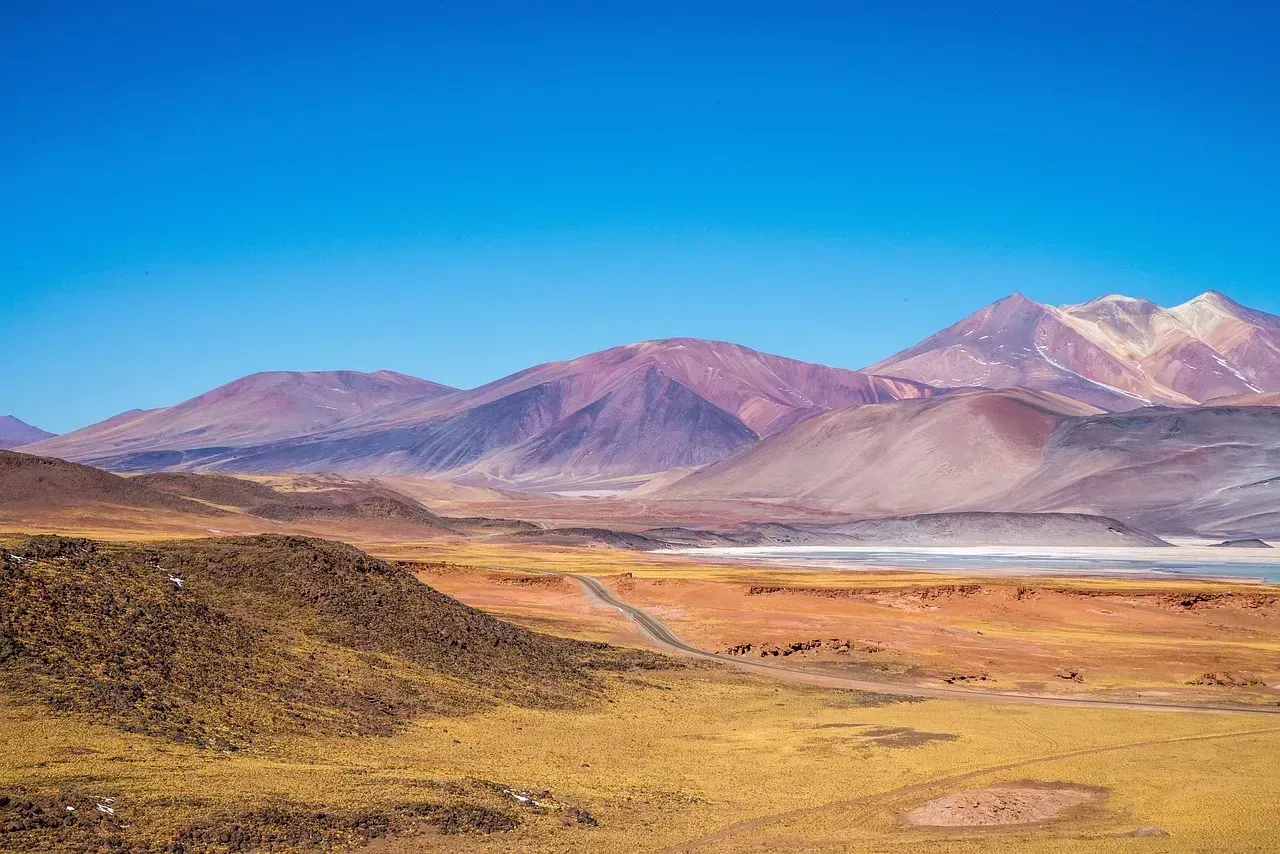
The Atacama is often called the driest non polar place on Earth. Parts of it have gone years without meaningful rain. Even so, snow has fallen in the region, including notable events in 2011 and 2013 that covered high desert terrain and disrupted local travel.
Much of the Atacama is a high plateau, and altitude makes cold snaps more likely. The area also hosts major observatories, including the ALMA telescope array, which has had to pause work during heavy snow. Those events are rare, but they show that dryness and cold don’t rule each other out.
Miami, Florida

South Florida is about as far from a snow globe as you can get in the continental United States. Still, on January 19, 1977, snow flurries were observed in Miami. It’s generally described as the only time snow has been recorded there.
A strong cold outbreak pushed freezing air unusually far south that day. The flurries were light and didn’t accumulate, but they were memorable enough that the date is still cited in Florida weather history. Today it works as a reminder that even the mildest climates have outliers.
Mount Kilimanjaro, Tanzania
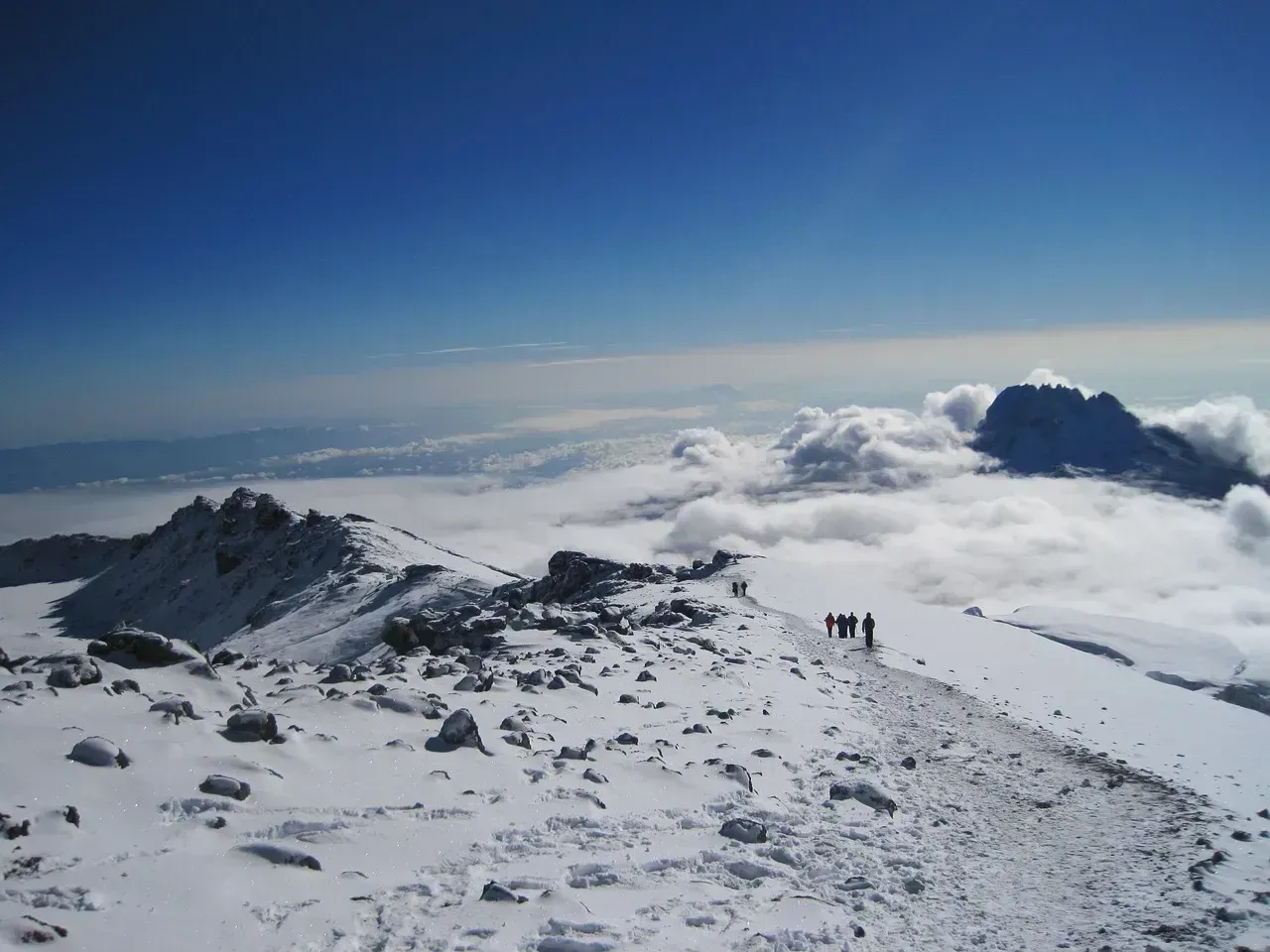
Kilimanjaro stands just south of the equator, yet its summit is capped with snow and glacial ice. At nearly six thousand meters, it’s the highest mountain in Africa. Temperatures near the top stay cold enough for precipitation to fall as snow.
The ice cover has been shrinking for more than a century. Scientists have documented major losses since the early twentieth century, and some projections suggest the glaciers could disappear within a few decades. So this is a case where snow is still present, though it may be less of a permanent feature than it once was.
Tabuk Province and Jabal al-Lawz, Saudi Arabia
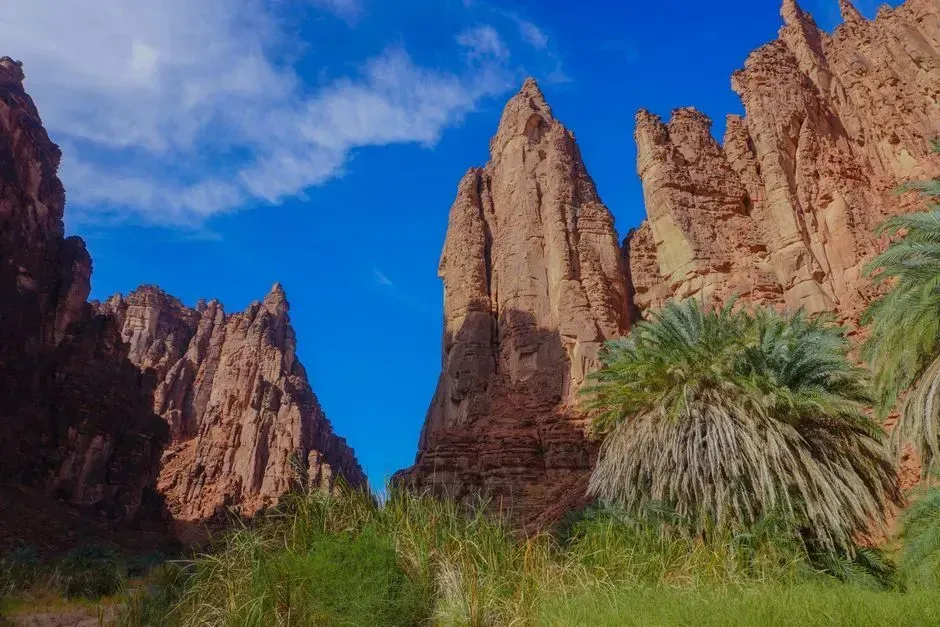
Saudi Arabia is known for heat, but its northwest has mountains that can get properly cold. Snow has fallen in the Tabuk region in a number of recent winters, and Jabal al-Lawz is among the best known spots. Local reports and videos of snow covered hills and camels have circulated widely during those cold spells.
The area sits at a much higher elevation than most of the kingdom, and winter cold fronts can reach it from the north. The snow generally doesn’t last long, but it has become a small tourism draw for residents who rarely see it. It’s a good example of how geography, not latitude alone, sets the odds.
Baghdad, Iraq
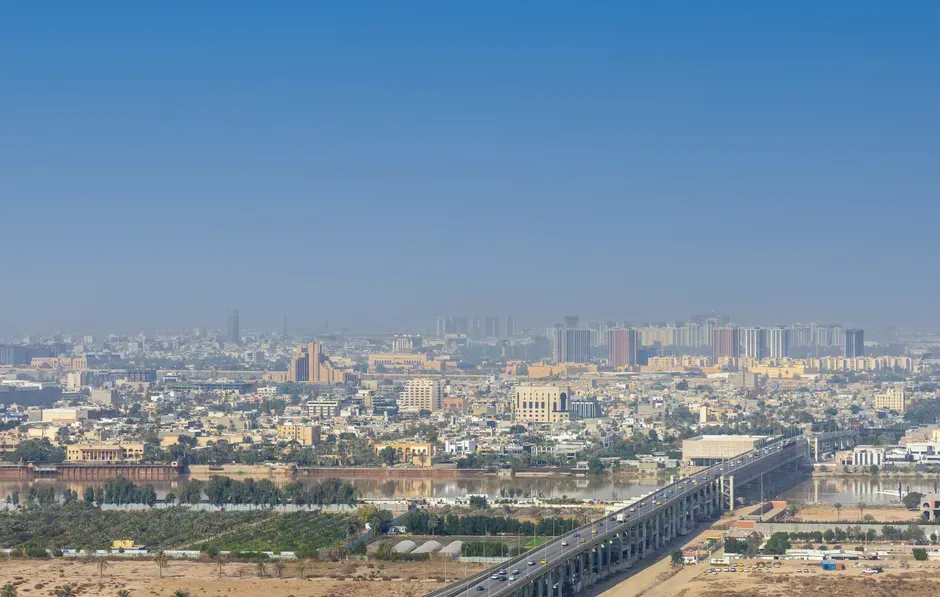
On January 11, 2008, snow fell across Baghdad in a rare event that many residents said they’d never seen. Reports at the time described it as the first snowfall in the city in roughly a century, though such claims are hard to verify precisely. Photos showed a thin white layer across streets and rooftops.
Baghdad has a hot desert climate, with summers regularly well above forty degrees Celsius. The snowfall came during an unusually cold winter spell in the region. It didn’t last, but it stood out as a moment of quiet in a city that had been dealing with far heavier news.
