


- Rivers Flowing Backward for Days – 6 Forgotten Quakes That Literally Bent Geography - November 13, 2026
- 9 Items Experienced Skywatchers Bring Along That Beginners Always Wish They’d Packed - November 12, 2026
- I Moved to Tornado Alley in Oklahoma – 7 Things I Did Not Anticipate About Storm Season - November 12, 2026
On some dry mountain slopes, the most dependable water source doesn’t fall as rain. It drifts in as fog, and a fine plastic mesh can catch it. The idea sounds almost too simple, yet it now supplies homes in more than one country.
Morocco and Peru show two different versions of the same approach. Here is how the nets work, where they stand in 2026, and what their limits are.
How a Fog Net Actually Works
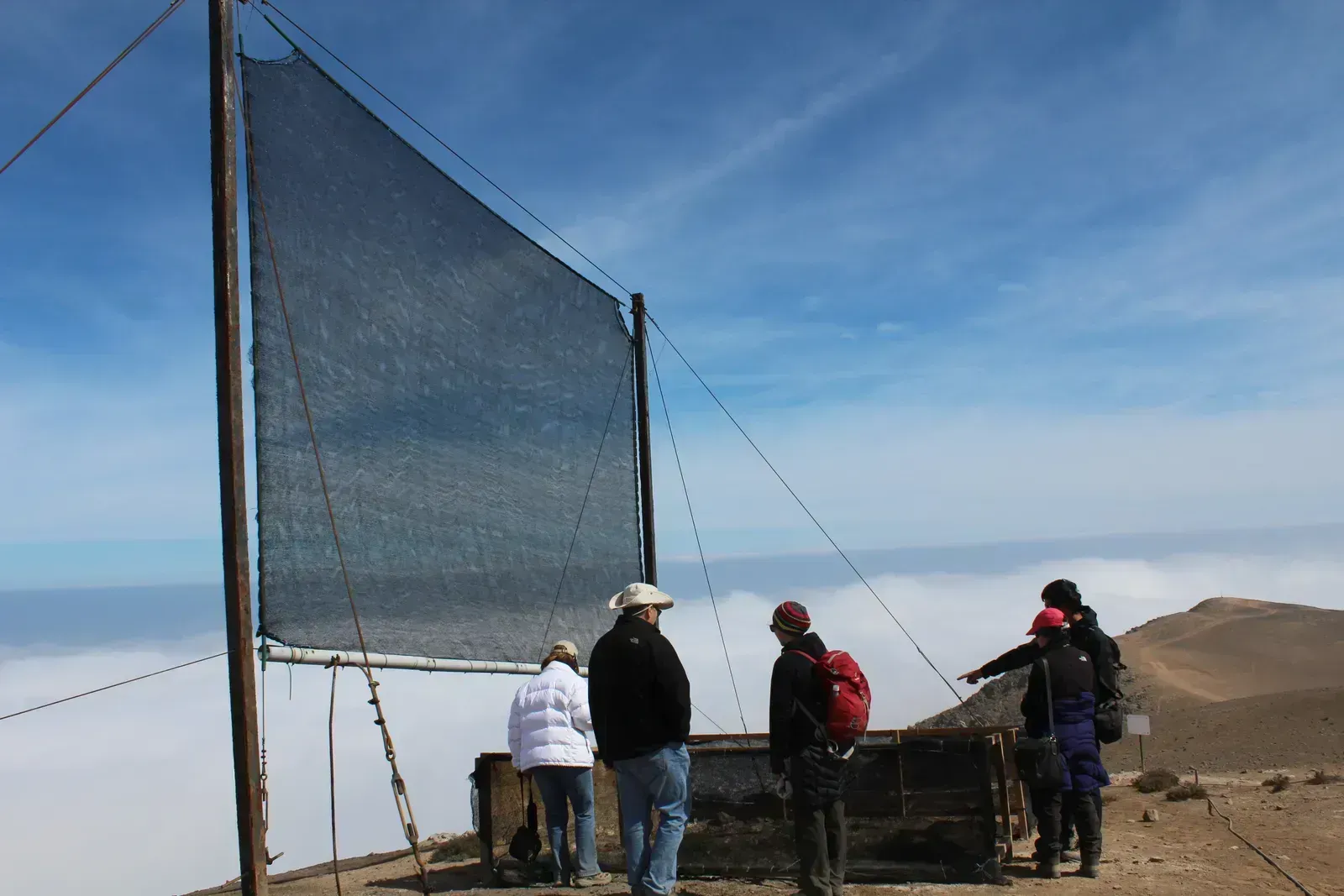
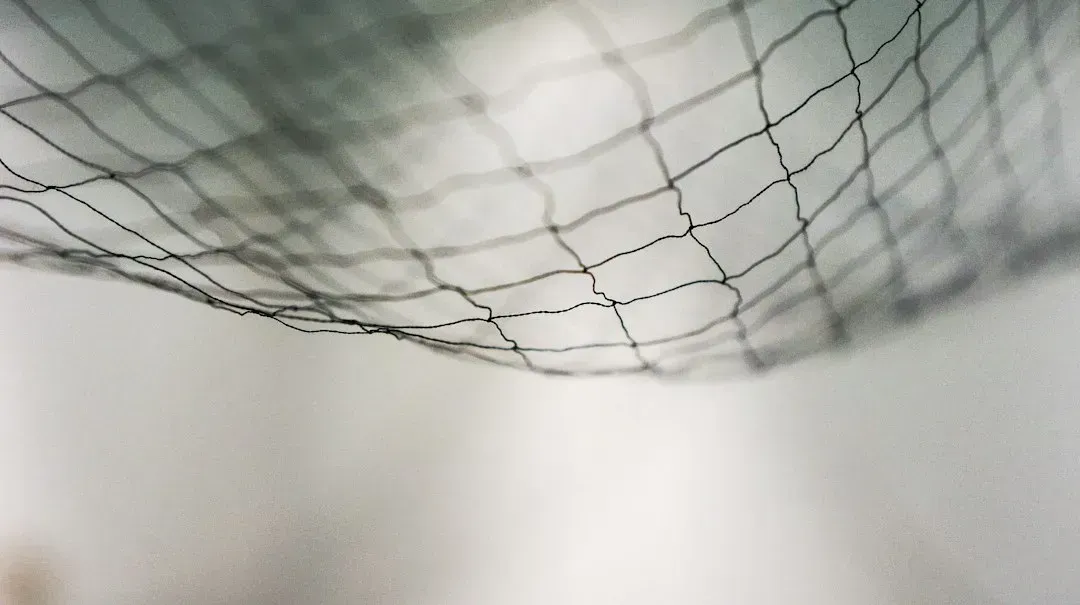
A fog collector is usually a mesh net pulled taut between two posts. The net is angled perpendicular to the direction of the wind carrying the fog. Wind pushes the mist through the mesh, and the droplets stick to the fibers.
The droplets are tiny, typically 1 to 40 millionths of a meter, and they gather and merge until they’re heavy enough to run down into a reservoir. No pump or fuel is needed for the collecting itself. Gravity does the rest.
A Technique Born in South America
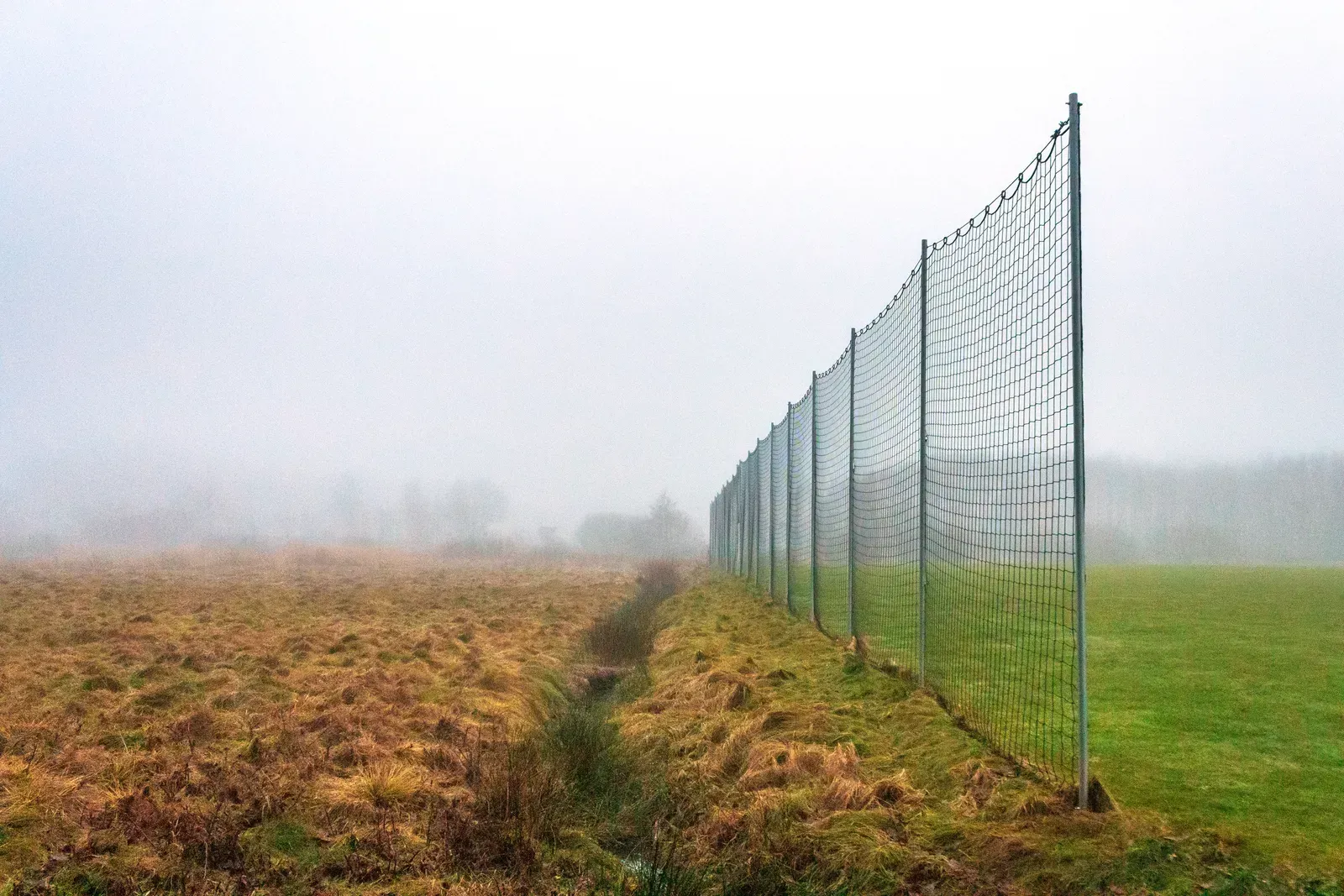
Fog harvesting was devised in South America in the 1980s, and projects have run in places such as Chile, Peru, Ghana, Eritrea, South Africa and California. The idea grew from a simple observation. Some coastal and mountain areas get almost no rain but are wrapped in cloud for much of the year.
Since then, the technology has traveled far beyond its origins. Morocco’s project is a good example of how it has been adapted to a very different landscape.
Morocco’s Anti-Atlas Setting

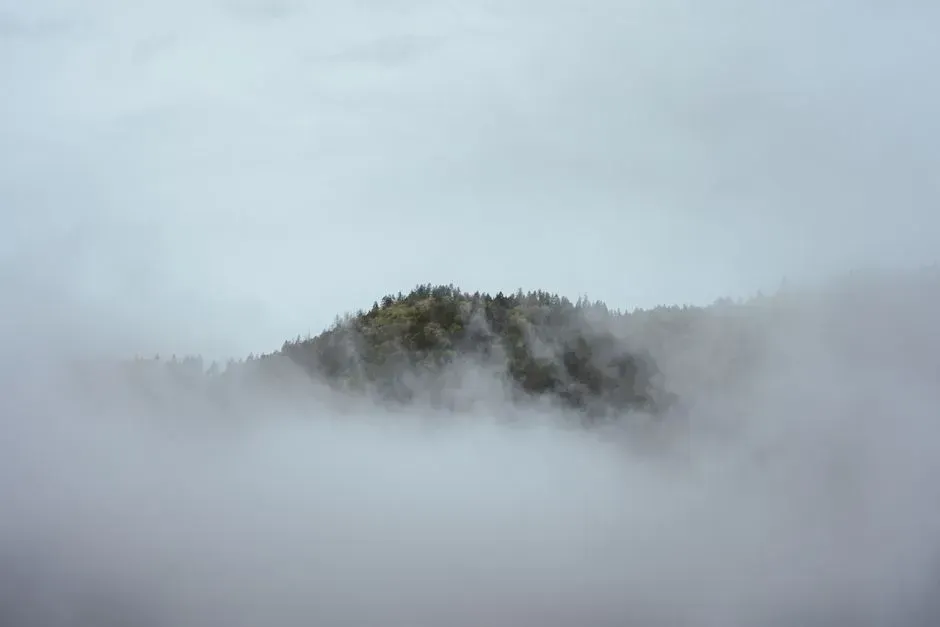
In the Anti-Atlas mountains of southwest Morocco, fog rolls inland from the Atlantic and clings to ridgelines above the Amazigh communities of Aït Baamrane. The region is dry and poor in infrastructure. Groundwater has become unreliable there because intense droughts have stopped it from being replenished.
For a long time, that fog was just weather. In 2006, a local NGO called Dar Si Hmad began harvesting fresh water from it. The choice made sense because the fog was present for most of the year.
Dar Si Hmad and the Boutmezguida System
Dar Si Hmad is a women-led NGO that designed and installed what is described as the world’s largest operational fogwater harvesting system. The nets sit atop Mount Boutmezguida at about 1,200 meters, where fog is thickest, with a distribution line running down to scattered hamlets.
The original build was substantial. It included 600 square meters of nets, seven reservoirs, six solar panels and more than 10,000 meters of piping. Pre-paid water meters connect 52 homes across five villages.
What the Numbers Say

Reported output varies a little by source and year. One 2026 report gives an average of 6,300 liters of potable water for more than 400 people in five villages. An earlier CNN report put the daily average at 6,000 liters.
Those figures are averages, and fog is seasonal and unpredictable. Output can swing considerably from day to day. That’s why the systems include storage tanks to even out the supply.
Less Walking, More Time
The practical change shows up in daily routines. Before the project, locals had to walk three hours a day to get water from depleted wells. Now water is readily available from taps in their homes, and its cost has dropped sharply.
Reports also credit the system with significantly reducing the time and physical cost of carrying water. Dar Si Hmad’s female team leaders have also run more than twenty workshops with rural women on literacy and income-generating projects.
The CloudFisher Upgrade
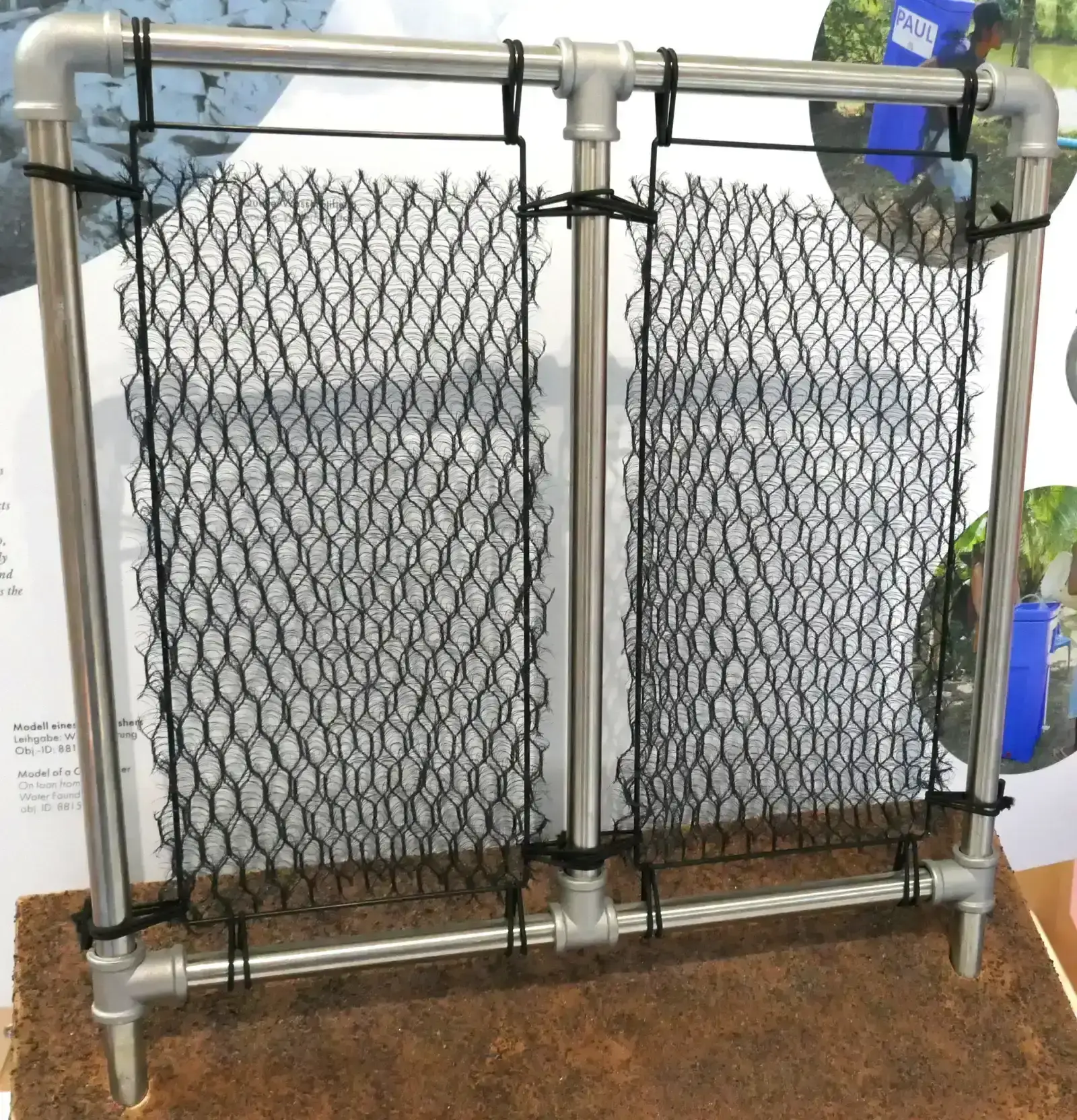
The engineering has moved on since the first nets. The CloudFisher design, developed by Germany’s WaterFoundation and Aqualonis, pairs a three-dimensional mesh with a robust frame and tensioners so the nets can withstand winds up to 120 km/h. That matters on an exposed ridge.
An upgrade to CloudFisher technology was planned to start in January 2017, along with connections to eight more villages. A later academic summary lists 32 collectors supporting 140 families, about 1,250 inhabitants. Sources differ on the exact scale, which is common as the project has grown.
Peru’s Fog Farms Near Lima
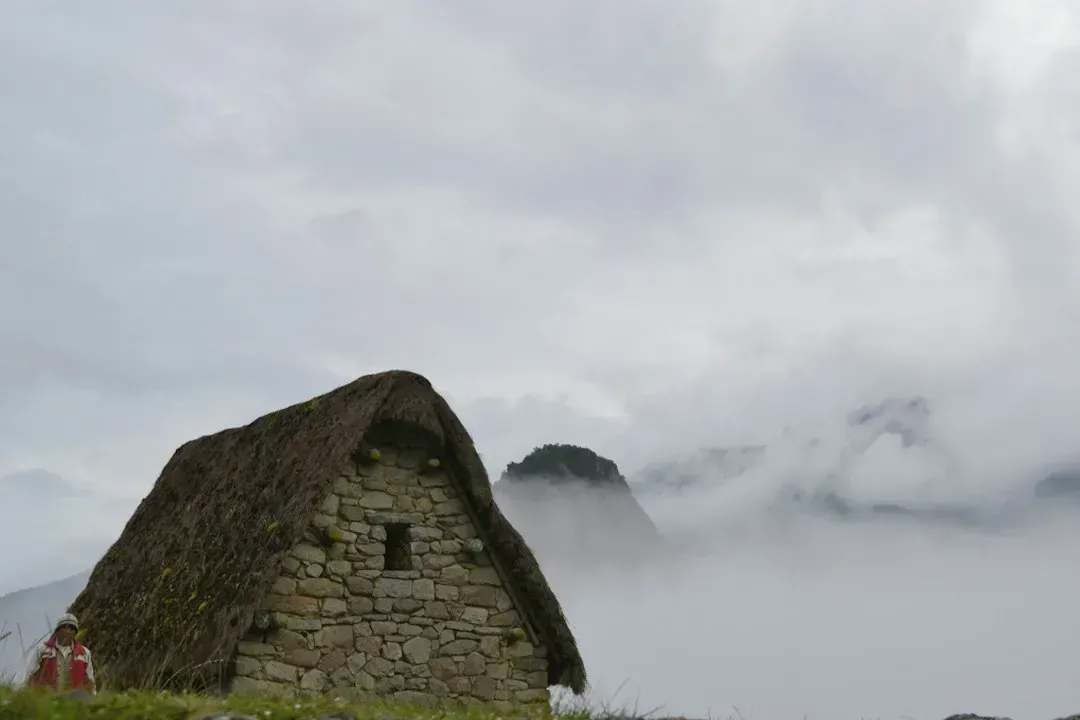
Peru has a long fog-catching tradition, particularly around Lima, where coastal hills sit under dense winter cloud. CNN photographed a net catching water at the Bellavista el Paraiso shantytown in Lima in November 2009. Communities there often lack piped water.
One research summary says mesh sheets on hillsides form fog farms capturing 200 to 400 liters of fresh water daily, in collaboration with the Creating Water Foundation and Peruanos Sin Agua. Another notes that Lima has been running an operational project in the Villa María del Triunfo community since 2023. Those volumes are modest per site, which reflects the smaller scale of Peruvian installations compared with Morocco’s.
Recognition, Limits, and Where It Goes Next
In 2016 the United Nations’ Momentum for Change program honored the Moroccan project in its Women for Results category. The technology drew renewed attention in 2026 through United Nations climate recognition.
Fog nets only work where fog is frequent and wind moves it steadily, so they aren’t a universal fix. Dar Si Hmad has been helping build two new projects in other parts of southwestern Morocco at the request of local organizations. It also plans a Fog-Water Network to share knowledge with new local associations.
