

- Phantom Energy Sucking Power 24/7 – 7 Home Electronics Quietly Inflating Utility Bills - November 14, 2026
- A Million-Mile Storm Raging for Centuries – 6 Violent Weather Wonders in Our System - November 14, 2026
- Animals Flee Hours Before the Tremor – 7 Natural Warnings Before Disasters Strike - November 14, 2026
On the night of April 14, 1912, the North Atlantic was almost eerily still. The sky was clear, the stars were sharp, and the sea looked like polished glass to the men on watch.
Those conditions look harmless on paper. Together, though, they helped hide the one hazard that mattered. Here’s how the weather, the water and the ice fit together that night.
A Sea Flat as a Tabletop
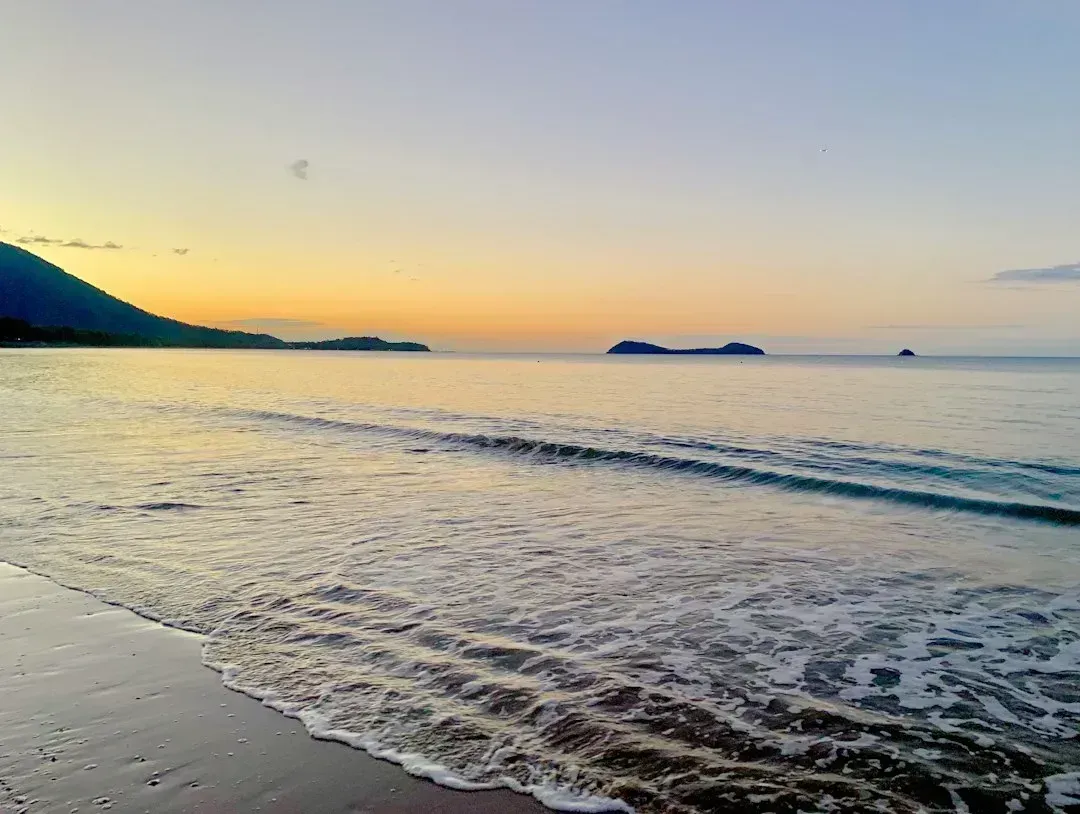
Survivors and officers described the ocean that night as unusually smooth. There was hardly any wind, and the surface barely moved. Second Officer Charles Lightoller later testified that he had never seen the sea so calm.
That calm sounds reassuring, but it removed a useful warning sign. Waves breaking around the base of an iceberg often leave a pale line of foam that stands out in the dark. On a windless night, there was no such line.
Cold Air Falling Toward Freezing
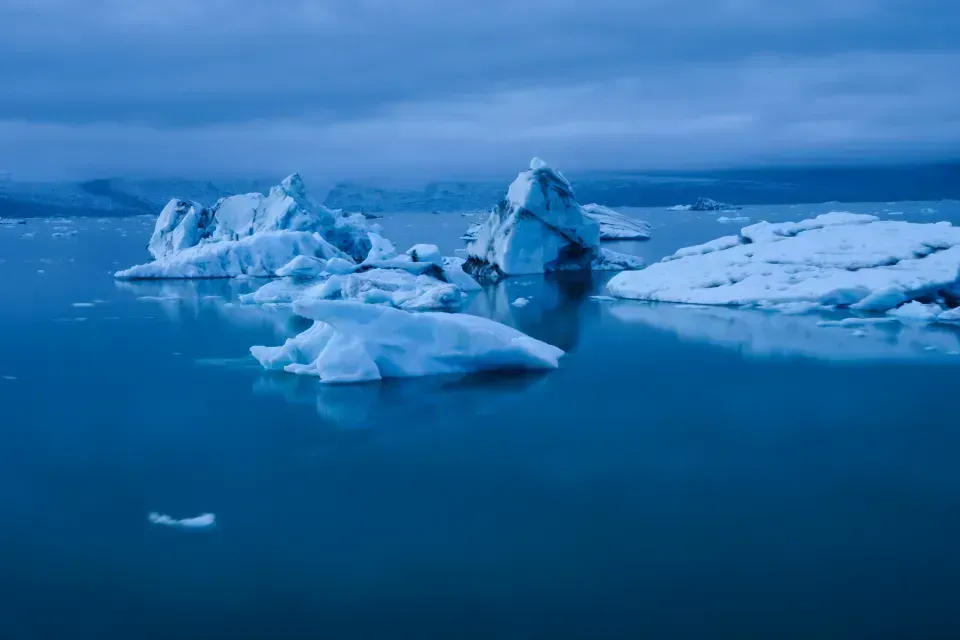
As evening came on, the temperature dropped fast. Around sunset the air was reportedly in the low forties Fahrenheit, and by the time of the collision it was close to freezing. Passengers who wandered on deck came back inside quickly.
A sharp drop like this is a clue that a ship is entering cold water, often the kind carried south by the Labrador Current. Some officers noticed the chill and took it as a sign that ice might be near. Still, the ship kept its speed.
Where the Ship Was Sailing
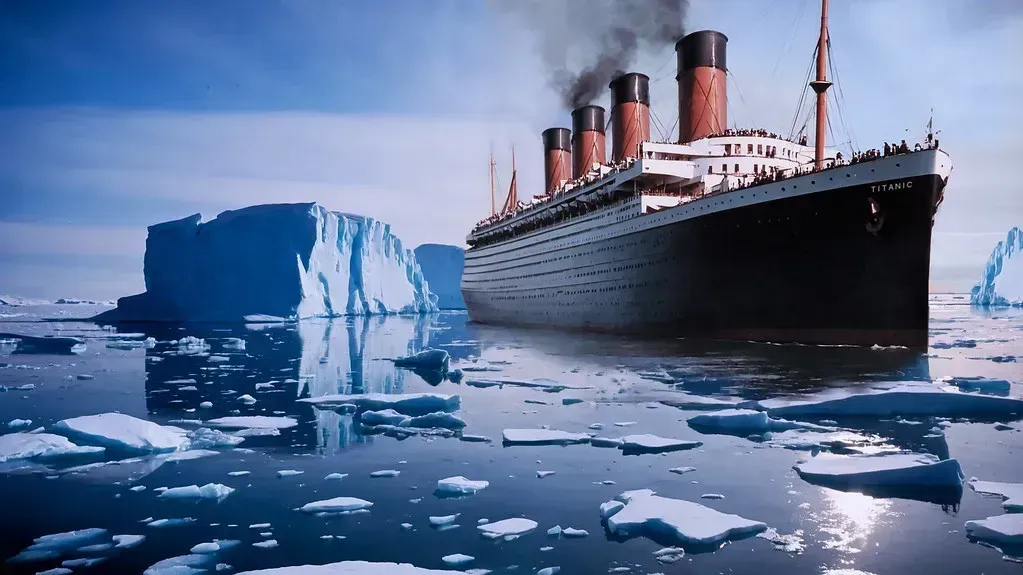
Titanic was roughly four hundred miles south of Newfoundland when it struck the iceberg, at about 11:40 p.m. ship’s time. This region, near the Grand Banks, is where cold Arctic water meets the warmer Gulf Stream. The meeting of these currents also produces fog, and ice drifts in from the north.
Ships in April commonly took a southern route to keep clear of the worst of it. Titanic was on a track that many liners used at the time. On this crossing, the ice had drifted much farther south than usual.
A Night With No Moonlight
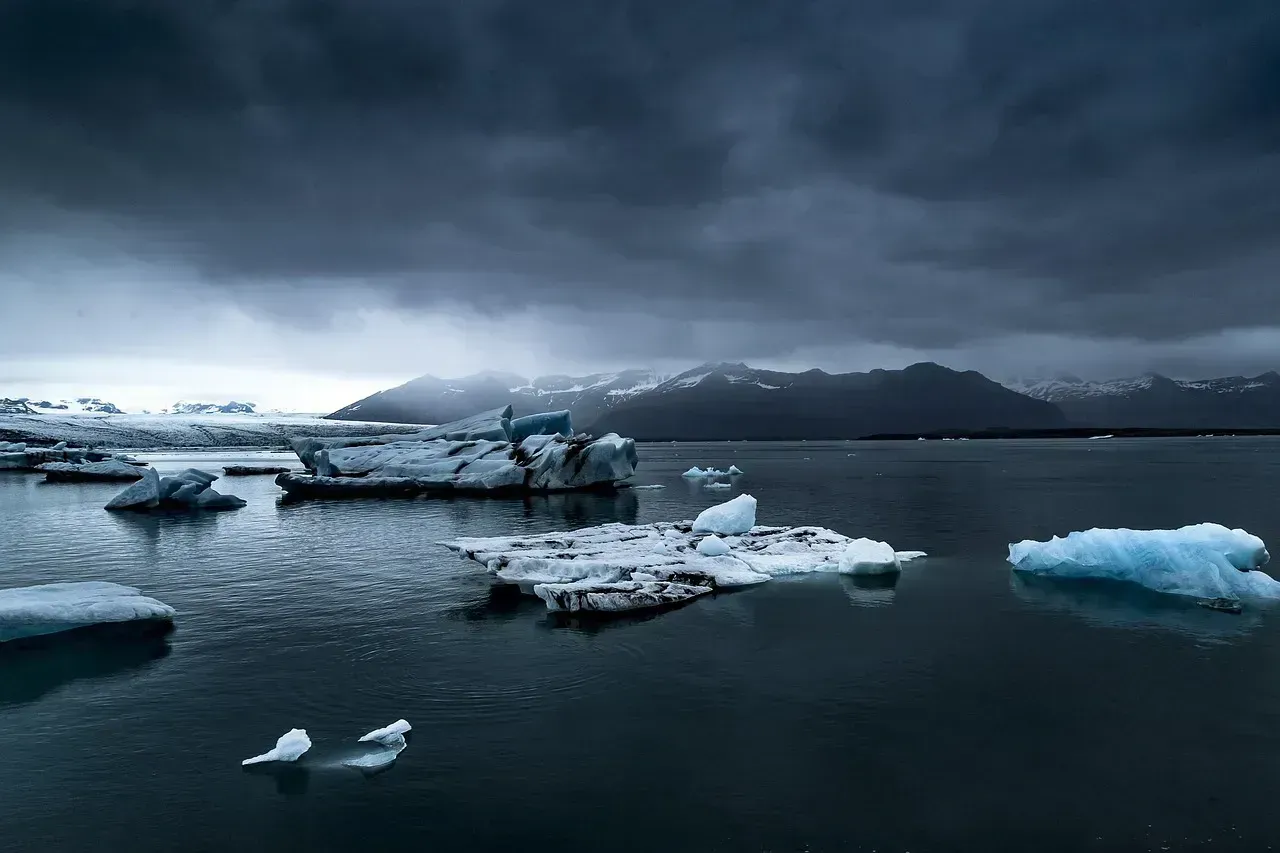
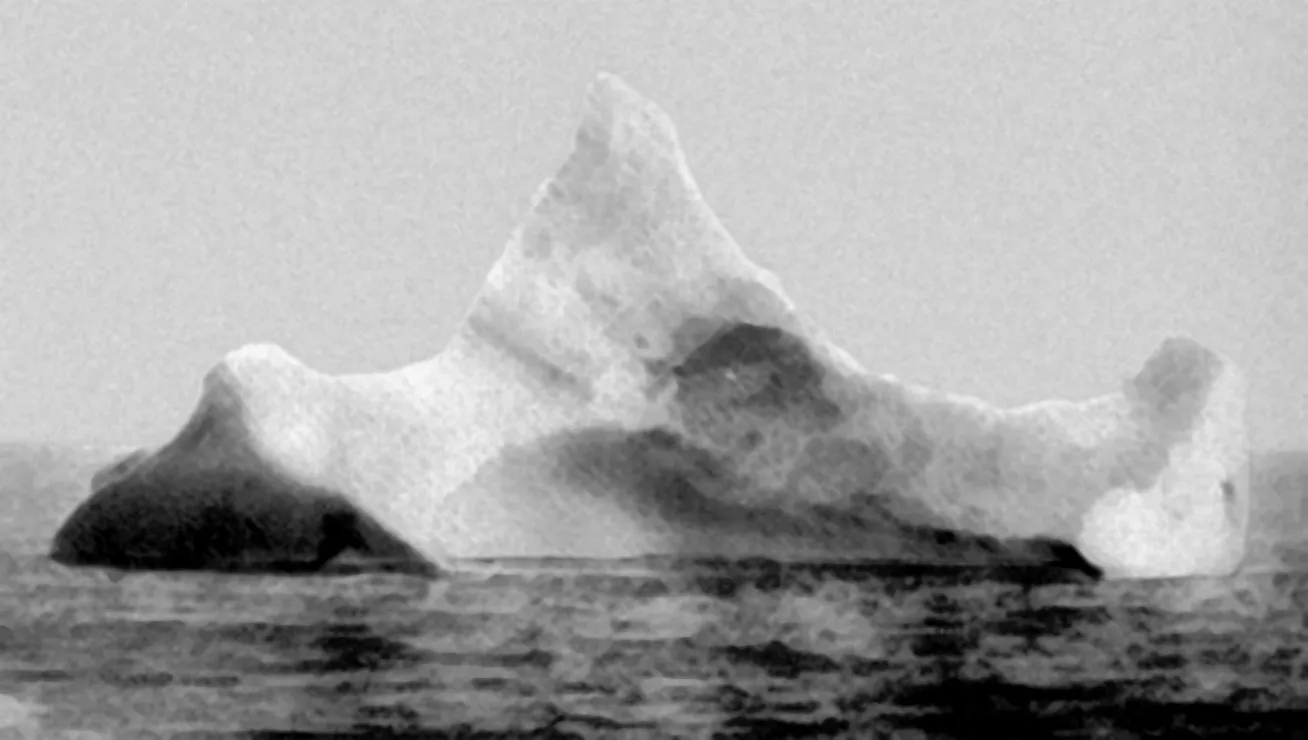
Witnesses described the darkness as deep, with no moonlight to help the lookouts. The sky was clear, so starlight was strong, but starlight does little to outline a dark object on dark water. An iceberg that has recently flipped or melted can also look darker than the white bergs people picture.
Lookouts Frederick Fleet and Reginald Lee were stationed in the crow’s nest, and they saw the berg only when it was already close. Fleet rang the warning bell and phoned the bridge. There was very little time left to turn.
The Missing Horizon and the Mirage Theory
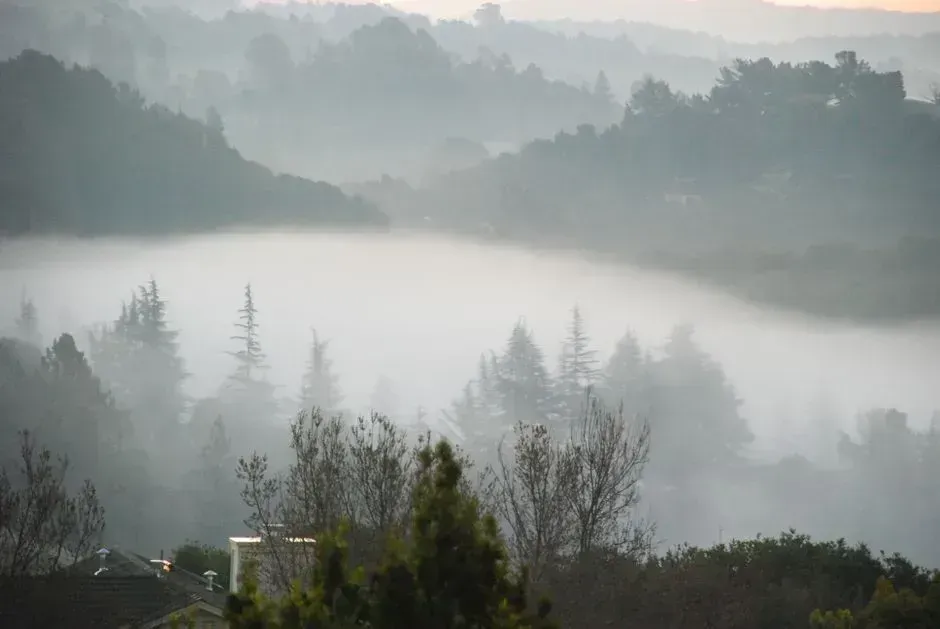
Several witnesses said the horizon looked hazy or indistinct, even though the air was clear. Historian Tim Maltin has argued that a temperature inversion, with warmer air sitting above very cold water, bent light and created mirages that blurred the horizon. In that view, a berg might have been harder to pick out than usual.
The idea remains debated rather than settled. It fits some testimony, but the weather records from that night are thin. It’s best treated as a plausible contributing factor, not a proven cause.
Ice Warnings That Were Received
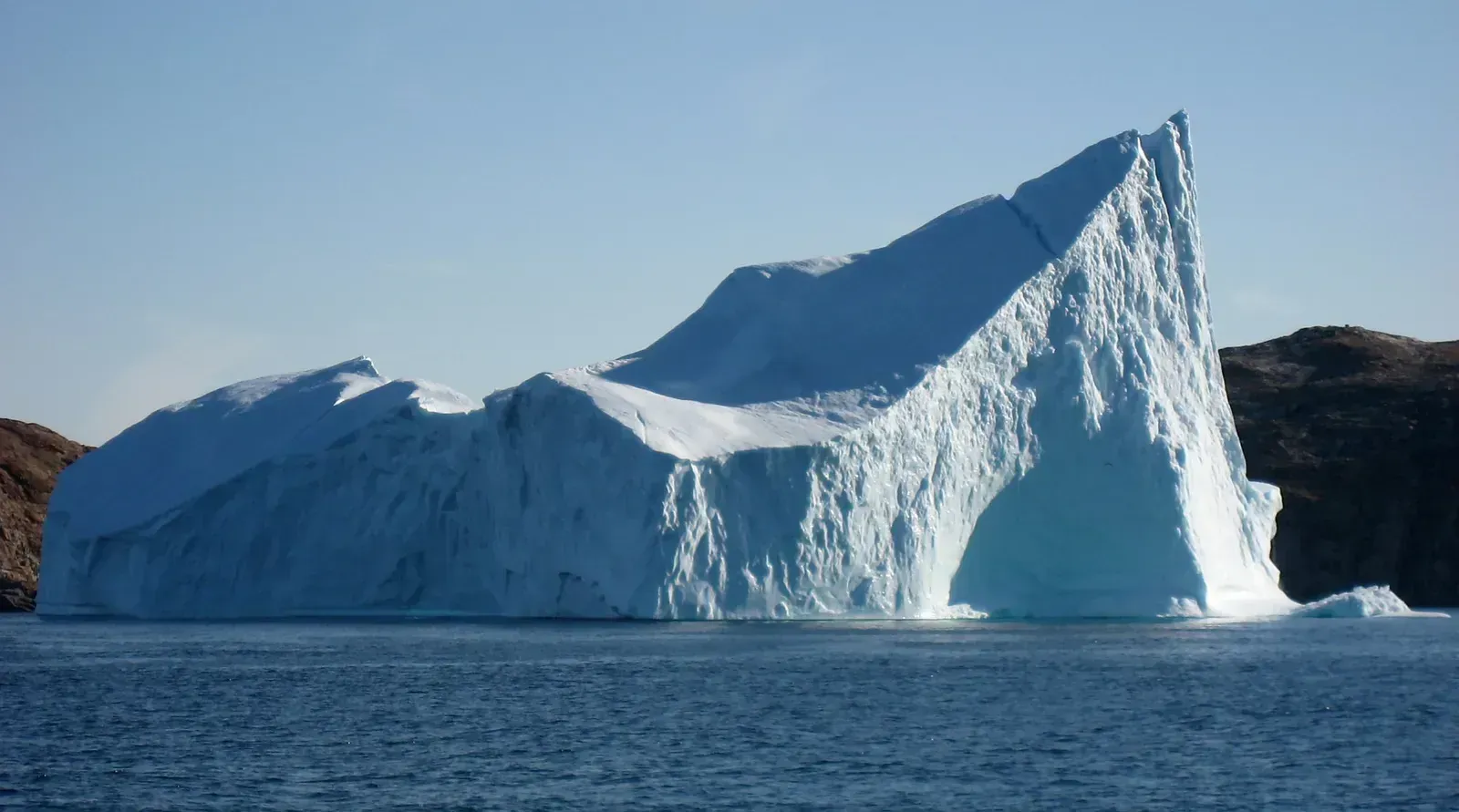
The weather alone didn’t sink the ship. Titanic received multiple ice warnings by wireless that day, from vessels including Caronia, Baltic, Amerika and Mesaba. The Mesaba message, sent in the evening, described a large field of heavy pack ice and numerous bergs directly ahead.
Not every warning made it to the bridge quickly. The wireless operators were also busy sending passengers’ personal messages. Later that night, the nearby Californian sent its own ice warning, and Titanic’s operator cut it short.
An Unusually Icy Season
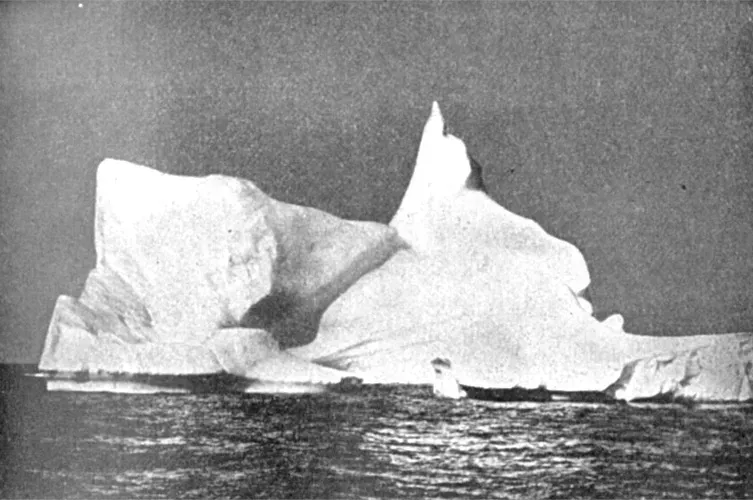
The ice that year extended farther south than normal. A 2012 study led by astrophysicist Donald Olson suggested that an unusually close approach of the Moon to Earth in January 1912 may have produced strong tides that helped free bergs from the Greenland and Labrador coasts. The authors presented this as a possible contributor, not a certainty.
Whatever the cause, the ice field was real and large. Other ships reported bergs in the same general area in the days around the sinking. Titanic wasn’t sailing into a freak accident so much as a known hazard.
Freezing Water and the Human Toll
The sea temperature was around twenty eight degrees Fahrenheit, just below the freezing point of fresh water. People who ended up in the water faced cold shock within moments and lost the ability to swim or hold onto debris within minutes. Most did not survive for long.
Of roughly twenty two hundred people aboard, more than fifteen hundred died. About seven hundred survived, nearly all of them in lifeboats. The Carpathia reached the survivors at around four in the morning.
What Changed After 1912
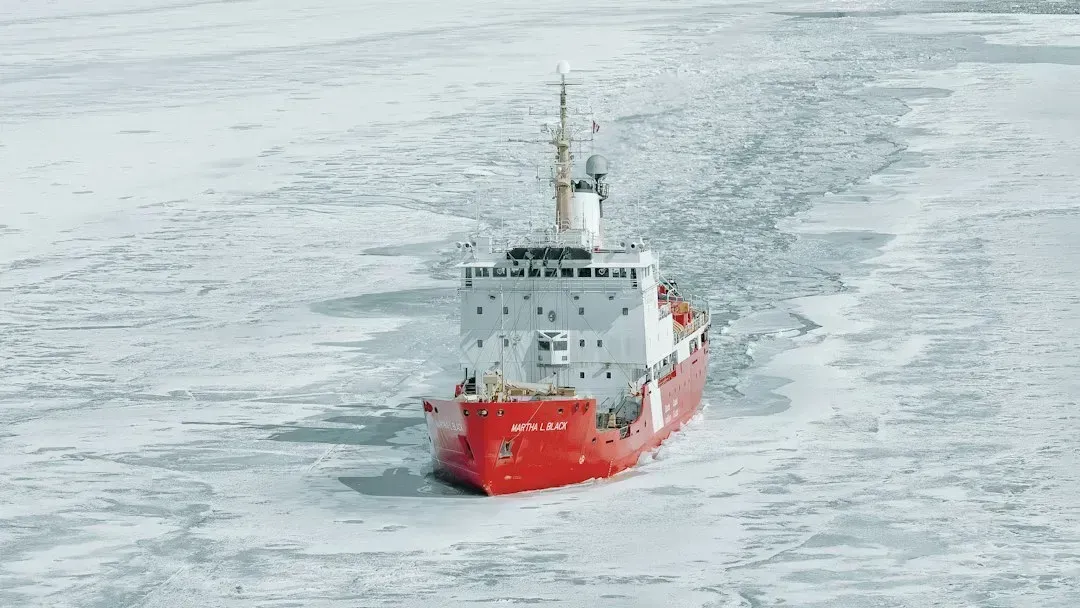
The disaster led to lasting changes in how ships deal with ice. The International Ice Patrol was set up in 1914 to track icebergs in the North Atlantic shipping lanes, and it still operates today under the U.S. Coast Guard. Lifeboat capacity rules and round the clock radio watches followed as well.
The first international Safety of Life at Sea convention was also held in 1914. Together these measures shifted maritime practice from trusting clear weather to actively tracking hazards. Calm conditions are no longer treated as a sign of safety.
The Conditions in Brief
Titanic met the iceberg on a clear, windless, moonless night with near freezing air and water. The still sea removed the usual foam around the berg, and the dark sky offered little contrast. Possible horizon distortion may have made things worse.
Ice warnings had been received, but the ship kept its speed through the ice region. The result was a collision at about 11:40 p.m., and the ship went down at around 2:20 a.m. on April 15.
