

For a lot of kids in the 1970s, the energy crisis wasn’t a headline. It was the long wait in the back seat of a station wagon, a cold living room, or a Sunday when the family car stayed in the driveway. Adults talked about barrels, embargoes and quotas, and children mostly noticed that daily life had changed.
Looking back from 2026, the details still hold up well. Government records and historical accounts show how much of what people remember was real, and how many of those changes shaped the cars, laws and habits that followed.
The 1973 Oil Embargo Arrives
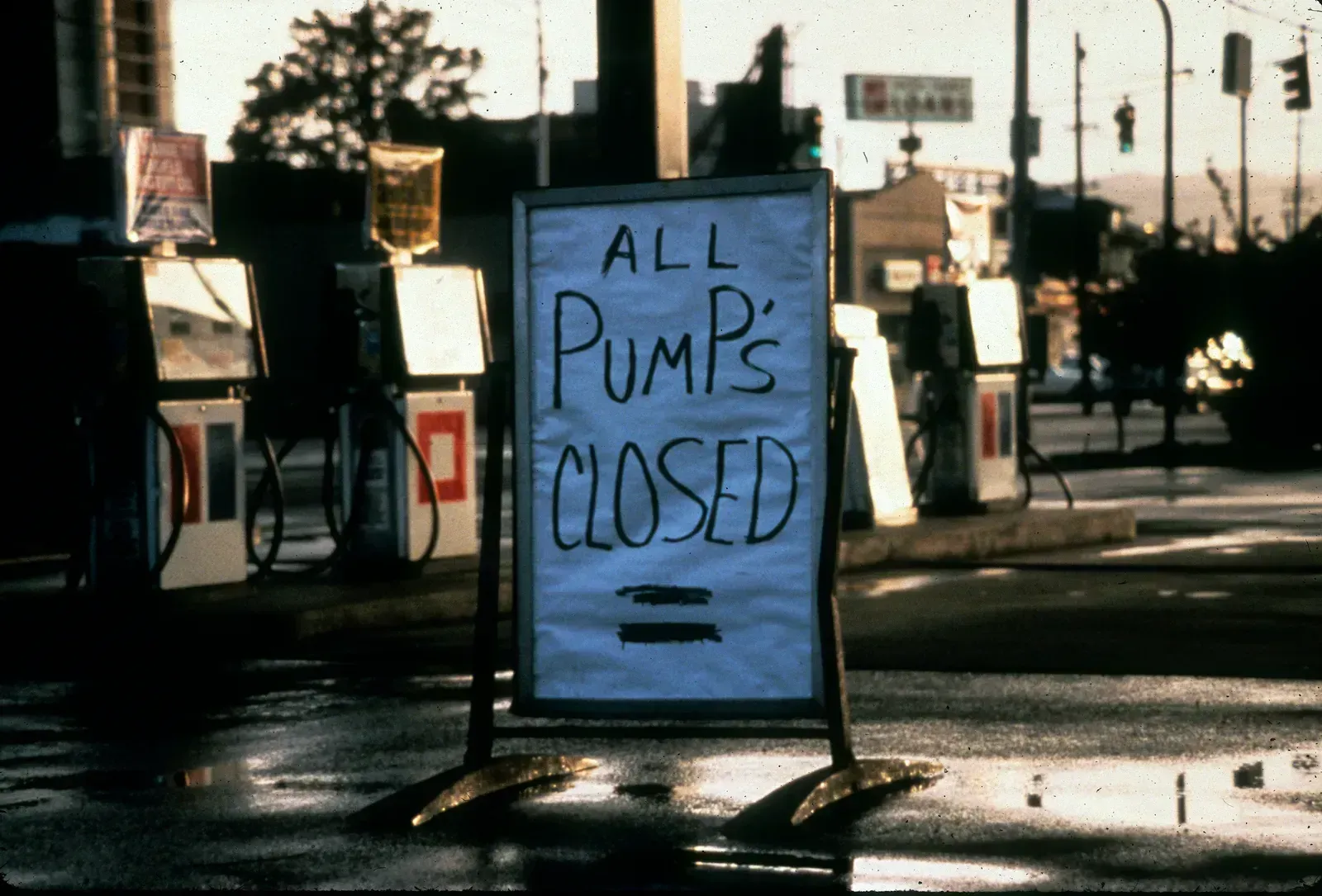
In October 1973, Arab members of OAPEC announced an oil embargo aimed at the United States and other countries seen as backing Israel in the Yom Kippur War. The move came alongside production cuts, and it hit a country that had grown used to cheap imported fuel. The U.S. State Department’s Office of the Historian describes the embargo as a turning point in how Americans thought about energy security.
Prices told the story quickly. Crude oil went from roughly three dollars a barrel before the crisis to nearly twelve by early 1974. The embargo formally ended in March 1974, but prices never went back to where they had been.
Waiting in Line at the Pump
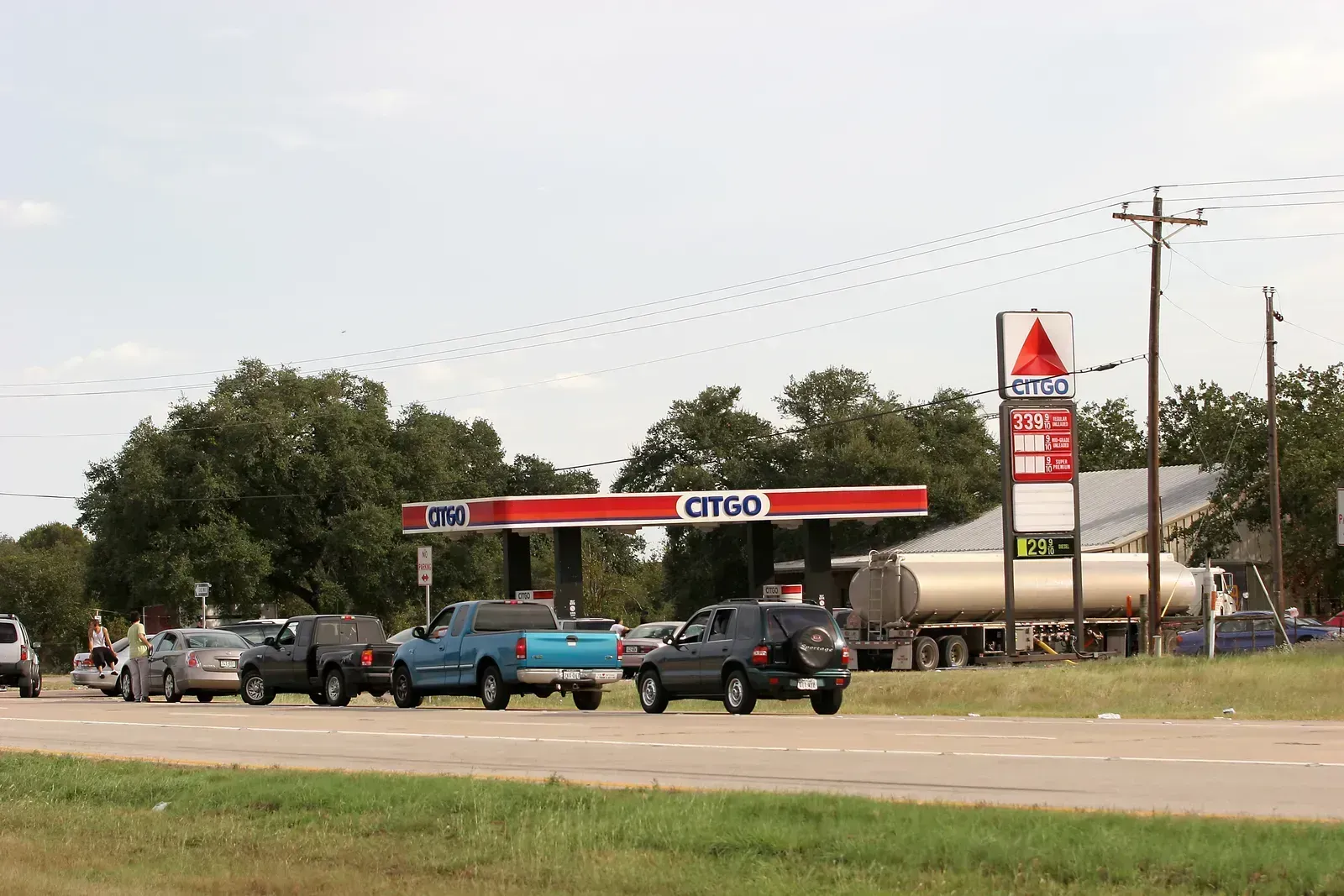
The image most people carry from those months is a line of cars stretching around the block. Drivers idled for an hour or more, sometimes only to find a station had run out. Some stations posted flags or signs to show whether they had fuel, and plenty limited how much each customer could buy.
Prices rose too, though the shock was as much about supply as cost. Regular gasoline averaged in the high thirties in cents per gallon in early 1973, and by mid 1974 it had climbed to the mid fifties. That’s an increase of more than a third, which felt enormous to families used to steady prices.
Odd and Even Days and Closed Stations on Sundays
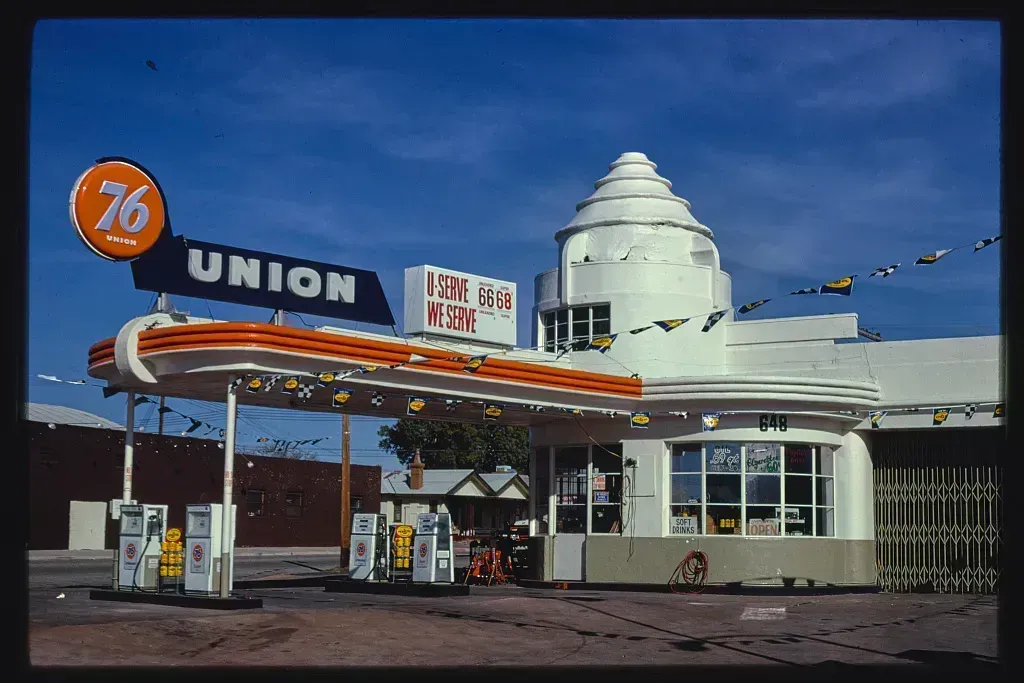
To spread limited fuel around, several states tried rationing by license plate. Cars with an odd last digit could fill up on odd numbered dates, and even plates on even dates. It was confusing, and it didn’t always cut the lines, but it gave drivers a system to follow.
Weekend closures were another shock. In late 1973, President Nixon asked stations to stop selling gasoline from Saturday night through Sunday, and many complied. The Sunday drive, once a normal family outing, suddenly seemed wasteful.
Nixon Asks Everyone to Turn Down the Heat
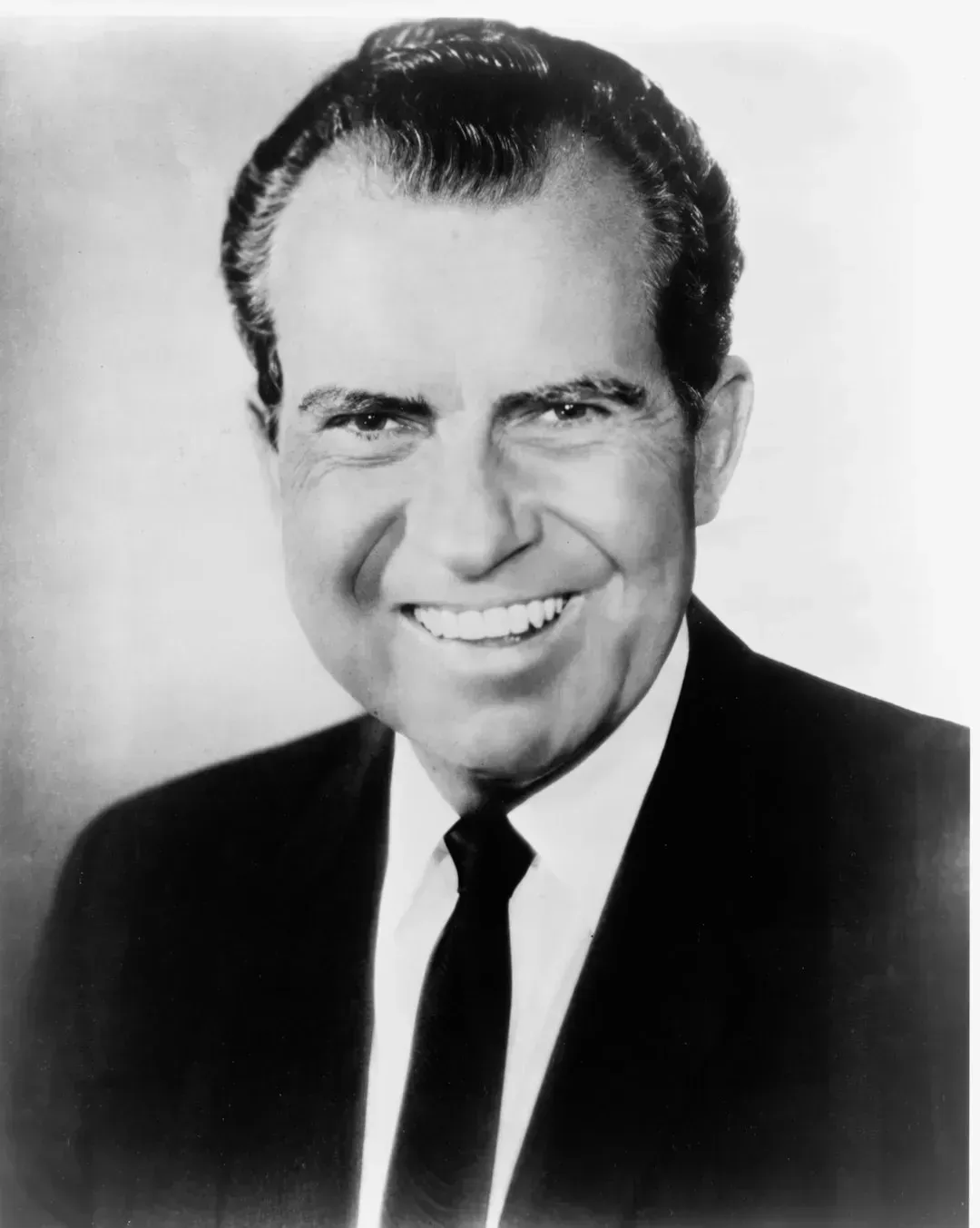
On November 7, 1973, Nixon gave a televised address on the energy emergency. He announced Project Independence, a goal of meeting U.S. energy needs without relying on foreign sources by 1980. He also asked Americans to lower thermostats in their homes and workplaces and to drive more slowly.
Requests like these reached ordinary households fast. Families pulled on sweaters indoors, and some businesses trimmed their hours and lighting. Holiday displays got attention too, as the government urged people to cut back on decorative lights that Christmas. The self sufficiency goal itself was never met, but the conservation habits stuck around for a while.
The 55 MPH Speed Limit
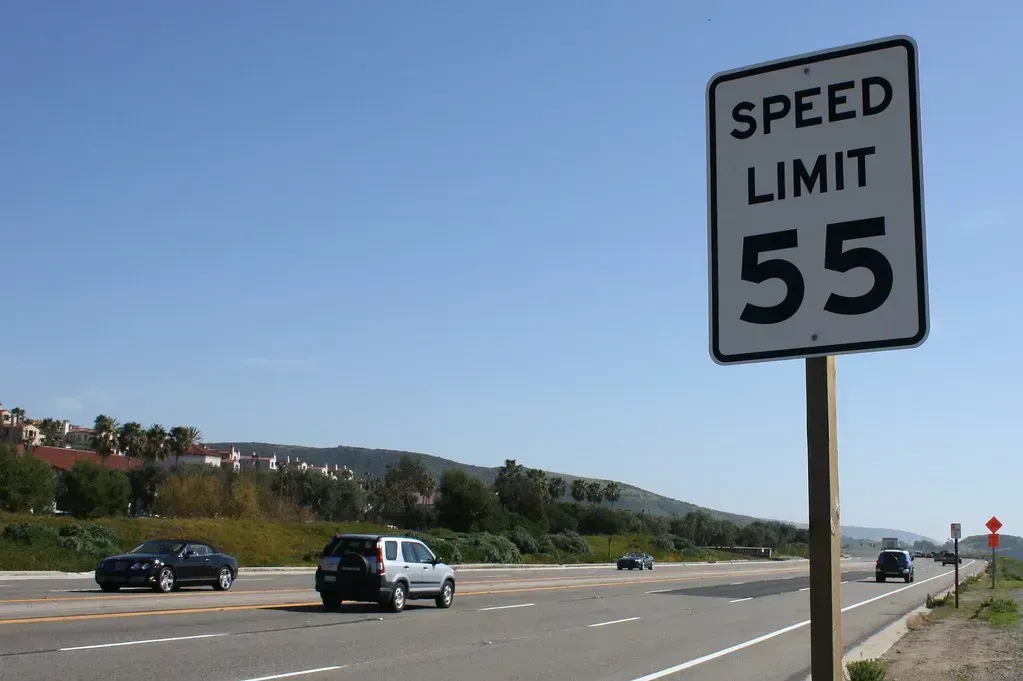
In January 1974, Congress passed the Emergency Highway Energy Conservation Act, and Nixon signed it into law. It set a national maximum speed of 55 miles per hour, and states risked losing federal highway funds if they didn’t enforce it. Highways that had once felt open suddenly seemed slow.
Truckers grumbled, and CB radio chatter about speed traps became part of the decade’s pop culture. The limit was meant to be temporary, but it lasted far longer than the embargo. Congress didn’t repeal the national cap until 1995.
Daylight Saving Time in the Dead of Winter
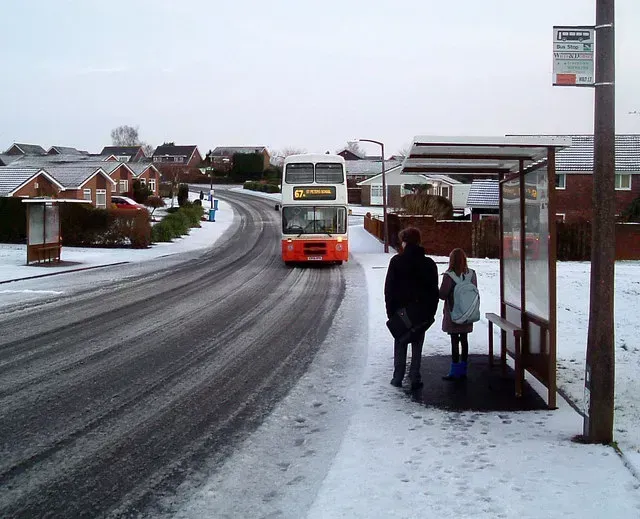
Lawmakers also tried to save energy by shifting the clock. In early 1974, Congress approved an emergency measure that put the country on daylight saving time during the winter months. The idea was to use less electricity for evening lighting.
Parents quickly noticed the downside. Children were waiting for school buses in the dark, and public support faded before the year was out. Congress revised the plan in the fall of 1974, and the experiment became a lasting reference point in later arguments about the clocks.
Detroit’s Big Cars Meet Small Imports
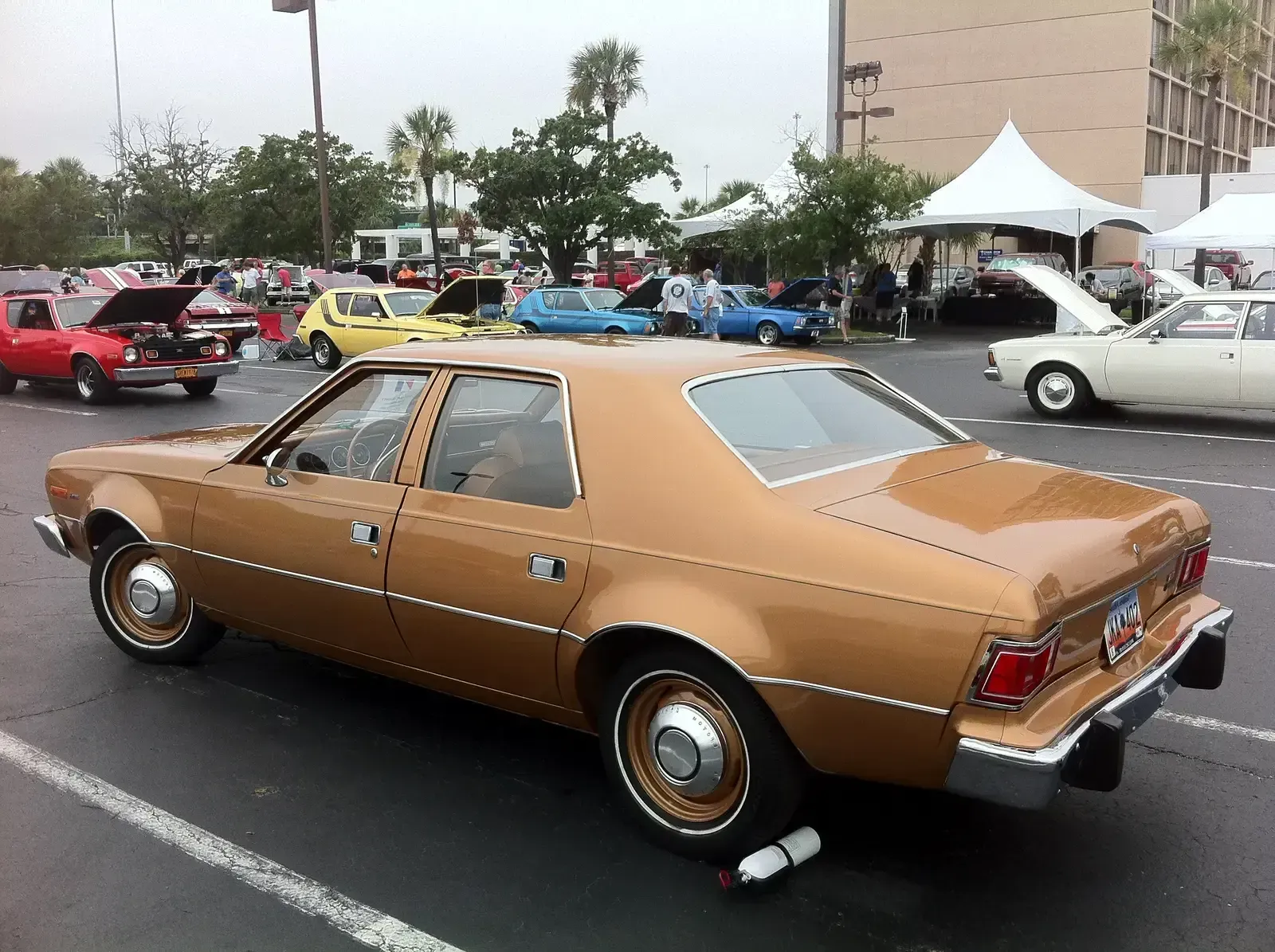
When fuel got scarce, the enormous sedans and wagons that dominated American driveways looked expensive to run. Shoppers began paying more attention to compact models, including Japanese imports like the Honda Civic, which reached the U.S. in 1973, and Toyota’s small cars. Sales of foreign brands climbed as buyers looked for better mileage.
Washington responded with policy. In December 1975, President Ford signed the Energy Policy and Conservation Act, which created Corporate Average Fuel Economy standards. The law required new passenger cars to average 27.5 miles per gallon by 1985, a big step up from the low to mid teens typical at the time.
The Trans-Alaska Pipeline Gets the Green Light
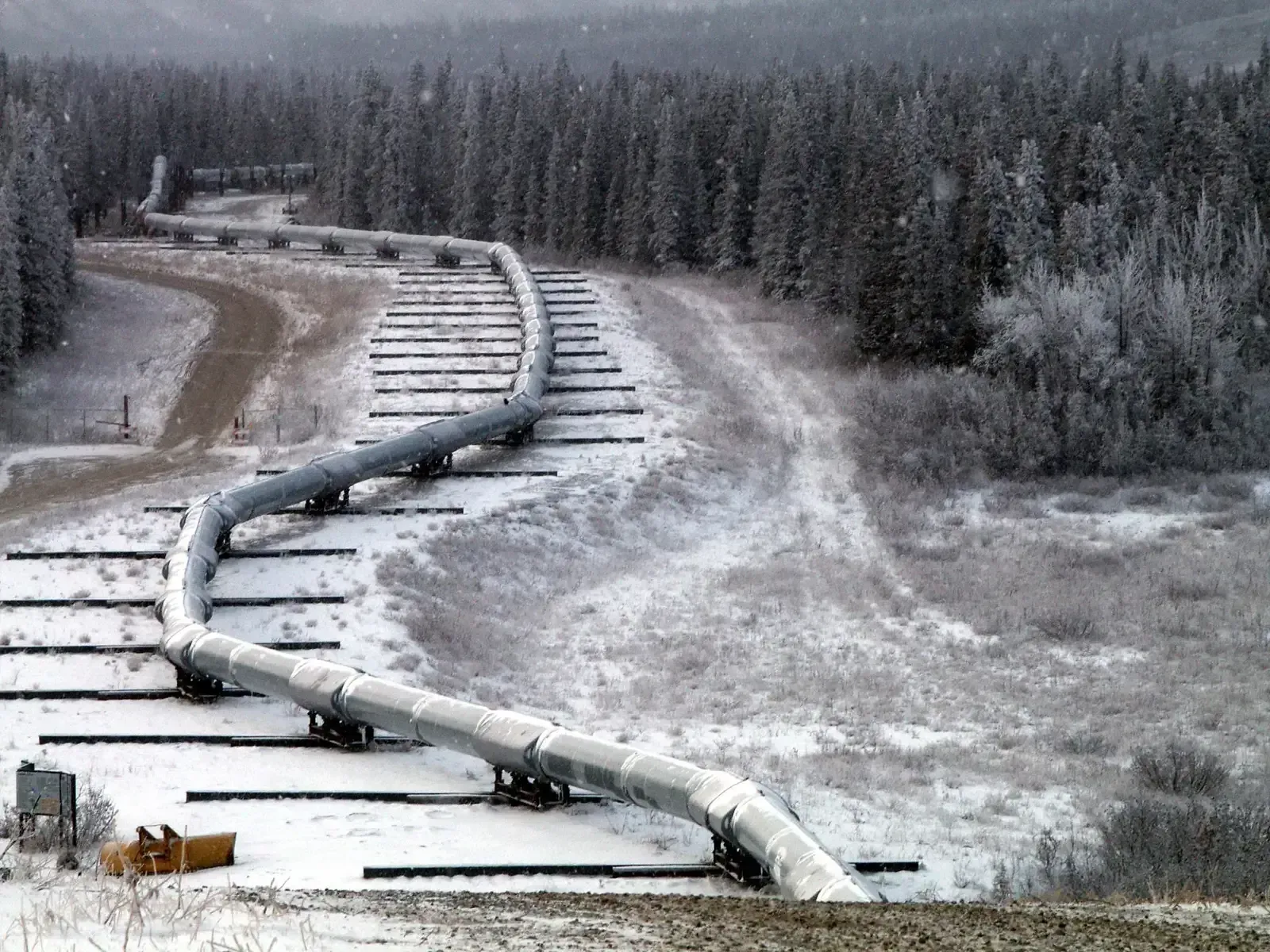
Right in the middle of the crisis, on November 16, 1973, Nixon signed the law that cleared the way for the Trans-Alaska Pipeline. Legal and environmental disputes had held the project up, and the embargo added urgency. Construction became one of the biggest private engineering efforts of the decade.
The pipeline stretches about 800 miles from Prudhoe Bay to the port of Valdez. The first oil flowed through it in June 1977, delivering a domestic supply that many Americans had wanted years earlier. Its completion was a visible payoff for a country that had spent the mid seventies worried about running short.
Carter in a Cardigan
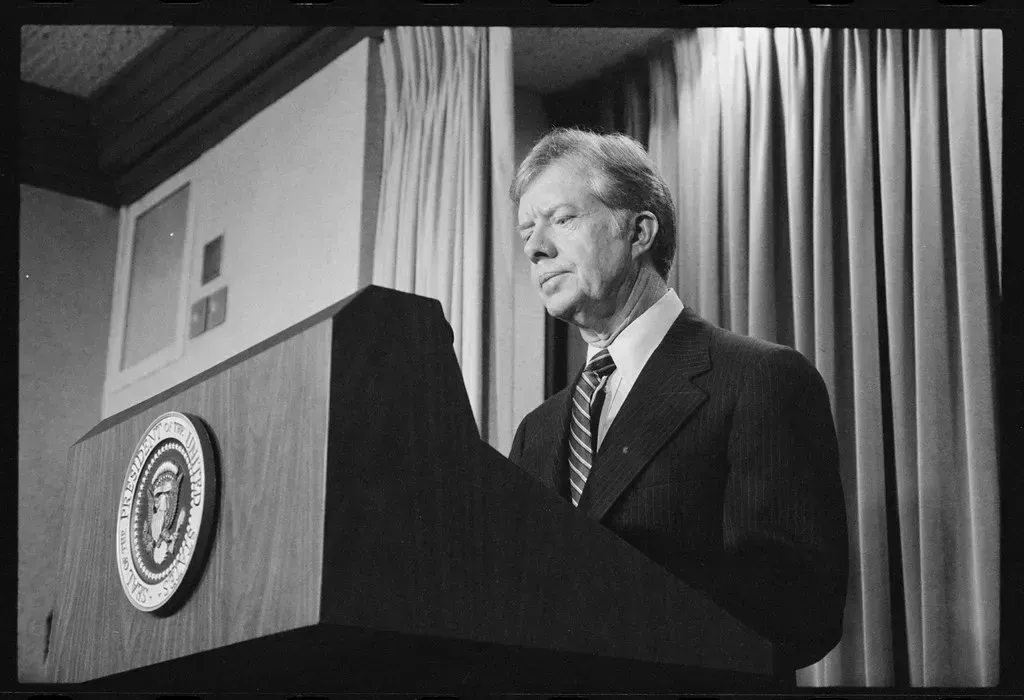
On February 2, 1977, President Jimmy Carter spoke to the nation from a chair by a fireplace, wearing a cardigan sweater. The setting was deliberate, since the winter had been unusually cold and natural gas supplies were strained. He encouraged Americans to set their thermostats at sixty five degrees during the day and lower at night.
The image became one of the decade’s most recognizable political moments. Carter went on to sign legislation creating the Department of Energy later in 1977, which began operating on October 1 of that year. In 1979, solar panels were installed on the White House roof, although they were taken down years later.
The 1979 Shock Brings the Lines Back
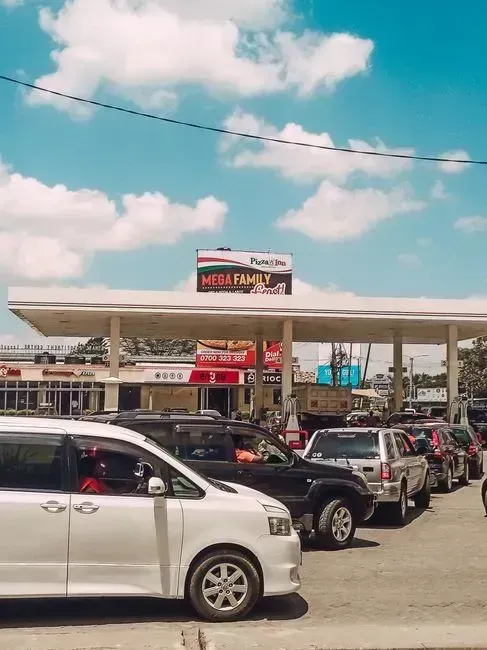
Just when the country had started to relax, a second crisis arrived. The Iranian Revolution disrupted oil production in 1978 and 1979, and world supplies tightened again. Long lines returned to gas stations in many parts of the U.S., especially in California and on the East Coast.
Prices climbed sharply this time as well, and by 1980 the average price of a gallon of gasoline had passed the one dollar mark. Some states again used odd and even purchasing days. For anyone who lived through both episodes, 1979 felt like a repeat of the earlier scare, only with higher prices at the pump.

- The Shoreline Sucked Dry in Seconds – 5 Tsunami Signals Beachgoers Mistake for Low Tide - November 14, 2026
- 9 Dark-Sky Destinations Around the World Where the Stars Look Unreal - November 14, 2026
- The Fault Line That Never Slips – 7 Locked Seismic Zones Overdue for a Massive Release - November 14, 2026
