
Weather is one of those topics everyone feels qualified to weigh in on. People repeat the same old sayings at backyard barbecues, during road trips, and right before stepping outside without an umbrella. The problem is that a lot of what gets passed around as weather wisdom is factually wrong, and in some cases, genuinely dangerous.
Weather shapes daily decisions, fuels dinner table debates, and has inspired more folklore and half-remembered science lessons than almost any other topic. A surprising number of things people believe about storms, lightning, heat, and tornadoes are simply wrong. Not slightly off, but genuinely, sometimes dangerously, incorrect. After more than a decade of watching how storms actually behave, some myths stand out for their sheer stubbornness.
Lightning Never Strikes the Same Place Twice
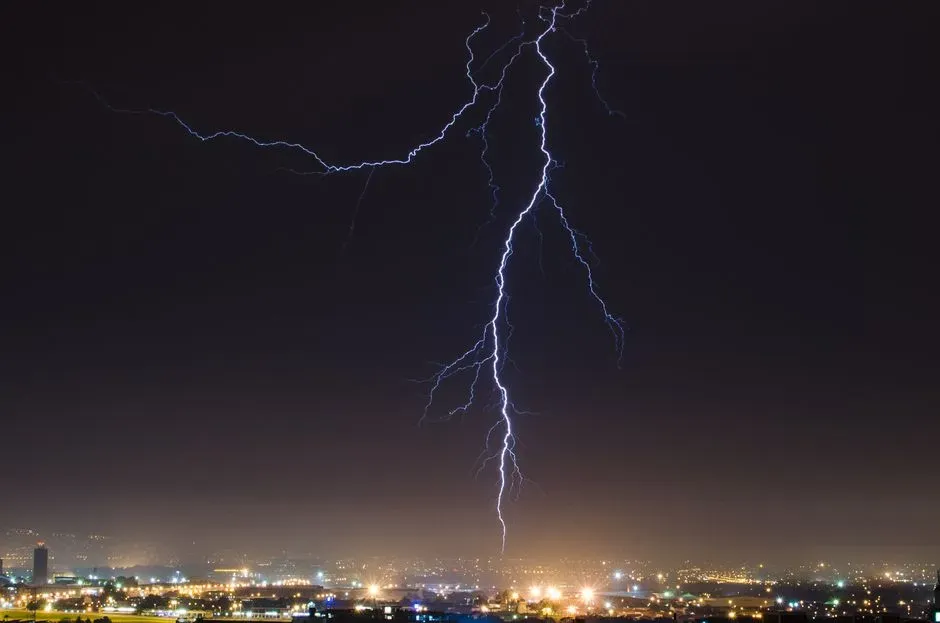
This is one of the oldest and most well-known lightning myths. There is simply no evidence or reasoning to support why lightning would not be able to strike the same place twice. The myth is comforting but completely disconnected from how lightning actually works.
Lightning can, and often does, strike the same place repeatedly, especially if it’s a tall and isolated object. The Empire State Building, for example, is hit about 25 times per year. Tall structures, antenna towers, and isolated trees are struck repeatedly for a simple reason: physics favors the path of least resistance, and that path doesn’t change between storms.
If You Can’t Hear Thunder, You’re Safe From Lightning
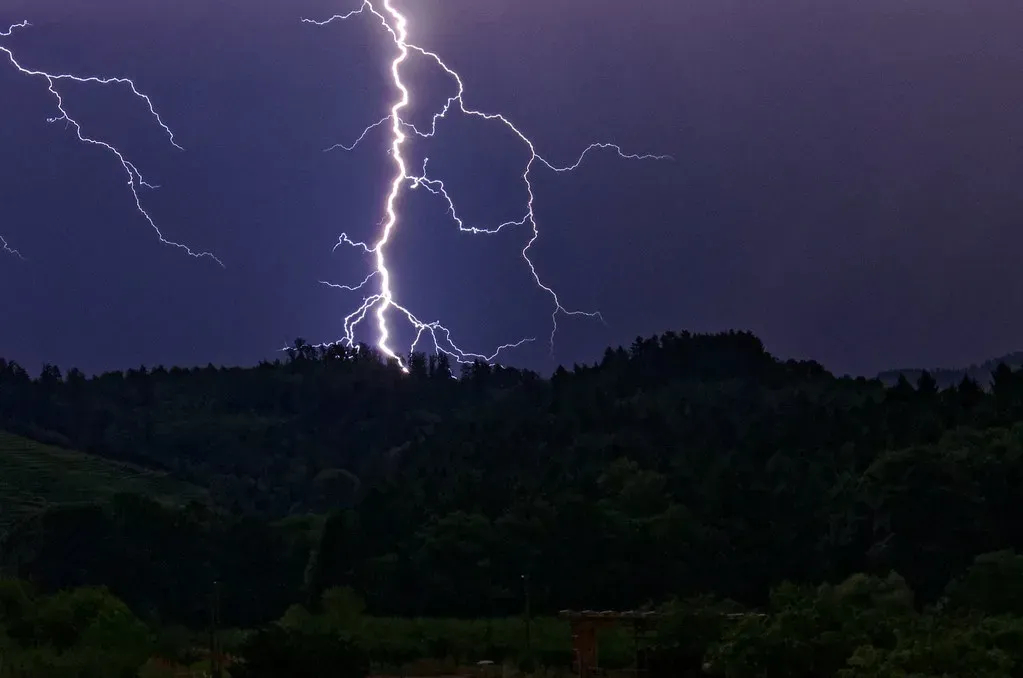
Many people assume that because a storm isn’t directly overhead they are safe. Lightning can, however, strike 10 miles away from an approaching or departing storm. That bolt of light flickering on the horizon is not as distant or harmless as it feels.
Lightning cannot strike in an area if it is not raining and skies are clear? Not true. You should not wait until a thunderstorm is immediately overhead and for rain to begin. If you can hear thunder, lightning is close enough to pose an immediate threat, even if the sky above you is blue. The rule is simple: if thunder roars, move indoors.
Seeking Shelter Under a Highway Overpass Is Smart During a Tornado

This myth gained mainstream attention in 1991, when a video of a news crew sheltering under a Kansas Turnpike overpass during an F2 tornado spread across the United States. The video led many viewers to believe that overpasses were safe places to take shelter during tornadoes. The crew survived with only minor injuries, further reinforcing the belief. It was a dangerous lesson to draw from a lucky escape.
The embankment under an overpass is higher than the surrounding terrain, and wind speed increases with height. The overpass design may also create a wind tunnel effect under the span, further increasing wind speed. Many overpasses are completely exposed underneath and most lack enough structure to provide sufficient protection from debris. One of the deadliest instances of following this myth occurred on May 3, 1999, when two people were killed and over a dozen more were injured while sheltering under overpasses from a violent tornado near Moore, Oklahoma.
Opening Windows During a Tornado Equalizes Pressure and Saves Your House
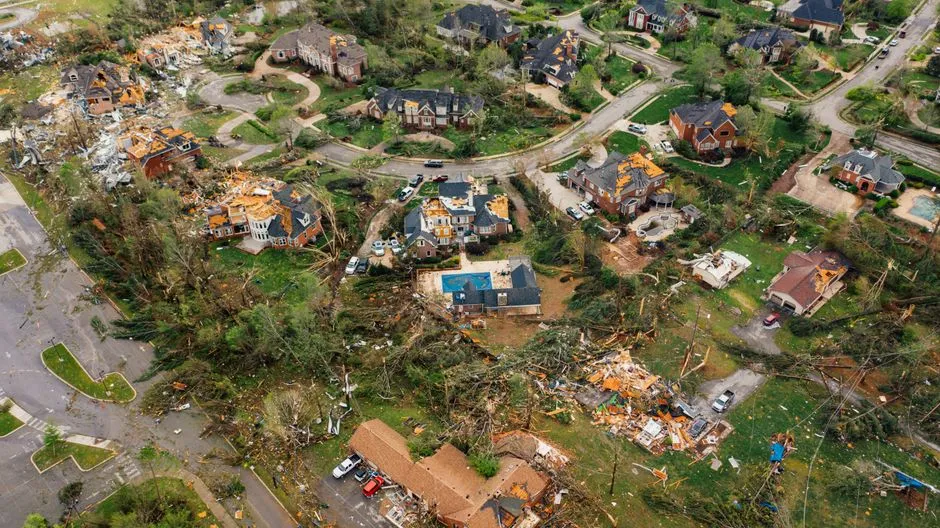
One of the oldest pieces of tornado folklore is the idea that tornadoes do most of their damage due to lower atmospheric pressure at the center, which causes the house to explode outward. The idea behind opening windows was to help equalize that pressure. The source of this myth comes from the appearance of some destroyed structures after violent tornadoes.
In even the most violent tornadoes, pressure differences rarely exceed 10 percent, which most frame homes could withstand with closed windows. The explosion-like damage can be attributed to disintegrating roofs and walls that have blown inward, causing the other three sides to fall outward, creating the appearance of a house that has exploded. Opening windows in advance of a tornado simply wastes time that could be spent seeking shelter, and being near windows is very dangerous during a severe weather event, possibly exposing people to flying glass.
“Heat Lightning” Is a Unique Type of Weather Phenomenon
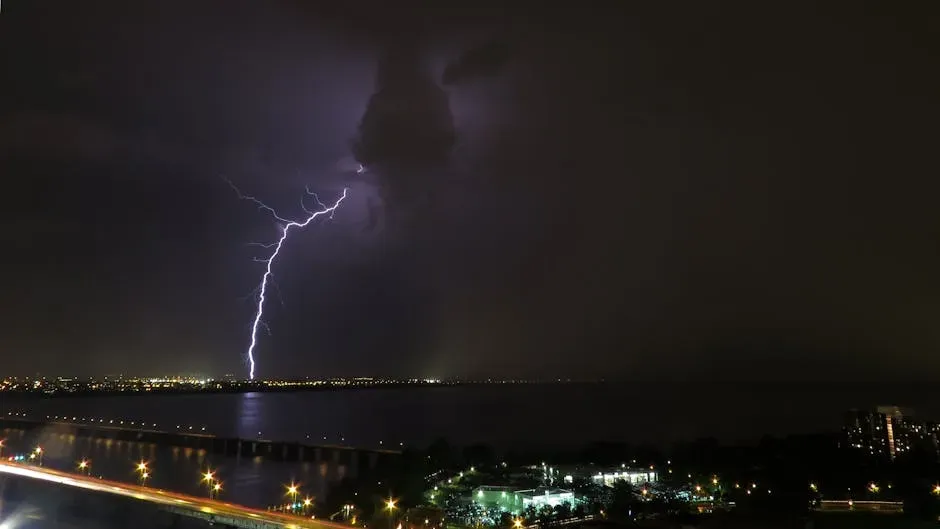
“Heat lightning” is often thought to be a specific type of lightning that occurs during hot summer nights. In reality, it’s simply regular lightning that is too far away for the accompanying thunder to be heard. The heat has no direct impact on the lightning itself. The name stuck because it sounds plausible, not because it reflects anything real.
The myth of “heat lightning” likely comes from this phenomenon being most common in the hot summer months, due to the fact that thunderstorms and lightning in general are more frequent in the summer. “Heat lightning” is really just one of the other types of lightning, simply observed from a farther distance away. Every flash you see in a clear summer sky belongs to a real storm, somewhere beyond the horizon.
Cold Weather Makes You Catch a Cold

A common myth holds that exposure to cold weather can cause colds or the flu. While colder temperatures can weaken the immune system, making it easier to catch a virus, it’s the viruses themselves that cause illness. Proper hygiene and vaccination are more effective in preventing colds and flu than simply avoiding cold temperatures.
The confusion is understandable. Cold seasons overlap with cold virus season, and people spend more time indoors in close contact during winter. That’s the real driver. You can stand in a blizzard for an hour and not get sick if no virus was present. The weather creates conditions that spread illness more easily, but it doesn’t manufacture the illness itself.
Floods Only Happen Near Rivers and Streams
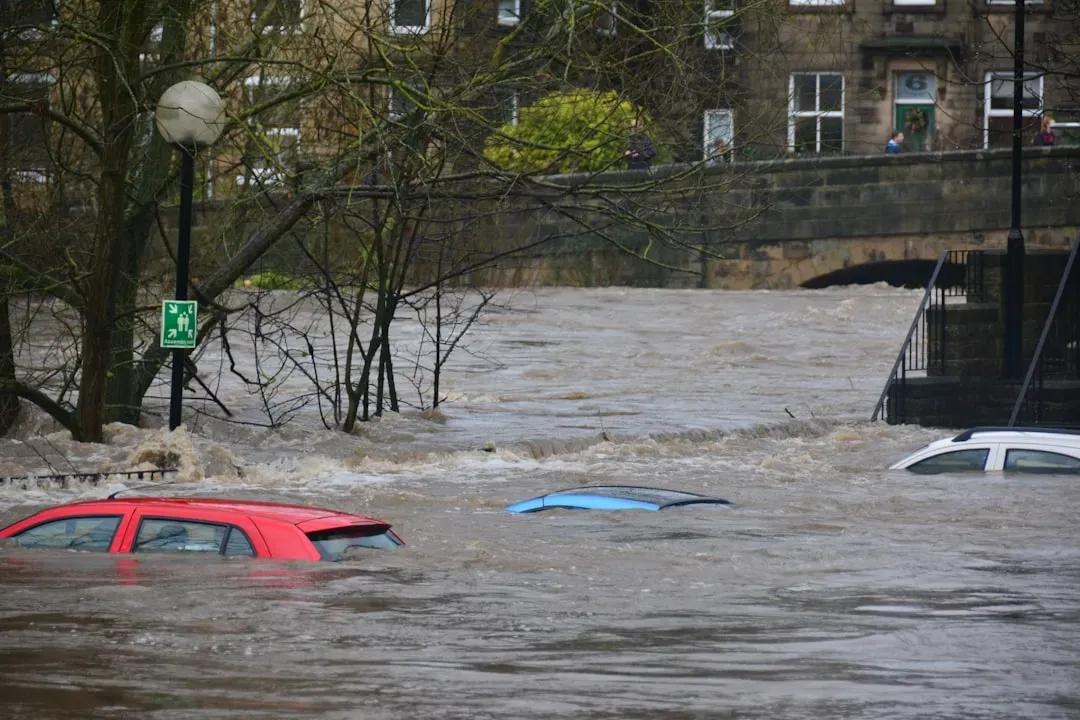
Flash floods can occur anywhere, even in densely populated urban areas. The National Weather Service notes that cities are prone to flooding in a short amount of time, and sometimes it can be even more severe in urban settings, since excessive water can overwhelm drainage systems. Concrete and pavement don’t absorb rainwater the way soil does, which accelerates runoff dramatically.
NOAA reports that in the U.S., floods kill more people annually than tornadoes, hurricanes, or lightning. The national 30-year average for flood deaths is around 127 people per year, and National Weather Service data also indicates that nearly half of all flash flood fatalities are vehicle-related. The most persistent and deadly mistake people make is attempting to drive through floodwater, regardless of how shallow it looks.
Meteorologists Are Usually Wrong Anyway

A common myth holds that meteorologists are frequently incorrect in their weather predictions. While weather forecasting is not an exact science and errors can occur, modern forecasting methods are far more accurate than many people realize. Advances in technology, such as satellite imagery and computer models, have significantly improved the accuracy of weather forecasts in recent years.
Many of the deadliest disasters over the last few decades were accurately forecasted ahead of time. The common failure was poor communication, not poor prediction. The forecast was right; the warning didn’t reach the people who needed it in time. That’s a systems problem, not a science problem, and it’s one the meteorology community has been actively working to solve.
Tornadoes Don’t Hit Big Cities
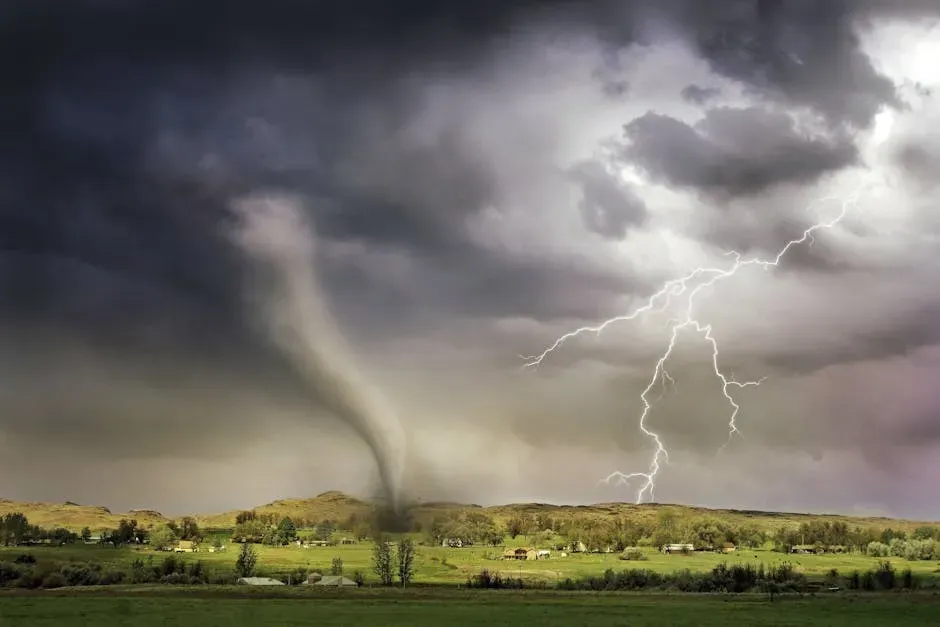
This urban legend has been thoroughly debunked by meteorologists, but it persists because major tornado strikes on cities are relatively rare due to simple math: cities occupy tiny percentages of land area. Rarity gets misread as immunity, which are very different things.
The 2023 tornado that struck Little Rock, Arkansas, tore through dense neighborhoods and commercial districts, proving that concrete and steel offer no magical protection. Moore, Oklahoma has been hit by multiple strong tornadoes, including the catastrophic EF5 in 2013 that leveled entire subdivisions. The myth might exist because urban heat islands can sometimes disrupt storm formation, but they’re nowhere near strong enough to stop a determined tornado.
You Can’t Get Sunburned on a Cloudy Day
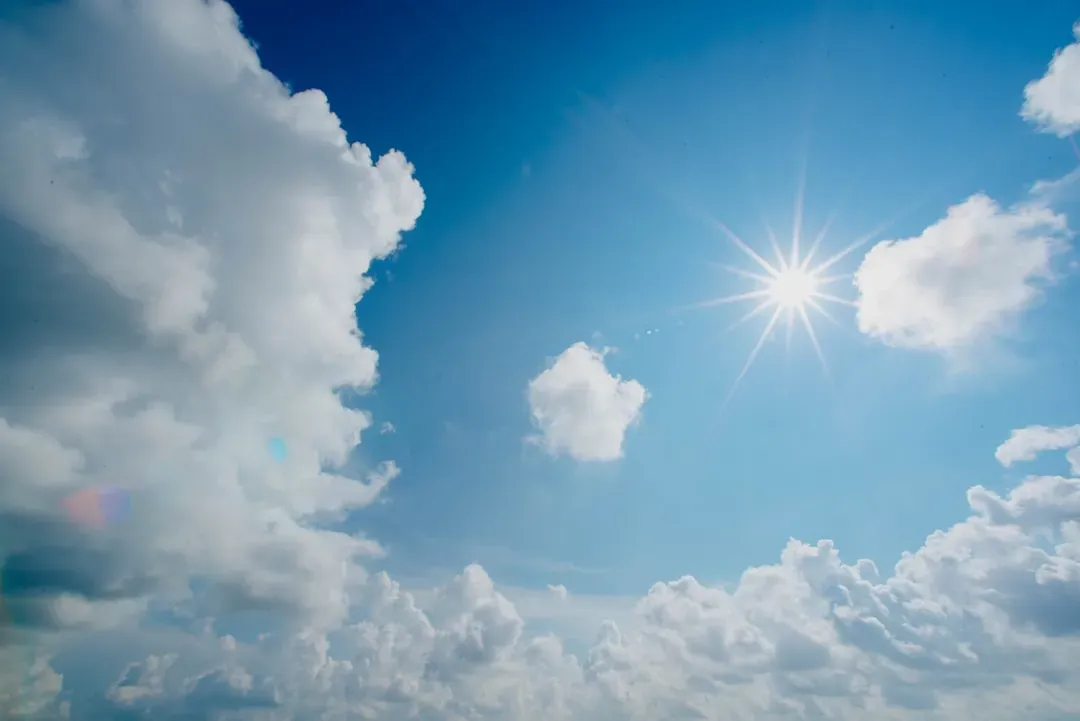
This dangerous myth sends thousands of people to dermatologists every summer with painful surprises. UV rays punch right through clouds, with up to roughly four-fifths of them passing through according to the Skin Cancer Foundation’s 2024 guidelines. Some of the worst sunburns happen on overcast beach days when people skip sunscreen entirely.
Clouds can even make UV exposure worse by reflecting radiation back down, creating a kind of double-dose effect. Water, sand, and snow amplify this reflection, which is why skiers and beach-goers often get burned in unexpected places. Cloud cover changes what the sky looks like, not what the sun is actually doing to your skin. Sunscreen doesn’t take the day off just because the sky is gray.
Eleven years of watching storms move, stall, intensify, and surprise has made one thing clear: weather doesn’t negotiate with what people prefer to believe. The myths above aren’t harmless curiosities. Some have contributed directly to preventable deaths. The science is available, it’s detailed, and it’s more accessible than ever. The gap that remains isn’t a shortage of information. It’s the persistent human habit of trusting a well-worn saying over a verified fact.

- I Asked AI and a Waste Auditor How to Cut My Household Trash – Where They Disagreed - November 12, 2026
- Einstein’s equations suggest gravity can reconnect like the sun’s magnetic field - November 12, 2026
- This Map Shows Which States Get the Most Severe Storms Each Year – And It’s Not What You’d Expect - November 12, 2026
