

Most people picture Antarctica as a place of stillness, with white plains, silence and cold. Along one stretch of the George V Land coast, that picture falls apart. The wind there hardly ever stops, and it has a reputation that goes back more than a century.
Commonwealth Bay is the site of Cape Denison, where Australian geologist Douglas Mawson set up camp in 1911. His team lived through conditions that few visitors have matched since. The reasons behind that wind are a mix of geography, physics and a little bad luck.
Where Commonwealth Bay Sits
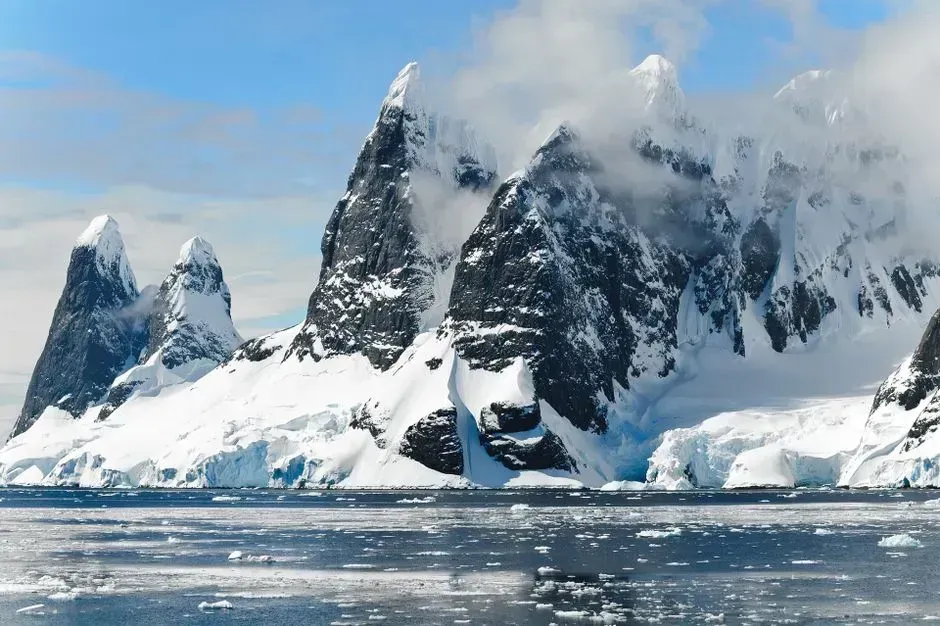
The bay lies on the coast of George V Land, in the part of East Antarctica that Australia claims. It faces the Southern Ocean, roughly south of Tasmania. Cape Denison, on its shore, is a small rocky outcrop where the ice sheet meets the sea.
Mawson named the bay after the Commonwealth of Australia, which had only existed since 1901. He named the cape after Hugh Denison, a Sydney businessman who supported the expedition. Both names come from the Australasian Antarctic Expedition of 1911 to 1914.
What Makes the Wind So Relentless
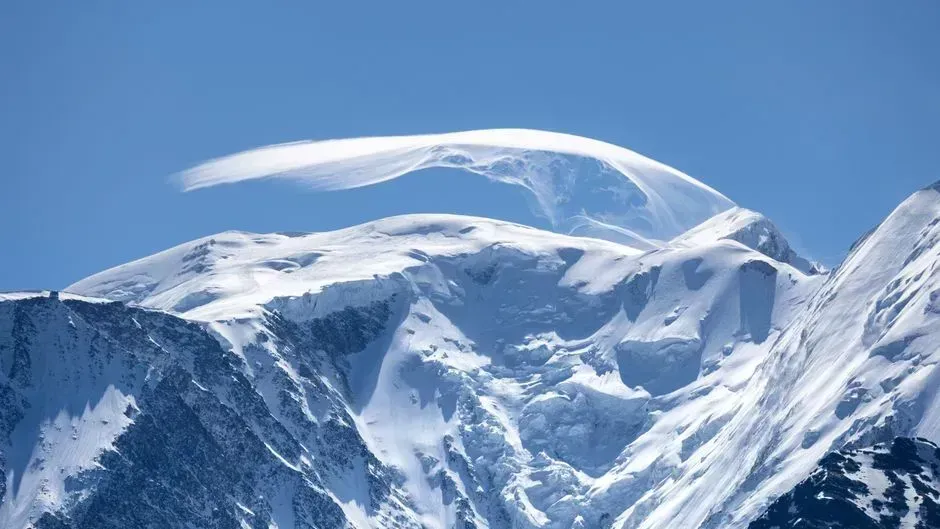
The main driver is what scientists call a katabatic wind. Air over the high interior of the ice sheet cools until it becomes very dense. Gravity then pulls it downhill toward the coast, and it picks up speed as it goes.
Most of Antarctica has some version of this. Commonwealth Bay gets an unusually strong one because the shape of the land funnels cold air from a large area into a narrow channel. The result is a steady, heavy flow that feels less like weather and more like a river of air.
The Numbers Behind the Reputation
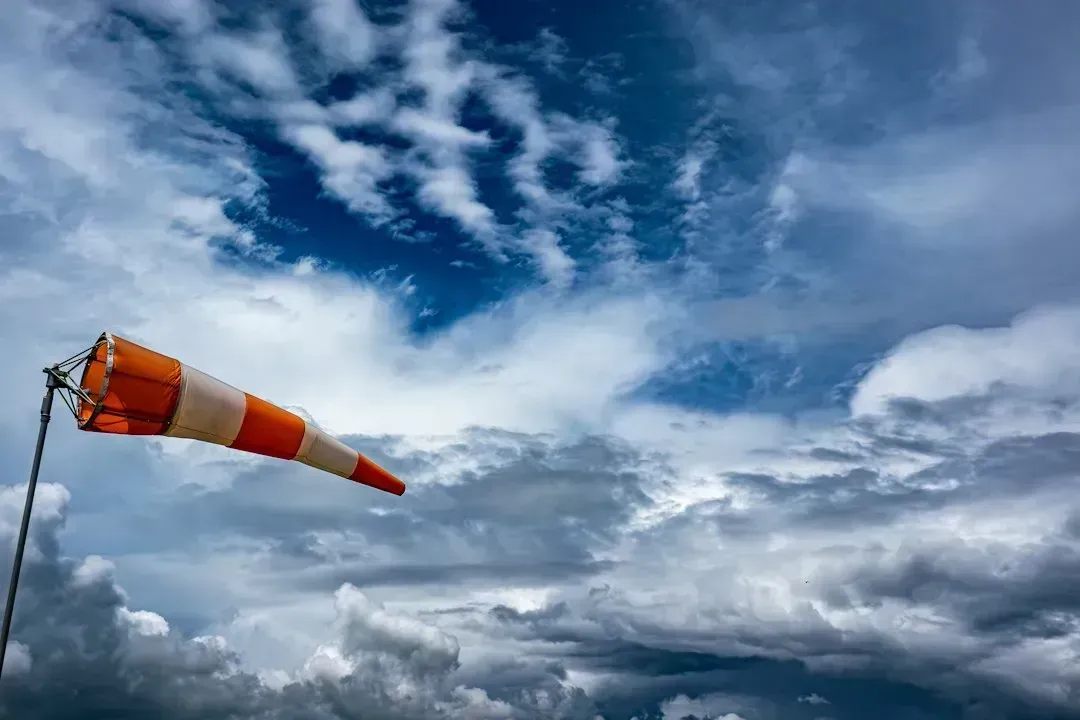
Mawson’s team recorded mean wind speeds across the year of roughly 70 to 80 kilometers per hour, according to commonly cited accounts. That is a strong gale, and it was not a passing event. It was the ordinary condition of the place.
Gusts were reported at well over 200 kilometers per hour during the worst blizzards. Some days brought several hours of calm, but those pauses were rare enough that the men noted them. Modern automatic weather stations in the region have continued to confirm that the site is exceptionally windy for a location at sea level.
Why the Sea Level Label Matters
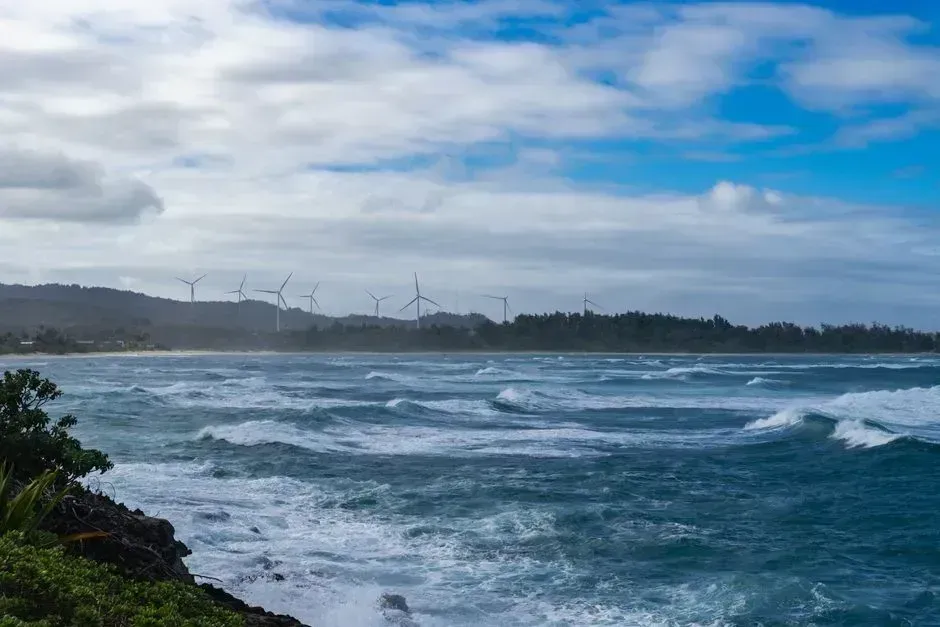
Wind records are often set on mountaintops, where thin air and exposure make high speeds unsurprising. Mount Washington in New Hampshire is a well known example. Commonwealth Bay stands out because it earns its rank at the shoreline, with no summit to blame.
That distinction is why the place is described as the windiest at sea level rather than simply the windiest. It is a careful phrase. It points to the average strength and persistence of the wind, not one record gust.
Mawson’s Expedition and the Hut
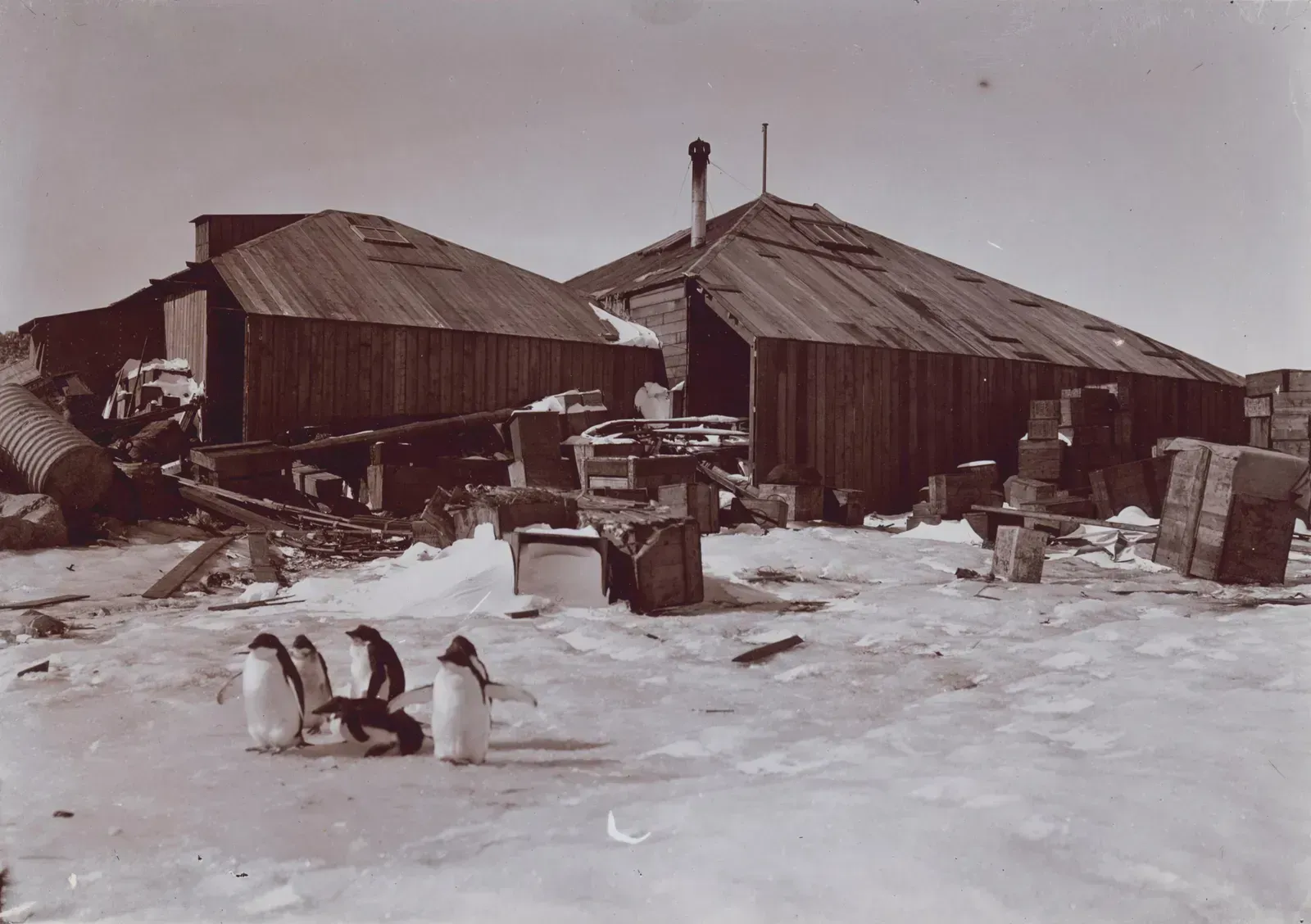
Mawson’s party arrived in December 1911 and built a hut at Cape Denison from timber shipped from Australia. They expected difficult weather, though not what came next. Within weeks it was clear that the wind would dictate everything, from where they walked to how they slept.
The men often had to lean into the gale at a sharp angle just to stay upright. Crampons were essential for moving on the bare ice. Mawson later wrote about the experience in his 1915 book, whose title, The Home of the Blizzard, became the enduring nickname for the region.
Surviving Daily Life in a Gale
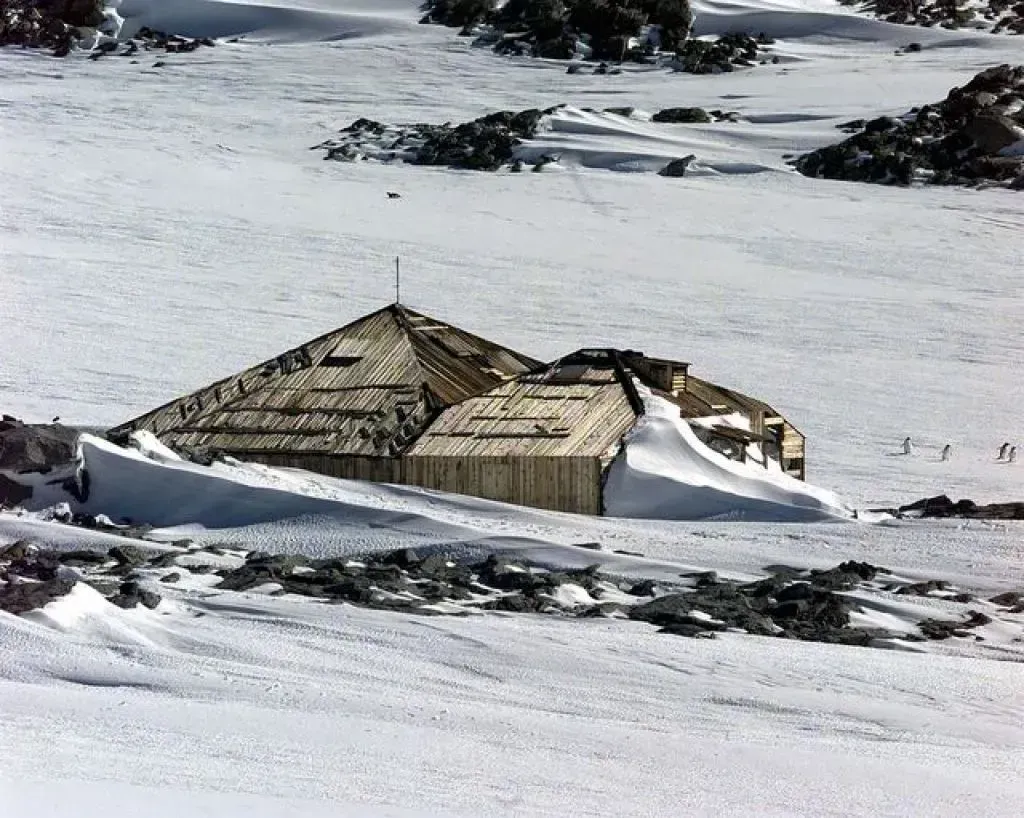
Simple tasks became complicated. Stepping outside meant dressing carefully, roping up or picking a route between fixed points, and accepting that visibility could vanish in moments. Conversation outdoors was nearly impossible because of the noise.
The team tried to turn the problem into an advantage. They rigged sails on sledges, and a modified air tractor sledge was part of the expedition kit, though its use was limited. Inside the hut, the wind rattled the walls constantly, and the men worked on scientific observations in tight quarters.
The Journey That Tested Mawson
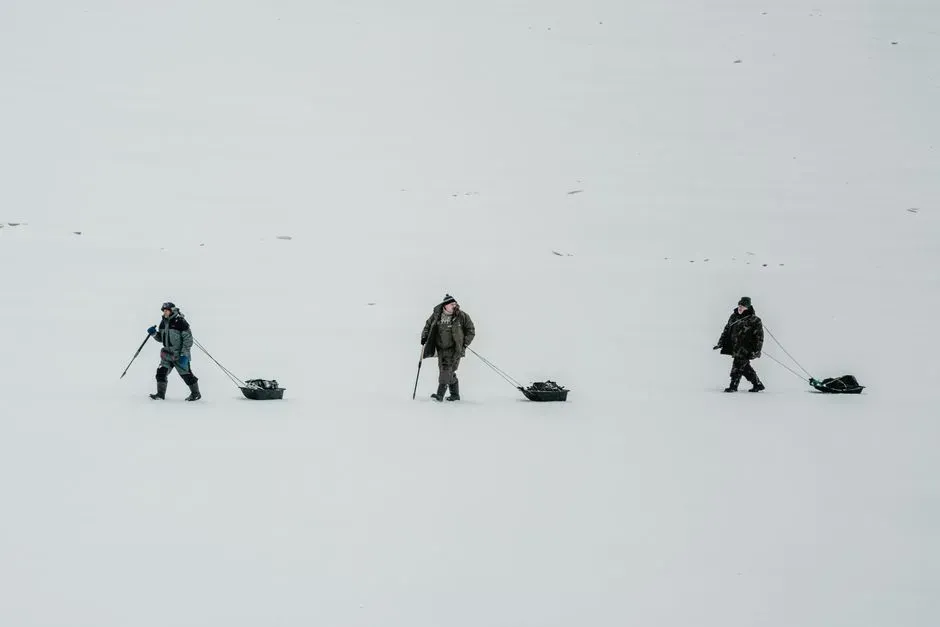
The most famous chapter of the expedition was the Far Eastern Party. In late 1912, Mawson, Belgrave Ninnis and Xavier Mertz set out across the ice. Ninnis fell into a crevasse with a sledge and most of the supplies, and Mertz later died during the return.
Mawson made his way back to Cape Denison alone and arrived in February 1913. The expedition ship Aurora had just sailed, so he and a few others spent another winter in the wind. His survival is still one of the best known stories of polar exploration.
Heritage and Conservation Today
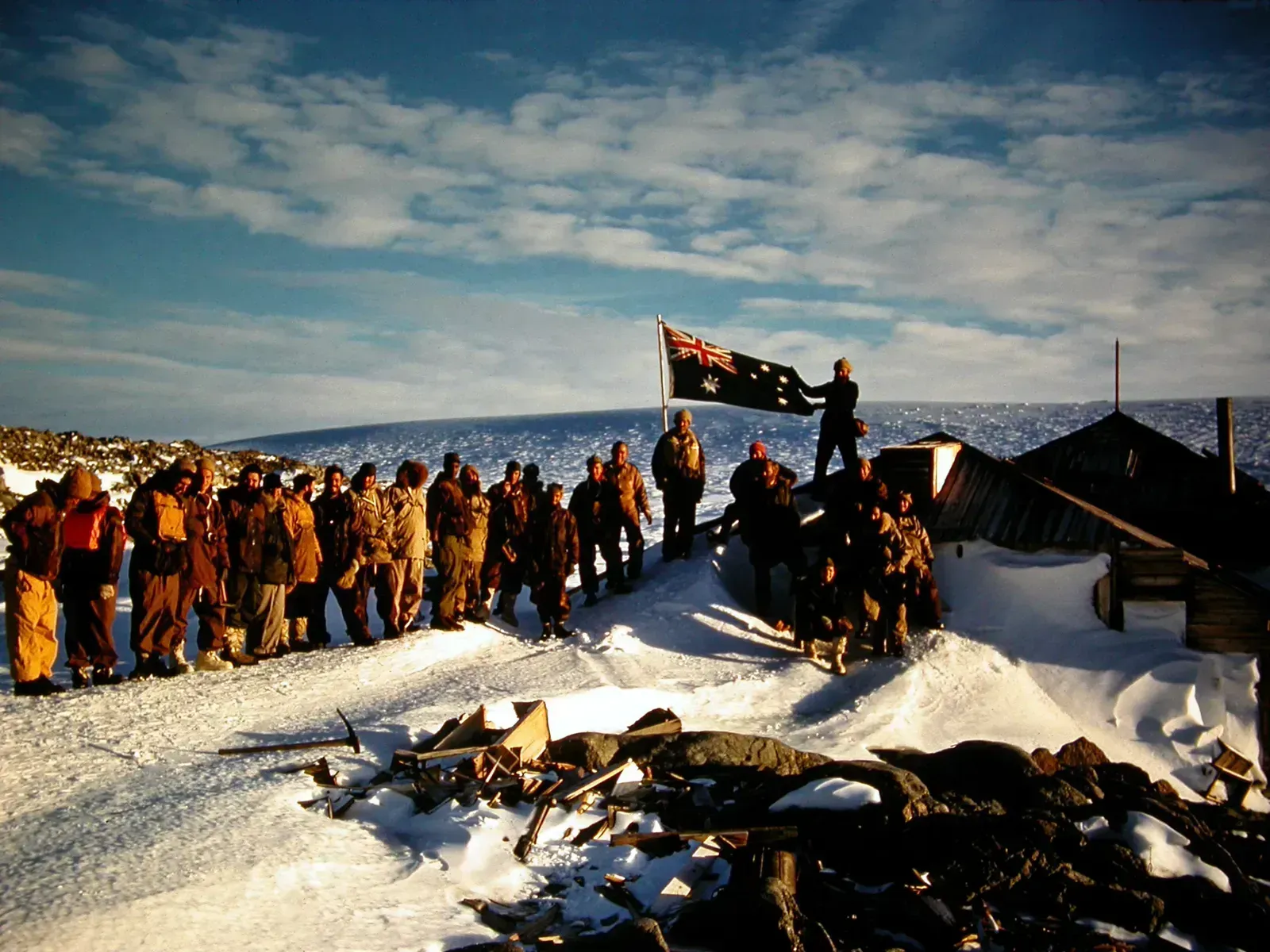
Mawson’s Huts still stand at Cape Denison and are recognized as an Antarctic Historic Site and Monument under the Antarctic Treaty system. The Mawson’s Huts Foundation, an Australian nonprofit, has supported conservation work there for many years. Teams have visited in recent seasons to repair and monitor the structures.
The same wind that shaped the expedition also threatens the buildings, along with drifting snow and ice. Conservators have to work within short summer windows and strict environmental rules. Reaching the site depends on sea ice and weather, so access is never guaranteed.

- The Shoreline Sucked Dry in Seconds – 5 Tsunami Signals Beachgoers Mistake for Low Tide - November 14, 2026
- 9 Dark-Sky Destinations Around the World Where the Stars Look Unreal - November 14, 2026
- The Fault Line That Never Slips – 7 Locked Seismic Zones Overdue for a Massive Release - November 14, 2026
