

- The Planet Where It Rains Liquid Glass – 7 Alien Worlds Defying Known Physics - November 14, 2026
- Stars Consuming Entire Worlds – 6 Planetary Systems Swallowing Their Own Worlds - November 14, 2026
- The Ground Liquefies Like Water – 6 Silent Fault Lines Geologists Watch Closely - November 14, 2026
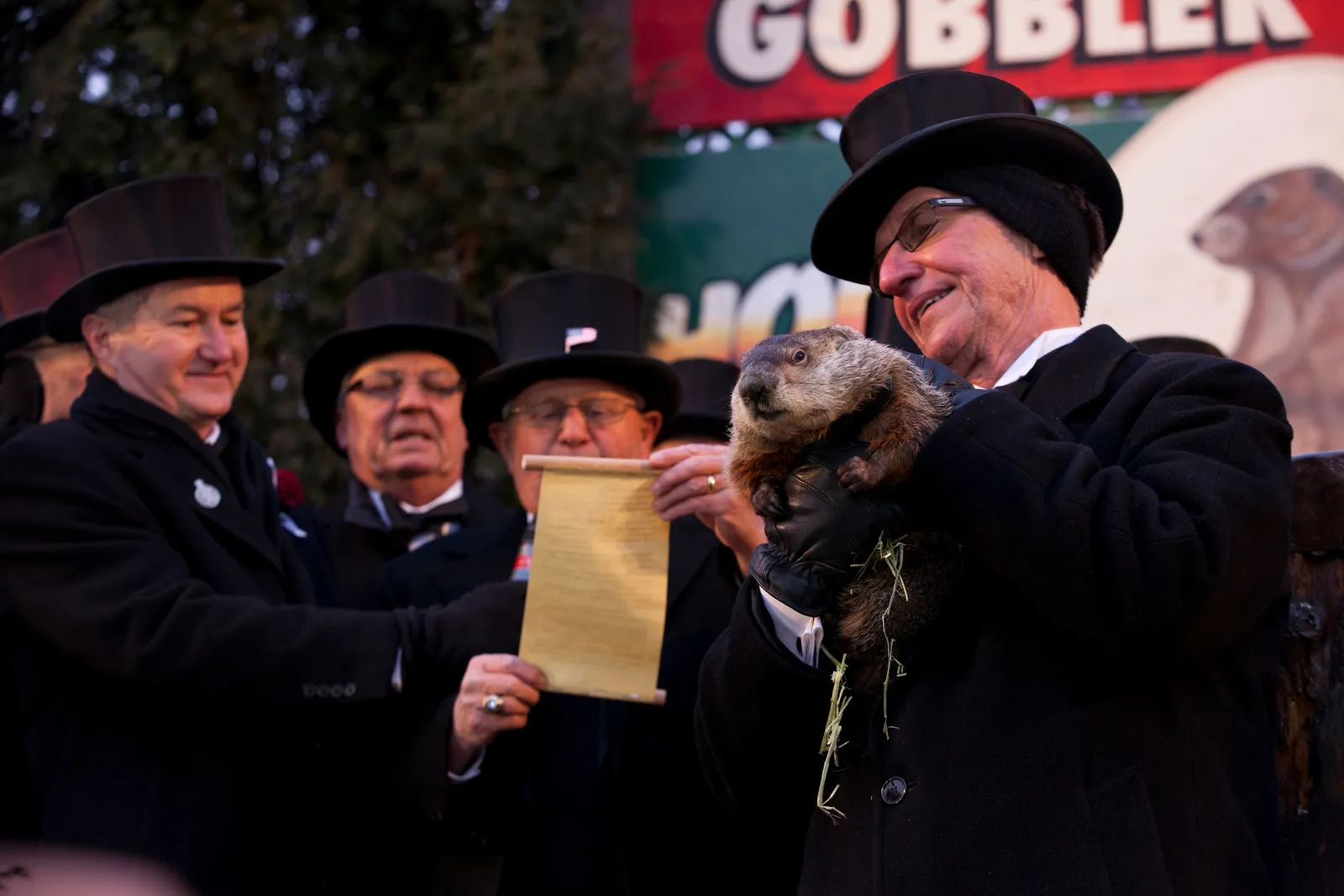
Every February 2, thousands of people gather on a hillside in Pennsylvania before sunrise. They wait for a groundhog to tell them whether winter will hang on. Tens of thousands were on hand at Gobbler’s Knob in 2026 for a ritual that goes back more than a century.
The ceremony is a lot of fun. The forecast is a different matter, because it can be checked against temperature records, and federal climate scientists have done exactly that. Here’s how Phil’s calls compare with what the weather actually did.
What Phil Is Actually Predicting
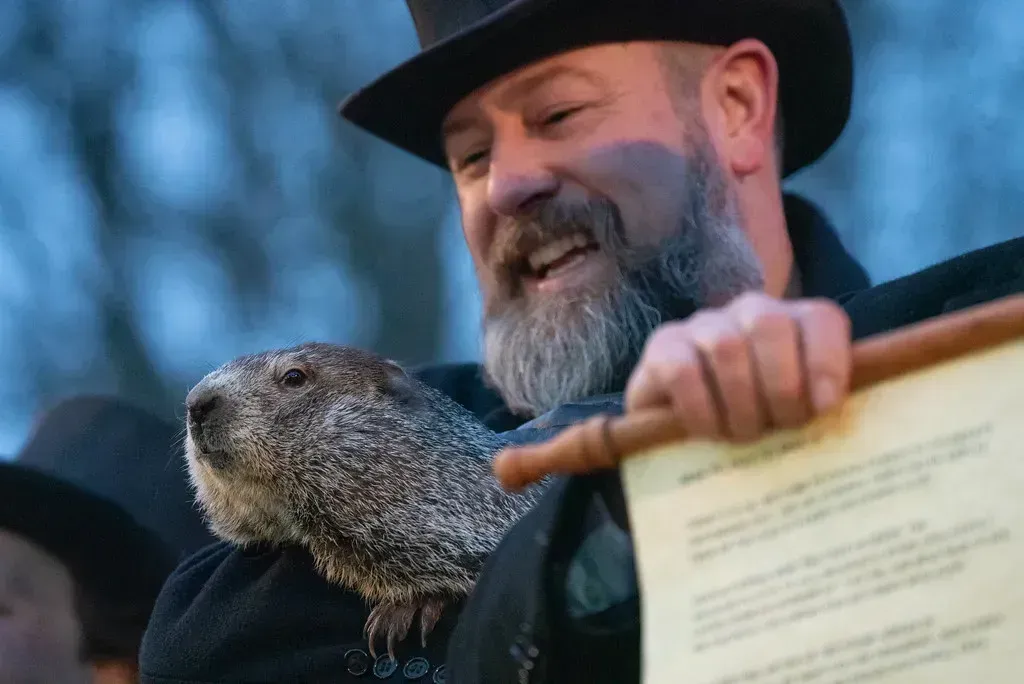
The rule is simple. According to legend, if Phil sees his shadow, he takes it as six more weeks of bad weather and returns to his hole. If he doesn’t see it, he stays above ground, which signals spring.
The prediction is a national one, though. Phil sits in western Pennsylvania, yet the forecast gets judged against temperatures across the whole country. NOAA points out that predicting spring for an entire country with such varied regional climates isn’t easy.
Where the Tradition Comes From
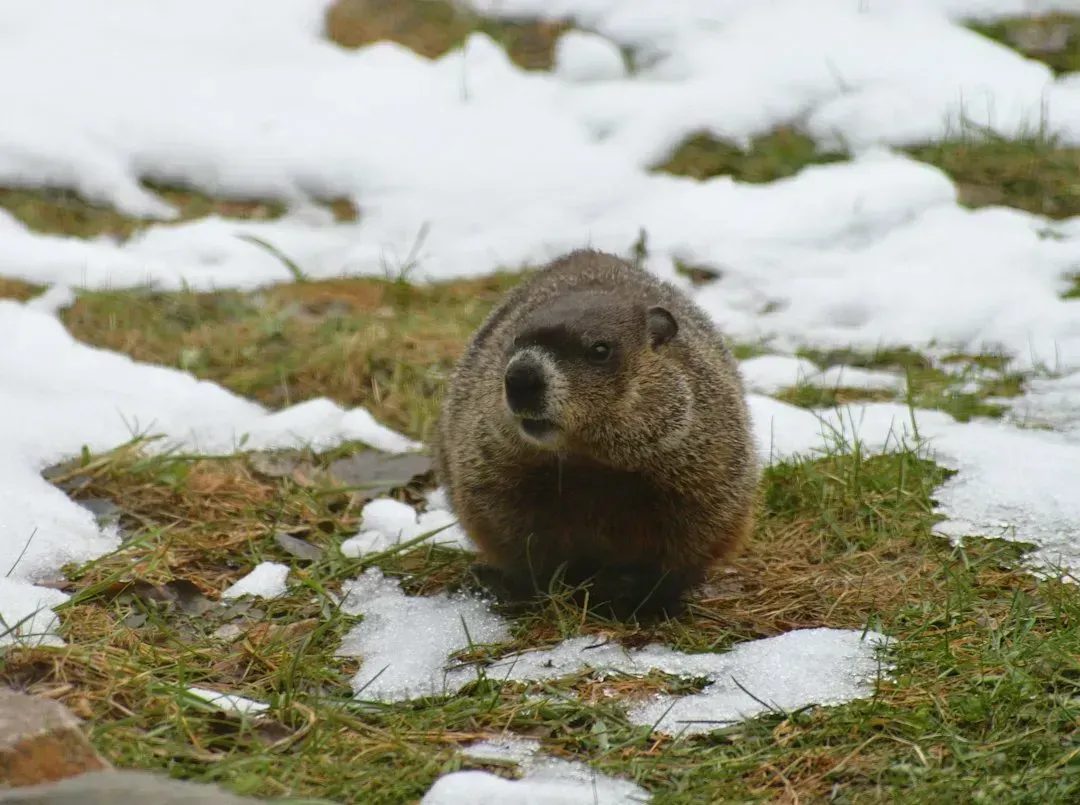
The idea is older than the United States. Candlemas took on a weather forecasting role over time, reflected in an old English rhyme about how the day’s conditions predict winter’s length. In Germany, the lore added an animal, and a hedgehog seeing its shadow meant six more weeks of winter.
German settlers carried the custom to Pennsylvania. The Punxsutawney Groundhog Club has noted that hedgehogs were in short supply there, so groundhogs took over. Newspaper editor Clymer H. Freas formalized the day and proclaimed the local groundhog the official weather forecaster.
The Long Record of Shadows
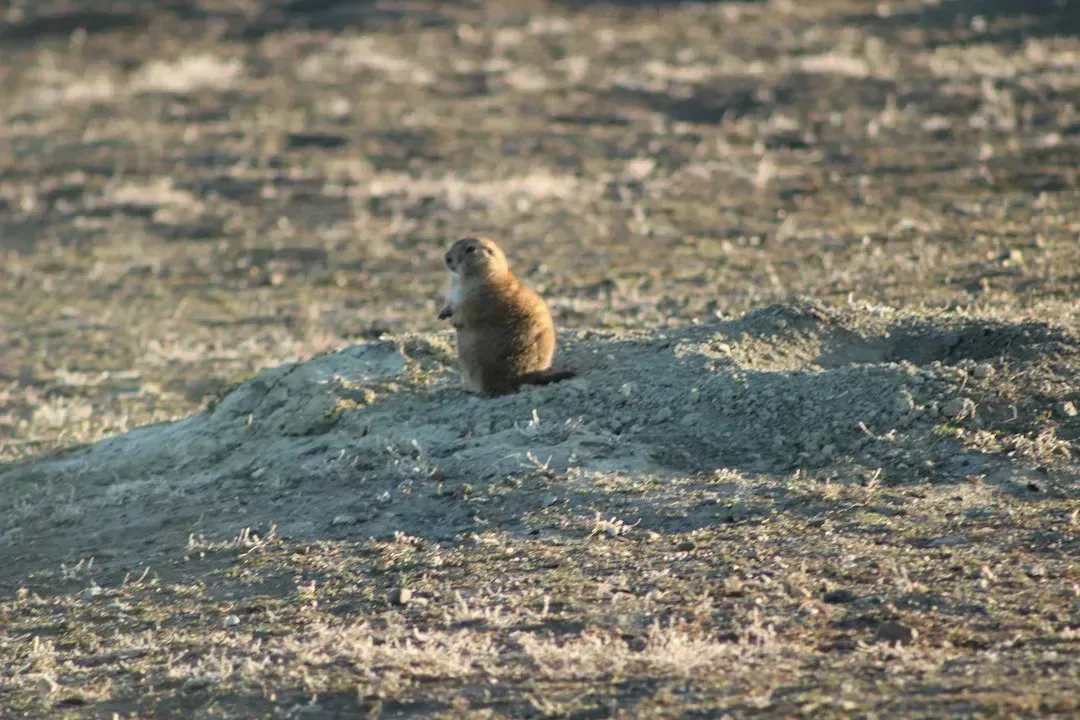
Phil’s history leans heavily one way. According to Groundhog Club records from 1886 to 2024, Phil made 108 forecasts of more winter and 21 of early spring. After his 2026 call, one campus publication counted 110 shadow sightings against 21 early spring calls.
Counts vary a little by source, and the gaps in the records explain part of that. About ten years in the late 1800s were lost because no records were kept, according to the Groundhog Club. In 1942 Phil had a partial shadow, and in 1943 he didn’t appear at all.
What NOAA’s Numbers Say
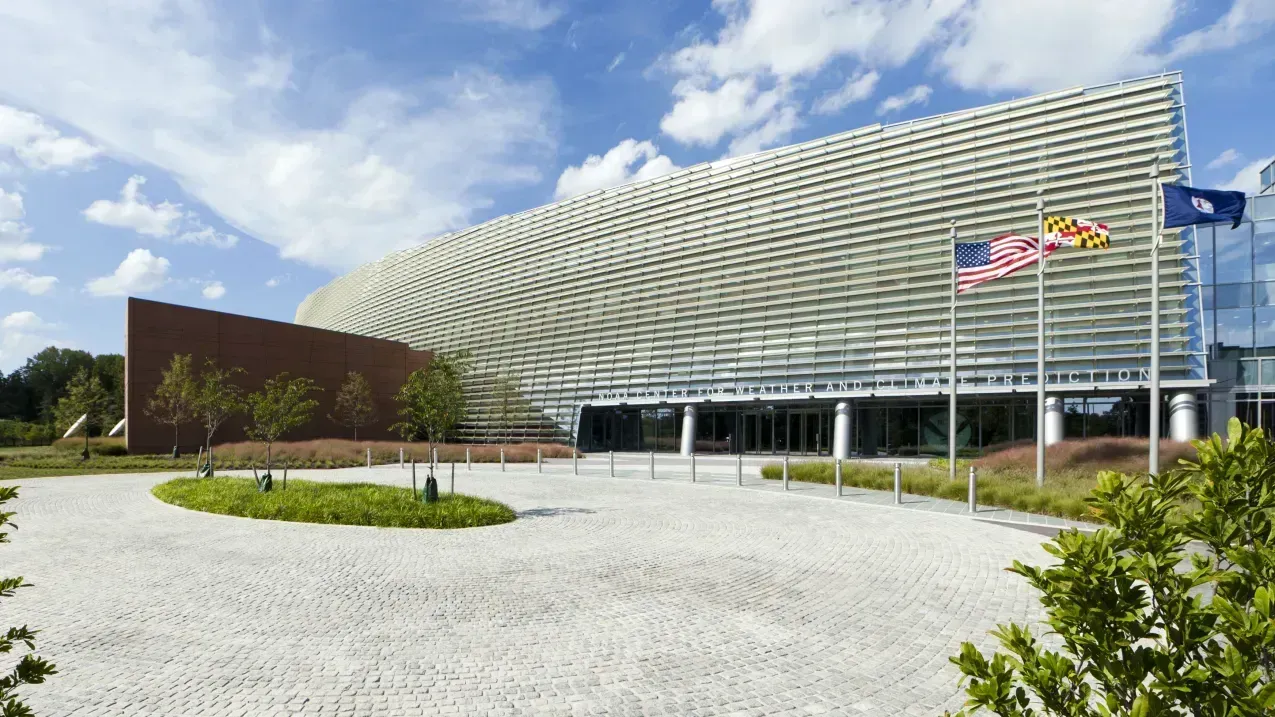
NOAA’s National Centers for Environmental Information compares each prediction with temperatures that followed. Over the past ten years, Phil has been right 30 percent of the time. That figure covers the 2015 to 2024 predictions.
Other tallies land in the same neighborhood. The Stormfax Almanac puts his overall record at about 39 percent. As one meteorologist told Live Science, a coin flip would be right close to half the time.
How Phil Ranks Against Other Animals
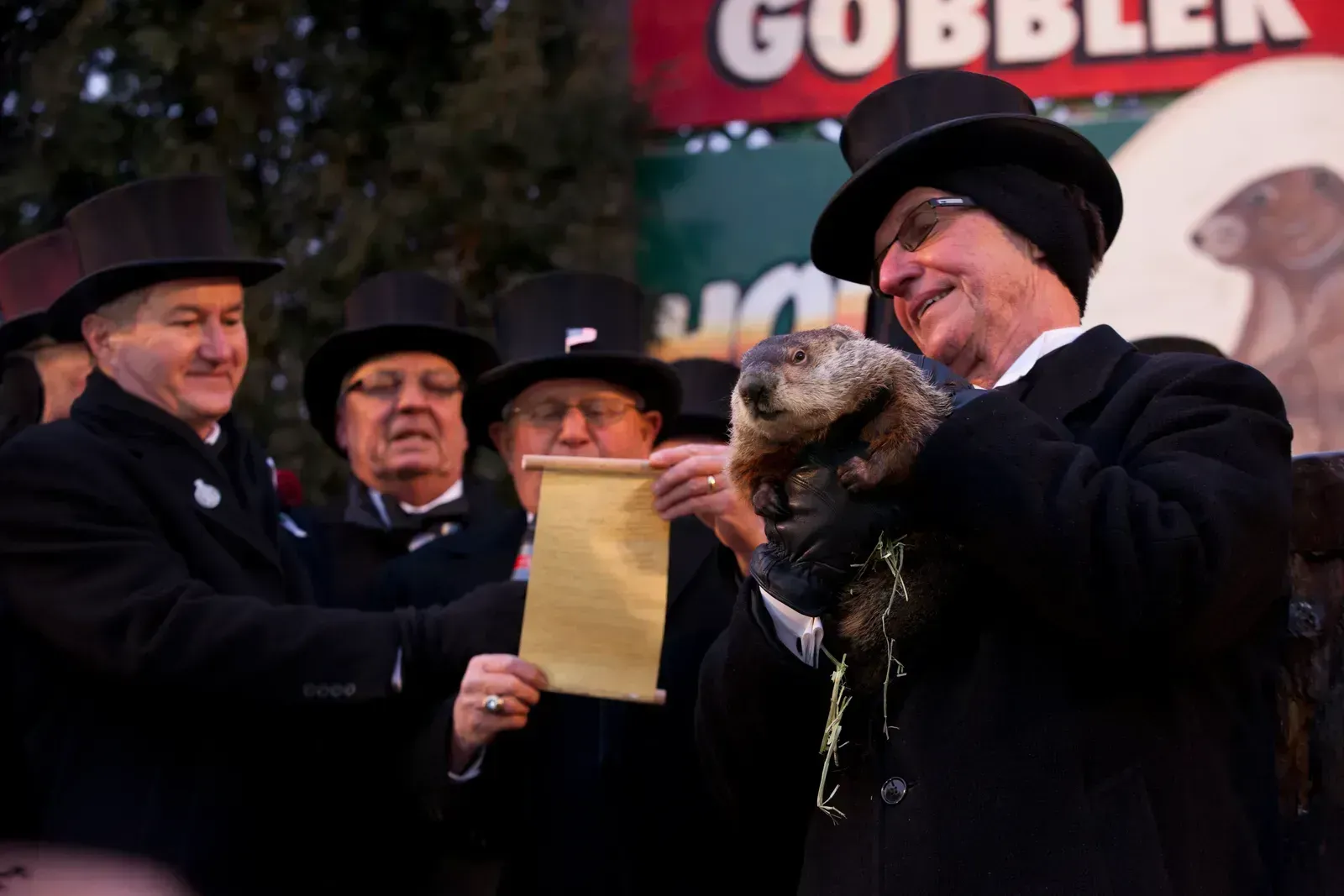
Phil isn’t the only forecaster in the business. NOAA ranked nineteen weather predicting groundhogs, and qualifying animals needed at least twenty years of predictions. Phil came in 17th of 19, with an accuracy rate of about 35 percent.
The top of the list looks different. Staten Island Chuck led at 85 percent, followed by Georgia’s General Beauregard Lee at 80 percent and Wyoming’s Lander Lil at 75 percent. Lander Lil is a bronze prairie dog statue, and Phil finished behind a trio of taxidermied groundhogs.
Checking the 2025 Forecast
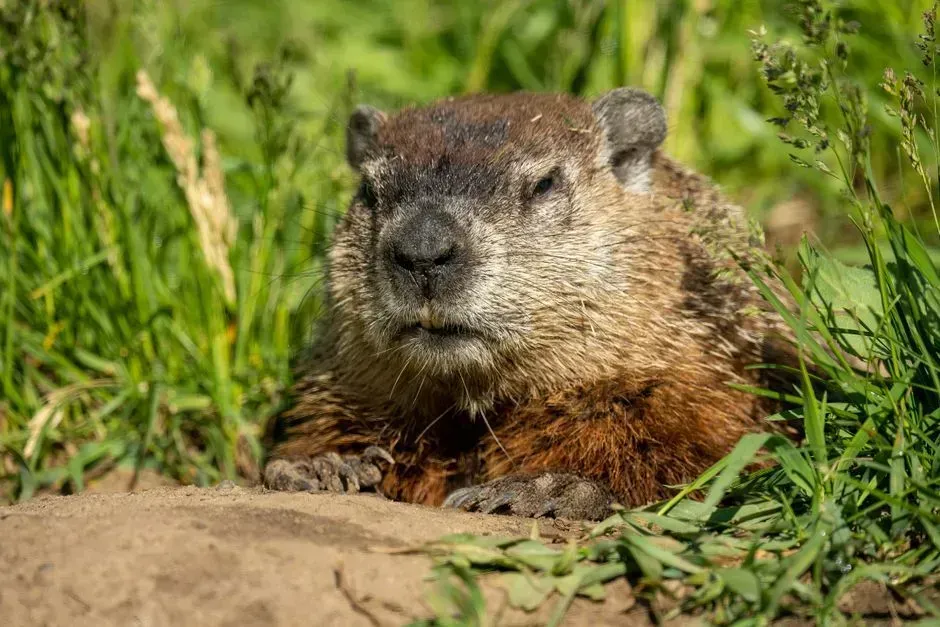
The 2025 call gives a clear example of how a miss gets scored. Phil saw his shadow and predicted six more weeks of winter. Yet the contiguous U.S. had near average temperatures in February 2025 and above average temperatures in March.
NOAA therefore counted the forecast as wrong. Phil’s forecast was wrong last year, according to NOAA. He was a shadow forecaster in a spring that arrived warm.
Checking the 2026 Forecast
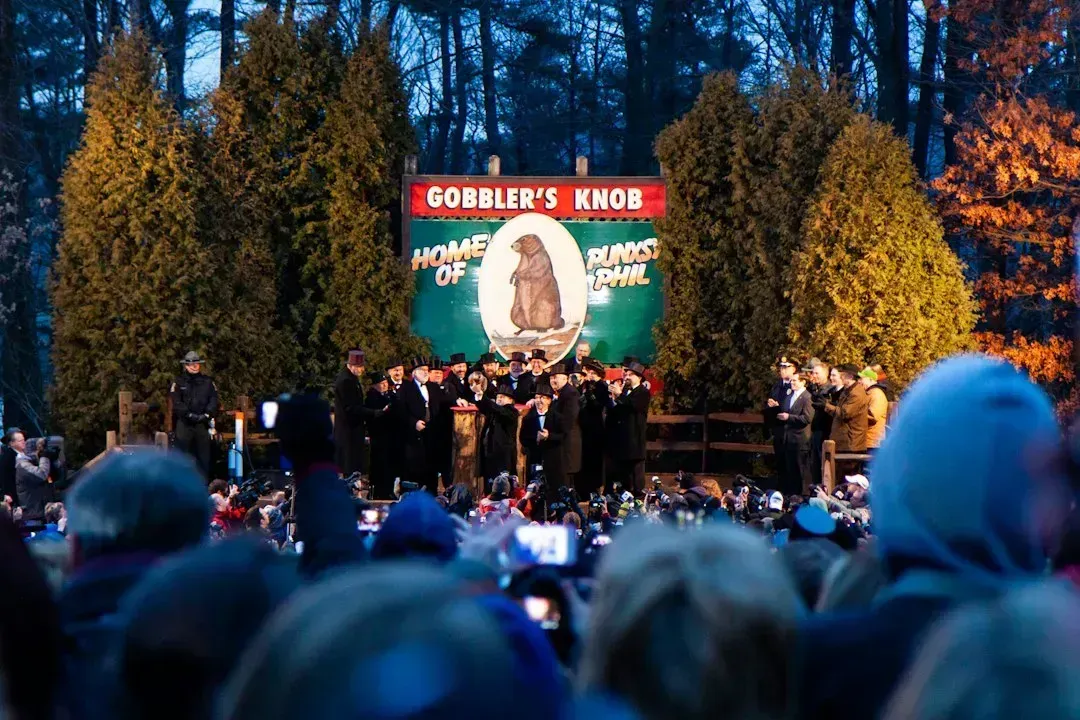
In 2026, Phil once again saw his shadow. He emerged from his tree stump on Monday, February 2, and signaled six more weeks of winter. The result was mixed, and it depended on where you lived.
An Axios Pittsburgh report described a split verdict. A NOAA meteorologist said February was unusually cold in the Northeast, but temperatures elsewhere in the nation ran warmer than average. Pittsburgh’s average February temperature was 30.7 degrees, about a degree below normal. The cold February helped Phil, but a warm March hurt his call.
Why the Club Says He’s Never Wrong
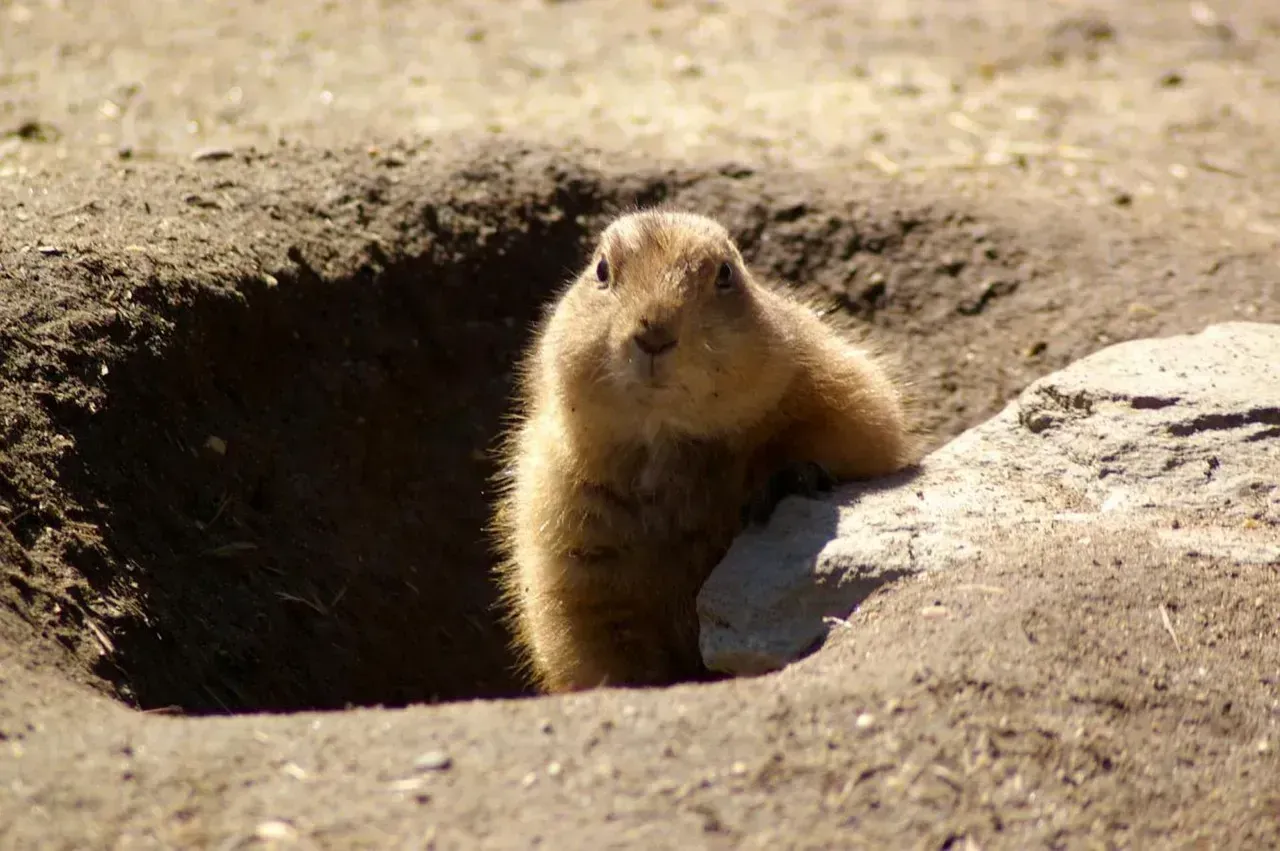
The Groundhog Club sees it differently. It maintains that Phil is a 150 year old groundhog kept immortal by an elixir of life, and that he’s always right. NOAA, by contrast, says Phil is correct about one third of the time.
There’s also the question of how the shadow works. Live Science notes that Phil doesn’t actually have to see his shadow, only cast one. In an older report, it was said the Inner Circle decides the forecast ahead of time and announces it on Gobbler’s Knob.
