


- 10 Home Upgrades That Can Lower Summer Cooling Costs - November 10, 2026
- 10 Questions to Ask Before Buying a Home in a Flood Zone - November 10, 2026
- 9 Coffee-Growing Regions Reporting Lower Yields as Temperatures Rise - November 10, 2026
For centuries, stories of glowing spheres drifting through storms sounded more like folklore than physics. Sailors, farmers and pilots described them, yet almost nobody had ever measured one. Roughly five percent of the Earth’s population has reportedly seen ball lightning or something close to it, so the doubt was never really about whether people saw something.
The gap was evidence. A phenomenon that appears without warning and vanishes in seconds is hard to study with instruments. In the summer of 2012, on a remote plateau in China, luck finally put the right equipment in the right place.
A Storm on the Qinghai Plateau
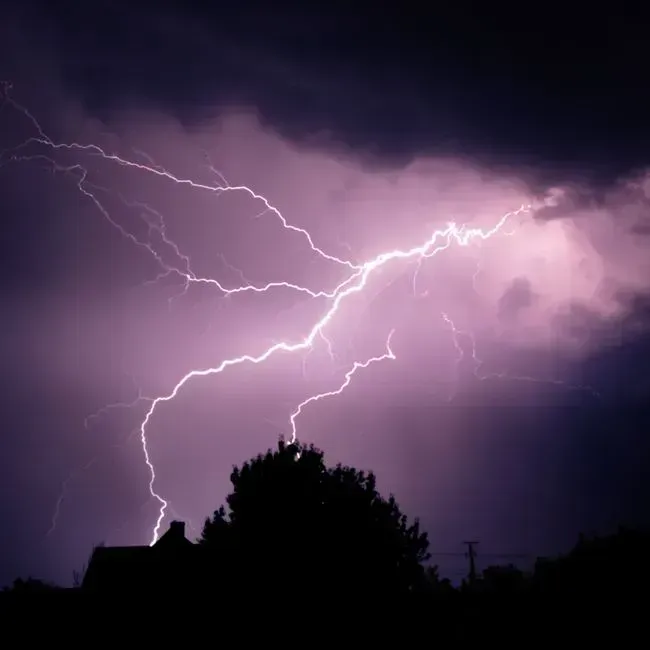
The researchers had set up spectrometers on the remote Qinghai Plateau of northwest China to investigate ordinary lightning, which is frequent in this region. They weren’t hunting for anything exotic. Their goal was to learn the spectral characteristics of regular lightning bolts.
The team came from Northwest Normal University in China, and they used high-speed cameras with high spectral resolution. That setup turned out to be exactly what the situation demanded, even though nobody planned it that way.
The Night It Appeared
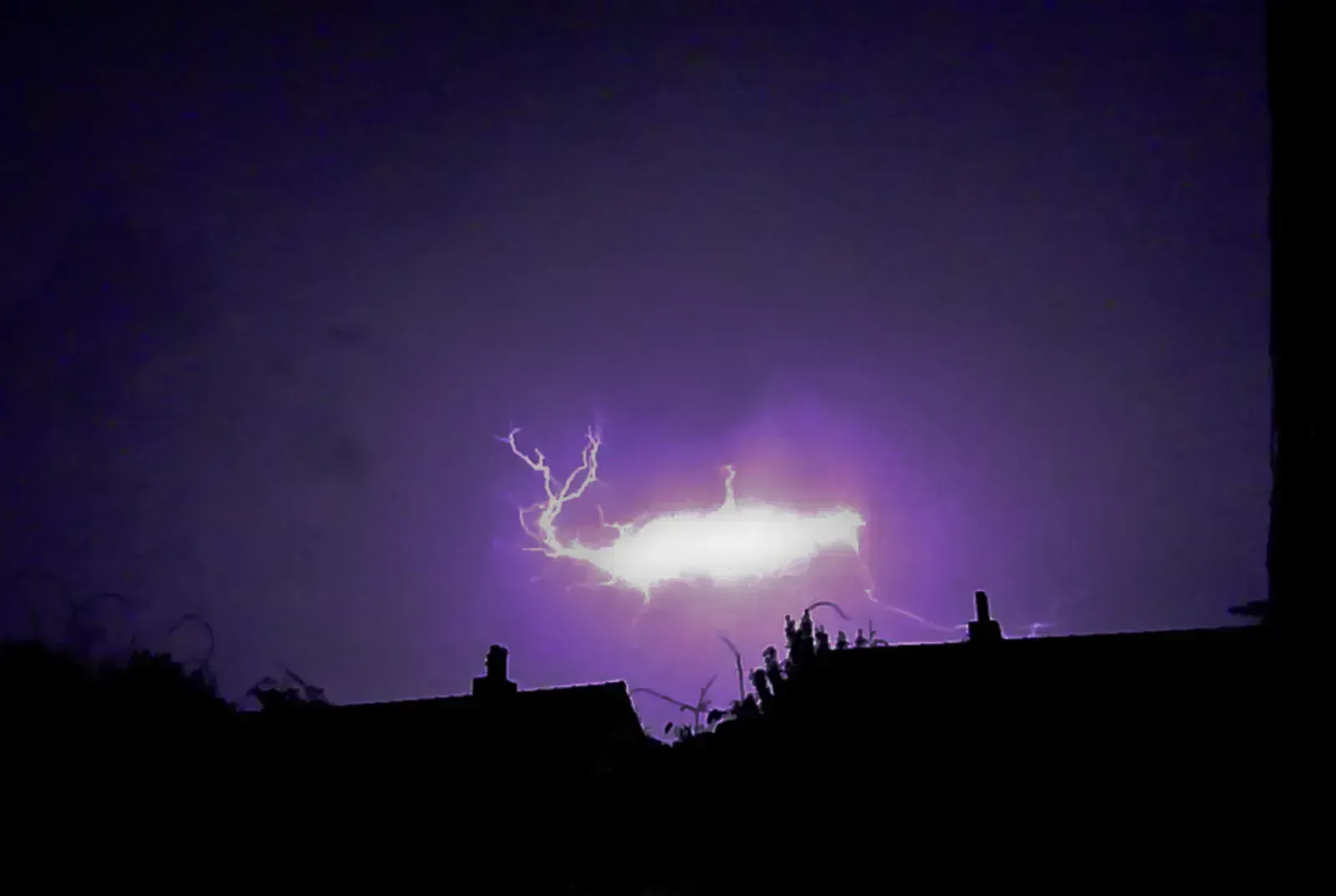
During a late-evening thunderstorm in July 2012, they saw ball lightning appear just after a lightning strike about 900 meters from their apparatus. They recorded both high-speed video and a spectrum of the glowing ball. It was a rare double catch.
Reports noted that this was the first time ball lightning had been seen to be created by a cloud-to-ground lightning strike. That detail mattered, because it tied the ball directly to what happened at the ground rather than leaving its origin a mystery.
How Long It Lasted and How Far It Moved
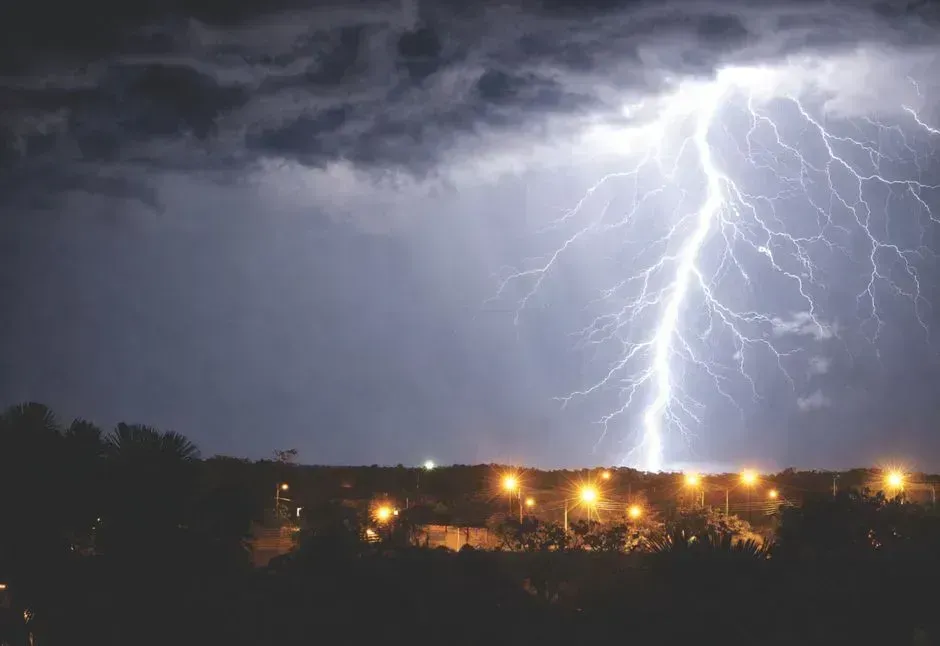
The event was brief. The ball lightning was visible for only 1.64 seconds, yet that was long enough for a detailed analysis. Physics World describes it as a glowing sphere about 5 m in size, moving at about 8.6 m per second.
The apparent size comes with a caveat, though. APS Physics noted that the ball’s actual size was likely much smaller than the roughly five meters it seemed to span, since the glow lit up the area around it. Darkness also kept the team from estimating its altitude.
Colors That Shifted as It Faded
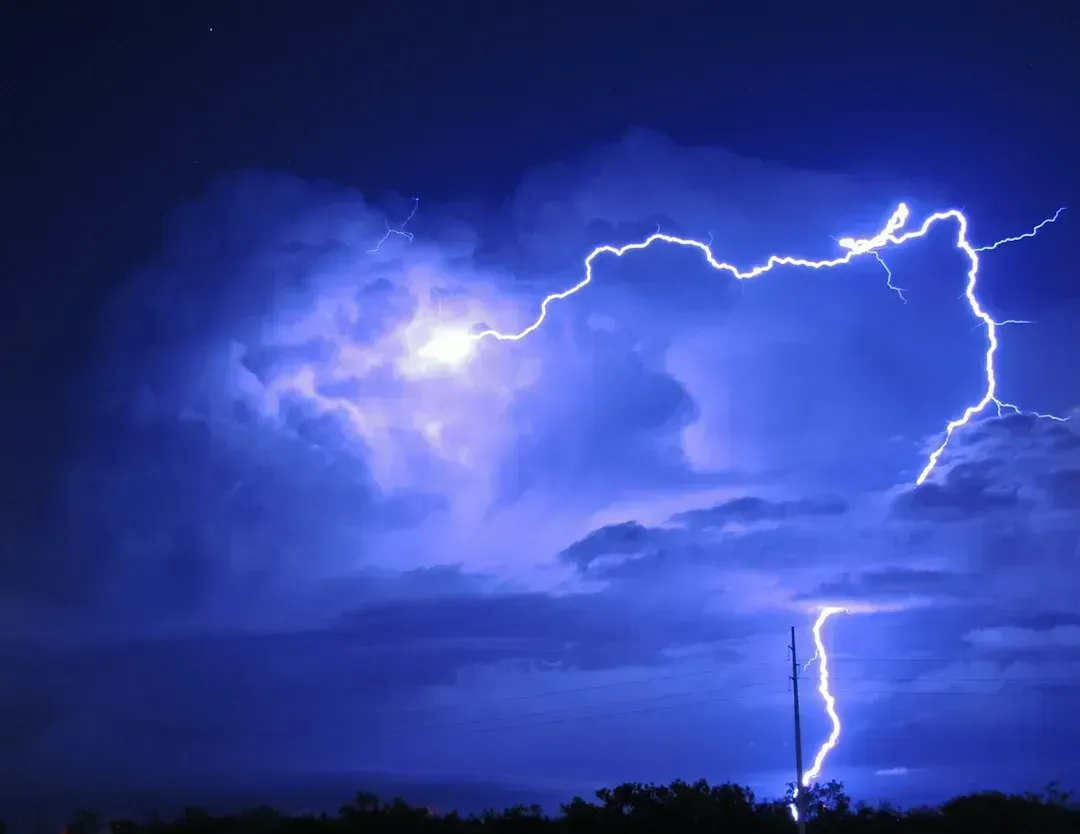
The ball didn’t glow one steady shade. It changed from purple to orange to white to red before it faded, according to an account of the footage. Other summaries describe the transition slightly differently, but all agree on a move toward warmer tones near the end.
Color matters here because it carries information. Elements and molecules each give off specific patterns of color when heated, which can act very much like fingerprints.
What the Spectrum Revealed
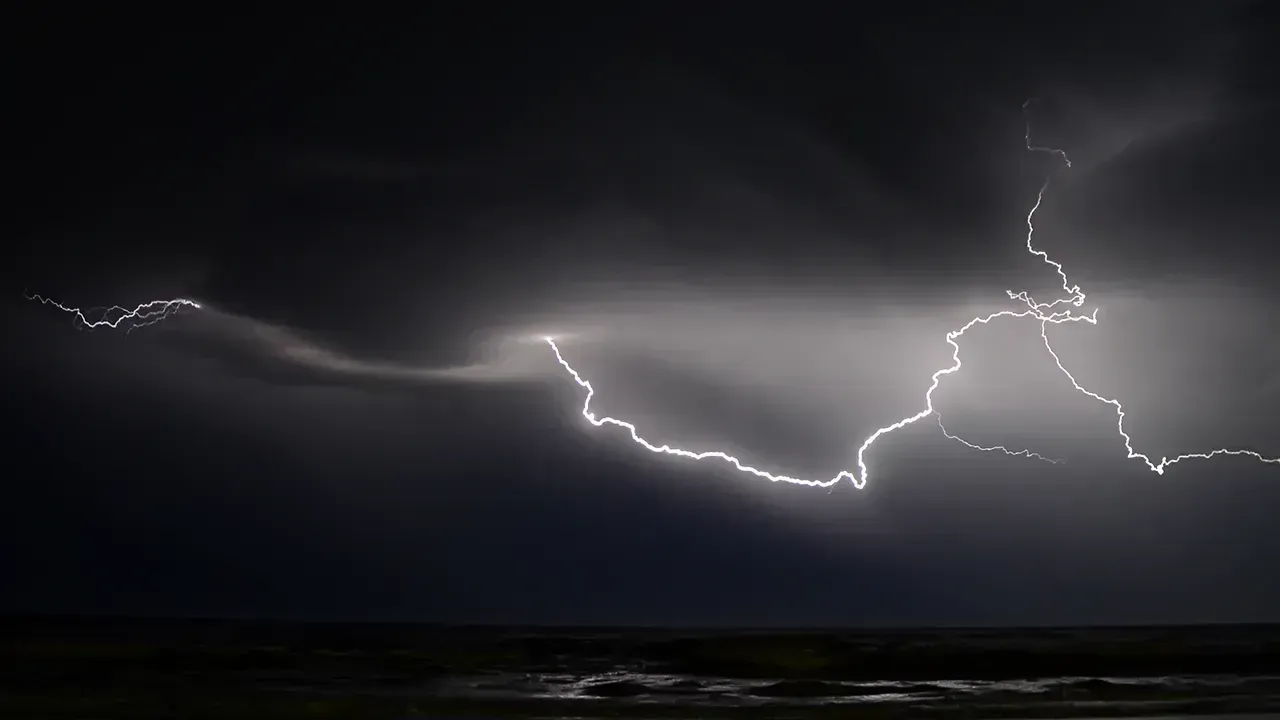
The spectrum contained several emission lines from silicon, iron, and calcium, all elements expected to be abundant in soil. The published paper adds that most of the visible emission lines came from neutral silicon, iron, and calcium.
Those lines weren’t fleeting. The paper reports that they were present during most of the ball’s lifetime. Near infrared lines from nitrogen and oxygen also appeared, which points to the surrounding air taking part in the glow.
Why Soil Became the Main Suspect
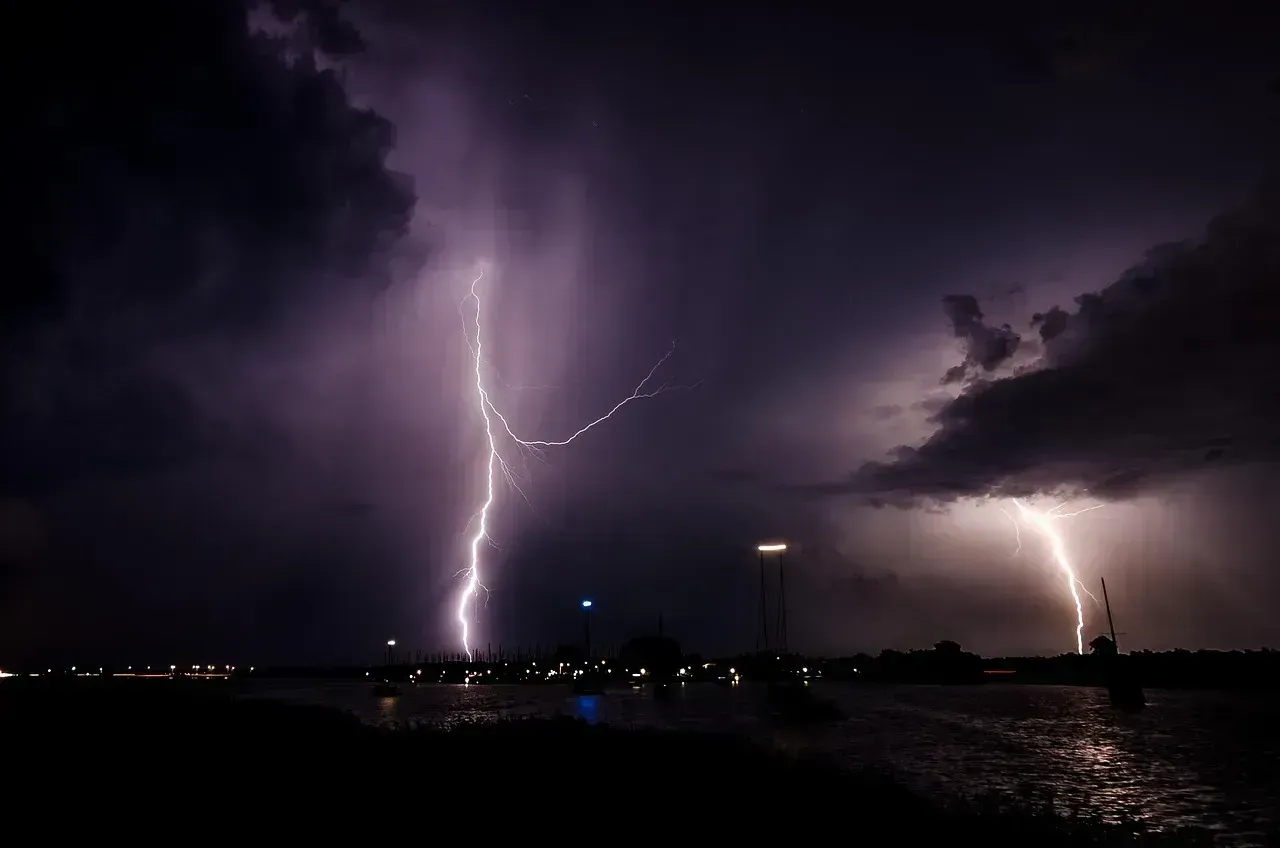
The match with local dirt suggested the ball was built from the ground itself. It appears to have consisted at least partially of vaporized soil from the location of the strike. That was a clue that no earlier observation had offered so directly.
Aluminum is another common soil element, but the cameras weren’t able to spot the wavelengths needed to identify it. So the absence of aluminum in the record doesn’t rule it out.
The Vaporized Silicon Idea
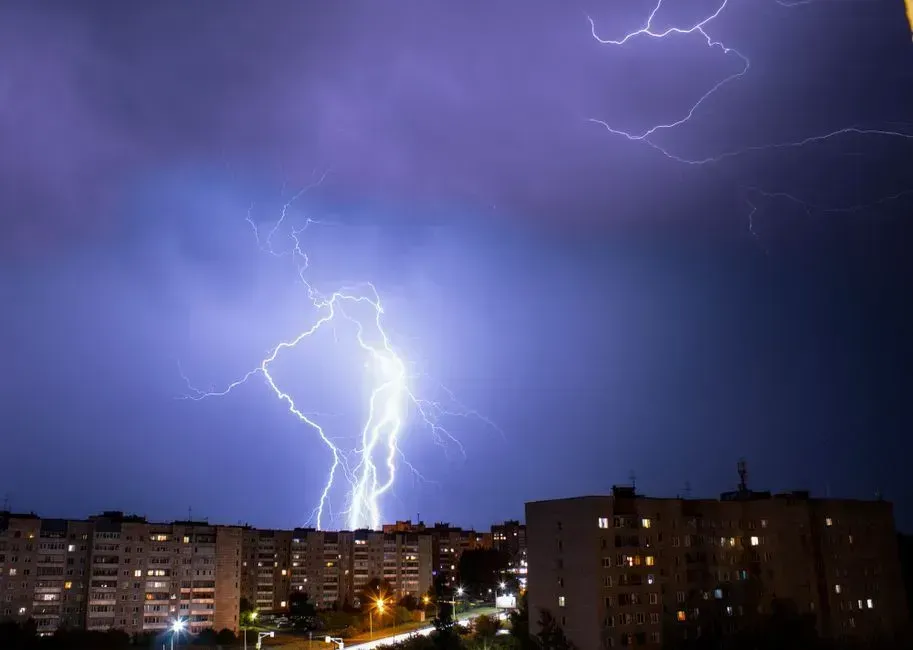
The observation lined up with a hypothesis from chemical engineer John Abrahamson. He proposed in 2000 that ball lightning forms when a strike whisks up and scorches a small clod of dirt. In this picture, carbon in the soil steals oxygen from silicon oxide, leaving silicon vapor.
Then the oxygen rich atmosphere re-oxidizes the hot gas, and that reaction makes the orb glow briefly. Earlier lab work had already hinted at this. Researchers at Tel Aviv University created levitating fireballs by irradiating materials such as silicon with high power microwaves.
Publication and the First Reactions
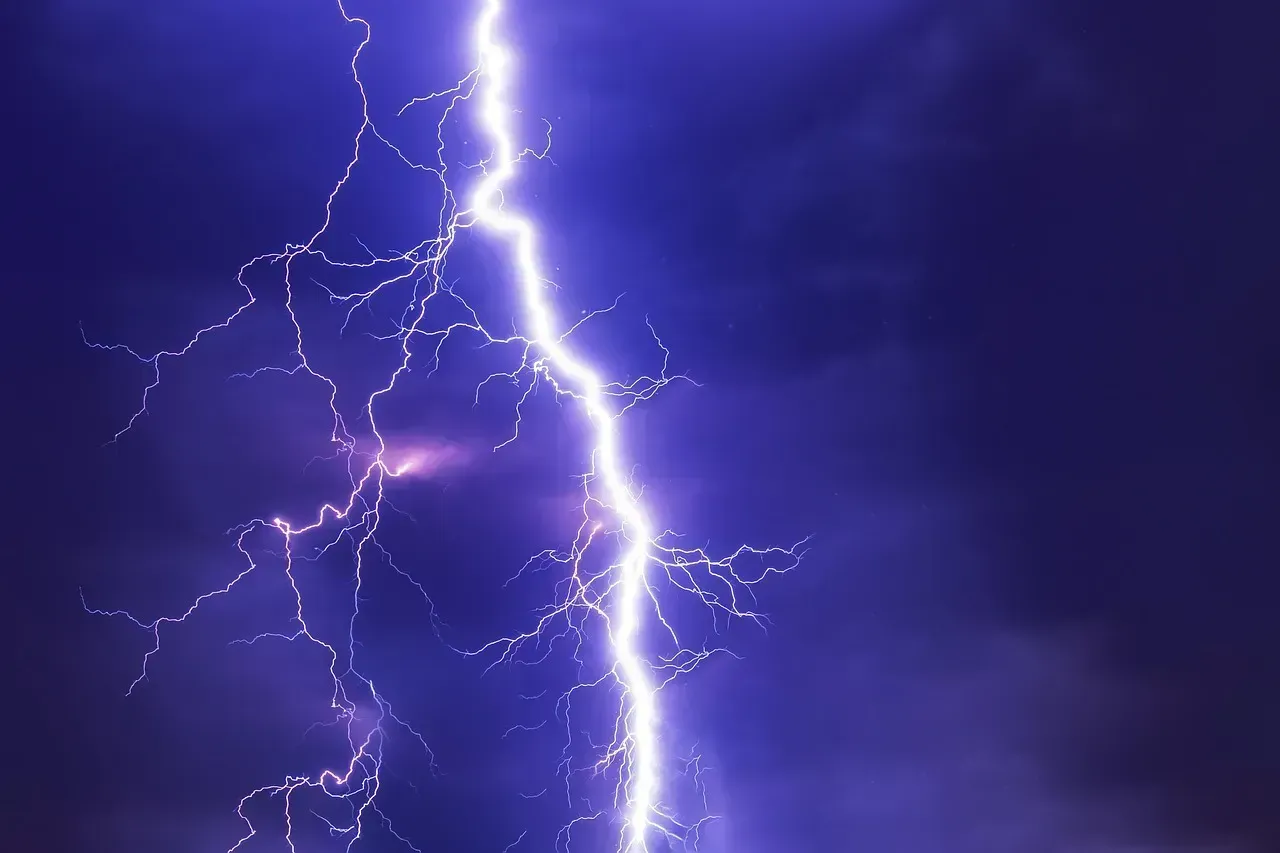
The findings appeared in Physical Review Letters, and the video and spectrographs were believed to be the first scientific recordings of ball lightning in nature. The APS Physics coverage was published in January 2014, when the results reached the wider public.
Not every expert treated the result as the final word. Coverage noted that the observation gives considerable evidence that the vaporized silicon explanation is valid, although possibly not unique. Ball lightning may well arise in more than one way.
