


Lake Mead: The Slow March Toward a New Historic Low
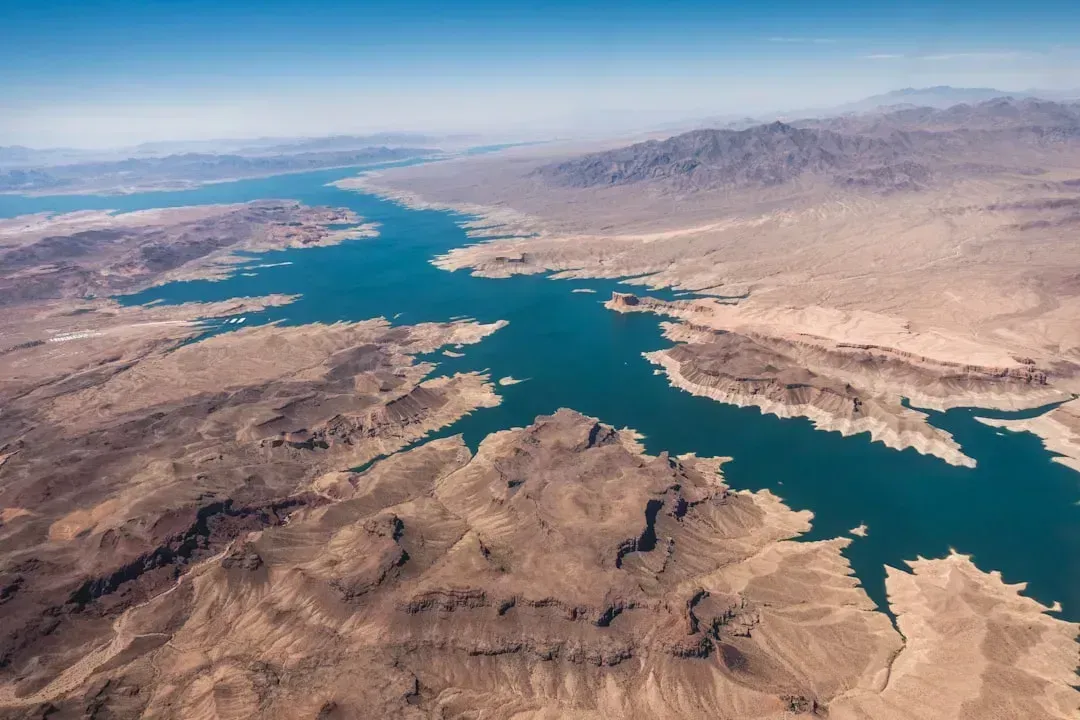
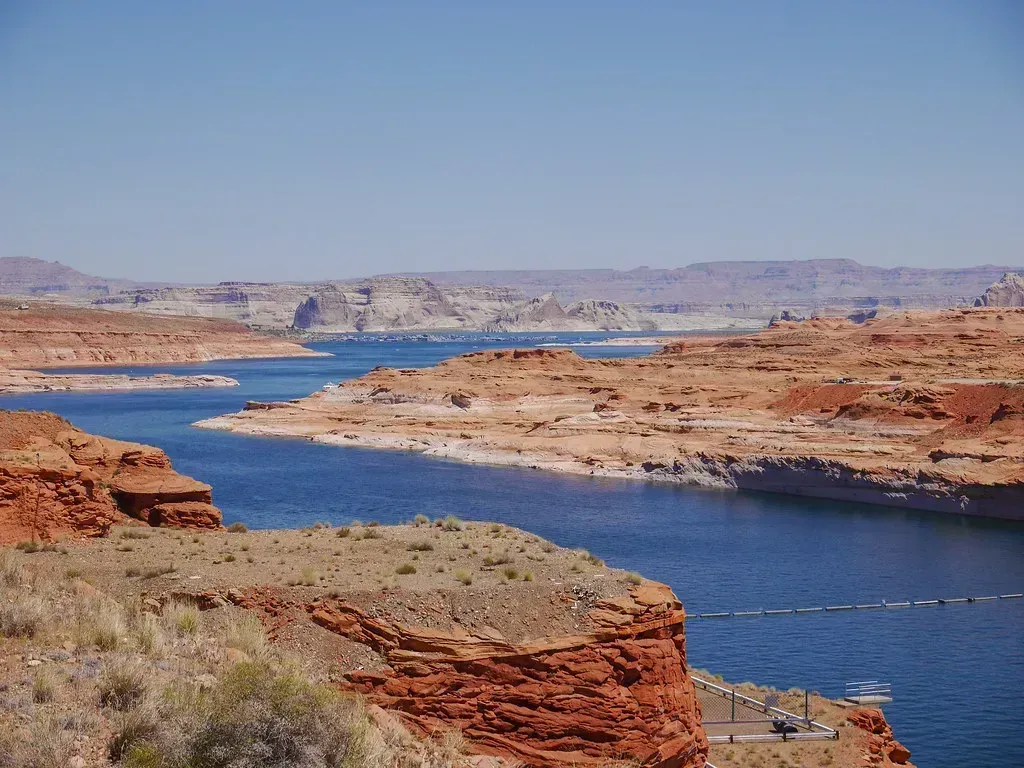
Lake Mead, the largest reservoir in the country by capacity, is no longer just flirting with its old record low. On a recent Monday afternoon, the reservoir’s water level measured at 1,041.27 feet above sea level, less than a foot from its all-time low, and the Bureau of Reclamation projected the reservoir will fall to about 31 feet below its record low by June 2029, to 1,009.69 feet above sea level. That’s not a brief dip. It’s a multi-year trajectory.
Lake Mead is genuinely low at 26% of capacity, though it is only about 2 points below its recent June average, since the Colorado River has been over-allocated and running short since 2000. In other words, this isn’t a sudden shock. It’s a chronic condition, not an acute one. The 2029 projection simply extends a decline that’s been building for a quarter century.
Lake Powell: Racing Toward the Minimum Power Pool
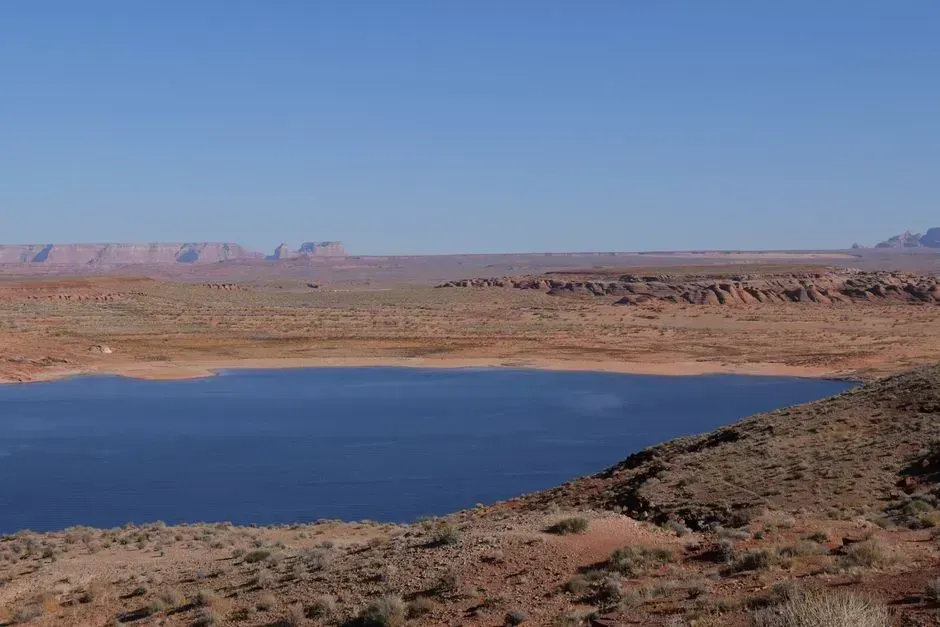
Lake Powell’s story is more urgent in the short term, even if the 2029 outlook for Mead gets more attention. In mid-July 2026 the reservoir sat at about 3,524 feet, roughly 27 percent full, against a full pool of 3,700 feet, with dead pool at 3,370 feet. The room left before hydropower shuts down entirely is smaller than it sounds.
Minimum power pool at Glen Canyon Dam is 3,490 feet, only about 34 feet below the mid-July level, and the Bureau of Reclamation had warned the lake could fall past that line by August 2026 without help. Federal officials have already intervened once this year by shifting releases between the two reservoirs to protect Powell’s infrastructure, a move that trades one problem for another downstream. With previous agreements governing the reservoirs set to expire at the end of 2026, the U.S. Department of the Interior has published post-2026 alternatives and said it is prepared to determine new rules without unanimous agreement from the Basin states. The rules governing both lakes through 2029 and beyond are still being negotiated in real time.
Elephant Butte Reservoir: New Mexico’s Vanishing Lake
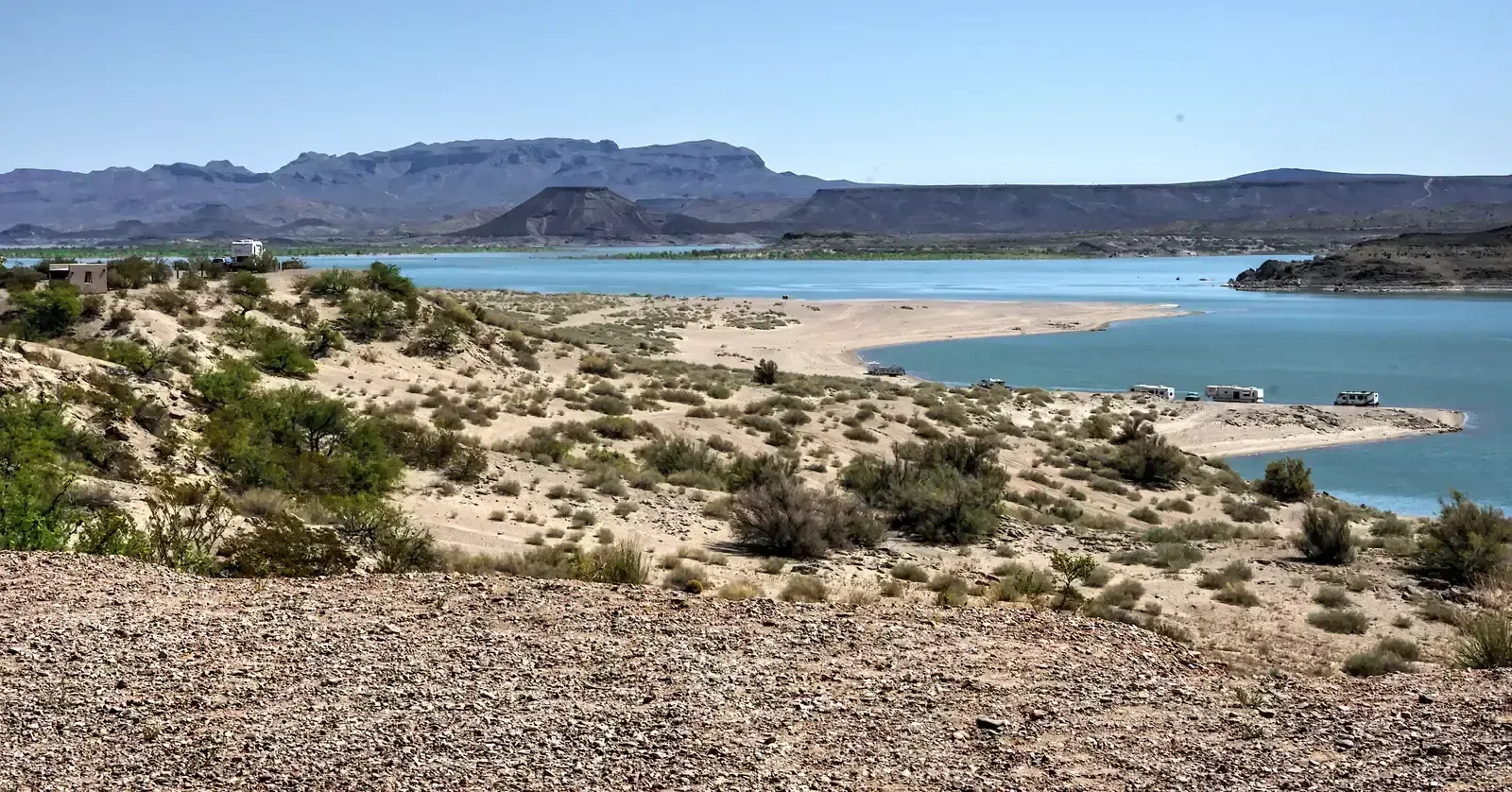
If Mead and Powell represent a slow-motion crisis, Elephant Butte is closer to a full stop. The largest reservoir in New Mexico, sitting on the Rio Grande, held only about two to three percent of its capacity in mid-July 2026, with managers warning it could bottom out near two percent by late August, which is functionally close to running dry. This is not the Colorado River system at all, which makes the parallel decline even more telling about how widespread the drought stress has become.
Elephant Butte irrigates tens of thousands of acres of farmland and supplies part of El Paso, and after three straight dry years, its account is nearly drained. Local officials have already reported real consequences on the ground. Critically low water levels forced two boat ramps to close in June, and heavy equipment is now needed daily to clear sediment at the main ramp, with the mayor of Elephant Butte noting the county is seeing fewer tourists and regular visitors and that many weekend homeowners have decided to look elsewhere for water opportunities. There is little in the current outlook suggesting recovery before 2029.
Blue Mesa Reservoir: Colorado’s Upper Basin Warning Sign
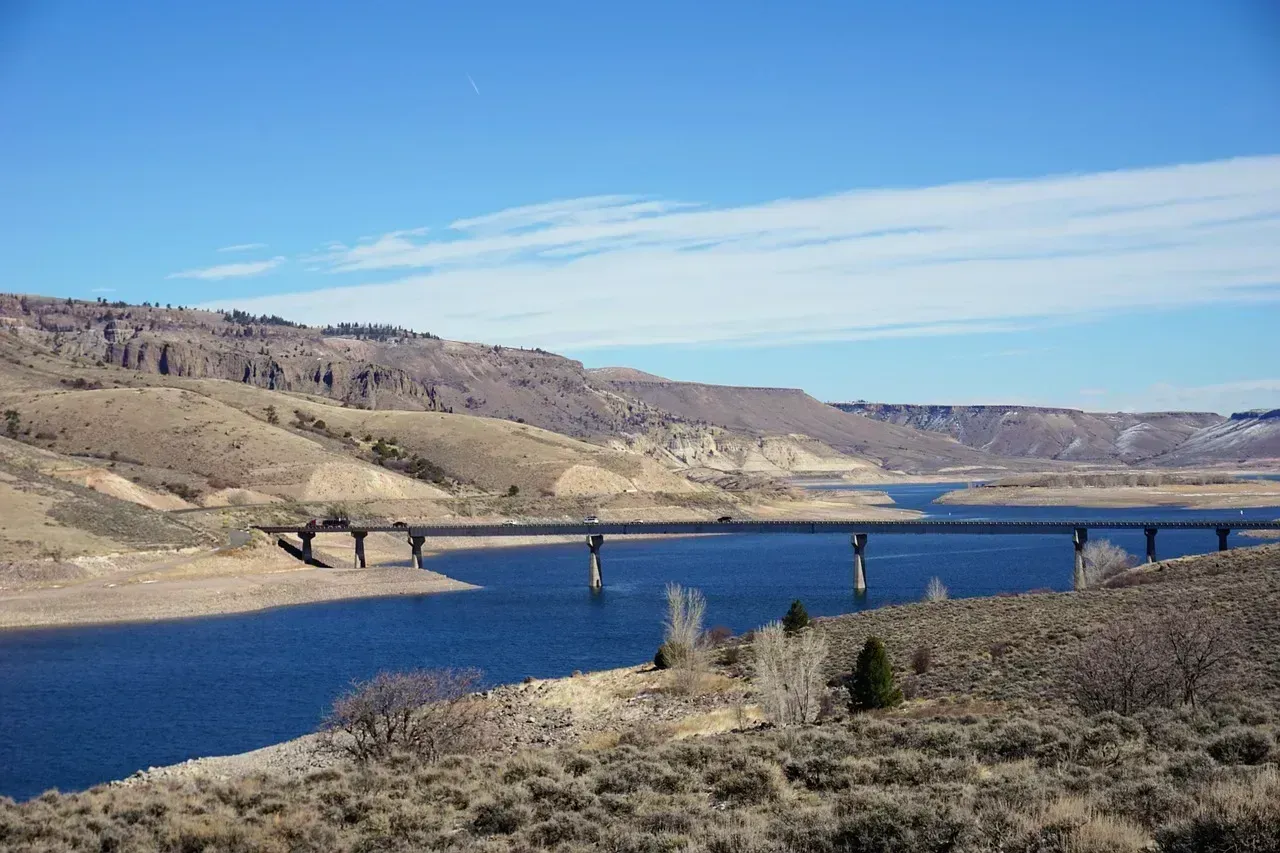
Blue Mesa doesn’t get the same headlines as Mead or Powell, but it’s one of the reservoirs the Bureau of Reclamation leans on to prop up the whole Colorado River system. Blue Mesa is the largest reservoir in Colorado, and it earns a spot on the list of reservoirs closest to dead pool status for a different reason than the giants downstream. Its role is less about direct water supply and more about buffering.
Blue Mesa Reservoir in southwestern Colorado was 32 percent full in late July 2026, a figure that puts it in the same conversation as Elephant Butte when it comes to strain on smaller upstream reservoirs. When Blue Mesa gets tapped to send emergency water downstream, as it has in past dry years, its own recovery timeline stretches out further. That’s part of why hydrologists watching the 2029 horizon treat it as an early warning gauge rather than a headline story.
Flaming Gorge and Navajo: The Upstream Reservoirs Feeding the Crisis
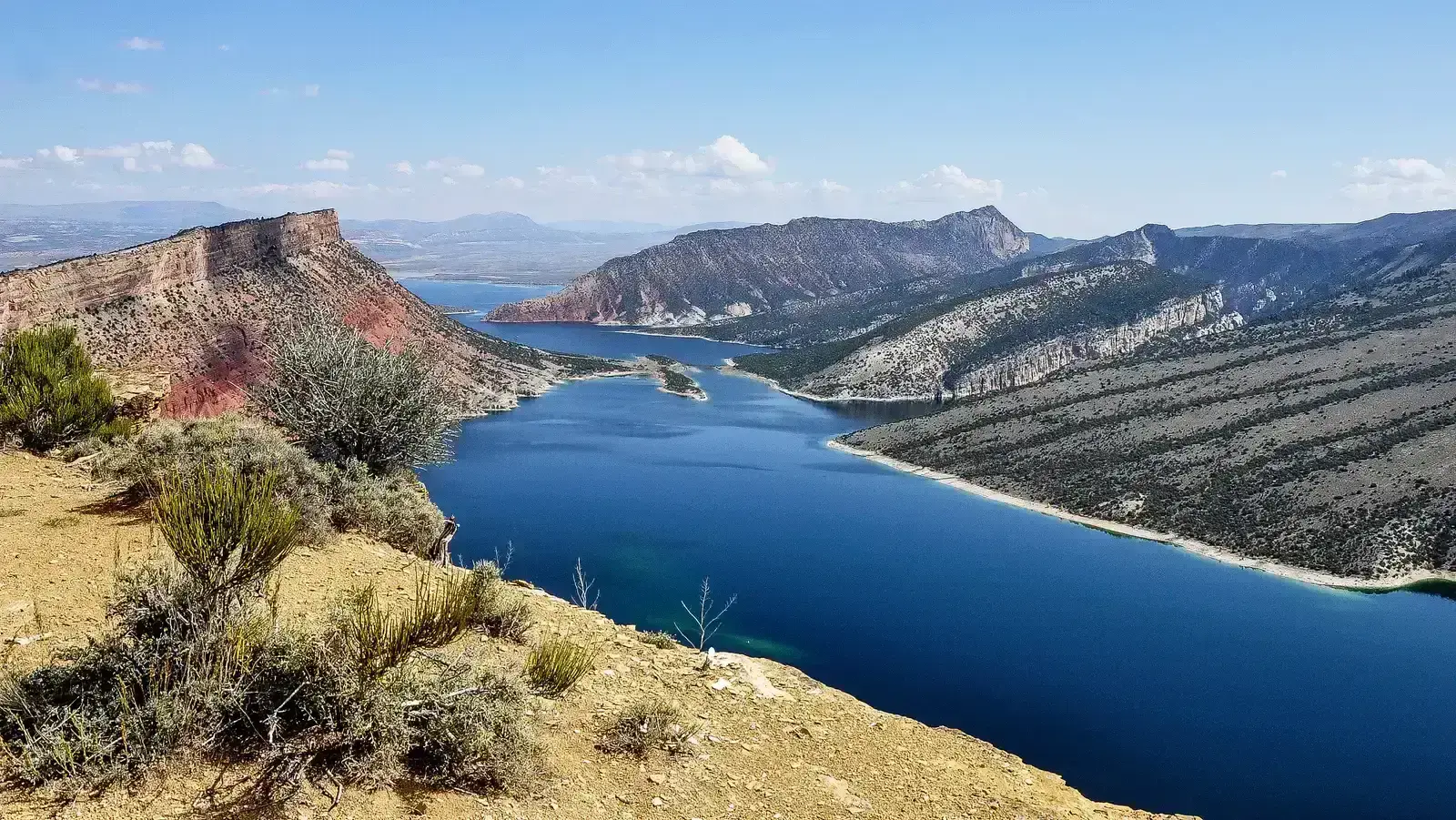
The upper Colorado River basin’s smaller reservoirs rarely make national news, but they’re the ones determining whether Lake Powell has anything left to give. Lake Powell is about 9 points below its June norm at 23 percent versus a typical 32 percent, and the upper basin storages that feed it, Flaming Gorge and Navajo, are each several points down, which matters downstream because Mead stays stable only as long as the upper basin keeps passing water to it. That dependency chain is exactly why 2029 projections for the two giant reservoirs can’t be separated from what’s happening upstream.
Reclamation has already drawn on Flaming Gorge once this year to buy Powell some breathing room. An extra 660,000 acre feet of water, equal to 215 billion gallons, was released from Flaming Gorge Reservoir, beginning immediately and continuing over the following year. Every emergency release like that borrows against future storage, which is precisely the kind of trade off that pushes long range projections for 2029 further into uncertain territory.
Lake Kariba: Africa’s Largest Reservoir on a Fragile Rebound
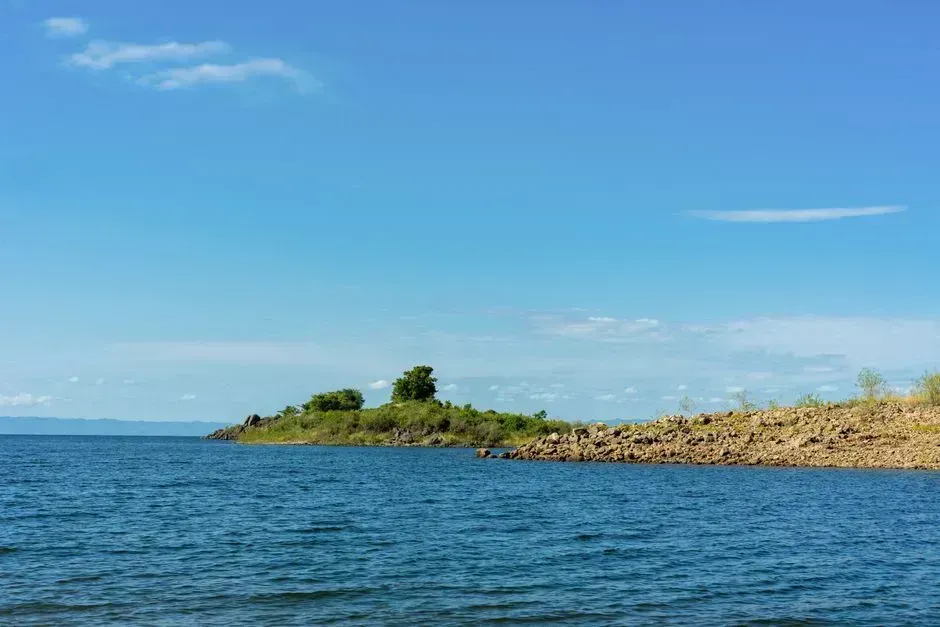
Lake Kariba tells a different kind of story, one of whiplash rather than steady decline. Following a severe El Niño induced drought that caused water levels to plummet to just 13% of usable capacity in 2024, above average rainfall in the 2025/2026 season drove Lake Kariba’s water levels up to 42.40% by mid May 2026. That’s genuine relief for the roughly six power turbines that had been running on a fraction of their normal output.
Still, the recovery is precisely why Kariba belongs on a 2029 watch list rather than off it. Since the reservoir was first filled in 1958, it has seen ups and downs due to variations in water use and climate patterns, but the trend over the past two decades has been for the water level to decline, with the decline particularly sharp since 2019, a period when severe drought limited recharge while demand for water has been high. One good rainy season doesn’t erase that longer arc, and forecasters watching El Niño cycles expect the lake to remain vulnerable to another sharp drop before the end of the decade.
Lake Chad: A Shrinking Giant With No Recovery in Sight
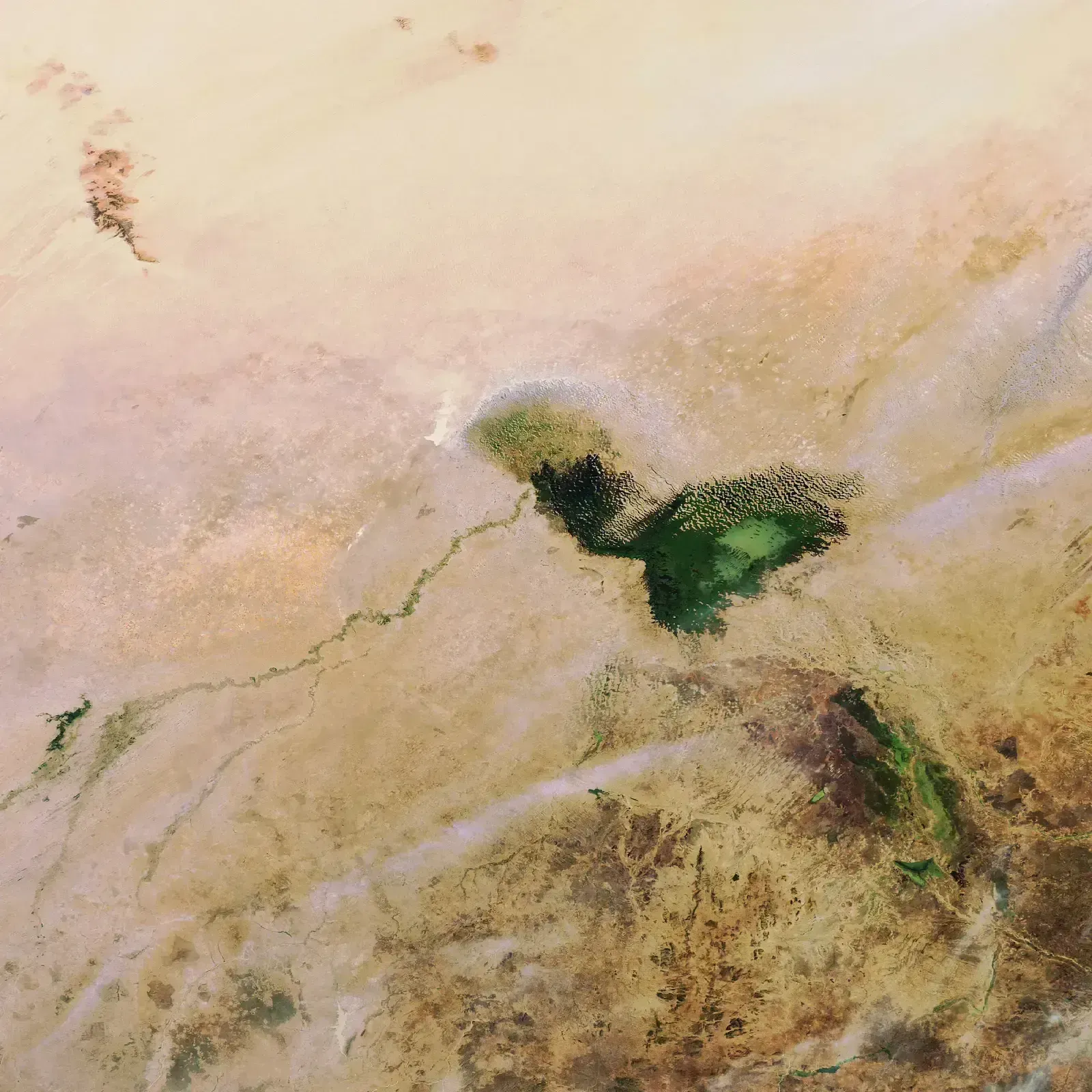
Unlike Kariba, Lake Chad’s decline shows no real sign of reversing. The lake remained important in recent reporting because of rapid shrinkage linked to climate change, irrigation demand, and prolonged drought conditions, and it is shared by Nigeria, Niger, Chad, and Cameroon in the Sahel region, with nearly 90 percent of the lake’s area having disappeared over past decades because of water overuse and declining rainfall. That figure alone separates Lake Chad from the reservoirs discussed elsewhere in this piece, since its losses are measured in decades rather than single dry years.
The human toll compounds the hydrological one. Shrinking water availability has increased migration pressures, socio-economic instability, and competition over land and water resources. There’s no dam release or interstate agreement that can meaningfully reverse this kind of long term desiccation, which is part of why regional governments have focused more on adaptation than restoration heading toward 2029.
India’s Reservoirs: A Widening Gap Across the Subcontinent
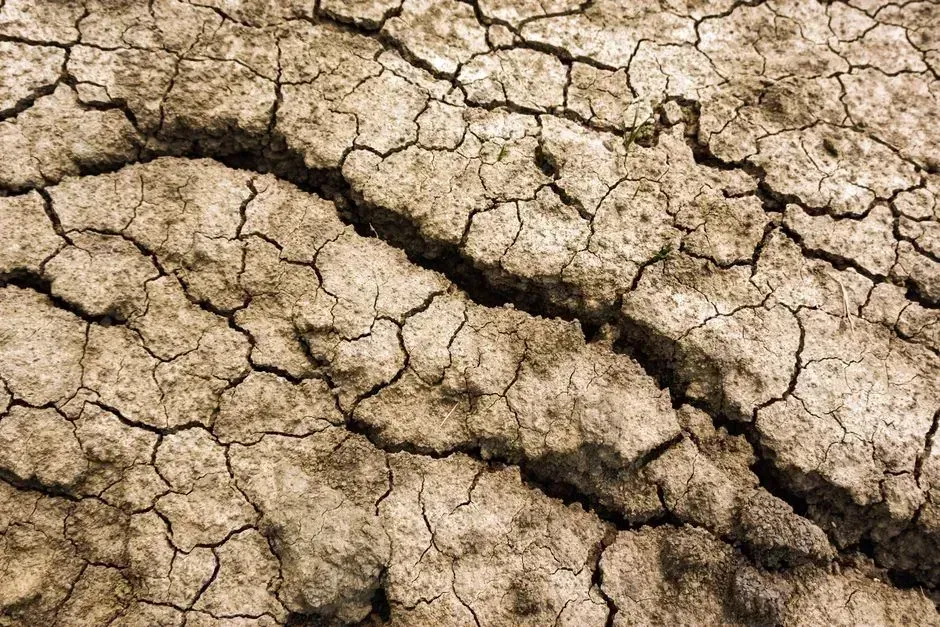
India’s water storage picture in 2026 reads like a warning about how quickly things can turn. Thirteen major reservoirs had already fallen below 50 percent storage capacity, while several dams in different states reached critically low or near-zero levels, with southern and eastern India among the worst affected regions. The pace of the decline is arguably more alarming than the absolute numbers.
According to a Central Water Commission report, total available water storage stood at 63.232 billion cubic meters, down from 71.082 billion cubic meters just two weeks earlier, a drop of nearly 8 billion cubic meters reflecting the growing pressure caused by extreme heat conditions and rising water demand. That kind of rapid drawdown, if it repeats in consecutive dry years, is exactly the pattern that pushes reservoirs toward the kind of multi-year critical lows now being projected for reservoirs in the American West.
What’s Driving the Declines
The reservoirs on this list don’t share a single cause, but the overlap is hard to ignore. Government scientists have pointed to below average runoff and a relatively dry summer as reasons why looming shortages in reservoirs like Lake Powell and Lake Mead are more likely than previously projected. Snowpack, or the lack of it, is the thread running through nearly every case in this article.
The Colorado River and its two reservoirs have been suffering because of a multidecade drought in the West intensified by climate change, rising demand, and overuse. Add in aging interstate agreements, competing state interests, and the sheer number of people and farms drawing from these systems, and the 2029 projections start to look less like a forecasting exercise and more like an accounting problem with no easy fix.
Can These Reservoirs Be Saved by 2029?
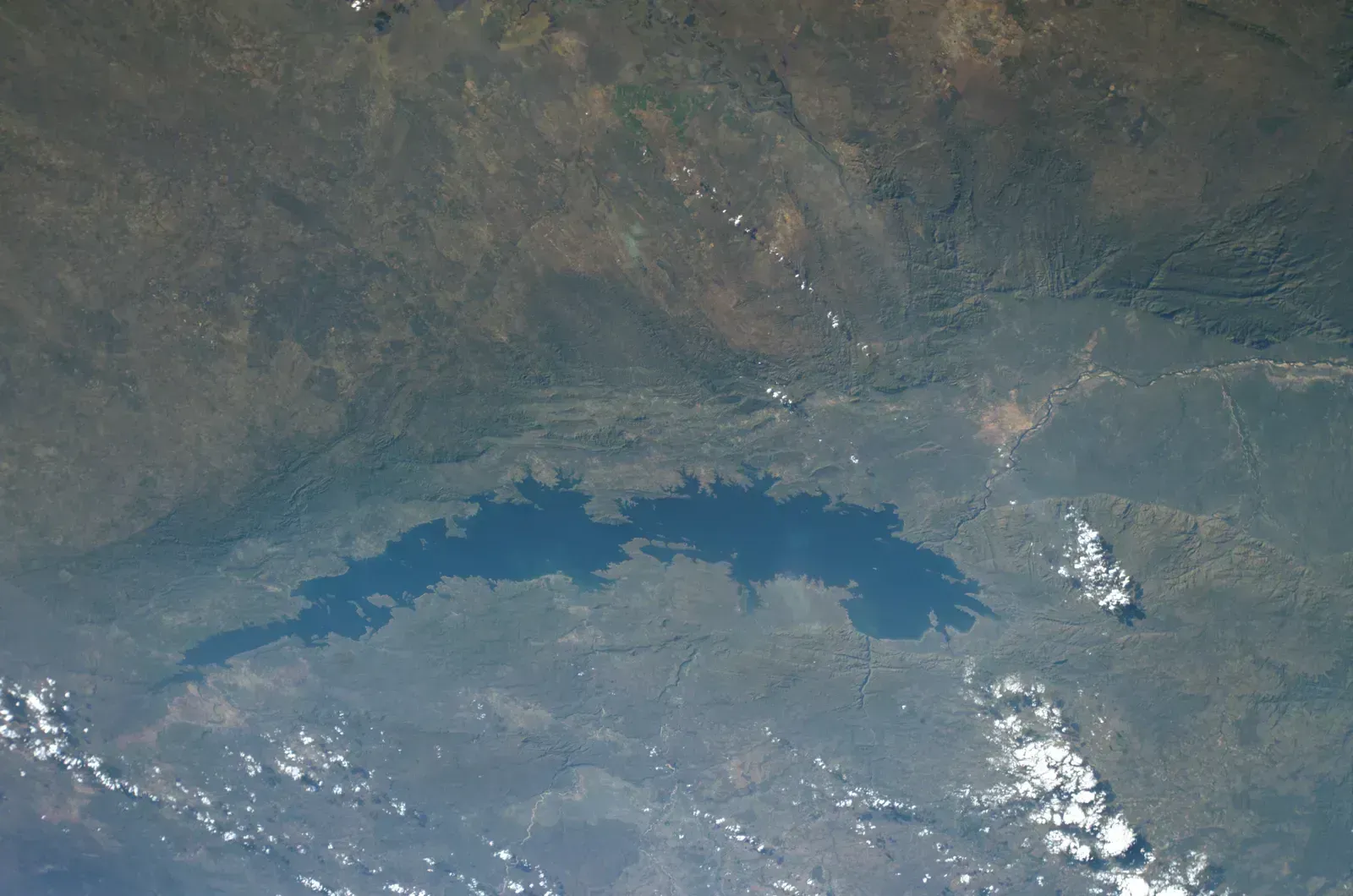
Some recovery is possible, and Lake Kariba already proved it with one strong rainy season. There’s been a steady rise of Lake Kariba’s waters due to increased inflows from the upper Zambezi catchment area. But rainfall is the one variable nobody can negotiate, legislate, or release from an upstream dam.
Federal officials in the United States are, at least, trying to change the rules of the game before 2029 arrives. The Department and Reclamation remain committed to reducing the collective risk of both Lake Powell and Lake Mead falling below critical elevations to protect critical infrastructure so that it can continue to function as authorized to meet the water and hydropower needs of the basin. Whether new operating guidelines, emergency releases, and mandated cutbacks can outpace a warming climate and shrinking snowpack is the open question that will define these reservoirs’ fate well past 2029.
