


The sheer number of satellites now overhead
The scale of low Earth orbit today is hard to overstate. As of June 1, 2026, there are currently 10,413 Starlink satellites in orbit, of which 10,397 are working, according to astronomer Jonathan McDowell, who tracks the constellation. That single network now accounts for a huge share of everything humans have ever put into space.
There are currently more than 13,000 spacecraft orbiting Earth, and more than half of them are satellites built, launched and operated by SpaceX as part of the company’s sprawling Starlink megaconstellation. SpaceX is not stopping there either. The company recently launched its 3,000th Starlink satellite in 2025 alone, and has aspirations of operating upwards of 30,000 Starlink satellites in low Earth orbit, with plans to start launching its larger Starlink Version 3 satellites in 2026 using its Starship rocket.
Why these satellites are bright enough to notice
Brightness in astronomy is measured on a magnitude scale where lower numbers mean brighter objects. Researchers have set specific thresholds for what counts as acceptable: satellites should not exceed magnitude 7 to avoid interfering with professional telescopes, and they should stay dimmer than magnitude 6 to prevent distracting from the aesthetic appreciation of the night sky. The problem is that many operators are missing that mark by a wide margin.
Take China’s Qianfan constellation as an example. Qianfan satellites are brighter than magnitude 6 except when observed at low elevations in the sky, so they will adversely impact professional and amateur astronomical activities unless the operators mitigate their brightness. The pattern repeats across nearly every new constellation entering orbit, largely because reflective solar panels and metal frames are simply good at catching sunlight.
Streaks that ruin the picture
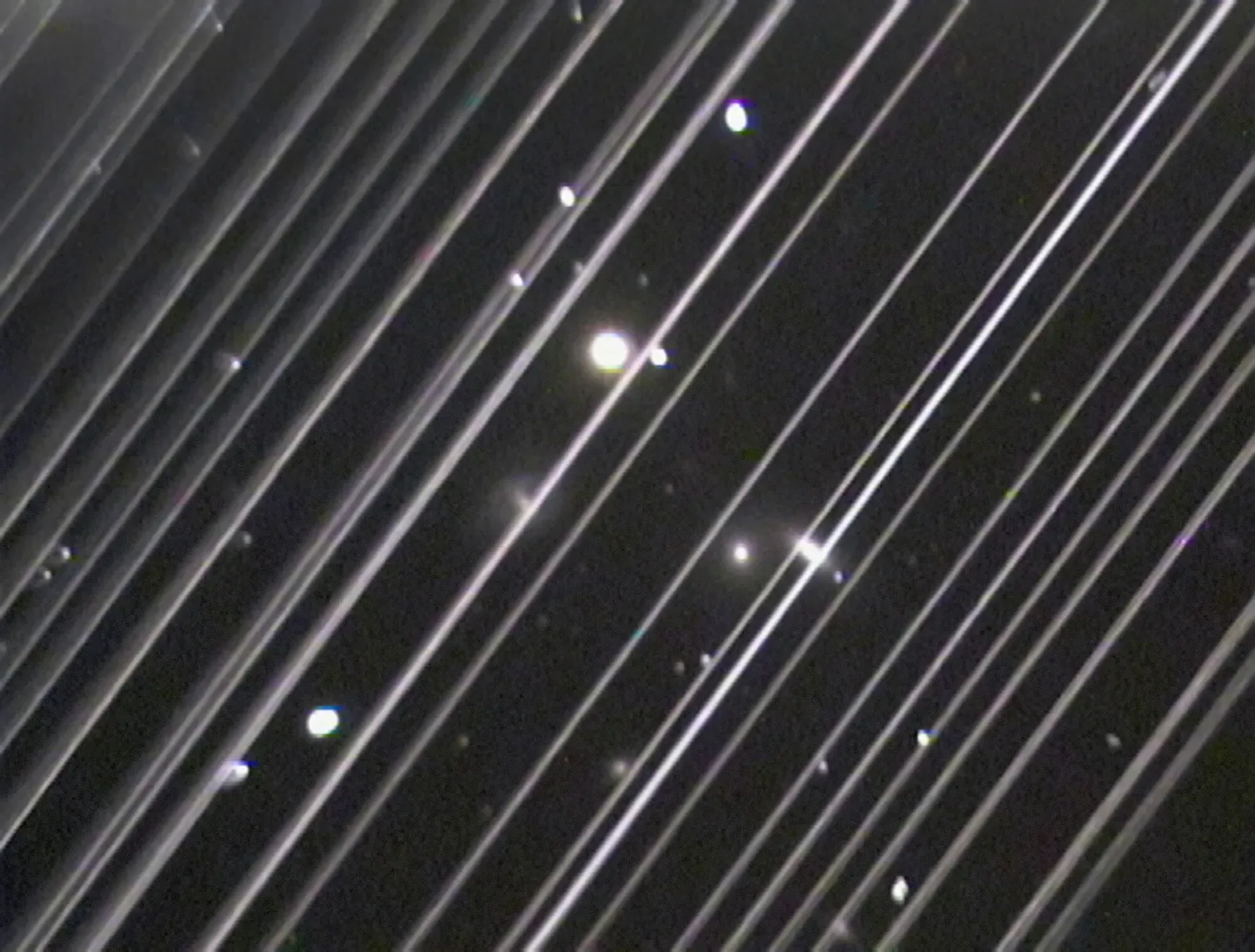
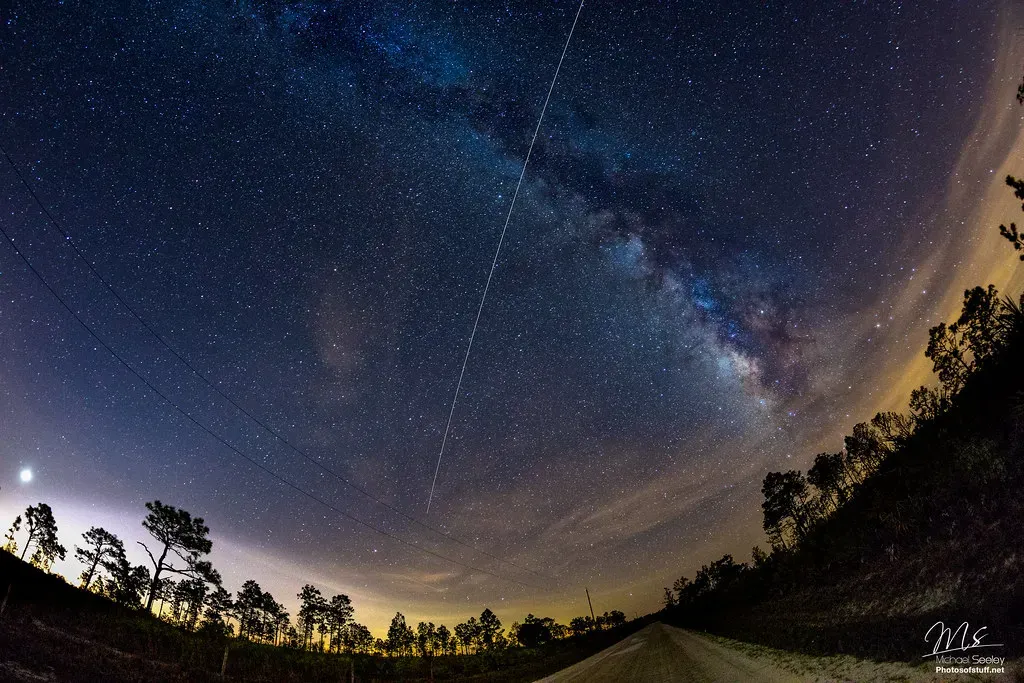
For professional astronomers, the issue is not really about seeing a moving dot with the naked eye. It is about what that dot does to a long exposure photograph. A satellite crossing a telescope’s field of view during a multi minute exposure leaves a bright streak that can wipe out the faint signal of a distant galaxy or a passing asteroid underneath it.
This is already measurable in historical data. A recent study demonstrated that 4.3 percent of the images obtained by Hubble Space Telescope between 2018 and 2021 already present artificial satellite trails, and considering that the proposed number of satellites is two orders of magnitude higher than the current count, the fraction of impacted images will increase very soon. That is a striking number for a telescope orbiting far above most megaconstellations, and it hints at how much worse the picture gets closer to the ground.
Vera Rubin Observatory faces a unique challenge

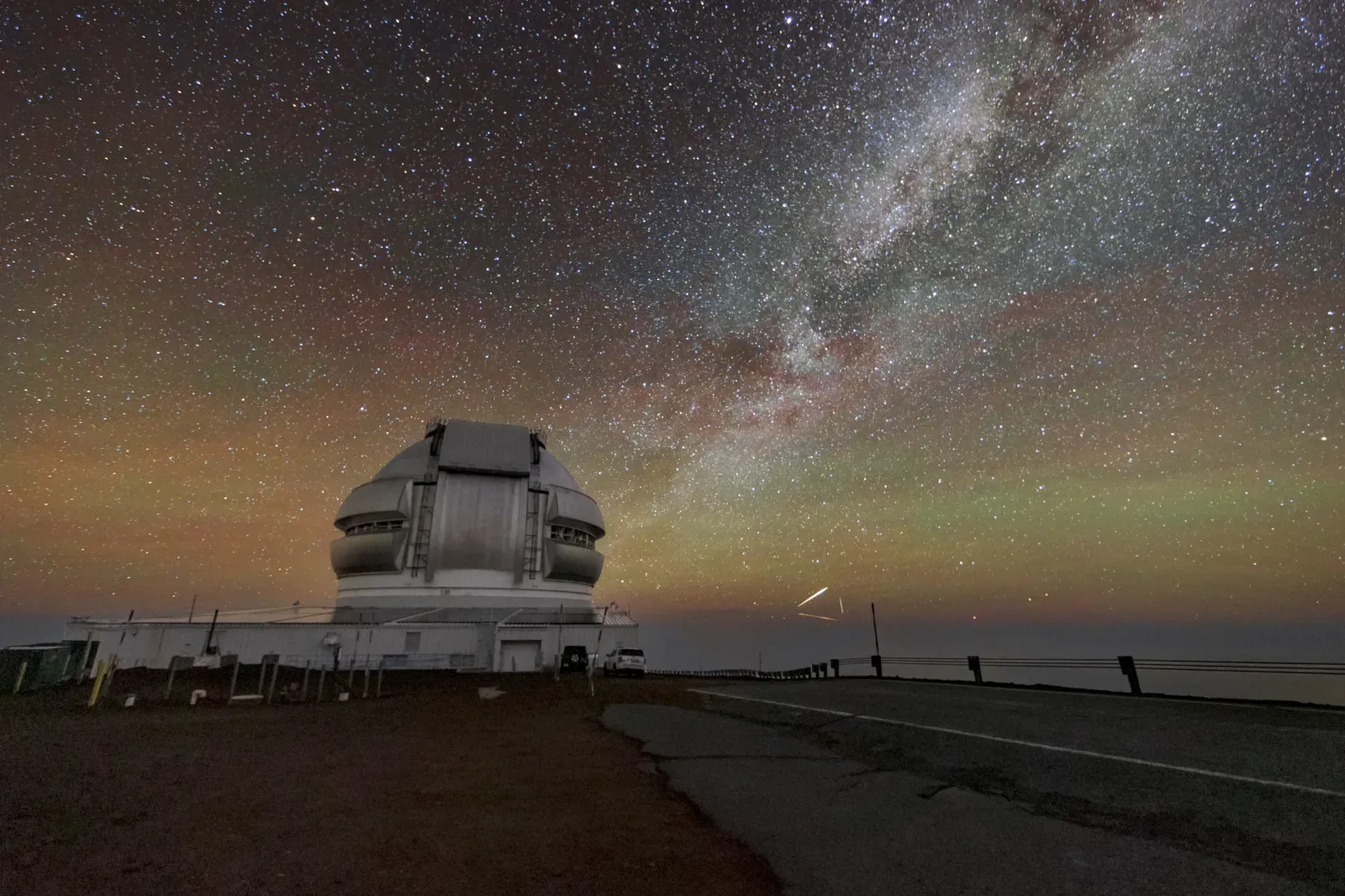
Chile’s Vera C. Rubin Observatory represents one of the most ambitious astronomical projects of the decade, designed to photograph the entire visible sky repeatedly for a full ten years. Starting in 2025, Rubin Observatory captures about 1,000 images of the sky every night, for ten years. Its wide field of view and long exposures make it especially exposed to satellite interference compared with older, narrower instruments.
The observatory’s own scientists have been blunt about the tradeoffs involved. There are currently over 10,000 of these satellites, and forecasts predict that there may be more than 100,000 by 2030, and satellite streaks don’t just block our view of interesting objects in the sky, they can be mistaken for astronomical objects that change brightness over time, like supernovae. Researcher Samantha Lawler summed up the mood among many in the field when she said “I’m very concerned about how these satellites will impact science results.”
Radio astronomy’s quieter, less visible crisis
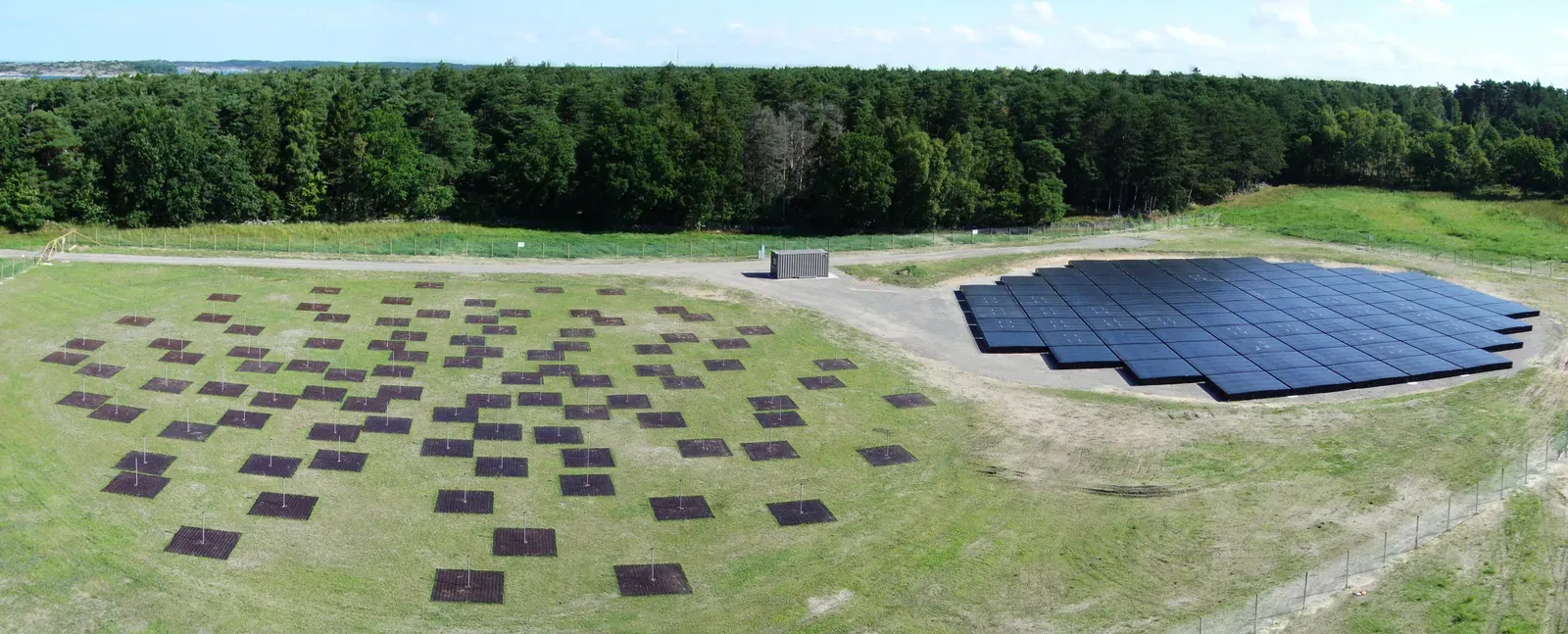
While the visual streaks get most of the public attention, a subtler problem has been unfolding at radio frequencies. Satellites do not just reflect sunlight, their onboard electronics also leak signals that were never meant to be transmitted at all. Researchers using the LOFAR radio telescope in the Netherlands documented this directly.
A recent study using the Low-Frequency Array telescope found that second-generation Starlink satellites produce unintended electromagnetic radiation that is 32 times stronger than their predecessors. The regulatory framework has not caught up with this reality either, since the International Telecommunication Union created protected frequency bands decades ago, but its rules focus on intentional transmissions and do not cover this type of unintended emission. That gap leaves radio astronomers with little formal recourse even as the interference grows.
SpaceX’s efforts to dim its own fleet
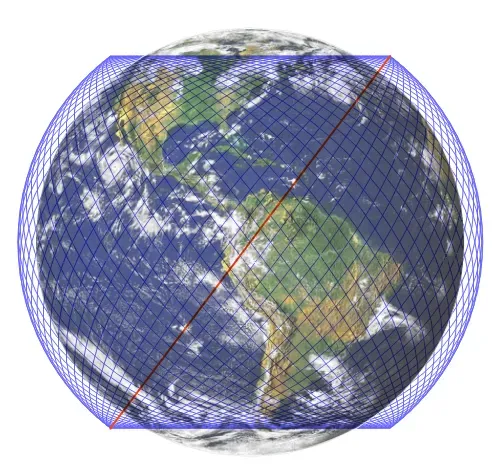
To its credit, SpaceX has not ignored the criticism entirely. Ever since SpaceX launched the first Starlink internet satellites in 2019, astronomers have worked with companies to reduce the impact of these so-called satellite megaconstellations, and SpaceX has made efforts to dim the reflectivity of its Starlink satellites, even as the constellation has grown. Early experiments included darker coatings and adjustable sun visors meant to redirect glare away from ground observers.
Yet even well intentioned fixes can create new tradeoffs. The paper argues that even some techniques implemented by SpaceX, like shifting from an open book orientation following deployment to an orientation perpendicular to the ground to minimize reflection to ground based observers, have the consequence of increasing other issues. There is no engineering solution that eliminates the tension between a satellite that needs sunlight for power and a sky that astronomers want left dark.
A growing crowd of competing constellations
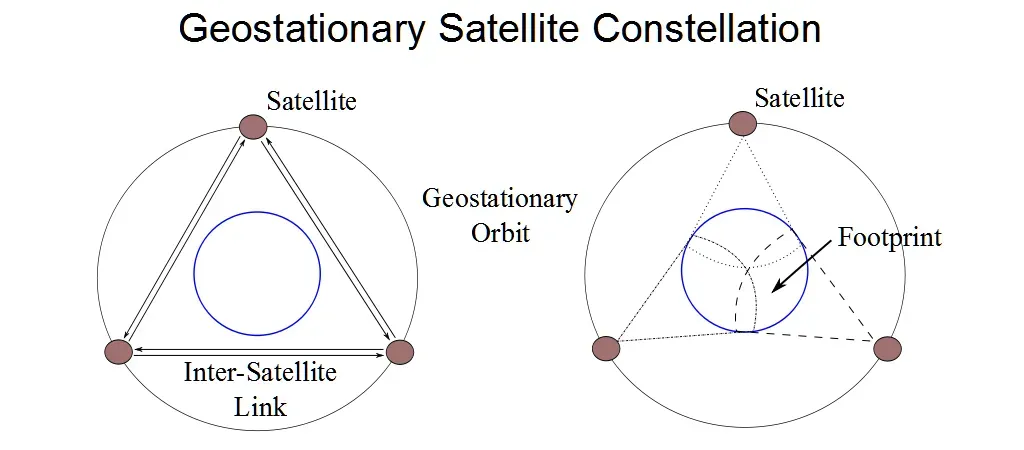
Starlink gets most of the headlines, but it is far from alone in this race. Others include Amazon’s Project Kuiper with more than 3,200 planned satellites, Eutelsat’s OneWeb with nearly 650 satellites, and a host of Chinese projects such as Guowang, Qianfan, and Honghu-3 which each call for thousands of satellites, alongside Starshield, a Starlink spin-off custom-built by SpaceX for the U.S. Department of Defense. Each of these networks brings its own satellite design, its own orbital altitude, and its own brightness profile.
China’s pace has been picking up noticeably in the past year. China meanwhile is beginning to pick up the pace of its Guowang satellites. With multiple countries and companies now racing toward global broadband coverage, the diversity of hardware in orbit is making it harder for astronomers to negotiate a single set of brightness standards that everyone follows.
Even space telescopes are not immune

It would be reasonable to assume that telescopes stationed hundreds of kilometers above Earth would escape this problem entirely. That assumption turns out to be wrong. Researchers simulated the view of four space-based telescopes, Hubble and the near-infrared observatory SPHEREx which launched in 2025, as well as the European Space Agency’s proposed ARRAKIHS mission and China’s planned Xuntian telescope, all of which are placed between 400 and 800 kilometers from Earth’s surface.
The findings were sobering for anyone hoping orbital altitude alone would solve the issue. The study found an average of 11 trails per exposure with an average surface brightness that demonstrates light contamination is a growing threat for space telescope operations. In other words, climbing above the atmosphere does not mean climbing above the traffic.
Regulators and astronomers push for guardrails
The astronomical community has not sat quietly while this unfolded. Knowing that SpaceX was proposing thousands more satellites, the International Astronomical Union created the Centre for the Protection of the Dark and Quiet Sky from Satellite Constellation Interference. That center now coordinates research, publishes brightness recommendations, and serves as a central point of contact between astronomers and satellite operators.
Policy efforts have extended into national legislatures as well. Advocacy groups have thrown their support behind measures like the Dark and Quiet Skies Act, and international bodies including the United Nations Office for Outer Space Affairs have taken up the issue through the Committee on the Peaceful Uses of Outer Space’s advancement of a resolution to the UN General Assembly in 2021. Progress has been slow, but the diplomatic groundwork is at least now in place.
What this means for the sky over your own backyard
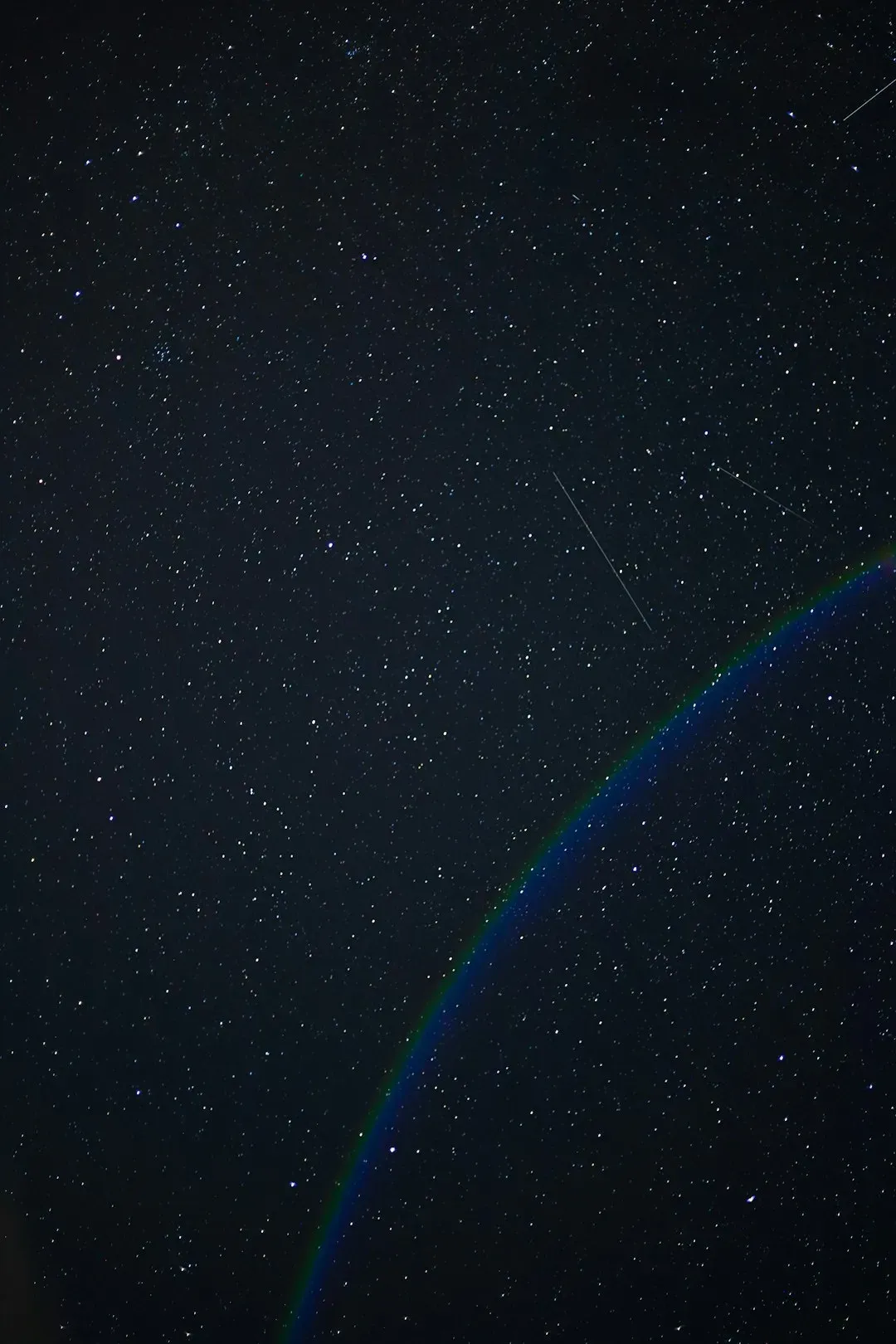
None of this stays confined to research papers and observatory logs. Anyone who has photographed the night sky recently has likely dealt with an unwanted streak crossing a frame that took real effort to set up. One Italian astrophotographer captured this directly when Rolando Ligustri took an early image of Comet C/2023 A3 on August 1 from Italy that showed dozens of satellites crossing the frame over a total of twenty minutes of exposure time.
Recent modeling work suggests the ambient brightness of the sky itself, not just individual streaks, could shift as constellations grow. Research shows that very bright constellations could make the sky three to four times brighter overall. For city dwellers who already struggle to see more than a handful of stars, that added brightness from orbit is one more layer between them and a genuinely dark sky.
Final Thoughts
The night sky has always changed slowly, shaped by seasons and the slow wheel of constellations overhead. What is happening now is different in kind, driven by launch schedules and corporate roadmaps rather than astronomical timescales. Whether the coming years bring workable brightness standards or simply more satellites remains genuinely unresolved.
For now, the most honest thing to say is that the sky above us is being renegotiated in real time, one launch at a time, between companies chasing global connectivity and scientists trying to preserve a clear view of everything beyond our own atmosphere.
