


Buffalo, New York
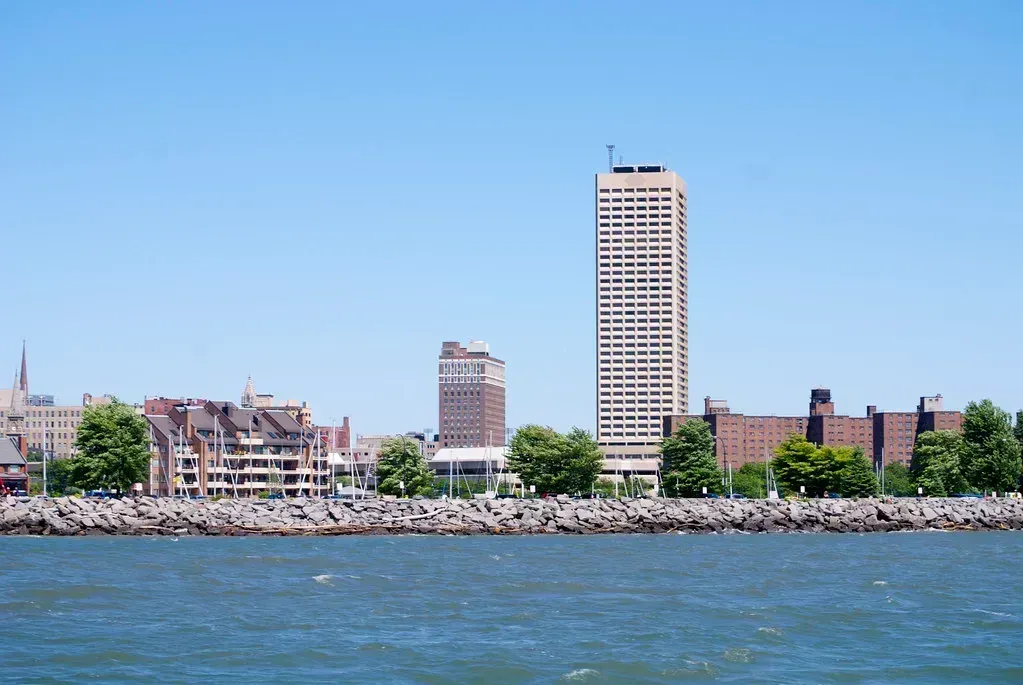
Buffalo now holds a title nobody in the city particularly wants but everyone finds a little charming. Buffalo, New York now stands alone as the only city in the lower 48 that has yet to hit 100 degrees. Its closest brush with the century mark came decades ago, when the hottest temperature ever recorded in Buffalo since records have been kept is 99 degrees on August 27, 1948. The city has flirted with triple digits since then, too, since Buffalo has reached 98 degrees twice, once in 1953 and again in 2020.
Geography deserves most of the credit for Buffalo’s cool streak. Buffalo’s location on the eastern shore of Lake Erie puts it in a perfect position to remain cooler than surrounding areas due to a constant breeze off the cool lake. It only gets dicey when the wind pattern shifts, since on rare days, the southwest breeze changes direction to more of a northerly or southerly breeze and that’s when Buffalo reaches its warmest readings. With summers trending warmer across the Northeast, that one missing degree feels less like a permanent shield and more like a countdown.
Fairbanks, Alaska

Fairbanks sits deep in Alaska’s interior, far from any moderating ocean influence, which actually makes it prone to surprising summer heat spikes. The city has come remarkably close to triple digits once before, since Fairbanks made a run at 100 when the mercury topped out at 99 on July 28, 1919. That single afternoon over a hundred years ago remains the benchmark nobody has since matched or broken.
What makes Fairbanks worth watching now is the pace of warming across the Arctic and subarctic. Long summer days at that high latitude already deliver intense, prolonged sunlight, and a strong high pressure ridge parked over the interior can push temperatures rapidly upward. Given how close the city already came more than a century ago, it would not take an especially extreme event to finally tip Fairbanks over the edge.
Everett, Washington
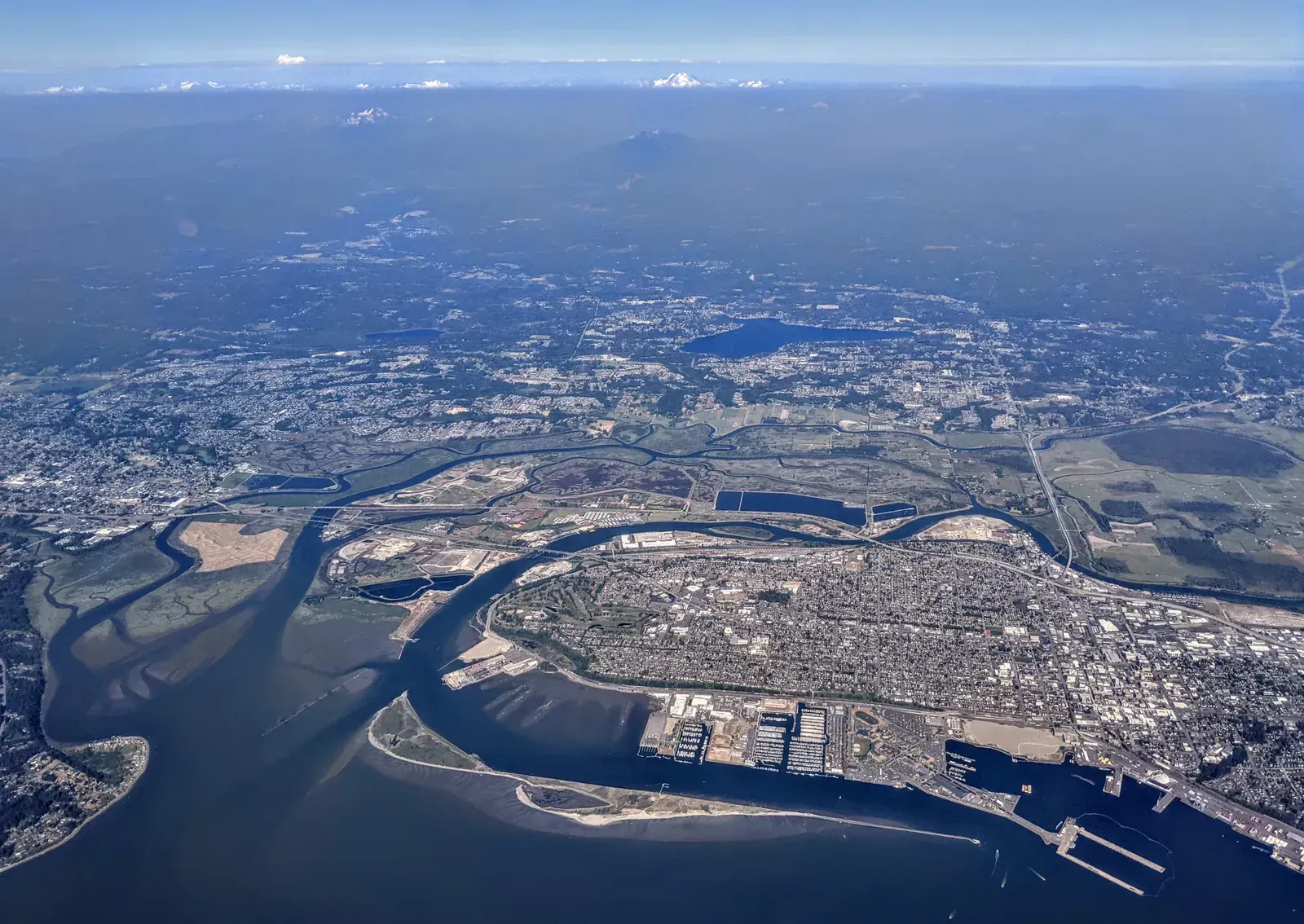
Just north of Seattle, Everett has managed to stay noticeably cooler than its larger neighbor for well over a century. While Seattle has a record high of 103 degrees, its northern suburb city of Everett has never been above 98 degrees dating back to 1894. That peak came decades ago, when Everett reached 98 degrees on June 9, 1955.
Since that day, the city has not come particularly close again, as Everett’s second hottest record temperature is just 94 degrees. Puget Sound’s marine influence typically keeps daytime highs in check, but the Pacific Northwest has already proven capable of shattering assumptions. The 2021 heat dome pushed Seattle and Portland to all-time records that once seemed unthinkable, and Everett sits close enough to that same weather system to eventually get pulled along.
Duluth, Minnesota
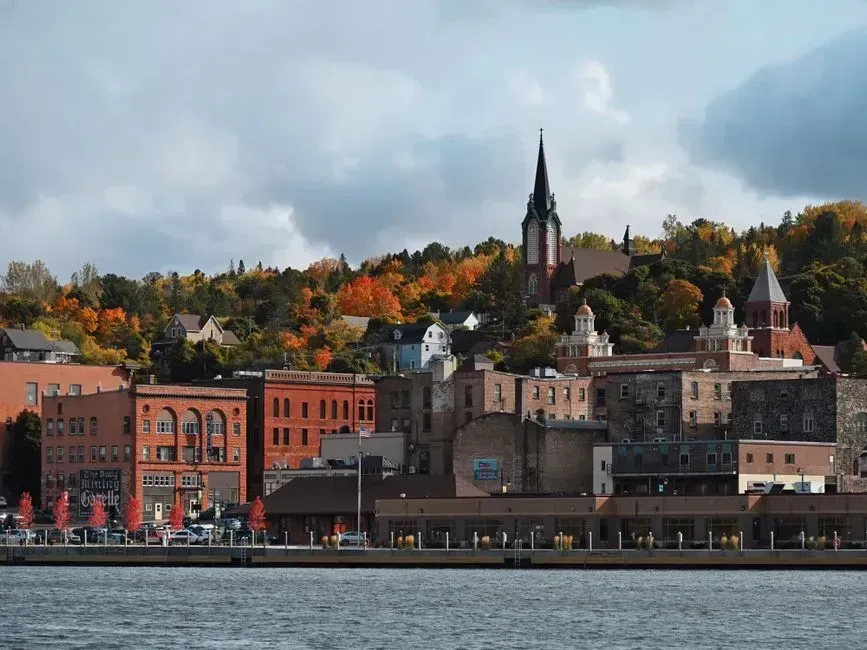
Perched on the shore of Lake Superior, Duluth benefits from one of the coldest large bodies of water in North America sitting right at its doorstep. Modern instrumentation tells a fairly mild story here, since the highest temperature ever recorded in Duluth, Minnesota, using records dating back to 1948, was 97 degrees Fahrenheit, which occurred on September 3, 2023. That is a fairly recent record, which says something about how the city’s heat extremes are still being tested.
Lake Superior’s deep, frigid waters act almost like a natural air conditioner for the surrounding shoreline, tempering what would otherwise be sweltering Midwestern summer air. Yet the same upper Midwest has seen increasingly erratic heat waves in recent years, with humid air masses pushing north from the Plains. If a strong enough ridge parks itself over the region and cuts off the lake breeze entirely, Duluth’s modern record could fall sooner than residents might expect.
Key West, Florida

It seems almost backwards that the southernmost city in the continental United States has never hit 100 degrees, but ocean geography explains it well. Key West has never really been close to 100 degrees, with a record high of 97 degrees that first occurred on July 19, 1880, and was later matched. Surrounded almost entirely by warm Gulf and Atlantic waters, the island simply lacks the dry land mass needed to heat up dramatically.
Constant sea breezes and high humidity work together here, much like they do elsewhere in Florida. Humid air absorbs more solar energy before it warms up, which slows the climb toward extreme highs even on the sunniest days. Still, warming ocean temperatures in the Gulf could eventually shift that balance, especially during unusually dry, wind-still stretches in peak summer.
Honolulu, Hawaii

Honolulu’s tropical reputation might suggest scorching heat, but its climate tells a different story entirely. The hottest weather temperature ever recorded in Honolulu, Hawaii is just 95 degrees, which occurred on September 19, 1994. That is a full five degrees shy of the century mark, a gap that has held for over three decades.
The cool ocean breezes in Hawaii prevent the actual temperature from ever reaching 100 degrees in Honolulu, and those steady trade winds are remarkably consistent throughout the year. Surrounded entirely by the Pacific Ocean, the city rarely experiences the kind of dry, stagnant air pattern that tends to produce record heat elsewhere. Even so, prolonged trade wind lulls have become slightly more frequent in recent years, and that is exactly the kind of weather pattern that could eventually let Honolulu’s temperature climb further than it ever has.
Caribou, Maine

Tucked in the far northern reaches of Maine, close to the Canadian border, Caribou is about as far from a heat dome as an American city can get. Some cities in the region have never recorded a 100-degree high, including Buffalo, New York, and Caribou, Maine. The city’s short summers and northern latitude have historically kept it well insulated from the kind of prolonged heat waves that trouble the mid-Atlantic and South.
Caribou’s climate is shaped by its distance from large heat-retaining cities and its proximity to Canadian air masses that frequently sweep through the region. That said, northern New England has not been immune to the broader warming trend affecting the rest of the country. A summer with an unusually persistent ridge of high pressure, paired with dry ground conditions, could someday be enough to push this quiet Aroostook County city into uncharted territory.
Anchorage, Alaska
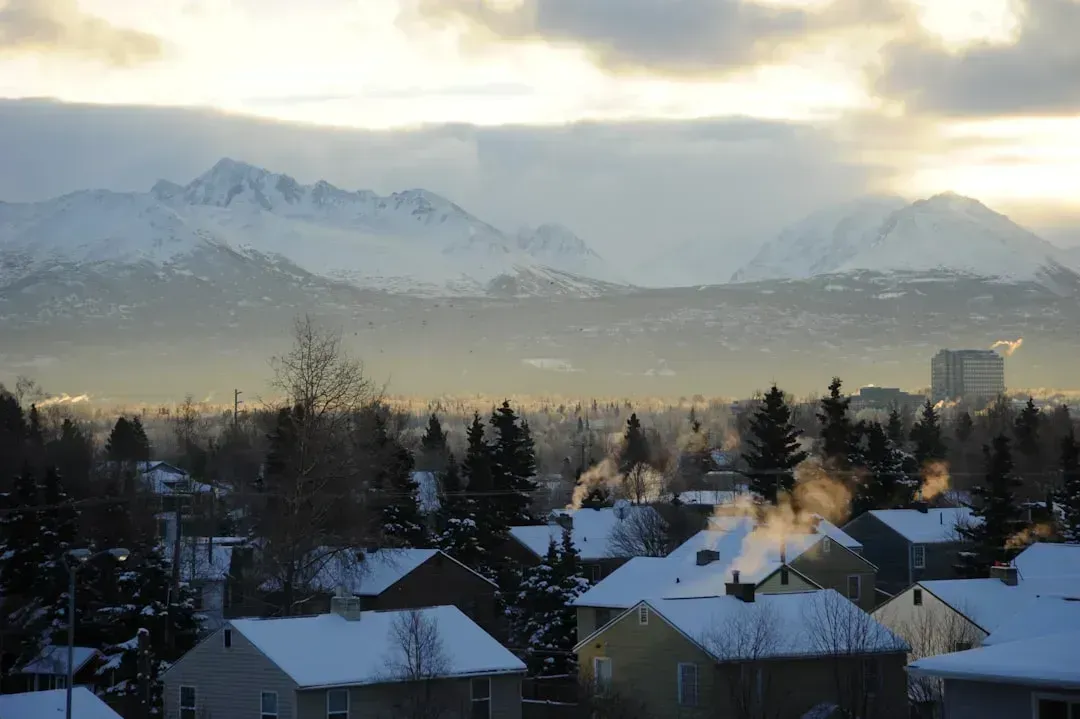
Anchorage made headlines for breaking its own heat record, and the story is a useful reminder of how quickly things can shift. The National Weather Service revealed that Anchorage reached a record 90 degrees in the afternoon on the Fourth of July, beating out the previous record set on June 14, 1969, by five degrees. Jumping five degrees past a fifty-year-old record in a single event is not a small thing.
Alaska is warming faster than almost anywhere else in the country, a phenomenon scientists call Arctic amplification. Anchorage still sits a full ten degrees below the century mark, which sounds like a comfortable buffer, but that gap has already narrowed dramatically once this decade. If that pace of warming continues, Anchorage’s name could eventually be added to the very short list of large U.S. cities that have crossed 100 degrees.
Juneau, Alaska
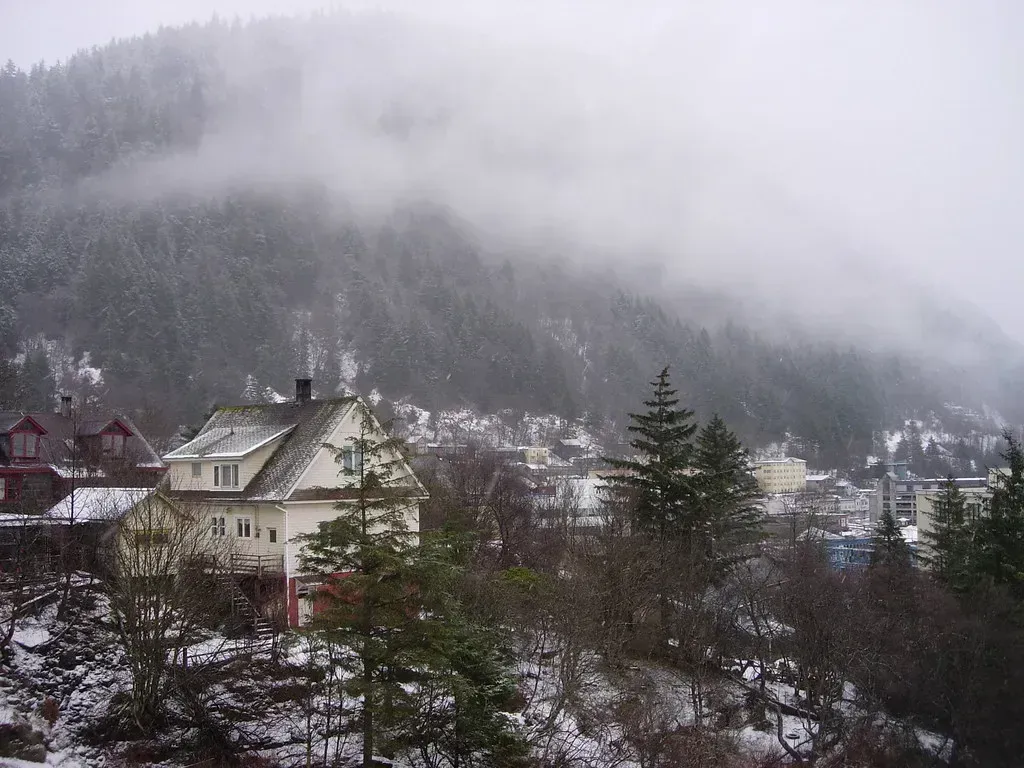
Alaska’s capital city sits wedged between steep mountains and the cold waters of the Inside Passage, a setting that keeps its climate persistently mild. The highest temperature ever recorded in Juneau, Alaska was 90 degrees Fahrenheit, which occurred on July 7, 1975. That record has stood for half a century, a testament to just how effectively the surrounding terrain and water regulate the local climate.
Mountains ring Juneau on nearly every side, limiting how much direct sunlight the city receives even at the height of summer solstice. Frequent rain and cloud cover add another layer of natural cooling that few other American cities enjoy. Local weather officials have already begun adjusting heat advisory thresholds downward to account for changing conditions, a quiet signal that even famously cool Juneau is not entirely immune to the broader warming pattern.
Eureka, California
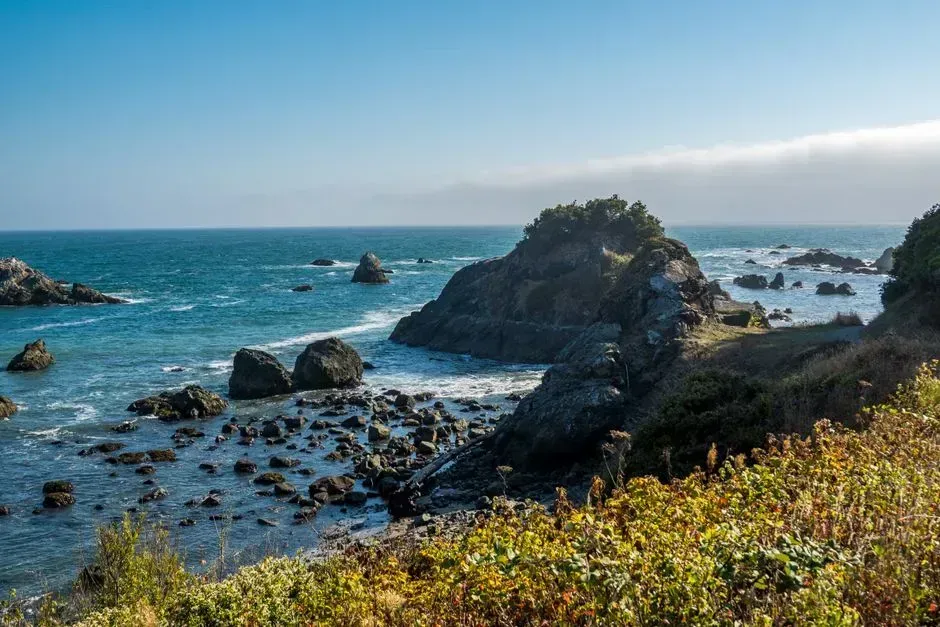
If there is a city on this list that seems the least likely ever to see 100 degrees, it might be Eureka. Nestled along California’s rugged northern coast, the city’s climate barely resembles the rest of the state, since Eureka’s record high for July, historically its warmest month, is just 77 degrees. That is a startling number for a California city, especially compared to inland neighbors that regularly bake in triple digits.
A persistent, cold offshore current combined with a near constant marine layer keeps Eureka locked into a narrow, mild temperature range most of the year. Even more striking, the city of Redding, California, is only a little over 100 miles east of Eureka, and Redding routinely has 100 degree temperature days each summer, with a record high of 118 degrees. That contrast, two cities barely a hundred miles apart living in entirely different climates, shows just how powerful coastal geography can be at holding heat at bay.
