

Curiosity got the better of me one evening while unloading groceries into plastic containers, wiping the counter with a lemon scented spray, and tossing a receipt into a drawer full of others just like it. It struck me how many small, unremarkable objects pass through our hands every day without a second thought. So I asked an AI assistant a simple question: which common household items are quietly linked to chemical exposure that most people never consider.
What came back was a list worth checking against real research rather than taking at face value. I spent time digging through government health agencies, environmental groups, and peer reviewed studies to see how well the AI’s answers held up. The results were more grounded in evidence than I expected, and a few categories stood out as genuinely worth understanding.
Nonstick Cookware Still Carries a PFAS Legacy

The story of nonstick pans starts further back than most people realize. In 1946, DuPont introduced nonstick cookware coated with Teflon, and today the family of fluorinated chemicals that sprang from it includes thousands of nonstick, stain repellent and waterproof compounds called PFAS, short for per and poly fluoroalkyl substances. These chemicals were prized for their slickness and durability long before anyone raised concerns about where they end up after the pan wears out.
Regulators have started catching up. The California legislature passed a bill in September 2025 to prohibit the sale and distribution of several categories of products that contain intentionally added PFAS, with the rule applying to cookware beginning in 2030 and to other products like plastic food packaging in 2028. Minnesota already has a more comprehensive law on the books and was the first state in the nation to address PFAS in cookware specifically. For anyone wanting to switch now rather than wait for legislation, stainless steel, cast iron, glass, or ceramic alternatives avoid the most obvious offenders.
Waterproof Jackets and Stain Resistant Fabrics Aren’t as Innocent as They Seem
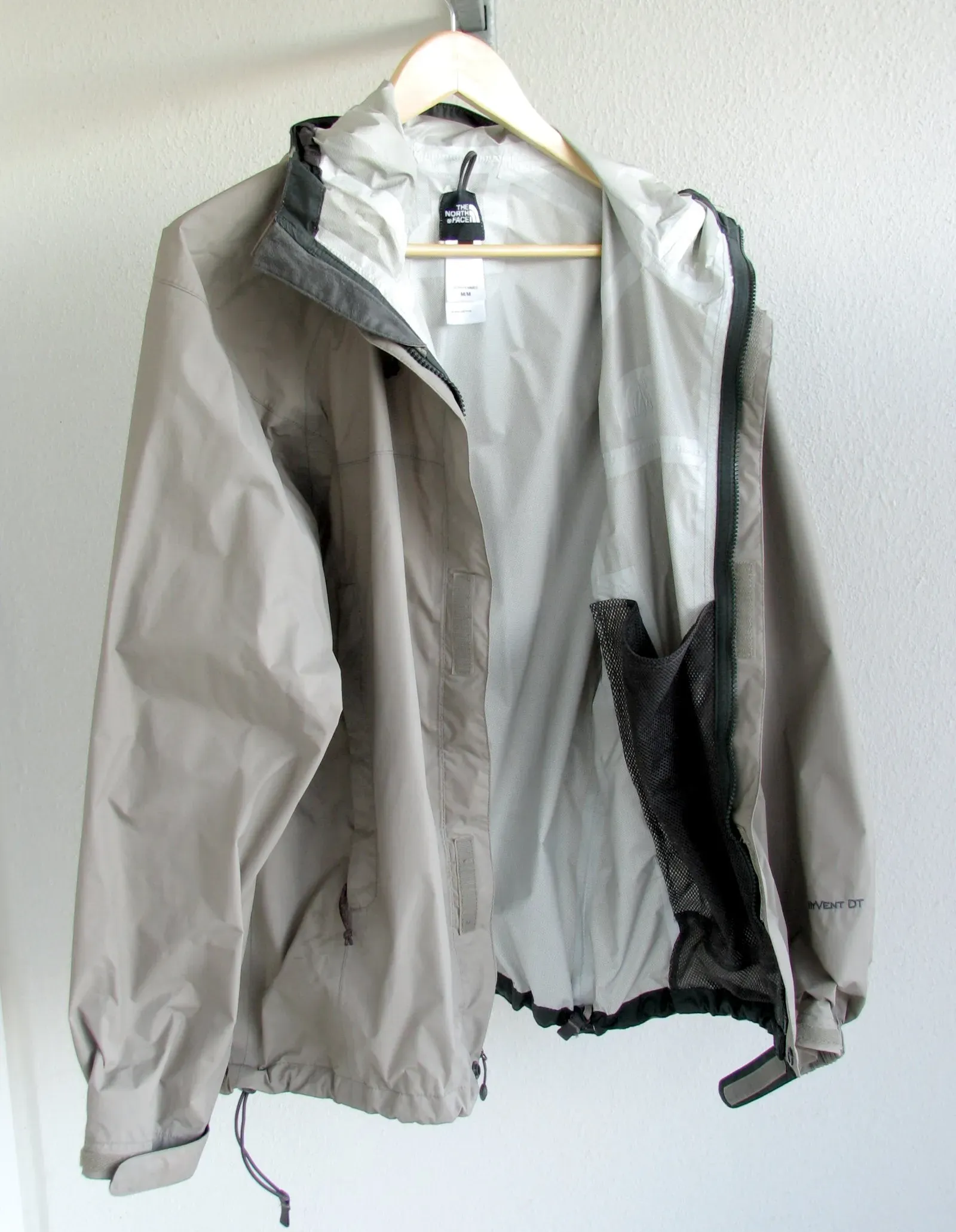
It is easy to think of rain gear as purely mechanical, just tightly woven fabric doing its job. In reality, PFAS are used to keep food from sticking to packaging or cookware and to make clothes and carpets resistant to stains, alongside firefighting foam formulations. PFAS chemicals lurk in stain resistant furniture and carpets treated with Scotchgard, Stainmaster and other fabric treatments, and clothes labeled stain or water repellent, such as Gore-Tex jackets, usually contain PFAS chemicals as well.
Some states have started drawing lines around which textiles are allowed to contain these compounds and which are not. Maine’s newer restrictions illustrate the balancing act regulators face, since textile articles with PFAS are prohibited as well, but the rule excludes outdoor apparel meant for severe wet conditions or gear that is a component part of a watercraft, aircraft or motor vehicle. That carve out reflects a genuine tension between performance and chemical exposure that has not been fully resolved.
Fast Food Wrappers and Takeout Boxes Add Their Own Chemical Coating
The paper wrapped around a burger or the box holding fried food often does more work than it looks like it does. PFAS chemicals are widely used to coat paper and cardboard wrappers for fast food and bakery goods, keeping grease from soaking through. Other packaging types bring their own concerns, since PVDC plastic, a chlorinated material, is commonly used to wrap meats and cheeses in grocery store delis, and styrene based plastics found in foam takeout containers and trays can pose health risks beyond the plastic pollution problem they contribute to.
Wisconsin’s health department lists straightforward pathways for how these coatings reach people. Among the routes it identifies is simply eating food packaged in material made with PFAS, a reminder that exposure does not require doing anything unusual, just eating lunch the way most people already do.
Plastic Food Containers Leach More Than You’d Expect
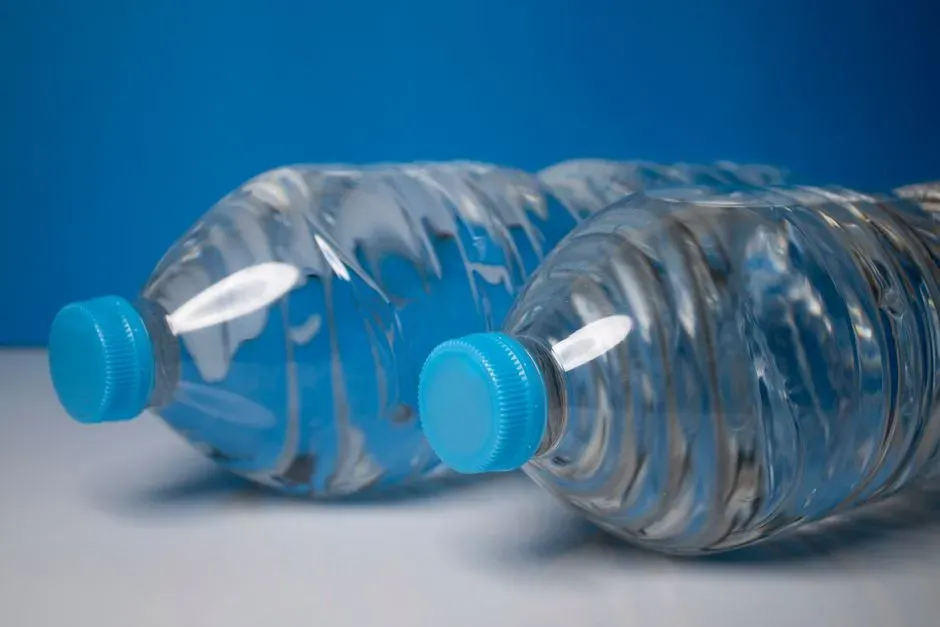
Reusable plastic containers seem harmless once the takeout is finished and they are washed out for leftovers. Yet the dangers of plastic come from the chemicals they contain, with three major types to watch for including phthalates used to soften plastics, PFAS which make products stain and grease resistant, and bisphenol A, which is used to make hard, shatterproof plastic and is also found, though not labeled, in the lining of canned foods and beverages.
Heat appears to be the main trigger for chemical migration. Research shows that the longer a food sits in a container, and the more it is heated while inside that container, the higher the levels of contaminants such as phthalates tend to be. The practical takeaway from researchers is fairly simple, since if plastic packaging is unavoidable, the food should be repackaged into glass or another safe container as soon as possible.
Canned Food Linings Still Rely on Bisphenol Compounds
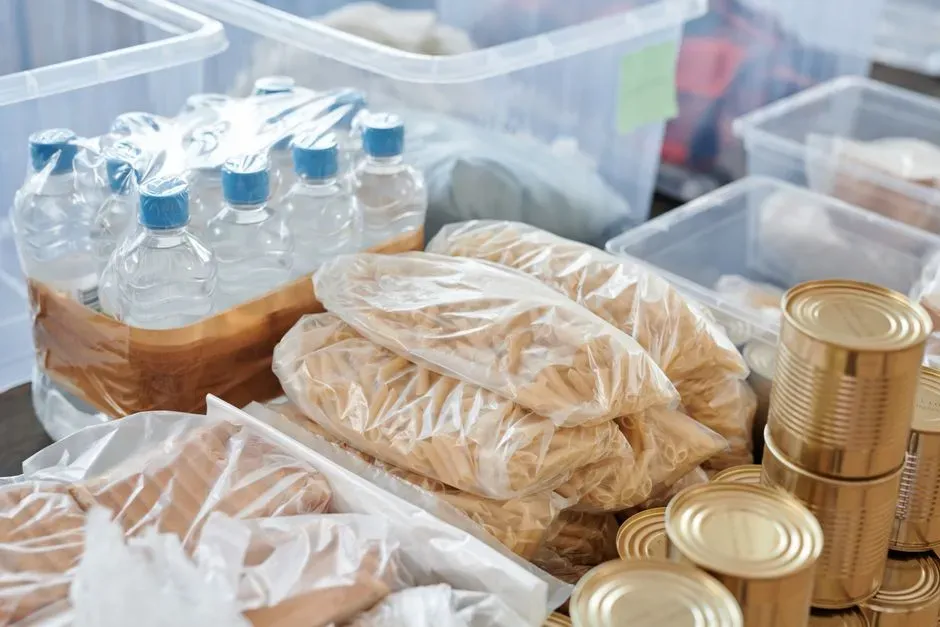
Canned soup and beans might seem like the least processed part of a plastic free pantry, but the metal itself is not the whole story. Bisphenols, chemicals like bisphenol A often used in the lining of canned foods, can leach into soups, beans, and vegetables. A broader Consumer Reports investigation found the problem is not limited to canned goods either, noting that phthalates and bisphenols are widespread among supermarket staples and fast foods, regardless of their packaging and ingredients and whether or not they are certified organic.
Regulatory movement on this front has been slow. In 2023, the Food and Drug Administration rejected a petition calling for a ban on the use of phthalates in food packaging and food processing. Infants face a disproportionate share of this exposure too, since research indicates that roughly eighty percent of newborns’ BPA exposure comes from the leaching of BPA from plastic bottles, making it the main source of exposure for that age group.
Cosmetics and Skincare Hide an Unexpected Number of PFAS Ingredients
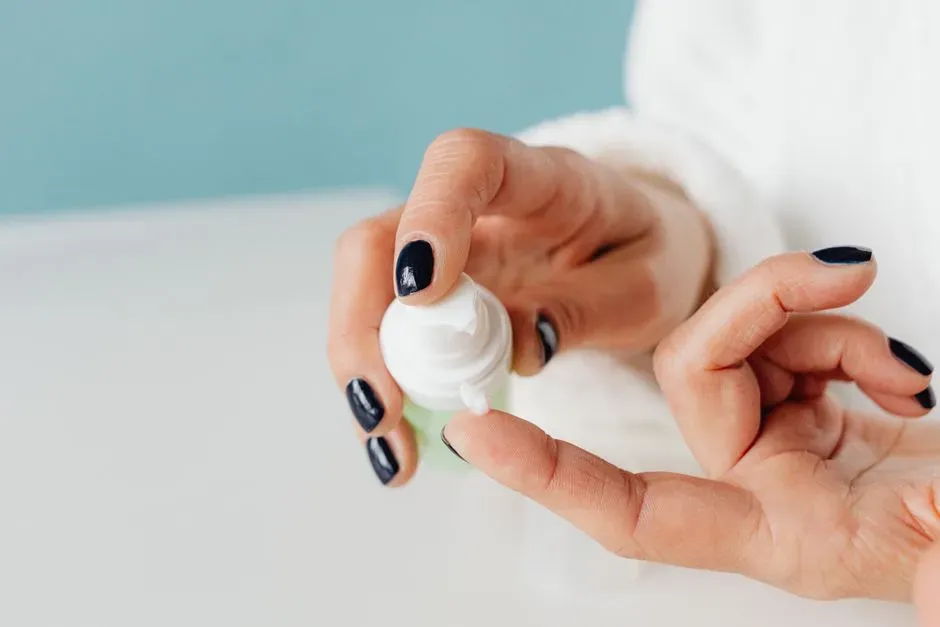
Makeup bags turned out to be a bigger surprise than I expected going in. A Food and Drug Administration report found that hundreds of personal care products people use every day may contain PFAS, with more than 50 PFAS ingredients used in almost 1,700 unique products as of 2024. These ingredients are typically added to improve product texture, durability, and water resistance, or to enhance skin smoothing or shine effects.
Independent lab testing has painted a similar picture for years. A Notre Dame study that tested more than two hundred personal care products found that depending on the product, roughly half to three fifths showed high levels of fluorine, an indicator of likely PFAS, with foundation, mascara, and eye and lip products showing the highest concentrations, yet PFAS appeared on the ingredient label of only about eight percent of products tested. The FDA’s own review flagged at least one specific concern, noting that a chemical called perfluorohexylethyl triethoxysilane raised a potential safety issue in body lotion at the highest reported concentration, based on an animal study showing nervous system impacts.
Air Fresheners and Scented Cleaning Sprays Release More Than a Pleasant Smell
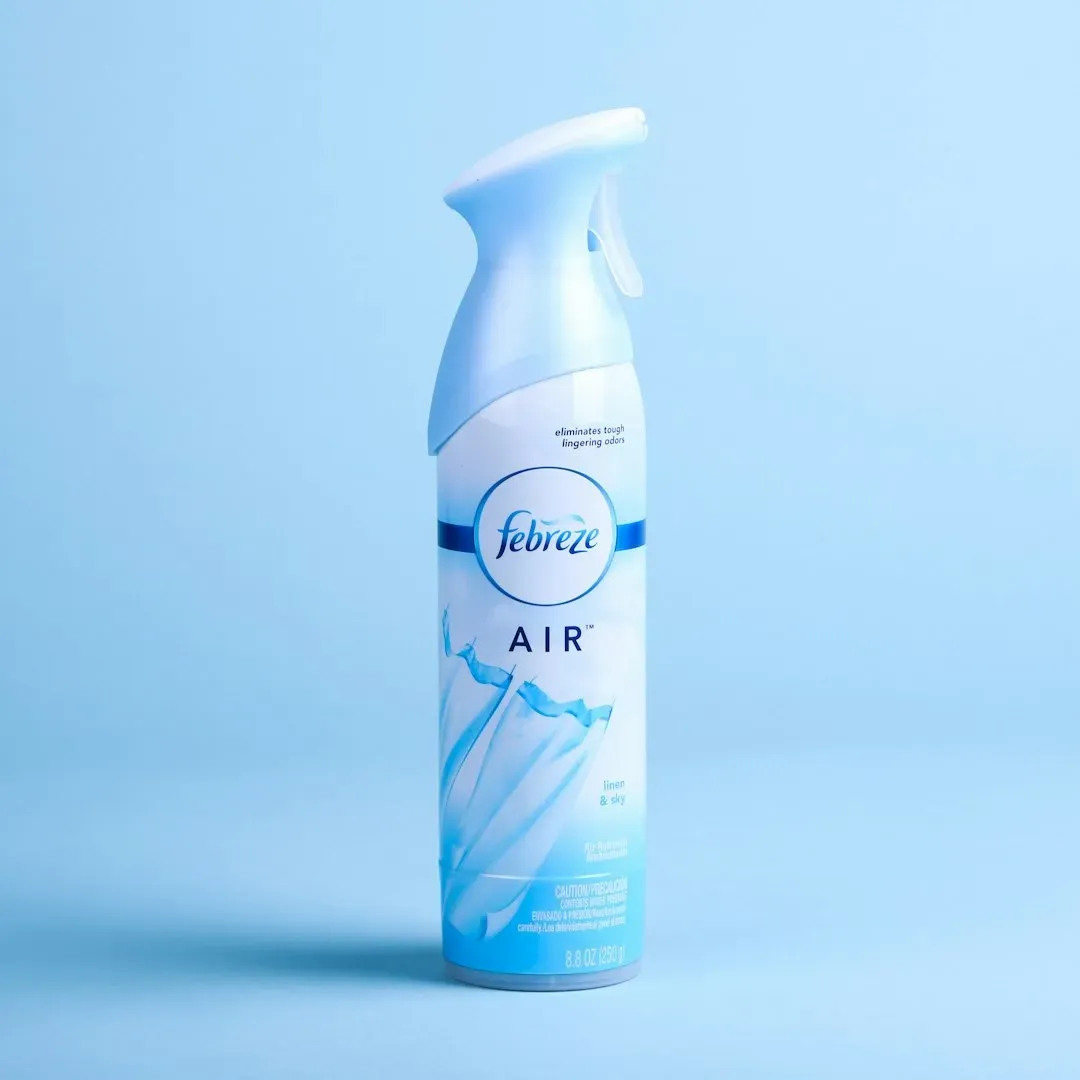
A clean smelling house is not necessarily a house with clean air. Volatile organic compounds evaporate from liquid or solid products into gas form at room temperature, and when a cleaning product is used, those compounds become airborne and enter the air people breathe, with common examples including formaldehyde, benzene, toluene, and various fragrance chemicals. Research on where these compounds actually come from points squarely at scent, since fragrance is the primary vehicle for undisclosed VOCs in cleaning products.
The word “fragrance” itself is doing a lot of hidden work on ingredient labels. That single term can represent a mix of up to two hundred different chemicals. Separate testing backs this up, finding that fragrance products contain, on average, fourteen hidden chemicals that are not listed on labels. Somewhat frustratingly, switching to a product marketed as green does not guarantee anything better, since older research already established that products marketed as green or natural emitted as many hazardous chemicals as standard products.
Older Upholstered Furniture Can Still Be Releasing Flame Retardants

A comfortable old sofa can be harboring more than dust. Flame retardants were added to furniture foam for decades, and exposure to these chemicals has been linked to cancer, thyroid disease, decreased fertility, lower IQ, and other harmful health effects. Children face the highest risk in practice, since infants and young children are particularly vulnerable, as they spend more time on the floor where contaminated dust settles and frequently put their hands in their mouths.
Age of the furniture matters quite a bit here. As a rough guideline, upholstered furniture purchased before 2015 has a higher likelihood of containing problematic flame retardants. Even with updated manufacturing standards, researchers note that families may continue to be exposed to these chemicals, since flame retardants remain widespread in furniture already in use, as well as car seats, electronics, and more.
Cash Register Receipts Pass Bisphenols Straight to Your Skin
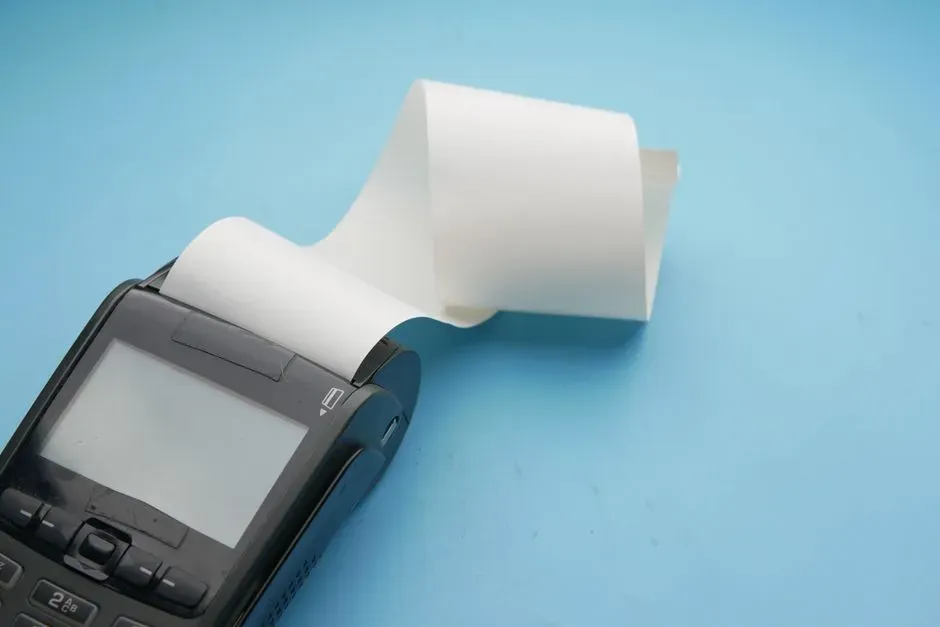
Of everything on this list, receipts were the one I least expected to matter. In thermal paper, BPA and BPS are added in their free form rather than chemically bound to the paper, so the molecules readily transfer to anything touching the paper, including skin or cash sitting next to a receipt in a wallet. The exposure is not trivial either, since absorption of BPA into the body increases as much as tenfold when thermal paper is handled with moist or greasy fingers.
Regulation is tightening in some regions but the substitutes are not always an improvement. Europe has moved decisively, with EU Regulation 2024/3190, effective January 2025, imposing a full BPA prohibition across most food contact materials while monitoring of BPS and related analogs continues through 2027. That monitoring matters because many manufacturers simply replace BPA with bisphenol S, which is still a phenol compound with its own open questions.
Tap Water Remains One of the Quietest Sources of Chemical Exposure

Compared to a scented candle or a nonstick pan, tap water feels almost too ordinary to worry about, which may be exactly the problem. Water systems in the vast majority of United States states have been contaminated with PFAS, according to an interactive map released in 2025 and built on EPA data. Government survey data backs up how widespread this has become, since PFAS are found in nearly half of the nation’s tap water according to the U.S. Geological Survey.
The scale of human exposure shows up clearly in blood testing. A Centers for Disease Control and Prevention report using data from the National Health and Nutrition Examination Survey found PFAS in the blood of ninety seven percent of Americans. For anyone curious about their own water supply, a reasonable starting point is straightforward, since many cities and towns have already tested public water for these chemicals, so checking with a local water utility, either by phone or by looking for published water quality reports online, is a practical first step.

- Insurers Ranked Every State by Climate Risk – This One Came in Dead Last - August 18, 2026
- I Asked 3 Water Engineers How Bad the Next Drought Will Be – Their Answers Didn’t Match - August 18, 2026
- The Real Reason Some Cities Are Becoming Unlivable in Summer – And It’s Not Just Heat - August 18, 2026
