

- NASA invites students to design a moon base in $1 million challenge - November 11, 2026
- Why Some People Can Feel a Storm in Their Joints, According to Experts - November 11, 2026
- 7 Foods That Taste Better on a Rainy Day, According to Chefs - November 11, 2026
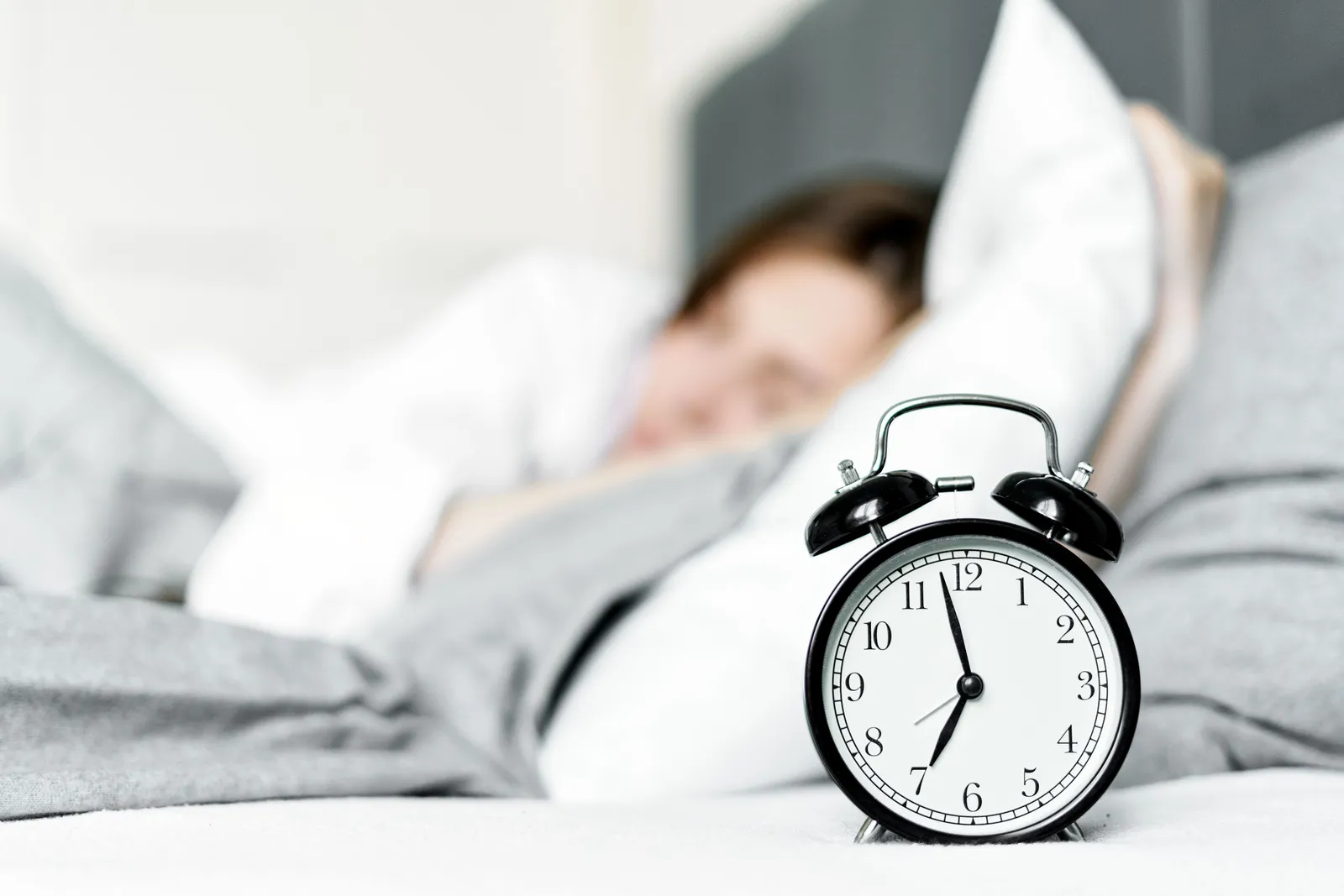
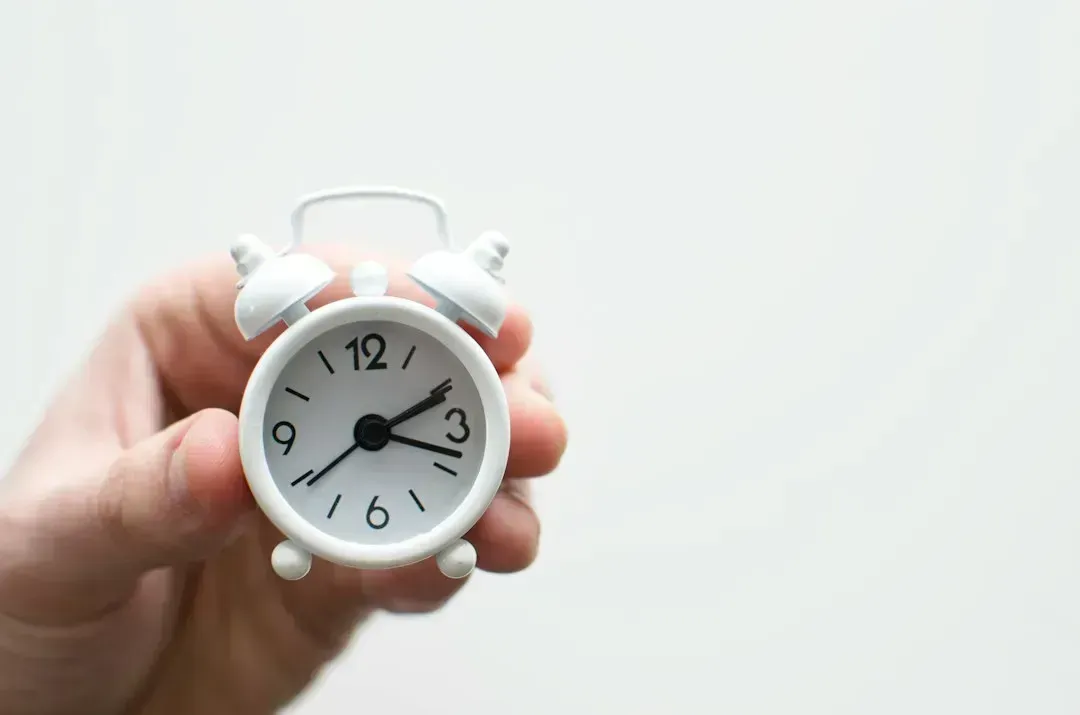
On Sunday, Nov. 1, most of the United States will turn clocks back one hour and return to standard time. It’s often called the easy clock change, since it hands you an extra hour. Sleep researchers tend to see it as more complicated than that.
The change also lands in the middle of a live policy debate, with new legislation and new research both making headlines this year. Here’s what the evidence says about how the shift affects your sleep.
What Actually Happens on Nov. 1

Clocks go back an hour in the early morning of Sunday, Nov. 1, so the sun rises and sets earlier by the clock. Most Americans will gain an hour of evening light loss and a brighter morning.
Until federal law changes, most Americans will continue to observe daylight saving time each spring and return to standard time each fall. Nothing about that routine is different for 2026, even though the politics around it are.
Why an Extra Hour Isn’t Always Restful

The body doesn’t run on the number shown on a phone. It follows an internal clock, and that clock responds mostly to light and to the timing of your habits.
When the schedule shifts, your usual bedtime and wake time suddenly sit in a different place relative to the sun. Some people feel it as waking early, others as an odd drowsiness in the evening. Adjustment is usually gradual rather than instant.
The Body Clock Argument for Standard Time
The American Academy of Sleep Medicine says the U.S. should eliminate seasonal time changes in favor of permanent standard time, which aligns best with human circadian biology. That’s the position of a major professional body, not a fringe view.
The group’s updated statement says the evidence supports the distinct benefits of standard time for health and safety. It also points to the potential harms that come from switching back and forth. Other organizations back the same stance, including the Society for Research on Biological Rhythms, National Sleep Foundation, Sleep Research Society, and American Medical Association.
Fall Back Versus Spring Forward
The fall change is generally seen as gentler than the spring one. Standard time is the schedule sleep scientists prefer, so Nov. 1 moves clocks toward it rather than away.
The spring change gets most of the warnings. The AASM cites research showing that the springtime change can lead to increased risks of motor vehicle accidents, medical errors, heart attacks, strokes, and mood disturbances. The fall shift isn’t risk free, but those specific findings relate to spring.
Morning Light Is the Reset Button

One AASM sleep specialist says to get bright light after waking. Sunlight is ideal, though any bright light is better than none.
The reasoning is that morning light helps set your internal clock to the new time and help manage your sleep and alertness. After Nov. 1, sunrise comes earlier by the clock, so a morning walk or time by a bright window is easier to fit in.
Small Habits That Smooth the Transition
Sleep experts treat the clock change as a good prompt to revisit sleep hygiene. That includes going to bed and waking at consistent times every day, and turning off devices at least 30 to 60 minutes before bedtime.
None of this is exotic. Keeping a steady schedule through the weekend of the change, rather than sleeping in for the full extra hour, gives your body less to untangle.
Where the Legislation Stands in 2026

The Sleep Foundation reports that the U.S. House of Representatives has passed legislation that would make daylight saving time permanent nationwide. That news came in July 2026, and the AASM publicly condemned the House vote.
However, the bill must still pass the Senate and be signed by the president before it can become law. A separate bill, the Sunshine for Our Kids Act, was introduced in July to establish permanent standard time. For now, the Nov. 1 change goes ahead as usual.
A New Canadian Analysis Backs Standard Time
A paper published Oct. 5, 2026 in the Canadian Medical Association Journal adds to the evidence. Canadian health researchers are urging the country to choose permanent standard time over permanent daylight saving time if the twice yearly change ends, warning that darker winter mornings could harm sleep and mental health.
The authors acknowledge trade offs. Earlier summer sunrises could cause problems for people prone to waking early, while earlier winter sunsets could limit evening outdoor and commercial activity. They suggest modest fixes such as blackout curtains and public education on sleep health.
Who Doesn’t Change Clocks at All

Not every part of the country takes part. Federal law lets states opt out of daylight saving time, but only two, Hawaii and Arizona, have claimed the exemption.
Everyone else will move clocks back on Nov. 1. Sleep experts and economists still disagree on the long term fix, since most sleep scientists prefer permanent standard time, while many economists and business experts favor permanent daylight saving time.
