

Open a takeout bag and you’ll usually find more than dinner. There are napkins, a fork you didn’t need, and a few sauce packets that will probably end up in a kitchen drawer. Multiplied across millions of orders, those extras add up to a lot of waste.
In 2026, restaurants are changing how they handle all of it, partly by choice and partly because the rules now require it. Here are nine of the clearest shifts.
Giving Napkins Only When Customers Ask
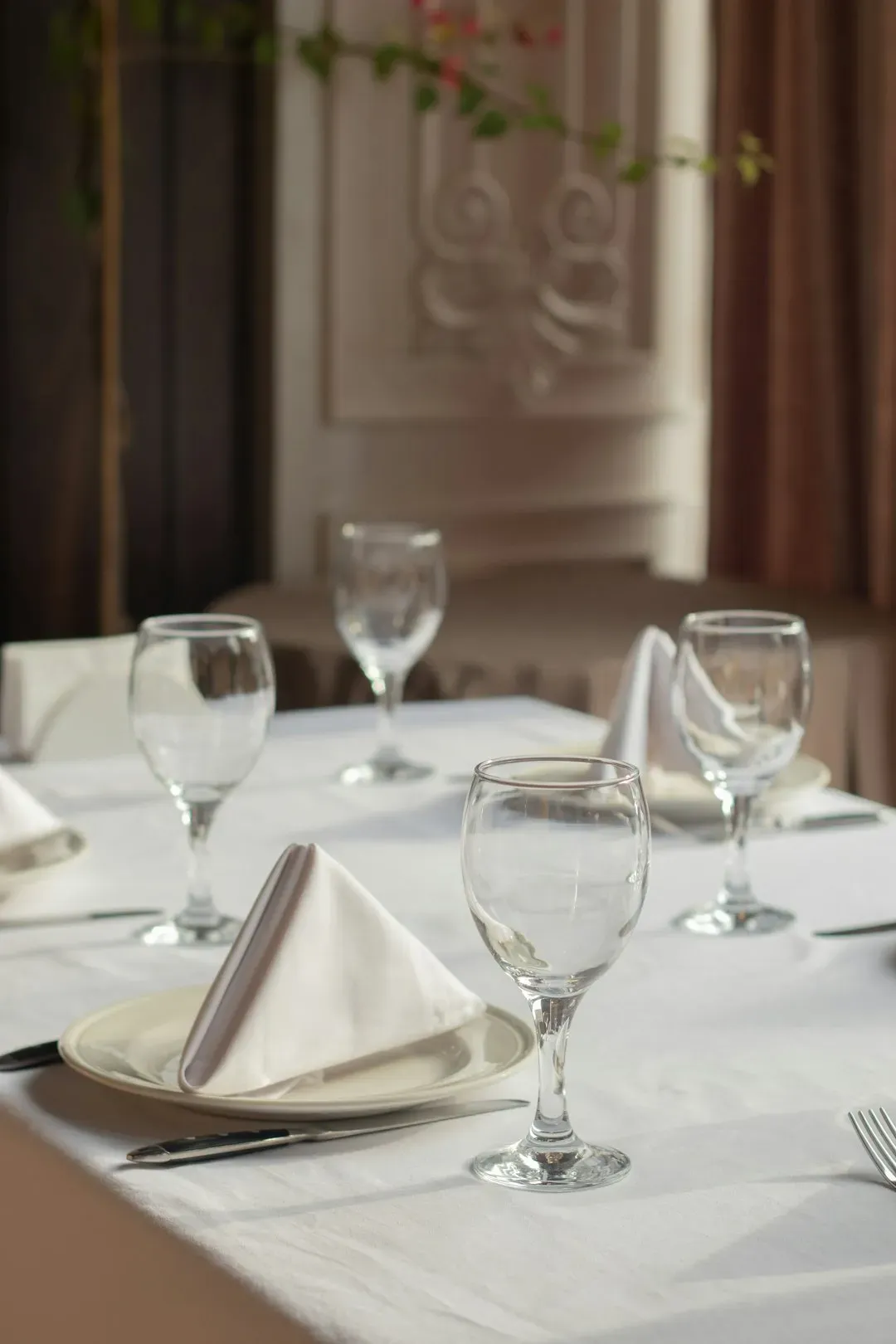
The simplest change is also the most widespread. New Jersey’s Skip the Stuff law requires customers to request items like utensils, napkins, and condiment packets instead of receiving them automatically. It applies to takeout and delivery orders as of August 1, 2026.
The logic is practical. Providing these items only on request can reduce unnecessary purchasing and cut down on things that go unused and get thrown away. A napkin nobody asked for is a cost the restaurant pays twice, once to buy it and once to haul it away.
Turning Extras Into an Opt In Choice on Ordering Apps
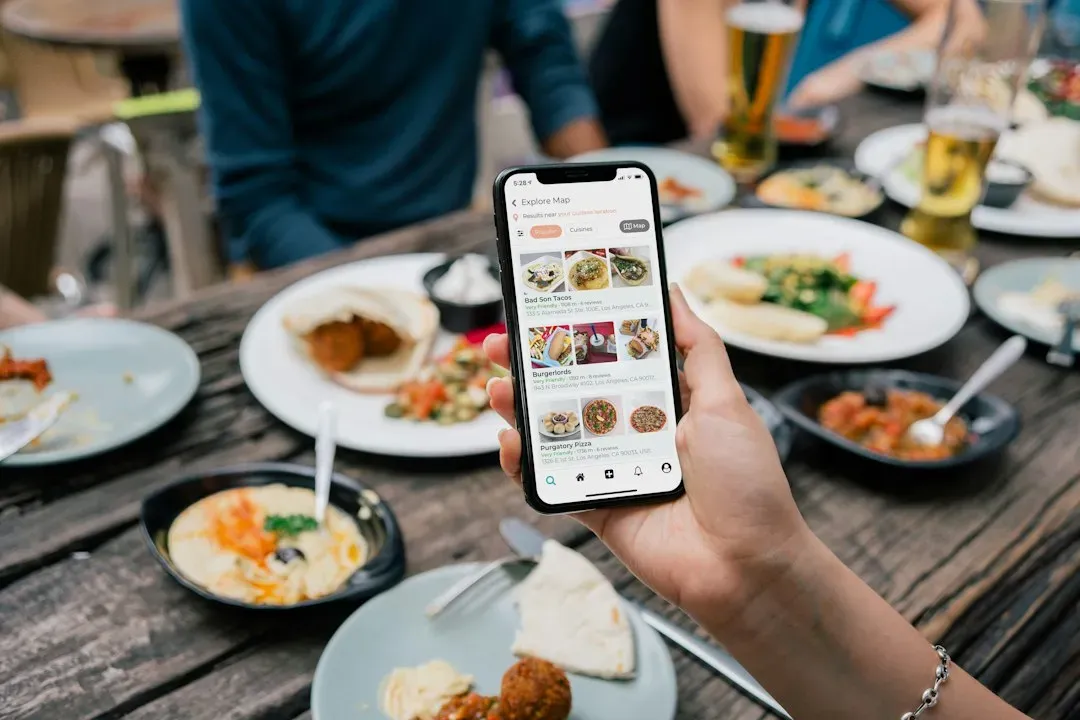
Much of the napkin problem starts on a screen, not at the counter. Whether people order in person, by phone, or through an app, they now have to decide whether they need utensils or packets and say so clearly. That small prompt replaces an automatic bag stuffing habit.
This isn’t new. New York City’s regulations also changed ordering defaults and encouraged restaurants to provide these items only when needed. The idea is to make the default no extras, so waste drops without anyone having to give up anything they truly want.
Switching to Washable Utensils for Dine In Guests
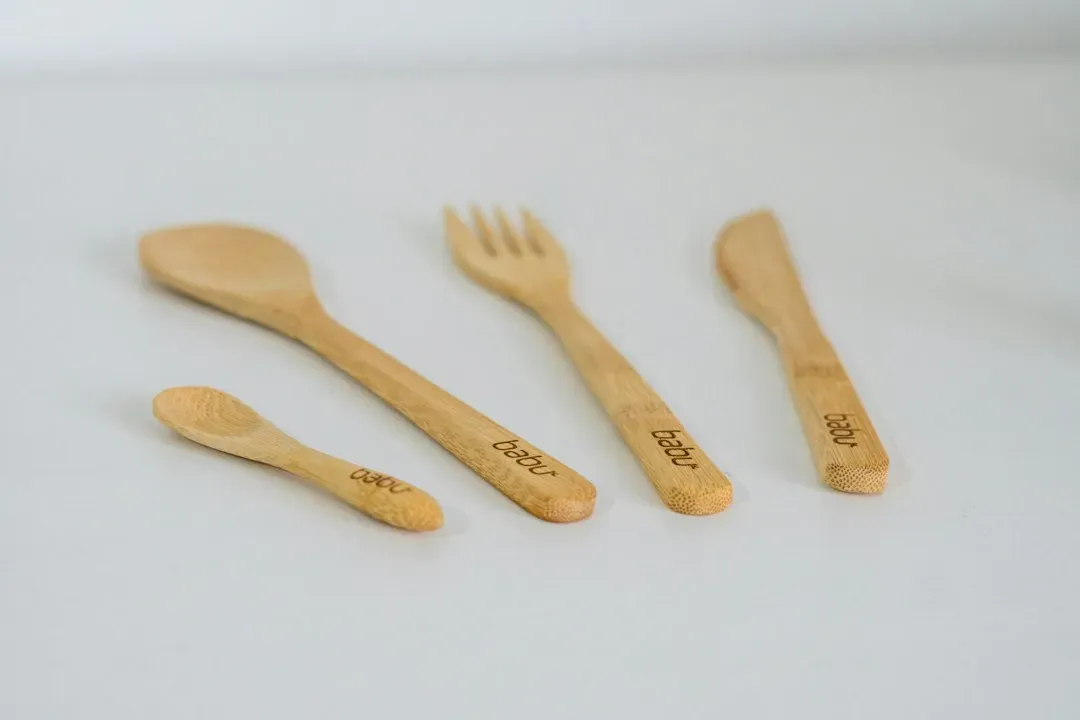
Waste reduction isn’t only about takeout. New Jersey’s law also requires full service restaurants that seat 10 or more patrons to provide reusable utensils for dine in customers. Those restaurants may provide only washable utensils for people eating on site.
It’s a return to something familiar. Metal forks and ceramic plates were the norm long before disposables took over casual dining. The trade off is dishwashing labor, which is one reason the rule has a seating threshold.
Replacing Condiment Packets with Refillable Bottles
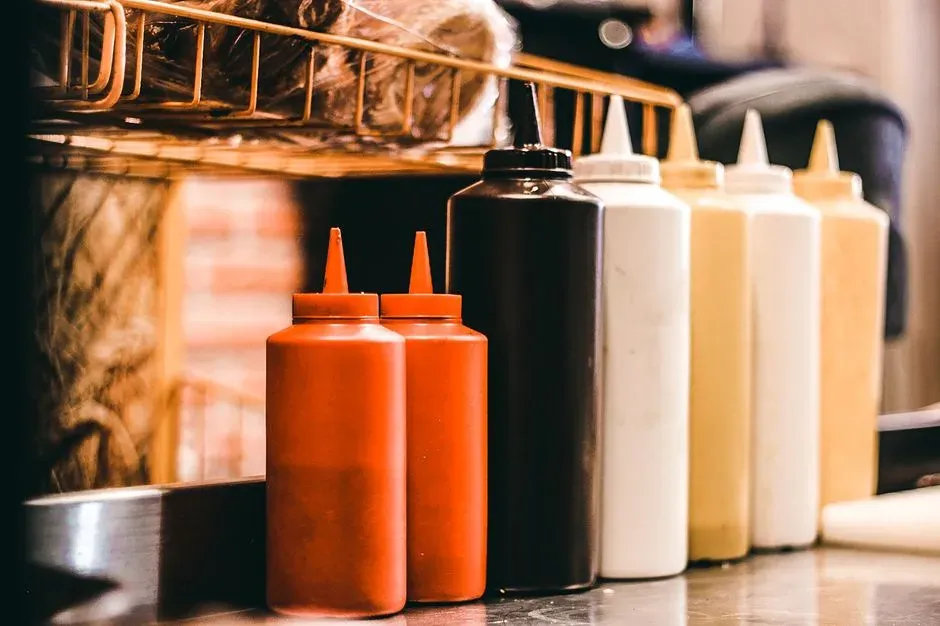
Sauce packets are small, but they’re hard to recycle and easy to overproduce. Under New Jersey’s rules, condiment packets are no longer allowed for dine in service, so sauces and seasonings must come from full size bottles or other reusable containers.
For restaurants, this often means pump dispensers or tabletop bottles. Staff refill them during the day, and the packaging that used to come with every serving simply disappears.
Unbundling Forks, Napkins, and Other Foodware
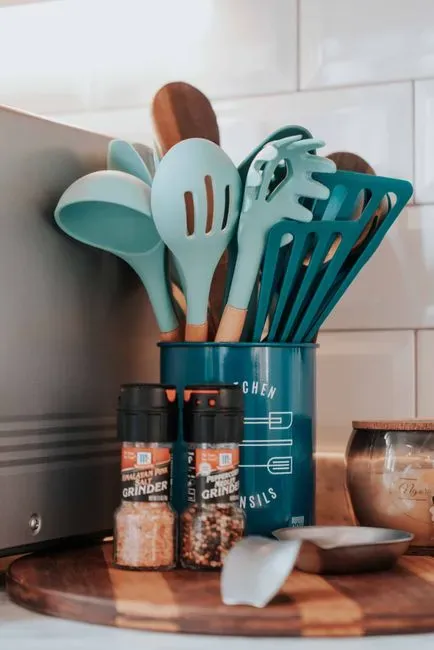
Some cities go a step further than asking customers. Burbank, California, has an ordinance that includes a requirement to unbundle single use foodware items, such as forks and napkins. Bundled sets get opened and discarded whether or not anyone uses every piece.
Separating the items lets staff hand over only what a customer wants. The same ordinance, in line with California’s AB 1276, has prohibited food service businesses since March 2024 from providing single use plastic accessories such as utensils, stirrers, or condiment packets unless requested.
Moving to Recyclable or Compostable Takeout Containers
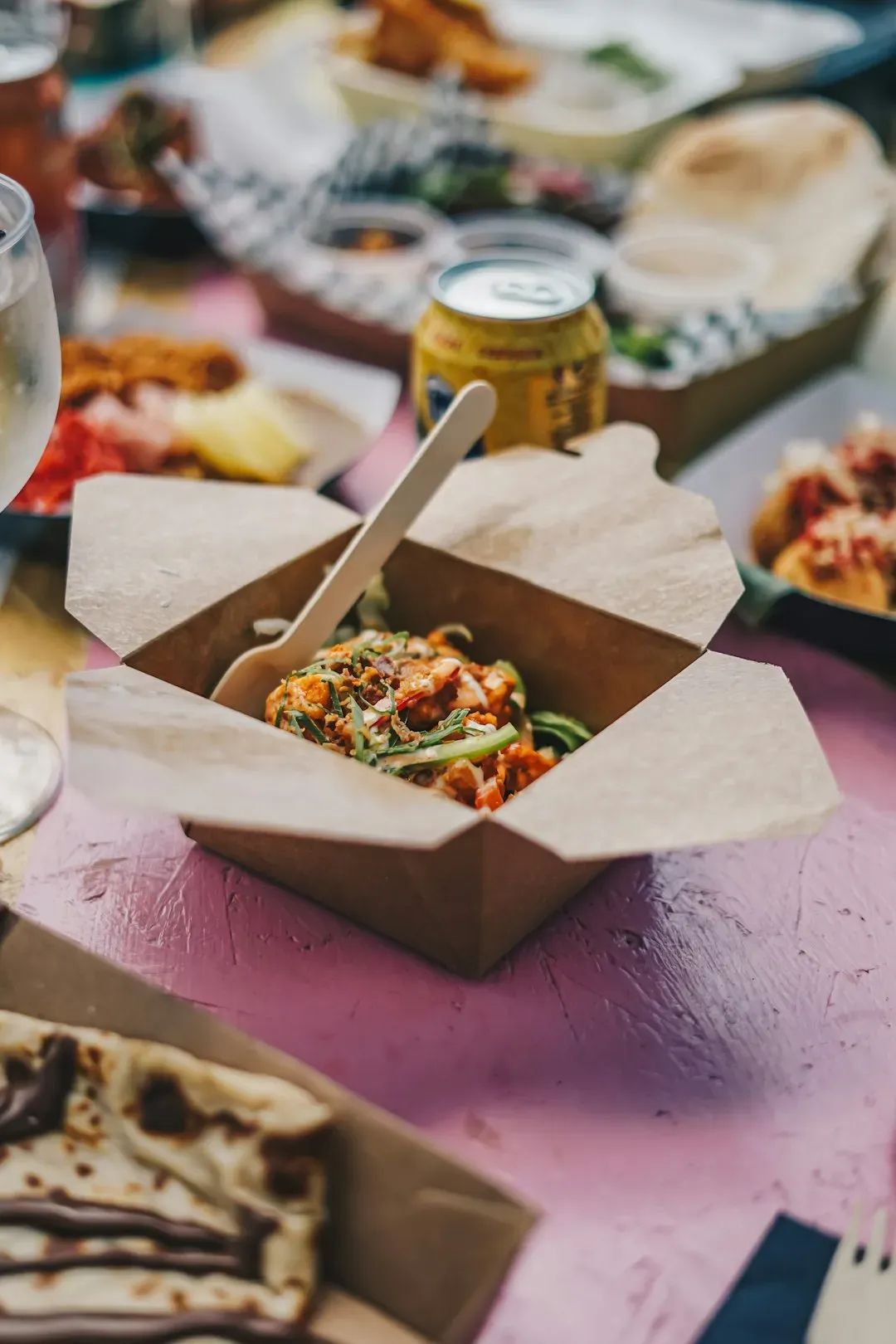
Containers are the biggest piece of the packaging puzzle. Burbank’s ordinance, effective January 1, 2026, prohibits food service businesses from using non recyclable or non compostable foodware. Businesses must provide non black, recyclable or compostable, PFAS free foodware for takeout customers.
There’s a catch worth knowing. Even compostable plastic items aren’t accepted in many local compost programs, so what a container is made of only helps if local systems can actually process it.
Phasing Out Foam and Single Use Plastic Bags
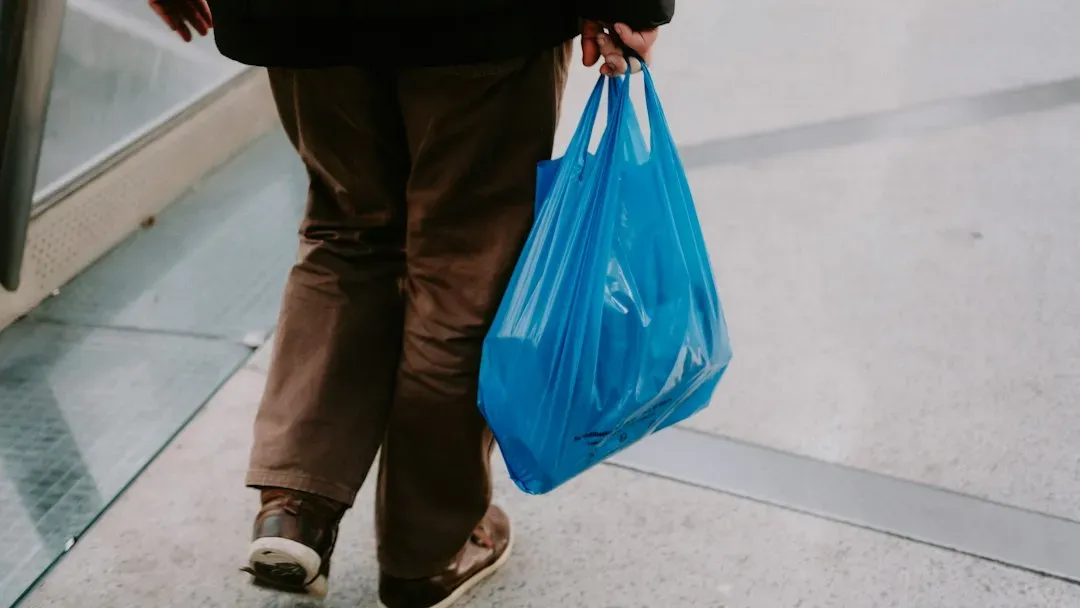
Some of the older rules are still doing steady work. New Jersey has barred grocery stores and food service businesses, among others, from dispensing single use plastic bags and some polystyrene foam packaging since May 2022. Restaurants there have had a few years to adjust.
Skip the stuff bills are now part of a broader toolkit. Across the U.S., they sit alongside bans on foam containers and plastic bag restrictions and fees.
Dropping PFAS Treated Packaging
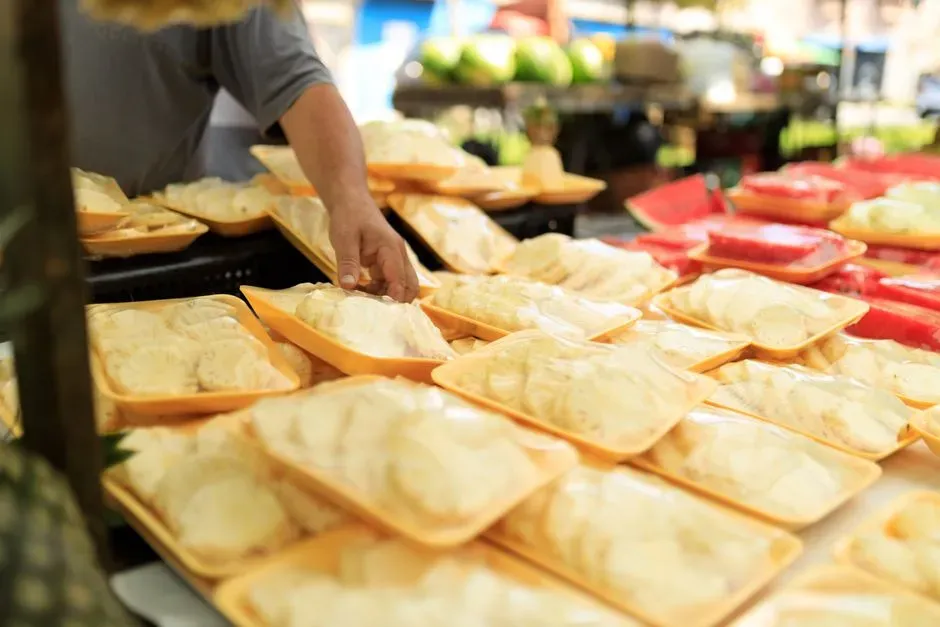
Greaseproof wrappers and molded fiber bowls have often relied on PFAS coatings. Colorado, Connecticut, Maine, Minnesota, Vermont, and Washington put new PFAS disclosure and prohibition requirements into effect on January 1, 2026, covering food packaging in many cases.
More is coming. New Hampshire has enacted a PFAS ban, including for food packaging, that takes effect January 1, 2027. Restaurants that switch early avoid scrambling when their state’s deadline arrives.
Using Education Campaigns and Fines to Make Habits Stick
Rules work better when customers understand them. New Jersey’s law calls for an education campaign of roughly six months to explain the financial and environmental benefits of using fewer disposable utensils and condiment packets. School cafeterias, healthcare facilities, and correctional facilities are exempt.
Enforcement is gradual. After an earlier offense, a second violation brings a $100 fine, rising to $250 for later ones. That money goes into a state fund for litter pickup, recycling grants, and graffiti removal. Other states are following. Colorado’s Senate Bill 26-146 is pitched as a way to cut waste and litter and to save restaurants money on utensils, napkins, straws, and condiment packets. One caution: systematic data on how these laws affect operations is limited because they’re so new.

- 9 Wildfire-Season Routines Many California Residents Follow - November 10, 2026
- Most US states face earthquake risk as major fault lines span the country - November 10, 2026
- The Joplin Tornado of 2011 Killed 158 People and Led to New Warning Language - November 10, 2026
