


- The Real Reason This California City Keeps Making Every ‘Most Expensive to Insure’ List - November 13, 2026
- The Space Mission Mistake That Almost Changed History – and How the Crew Recovered - November 13, 2026
- The 7 Planets and Moons Scientists Say Would Be the Most Livable for Humans - November 13, 2026
Ask a grandparent about an incoming storm and they may point to a knee. The belief that joints can sense rain is one of the most durable bits of everyday folk wisdom.
Researchers have been testing it for decades, with surprisingly mixed results. The answer depends on which joint, which weather variable, and which person you ask.
Why the Belief Is So Widespread
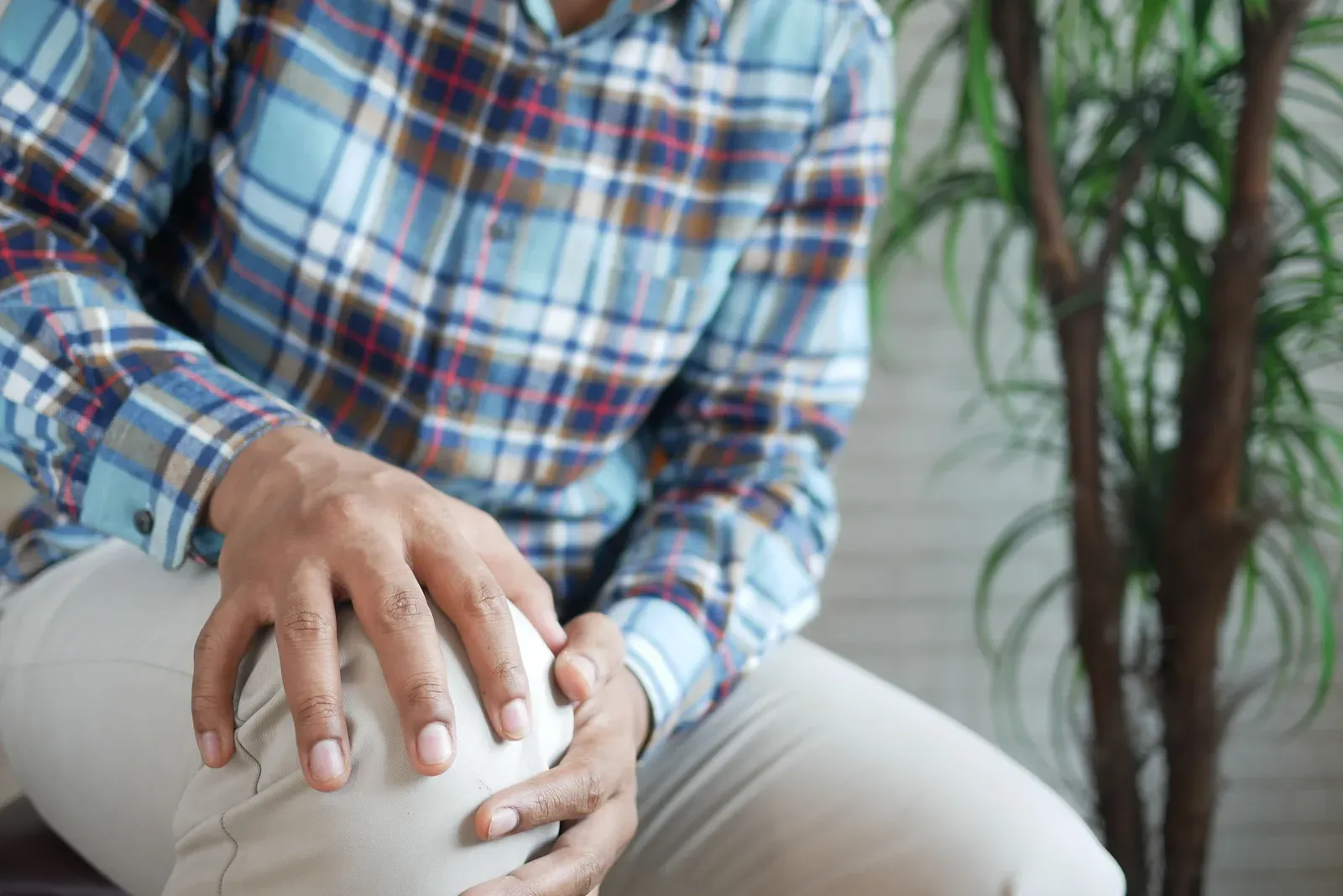
Weather sensitivity is common among people with joint conditions. One survey of 712 osteoarthritis patients found that 69 percent reported weather sensitive joint pain, which is roughly seven in ten.
That figure comes from self reports, so it shows how people feel rather than proving cause. Still, a belief this common has given scientists plenty of reason to look closer.
The Big UK Study on Humidity, Wind and Pressure

One of the best known projects is the citizen science effort called Cloudy with a Chance of Pain. It found that people with conditions such as arthritis were more likely to report pain on days with higher humidity, stronger winds and lower barometric pressure.
Participants logged symptoms on a phone app, and the entries were matched against local weather data. That design allowed a very large sample, though it relied on voluntary reporting.
What Falling Pressure May Do

The favorite explanation involves barometric pressure, which usually drops before a storm. Lower pressure is thought to let muscles, tendons and other tissues around joints expand slightly. That expansion could press on the joint capsule and nearby nerves.
It’s a tidy idea, but it remains a hypothesis. Even the UK project reported only a modest link between falling pressure and joint pain, along with big individual differences.
Earlier Knee Research

Before the app era, smaller studies had already hinted at a connection. A 2007 study in the American Journal of Medicine found a slight but significant link between dropping barometric pressure and more knee pain in people with osteoarthritis.
The word slight matters here. The pattern has not been seen consistently across all joint conditions.
Humidity and Dampness
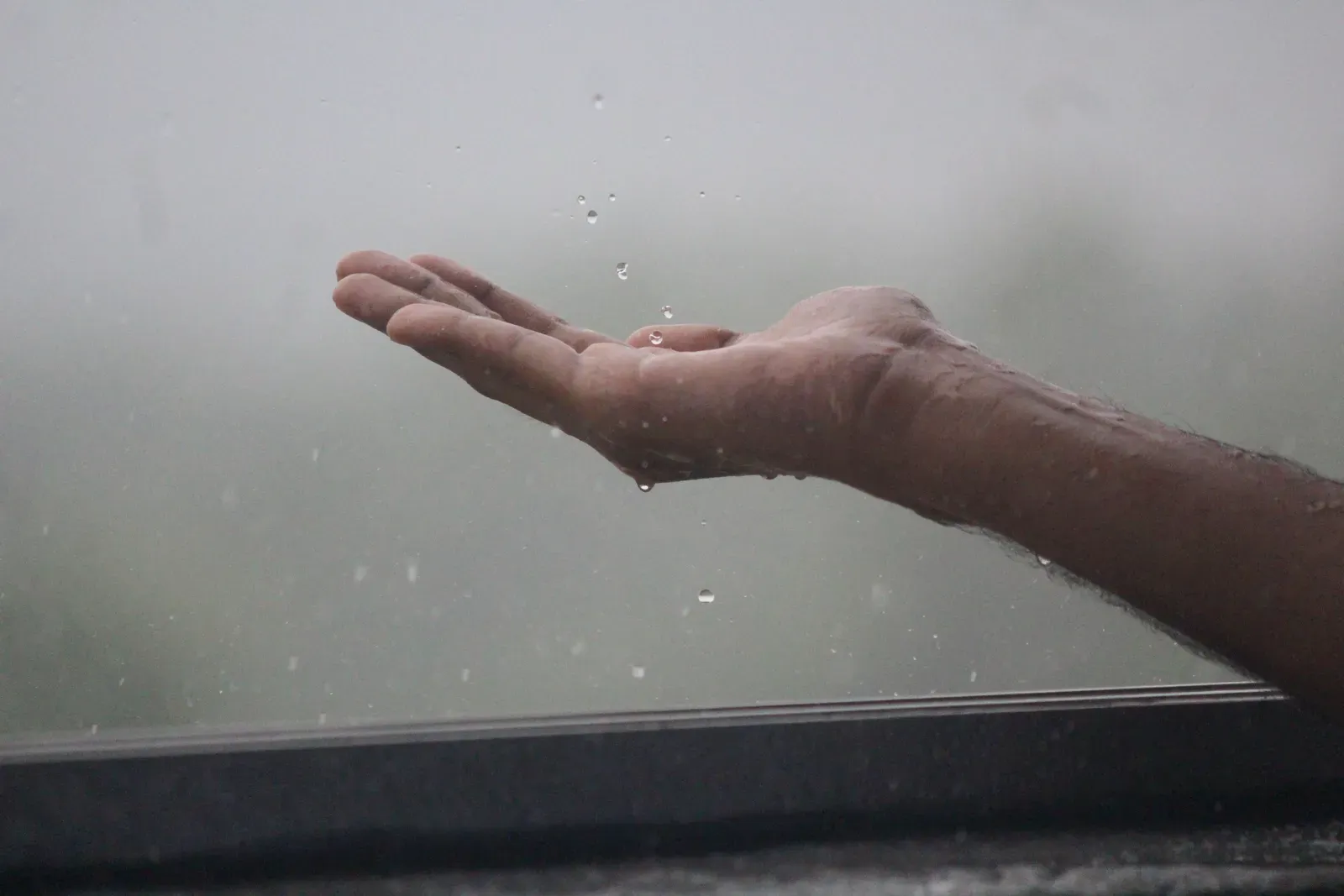
Rain usually arrives with damp air, so humidity is a natural suspect. Research on adults aged 65 to 85 with osteoarthritis linked high humidity, on a single day and across a three day stretch, to more joint pain.
A recent review in the medical literature points the same way for knees. It reported that higher humidity or dampness may worsen pain in knee osteoarthritis, while extremes of temperature and humidity were tied to more gout attacks.
When Findings Point the Other Way
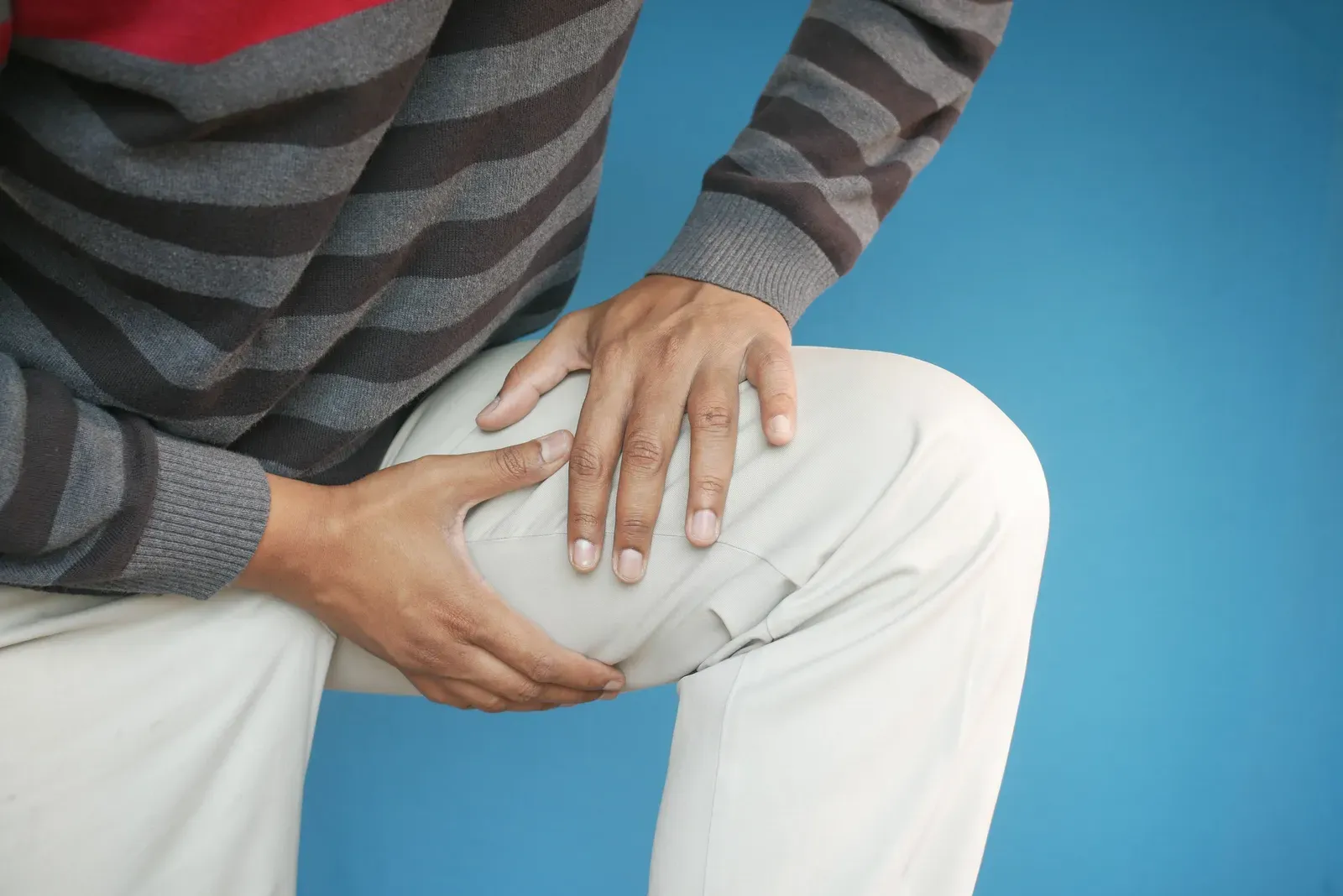
Not every study agrees on direction. A Dutch cohort of people with hip osteoarthritis reported more pain and stiffness when barometric pressure and humidity rose, not when they fell.
Such results complicate the simple storm story. They suggest that sudden change, rather than a particular direction, might matter for some people.
Newer Work on Hands and Knees

Studies keep appearing. A 2025 paper in Osteoarthritis and Cartilage Open looked at hand osteoarthritis in a Paris cohort. It compared symptoms with temperature, humidity and barometric pressure measured in the 72 hours before patients joined the cohort.
Another study of older adults with knee osteoarthritis measured people in both winter and summer. It found significant effects of season and time of day on pain and stiffness. Time of day is a reminder that weather isn’t the only thing shifting through the day.
