


- Top 6 Countries With the Most Extreme Temperature Swings - September 23, 2026
- The Snowbird Backlash: Why Ski Towns Are Pushing Back on Winter Tourists - September 23, 2026
- 11 Ways Different Generations Have Adapted Their Homes to the Weather - September 23, 2026
Summer vacation planning usually starts with sunscreen and swimsuits, not shoreline data. Still, a growing pile of research from climate scientists, coastal geologists, and federal agencies suggests that some of America’s most beloved beach towns are quietly disappearing, grain by grain, storm by storm. The sand that photographs so well on Instagram may not be there in the same shape a decade from now, and in a few places, the change is already visible to anyone who visits two summers in a row.
Before booking that beachfront rental, it’s worth knowing which coastal towns are showing the clearest warning signs. These aren’t scare stories pulled from nowhere. They’re built on erosion modeling, satellite imagery, and on-the-ground reporting from 2024 through 2026, the years when several of these towns started making headlines for the wrong reasons.
Clearwater Beach, Florida
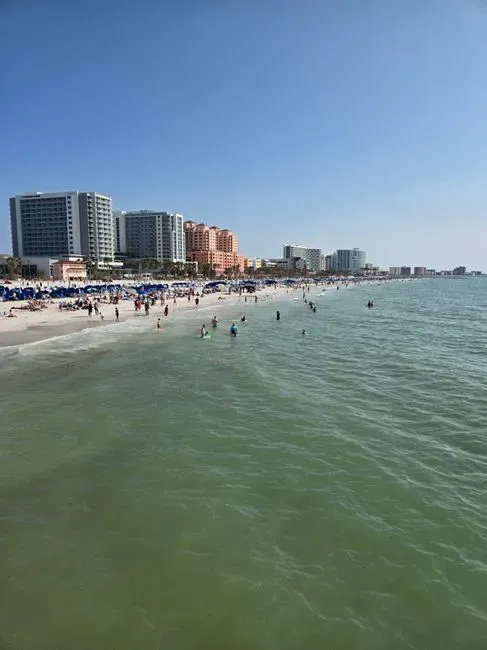
Clearwater Beach sits at the top of recent erosion risk rankings, and the numbers behind that ranking are hard to ignore. Clearwater Beach, Florida is projected to lose 202.77 meters of shoreline, affecting an area with 116,528 residents. That’s a staggering projected retreat for a town whose entire identity, and economy, is built around its wide, powdery sand.
Part of the problem is geography. The Gulf of Mexico coastline in Florida, Louisiana, and Texas faces some of the worst coastal erosion, partly due to the shoreline’s flatter topography. Flat coastlines don’t have much elevation to fall back on when seas rise or storms surge, which means even modest changes in water level translate into big losses of usable beach. Clearwater has leaned heavily on sand renourishment for years, but that’s an expensive fix that only buys time.
Coronado Beach, California
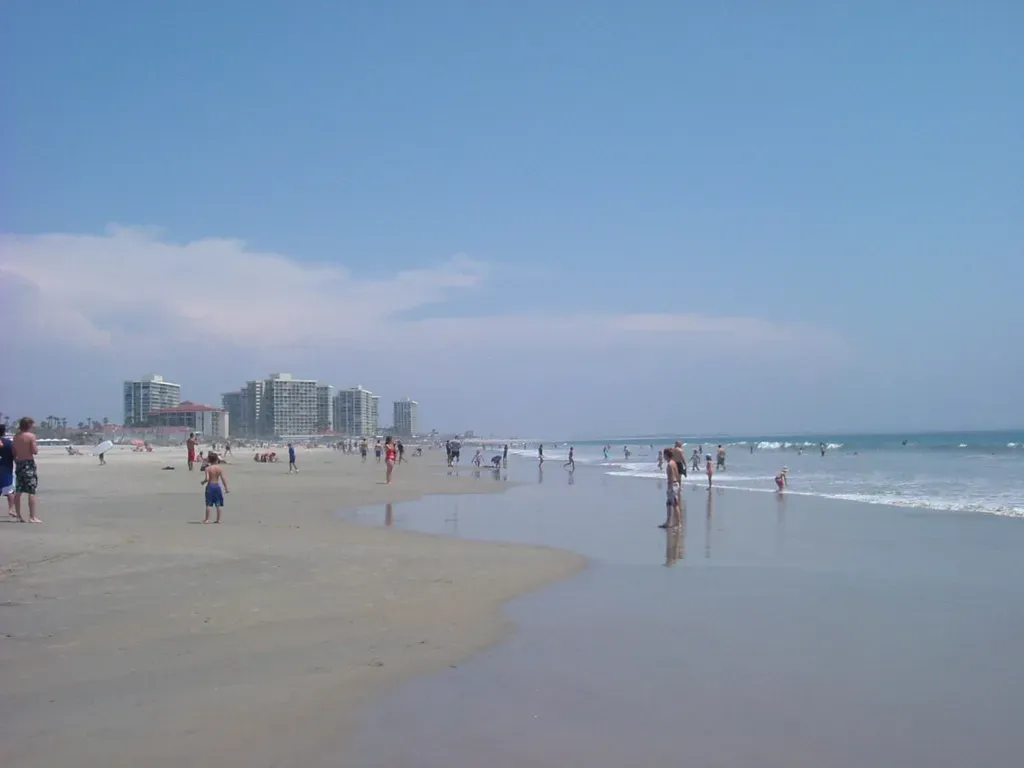
On the opposite coast, Coronado Beach near San Diego is facing its own reckoning. Coronado Beach, California is projected to lose 129.35 meters of shoreline, in an area home to roughly 18,628 residents. For a small, tightly packed community that draws visitors specifically for its postcard-perfect beach, that’s a significant chunk of real estate to lose.
California’s coastline overall is under serious stress. More than half of America’s sandy beaches will be lost by 2100 due to climate-driven sea level rise, with that number reaching 70 percent in California. Development compounds the natural pressure. Rampant private development in idyllic coastal areas continues encroaching on eroding beaches, contributing to what is known as “coastal squeeze,” where buildings, roads and seawalls block a beach’s natural inland migration and it gradually narrows, erodes, or disappears altogether. Coronado’s low-lying, densely built shoreline is a textbook example of that squeeze.
Malibu, California
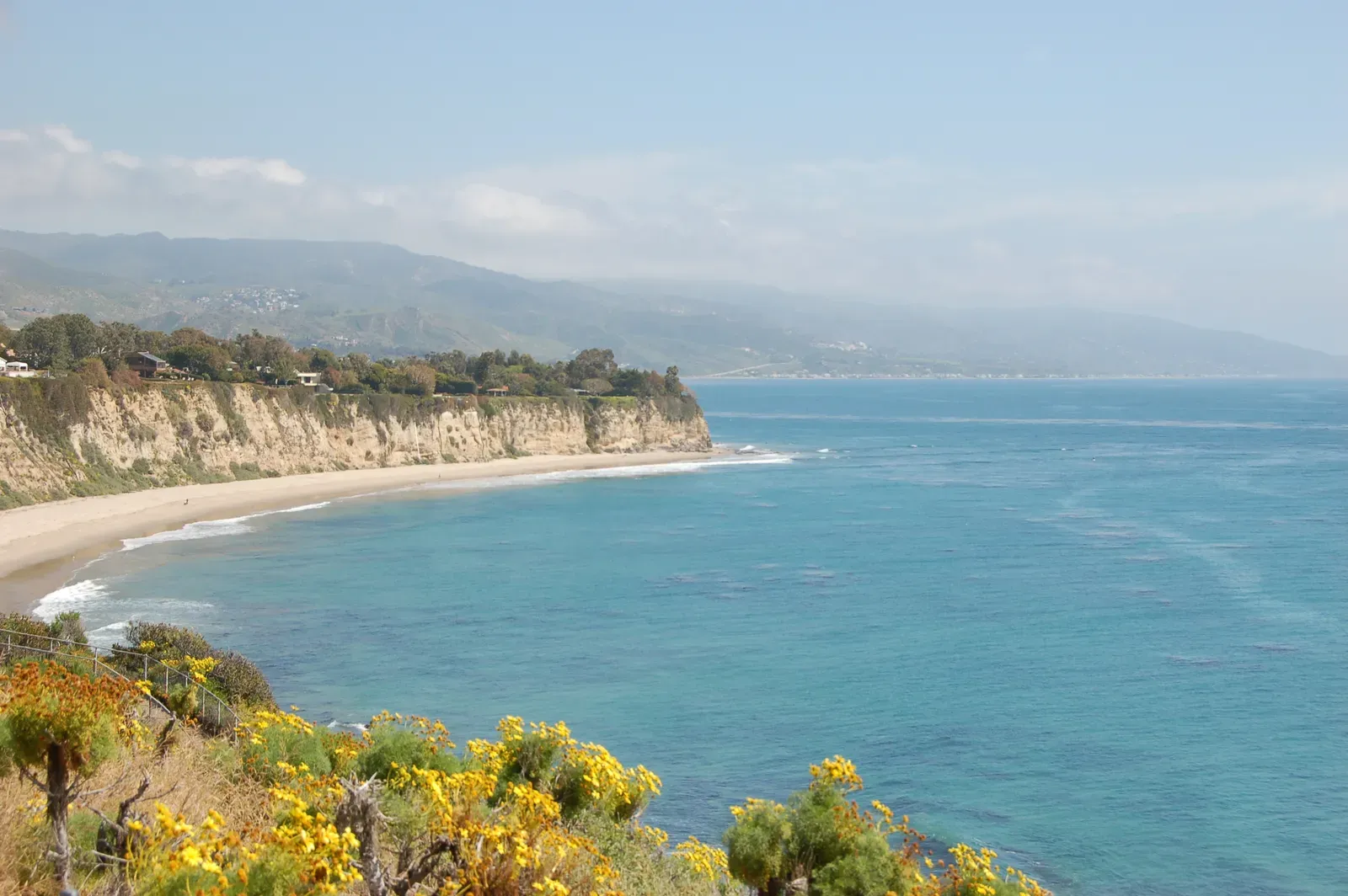
Malibu’s cliffs and beaches have been in the news for years, but 2026 gave the town a particularly rough stretch. Malibu, California is projected to lose 112.11 meters of shoreline, affecting an area with around 10,045 residents. The projection isn’t theoretical anymore. Recent storm activity has already carved into the town’s famous coastline in dramatic fashion.
In September 2026, powerful swells linked to a passing hurricane caused real damage along the Malibu coast. In Malibu, 31 properties were placed under evacuation orders after erosion and powerful waves contributed to a sinkhole outside a home, with the hole expanding to about 30 feet deep and 60 feet wide, damaging the roadway and limiting access for emergency vehicles, while seven properties were declared unsafe and 24 others lost safe vehicle access. Events like that aren’t isolated incidents anymore; they’re becoming part of the seasonal rhythm along this stretch of coast.
Destin, Florida
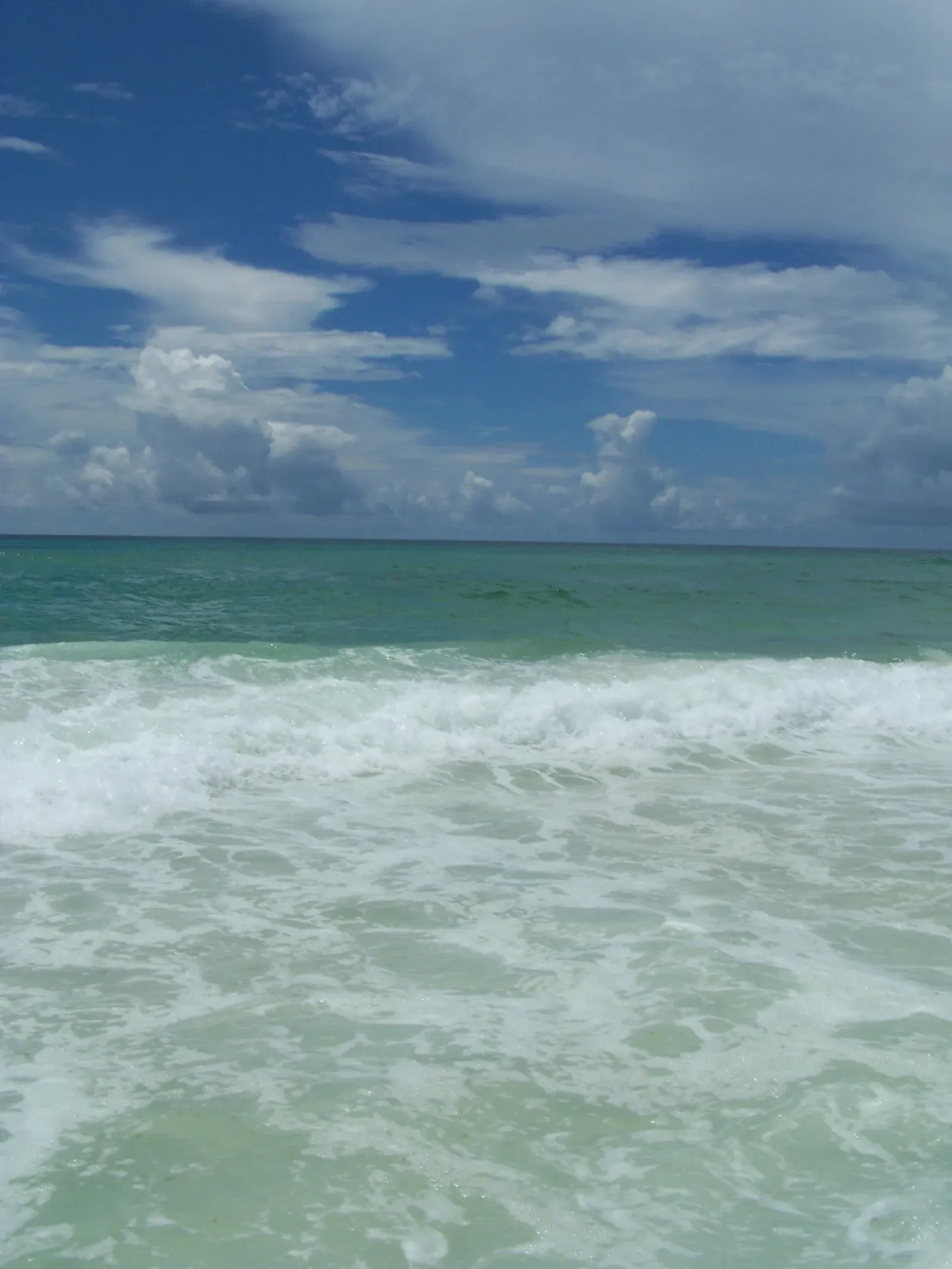
Destin, long marketed as one of the prettiest beach towns on the Gulf Coast, tops at least one recent ranking of the most vulnerable beaches in the country. Destin, Florida tops the list of beaches most vulnerable to coastal erosion, projected to lose 99.56 meters of shoreline. That’s a meaningful bite out of a beach that draws millions of tourists each year specifically for its sugar-white sand.
The broader Gulf region shares Destin’s exposure, and the trend lines aren’t encouraging. Climate scientists studying sandy beaches worldwide have found similarly grim patterns. Ambient trends in shoreline dynamics, combined with coastal recession driven by sea level rise, could result in the near extinction of almost half of the world’s sandy beaches by the end of the century. Destin’s popularity, ironically, adds more pressure, since heavier tourism development along the shore limits the natural sand movement that would otherwise help beaches recover on their own.
The Outer Banks, North Carolina
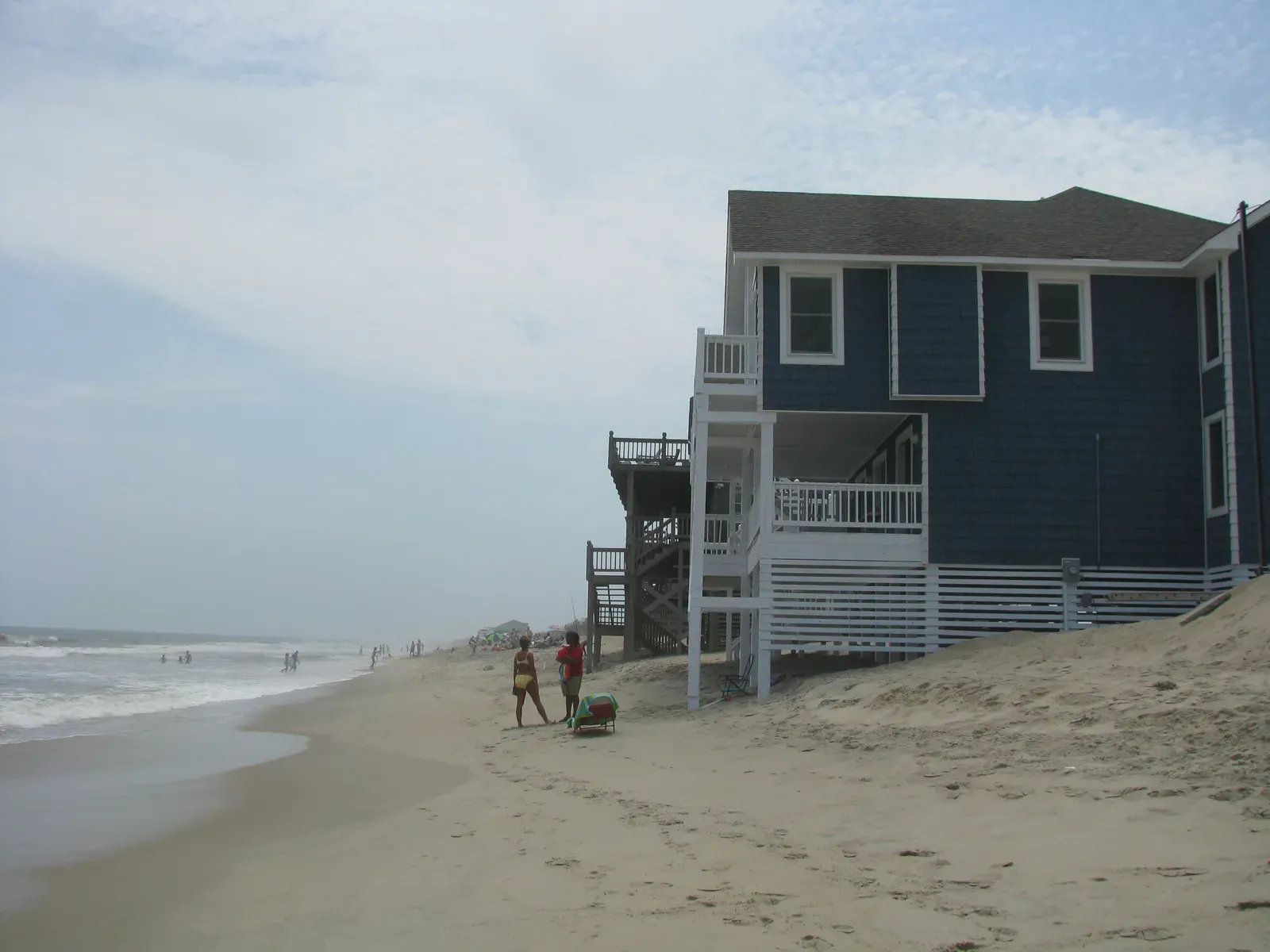
Few places illustrate the stakes of coastal erosion more vividly than North Carolina’s Outer Banks, where entire houses have literally fallen into the sea. Twelve beachfront houses in North Carolina have collapsed into the ocean in the last five years due to erosion. That’s not a projection or a model output. It’s a documented, repeated event happening along a single stretch of barrier islands.
Experts who study the region say the situation is unlikely to improve on its own. Orrin Pilkey, an expert on beach erosion and emeritus professor of geology at Duke University, has said that erosion is even worse for barrier islands, noting that only one of North Carolina’s barrier islands is not eroding today. Barrier islands like those making up the Outer Banks are naturally shifting landforms, but decades of development have left homes and infrastructure stranded in the path of that shift rather than able to move with it.
Why This Is Happening Faster Than Expected
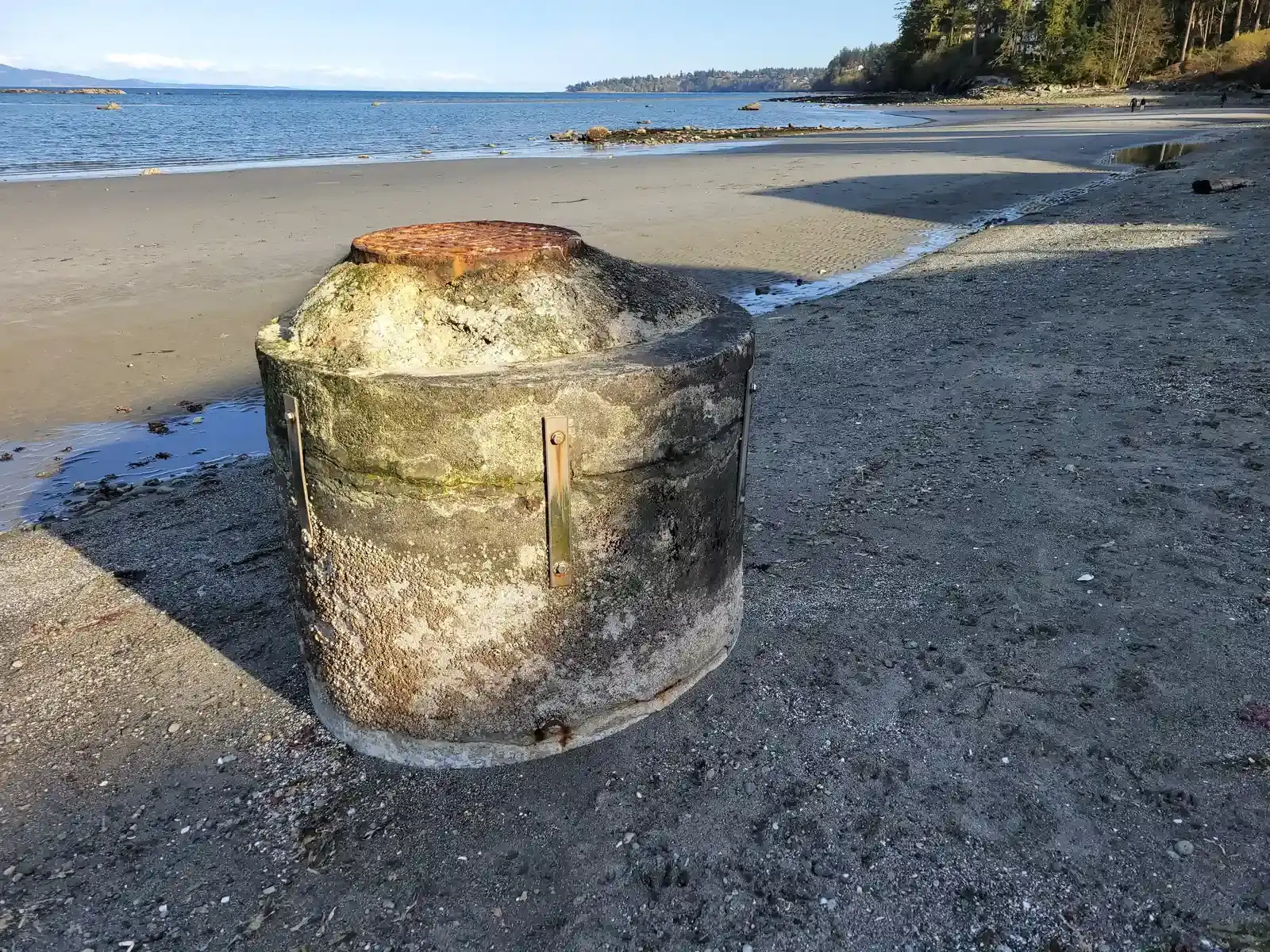
The common thread across all five towns isn’t just rising seas, it’s the combination of sea level rise, stronger storms, and human development that traps beaches in place. The rate of global sea level rise is accelerating, with high-tide flooding along the U.S. coastline now 300 to over 900 percent more frequent than it was 50 years ago. That kind of frequency multiplier means the “once in a decade” flood events of the past are becoming ordinary occurrences.
Human infrastructure often makes things worse rather than better. Many regions now lack natural sediment supply because rivers carry less sand as upstream dams trap material, while coastal structures prevent sand movement, weakening the natural cycle that maintains beach width, so that without sediment renewal, beaches narrow and cannot return to previous states. In plain terms, the seawalls and jetties built to protect beachfront property often starve the beach in front of them of the very sand it needs to survive.
What Coastal Communities Are Doing About It
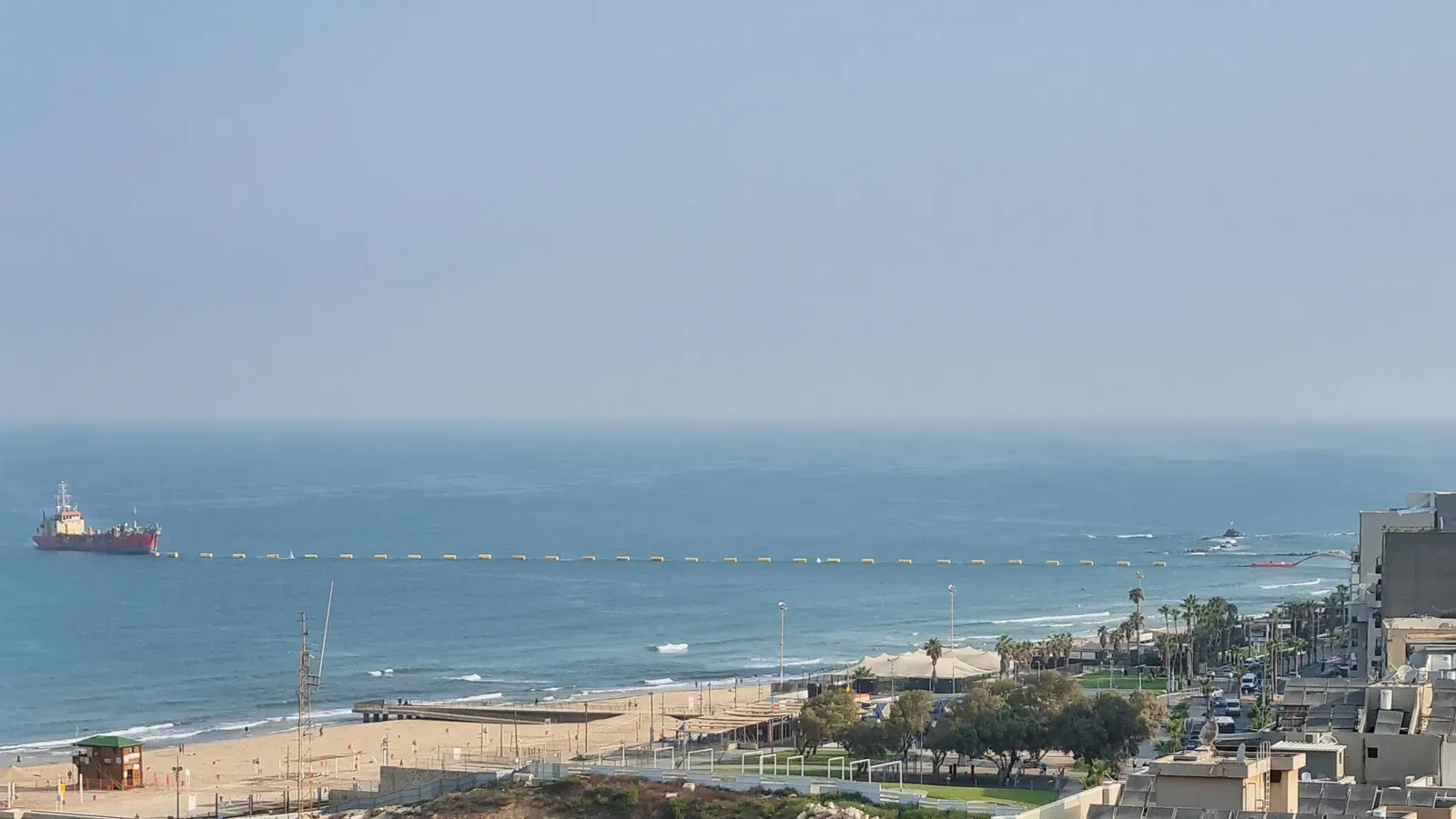
None of these towns are simply watching the sand disappear without a fight. Beach nourishment, the practice of trucking or pumping in new sand, remains the most common defense, though it’s an expensive and temporary one. The federal government spends an average of 150 million dollars every year on beach nourishment and other shoreline erosion control measures. That’s a substantial national commitment, yet it’s often not enough to keep pace with the losses in the hardest-hit towns.
Funding uncertainty adds another layer of risk for vacationers hoping their favorite beach town bounces back quickly. Along the Jersey Shore, for instance, officials have been openly worried about federal support drying up right when it’s needed most. The New Jersey Department of Environmental Protection has said it’s ready to fund scheduled beach renourishment projects but warns that emergency work isn’t possible without federal dollars, with costs topping 73 million dollars for recent projects. When budget lines get contested in Washington, the sand that visitors expect to see on their next trip can end up caught in the middle.
Final Thoughts Before You Pack Your Bags
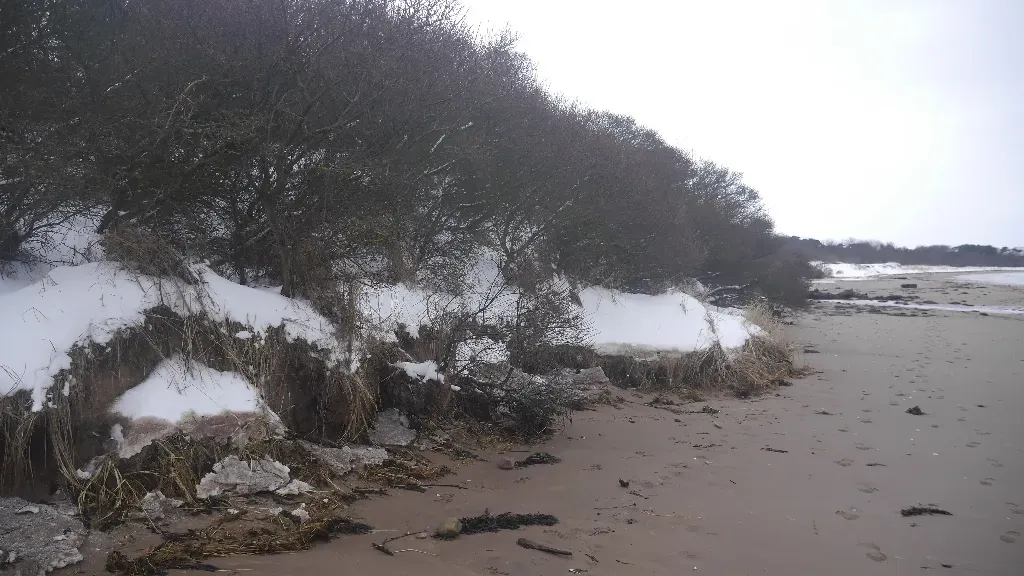
None of this means these towns are about to vanish overnight, or that a beach vacation to Clearwater, Coronado, Malibu, Destin, or the Outer Banks is off the table this year. It does mean travelers should adjust expectations, check recent storm and erosion news before booking beachfront property, and maybe hold off on assuming the beach will look exactly the same as it did in old vacation photos.
Coastal erosion isn’t a distant, abstract threat for these five towns anymore. It’s showing up in red-tagged homes, emergency declarations, and shrinking sand year after year. The coastline that drew millions of visitors in the first place is the same one now quietly, and sometimes dramatically, redrawing itself.
