


- The Planet Where It Rains Liquid Glass – 7 Alien Worlds Defying Known Physics - November 14, 2026
- Stars Consuming Entire Worlds – 6 Planetary Systems Swallowing Their Own Worlds - November 14, 2026
- The Ground Liquefies Like Water – 6 Silent Fault Lines Geologists Watch Closely - November 14, 2026
It’s the middle of a bitter night, and something hits the house with a bang. The windows might rattle, and the dog is suddenly wide awake. Nothing is broken, and nobody is at the door.
For many people in cold regions, this is how a frost quake announces itself. The event is real and well documented, though it’s still not fully understood. Here’s what’s known about it.
What a Frost Quake Actually Is
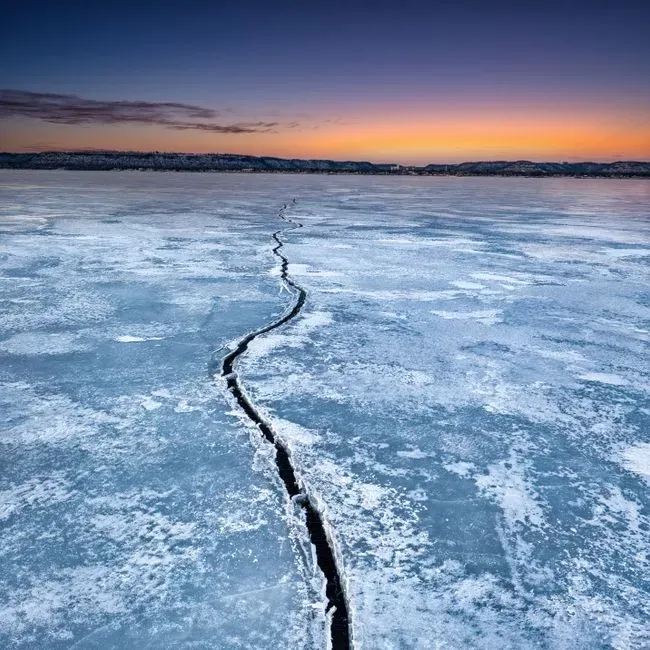
A cryoseism, also called an ice quake or frost quake, is a seismic event caused by a sudden cracking action in frozen soil or rock saturated with water or ice. The name sounds dramatic, but the cause is ordinary physics. Water freezes, and ice takes up more room than liquid water.
These events aren’t true earthquakes caused by shifting tectonic plates. Nothing deep in the crust is slipping. The action happens close to the surface, in the top layers of soil and rock.
Why the Ground Booms
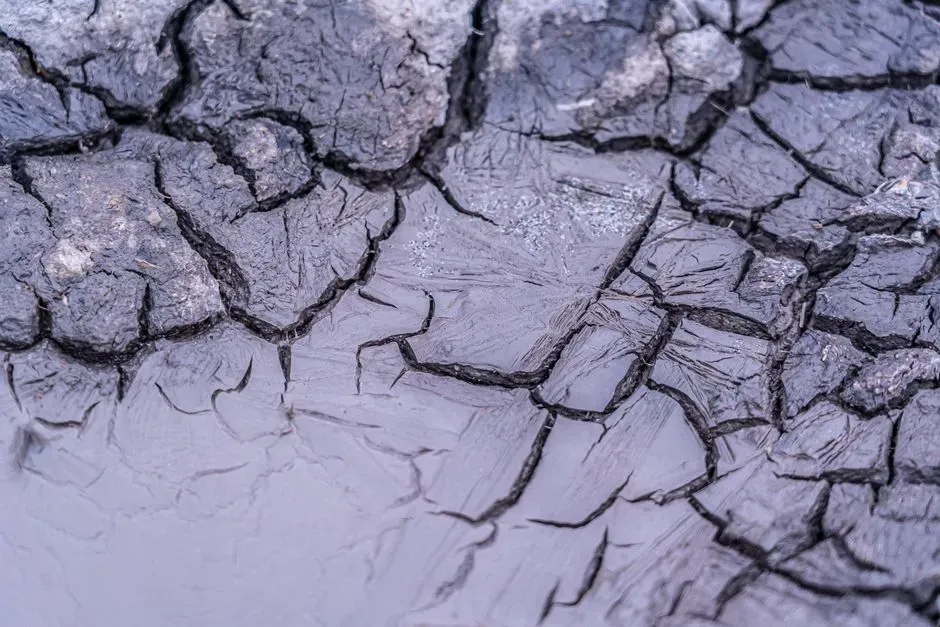
As water drains into the ground, it may freeze and expand under colder temperatures, putting stress on its surroundings. That stress builds until it’s relieved explosively as a cryoseism.
Britannica describes the process as freezing that starts at the surface and moves downward. Ice near the surface hinders the release of pressure in the rock and frozen soil below, and the pressure can increase until the material fractures. The sudden release of energy can produce audible booms and seismic waves that seismographs may record.
The Weather Recipe
Timing matters more than raw cold. Frost quakes typically happen in the first cold snap of the year, when temperatures fall from above freezing to well below zero. A rapid temperature drop in a short time, with air at or below freezing, is the trigger.
Moisture is the other ingredient. Very cold air has to meet soil that’s saturated after recent rain or snow. The severity of the cracking depends on how much water is present.
Why Bare Ground Makes It More Likely
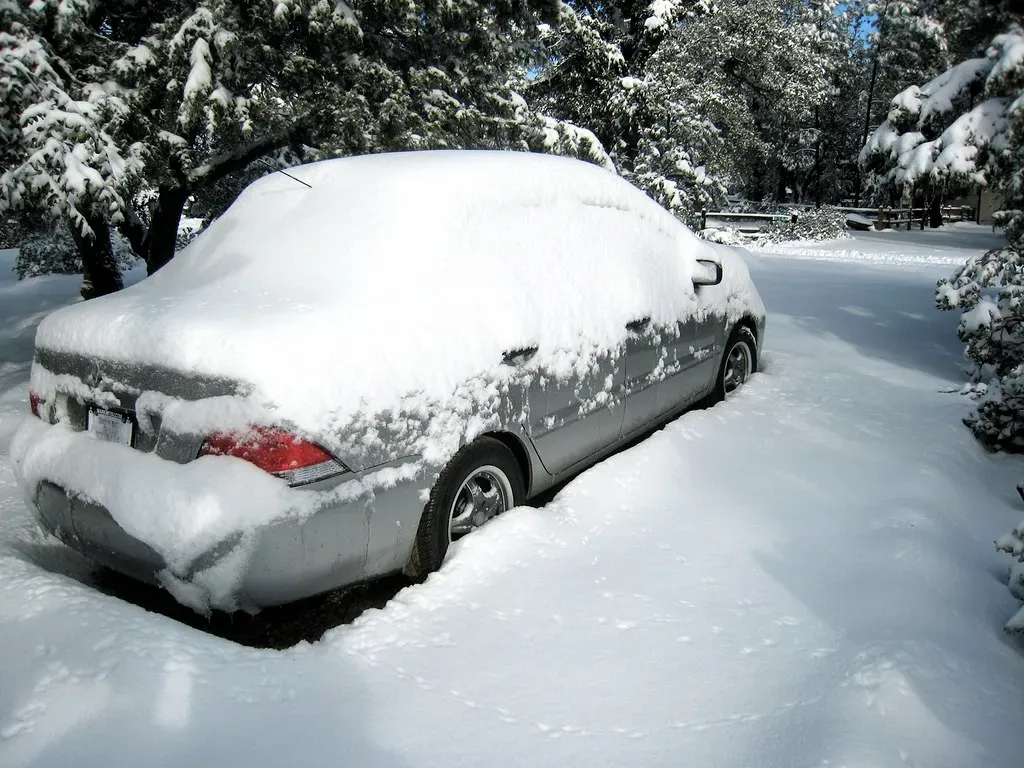
Snow works like a blanket. Most frost quakes happen with minor snow cover, less than about six inches, which isn’t enough to insulate the ground. Without that layer, the soil surface can freeze fast.
The Maine Geological Survey says cryoseisms are triggered when the top layer of moist soil freezes quickly, typically between midnight and dawn, especially with little snow cover. That helps explain why so many reports come from the small hours of the night.
What People Hear and Feel
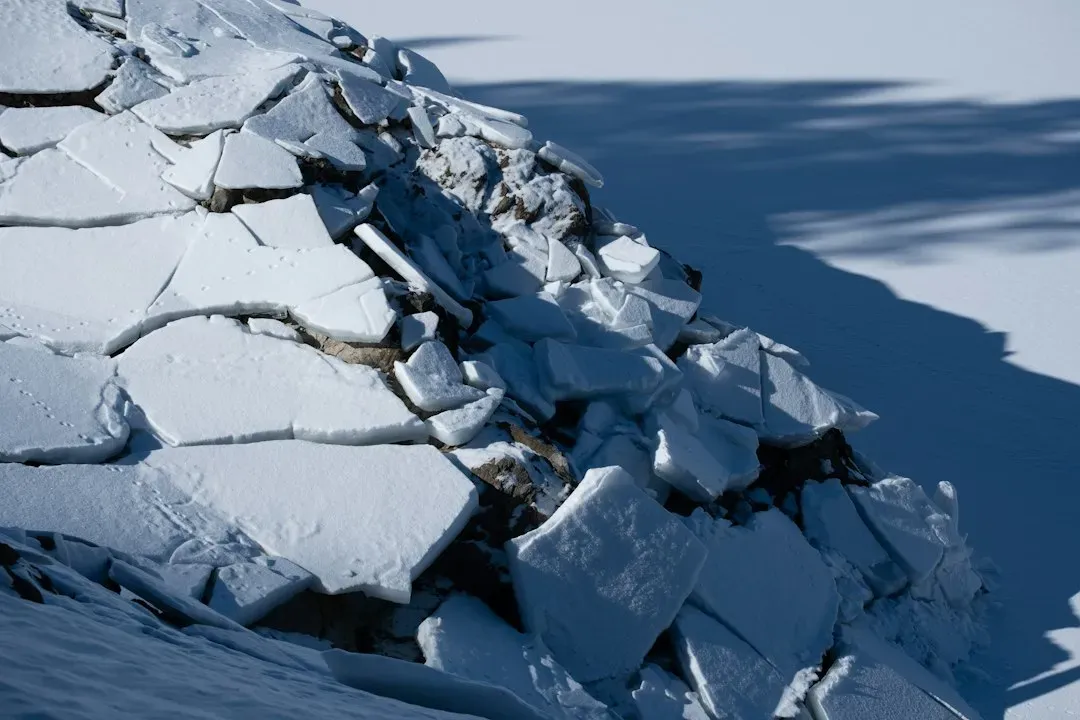
Descriptions are surprisingly consistent. People report a sound like an explosion, or like something hitting their house. Some feel a jolt or a rumble underfoot as well.
If the cracking is big enough, it can cause shaking and a loud boom, so frost quakes are often mistaken for minor earthquakes. The vibrations can startle residents but are rarely, if ever, strong enough to cause damage.
Where They Happen
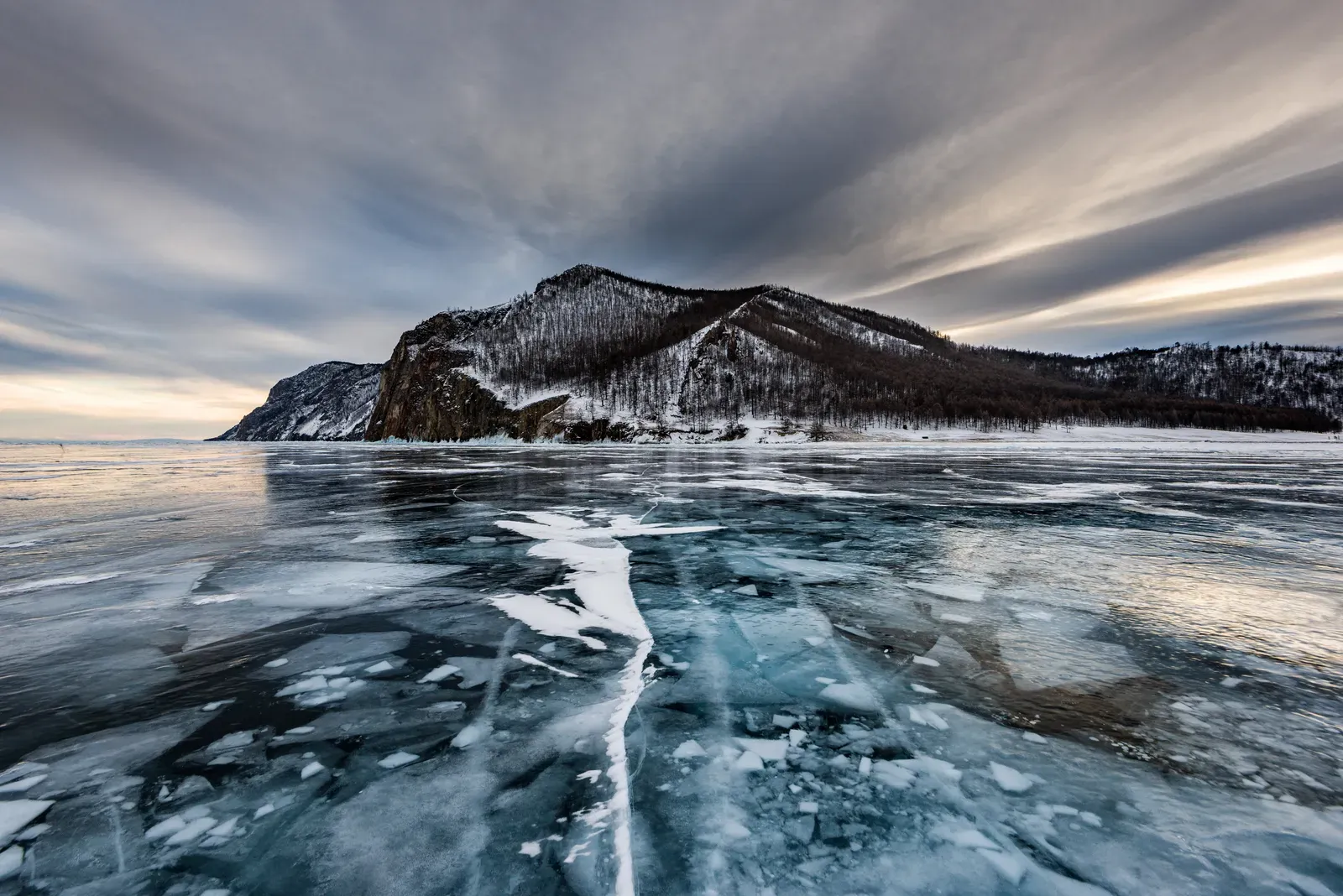
Frost quakes turn up wherever the weather can swing hard. In Canada they occur especially along the Great Lakes and St. Lawrence corridor, where winter temperatures can shift very rapidly. They’ve been reported in Ontario, Quebec, Alberta and the Maritime Provinces.
The United States has its share too. In one Tennessee event, temperatures dropped more than 20 °F by midnight, and thousands of Tennesseans, along with part of southern Kentucky, felt frost quakes. The February 2023 cryoseisms in northern New England are another example of a rare event covering more than a county or two.
Cracks in the Ground and Hard to Find Evidence
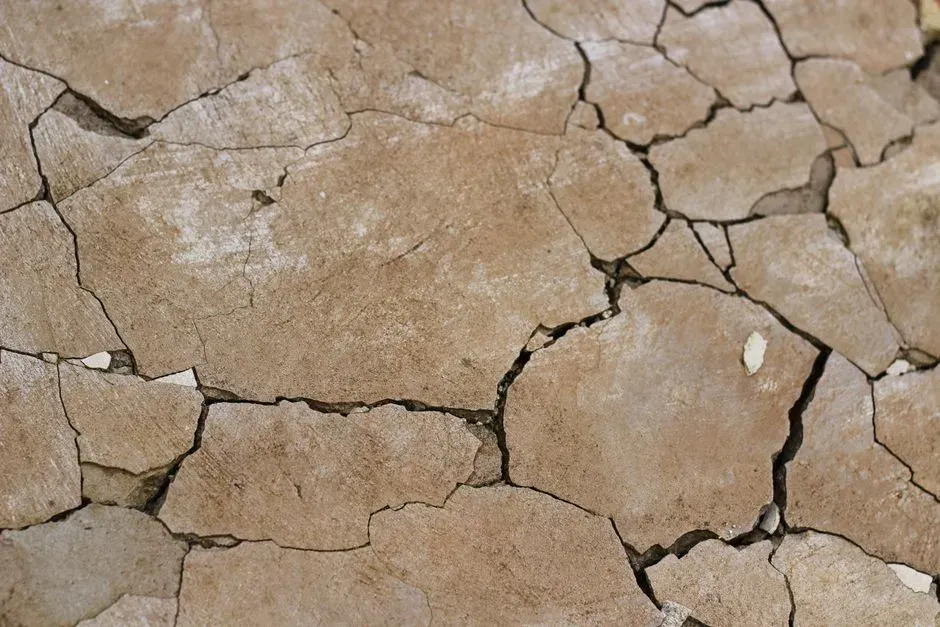
Sometimes there’s a visible clue. A few cases in the northeastern U.S. have turned up a small crack in the ground where the cryoseism occurred. The cracks seem to form when the ground contracts rapidly in the sudden cold and splits apart.
Most of the time, nobody finds anything. The cracks are small, may be some distance from where the event was felt, and can be covered by snow or healed by the spring thaw. That’s one reason the phenomenon has been so hard to study.
What Research Shows So Far
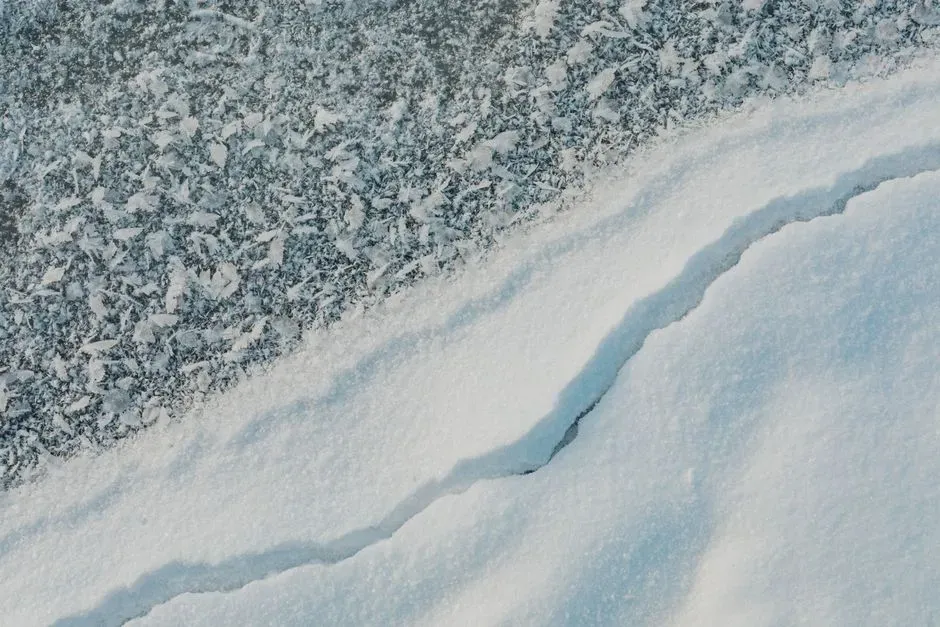
Data remains thin. Because cryoseisms occur haphazardly and their effects are minor, there isn’t much scientific data, though the weather combination seems to matter more than the local geology. The events are so small that seismic equipment can miss them, and even scientists can struggle to tell them from mild, harmless earthquakes.
Newer instruments are helping. A study in Finland used high resolution seismic tools and found two kinds of events, frost quakes and frost tremors, both linked to rapid temperature drops and mostly tied to ice fracturing. That kind of monitoring may eventually give a clearer picture.
