


- How Astronauts Eat, Sleep, and Live in Zero Gravity - May 19, 2026
- The Mysterious Origins of the Moon - May 19, 2026
- Astronomers Find Impossible Atmosphere Around Mysterious Solar System Object - May 19, 2026
There’s a particular kind of shock that comes from opening your utility bill after a home renovation you felt good about. You did the research, bought the efficient gear, made the green choice – and then a number appears on your screen that makes no obvious sense. For a growing number of homeowners who’ve gone through full home electrification, that moment is startlingly common.
The experience is almost universal enough to have its own Reddit thread: swap out every gas appliance, plug everything into the grid, and watch the electric bill swell to something unrecognizable. The reasons are real, layered, and often completely predictable in hindsight. Understanding them doesn’t just explain the bill – it shows you how to fix it.
You Didn’t Spend More. You Just Moved It All to One Bill.
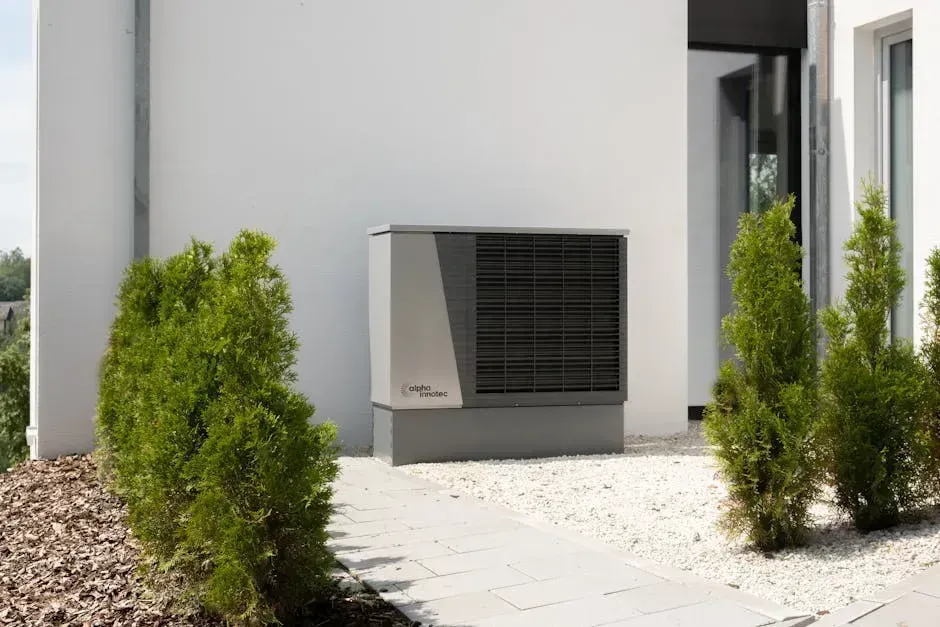
Before a heat pump, your home used two fuel sources: electricity for cooling, lights, and basic appliances, plus gas or propane for heating. You got two bills. After switching to electric, you’re running heating and cooling on electricity – meaning one bill now absorbs the work that two bills used to share.
This is the central confusion that trips up homeowners most often. When someone posts online that their electric bill doubled after a heat pump install, the first question should always be: what happened to your gas bill? In most cases, the gas bill dropped to zero – or close to it. The total energy cost may have actually fallen, even though that single electric number looks alarming.
Electricity Prices Have Been Rising, Hard and Fast
Residential electricity prices have skyrocketed nearly 30% since 2021. That context matters enormously for anyone comparing today’s bills to what they were paying even three years ago. From January 2025 to January 2026, the nationwide average electricity rate rose from 15.94 cents per kWh to 17.45 cents.
In the first three quarters of 2025 alone, utility rate increase requests and approvals totaled over $34 billion nationwide, more than double the $16 billion from the same period in 2024. So even a homeowner who electrified efficiently and reduced their total energy consumption could still see a higher electric bill – not because of what they did, but because of how much the cost per unit has climbed.
Your Old Electrical Panel Wasn’t Built for This
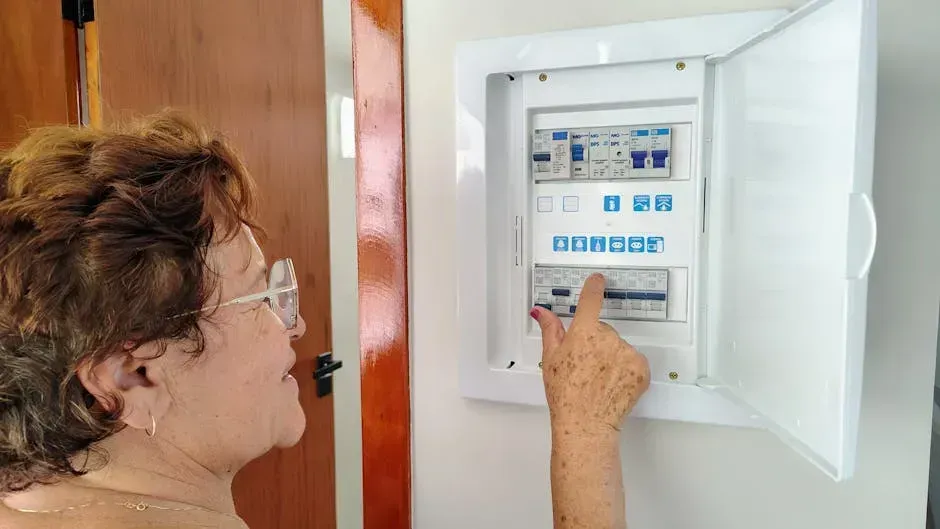
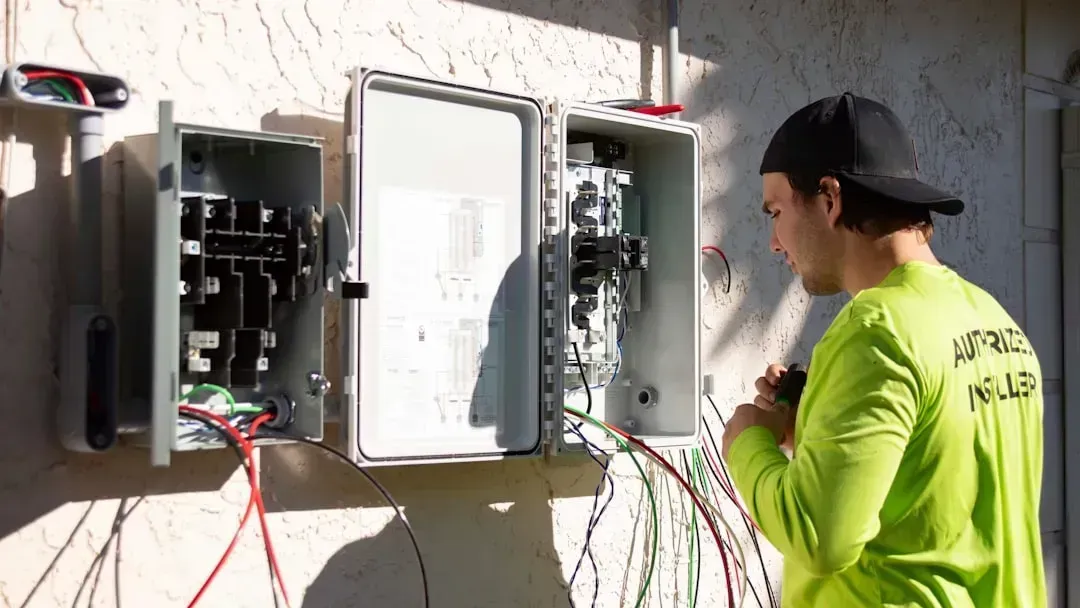
A typical 1970s or 1980s home has a 100-amp service panel – that was adequate when electric loads were limited to lighting, refrigerators, and a few appliances. Today’s all-electric home can easily require 200 to 400 amps when you add a central heat pump, heat pump water heater, induction range, and other high-draw equipment. Running all of those loads simultaneously on an undersized panel doesn’t just risk tripping breakers – it pushes the entire system harder and less efficiently.
Many homes need new wiring, larger breakers, or a full panel replacement when electrifying, and some require upgrades to the service connection to the grid. Costs rise quickly when homeowners electrify more than just heating. Customers often underestimate how complex and costly that electrical work can be. This hidden infrastructure cost is one of the most common surprises homeowners report after a full switch.
Climate Zone Changes Everything About Your Bottom Line

Climate zone has a strong influence on both construction costs and ongoing energy use costs. In colder climates, heat pumps with variable refrigerant flow rated for operation during low outdoor temperatures are needed – and these cold-climate systems cost significantly more than a standard gas furnace. Running them hard through a New England or Upper Midwest winter draws substantially more electricity than the same equipment would in a mild coastal market.
In any cold-climate U.S. state, ongoing bills are lowest with cold-climate heat pumps when adoption is accompanied by energy efficiency improvements and a favorable electricity rate plan. Without insulation upgrades and the right rate structure, even a well-installed heat pump can produce bills that feel punishing in January. The technology works – the surrounding conditions have to work with it.
The Heat Pump Water Heater Is Actually the Star of the Show
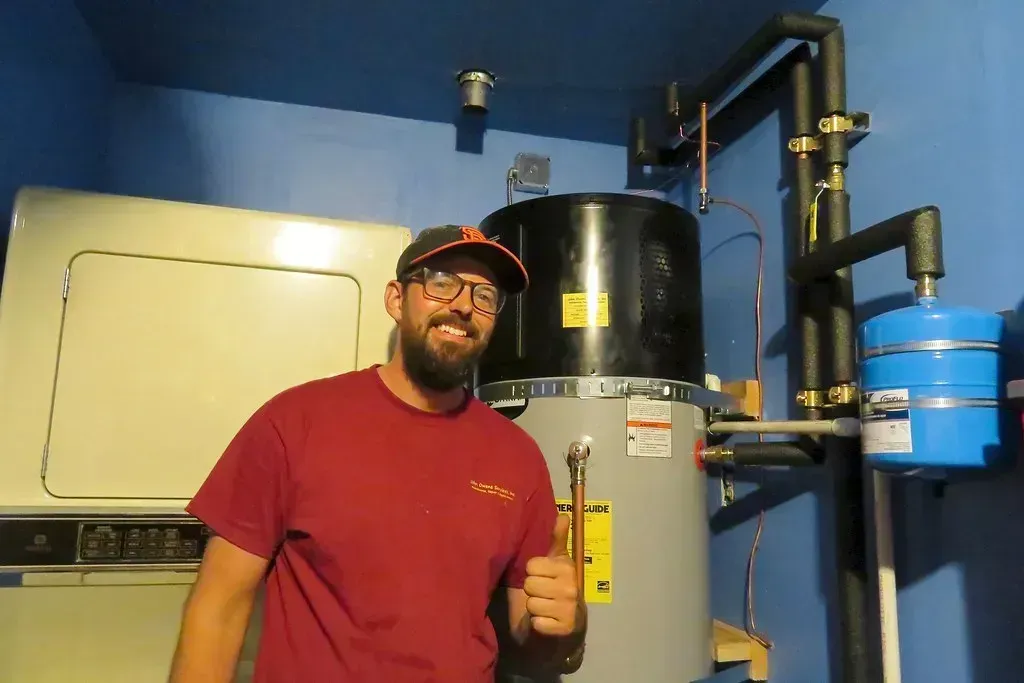
In almost all cases, a heat pump water heater will save money on the monthly utility bill, starting immediately. Because these units use existing heat instead of creating new heat, they operate at roughly 300% efficiency – compared to a maximum of about 95% for the most efficient gas tank water heaters. That’s not a typo. They move heat rather than generate it, which is a fundamentally different and far more efficient process.
Switching to a heat pump water heater can save an average of $330 per year. For a homeowner whose electric bill jumped after full electrification, the water heater is often the one appliance genuinely pulling its financial weight from day one. Around 10% of total home energy use goes to water heating, so those savings compound noticeably over a year.
Your Induction Stove and Dryer Use More Electricity Than You Expect

Your costs for switching to electric from gas for cooking and drying may rise slightly. While an induction stove is far more energy-efficient than a gas range in terms of how much heat actually reaches your food, it still draws electricity at a meaningful rate – especially if you’re cooking frequently. Induction appliances are up to three times more efficient than gas stoves, and up to 10% more efficient than conventional smooth-top electric ranges.
ENERGY STAR clothes dryers use 20% less energy than conventional models, and heat pump dryers can save 20 to 60% more energy than conventional clothes dryers. The savings are real. The problem is that when you’ve replaced five or six gas appliances at once, you lose track of which one is responsible for which slice of the bill. Every device is drawing from the same meter, and that meter doesn’t break down the charges by appliance.
Time-of-Use Rates Can Make or Break Your Math
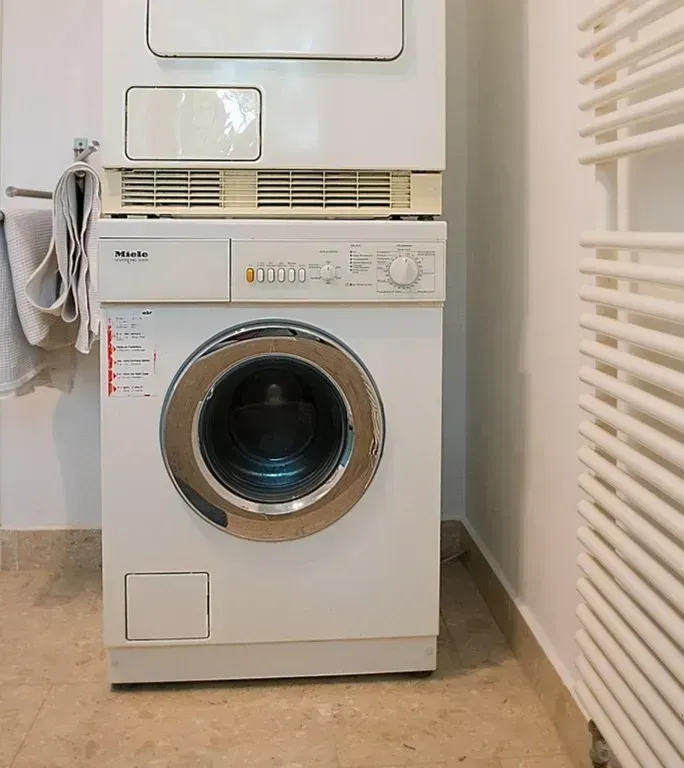
With time-of-use pricing becoming increasingly common across the United States, knowing when electricity costs the most and when it costs the least is crucial for managing monthly expenses. Some utilities now charge rates during peak evening hours that are dramatically higher than off-peak rates. In some regions, rates during on-peak hours run 2.7 times higher than off-peak rates, with summer pricing being higher still.
With a time-of-use rate plan, shifting household chores to off-peak periods can produce real savings. Running the dishwasher overnight, setting the dryer to run at midnight, scheduling the water heater to heat during cheap midday hours – none of these changes require sacrifice. They just require awareness. Heat pump-specific rate plans are best for incentivizing adoption, with winter discounts being a potentially important part of those plans.
The Total Energy Picture Looks Better Than the Electric Bill

Research has shown that an all-electric single-family scenario reduced total energy consumption by 34%, while a mixed-fuel scenario reduced energy consumption by only 9% compared to a baseline. That gap is significant. However, going all-electric can still result in higher utility bills due to the high cost of electricity compared to natural gas in many regions. These two facts can coexist – lower consumption, higher bills – and that paradox is exactly what confuses homeowners.
Home electrification will increase your electricity consumption, but could reduce your overall energy consumption. That means you’re likely to get a higher electric bill. If you’re looking to save money when you electrify, the increased electricity cost needs to be smaller than the decrease in overall energy cost. Whether it is depends heavily on your region, your insulation, your rate plan, and which appliances you replaced first.
Insulation Was the Missing Piece Nobody Mentioned at the Showroom
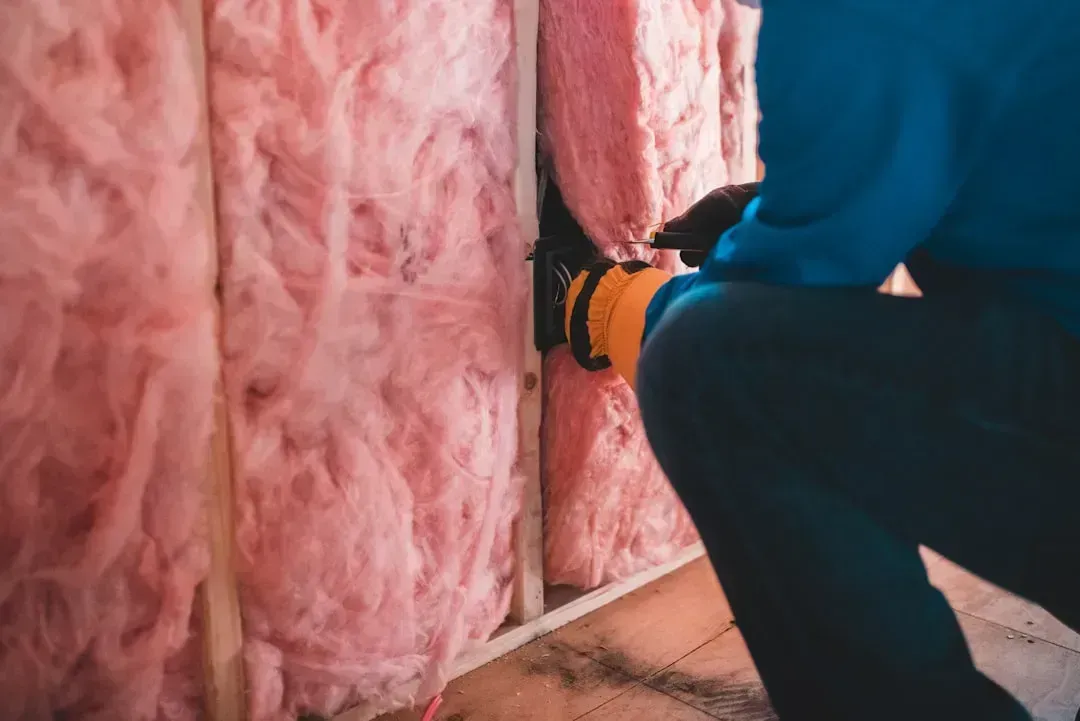
A professional home energy audit will identify drafts, poor insulation, and air leaks. The golden rule of electrification is to “reduce before you produce.” By properly weatherizing your home – sealing leaks and upgrading insulation – you ensure your home retains its internal temperature, which allows you to purchase smaller, less expensive heating and cooling systems. A heat pump fighting a drafty, poorly insulated house works harder, consumes more electricity, and delivers less comfort.
Research simulating energy bills in Minnesota, Colorado, Maine, and Connecticut found that bills varied significantly before and after electrification of home heating, depending on whether energy efficiency envelope and appliance upgrades were included alongside the switch. In other words, the heat pump alone rarely does the full job. The envelope of the house – its walls, attic, and windows – has to be part of the conversation.
Available Incentives Can Offset More Than Most Homeowners Realize

Through Home Electrification and Appliance Rebate programs, an ENERGY STAR-certified electric stove, cooktop, range, or oven may be eligible for a rebate of up to $840, and heat pump clothes dryers replacing non-electric dryers can qualify for similar support. These aren’t hypothetical numbers – they represent real federal funding channeled through state-level programs designed to lower the upfront cost of switching.
As of late 2025, electrification rebates were available in Arizona, California, Colorado, Georgia, Indiana, Maine, Michigan, New Mexico, New York, North Carolina, Rhode Island, Washington D.C., and Wisconsin, though some states have paused or delayed their programs due to uncertainty regarding federal funding. The landscape is shifting, which makes it worth checking your state’s program status before making any major purchase decisions. According to the American Council for an Energy-Efficient Economy, residential electrification can save American households a combined $96 billion through reduced energy costs if the transition is done equitably and efficiently.
