


New England: aging imports and thin margins
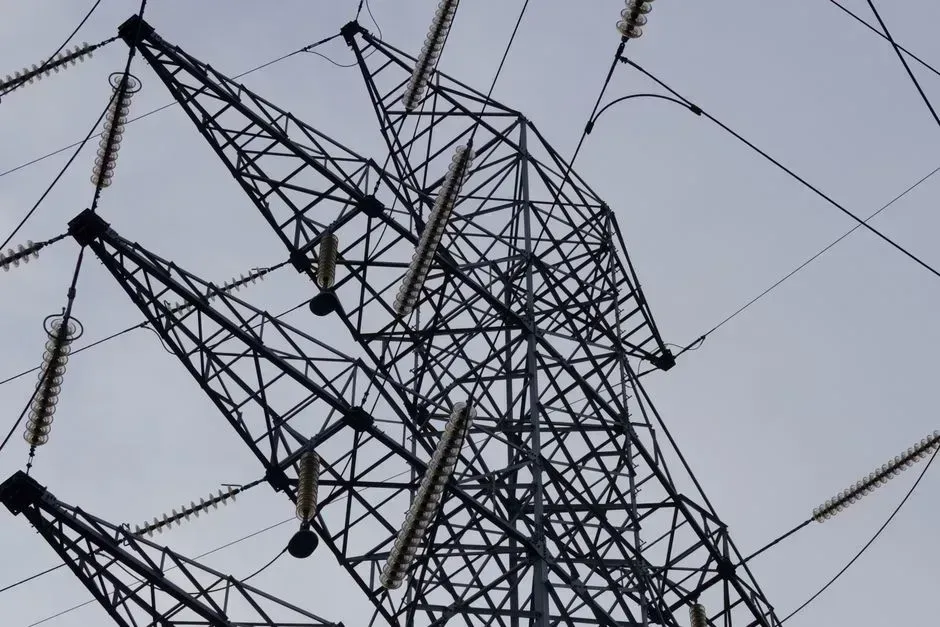
New England has landed on the list of elevated risk zones for two summers running, and the reason has more to do with contracts than weather. New England faces declining firm import commitments from neighboring systems and increased reliance on non-firm supplies during peak demand. That matters because the region has long depended on cheaper power flowing in from Canada and neighboring grids rather than building enough of its own dispatchable capacity.
During the July 2026 heat emergency, that dependency became visible in real time. ISO New England, which provides power to Massachusetts, Connecticut, Maine, New Hampshire, Rhode Island and Vermont, could also face challenges meeting demand because it imports some of its low cost electricity from Canada, and Canada was going through a significant heat wave of its own. When the exporting region is also baking in the same heat dome, the safety valve everyone counted on simply is not there.
Pacific Northwest: when the rivers run low
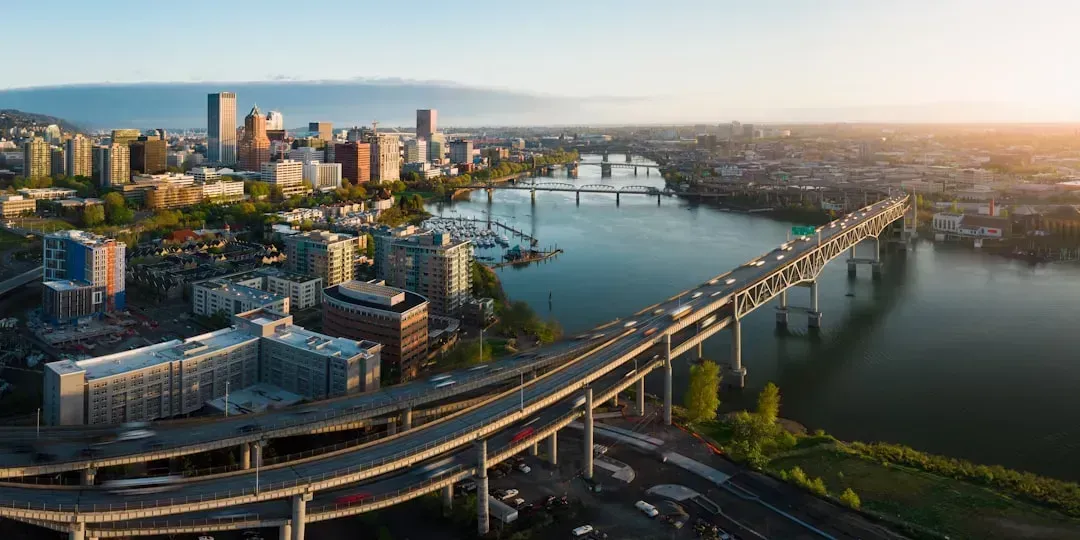
Seattle and Portland do not usually top anyone’s list of blackout risk, but 2026 has been different. The Pacific Northwest confronts drought driven hydropower reductions tied to below normal snowpack, eroding the region’s traditional reliability anchor exactly as summer heat peaks. Hydropower has always been the quiet backbone of this grid, and when the water is not there, the cushion disappears.
The numbers behind that shift are stark. WECC Northwest has elevated risk under extreme conditions, with hydropower making up 55% of the regional generation mix and Washington snow water equivalent at 52% of normal on April 1. That is roughly half the usual snowpack feeding a system that leans on melting snow for more than half its power, a combination that leaves little room for a prolonged heat event later in the season.
The Canadian Prairies: Saskatchewan’s September surprise

Saskatchewan rounds out NERC’s short list of elevated risk areas for 2026, and the timing of its exposure is unusual. The month of highest risk has shifted from June to September, when the system experiences the largest uncertainties in load and generator availability forecasts, with September risk making up over half of summer season risk within this assessment area. That is a reminder that heatwave risk does not neatly end when the calendar flips to fall.
SaskPower has already sketched out its contingency plan for a worst case scenario. In extreme conditions, it may have to use short term power transfers from neighboring utilities, maintenance rescheduling, and demand response programs to prevent energy shortfall. In practice, that means residents there could see requests to cut usage voluntarily before any forced outage would ever be considered.
West Texas: the Permian Basin’s transmission bottleneck
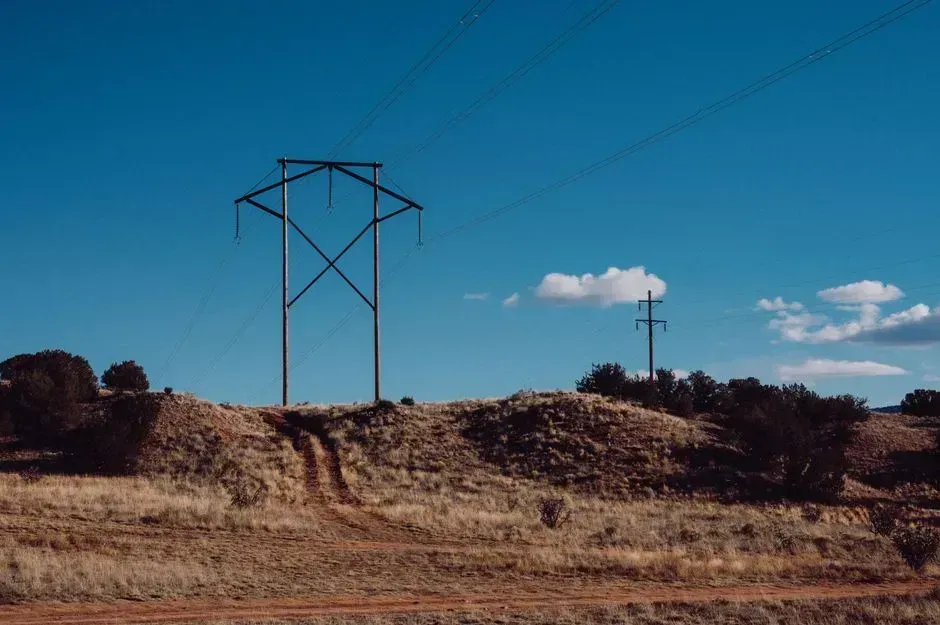
Far West Texas sits in an odd position. The broader ERCOT grid has actually improved its outlook, yet this one corner keeps showing up as a localized weak spot. While significant new transmission projects are coming to the area, load growth may occur faster than the incremental import capacity that is built, and the region still depends on importing power from the rest of ERCOT when local renewable output is low, creating a transmission bottleneck into the area.
The problem shows up most sharply after dark. During extended low wind nights, with no solar and limited wind, the area must import more power to reliably serve load, but a few key transmission lines can reach their thermal operating limits. Oil and gas operations and rapidly expanding data centers in the Permian Basin are pushing demand upward faster than the wires connecting the region to the rest of Texas can keep pace.
The Mid-Atlantic: PJM’s record demand days

PJM Interconnection, the grid operator covering roughly a third of Americans east of the Mississippi, had its own tense stretch this summer. With 160 million people in 30 states under alert for extreme temperatures, the U.S. Department of Energy declared an emergency as a heat wave bore down on a huge part of the nation’s electrical grid, directing PJM to take action to prevent blackouts. That kind of federal intervention is rare and signals just how close the margins got.
PJM’s own emergency framework spells out how close things can get before outages actually happen. EEA 1 means reserves are low, EEA 2 means the grid operator is actively deploying emergency resources, and EEA 3 means firm load interruptions, commonly called rolling blackouts, may be necessary. Most heat events stop well short of EEA 3, but the alerts themselves are worth watching if you live inside PJM territory, which stretches from Illinois to New Jersey.
Data center corridors: where new load is growing fastest
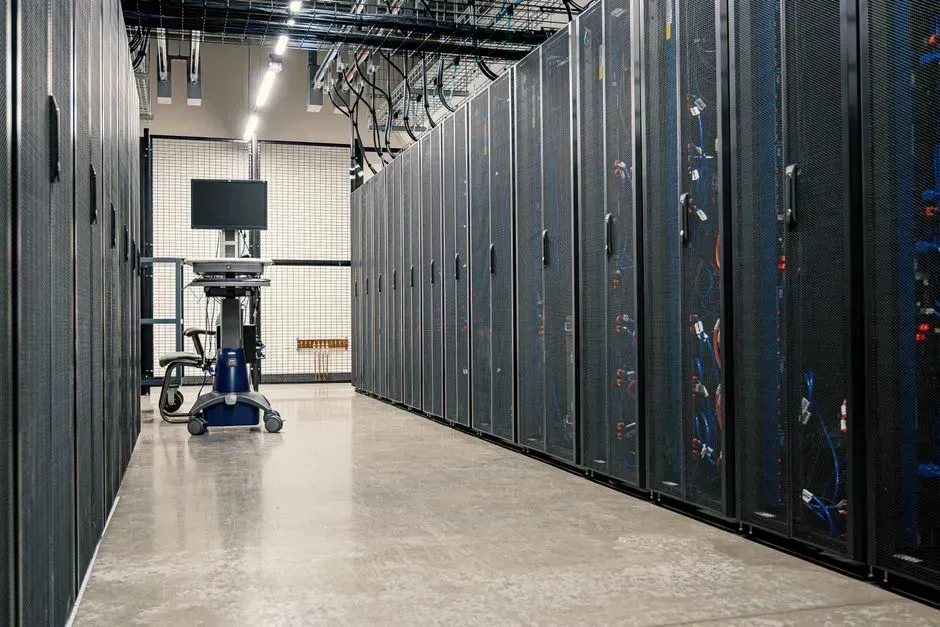
A less obvious risk factor is simply proximity to a booming data center hub. Data center load is projected to grow 25%, from 44 GW in 2025 to 55 GW in 2026, feeding directly into surging gas fired power burn this summer. Towns near these facilities, particularly in Northern Virginia, parts of Texas, and pockets of the Southeast, are seeing demand climb at a pace their local substations were never designed for.
The strain is not just about total electricity used, it is about how fast new connections are being requested. The power demands of massive data center hubs combined with widespread home electric vehicle charging are producing a consumption spike that overwhelms local substations, forcing the system to transport record shattering amounts of electricity through old transmission lines that warp and degrade under heavy, sustained loads. That combination is exactly the kind of localized failure that can cascade into something bigger during a heat event.
The silent threat of aging transformers
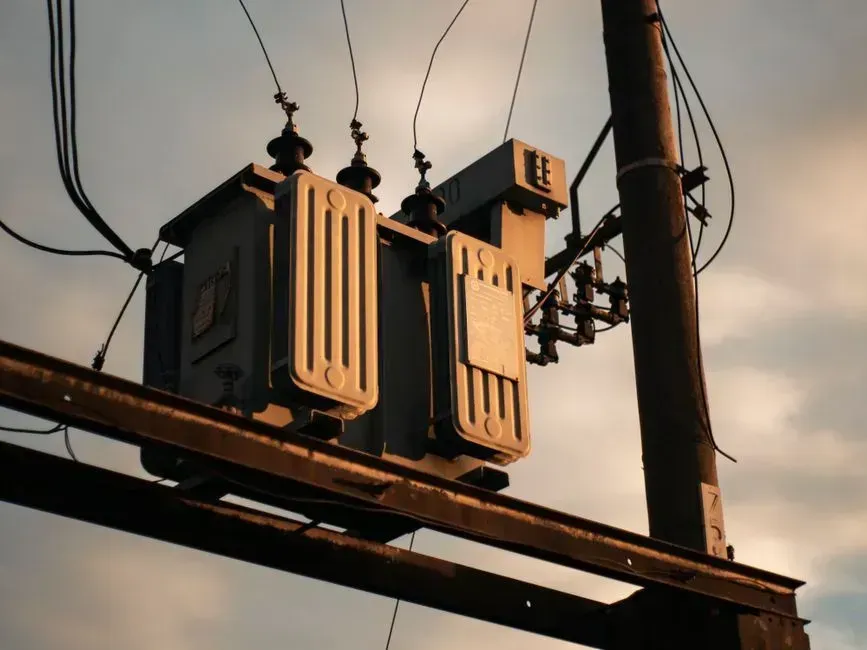
Even in regions NERC rates as low risk, the equipment carrying power to your house may be older than you think. The Department of Energy warns that more than half of distribution transformers are over 33 years old, nearing their life expectancy. A transformer failure does not care whether the surrounding grid has adequate generation, it simply takes out power to whoever is downstream.
Replacing that aging fleet has become its own bottleneck. Demand for power transformers increased by 116 percent from 2019 to 2025, with developers complaining that they have to wait more than two years for them. That means a damaged transformer during a heatwave, whether from age, overload, or storm damage, may take far longer to replace than it would have a decade ago, stretching outages from hours into days.
Fast growing suburbs outpacing the grid
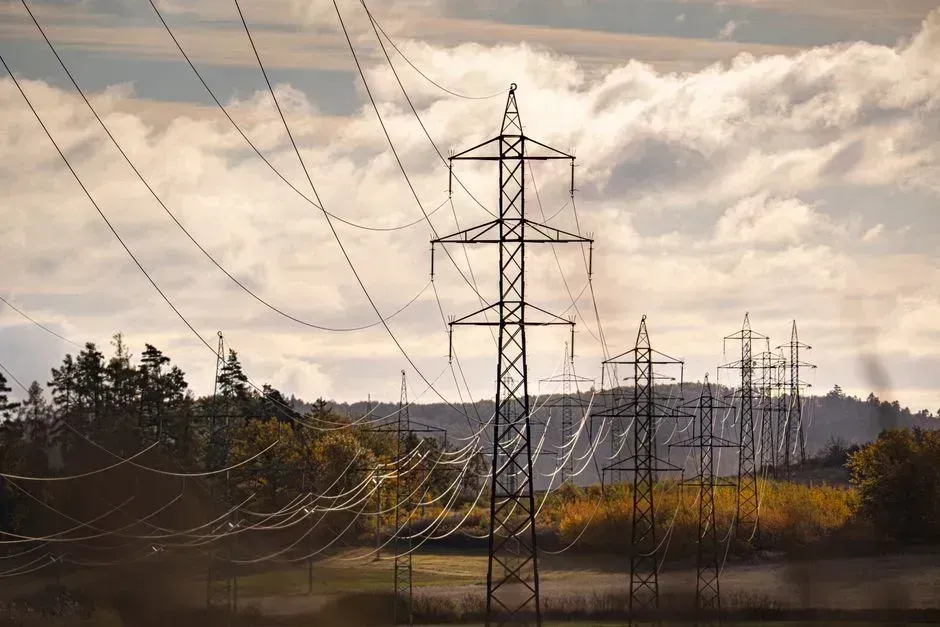
Population growth on its own can turn a comfortable grid into a strained one within a few summers. Communities across the Sun Belt and parts of the interior West have added homes, air conditioning units, and electric vehicles faster than utilities could plan new substations or transmission upgrades. This is less a story about any single storm or heat dome and more about steady, compounding demand that regulators are still trying to catch up with.
The underlying condition of American infrastructure does not help. The American Society of Civil Engineers recently gave U.S. energy infrastructure a D+ grade, and over 70% of power transformers are more than 25 years old, 60% of circuit breakers are over 30 years old, and 70% of transmission lines are beyond 25 years old. A neighborhood that grew rapidly in the past ten years may still be running on wires and substations installed for a much smaller population decades earlier.
How to check your own town’s risk level
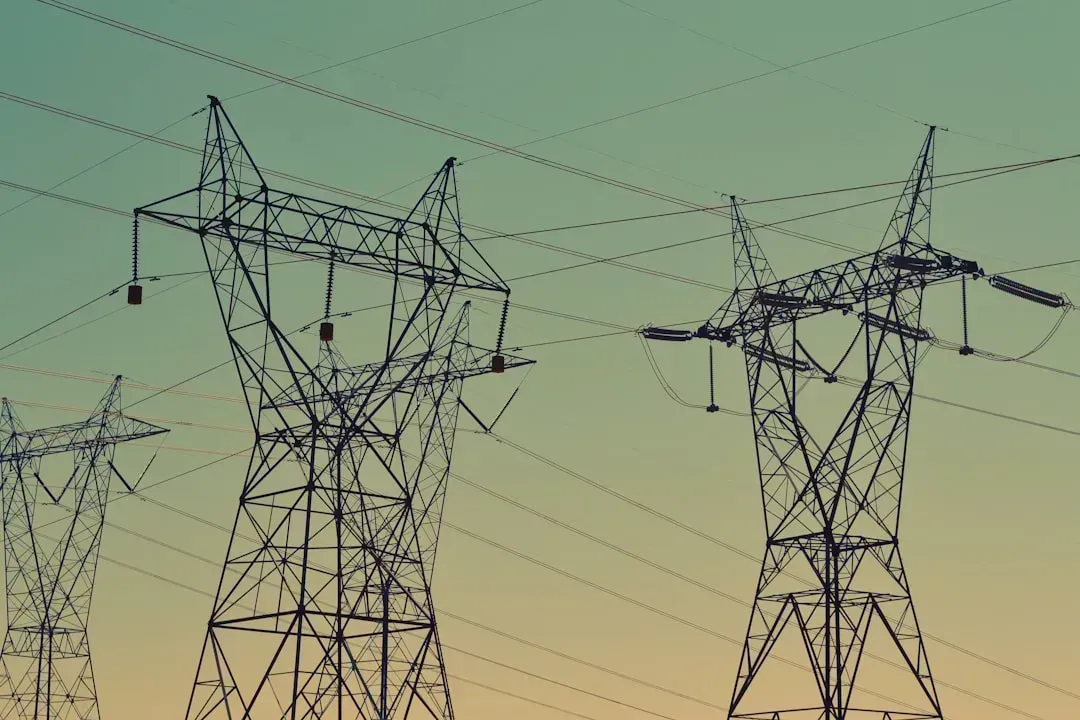
The good news is that this information is not hidden behind a paywall or buried in jargon nobody can parse. NERC publishes its Summer Reliability Assessment every spring, breaking the continent into roughly twenty assessment areas, and it is written in plain enough language that anyone can find their region and see whether it carries an elevated risk label. Your local utility’s website is usually the next best source, since most post real time outage maps and any active emergency alerts.
Independent system operators like PJM, ERCOT, and ISO New England also issue public alerts during actual heat events, using tiered language such as hot weather alerts and energy emergency alerts. A low voltage alert instructs operators to increase bulk electric system voltage to improve transfer capability across critical transmission interfaces, while a hot weather alert can remain active across an entire footprint for days. Watching for these public notices during a forecasted heat dome gives a far more accurate, real time picture than any general risk ranking can offer.
What you can do before the next heat emergency
None of this means panic is warranted, even in a flagged region. Elevated risk designations describe a possibility under extreme conditions, not a guarantee of blackouts, and most heat events in recent years have been managed without widespread outages. Still, basic preparation costs little and pays off disproportionately if your town does end up on the wrong side of a hot, still, low wind evening.
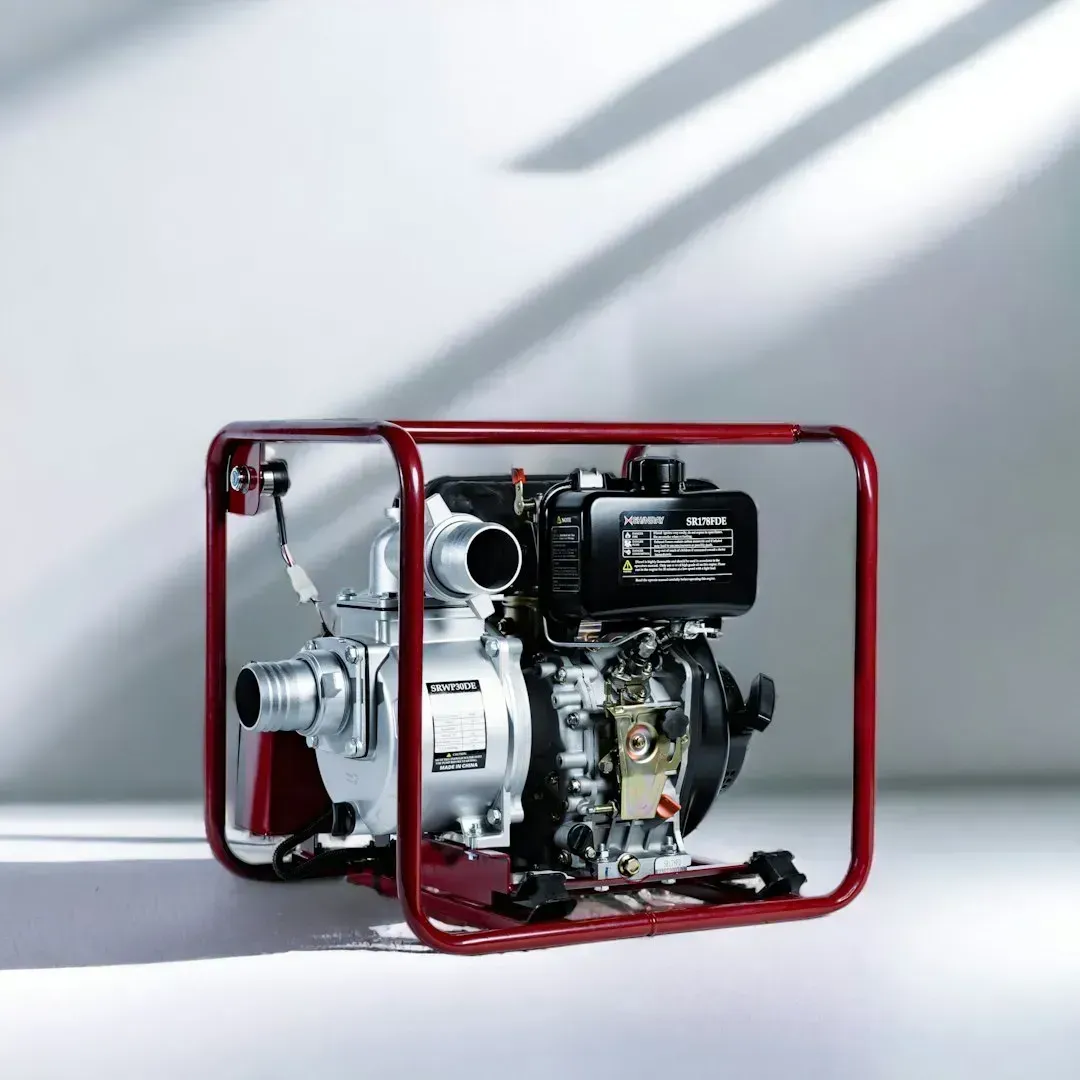
Simple steps matter most. Keep a charged phone battery pack on hand, know where the nearest cooling center is, and avoid running major appliances during the late afternoon and early evening hours when demand peaks. For homes in consistently flagged regions, a small battery backup or generator is a reasonable investment, particularly for anyone relying on medical equipment or living with young children or elderly family members.
