
California: wildfire mitigation reshapes the bill
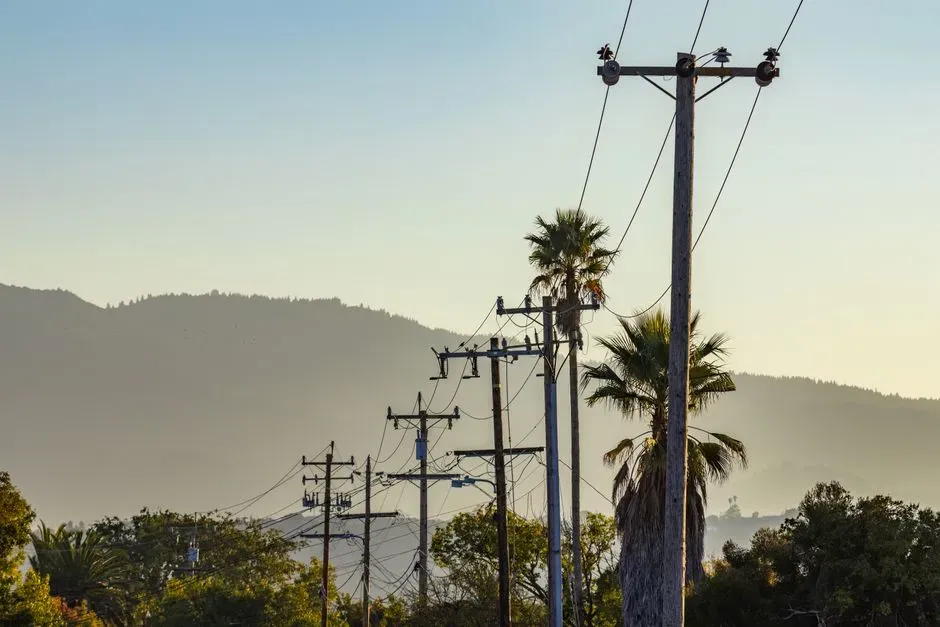
California ratepayers have watched their electricity costs climb for years, and wildfire spending is a huge part of the story. In California, wildfire-related expenditures accounted for roughly two-thirds of the rate increases from 2019 to 2024, and wildfire-related costs made up 17 percent of retail rates in 2024, up from only 1.7 percent in 2019. That is a staggering shift in less than a decade.
The spending shows up in very physical ways. Wildfire mitigation dominates utility spending in California and the Pacific Northwest, with utilities burying power lines, installing covered conductors, and aggressively managing vegetation to reduce fire risks. Pacific Gas & Electric customers have felt this directly, since Pacific Gas & Electric’s 2025–2026 rate increases, among the largest in the country at 8 to 12 percent, are largely driven by wildfire mitigation spending: undergrounding power lines, installing weather stations, hardening substations.
Florida: hurricanes keep sending the bill higher
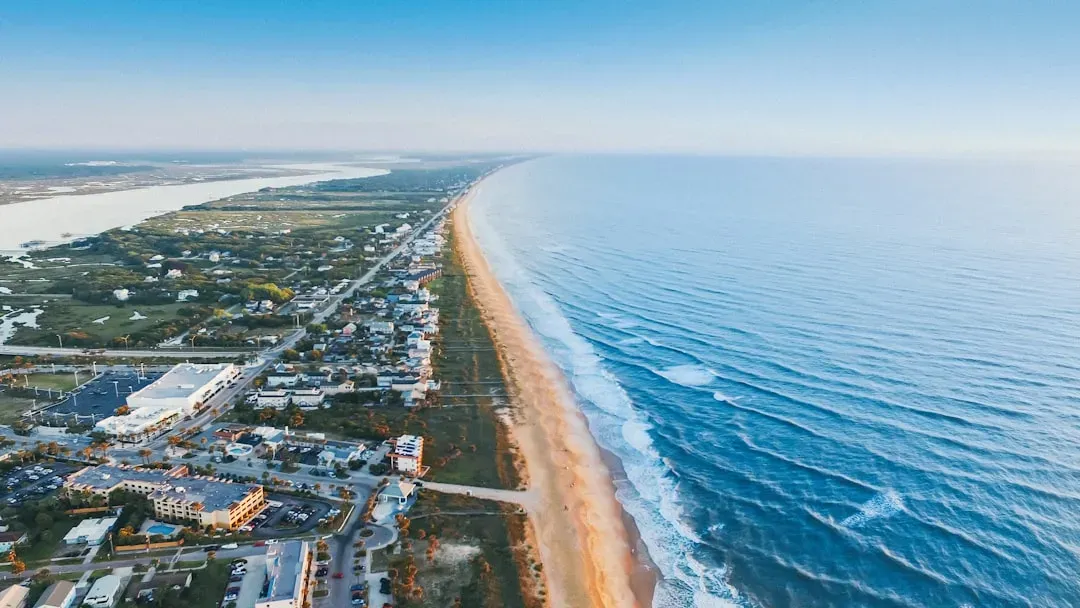
Florida’s utility costs move in near lockstep with hurricane season. Hurricane resilience is the priority for utilities in the state, and multi-year Storm Protection Plans involve undergrounding lines and hardening infrastructure. These are not small, one-time fixes but ongoing capital programs stretched across many years.
What makes Florida distinct is how visibly these costs land on a bill. These efforts appear on your bill through specific riders, and frequent storms can trigger additional restoration surcharges. After a busy storm season, customers can expect to see those surcharges layered directly onto their monthly statements rather than buried in a broader rate case.
Texas: extreme heat pushes the grid to its limits
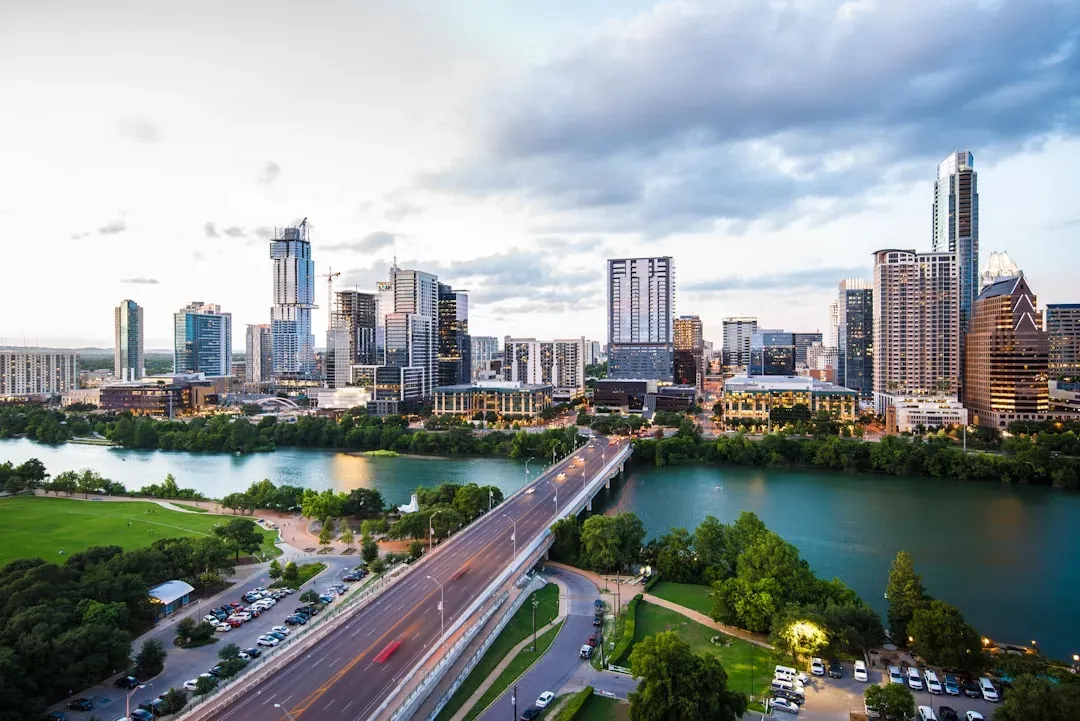
Texas has become something of a case study in how heat alone can strain an electric system. Extreme heat stresses the grid in Texas, increasing the need for ancillary services and reliability support as operators manage high peak demand and maintain grid stability. Keeping air conditioners running through triple digit summers requires backup capacity that has to be paid for somehow.
Winter has proven just as costly in its own way. Rate pressure in many states also reflects recovery of costs from major weather events like Winter Storm Uri, alongside grid hardening investments and transmission for renewable integration. Texas households now effectively pay a premium for weather extremes at both ends of the thermometer.
North and South Carolina: living with Hurricane Helene’s aftermath
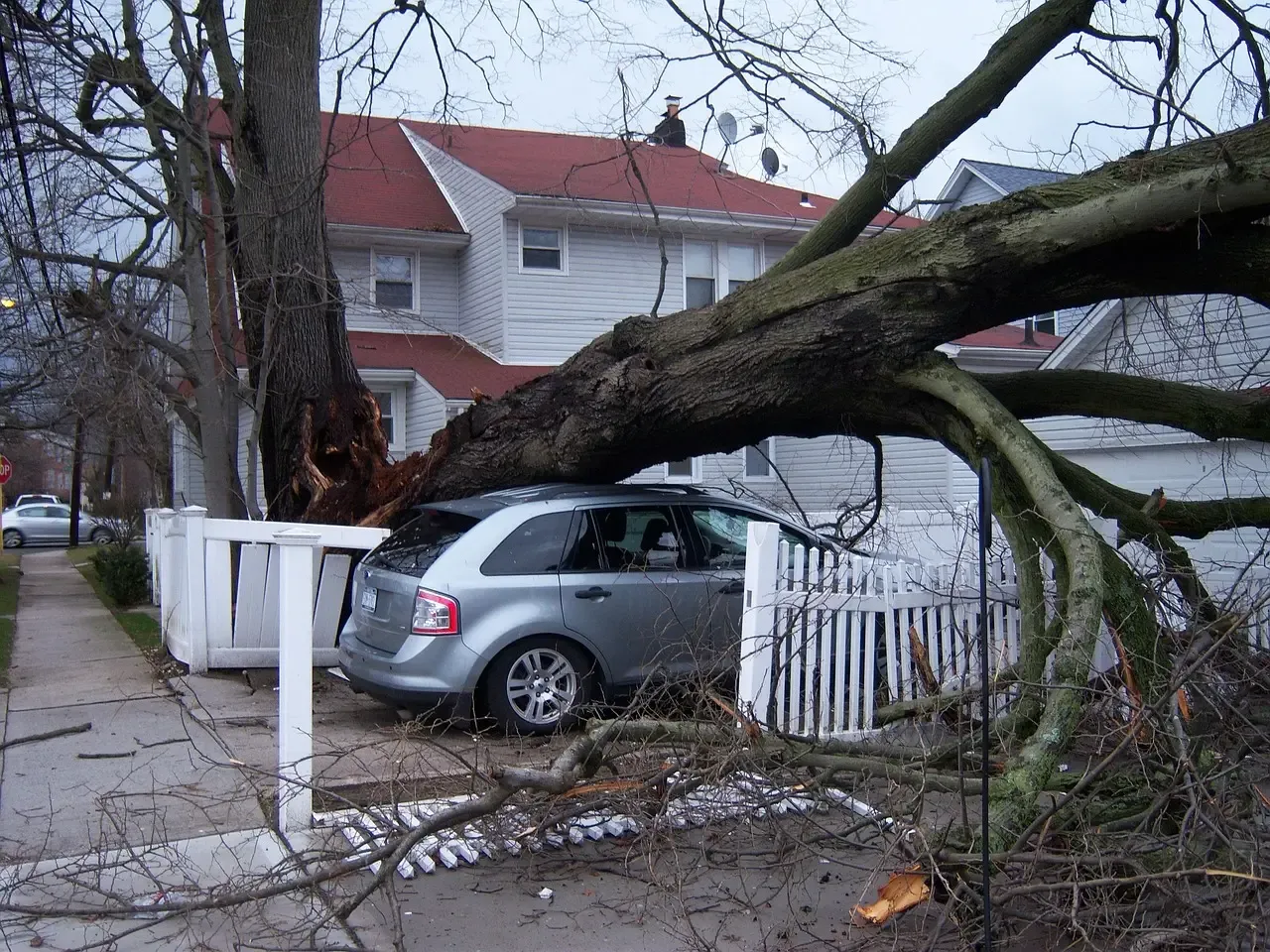
Few states illustrate the direct link between a single storm and a rising bill better than the Carolinas. Hurricane Helene caused catastrophic outages in Western North Carolina, with over 1.5 million customers out of power after the storm in 2024, and combined with Hurricanes Debby and Milton, extreme weather racked up a 1.1 billion dollar tab for Duke Energy in 2024. That bill did not disappear; it worked its way into rate cases.
Customers in both states are now paying it off in installments. Duke Energy Carolinas residential customers who use more than 1,000 kilowatt-hours of electricity per month saw about a five dollar increase starting in January 2026, and Duke Energy Progress residential customers saw an increase of about eleven dollars starting in February. Across the border, a typical residential Duke Energy Carolinas customer in South Carolina using 1,000 kilowatt-hours of electricity per month saw a new storm charge on bills reflecting a 3.2 percent increase, or 4.58 dollars.
Hawaii: isolation makes every climate cost worse

Hawaii already carries the nation’s highest electricity rates, and its geography leaves little room to absorb shocks. Hawaii remains the most expensive state for energy, with rates nearly triple the mainland average, and residents who need cooling or dehumidification face electricity rates around 40 cents per kilowatt-hour. There is no regional grid to lean on when costs spike.
Much of that vulnerability traces back to fuel dependence rather than fire or storm damage alone. The state’s reliance on imported oil to generate power means that any geopolitical instability instantly hits the monthly bill. For older residents on fixed incomes, that unpredictability turns basic energy efficiency into something closer to a necessity than a preference.
Arizona: heat and growth collide
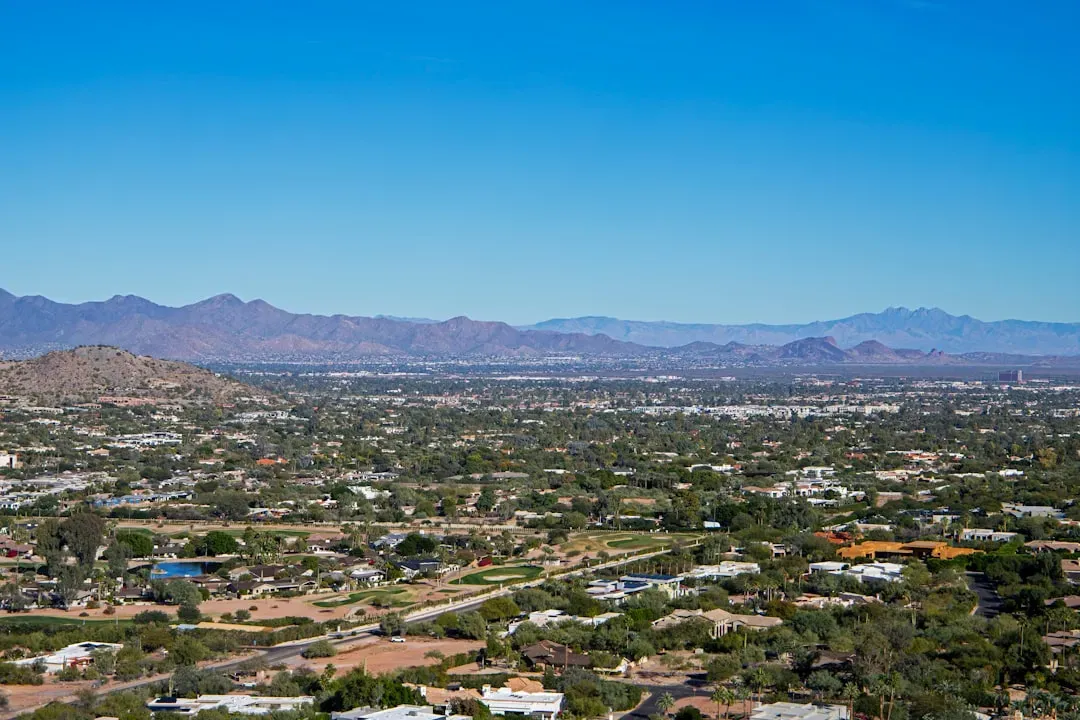
Arizona’s utility bills are being squeezed from two directions at once. Climate change continues to drive up average monthly temperatures in Arizona, extended heatwaves mean that air conditioning units must run longer and work harder, and as peak usage season approaches, utility companies charge premium rates during peak demand hours. The state is simply hot for longer stretches than it used to be.
Rapid population growth compounds that heat pressure. Arizona is one of the fastest-growing states in the country, and the existing utility infrastructure was not designed for this rapid expansion, so providers must build new substations and power generation facilities, distributing the financial burden of this expansion among all ratepayers. Newcomers moving in for the sunshine end up sharing the cost of a grid still catching up to demand.
Washington and Idaho: wildfire risk moves north
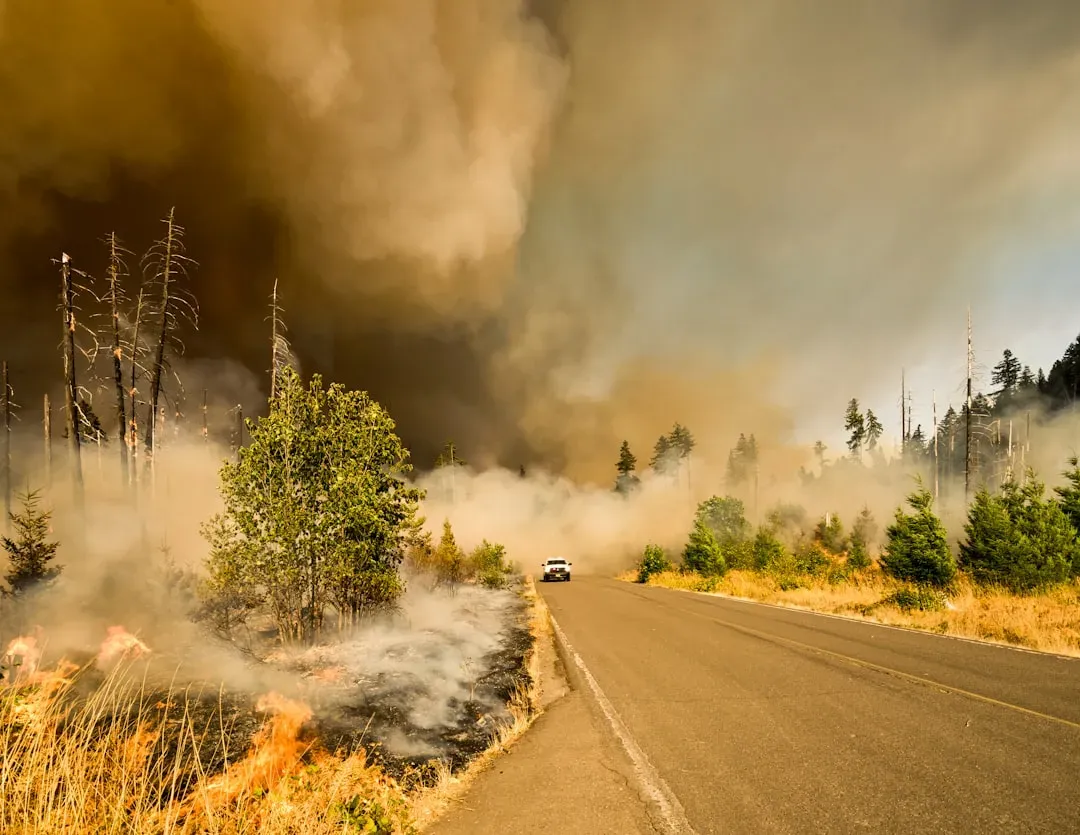
Wildfire mitigation is no longer a story confined to California. Mitigating wildfire risk in Washington and Idaho incorporates grid hardening, vegetation management, situational awareness, and emergency response, with roughly 45 million dollars in capital and 20 million dollars in operations and maintenance planned for 2026. Utilities in the Pacific Northwest are adopting many of the same tools California pioneered years earlier.
Regulators in both states have already responded with new rules. Legislation has passed in Washington and Idaho covering approval of wildfire mitigation plans and securitization to help finance recovery costs. These policy tools let utilities spread big wildfire costs over time rather than billing customers all at once, though the money still ultimately comes from ratepayers.
Colorado: a drier, more fire prone future
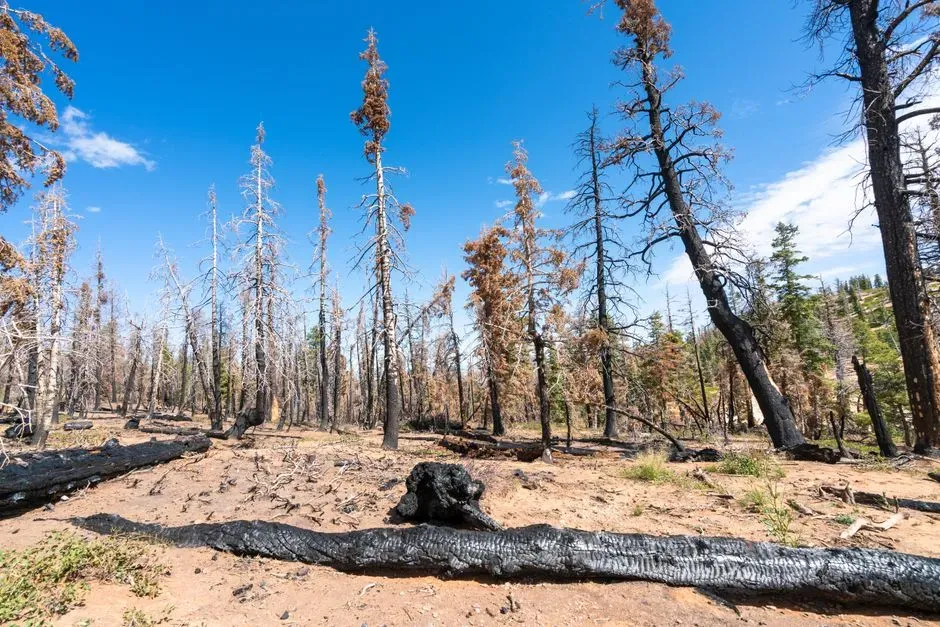
Colorado’s fire season has been creeping outside its traditional calendar window. There is an increasing fire danger in winter months in Colorado, and fire conditions can be exacerbated by drought, strong winds, and vegetation growth, with climate change leading to increased temperatures, lower humidity levels, and more frequent drought conditions. That shift matters because it extends the period during which utilities have to actively manage risk.
This past winter offered a stark example of why. Colorado had one of its lowest snowpacks on record during the 2025-26 winter due to warm and dry conditions, particularly in the western part of the state, leaving it more vulnerable to wildfires than usual. Less snowpack means less moisture heading into fire season, and utilities are already budgeting for the mitigation work that follows.
Louisiana: hurricanes, and now wildfires too

Louisiana’s climate exposure has traditionally meant one thing: hurricanes and the grid rebuilding that follows them. Recovery of costs from major weather events, alongside grid hardening investments, remains a primary driver of utility rate increases in storm-exposed states like Louisiana. That reality has shaped utility rate cases in the state for years.
What is newer is the added pressure from fire risk in a state better known for flooding than flames. Fire conditions in Louisiana can be exacerbated by drought, a subtropical climate, strong winds, and vegetation growth, with climate change leading to increased temperatures, extremely low humidity levels, and more frequent drought conditions. It is an unusual combination for a Gulf Coast state, and one that utilities there are only beginning to plan around.
The bigger picture behind the bill
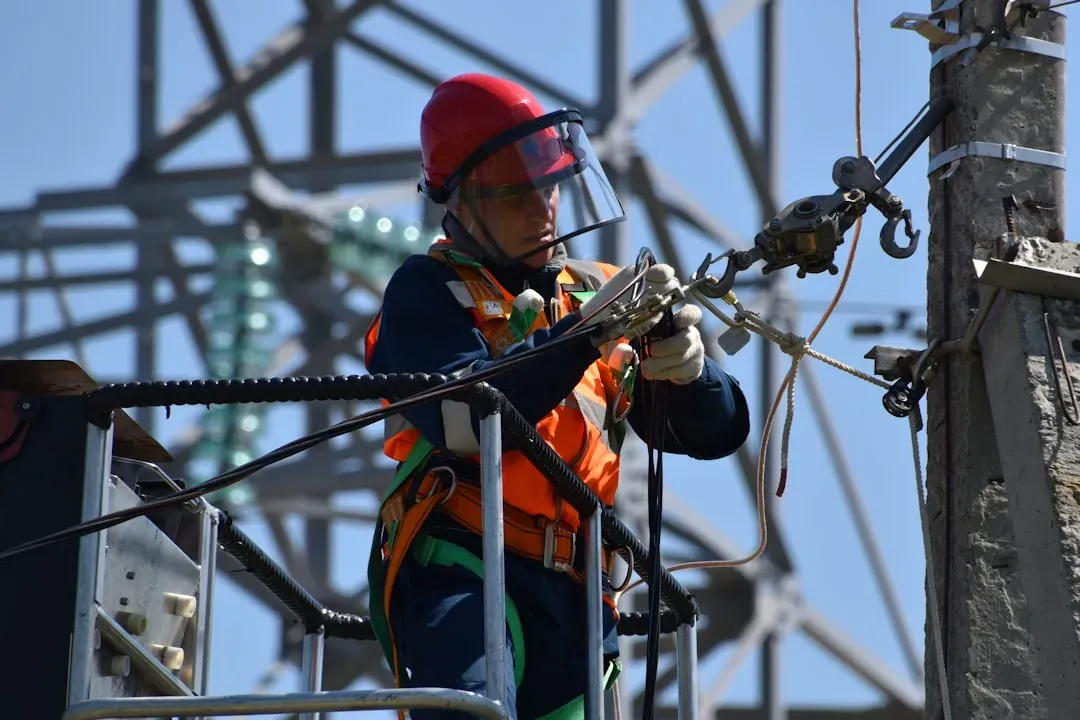
None of these state stories exist in isolation. Utilities across 49 states and Washington, D.C. have faced increased costs or proposals for increased costs, driven by growing energy demand from artificial intelligence data centers, delayed maintenance and rising costs to modernize the aging electric grid, and extreme weather events made more frequent and costly by climate change. Climate spending rarely travels alone on a bill; it usually arrives bundled with grid modernization and demand growth.
The scale of that spending is difficult to overstate. The Edison Electric Institute estimated utilities invested over 150 billion dollars in grid modernization in 2024 alone, and that investment figure has to be recovered through rates. Wherever a utility has launched a large capital program for storm hardening or wildfire prevention, customers can expect that pressure on rates to persist for years, not months.

- Insurers Ranked Every State by Climate Risk – This One Came in Dead Last - August 18, 2026
- I Asked 3 Water Engineers How Bad the Next Drought Will Be – Their Answers Didn’t Match - August 18, 2026
- The Real Reason Some Cities Are Becoming Unlivable in Summer – And It’s Not Just Heat - August 18, 2026
