

Why This Question Keeps Coming Back
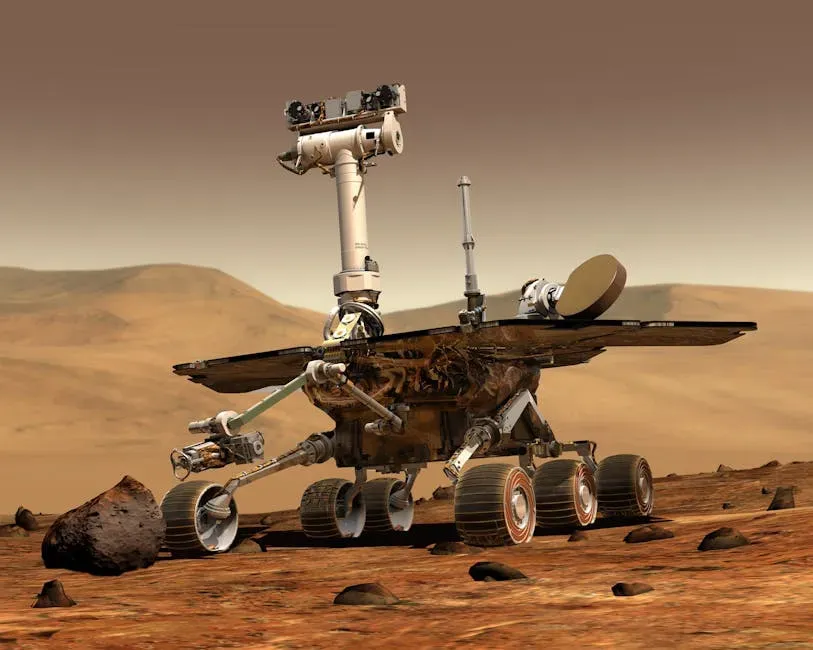
Mars has become shorthand for national ambition in a way the Moon never quite managed after the 1970s. Every major spacefaring nation now frames its space program partly around the Red Planet, even when the nearer term goals are lunar. That’s because Mars carries a symbolic weight that orbiters and satellites don’t, it suggests permanence, survival, and a species willing to bet on more than one planet.
The tricky part is that “landing on Mars” means different things depending on who’s talking. A robotic rover touchdown is a very different achievement than a crewed mission with astronauts stepping onto the surface. Any serious prediction has to separate those two goals, because the leaders in one category aren’t necessarily the leaders in the other.
The United States and NASA’s Shifting Playbook
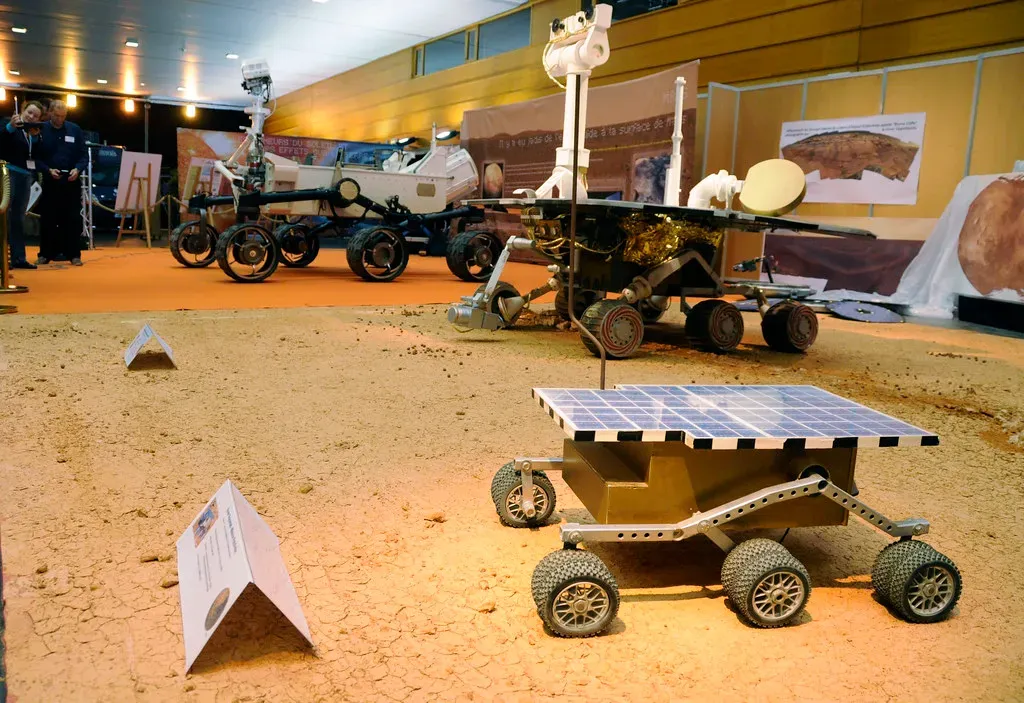
NASA has technically already won the robotic race, having landed multiple rovers on Mars including Perseverance and Curiosity, still active in 2026. The harder question is crewed missions, and that timeline has been anything but stable. NASA plans to send humans on a scientific round trip to Mars potentially as early as 2035, a trip that would take about six to seven months each way and could see astronauts spend as many as 500 days on the planet’s surface before returning to Earth.
Budget reality has complicated that picture considerably. The Trump administration’s 2026 budget proposal sought to cancel NASA’s Space Launch System and Orion crew capsule after their third Artemis mission, while boosting funding tied to a Mars-focused agenda pushed by SpaceX. The plan also reversed course on the joint NASA-ESA Mars Sample Return mission, shifting that responsibility to future crewed missions scheduled for the 2030s instead. That kind of institutional whiplash makes NASA’s own crewed Mars date one of the least certain variables in this whole equation.
SpaceX and the Private Sector Wildcard
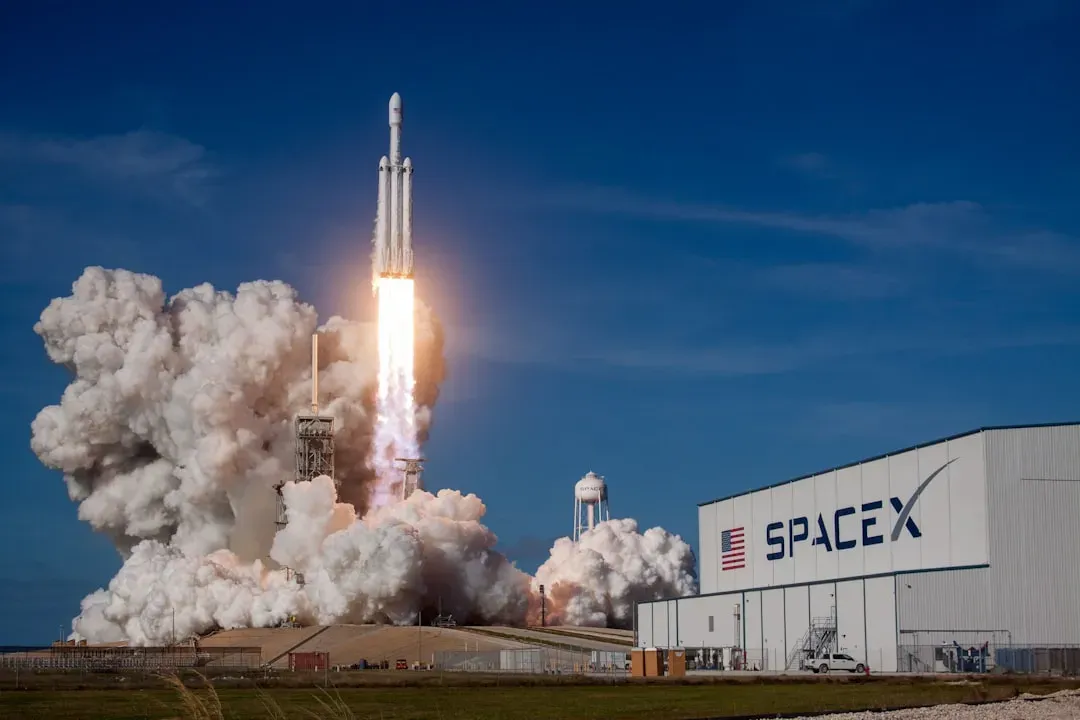
No single company has shaped the Mars conversation more than SpaceX, and no single person has moved the target date around more than Elon Musk. SpaceX aimed to send five Starship Version 3 vehicles to Mars during the November and December 2026 transfer window, intending to prove out the vehicle and its associated technology. Musk himself gave the company only a fifty-fifty chance of meeting that deadline, and said if Starship weren’t ready in time, SpaceX would wait another two years before trying again.
That caution turned out to be warranted. In February 2026, Musk publicly confirmed a shift in priorities, writing that SpaceX had already redirected its focus toward building a self-growing city on the Moon, since that goal looked achievable in under ten years, whereas Mars would take twenty or more. He still said the company would aim to begin a Mars city effort within five to seven years, but that pushes the truly ambitious settlement timeline out toward the early 2030s rather than the late 2020s. It’s a useful reminder that private sector promises on Mars have followed a fairly consistent pattern of slipping by roughly one transfer window at a time.
China’s Steady, State-Backed Roadmap

China rarely announces flashy single dates the way SpaceX does, preferring instead to lay out a multi-decade sequence and stick to it with quiet persistence. The country’s roadmap calls for an uncrewed round-trip sample mission around 2030, followed by crewed launches planned for 2033, 2035, 2037, 2041, and beyond. Nuclear propulsion is being studied as a serious option for those crewed missions, since it could shorten the long transit times involved.
What makes China’s plan notable isn’t necessarily speed, it’s consistency. The same 2033 target has appeared in Chinese state media and academy statements for several years running, which suggests a program that isn’t chasing headlines so much as building toward a fixed institutional goal. Given China’s track record of hitting self-imposed space milestones, including its lunar and space station programs, that steadiness carries real weight in any prediction.
Tianwen-3 and China’s Sample Return Head Start
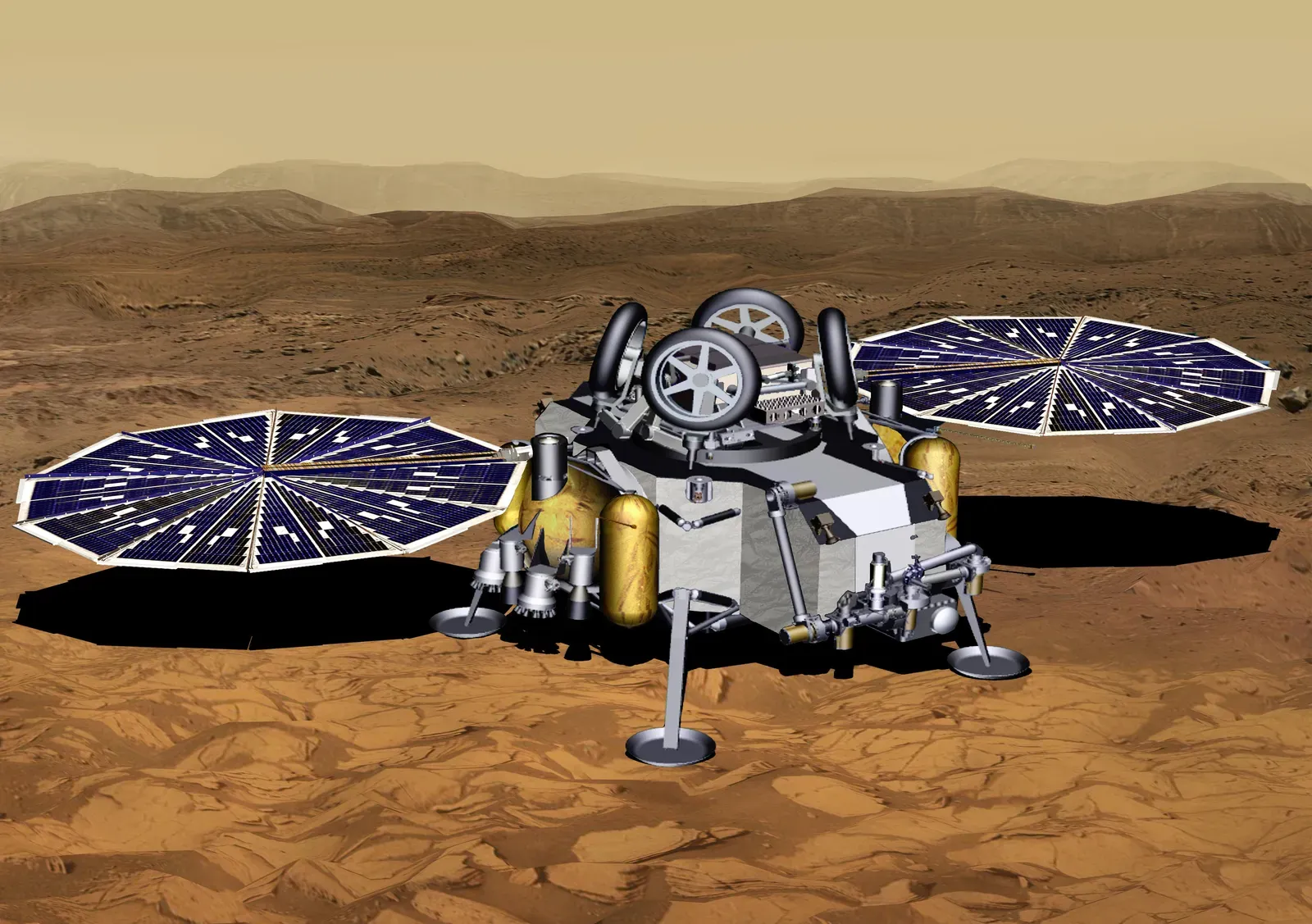
Before any crewed mission happens, there’s an important robotic milestone that China appears to be winning outright: bringing Martian soil back to Earth. China moved up the launch of its Tianwen-3 mission to 2028, two years ahead of schedule, even as the United States faced significant delays and rising costs on its own sample return effort. That timeline would see the mission return Martian samples by 2031, positioning China to potentially outpace the US in this particular race.
This matters for the bigger crewed question because sample return missions test many of the same technologies needed for eventually bringing astronauts home safely, including Mars ascent vehicles and precision landing systems. Whoever masters the round trip for a soil sample first gains real engineering credibility for the harder job of doing it with people on board. It’s not a crewed landing, but it’s a meaningful head start in the underlying technology race.
India’s Mangalyaan-2 and a More Grounded Timeline

India’s space program has built its reputation on doing more with less, and its Mars ambitions follow the same pattern. ISRO has officially confirmed that Mangalyaan-2 will launch in 2030, and unlike its predecessor this mission will include an orbiter, lander, and possibly a rover, marking India’s first attempt to actually land on Mars. Landing a rover and helicopter on Mars would be a feat so far accomplished only by the US and China, which would firmly establish India as a serious player in planetary exploration.
Nobody seriously expects India to send humans to Mars before the mid-century mark. What India does bring to the picture is proof that a comparatively modest national budget can still produce credible interplanetary hardware, which matters for the broader argument that this race isn’t purely about who spends the most money. International cooperation and data sharing may help India’s efforts, though the mission also signals a clear preference for relying on indigenous capabilities.
The UAE’s Quiet but Strategic Role

The United Arab Emirates doesn’t have crewed Mars ambitions on any near-term horizon, but its Hope Probe has quietly become one of the more successful Mars missions still running. The Hope probe arrived in Mars orbit in 2021 after a seven-month voyage, making the UAE the first Arab country to explore the Red Planet, and the mission has now been extended through 2028 after collecting ten terabits of atmospheric data against an original goal of just one terabit.
The UAE has stated a goal of becoming one of the ten biggest players in the global space economy by 2031, and it’s using missions like Hope to build the technical and human capital needed to get there. That approach, treating Mars as infrastructure for a broader ambition rather than a headline in itself, is a strategy other smaller nations may end up copying. It won’t put an Emirati astronaut on Mars anytime soon, but it does put the country firmly in the conversation.
Russia and Europe’s Faded Ambitions
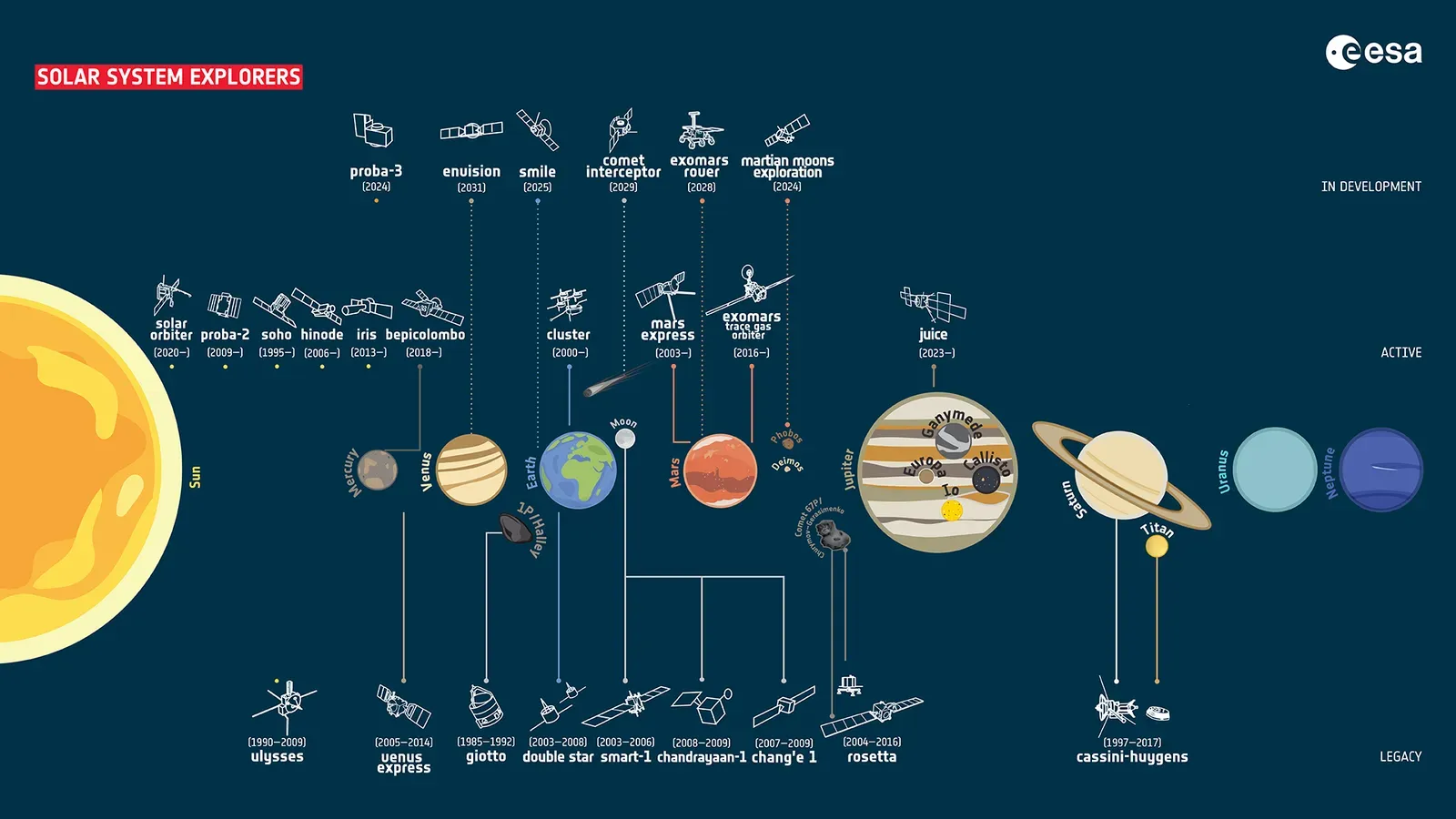
It’s worth remembering that Mars exploration wasn’t always dominated by the US and China. Russia, through its Soviet-era program, launched numerous Mars probes decades ago, and later partnered with Europe on projects like ExoMars. Sanctions, funding troubles, and the fallout from geopolitical tensions in recent years have pushed Russia’s independent Mars ambitions well into the background compared to where they stood in the space race’s earlier decades.
Europe’s ExoMars program, once a joint effort with Russia, has had to be restructured and delayed multiple times as a result of that broken partnership. Neither Russia nor the European Space Agency currently has a credible standalone crewed Mars timeline on the table. For the purposes of this particular race, both remain interesting historical participants rather than near-term contenders.
What the AI Actually Predicted

When I laid all of this out and asked directly which country would land humans on Mars first, the AI’s response leaned toward China, citing its consistent multi-decade roadmap, its accelerated Tianwen-3 sample return timeline, and the relative stability of its state-funded program compared to the political and budgetary turbulence surrounding NASA. It flagged the 2033 to 2037 window as the most plausible period for the first crewed Chinese mission based on publicly available planning documents.
That said, the AI was careful to hedge. It noted that SpaceX’s Starship, if development stabilizes, could still beat any government program to a crewed landing simply because private companies aren’t bound by multi-year budget cycles or congressional approval processes. It also pointed out that a robotic landing and a crewed landing are different finish lines entirely, and that the US already holds every robotic Mars landing on record. In short, its prediction favored China for humans, but with real uncertainty attached and an acknowledgment that SpaceX remains the biggest wildcard in either direction.
Why Predictions Like This Are Educated Guesses at Best
It’s worth being honest about the limits of any forecast here, AI-generated or otherwise. Every country and company involved has missed self-announced Mars dates before, sometimes by years, sometimes by more than a decade. The pattern with SpaceX alone has been strikingly consistent, an ambitious timeline gets announced roughly five years out, substantial but incomplete progress follows, the date arrives without the mission happening, and a new target gets set for the next transfer window.
Government programs aren’t immune to the same dynamic, just on a different clock. Budget fights, changes in political leadership, and shifting national priorities can add years to a timeline overnight, as NASA’s own recent restructuring shows. Any prediction about who lands on Mars first should be read as a snapshot of current momentum, not a guaranteed outcome.
The Bigger Picture
What struck me most after running this whole exercise wasn’t the specific country the AI named, it was how much the answer depends on timeframe and definition. Ask about robotic landings, and the US already has the strongest claim, with China closing fast through its sample return ambitions. Ask about humans, and the honest answer right now is that nobody has a fully credible, funded, and technically proven plan locked in, just a set of competing roadmaps that keep sliding a little further into the future every time real hardware meets real physics. If there’s a genuine takeaway here, it’s that the countries most likely to eventually succeed are the ones treating Mars as one step in a longer chain rather than a single dramatic leap. China’s patience, India’s frugality, and the UAE’s focus on capability building all point toward that same lesson, even if none of them get there first.

- Insurers Ranked Every State by Climate Risk – This One Came in Dead Last - August 18, 2026
- I Asked 3 Water Engineers How Bad the Next Drought Will Be – Their Answers Didn’t Match - August 18, 2026
- The Real Reason Some Cities Are Becoming Unlivable in Summer – And It’s Not Just Heat - August 18, 2026
