

- Phantom Energy Sucking Power 24/7 – 7 Home Electronics Quietly Inflating Utility Bills - November 14, 2026
- A Million-Mile Storm Raging for Centuries – 6 Violent Weather Wonders in Our System - November 14, 2026
- Animals Flee Hours Before the Tremor – 7 Natural Warnings Before Disasters Strike - November 14, 2026
For most Texans, February is a mild month. Then in 2021, the weather turned into something the state’s heating, plumbing and power systems weren’t built to handle.
The cold was only part of the story. A distant atmospheric pattern near the North Pole set the stage, and a chain of problems on the ground did the rest.
What a Polar Vortex Actually Is
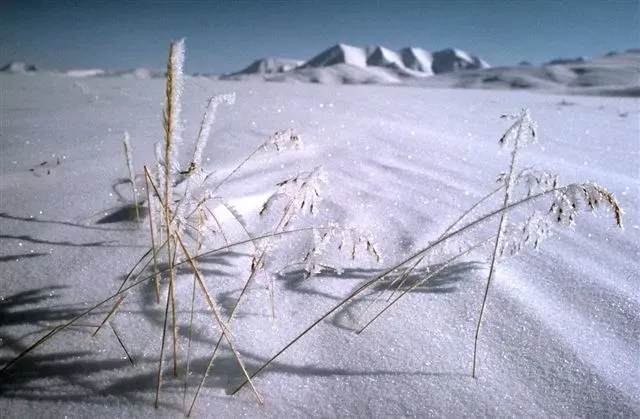
A polar vortex is a large area of low pressure and very cold air that sits over the Arctic. It’s always there, and it is strongest in winter. Most of the time, a fast ring of winds high in the atmosphere keeps that cold air bottled up near the pole.
The term often gets used loosely, as if the vortex itself were a storm that arrives in your town. It isn’t. The trouble starts when the vortex is disturbed and cold air escapes southward in a big lobe.
How the Arctic Air Slipped South
In early 2021, the pattern around the polar vortex became distorted. That allowed a deep pool of Arctic air to spill across North America and reach the southern Plains. Texas, with few natural barriers to the north, took the brunt of it.
This kind of southward push is not new, but its strength and its reach into Texas were unusual. Forecasters could see the cold coming, yet the real problem was how long it would stay. As later sections show, duration mattered more than the lowest temperature.
Days of Freezing Weather, Not Just One Cold Snap
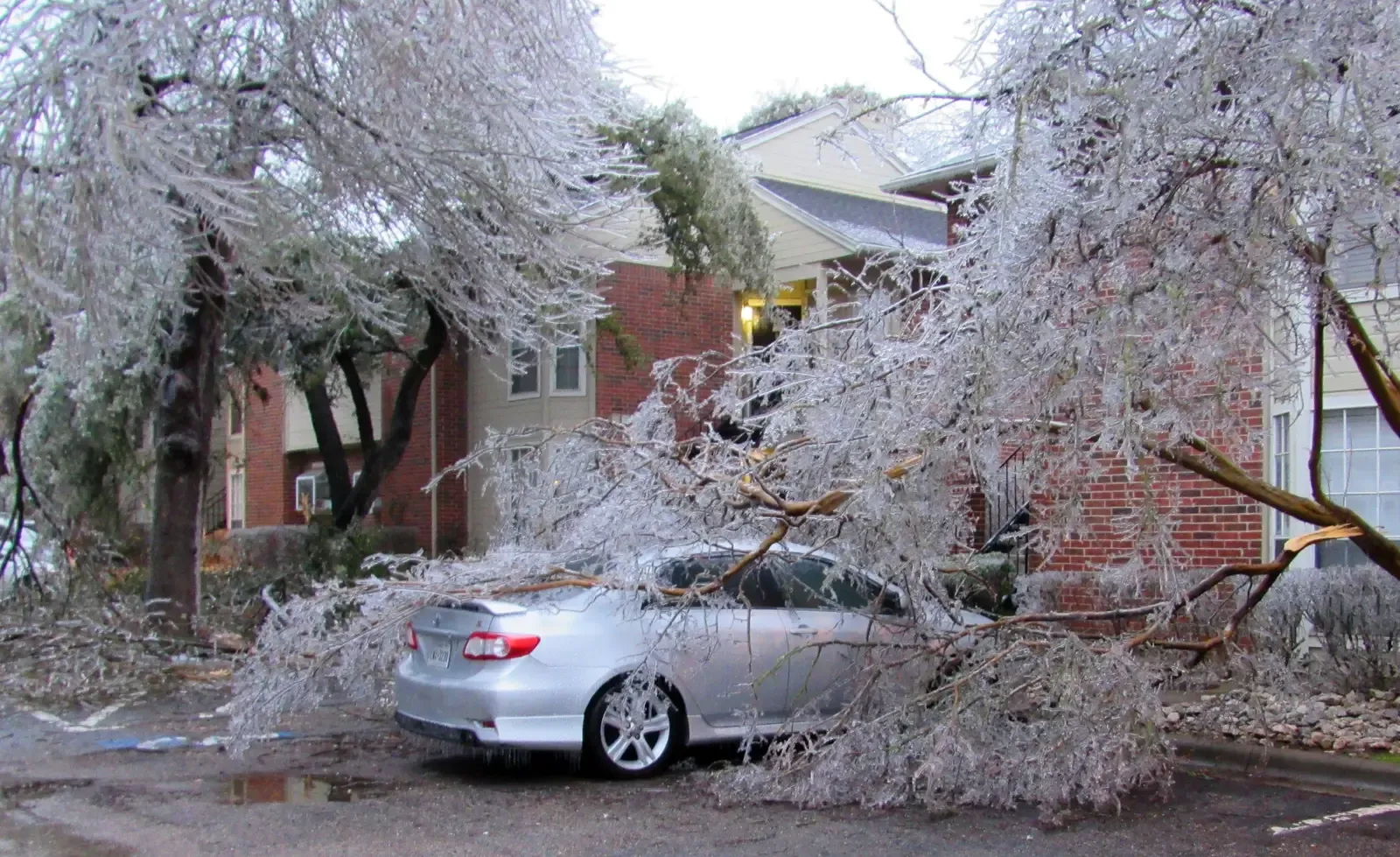
According to the Texas Comptroller, freezing rain and drizzle coated North and Central Texas as the storm began on Feb. 11, 2021, with up to half an inch of ice in some places. Snow followed on Feb. 14 through 17, with 5 inches recorded at Dallas-Fort Worth International Airport.
The cold didn’t let up. DFW recorded 139 consecutive hours at or below freezing, and Waco recorded 205 hours. ERCOT, the grid operator, says Texas saw freezing temperatures for more than 100 consecutive hours.
Demand Soared While Supply Collapsed
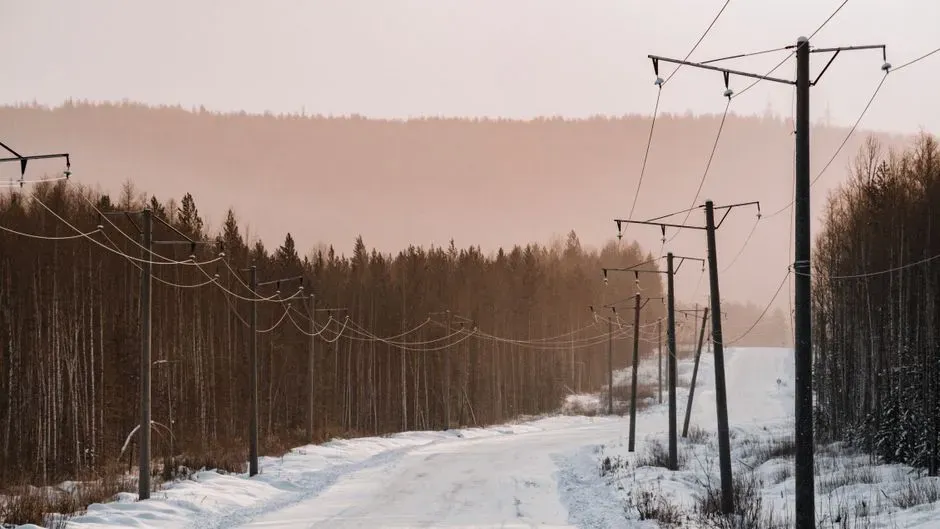
As homes tried to stay warm, electricity use climbed sharply. One review notes that demand spiked to record winter peaks exceeding 69 gigawatts. At the same moment, power plants began dropping offline.
The planning behind the grid had assumed a milder winter. The Comptroller summarized a post-storm report finding that ERCOT underestimated peak demand by nearly 14 percent. A university analysis added that many generating facilities weren’t winterized or designed to run in unseasonable cold.
Gas Supply Failed Right When Power Plants Needed It

Natural gas was the largest single source of Texas electricity at the time. The Comptroller’s figures show natural gas made up about half of generating capacity in February 2021. Wells, pipelines and processing equipment froze, so plants couldn’t get fuel.
Researchers pointed to this feedback between gas and power as a core failure. One study found that more than 9 gigawatts of outages, about a fifth of the total, came from insufficient gas reaching power plants. The same paper concluded that Texas failed to sufficiently winterize its electricity and gas systems after 2011.
Why ERCOT Cut Power to Millions

When supply falls far below demand, the grid’s frequency drops, and equipment can trip offline in a cascade. Researchers describe how ERCOT had to cut supply to millions of customers or face a collapse that some accounts say was minutes away. On the morning of February 15, the grid’s frequency fell below 59.4 hertz for four minutes and 23 seconds.
Avoiding a full shutdown mattered. A complete blackout would have affected 26 million Texans covered by the grid, and restarting it could have taken far longer. Early messaging had suggested short rotating outages, with ERCOT originally announcing outages of about 45 minutes at a time. For many households, the reality was much longer.
Millions Without Heat and Water
The Texas Tribune reports that blackouts continued until Feb. 18, and more than 4.5 million Texans lost electricity, many for multiple days in subfreezing temperatures. The Comptroller’s office put it differently, saying the storm knocked out power for nearly 70 percent of Texans. The gap likely reflects different ways of counting customers and people.
Water systems failed next. Outages knocked out pumps and treatment facilities, forcing boil-water notices for more than 14 million people. A survey of Texas households found that about three quarters of respondents lost power, and roughly one third lost it for two days or more.
The Human and Financial Toll
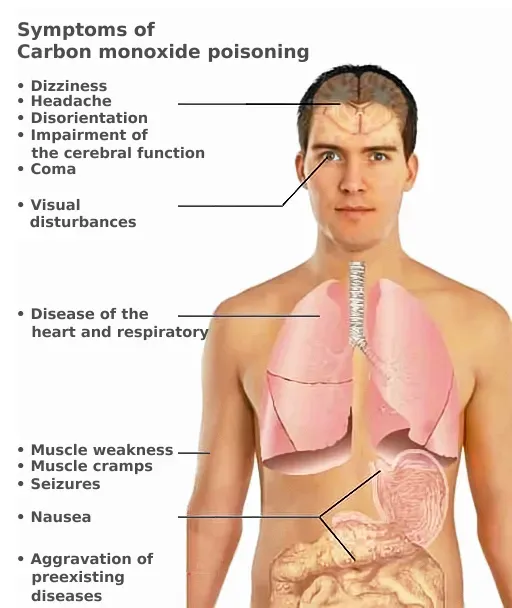
The official death count settled at 246. The Tribune notes that many deaths were caused by hypothermia and carbon monoxide poisoning as residents tried to stay warm with charcoal grills indoors or vehicles running in garages. Early tallies were far lower, and researchers have long suspected undercounting.
The financial damage was also huge. Estimates of economic damage run from $80 billion to $130 billion. AccuWeather’s estimate for Texas alone was $130 billion, and $155 billion for the country as a whole.
Resignations, New Laws and Weatherization Rules
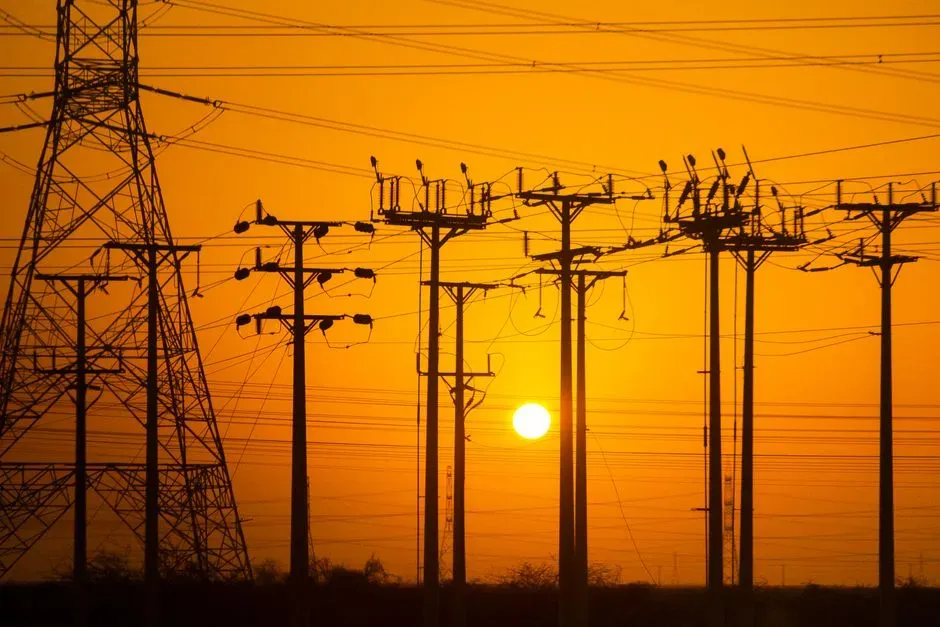
Accountability came quickly. Five ERCOT board members, including the chair, resigned, and the chair of the Public Utility Commission also stepped down in the following weeks. Lawmakers then moved on reforms.
ERCOT explains that Senate Bill 3 directed the Public Utility Commission to require weatherization of generation and transmission facilities, and the Railroad Commission to require it for natural gas infrastructure. Inspections and standards have been phased in since, with some provisions starting in 2023.
How the Grid Has Fared in Later Storms
ERCOT reports that outages at key plants during Winter Storm Heather in 2024 were lower than during Elliott in 2022 and Uri in 2021. It adds that Winter Storm Fern in 2026 continued that trend. These are the grid operator’s own figures.
The Texas Tribune reported in January 2026 that the grid stayed stable through intense demand, though experts said the storm was much less severe than Uri. The state still saw localized outages and a handful of deaths from exposure and accidents. Rising demand means the grid still faces a moving target.
