
Most conversations about climate change rightly focus on what’s being lost: coastlines, snowpack, stable growing seasons, livable temperatures in places that once had them. That framing is accurate and important. Still, the geographic reality of the U.S. is uneven, and some regions face a genuinely different calculus than others when it comes to a warming world.
A climate haven is broadly defined as a city or region projected to experience fewer and less severe impacts from climate change compared to other parts of the country. These locations tend to combine favorable geography, stable weather patterns, and strong social and economic systems. While no place is entirely immune to climate disruption, such regions are expected to remain habitable, resource-secure, and economically viable even as conditions intensify elsewhere. With that nuanced definition in mind, here are ten U.S. regions that researchers, planners, and climate scientists consistently point to as places with a genuine, if complicated, path forward.
1. The Great Lakes Region (Michigan, Wisconsin, Ohio)
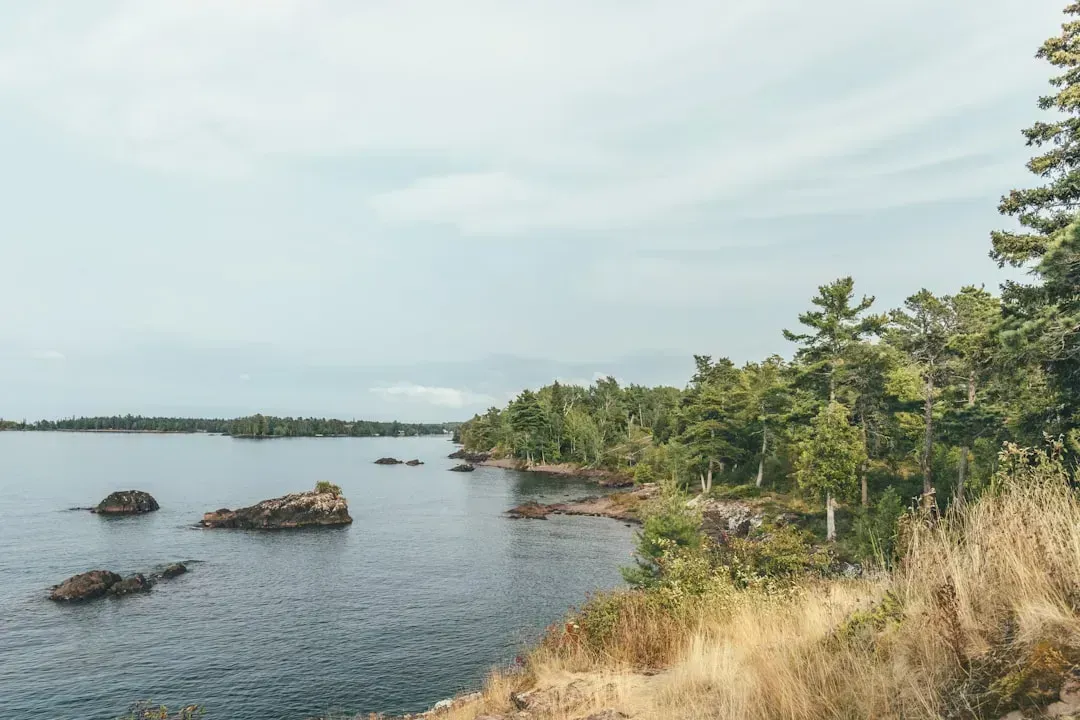
The Great Lakes region holds a treasure trove of clean fresh water that is increasingly seen as a competitive edge, particularly as warming temperatures desiccate the Southwest and strain the Deep South. Great Lakes officials have begun actively promoting their ecologically stable and water-rich region as a sensible place to do business well into the 21st century. The sheer volume of fresh surface water here, roughly one fifth of the world’s supply, is something no other inland U.S. region can match.
In the near term, longer growing seasons and rising carbon dioxide levels are projected to increase yields of some crops in the region, though those benefits will be progressively offset by more extreme weather events over time. That nuance matters: cities in this region will likely face some of the greatest temperature increases in the country, and warmer air holds more water vapor, causing more frequent, intense, and longer-duration storms. Thriving here will depend heavily on infrastructure investment and smart water governance.
2. The Twin Cities Metro, Minnesota
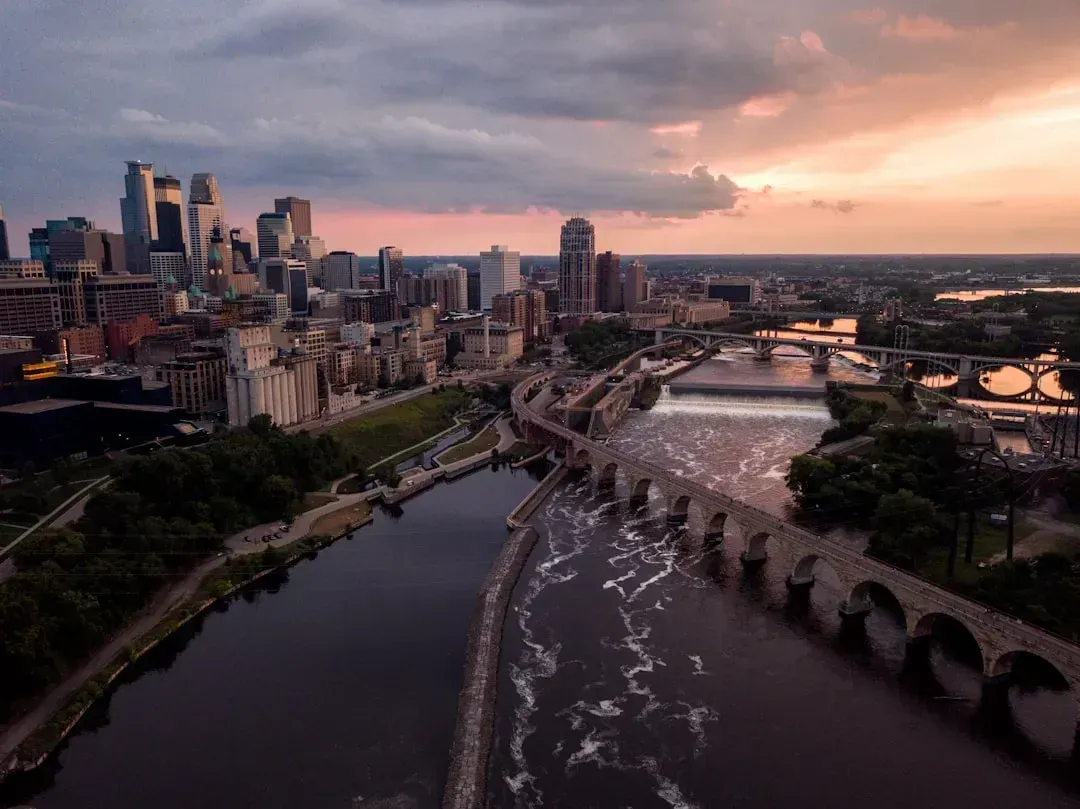
Minnesota may be known for harsh winters, but experts say cities like Duluth and Minneapolis could actually be ideal for those looking to avoid the worst effects of climate change. Minneapolis’s northern, inland location makes it less vulnerable to hurricanes and flooding, and summers are not projected to get as persistently hot as in most other U.S. regions. That relative temperature buffer is not trivial when you consider that much of the country’s Sun Belt is already struggling with heat that strains infrastructure and health systems.
Minneapolis is investing in electrified public transit, green rooftops, and community-owned energy. Its strong governance and accessible water resources make it a model of northern sustainability. The metro area also benefits from a diversified economy anchored in healthcare, finance, and technology, meaning it isn’t economically dependent on climate-sensitive industries like agriculture or tourism alone.
3. Duluth, Minnesota and Lake Superior’s Shore
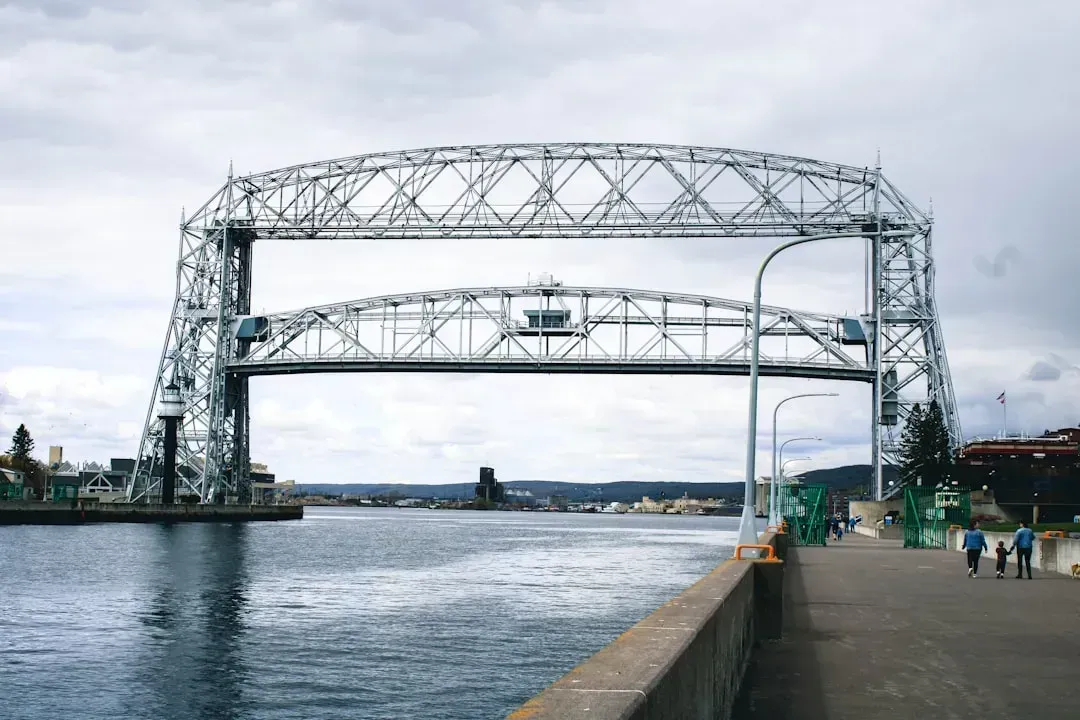
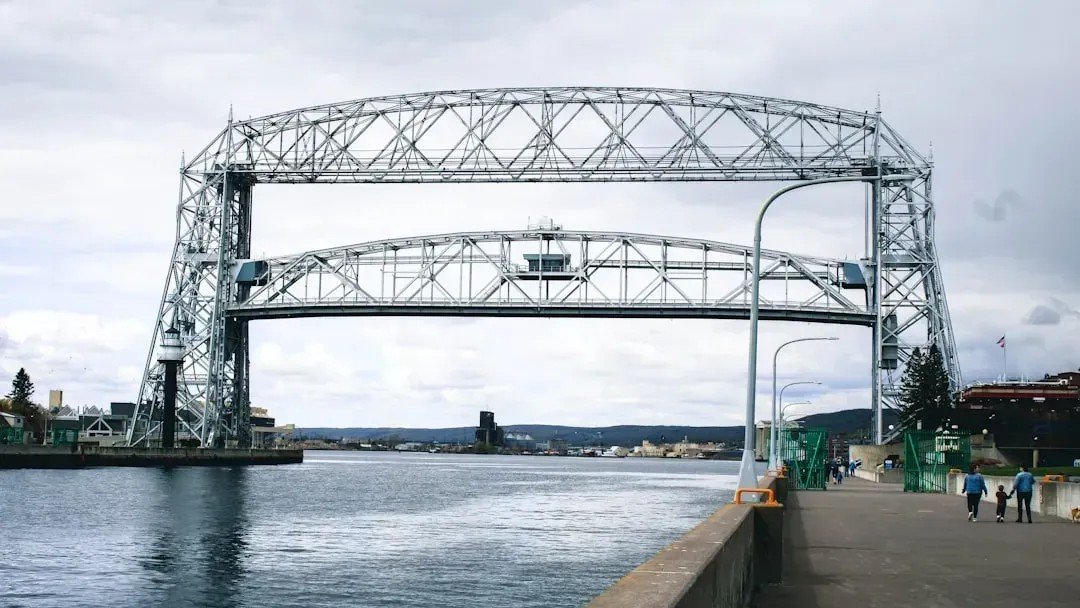
Duluth’s position on Lake Superior offers abundant freshwater and cooler ambient weather. The city’s renewable energy transition and community planning efforts make it one of the most frequently cited U.S. climate refuges in academic and policy circles. Its waterfront, park systems, and access to Lake Superior have even helped drive steady tourism growth that researchers view as durable under moderate warming scenarios.
The picture isn’t without complications, though. Duluth has dealt with flooding emergencies for three consecutive years, and a 2017 report revealed that Duluth’s winters are among the fastest warming in the United States, with the average daily temperature for December, January, and February now nearly six degrees higher than in 1970. The city is actively upgrading its stormwater infrastructure and has incorporated climate adaptation into nearly every major planning decision, which puts it ahead of many comparably sized American cities.
4. Western Pennsylvania and Pittsburgh
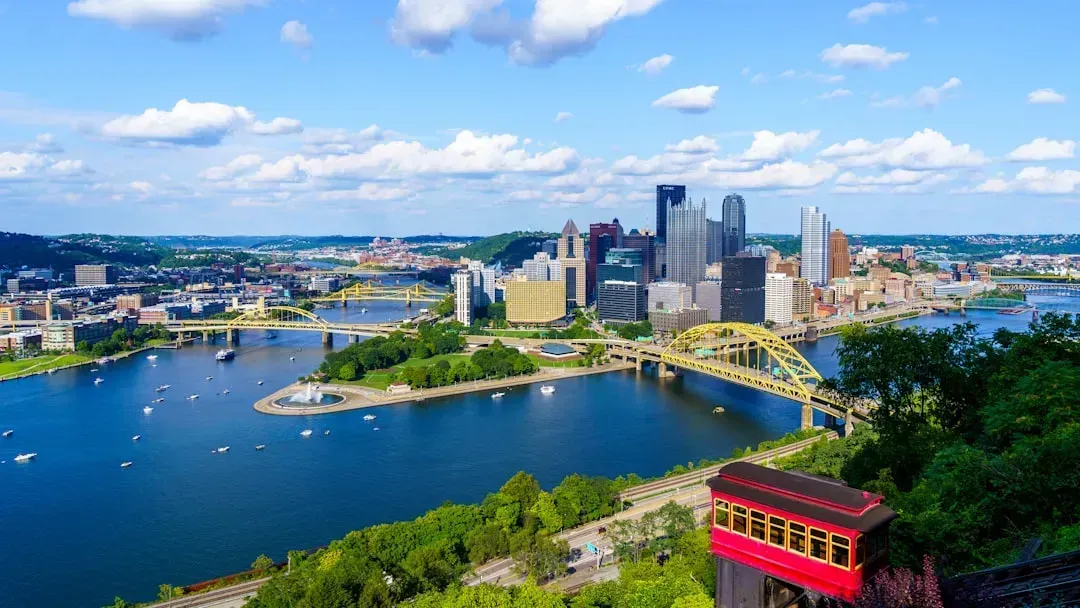
While there aren’t any truly positive long-term consequences of climate change, experts note that in the short term some states like Pennsylvania will benefit from less extreme cold and a longer growing season. Pittsburgh in particular is touted by experts as safe from hurricanes and unlikely to experience significant drought. That combination of climate stability and infrastructure density is increasingly attractive to both residents and businesses looking to relocate from more exposed regions.
Pittsburgh’s post-industrial transformation centers on green innovation. The city’s Resilient Pittsburgh strategy includes renewable energy adoption, reforestation, and clean technology investment, all of which are building economic resilience alongside physical resilience. The region also benefits from robust freshwater access via the Allegheny, Monongahela, and Ohio rivers, a quiet but meaningful advantage as water scarcity worsens in drier parts of the country.
5. The Upper Midwest and Northern Plains (North Dakota, South Dakota, Nebraska)
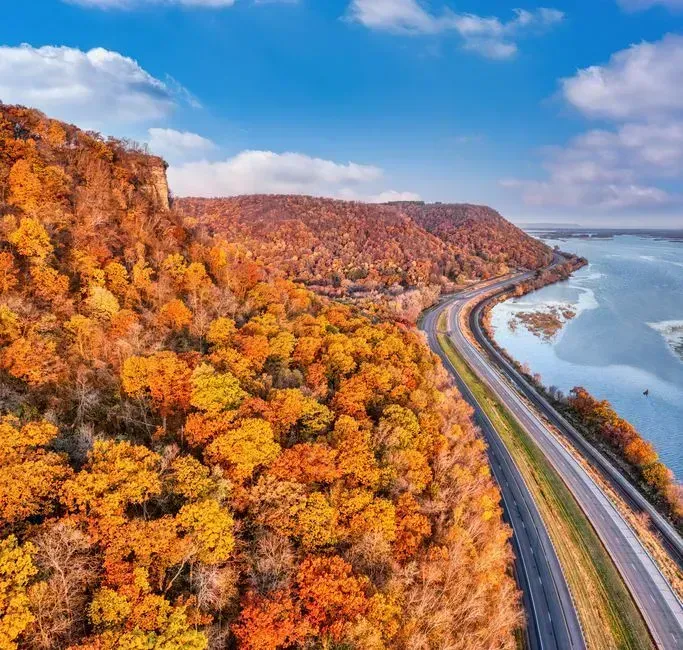
Geopolitics and globalization researcher Parag Khanna determined that Michigan will be among the least affected by climate change by 2050, and based on his analysis, other northern, non-coastal states such as North Dakota, Montana, Wisconsin, Minnesota, and Vermont may also be well-positioned. The Northern Plains, in particular, sit far from hurricane corridors and sea-level rise threats, and they hold significant agricultural land that could become even more productive with modest warming.
Lower predicted climate risk is observed in parts of the Upper Midwest, Northern Plains, and New England. These patterns are consistent with national trends, including a steady rise in billion-dollar weather disasters concentrated in coastal and southern regions, rather than the northern interior. The challenge for this region is infrastructure and population density: smaller towns will need significant investment to absorb climate migrants and sustain long-term economic viability.
6. The Northeast Corridor (Vermont, Maine, Connecticut, New York)
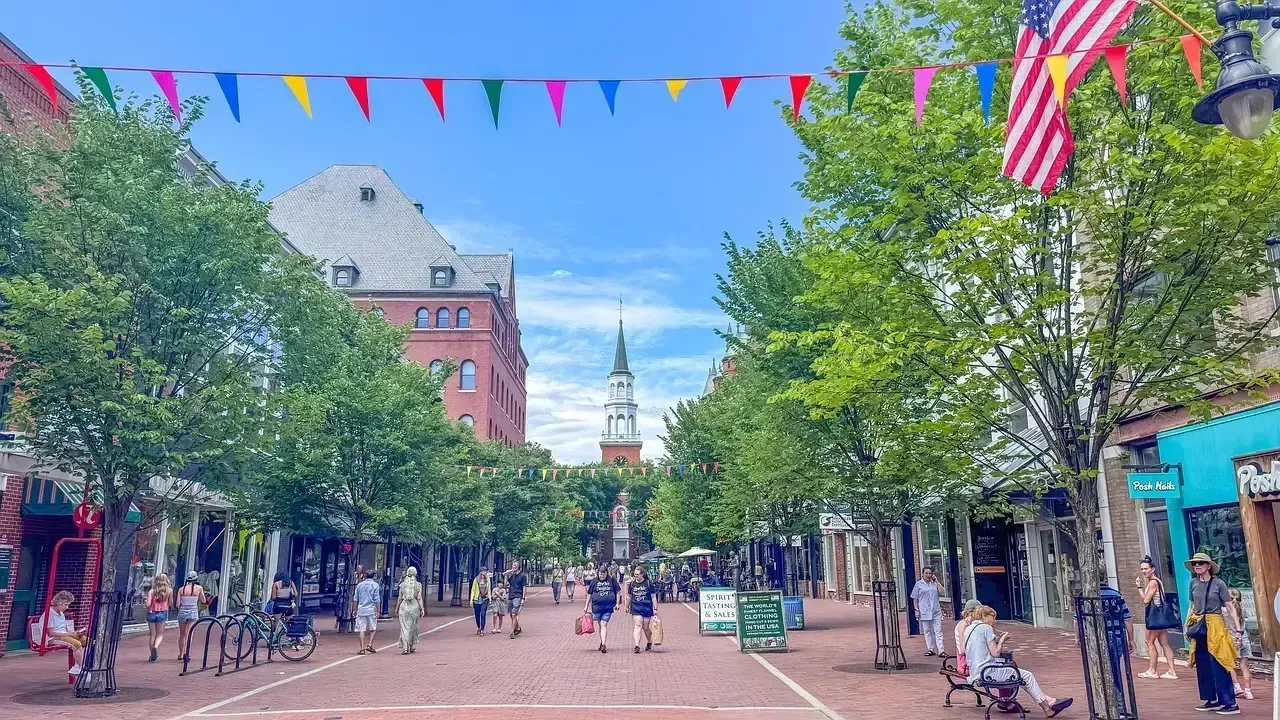
The Northeast is recognized as one of the safest long-term regions in North America for climate adaptation. Abundant freshwater from rivers and the Great Lakes watershed, moderate seasonal weather, and proactive state-level policies make it particularly suitable for sustainable long-term living. Several Northeastern states have already submitted detailed climate action plans and lead the country in per-capita clean energy investment.
There are real risks here too. Burlington, Vermont, and surrounding areas have faced catastrophic flooding two summers in a row, a sign that even well-positioned regions are not immune to increasingly intense precipitation events. Burlington runs entirely on renewable electricity and sits along Lake Champlain, ensuring reliable water access. The city’s strong civic culture, energy efficiency programs, and focus on local food resilience make it one of America’s most sustainable small cities, but sustained infrastructure investment will be essential to keep that status intact.
7. The Pacific Northwest (Western Washington and Oregon)
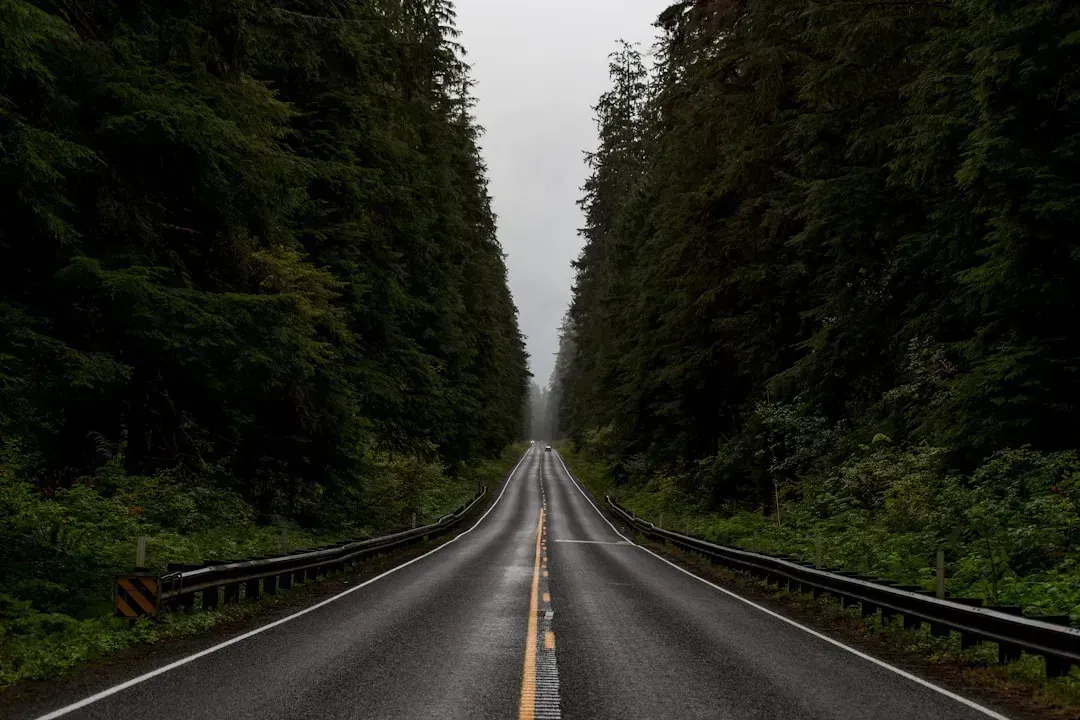
Washington state has become a leader in the clean energy space, targeting 100 percent carbon neutrality by 2030 and 100 percent clean electricity by 2045. The state already leads in carbon-free electricity, with close to three-quarters of its power currently coming from renewable resources. That renewable foundation provides both environmental and economic stability that many other regions lack going into a more volatile climate era.
Recent analyses indicate that western Oregon and Washington will likely experience warmer temperatures, higher winter precipitation, reduced snowpack, and less precipitation in summer months, which creates a genuinely mixed picture. The region’s mild base climate, green energy dominance, and strong urban economies in Seattle and Portland give it structural advantages, but wildfire risk and summer drought conditions are growing concerns that will require sustained policy responses.
8. The Iowa and Illinois Corn Belt
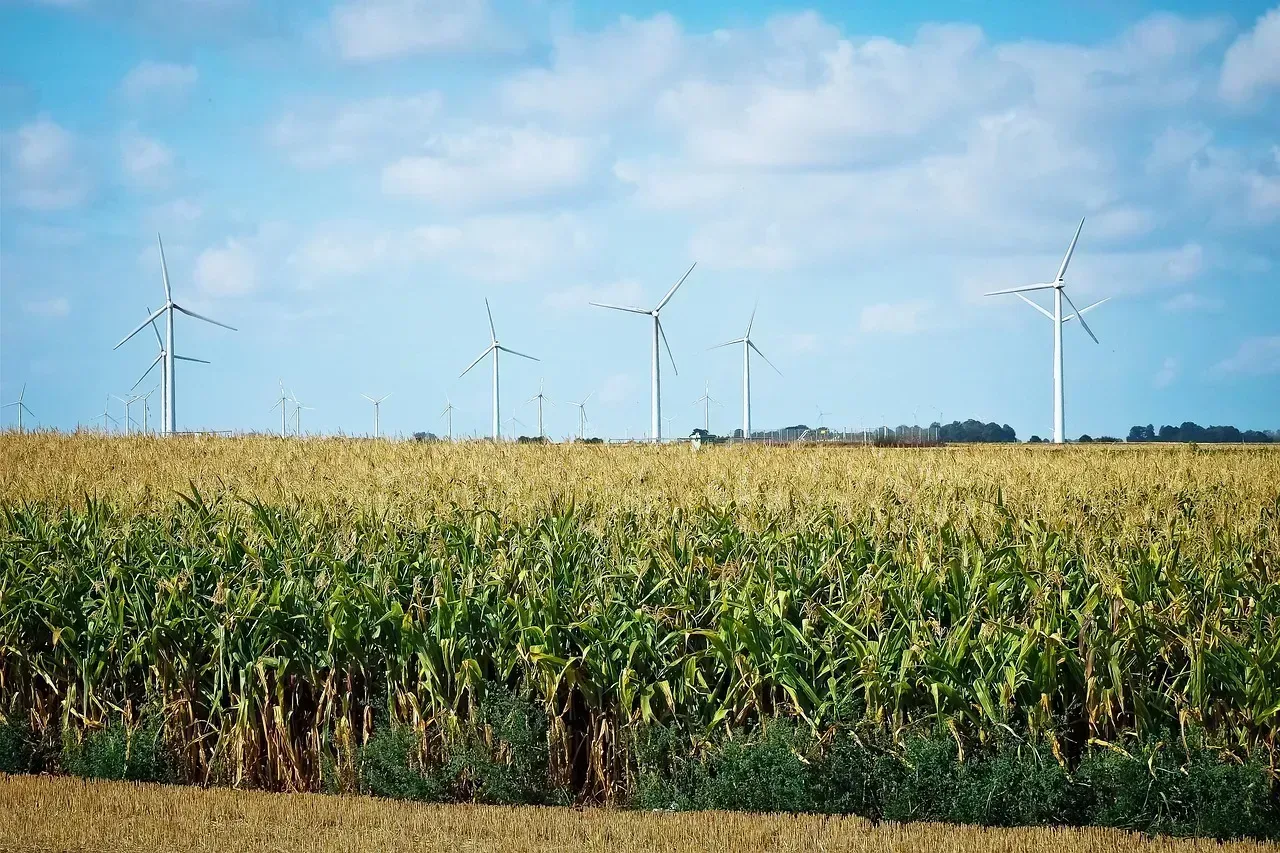
Des Moines, Iowa, generates over half its electricity from wind power. Its stable economy and growing investments in water management make it an emerging model for heartland resilience. Iowa as a whole already ranks among the top wind energy producers in the nation, and that infrastructure head start translates to lower energy costs and reduced exposure to fossil fuel price volatility.
Illinois passed bipartisan climate legislation in 2021 designed to help the state meet a goal of 100 percent clean energy by 2050, and agricultural projections for the central Corn Belt show possible near-term yield gains from slightly longer growing seasons. The region’s primary vulnerability is water management: increasingly intense rainfall events can overwhelm drainage infrastructure, and summer heat is trending upward. Still, compared to coastal or arid western alternatives, the central agricultural belt has real structural advantages.
9. Upstate New York and the Erie Canal Corridor
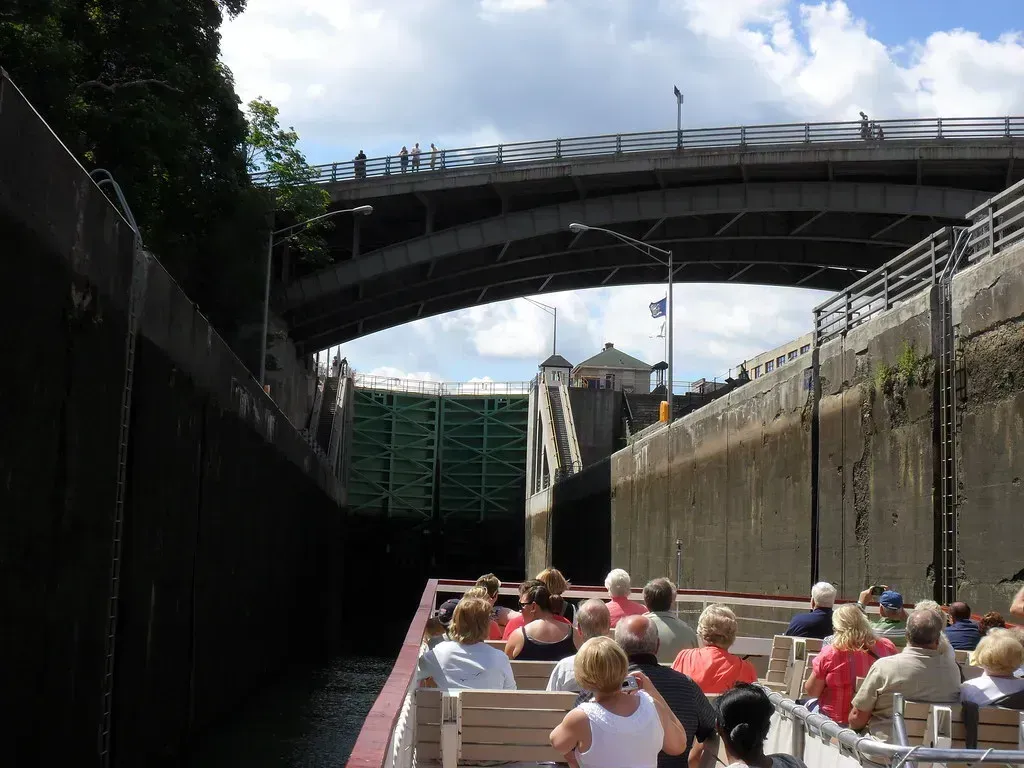
Cleveland’s Great Lakes access ensures freshwater stability, and its renewable energy initiatives, particularly offshore wind development, position it as a comeback city built on sustainability principles. Just east along the corridor, upstate New York cities like Buffalo and Albany share many of the same freshwater and geographic advantages, without the hurricane exposure of the state’s southern coastal zones.
Albany’s inland location protects it from sea-level rise, and its strong governance framework supports ambitious climate policy at the city and state level. The broader Erie Canal corridor was built around water and industry, and that legacy infrastructure, now being repurposed for a green economy, gives the region a foundation that newer sunbelt cities simply can’t replicate. Population density remains relatively low, which means there’s physical room to absorb growth driven by climate migration from more exposed regions.
10. The Upper Mountain West (Montana, Idaho, and Parts of Colorado)
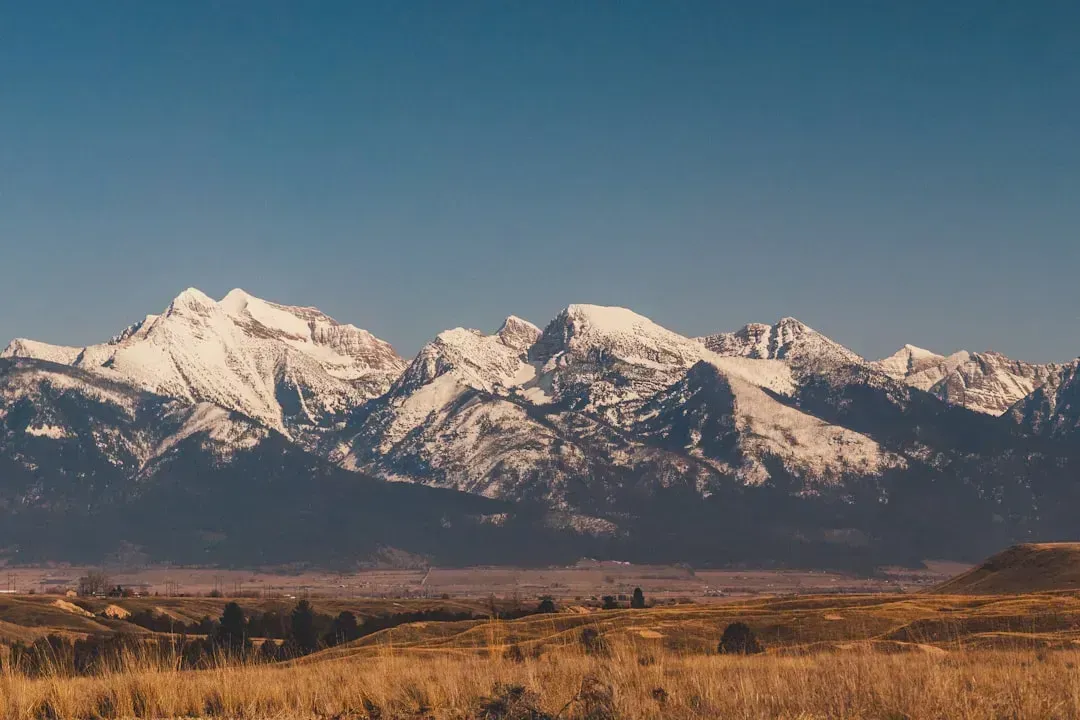
Northern, non-coastal states such as Montana are among those identified as potentially ideal in the long-term climate picture, largely because of their elevation, low population density, and reduced exposure to hurricanes, sea-level rise, and extreme coastal flooding. Parts of Idaho and western Montana currently experience some of the mildest summer temperatures in the country while sitting well above flood-prone floodplains.
Better physical health and environmental outcomes tend to cluster in portions of the Upper Midwest, Mountain West, and New England, according to recent spatial analysis of climate risk and human wellbeing. The Mountain West carries its own vulnerabilities, including wildfire risk and snowpack loss affecting water supply, but its elevation, air quality, and relatively low heat stress keep it in consideration as a region where thoughtful, prepared communities can genuinely thrive over the coming decades.

